Key Takeaways
1. RDNA 5 Launch Timeline: AMD’s RDNA 5 architecture is expected to launch between early and mid-2027, competing with NVIDIA’s RTX 6090.
2. Chip Specifications: RDNA 5 will feature two chips: AT0 for data centers with 154 CUs and 36 GB GDDR7, and AT2 for mainstream use with up to 70 CUs and 12-18 GB GDDR7, targeting performance similar to the RTX 5080 at around $500.
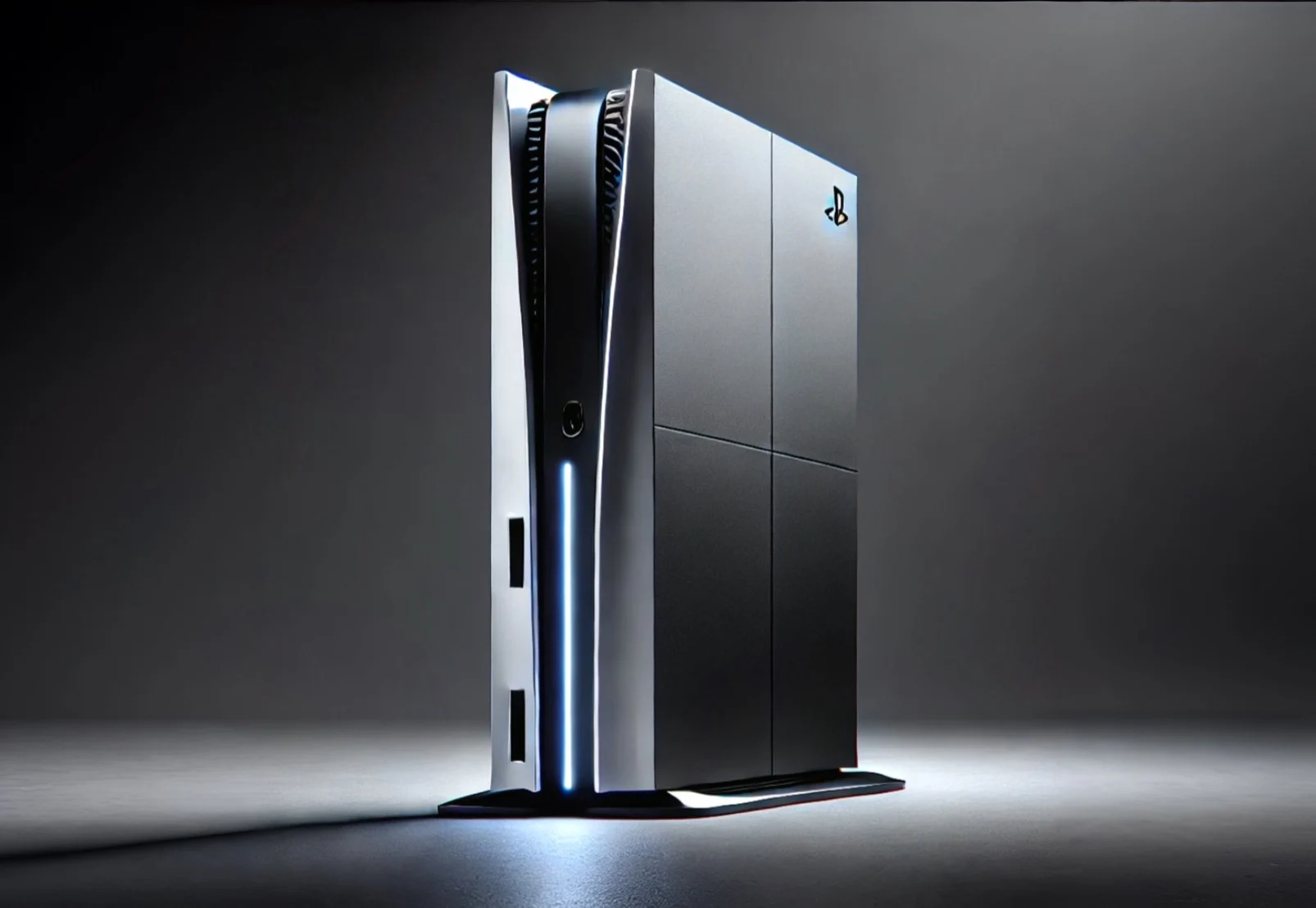
3. Support for Next-Gen Consoles: The AT2 chip will be used in the next-gen Xbox and PlayStation consoles, enhancing AMD’s AI capabilities and ray tracing performance.
4. Intel’s Challenges: Intel’s restructuring may lead to 20-25% workforce cuts by 2025, with a lack of substantial CPU launches until 2026, risking market share loss to AMD.
5. Potential Nintendo Developments: Nintendo may be developing a Switch 2 OLED, indicated by leaked components suggesting a larger screen and premium features.
In a recent episode of the Broken Silicon podcast, Tom from Moore’s Law Is Dead shared fresh insights on AMD’s future RDNA 5 architecture. He confirmed that it’s expected to launch between early and mid-2027, positioning it to rival NVIDIA’s RTX 6090.
RDNA 5 Specs Unveiled
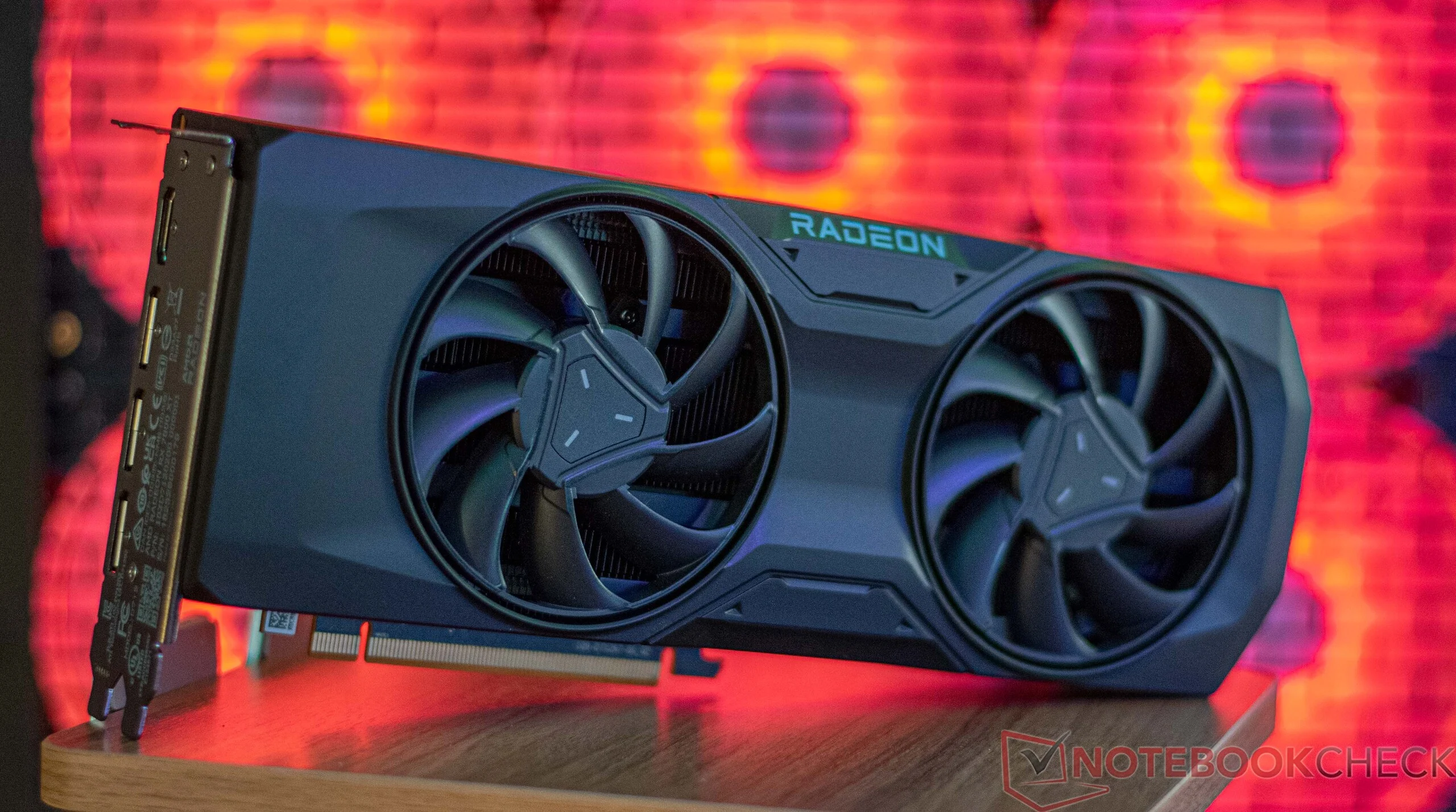
The RDNA 5 will include two chips: AT0, which is aimed primarily at data centers, featuring 154 CUs, 36 GB GDDR7, and a TDP of 380 W. The second chip, AT2, is a more mainstream option with a size of 264 mm², offering up to 70 CUs (64 specifically for gaming), 12-18 GB GDDR7, and a 192-bit memory bus. Tom indicated that AT2 is set to provide performance akin to the RTX 5080 at a price point around $500.
Next-Gen Consoles and AI Accelerators
According to Tom, AT2 will also serve as the backbone for the next-generation Xbox and PlayStation consoles, in addition to supporting AMD’s AI accelerators. This shared silicon approach is expected to lead to cost savings. The RDNA 5 is anticipated to yield significant improvements in ray tracing and AI compute capabilities, marking AMD’s strong comeback in the high-end GPU market following RDNA 4. The initial cards, likely based on AT2, are projected to be released in April 2027.
AMD’s Competitive Edge and Intel’s Struggles
Additionally, the podcast mentions that more Strix Halo-based products are in development, including mini-PCs and ultra-slim laptops, thereby strengthening AMD’s foothold in the high-performance mobile PC arena throughout 2025. In contrast, NVIDIA’s Arm-based N1X SoC, made in collaboration with MediaTek, has essentially been put on hold until mid-to-late 2026, with no precise launch date in sight.
While earlier speculations pointed to Windows 12 readiness as the reason for the delay, Tom has since identified deeper issues, such as power efficiency and challenges in integrating MediaTek’s modem IP into a cohesive design. If the N1X does launch, it may only appear in limited reference devices, likely missing the chance to compete effectively against AMD’s Strix Halo or Intel’s upcoming Lunar Lake.
Intel’s Restructuring and Future CPU Plans
The podcast also highlights that Intel’s restructuring led by CEO Lip-Bu Tan could be more severe than initially thought. Tom mentioned that internal estimates now predict workforce cuts of 20-25% by the end of 2025, equating to over 20,000 job losses, which is much higher than the previously suggested 15%. Moreover, Intel’s Network & Edge (NEX) division was spun off not as part of a strategic maneuver, but rather due to the inability to find a buyer, resulting in it being offloaded as a shell entity for the sake of investor appearances.
Moreover, there are claims that Intel’s forthcoming 256-core server CPU, Diamond Rapids, which is slated for 2025, might intentionally lack Hyper-Threading. This isn’t due to technical constraints but is a strategic decision prioritizing efficiency over sheer thread count. With no substantial CPU launches expected until 2026, Intel faces the risk of losing more market share to AMD, particularly with the upcoming Zen 6 EPYC chips that are likely to maintain SMT and offer significant IPC and performance enhancements.
Potential Switch 2 OLED Developments
In other news, Nintendo might already be working on a Switch 2 OLED. Tom reported that a leaked mid-frame with a larger cutout appeared on a Chinese marketplace, suggesting a bigger screen and a premium OLED variant could be released soon after the standard Switch 2. The podcast delves into further technology updates, making it worthwhile to listen for a complete overview.
Source:
Link