Tag: cloud gaming

  • PS6 Leaks Reveal Cross-Gen PS5 Support, Faster Cloud Gaming & Storage

    PS6 Leaks Reveal Cross-Gen PS5 Support, Faster Cloud Gaming & Storage

    Key Takeaway

    1. The PS6 is expected to feature upgraded PCIe Gen5 NVMe SSDs, offering significantly faster storage and load times compared to the PS5’s PCIe Gen4 SSD.
    2. Sony has been investing in new server technology to enhance cloud gaming, with the PS6 supporting faster streaming and remote play options, including the PlayStation Portal.
    3. The console is rumored to have a 1TB storage capacity, with efforts underway to reduce game installation sizes through techniques like neural texture compression and AI-based file downsizing.
    4. Cross-generation compatibility is planned, allowing PS5 and PS6 games to be played on both consoles, likely resulting in an extended PS5 lifecycle.

    Upcoming PlayStation 6 May Focus on Cloud Gaming

    Many of the rumours circulating around PS6 lately have been quite centered on the console’s hardware specs. But, there’s been talks suggesting that Sony is actually giving a good amount of attention to cloud gaming capacity as well. An article from MP1st explains how Sony bruger to have upgraded their infrastructure for better streaming speeds. For local gameplay, the system is said to include a significantly improved SSD. More evidence hinting that the hardware will support PS5 titles was also found.

    Improvements in Server and Storage Technologies

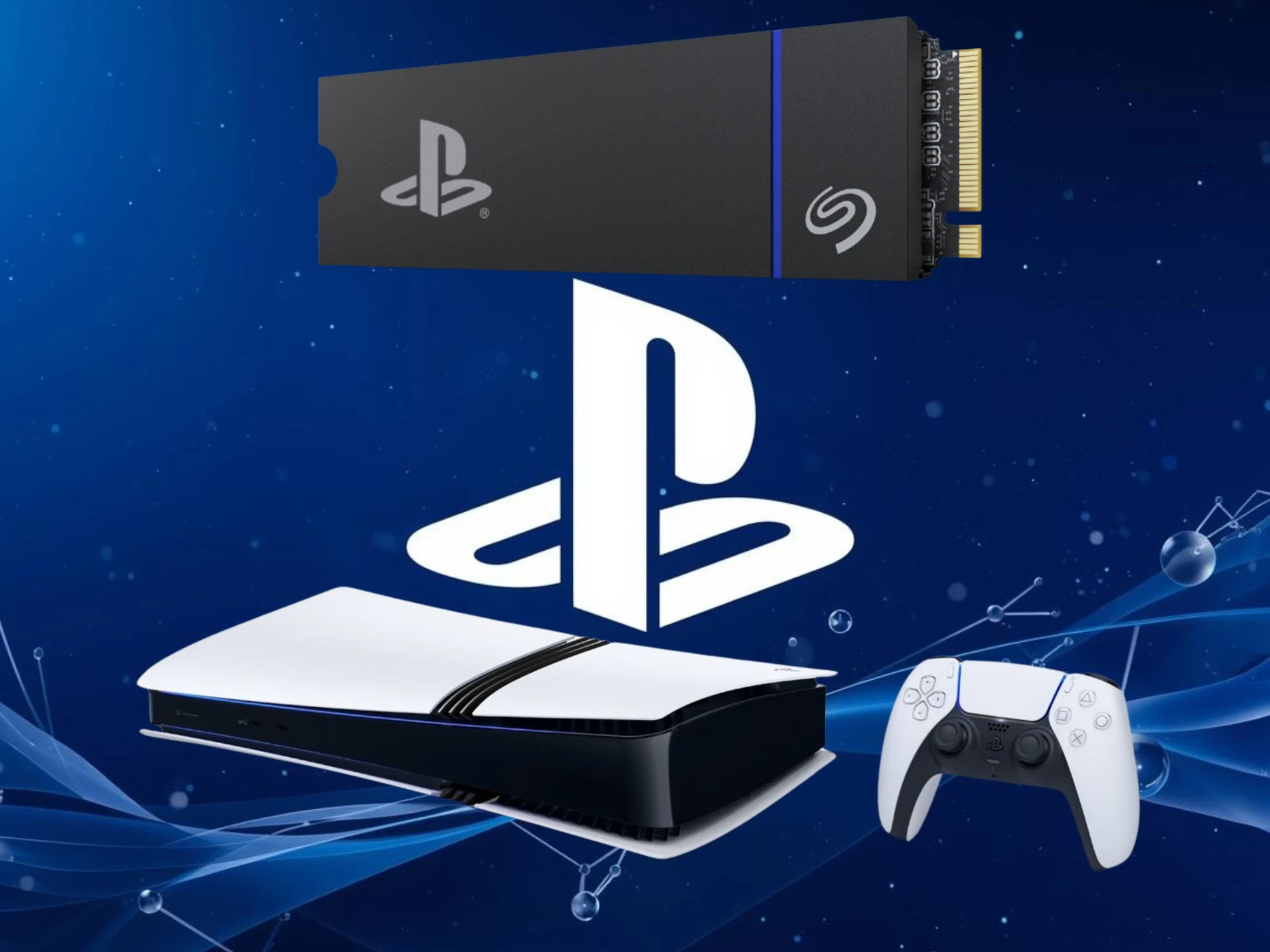
    James Lara report that Sony has been investing heavily into new server technology for over 3 years now. (That’s quite a long time!) One major update involves storage: the new PCIe Gen5 NVMe SSDs will dramatically increase data transfer speeds. Aligning with other rumors circulating the net, MP1st also believes that the PS6 will come pre-installed with the same type of drive. The current PS5 uses a PCIe Gen4 SSD, which greatly improves download speeds and load times. The new console’s specs might double these performance feats, but this might lead to price hikes for consumers. The shortages in storage and memory could push the final price higher, making cloud gaming even more attractive to many gamers.

    Expanding Cloud Gaming and Hardware Support

    Already, Sony has beefed up its streaming options through PS Plus Premium, and the PlayStation Portal has become a really popular mobile extension for game streaming. In future, the alleged PS6 handheld might be able to play PS5 games directly on the device. It might also support cloud gaming and remote play, allowing users to stream games from home consoles to other devices easily.

    Storage & Cross-Generation Compatibility

    The upcoming PlayStation is expected to feature faster storage solutions, but probably with similar capacities to keep prices stable. According to Kepler_L2, who has been leaking PS6 info, the console could have 1TB of storage, which is pretty standard. Sony is testing methods to make game installations smaller—like neural texture compression—where an AI GPU could compress files on the fly and then reconstruct them in-game.

    Extended Lifecycle and Future Titles

    If the new console costs a lot, Sony might extend the current PS5 lifecycle. MP1st learned that Sony is working on creating assets for both PS5 and PS6, including 2D and 3D elements. This supports previous leaks about the consoles being compatible with each other, meaning players won’t need to buy all new games immediately after upgrading. As for launch titles, reports hint at an “immersive third-person horror shooter” still in the creative process.

    Sources
  • Nvidia GeForce Now India Showcase: Impressive but Unanswered Questions

    Nvidia GeForce Now India Showcase: Impressive but Unanswered Questions

    Key Takeaways

    1. Nvidia is launching its GeForce Now service in India soon, after delays due to backend infrastructure needs.
    2. GeForce Now features advanced streaming capabilities with RTX 5080 GPUs, supporting resolutions up to 5K and 120 fps, along with new Cinematic Quality Streaming (CQS) mode.
    3. The service allows streaming of over 4,000 games from various platforms, backed by Nvidia’s global network of data centers, including new ones in India.
    4. Initial testing showed positive performance with low latency, but concerns remain about service reliability in remote areas and data center capacity for a growing user base.
    5. Pricing for GeForce Now in India is expected to range from free to around ₹1,900 per month, with questions about persistent storage and competition from services like Microsoft Xbox Cloud Gaming.


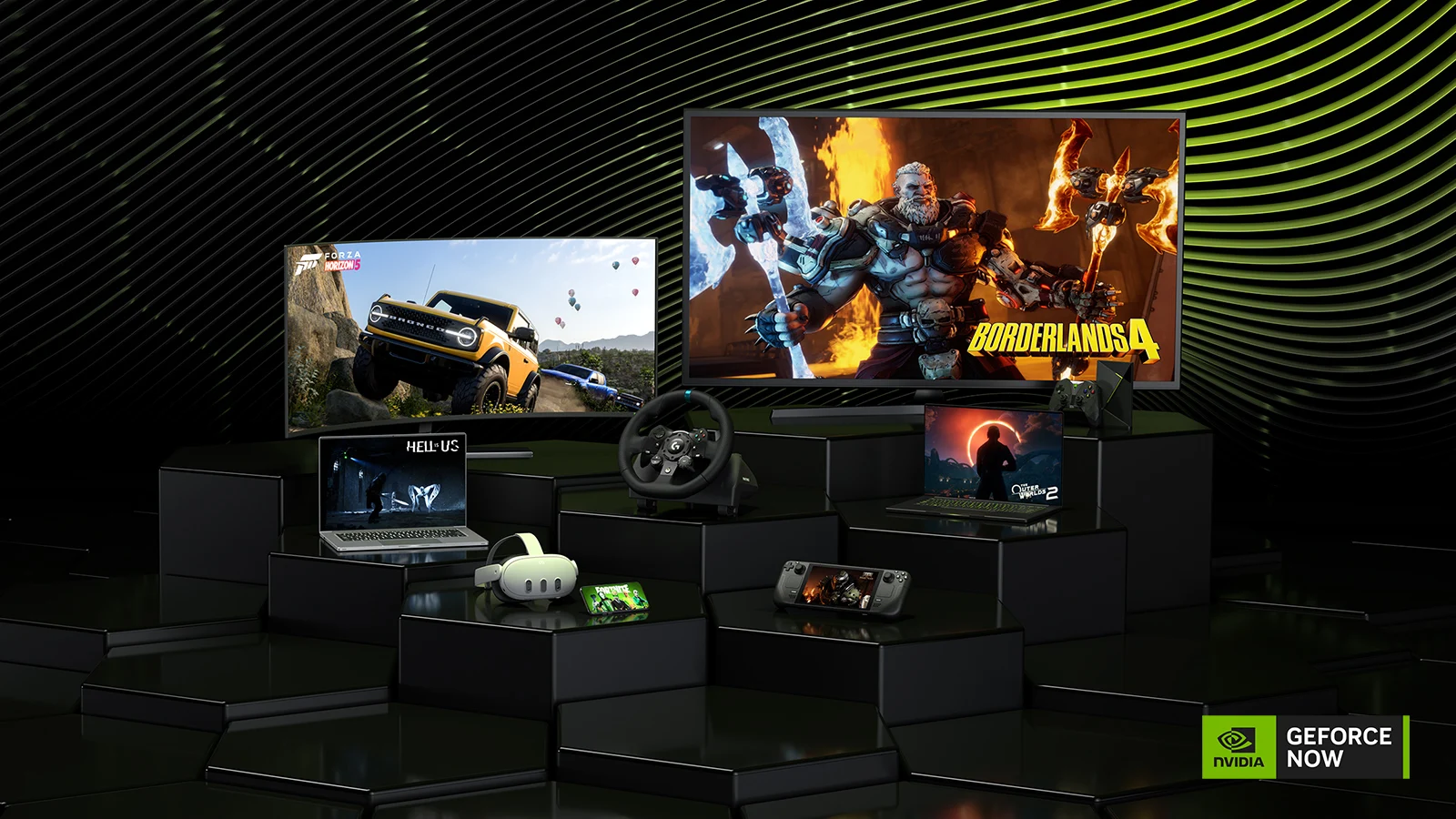
    Nvidia has been considering launching its GeForce Now (GFN) service in India since CES 2025, but the need for a solid backend to handle a large number of users has caused delays.

    Now, Nvidia is set to introduce GeForce Now to India in the next few weeks. We got a brief early experience, which was quite positive but also raised several questions.

    Launch and Upgrades

    Nvidia first made GeForce Now available to the public in February 2020. The service has since been enhanced to feature Blackwell RTX 5080-class GPUs that can stream games at resolutions up to 5K and 120 fps, with support for DLSS 4 multi-frame generation (MFG).

    The new Cinematic Quality Streaming (CQS) mode from GeForce Now includes YUV 4:4:4 chroma subsampling, 10-bit HDR, AV1 streams, support for high DPI displays, and bitrates reaching 100 Mbps.

    Data Centers and Titles

    Nvidia claims to have over 30 data centers dedicated to GeForce Now across more than 100 countries. The data centers in North America, Western Europe, and now India are fully owned by Nvidia.

    While GeForce Now itself does not publish games, it currently allows users to stream over 4,000 popular titles from platforms like Steam, GOG, Epic, EA, Battle.net, Xbox, and Ubisoft Connect.

    According to Nvidia, the global network of “SuperPods” — essentially RTX 5080-powered data centers — can achieve sub-30 ms network latency in supported areas.

    Hardware Specifications

    These RTX 5080 SuperPods utilize AMD Threadripper Pro CPUs running at 4.5 GHz, with each instance featuring eight cores and 16 threads.

    The SuperPods also use Nvidia’s ConnectX 7 smart NICs and Rivermax hardware packet pacing to lower latency on the server end.

    On the networking side, GeForce Now supports Low Latency Low Loss and Scalable Throughput (L4S) networks. However, it hasn’t been confirmed if Indian ISPs support L4S, and only a few ISPs in the US have adopted it so far.

    We were able to test GeForce Now at an exclusive media preview in Mumbai, India. Our initial thoughts: it was impressive! At least in the controlled environment we experienced it.

    Impressions from Testing

    Nvidia mentioned that its SuperPods are located in Mumbai — likely close to our testing venue. This proximity contributed to very low latency and minimal input lag while playing titles like Arc Raiders and Doom: The Dark Ages.

    The demo area had various devices ready, including Linux ultrabooks, an iPhone 13, an older OnePlus 10T, and a Steam Deck, along with several gaming PCs.

    One notable demonstration featured two identical RTX 5080 gaming PCs playing Warhammer 40,000: Space Marine 2. One PC ran the game natively while the other streamed it via GeForce Now with the same settings, making it hard to distinguish between the two.

    Unfortunately, we weren’t shown how to set up the service, and the test systems were already connected to Steam and other game stores.

    Game Performance

    We had a brief hands-on experience running Doom: The Dark Ages on a Meteor Lake-powered ultrabook using Ubuntu.

    Doom is a fast-paced shooter known for its impressive graphics, making it a suitable test candidate for streaming services. The performance metrics overlay gives insights into the server hardware running the game.

    The game launched through the new GeForce Now app for Linux. It wasn’t the quickest experience, and it took a while for the game to start up.

    As shown in the video below, once the game loaded, it provided a nearly seamless experience. With all settings set to Ultra, including path tracing, DLSS 3.5 ray reconstruction, and DLSS 4 Quality settings with MFG 4x, the game performed surprisingly well for a streamed title.

    There was slight input lag, which might be partly due to MFG 4x. However, Nvidia insists that server-side optimizations can help reduce potential input lag on the client side.

    We also tried Arc Raiders at 1080p and 360 fps on a 360 Hz Asus gaming monitor. This did require lowering some in-game quality settings and switching chroma subsampling to YUV 4:2:0.

    It’s worth noting that 4K gaming is limited to 120 fps even if higher frame rates are achievable. For frame rates above 120 fps, you’ll need to reduce the resolution to either 1440p or 1080p.

    Storage Options and Concerns

    Nvidia didn’t go into much detail, but GeForce Now offers an install-to-play feature that allows for 100 GB of temporary, single-session storage powered by NVMesh. This lets you install Steam games onto GeForce Now servers, even if the game isn’t available for streaming yet.

    If you want to upgrade to persistent storage, you can get up to 1 TB for $8 per month.

    While we left with good impressions, many questions linger. Nvidia hasn’t revealed pricing or availability details for GeForce Now in India, aside from a vague timeframe of Q1 2026 for closed and open betas.

    Another major issue is performance. The event showcased the best-case scenario, but that was with servers located nearby.

    How will the service hold up in remote areas, especially in a country with various internet providers in every state and district, each facing their own challenges? Nvidia claims that a 50 Mbps connection with less than 80 ms ping should suffice for 4K 120 fps gameplay.

    Is the current data center capacity sufficient to accommodate a large gaming community without issues? Will Nvidia enhance its infrastructure if demand increases, or rely on a third-party provider?

    We will gain insights into real-world performance and challenges once Nvidia begins beta testing in the upcoming weeks.

    Pricing Expectations

    Nvidia has been quite vague about pricing and availability thus far. Based on US pricing, GeForce Now plans are expected to range from free to $19.99 (~₹1,900) per month for the Ultimate tier, which grants access to RTX 5080 SuperPods.

    The free tier offers RTX 3050-class performance, which should be adequate for casual gamers without needing to spend any money on PC hardware, although users might face long wait times and a one-hour play limit.

    There’s also a lack of clarity regarding add-ons like persistent storage and 24-hour day passes.

    Then we have Microsoft Xbox Cloud Gaming (Project xCloud), which recently launched in India. Microsoft’s approach differs as there’s no free tier, requiring a Game Pass Ultimate subscription ($29.99 per month or ₹1,389 per month on Amazon) to access the complete console library and stream games at 1440p.

    GeForce Now has an advantage here, allowing streaming of PC versions of games with full graphics settings, alongside the ability to stream in resolutions up to 5K at 120 fps, with support for technologies like Reflex and DLSS.

    With rising supply constraints and hardware prices affecting budget-conscious consumers, combined with a massive increase in mobile device usage, India presents a huge opportunity for online game streaming services.

    A price point for the entry-level Performance tier around ₹500, scaling up to around ₹1,500 per month for the Ultimate tier, could attract many gamers to GeForce Now, provided Nvidia can deliver a consistent and reliable experience throughout the country.

    Source:
    Link



  • Sony Patent Could Shrink PS5, PS6 Games and Cut SSD Costs

    Sony Patent Could Shrink PS5, PS6 Games and Cut SSD Costs

    Key Takeaways

    1. Rising memory and SSD costs are driven by the increasing demands of AI data centers.
    2. Sony’s new patent suggests a method to reduce game file sizes by downloading only essential assets, potentially decreasing installation sizes significantly.
    3. The “Asset Streaming System and Method” may offer a competitive alternative to cloud gaming by operating on local devices, which could reduce latency.
    4. PlayStation users have more third-party storage options compared to Xbox users, but high SSD prices make upgrades less appealing.
    5. The patent could help manage the growing storage needs of next-gen games while addressing concerns about the potential higher price of the PS6.


    The rise in memory and SSD costs has been fueled by the increasing needs of AI data centers. Many PlayStation enthusiasts choose to remove games from their libraries instead of upgrading their PS5 storage. A recent patent from Sony hints at a method to reduce file sizes without the problems associated with cloud gaming.

    New Patent Insights

    Discovered by Tech4Gamers, the patent was published on February 4, 2026. While it shares a similar aim with a filing from July 2025, it presents a unique approach to minimizing the size of PS5 and, possibly, PS6 games. The idea revolves around downloading only essential assets or a game launcher. This means that the code would operate on the console or another device, as opposed to a server, which could greatly lessen latency.

    Streaming System Details

    The Sony patent, named “Asset Streaming System and Method,” acknowledges that it might lead to lower-quality textures and audio. For the best experience, a high-speed internet connection would probably still be required. However, this couldfinally give competitive gamers a viable alternative to cloud gaming that doesn’t involve lag in inputs.

    For PS5 titles where timing isn’t as vital, the main draw is the significant decrease in installation sizes. The initial download could be just 100MB instead of the usual 10GB or 100GB. As players continue, the system would fetch necessary files while removing those that aren’t needed.

    Storage Options Compared

    Unlike users of the Xbox Series X, PlayStation gamers enjoy a wider array of third-party storage enhancement options for the PS5. Still, the soaring prices of SSDs often make players reconsider buying these upgrades. This hybrid cloud/local method also clearly benefits Sony’s upcoming console releases.

    Next-gen AAA games are expected to take up even more storage space on consoles. This patent could provide some relief, especially with buyers already anxious about a potentially higher PS6 price. While the company may decide against increasing the console’s storage capacity, this technology might not be practical. Although lower latency is a benefit, it’s uncertain how much image and sound quality might be affected.

    Source:
    Link


  • Razer Wolverine V3 Bluetooth Controller: Low-Latency Cloud Gaming

    Razer Wolverine V3 Bluetooth Controller: Low-Latency Cloud Gaming

    Key Takeaways

    1. Higher memory costs are impacting PC prices and could soon affect console prices as well.
    2. Cloud gaming is a potential solution, although gamers are concerned about latency issues with streaming.
    3. Razer’s Wolverine V3 Bluetooth controller claims to have an ultra-low latency of 2ms for competitive gaming.
    4. The controller features TMR thumbsticks and Hall effect technology to prevent stick drift and enhance accuracy.
    5. It is designed for compatibility with LG Gaming Portal and various Bluetooth devices, offering versatility for gamers.


    Higher memory costs are already affecting PC prices, and consoles might soon feel the pinch too. One possible solution is cloud gaming, as these services typically use less powerful machines. However, many gamers steer clear of streaming due to concerns over added latency. Razer’s new Wolverine V3 Bluetooth controller aims to enhance competitive gaming experiences on LG TVs and handheld devices.

    Razer’s Ambitious Claim

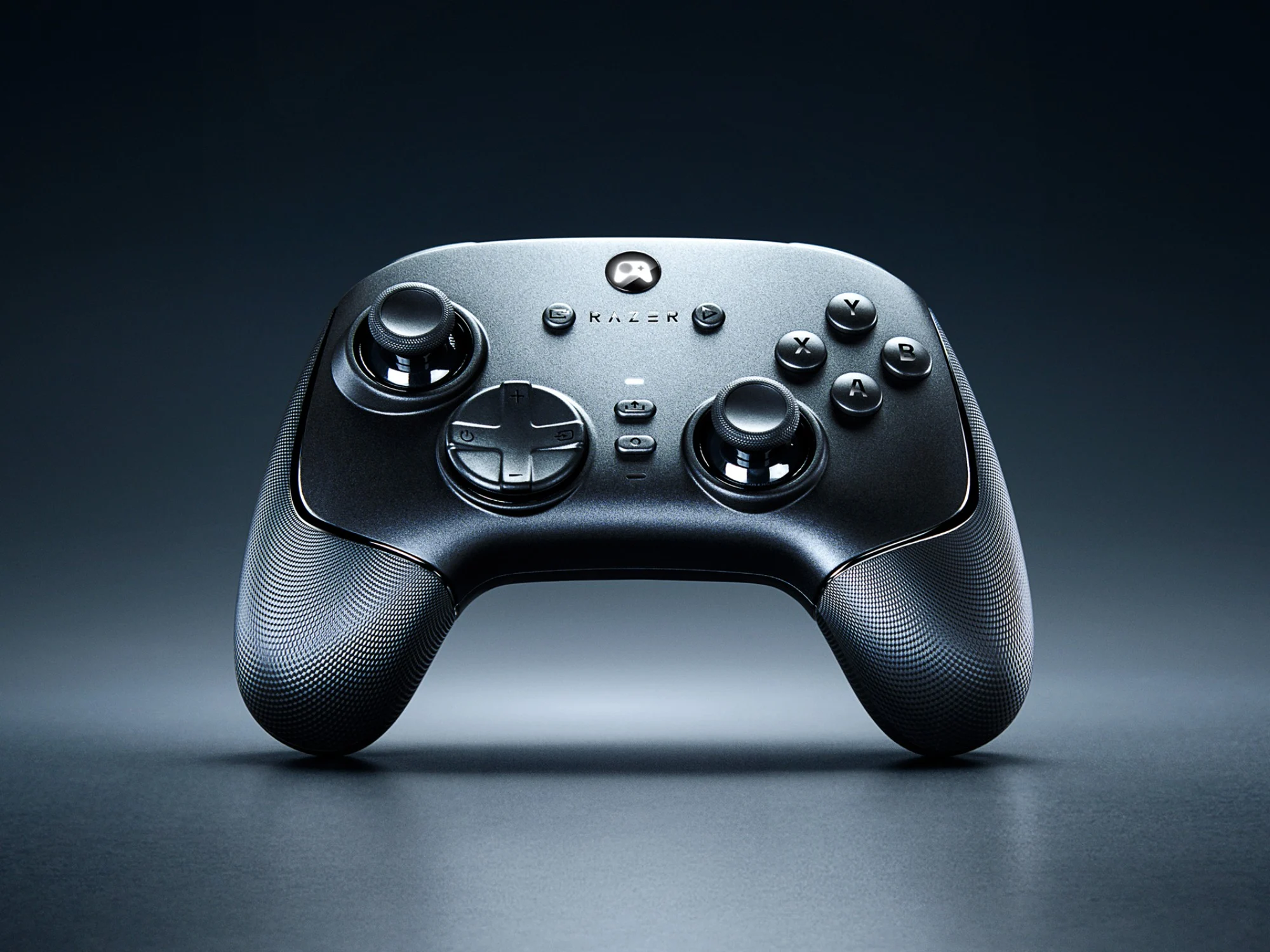
    At CES 2026, the company showcased its newest product as the “world’s first ultra-low latency Bluetooth controller.” Time will tell if it truly lives up to this ambitious statement, but Razer asserts that it boasts an industry-leading response time of just 2ms.

    Impressive Features

    This high-end controller includes TMR thumbsticks, which it borrows from the recently launched Wolverine V3 Pro 8K. The Hall effect technology helps prevent stick drift and ensures durability, while TMR sensors provide even greater accuracy. Moreover, their reduced power consumption is a plus for wireless use.

    For those who enjoy cloud gaming, the controller includes two back buttons positioned at the rear, inspired by gaming mice. These buttons are designed for quick, precise clicks, resulting in fast and accurate responses. Overall, the layout resembles a typical Xbox controller, but it also features controls for microphones and TV volume to suit living room settings.

    Connectivity and Compatibility

    Razer crafted this controller with the LG Gaming Portal in mind, which allows access to popular services such as Xbox Cloud Gaming and Nvidia GeForce Now. Nevertheless, the device is capable of connecting to various Bluetooth devices, including the ROG Xbox Ally X.

    Even the controllers that come with Xbox and PlayStation consoles offer Bluetooth capabilities. It’s worth noting that Sony has recently implemented multi-source pairing in its DualSense controller. Razer aims to attract these gamers by showcasing benefits like TMR analog sticks. The new Wolverine V3 also seeks to provide a consistent feature set, no matter how it is connected.

  • Nvidia GeForce Now App Now Available on Abxylute One Pro

    Nvidia GeForce Now App Now Available on Abxylute One Pro

    Key Takeaways

    1. The Abxylute One Pro is an Android gaming handheld designed for cloud gaming, remote play, retro emulation, and regular gaming, competing with the Logitech G Cloud.
    2. The latest update adds the Nvidia GeForce Now app, upgrades Google services, includes a security patch, and improves app compatibility and built-in services.
    3. Users have reported a crashing issue during sleep mode, although it has not been widely experienced or addressed by Abxylute.
    4. The device features a 7-inch 1080p touchscreen, MediaTek Genio 510 processor, 4GB RAM, 64GB expandable storage, 4K output support, and a 5,200mAh battery lasting up to 8 hours.
    5. The Abxylute One Pro launched at $259 but is currently priced at $239, with discounts available on platforms like Amazon bringing it to $224.99.


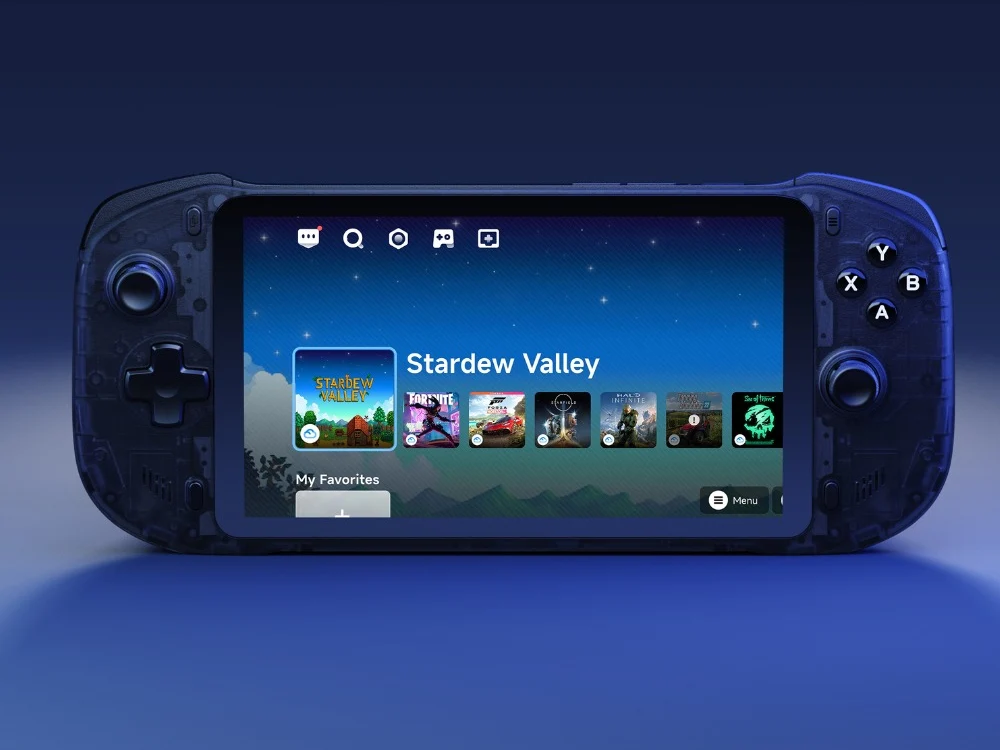
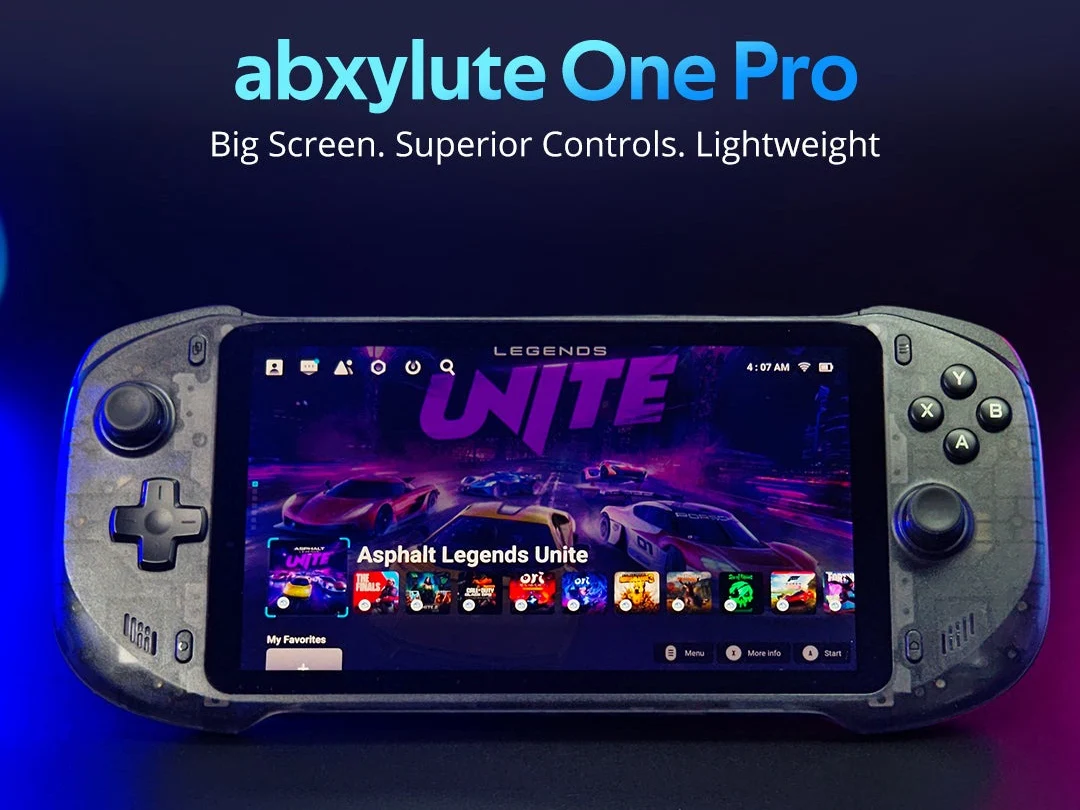
    The Abxylute One Pro is a gaming handheld that runs on Android and was released earlier this year. It’s designed for cloud gaming, remote play, retro game emulation, and regular Android gaming, making it a direct rival to the Logitech G Cloud. Recently, Abxylute has rolled out a new update that adds features and fixes for the device.

    New Features and Improvements

    The latest update includes the Nvidia GeForce Now app, which is now available on the device. Additionally, Abxylute has upgraded the Google services and included a security patch. The update also mentions better compatibility with certain apps, enhancements to built-in applications and services, along with fixes for various common problems.

    User Feedback and Issues

    Although there isn’t much feedback from users who have updated their devices, one individual on the Abxylute Discord channel mentioned that the device continues to crash during sleep mode. However, they noted that Wi-Fi remains enabled. Abxylute has not yet addressed this feedback, and no other users have reported experiencing the same problem.

    Specifications and Pricing

    The Abxylute One Pro was unveiled in March 2025. The device features a 7-inch touchscreen display with a 60Hz refresh rate and 1080p resolution, powered by a MediaTek Genio 510 processor, 4GB of RAM, and 64GB of expandable storage. It supports 4K output, has stereo speakers, dual microphones, and an audio jack. Additionally, it includes a 6-axis gyroscope and dual Z-axis motors. The battery, with a capacity of 5,200mAh, is said to last up to 8 hours.

    Offered in black, the Abxylute One Pro was initially priced at $259 at launch, but is currently available for $239, which includes a free gift. Furthermore, you can find it for $224.99 on Amazon, making it a more affordable option compared to the $299 Logitech G Cloud.

    Source:
    Link


  • Silent Hill f Launches on Boosteroid for Cloud Gaming Fans

    Silent Hill f Launches on Boosteroid for Cloud Gaming Fans

    Key Takeaways

    1. Release on Boosteroid: Silent Hill f launched on Boosteroid’s cloud gaming platform on September 25, 2025, making it accessible without high-end equipment.

    2. Multi-Platform Launch: The game was released simultaneously on PlayStation 5, Xbox Series X|S, Steam, Epic Games Store, and Microsoft Windows, with Boosteroid offering instant cloud access for Steam buyers.

    3. Enhanced Gaming Experience: Boosteroid’s Ultimate membership allows players to enjoy Silent Hill f in 4K resolution at 60fps, enhancing the game’s atmosphere.

    4. New Subscription Tier: Boosteroid introduced an Ultra Pro subscription in 2025, providing improved features like 4K resolution and 120fps gaming, along with longer session times and server location choices.

    5. Successor to Silent Hill 2 Remake: The release follows the success of Bloober Team’s Silent Hill 2 remake in 2024, which sold over two million copies, leading to the collaboration for Silent Hill f.


    Silent Hill f has been released on Boosteroid’s cloud gaming platform on September 25, 2025. This brings Konami’s latest psychological horror game right to players without needing fancy equipment. This is a big step for both the Silent Hill series and making cloud gaming easier for everyone because gamers can now play it using streaming tech.

    Launch Across Multiple Platforms

    The game debuted on PlayStation 5, Xbox Series X|S, Steam, Epic Games Store, and Microsoft Windows all at once, with Boosteroid giving instant cloud access to those who buy the Steam version. For players with Boosteroid’s Ultimate membership, the experience can be enjoyed in 4K resolution at 60fps, enhancing the eerie 1960s Japanese atmosphere even more.

    Expanding Game Library and New Subscription Tier

    In 2025, the Boosteroid platform has been adding more games to its library. They have also launched an Ultra Pro subscription that comes with better features for avid cloud gamers. The service now provides up to 4K resolution and 120fps gaming across all subscription types, with the Ultra Pro plan including perks like longer session times and the ability to choose server locations.

    Follow-Up to Previous Success

    This launch comes after the huge triumph of Bloober Team’s Silent Hill 2 remake in 2024, which sold over two million copies and sparked renewed interest in the series. After this success, Konami collaborated with other developers to create Silent Hill f.

    Players who got the Digital Deluxe Edition had early access and began streaming the game on September 23, while those with the regular edition are now diving into the fog-filled adventure. For gamers wanting to play Silent Hill f via cloud gaming, Boosteroid has several subscription choices, and the standard plan offers the same high-quality streaming capabilities found in the Ultra Pro tier.

    Source:
    Link


  • Cheaper Game Pass Tier with Cloud Gaming May Be Coming Soon

    Cheaper Game Pass Tier with Cloud Gaming May Be Coming Soon

    Key Takeaways

    1. Microsoft is considering a new lower-priced Game Pass tier to make cloud gaming more affordable and accessible.
    2. Currently, only the Ultimate tier of Game Pass, priced at $20 a month, includes cloud gaming.
    3. There is no specific information on when the new tier will be available or how it will be structured.
    4. Concerns exist about the impact of Game Pass on game developers and the sales of AAA games.
    5. The potential for subscription services like Game Pass to influence game development raises ethical questions in the gaming industry.


    Game Pass is a subscription service from Microsoft that gives gamers access to a large collection of games, plus some discounts and deals. There are several levels of Game Pass, with the highest one featuring cloud gaming. Recently, it seems that Microsoft wants to make cloud gaming cheaper with a potential new lower-priced Game Pass tier.

    New Developments in Cloud Gaming

    In the latest Xbox podcast (linked below), Jason Ronald, Microsoft’s VP of Next Generation, talked about cloud gaming around the 7:15 mark. He mentioned that many gamers are using Xbox Game Pass Ultimate to enjoy cloud gaming. Ronald emphasized that this is a great chance to “make it much more affordable, and make it easier for players to access.” This could involve providing cloud gaming in regions where it isn’t available yet or finding new methods to access cloud gaming.

    Possible Changes Ahead

    This hints that a new, more affordable Game Pass tier may be on the horizon. At present, only the Ultimate tier, which costs $20 a month, includes cloud gaming. It’s not clear whether Microsoft plans to create a new tier that offers cloud gaming or if they will add it to the Standard, Core, or PC tiers. In any case, gamers who enjoy playing on the go will likely find this news appealing, although Microsoft has not provided any details on when this new tier might be available.

    Concerns Over Game Pass

    These discussions come at a time when there are concerns about the ethics of Game Pass and its impact on game developers. A recent study indicated that the subscription service may negatively affect sales of AAA games. The former head of PlayStation pointed out that services like this could allow companies to control which games are developed, posing potential risks for both developers and the gaming industry as a whole.

    Source:
    Link


  • Affordable Black Logitech G Cloud Alternative Available Now

    Affordable Black Logitech G Cloud Alternative Available Now

    Key Takeaways

    1. The Logitech G Cloud will soon be available in a new black color, but the Abxylute One Pro is a competing handheld that offers better performance at a lower price.

    2. The Abxylute One Pro is designed for cloud gaming, remote play, local streaming, and can also run native Android games and emulate classic games.

    3. It features a 7-inch 1080p touchscreen with superior display quality compared to the Logitech G Cloud, along with high-quality joysticks and buttons.

    4. The handheld is powered by a MediaTek Genio 510 processor with 4GB of RAM, 64GB of expandable storage, and includes various advanced features like dual speakers and a 6-axis gyroscope.

    5. The Abxylute One Pro is priced at $239 directly from Abxylute and $256.99 on Amazon, making it significantly cheaper than the Logitech G Cloud, which retails for $299.


    The Logitech G Cloud is said to be coming out in a new black color soon. But if you don’t want to wait for Logitech to reveal the G Cloud in black, there’s a competing handheld that not only comes in transparent black but also outperforms the Logitech G Cloud and is priced lower.

    Discover the Rival Handheld

    This competitor is the Abxylute One Pro, an Android handheld similar to the Logitech G Cloud. Just like its competitor, the Abxylute One Pro is made for cloud gaming, remote play, and local streaming. It can also handle native Android games and emulate classic games.

    Display and Quality

    The Abxylute One Pro features a 7-inch 16:9 60Hz touchscreen that boasts a 1080p resolution. While the display specs match those of the Logitech G Cloud, Russ Crandall from Retro Game Corps noted in his review that the One Pro’s display quality is superior due to better color reproduction.

    The review also highlighted the quality of the joysticks, D-pad, and face buttons. Even though the Logitech G Cloud is considered to have better ergonomics, he stated he would prefer the Abxylute One Pro.

    Powerful Specifications

    Inside the Abxylute handheld, you’ll find MediaTek’s Genio 510, a 6nm processor that has 2 Arm Cortex-A78 cores and 4 Cortex-A55 cores, along with a Mali-G57 MC2 GPU. It includes 4GB of RAM and 64GB of storage, which can be expanded using a Micro SD card slot (up to 2TB).

    The Abxylute One Pro comes equipped with dual speakers, dual microphones, a light sensor, a 6-axis gyroscope, dual Z-axis motors, and a Type-C port that supports 4K video output. Plus, it has an audio jack and a battery capacity of 5,200mAh that charges at 18W, promising up to 8 hours of usage.

    The Abxylute One Pro is currently listed on Amazon for $256.99, but you can purchase it for a lower price of $239 directly from Abxylute. No matter which option you choose, it’s significantly cheaper than the Logitech G Cloud, which retails for $299.

    Source:
    Link


  • PS6 Could Be Overpowered with AIM Feature Addition

    PS6 Could Be Overpowered with AIM Feature Addition

    Key Takeaways

    1. The PS6 may feature a 3 nm chip that uses only 15 watts of power, emphasizing energy efficiency.
    2. It is expected to have 16 GB of RAM with advanced components for improved performance, including faster loading times and better multitasking.
    3. The console will likely utilize AI upscaling with AMD’s RDNA 5 architecture for enhanced graphics without heavy resource demand.
    4. Not all games will require advanced technology; the focus will be on 4K games with high frame rates and resource-intensive titles.
    5. The PS6 will continue using the gfx13 platform, allowing for easier game adaptation and a rich library at launch.


    Sony is working hard on its upcoming console, the PS6. While some details are already out, especially about cloud gaming, fresh information has emerged regarding its power and the incorporation of AI.

    New Insights from Kepler

    The leak comes from Kepler, a source known for previous revelations about the PS5 Pro. He mentions that the PlayStation 6 may come equipped with a 3 nm chip that uses just 15 watts of power.

    Power Efficiency Explained

    Initially, this might seem like a low power rating for a next-gen home console. Nonetheless, it hints at Sony’s plans for this new device, focusing on better energy efficiency to generate less heat while still delivering impressive performance.

    Enhanced Performance Features

    Moreover, the PS6 is expected to have 16 GB of RAM, which will include special components like 4 MB of L2 cache and 16 MB of MALL (Memory Access Level Layer). Such technologies could greatly enhance the console’s performance by speeding up loading times and improving multitasking and texture management.

    AI Upscaling Capabilities

    Another important aspect is the PS6’s potential for upscaling using artificial intelligence. Sony is likely to take advantage of AMD’s new RDNA 5 architecture, which will enable better graphics with more detail without putting too much strain on computing resources.

    Targeted Gaming Experience

    Nevertheless, not every game on the PS6 will require this advanced technology. It will mainly be aimed at 4K games with high frame rates and large-scale titles that need extensive resources, such as GTA VI.

    Continuity in Technology

    Finally, Kepler notes that both RDNA 5 and RDNA 6 will utilize the gfx13 platform. This indicates a continuity with the technologies already present in the PS5 and PS5 Pro. Consequently, these advancements should assist developers in adapting their games for this new console, resulting in a rich game library when it launches.

    Source:
    Link

  • Sony Unveils New Details on PS6 and Cloud Gaming Features

    Sony Unveils New Details on PS6 and Cloud Gaming Features

    Key Takeaways

    1. Sony is preparing for the future of PlayStation as the PS5 approaches its five-year mark, with the PS6 on the horizon.
    2. Cloud gaming is becoming increasingly important, but challenges such as network stability and higher costs still exist.
    3. The majority of PS5 and PS5 Pro users prefer local gameplay over cloud options, indicating a strong demand for traditional gaming experiences.
    4. Sony is exploring new ways for gamers to access their content and services, though specifics about the PS6 remain unclear.
    5. Future developments in cloud gaming may offer additional options for players, despite it not being the main focus currently.


    With a large number of gamers now owning a PS5, Sony is getting ready for the ongoing success of these devices. In just a few months, this gaming console will turn five years old. Although each version typically lasts around seven to eight years, the future of PlayStation raises several questions. Recently, the Japanese company shared some insights about the PS6 that should catch the attention of many gamers.

    Insights on Cloud Gaming

    At a business meeting last week, Hideaki Nishino, the CEO of Sony Interactive Entertainment, revealed some details about the future of PlayStation. He specifically highlighted the significance of cloud gaming. This feature is quickly becoming a crucial aspect of the gaming industry, making us ponder its potential dominance on the PS6. However, Hideaki Nishino mentioned that things could shift: “Cloud streaming is advancing well from a technical perspective, as we have shown with [our] products, but the overall network stability is beyond our control. Additionally, the higher cost per gameplay compared to the traditional console model is still a hurdle.”

    Preferences of Gamers

    He also noted that the majority of PS5 and PS5 Pro users prefer local gameplay: “Cloud gaming is increasingly providing an extra option for players to access content, but we believe that most players still want to enjoy gaming through local execution without relying on network conditions. And I think PS5 and PS5 Pro have confirmed this idea.”

    Thus, he is considering a new and more effective way for gamers to utilize the services and content offered by Sony, while being vague about the future of this upcoming console: “While we can’t provide more details at this moment, the future of the platform is very important to us. We are dedicated to finding a new and improved way for players to engage with our content and services.” So, even if cloud gaming isn’t a main focus, new possibilities might be on the horizon.

    Source:
    Link