Key Takeaways
1. AMD’s RDNA 4 GPUs offer good value, but Nvidia still leads in pure performance.
2. Upcoming AMD RDNA 5/UDNA GPUs will have limited increases in compute units, with the highest model featuring 96 CUs.
3. The top-tier RDNA 5/UDNA GPU is expected to perform between an RTX 4090 and RTX 5080.
4. AMD may use GDDR7 modules, potentially allowing flagship models to have up to 32 GB of VRAM.
5. The design will shift to a monolithic GPU die, moving away from previous MCM designs.
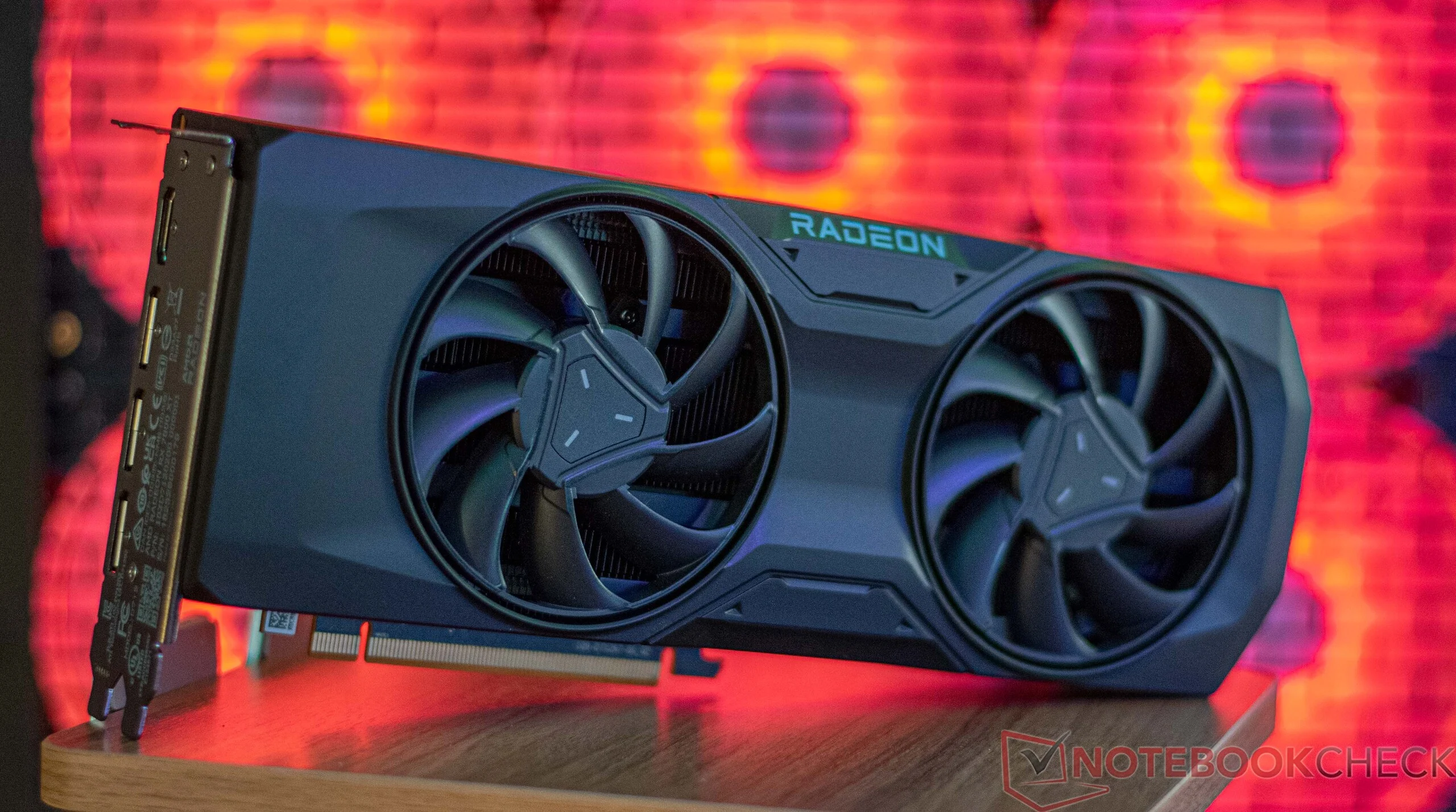
While AMD’s RDNA 4 GPUs provide good value when compared to Nvidia’s options, Team Green still leads when it comes to pure performance. Even though AMD has some ‘stronger’ RDNA 4 models set for launch, they probably won’t match Nvidia’s upcoming RTX 50 Super refresh. This brings us to AMD’s future architecture, RDNA 5 (or UDNA, depending on who you ask). A well-known leaker, Kepler_L2, has shared some details about it.
Specs and Performance Insights
It seems that RDNA 5/UDNA won’t significantly increase the number of compute units (CUs). The highest-end model (Navi 51) is expected to feature a GPU with 96 CUs, paired with an undisclosed amount of VRAM on a 384-bit bus. The next variant will include 64 CUs on a 256-bit bus, while the third version will have just 32 CUs and a 128-bit bus. In terms of performance, the top-tier RDNA 5/UDNA GPU is anticipated to perform somewhere in between an RTX 4090 and an RTX 5080. Kepler did not specify if this was related to rasterization or ray tracing, but it’s likely the former.
Potential VRAM Expansion
If AMD shifts to using 3 GB GDDR7 modules like Nvidia, we could see the flagship RDNA 5 GPU come with 32 GB of VRAM. Prior to that, the much-anticipated Radeon RX 9070 XTX could also have the same amount of video memory, although discussions about this SKU have mostly quieted down after AMD’s Frank Azor strongly denied its existence.
Design and Future Plans
Overall, this lineup resembles the RDNA 3 series quite a bit, but AMD intends to utilize a monolithic GPU die this time. The previously planned Navi 4c dies showed potential, but they were based on an MCM design that AMD has decided to set aside for now. Regardless, RDNA 5/UDNA is expected to be AMD’s defining moment, and Team Red aims to avoid complicating matters with intricate GPU designs.
Source:
Link