
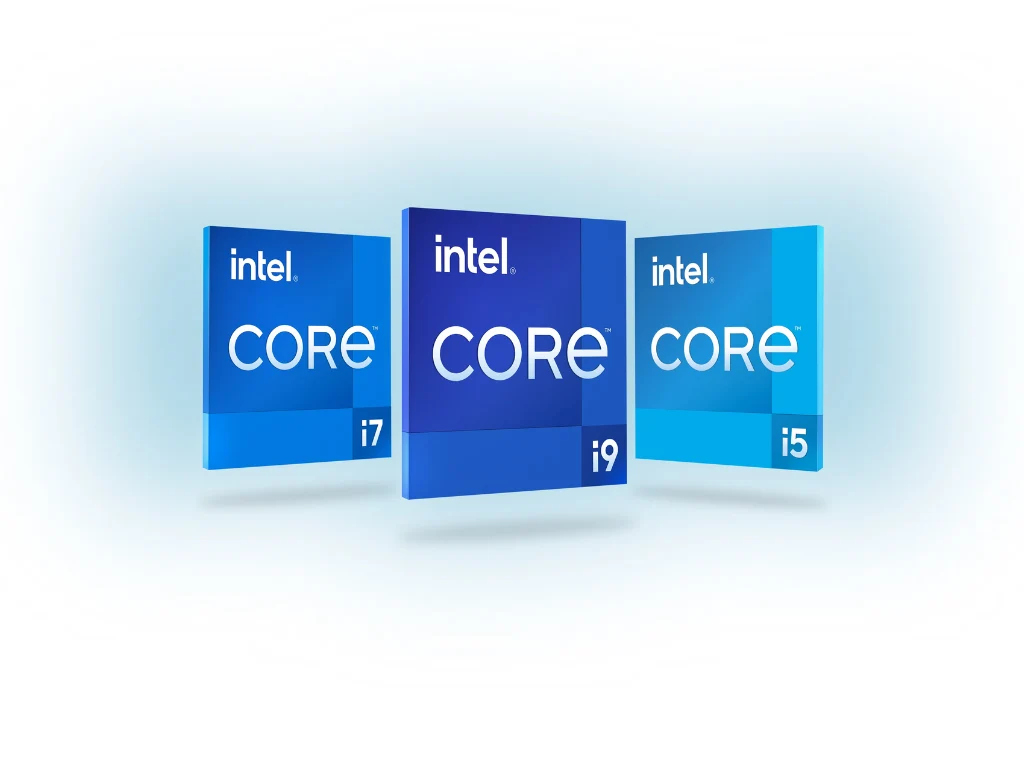
1. Intel commits to supporting Raptor Lake Refresh CPUs and 700-series motherboards for the long term.
2. Raptor Lake CPUs support both DDR4 and DDR5 memory, providing flexibility amid volatile memory prices.
3. Intel’s strategy emphasizes continuing the availability and relevance of Raptor Lake despite the transition to Arrow Lake.
Intel’s Commitment to Raptor Lake Refresh
Intel has reassured gamers and PC builders that their Raptor Lake Refresh processor lineup, part of the 14th-generation Core CPUs, are going to stay in the market for a while. The company emphasizes that Raptor Lake isn’t just a temporary release but a long-term product, promising continued production and support for 700-series motherboards and the LGA 1700 socket. This ensures that users will still be able to find these chips and compatible boards without much trouble. The company makes sure that even with the move towards newer technologies like Arrow Lake, their older CPU generations remains accessible for users who prefer them.
Support For Different Memory Types
Despite shifting focus to Arrow Lake, Intel recognizes the importance of maintaining support for existing infrastructures, especially given the unpredictable memory market prices these days. Raptor Lake Refresh CPUs support not just DDR5 but also DDR4 memory, which is far more affordable. Users can choose between the two based on their motherboard compatibility, making the upgrade process more flexible. Meanwhile, Arrow Lake will only support DDR5, limiting options but encouraging newer technology adoption. This approach appeals to budget-conscious consumers who may not want to jump straight to DDR5 just yet.
Intel’s Strategic Plans and Industry Collaboration
In an interview with Club386, Robert Hallock, Intel’s VP and GM of Client Segment Technical Marketing, explained why the firm heavily invests in Raptor Lake Refresh. He said, “Raptor Lake is a big part of our strategy. I want to be very clear about that. It’s really, really good, even with multiple generations of hardware from other vendors coming after it, so it’s not going anywhere. I want to be clear that Raptor Lake will continue to be abundantly available.” This statement shows Intel’s dedication to supporting its existing processors and ensuring market stability. The company also collaborates with motherboard manufacturers to create dual DDR4 and DDR5 support, making future upgrades easier for consumers.
Motherboard Options and Future Trends
- Manufacturers like ASRock have already developed motherboards such as the H610 Combo, which features 2 DDR4 slots and 4 DDR5 slots. This provides users with a flexible upgrade path, enabling them to start with DDR4 and switch to DDR5 later, as prices stabilize.
- The trend toward versatile motherboard designs is gaining ground, hinting that in the coming years, more options will become available for different user needs. This flexibility is especially beneficial as the market moves forward into 2026 and beyond.
Performance of Raptor Lake CPUs with DDR4
One of the most attractive features of Raptor Lake processors is their impressive gaming performance, even with cheaper DDR4 memory. They outperform some older AMD Ryzen models that are limited to the AM4 socket, highlighting their competitiveness. This makes Raptor Lake an appealing choice for gamers and PC enthusiasts who want high performance without investing heavily in the latest memory modules. As the market continues to evolve, Intel’s decision to support both DDR4 and DDR5 memory options ensures they remain a cost-effective and powerful choice for users in the future.
Leave a Reply