Tag: Apple MacBook Neo

  • Intel Unveils Project Firefly: Low-Cost Metal Laptops with Smartphone RAM

    Intel Unveils Project Firefly: Low-Cost Metal Laptops with Smartphone RAM

    Key Takeaway

    – Intel’s “Project Firefly” leverages the smartphone supply chain to create low-cost laptops.
    – Wildcat Lake processors (e.g., Core 5 320) use 2P+4E cores with a small but modern iGPU.
    – Cheap chips alone aren’t enough; Intel provides reference designs for fast, affordable manufacturing.
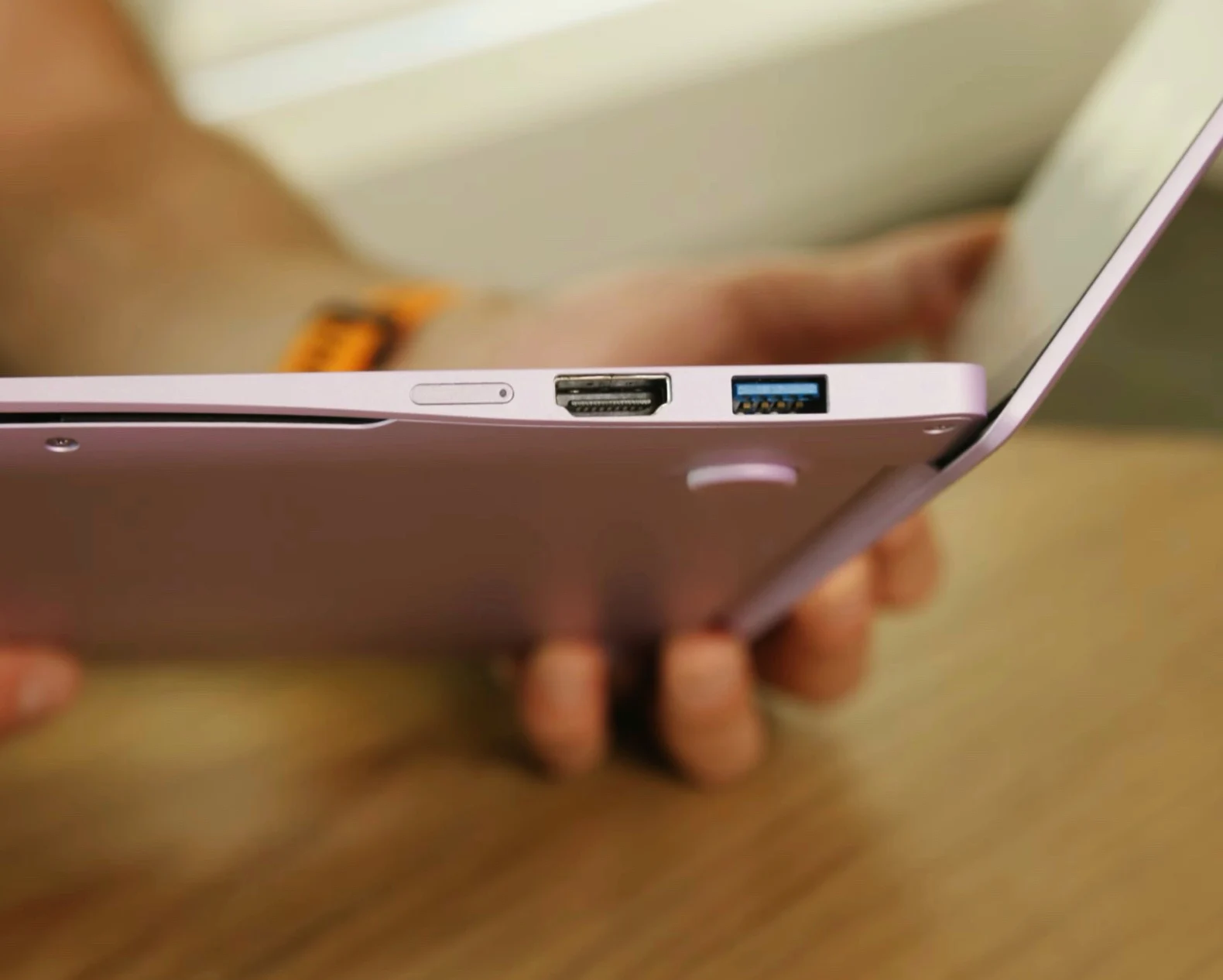
    – Reference laptops feature thin metal chassis (12.9mm), USB-C/USB-A/HDMI, and cost-reduced cooling.
    – Smartphone-origin memory and components are repurposed to further lower costs.


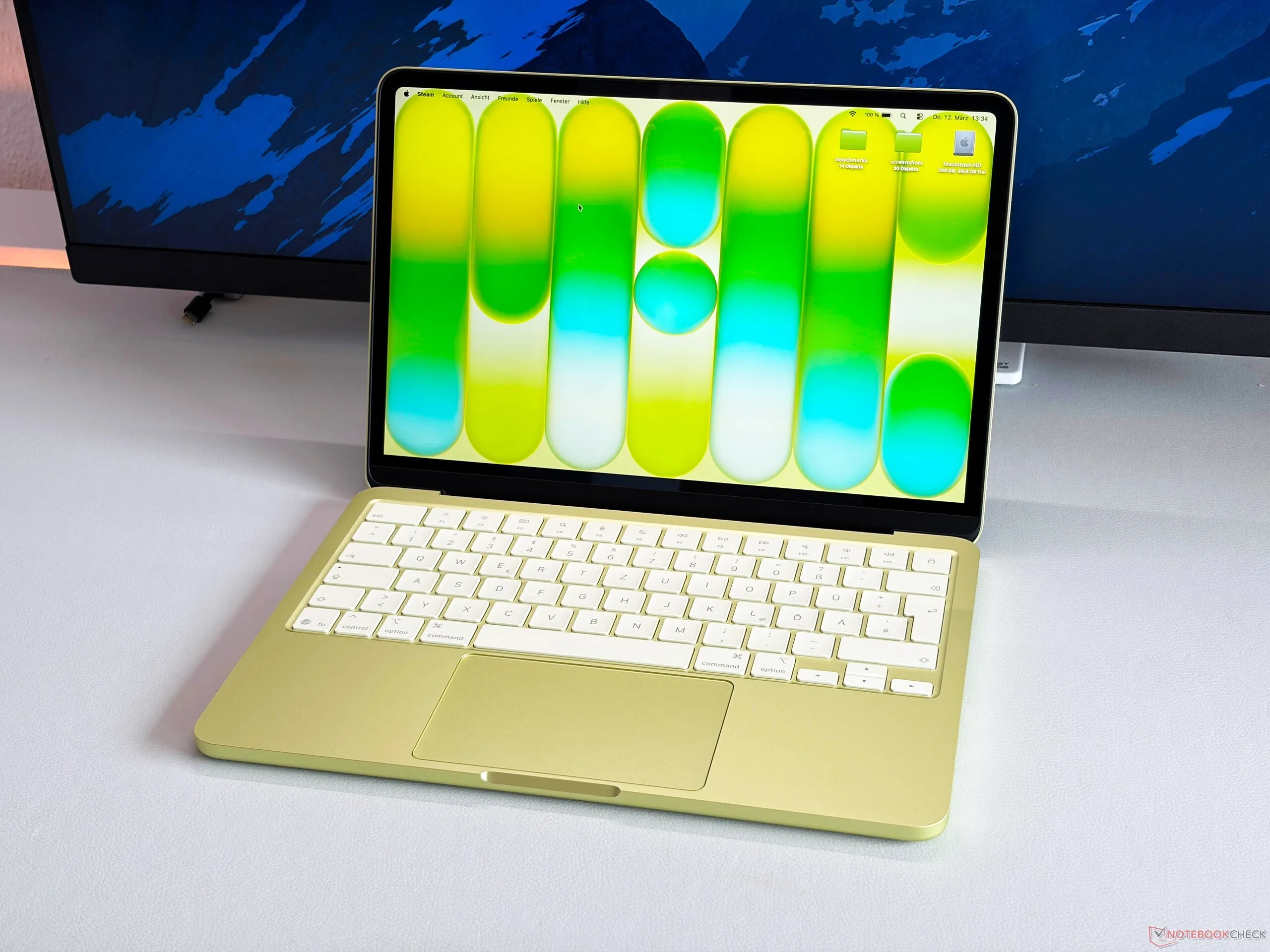
    We already reported in mid-May that Intel wants to utilize the infrastructure of the smartphone supply chain with “Project Firefly” to produce particularly affordable laptops based on the new Wildcat Lake processors, which are intended to compete with the Apple MacBook Neo ($589 on Amazon).

    Project Firefly’s Core Hardware

    In the video embedded below, Nish Neelalojanan, Senior Director of Client Products at Intel, explains some of the background to the project. According to him, Intel Wildcat Lake with chips such as the Intel Core 5 320 would be at the heart of the project, because with two performance cores and four efficiency cores, the chips should offer fast everyday performance, while the iGPU with two Xe3 cores is very small, but the modern GPU architecture should ensure that video streaming works flawlessly on all platforms.

    Why The Supply Chain Matterss

    Nish Neelalojanan emphasizes that a cheap processor alone is not enough to make good entry-level laptops. This is where Project Firefly comes into play. Intel has been working with smartphone factories in China to develop reference laptops that make it easier for laptop manufacturers to assemble the components selected by Intel and bring new laptops with Wildcat Lake to market quickly and cheaply. The already very mature smartphone supply chain should be able to produce these components relatively cheaply and supply them to the respective laptop manufacturers.

    Reference Design & Cost Saving Measures

    Around 19:30 minutes into the video, Intel shows one of these reference designs. Despite its low price, the 12.9 millimeter thin notebook offers a modern, colorful metal chassis and a practical port selection with two USB-C, USB-A and HDMI. To reduce costs, Intel has developed a new cooling system with a particularly thin copper heatpipe and even a new, cheaper cable to connect the ports to the mainboard. Wildcat Lake can be combined with memory chips that were originally intended for smartphones.

    Intel Technology (YouTube), via VideoCardz

    Sources

  • Apple MacBook Neo to feature new colors and increased price

    Apple MacBook Neo to feature new colors and increased price

    Key Takeaway

    1. The MacBook Neo is the cheapest Apple laptop, starting at $599, but most variants are still out of stock.
    2. Apple has increased its production target to 10 million units due to high demand.
    3. Rising costs are expected from more expensive RAM, SSDs, and the new A18 Pro ARM chips, which may lead to a price adjustment.
    4. Apple might remove the 256 GB SSD base model to encourage sales of higher-margin configurations.
    5. Launching new colors could make the MacBook Neo more attractive to customers; official pricing adjustments remain unconfirmed.

    Introduction to the MacBook Neo

    Apple released its latest portable computer called the MacBook Neo which cost only $589 so its considered the cheapest in its entire lineup. The starting price for this latest machine is $599, making it an affordable choice for many people. Despite being new, most models of the MacBook Neo won’t be available on the Apple online store for another two to three weeks because they are still selling out two months after the initial release.

    Production Challenges and Component Costs

    According to an analyst named Tim Culpan, Apple has bumped up its production plans from 5 million units to a whopping 10 million units. But though this sounds great, it also means that costs will go up. The main reason is the rising expense of RAM and SSD drives, which are getting more costly because of the ongoing DRAM shortage. Meanwhile, Apple has to produce new ARM chips called Apple A18 Pro, which has caused a bit of a hiccup in production as they had to use leftover chips from the older iPhone 16 Pro models. Because of this, the MacBook Neo only features five GPU cores instead of six—something that was expected initially.

    Pricing Strategy and Future Plans

    Rather than raising the retail price directly, Apple might consider removing the base model with 256 GB SSD, priced at $599. Customers then would be pushed to buy the upgraded version with 512 GB SSD and Touch ID, which likely leads to higher profits for the company. To make the new MacBook Neo more appealing, Apple could also introduce multiple colors for the gadget, which is a common practice. But remember, reports like this are often speculative and should be taken with caution. So far, Apple has not officially announced any plans to increase the price for this new laptop.


    Sources

  • “How a Copper Plate Could Enhance MacBook Neo’s Speed and Coolness”

    “How a Copper Plate Could Enhance MacBook Neo’s Speed and Coolness”

    Key Takeaways

    1. The Apple MacBook Neo features a passive cooling system that operates silently but can lead to overheating and reduced performance under stress.
    2. Performance drops significantly during heavy usage, as seen in stress tests where power usage decreased from 8.8 W to around 5 W.
    3. Adding a copper plate and thermal paste can significantly improve performance and reduce temperature, increasing FPS from 30 to nearly 60 in gaming scenarios.
    4. Advanced cooling solutions, like thermoelectric water coolers, have shown even greater performance enhancements, with notable improvements in Geekbench benchmarks.
    5. Future iterations of the MacBook Neo could benefit from active cooling solutions to address performance issues and enhance user experience.


    The Apple MacBook Neo has a unique passive cooling system that has its pros and cons. It operates silently due to the lack of internal fans, but this can lead to overheating, causing a noticeable dip in performance when under stress. For example, during our stress test, we observed that the power usage of the Apple A18 Pro reduced from 8.8 W to around 5 W.

    Performance in Everyday Use

    This drop in performance might not be significant for normal tasks, but the MacBook Neo does face challenges during extended heavy usage like gaming. YouTuber ETA Prime demonstrated that adding a simple copper plate without fans can greatly enhance the MacBook Neo’s sustained performance.

    Cooling Solutions

    By applying thermal paste and placing a copper plate on the Apple A18 Pro, ETA Prime successfully lowered the SoC temperature from 105 C to the mid-80s while playing No Man’s Sky. This impressive temperature reduction led to a marked improvement in performance, with the average frames per second (FPS) rising from 30 FPS to almost 60 FPS.

    The performance boost can also be seen in benchmark tests. The modified MacBook Neo showed an increase of about 9.7% in multi-core performance and 15.2% in single-core performance in Geekbench 6.6.

    Advanced Cooling Tests

    Additionally, ETA Prime explored the potential of a thermoelectric water cooler to see how it could enhance the MacBook Neo’s performance. This cooler managed to bring the Apple A18 Pro’s operating temperature down to the mid-70s while playing No Man’s Sky, keeping the FPS just below 60. In Geekbench 6.6, the MacBook Neo achieved even higher speeds, with single-core and multi-core performance improvements of 17.5% and 18.6%, respectively.

    The MacBook Neo aims to be a cost-effective alternative to the MacBook Air, providing a solid solution for most users. It excels in this regard, but there are several aspects where Apple could have enhanced the MacBook Neo further.

    Future Improvements

    ETA Prime’s cooling modifications suggest that active cooling or even a basic copper heat plate would have greatly benefited the MacBook Neo. The significant increase in average FPS in No Man’s Sky and cooler operating temperatures are not to be overlooked.

    We’re hopeful that Apple takes these results into consideration for the next iteration of the MacBook Neo and incorporates some form of cooling.

    Source:
    Link