Tag: Wildcat Lake

  • Entry-Level Intel Wildcat Lake CPU Matches MacBook Neo A18 Pro in Benchmarks

    Entry-Level Intel Wildcat Lake CPU Matches MacBook Neo A18 Pro in Benchmarks

    Key Takeaway

    – Intel’s Wildcat Lake series targets affordable, lightweight laptops as MacBook Neo rivals.
    – Entry-level Core 3 304 (5-core, 1 performance core) nearly ties Apple’s A18 Pro in benchmarks.
    – Single-thread scores: Core 3 304 at 3,676 vs. A18 Pro at 3,982 (only ~7.7% difference).
    – CPU Mark scores are similar: 11,543 for Intel vs. 11,804 for Apple’s A18 Pro.
    – Early results based on just 3 samples; scores may shift with more testing.


    Intel’s New Wildcat Lake Chips Show Up in Benchmarks

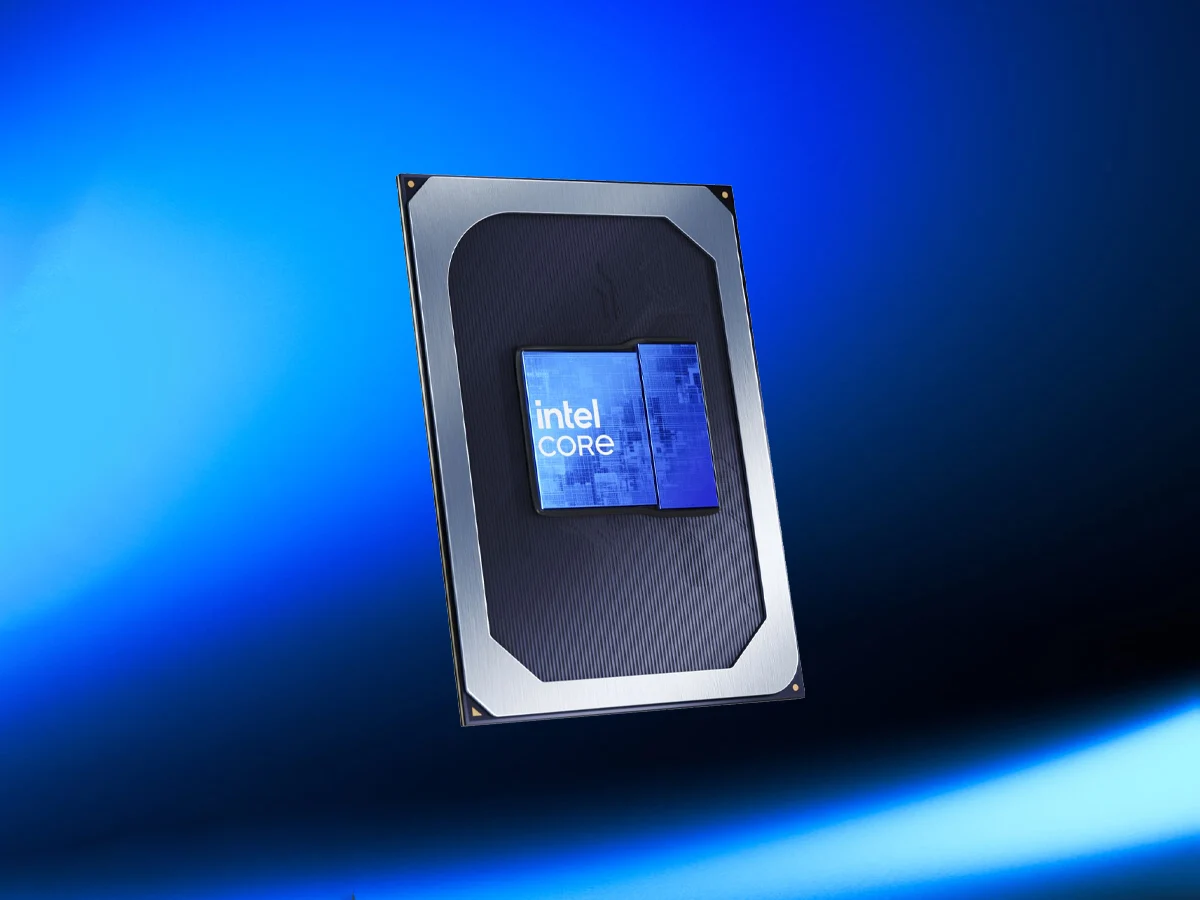
    Intel has launched the Wildcat Lake series for lightweight and affordable laptops, and some companies have already released MacBook Neo rivals powered by these processors. While in-depth reviews haven’t appeared yet, recently discovered benchmark results give a early look at what these CPUs can do, and the numbers are pretty surprising for a budget chip.

    Entry-Level CPU Ties With Apple A18 Pro

    A notable benchmark result from Passmark shows the Intel Core 3 304, the entry-level chip in the new lineup, holdig its own against Apple’s best. It uses a five-core configuration, with only one performance core, but even so it seems to have tied against the Apple A18 Pro found in the MacBook Neo, which is a mobile processor. The Apple A18 Pro got a single-thread rating of 3,982 on the benchmark, while the Intel Core 3 304 got 3,676 points, a difference of around 7.7% which is impressive for an entry-level Intel part.

    Multi-Core Performance Is Very Close

    In terms of multi-core performance, which shows the overall score from eight differnet tests, the two processors are very similar. Specifically, the Intel Core 3 304 scores 11,543 points on the CPU Mark test, while the MacBook Neo’s A18 Pro scores 11,804 points. These results are quite impressive, since the Intel chip is a budget design, and its worth noting that the score for the Intel CPU is based on only three samples so far. With more samples tested, the final score could shift, but at this early stage it is quite impressive to see the entry-level Wildcat Lake achieving such benchmark performance.

    First Laptops With Core 3 304 Already Announced

    For anyone interested, the HP OmniBook 3, IdeaPad Slim 3i, and Chuwi UniBook are among the first laptops that are confirmed to feature the Core 3 304 processor, with more options from different brands expected to arrive soon. These laptops are designed to compete in the budget space, offering light weight and affordable pricing, making them potential rivals to the MacBook Neo for users who want Windows compatability.
    Sources
  • Acemagic Affordable Mini PC with Intel Wildcat Lake

    Acemagic Affordable Mini PC with Intel Wildcat Lake

    Key Takeaway

    – Intel Core 5 320 (Wildcat Lake) with 6 cores and 25W TDP
    – 16GB LPDDR5 RAM at 6,400MT/s and 512GB PCIe 3.0 SSD
    – Tool-less access with two M.2 slots supporting PCIe 4.0 x2 SSDs
    – Triple 4K display output, WiFi 6, and Bluetooth 5.2
    – Affordable pricing, launching soon


    Affordable Mini PC Debut

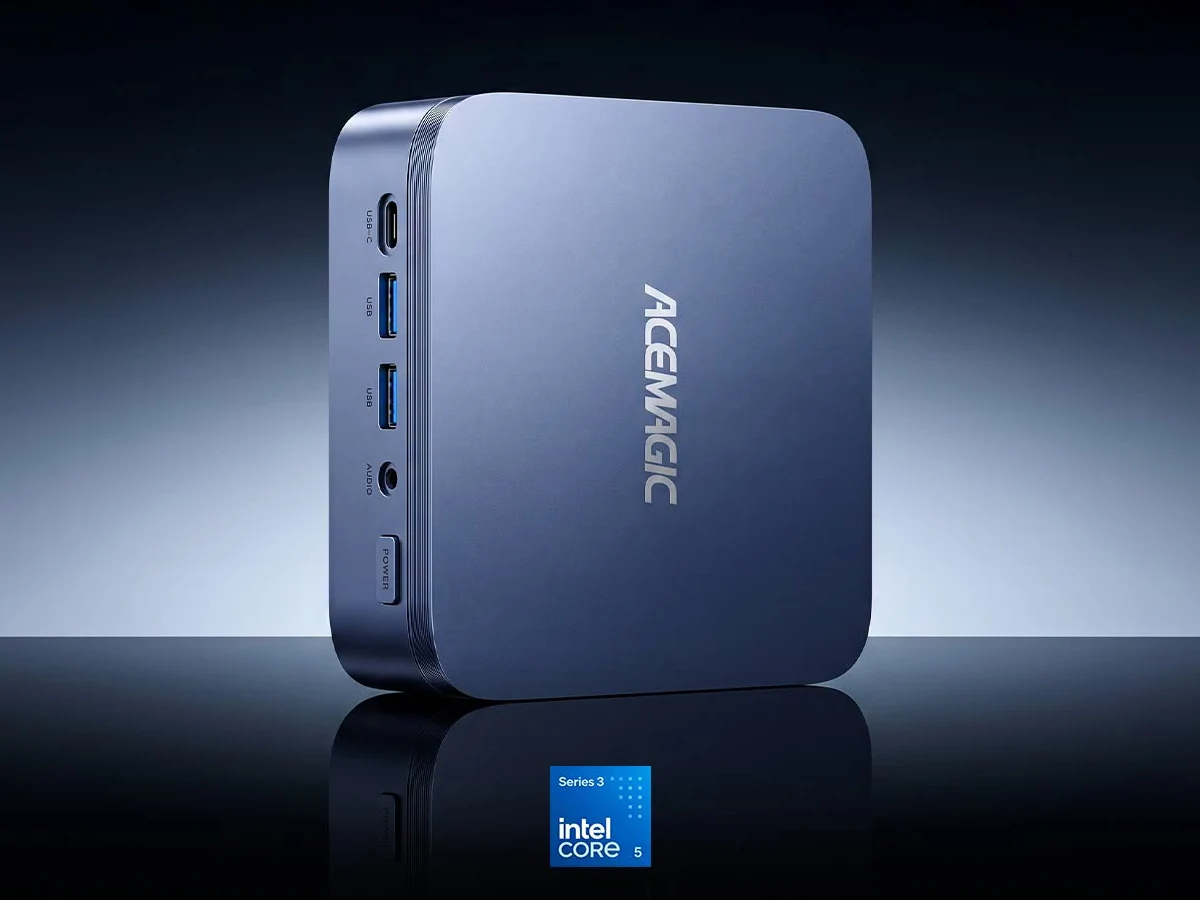
    Acemagic has introduced a new affordable mini PC, the Kron K5. It’s powered by the Intel Wildcat Lake platform. Specifically, it packs the Core 5 320, a mid-range option from the lineup with a six-core configuration. This processor brings the 2-core Xe3 iGPU, and Acemagic notes that the cooling setup in the mini PC allows the Intel CPU to deliver 25W of performance, which is quite good for a system of its size.

    Memory and Core Specifications

    The company has paired it with 16GB of LPDDR5 RAM running at 6,400MT/s, which should provide swift multitasking capabilities. As for storage, the mini PC will come with a 512GB PCIe 3.0 SSD pre-installed, and it has two M.2 slots that support PCIe 4.0 x2 SSDs. Acemagic also highlights that the chassis offers tool-less access to these, so it won’t be an issue to upgrade the storage of the system.

    Ports and Wireless Connectivity

    There’s a good number of ports as well, including: USB-C, HDMI, DisplayPort, and multiple USB-A connections. For wireless connectivity, this Acemagic mini PC has WiFi 6 and Bluetooth 5.2, ensuring modern connection standards are met. Other highlights include a sleek design and triple 4K display output support, which makes it suitable for productivity or light media consumption.

    Pricing and Availibility Details

    The company didn’t provide exact details on price and availability yet, but it will be affordable and should go on sale soon. Many consumers are looking for a cheap yet capable desktop solution, and this model seems to fit that niche. With its robust feature set and easy upgrade path, the Kron K5 could become a popular choice amonst budget-conscious buyers.

    Sources
  • Dell MacBook Neo Rival Launch: 120Hz Touchscreen, Sleek Design

    Dell MacBook Neo Rival Launch: 120Hz Touchscreen, Sleek Design

    Key Takeaway

    – Starting price of $599.99 (for students) or $699.99
    – 13.4″ QHD+ touchscreen with 120Hz refresh rate
    – Intel Core 5 320 processor with up to 16GB RAM
    – Lightweight CNC aluminum design (2.2lbs, 12.7mm thin)
    – Quad-speaker setup with 17-hour battery life


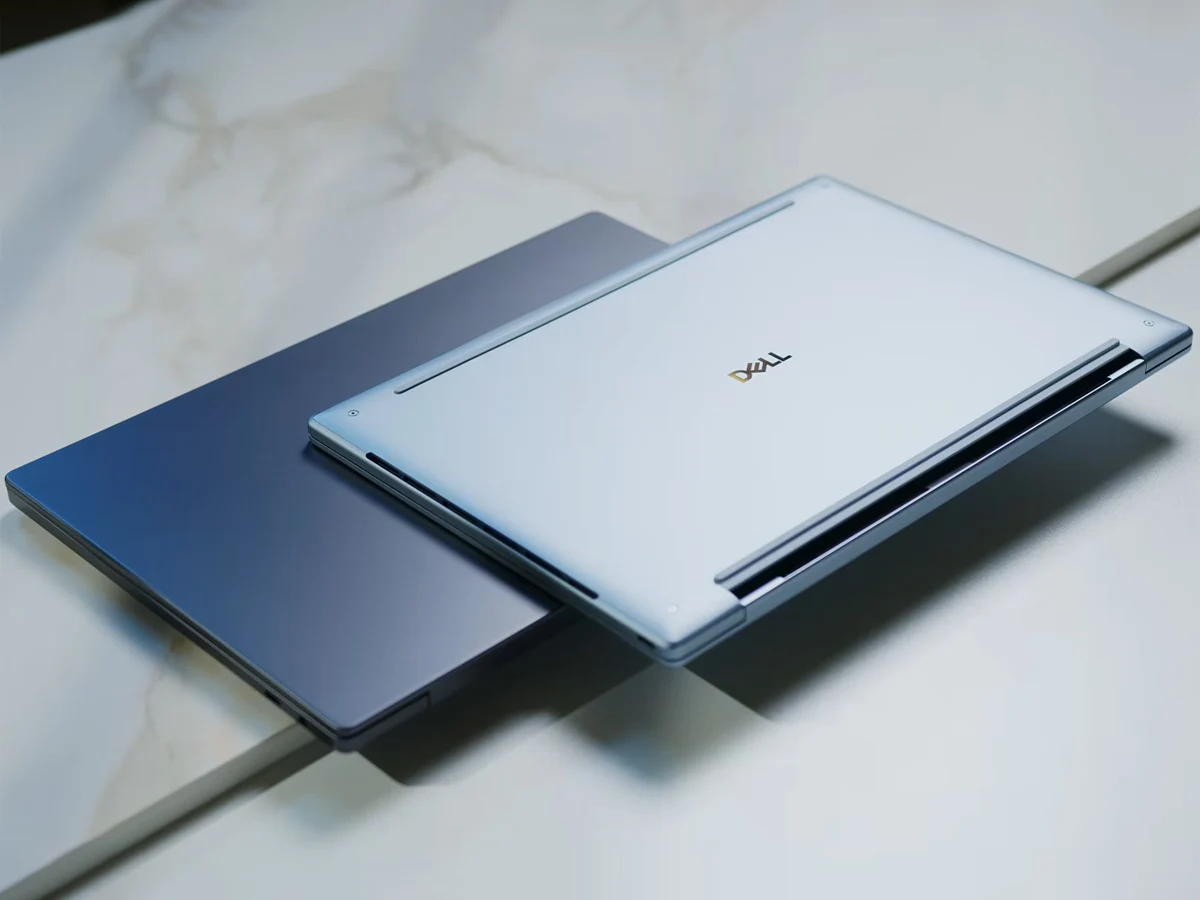
    Dell’s new XPS 13 launched in early June 2026 with a Wildcat Lake chip

    Now the MacBook Neo rival is available for purchase, the starting price is set at $599.99 but this tag is only accessible to students. For everyone else the starting price is $699.99, which is a little higher than what the base MacBook Neo goes for but the Dell XPS 13 has some redeaming factors that make it worth considering.

    Screen and display features that stand out

    One of them is the screen which is 13.4 inches in size and features a variable 120Hz refresh rate and QHD+ resolution. What’s more important is that it’s a touchscreen and the panel has a 500 nits brightness rating. Under the hood this affordable laptop packs the Intel Core 5 320 which is a mid-range option from the Wildcat Lake series.

    Dell is offering the option to pair this low-power processor with up to 16GB of RAM which is another advantage over the MacBook Neo. As for the design the XPS 13 weighs as low as 2.2lbs (around 0.99kg) and is 12.7mm thin when closed. The laptop sports a CNC aluminum chassis that looks and feels premium.

    Battery life and audio performance

    It features a rather small 52Whr battery but Dell promises up to 17 hours of streaming after a full charge. The quad-speaker setup is another highlight of this affordable laptop and we found it to be decent-sounding. Port-wise there are two USB 3.2 Gen 2 Type-C ports with PD and DisplayPort alt and for wireless connectivity there’s WiFi 7 and Bluetooth 6.0.

    Sources
  • Intel Unveils Project Firefly: Low-Cost Metal Laptops with Smartphone RAM

    Intel Unveils Project Firefly: Low-Cost Metal Laptops with Smartphone RAM

    Key Takeaway

    – Intel’s “Project Firefly” leverages the smartphone supply chain to create low-cost laptops.
    – Wildcat Lake processors (e.g., Core 5 320) use 2P+4E cores with a small but modern iGPU.
    – Cheap chips alone aren’t enough; Intel provides reference designs for fast, affordable manufacturing.
    – Reference laptops feature thin metal chassis (12.9mm), USB-C/USB-A/HDMI, and cost-reduced cooling.
    – Smartphone-origin memory and components are repurposed to further lower costs.


    We already reported in mid-May that Intel wants to utilize the infrastructure of the smartphone supply chain with “Project Firefly” to produce particularly affordable laptops based on the new Wildcat Lake processors, which are intended to compete with the Apple MacBook Neo ($589 on Amazon).

    Project Firefly’s Core Hardware

    In the video embedded below, Nish Neelalojanan, Senior Director of Client Products at Intel, explains some of the background to the project. According to him, Intel Wildcat Lake with chips such as the Intel Core 5 320 would be at the heart of the project, because with two performance cores and four efficiency cores, the chips should offer fast everyday performance, while the iGPU with two Xe3 cores is very small, but the modern GPU architecture should ensure that video streaming works flawlessly on all platforms.

    Why The Supply Chain Matterss

    Nish Neelalojanan emphasizes that a cheap processor alone is not enough to make good entry-level laptops. This is where Project Firefly comes into play. Intel has been working with smartphone factories in China to develop reference laptops that make it easier for laptop manufacturers to assemble the components selected by Intel and bring new laptops with Wildcat Lake to market quickly and cheaply. The already very mature smartphone supply chain should be able to produce these components relatively cheaply and supply them to the respective laptop manufacturers.

    Reference Design & Cost Saving Measures

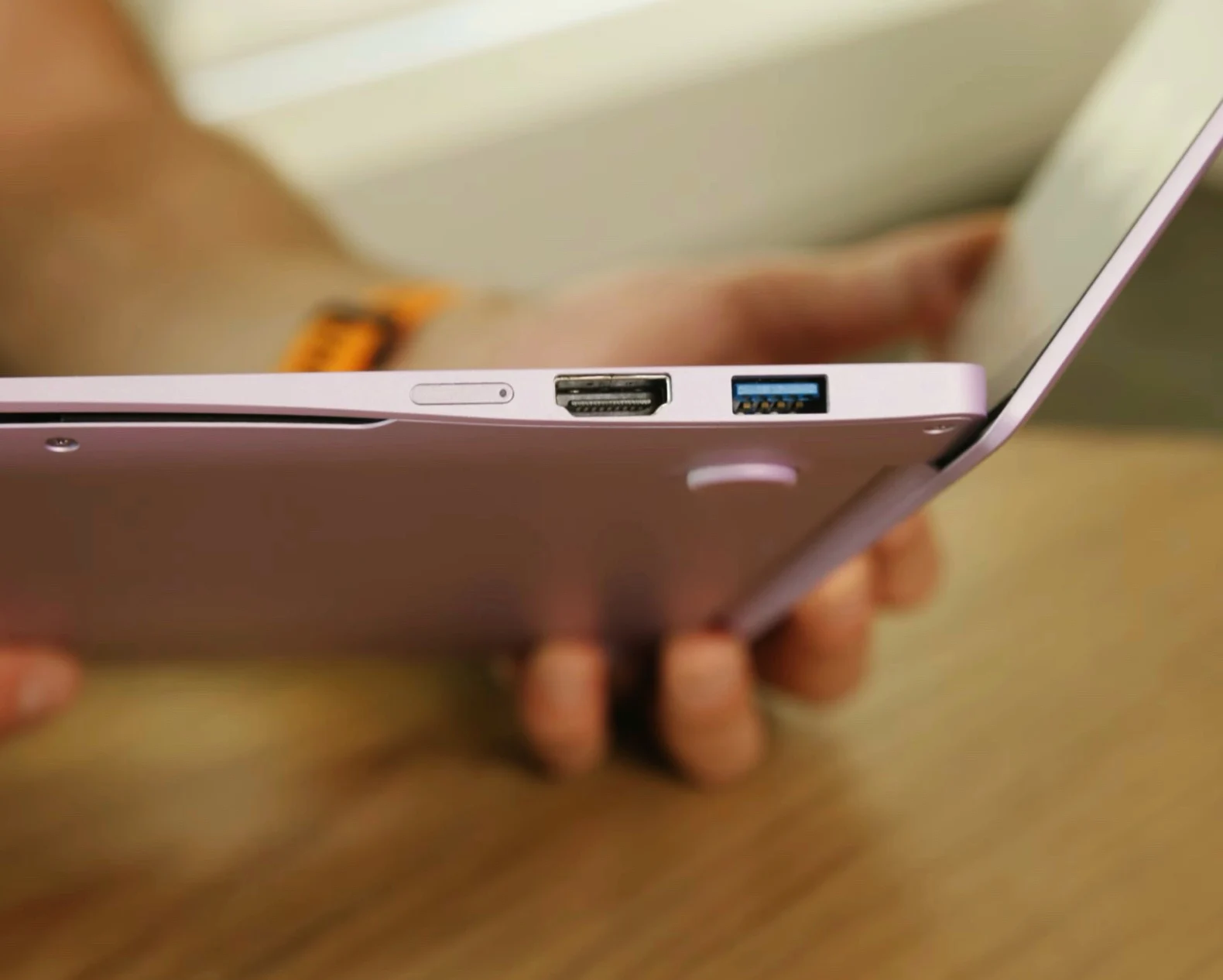
    Around 19:30 minutes into the video, Intel shows one of these reference designs. Despite its low price, the 12.9 millimeter thin notebook offers a modern, colorful metal chassis and a practical port selection with two USB-C, USB-A and HDMI. To reduce costs, Intel has developed a new cooling system with a particularly thin copper heatpipe and even a new, cheaper cable to connect the ports to the mainboard. Wildcat Lake can be combined with memory chips that were originally intended for smartphones.

    Intel Technology (YouTube), via VideoCardz


    Sources

  • New Asus Mini-PCs: Intel Wildcat Lake, 64GB RAM, Thunderbolt 4

    New Asus Mini-PCs: Intel Wildcat Lake, 64GB RAM, Thunderbolt 4

    Key Takeaway

    – Asus expands NUC 16 series with new entry-level Wildcat Lake processors (Core 3 304, Core 5 320, Core 7 350).
    – Supports up to 64 GB DDR5-6400 RAM and 2 TB PCIe Gen 4 storage.
    – Available as complete mini-PC or self-assembled motherboard kit.
    – Features Bluetooth 6.0, Thunderbolt 4, and Wi-Fi 7 connectivity (except motherboard-only version).
    – Pricing and availability are currently unannounced.


    Asus have expanded the NUC 16 series with a series of new entry-level models. For context, the company unveiled the NUC 16 Pro in January during CES 2026, featuring Intel Pantuh Lake processors. While the mini-PC is available with the Core Ultra X7 358H and Core Ultra X9 388H, Asus also sells it with the less powerful Core Ultra 5 325 (curr. $599 on Amazon).

    New Wildcat Lake Options Announced

    Now, it has updated the series with Wildcat Lake options. Specifically, Asus plans to sell the NUC 16 with up to the Core 7 350. A 6-core processor, the Core 7 350 will be joined by lesser Core 3 304 and Core 5 320 variants too. According to Asus, these processors can be complemented with up to 64 GB of DDR5-6400 RAM and 2 TB of PCIe Gen 4 storage.

    Form Factor and Connectivity Details

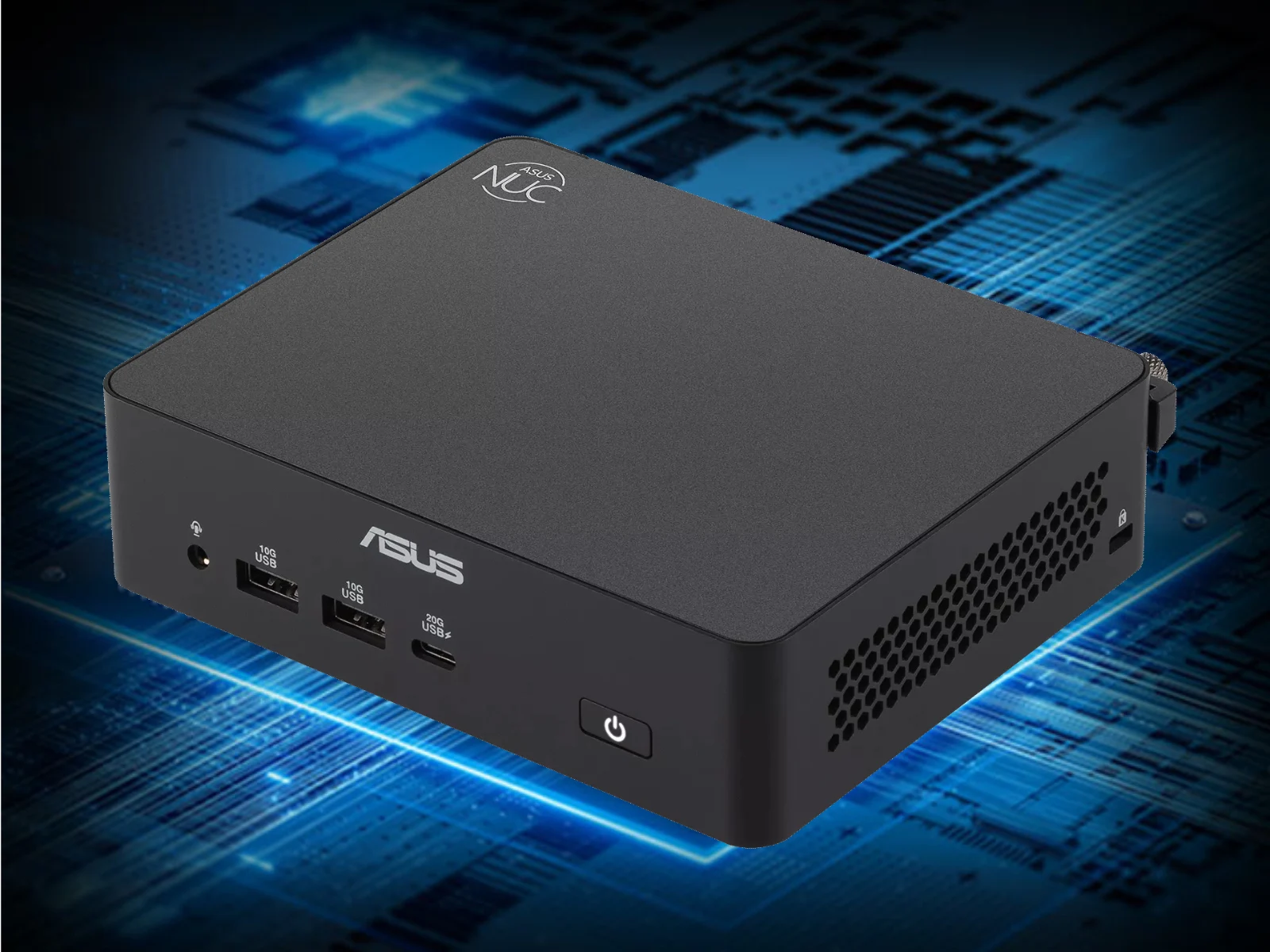
    Moreover, the NUC 16 will be available as a complete mini-PC, a self-assembled kit of just the motherboard itself. All variants contain the same ports, though. Likewise, the complement mini-PC and kit measure 144 x 117 x 42 mm. All but the motherboard version will ship with Bluetooth 6.0, Thunderbolt 4 and Wi-Fi 7 connectivity too.

    Pricing and Availability Still Unknown

    Unfortunately, pricing and availability remain unknown for now. Have a look at the images below and Asus’ website for more details if you want find out more information about these devices.


    Sources

  • Versatile Dell XPS Laptop: Fast Boot, Low Price

    Versatile Dell XPS Laptop: Fast Boot, Low Price

    Key Takeaway

    – Dell XPS 13 leaked via press images, specs, and US pricing before official launch.
    – Base model starts at $699 ($599 for students) with Intel Core 5 320 and 8 GB RAM.
    – Higher-end SKUs feature Intel Core Ultra 7 355 (Panther Lake) and up to 32 GB RAM.
    – Ultra-thin (12.7 mm) aluminum chassis weighs 1 kg, with a 52 Wh battery rated for 17 hours of video.
    – 13.4-inch 2,560 x 1,600 120 Hz touchscreen, Wi-Fi 7, Bluetooth 6, and quad speakers with Dolby Atmos.


    Dell’s Recent Mistake

    Dell has just made a small blunder. A (now-dead) link containing official press information about an upcoming launch was shared by a leaker on X, which naturally lead to related articles appearing on several websites, such as Videocardz, ITHome or Winfuture. Consequently, the Dell XPS 13 with model number DX13260—which has not yet been officially unveiled—can be seen in advance in official press images, and a list of specs and some US prices are now available.

    Pricing and Specifications

    According to reports, the new XPS notebook with a 13.4-inch touchscreen will be available in the US starting at $599 for students, with a regular starting price of $699. However, this price only includes the Wildcat Lake configuration with an Intel Core 5 320 (16 TOPS NPU performance) and 8 GB of RAM. Thunderbolt 4 is reserved for the higher-priced SKUs, such as those with an Intel Core Ultra 7 355 (49 TOPS NPU performance) from the Panther Lake family. Those willing to spend more can get the XPS 13 with 16 GB or 32 GB of RAM. Storage options include 256 GB, 512 GB and 1 TB PCIe Gen 4 SSDs.

    Build and Display

    The Dell XPS 13 with its two USB-C ports in a CNC-milled aluminium chassis starts at just 1 kg and is extremly thin at only 12.7 mm. Despite its slim profile, it features a 52 Wh battery, which Dell claims provides up to 17 hours of runtime for video streaming. The 13.4-inch InfinityEdge display offers a resolution of 2,560 x 1,600, a variable refresh rate of 30 to 120 Hz, and 500 nits of brightness. It also covers 100% of the DCI-P3 color gamut. Dolby Vision and DisplayHDR 400 certification are also supported.

    Colours and Audio

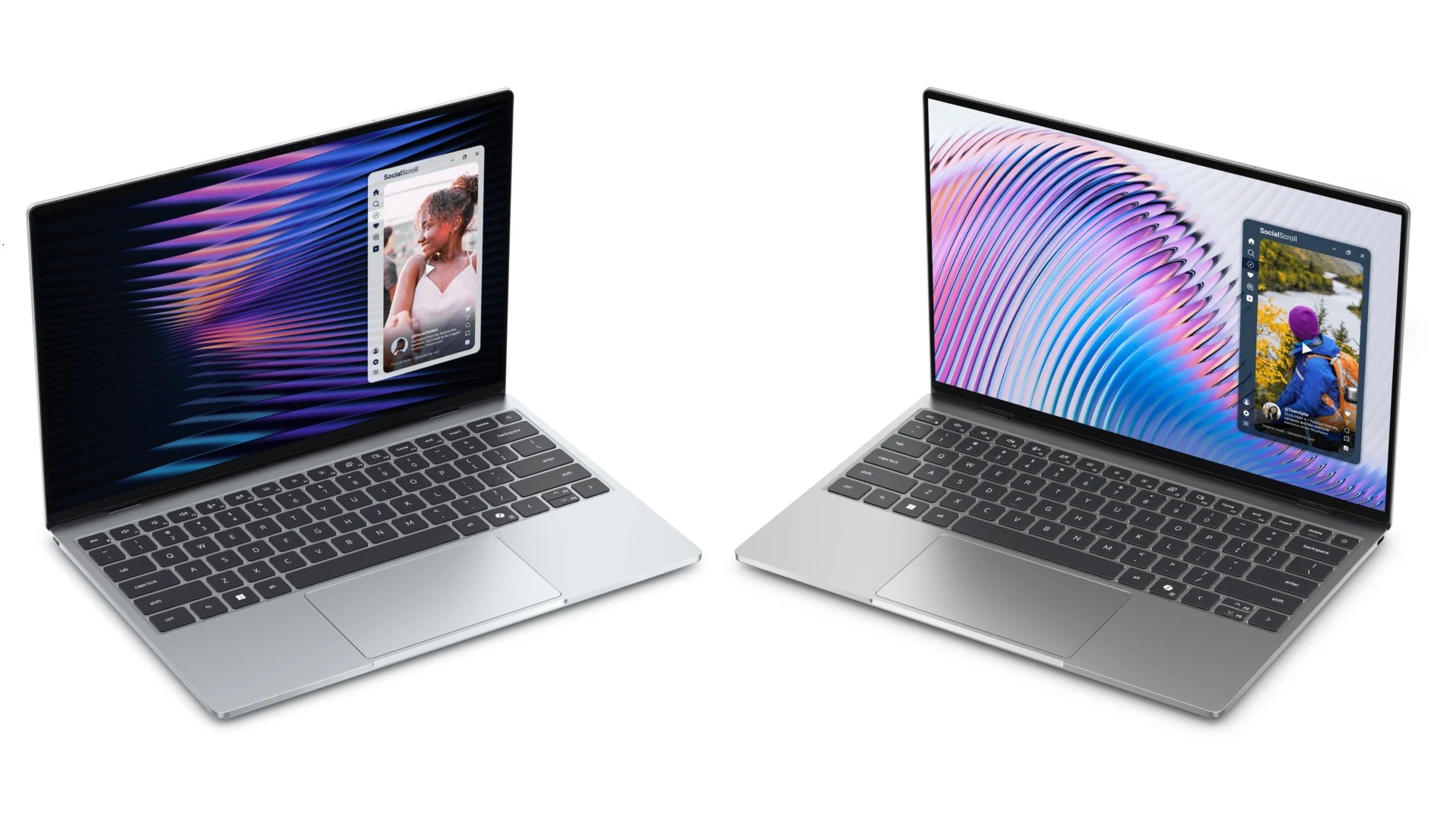
    Two color options are available: Sky (top) and Storm (bottom). A quad-speaker array with Dolby Atmos support, a 1080p webcam, Wi-Fi 7, Bluetooth 6 and a backlit keyboard complete the package. Information regarding availability and prices in Europe is still pending.

    • Wildcat Lake: Intel Core 5 320 (16 TOPS NPU)
    • Panther Lake: Intel Core Ultra 7 355 (49 TOPS NPU)
    • RAM: 8 GB, 16 GB or 32 GB
    • Storage: 256 GB, 512 GB or 1 TB PCIe Gen 4 SSDs
    • Display: 13.4-inch, 2560×1600, 30-120 Hz, 500 nits, 100% DCI-P3
    • Battery: 52 Wh (up to 17 hours video streaming)
    • Weight: 1 kg, thickness: 12.7 mm
    • Colors: Sky and Storm
    • Connectivity: Thunderbolt 4 (higher SKUs only), Wi-Fi 7, Bluetooth 6
    • Audio: Quad speakers with Dolby Atmos
    • Webcam: 1080p


  • Lenovo Unveils 17-Inch Laptop with Numpad and Intel Wildcat Lake

    Lenovo Unveils 17-Inch Laptop with Numpad and Intel Wildcat Lake

    Key Takeaway

    – Lenovo has released the IdeaPad Slim 3i 17IWC11 in East/Southeast Asia, with plans to expand to Europe and other markets.
    – Starts at HKD 10,259 / MYR 3,740 / SGD 1,300 (about $1,015) and includes 8 GB RAM, 256 GB PCIe 4.0 storage, and Core 5 320 or Core 7 350 options.
    – Config options: up to 32 GB RAM (via single SODIMM), up to 1 TB M.2 2242 storage, 50–60 Wh batteries with up to ~18 hours claimed life, and 17-inch 1080p/16:9 IPS 60 Hz display.


    Overview of Wildcat Lake Laptops

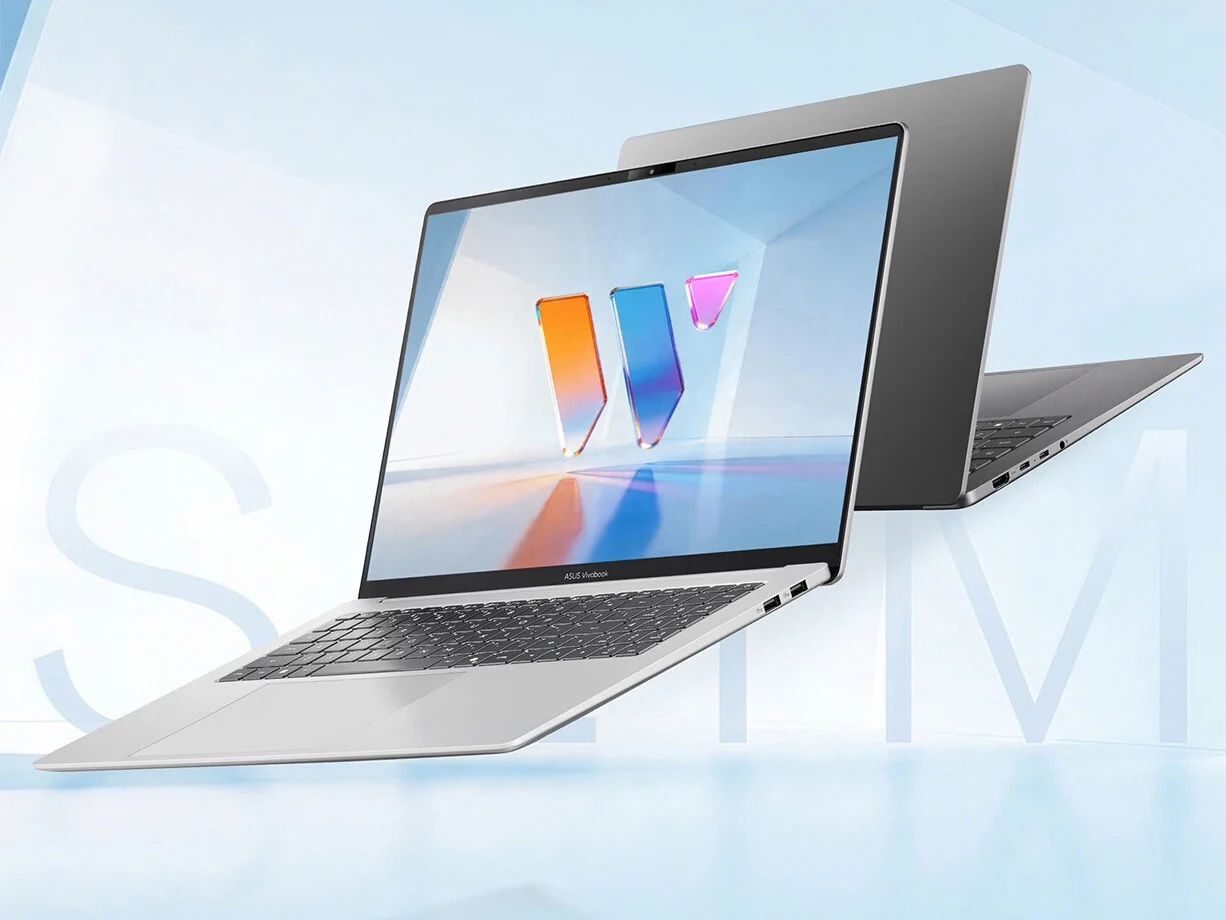
    Several laptop manufacturers have been adopting Intel’s new Wildcat Lake platform in recent weeks. Currently, many of these are restricted to China like Asus’ Vivobook 14SE and Vivobook 16SE. The same is true for the HP StarBook Plus 14, which is available with an OLED display. There must be careful attention to regional availability and feature sets as these devices roll out across markets with varying configurations and display options.

    Lenovo Expands East Asia Availability

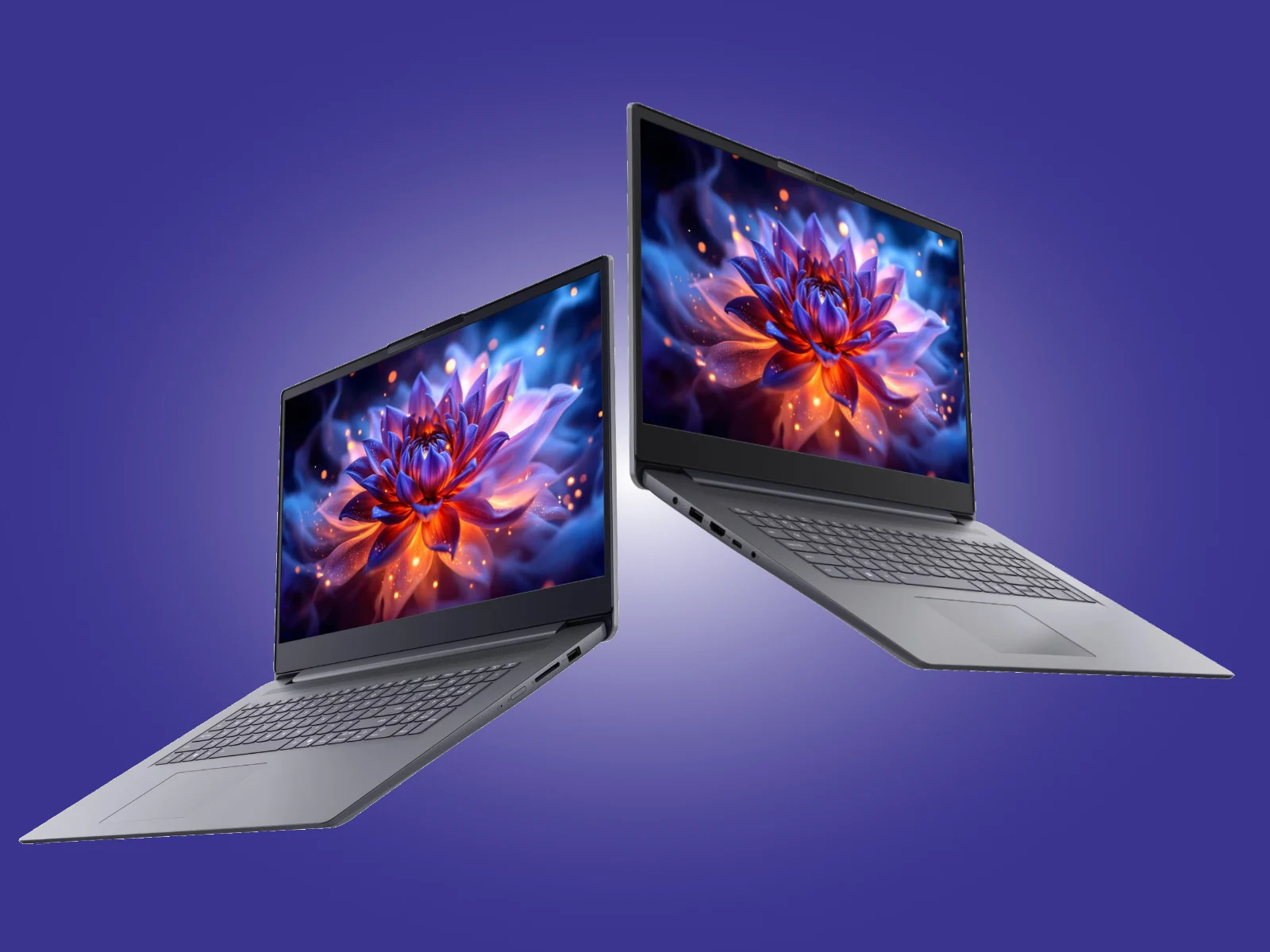
    However, Lenovo has now begun selling the IdeaPad Slim 3i 17IWC11 across East Asia and Southeast Asia. According to the company’s websites, the same 17-inch laptop is coming soon to Europe and other markets, too. In the meantime, the IdeaPad Slim 3i 17IWC11 can be purchased in Hong Kong, Malaysia and Singapore starting at HKD 10,259, MYR 3,740 and SGD 1,300 (~$1,015).

    Base Specifications and Performance

    For those prices, Lenovo includes 8 GB of RAM, 256 GB of PCIe 4.0 storage and Intel’s Core 5 320 processor. According to our benchmarks, the 6-core processor trails the A18 Pro powering the MacBook Neo (curr. $589 on Amazon) in both CPU and GPU performance; we only have limited Core 5 320 benchmarks at this stage, though. The details suggest a balanced entry-level setup that aims to deliver casual multitasking and light creative work with room for upgrades.

    Optional Upgrades and Battery Life

    Alternatively, Lenovo offers the IdeaPad Slim 3i 17IWC11 with the slightly faster Core 7 350. Also, the laptop can be configured with 1 TB of M.2 2242 storage and 16 GB of DDR5-5600 RAM, although up to 32 GB can be included via its sole SODIMM slot. Moreover, 50 Wh or 60 Wh batteries are available that boast up to 18 hours of battery life. Unfortunately, Lenovo restricts the IdeaPad Slim 3i 17IWC11 to a 1080p and 16:9 IPS panel with a 60 Hz refresh rate, 300 nits peak brightness and 72% NTSC colour space coverage. Please see the company’s website for more details.


  • Asus Unveils Intel Wildcat Lake Laptop with Better Display than MacBook Neo

    Asus Unveils Intel Wildcat Lake Laptop with Better Display than MacBook Neo

    Key Takeaway

    – The 2026 Vivobook 16SE offers two 16-inch IPS display options: 1920×1200 at 144Hz and 2560×1600 at 144Hz with variable refresh rate and 400 nits brightness, the latter being superior to the MacBook Neo’s Liquid Retina in brightness and detail.
    – Both devices use the same chassis and specs: Intel Core i5-320, 16GB RAM, 512GB PCIe 4.0 storage, 15.9mm thin, 1.29kg, and similar port layouts (two USB-C 3.2 with PD, two USB-A 3.2 Gen 1, 3.5mm jack, HDMI 2.1).
    – Battery is 52.5Wh, with potential runtime advantages over the MacBook Neo depending on efficiency, but actual life depends on workload and CPU efficiency.
    – Pricing starts at CNY 4,599 (~$675) for the base models, with the higher-end 16SE display option at CNY 4,999 (~$734); global launch details to be announced.

    Asus unveils two new Intel Wildcat Lake laptops in China

    Asus has rolled out two fresh machines, the 2026 Vivobook 14SE and 16SE, powered by Intel Wildcat Lake chips. They share a lot of core specs, yet the 16SE stands out more because it comes with a superior display compared to the MacBook Neo. The announcement pinpoints display choices that matter for folks chasing crisper visuals and smoother motion, with both models aiming to balance performance and portability.

    Display options and how they compare

    Specifically, Asus is offering two display options for the 2026 Vivobook 16SE. Both are 16-inch IPS panels, but one has a resolution of 1920×1200 pixels, while the other bumps it up to 2560×1600. Both have a 144Hz refresh rate, but the latter screen has a variable refresh rate, and it has a brightness rating of 400 nits. This upper-end option is presented as a notably better screen than the Liquid Retina panel on the MacBook Neo, though the Apple device isn’t considered bad for its price range, according to early reviews.

    Core specs and chassis details

    Moving beyond the screen, both laptops are powered by the Intel Core 5 320, a mid-range option from the Wildcat Lake lineup. It’s paired with 16GB of RAM and 512GB of PCIe 4.0 storage. Both laptops share an identical chassis, which measures as thin as 15.9mm and weighs 1.29kg. The port setup mirrors each other as well, featuring two USB-C 3.2 with PD (3.3-feet Baseus 100W PD cable curr. $6.39 on Amazon), two USB-A 3.2 Gen 1, one 3.5mm audio jack, and one HDMI 2.1.

    Battery life and practical use

    There’s a 52.5Wh battery inside the two laptop models, which could translate into longer runtimes than the MacBook Neo in some scenarios. Yet, actual longevity will hinge on system efficiency and how heavily the Wildcat Lake processor is taxed in real-world tasks. Energy use varies with brightness levels, display mode, and workload, so everyday performance can differ from canonical numbers.

    Pricing and availability

    As for pricing, the Vivobook 14SE and 16SE both start at CNY 4,599, about $675. The 2026 16SE with the higher-end display option runs at CNY 4,999, around $734. Asus is expected to share details on global launch and availability soon, with more markets likely to be included after initial China release.


    Sources

  • First Look at Wildcat Lake Intel-Powered Reference Laptop Experience

    First Look at Wildcat Lake Intel-Powered Reference Laptop Experience

    Key Takeaway

    1. Intel’s Wildcat Lake CPUs are designed for thin-and-light laptops, offering lower power and performance compared to Panther Lake, with weaker iGPU and fewer cores.
    2. A recent Wildcat Lake laptop features a dual-core P-processor, 4 LPE cores, a 17W PL1 limit, and integrated security with a 17 TOPS NPU.
    3. The laptop’s design resembles a MacBook, is likely fanless, and supports even minimal cooling, indicating suitability for portable, low-power devices.

    Introduction to Wildcat Lake CPUs

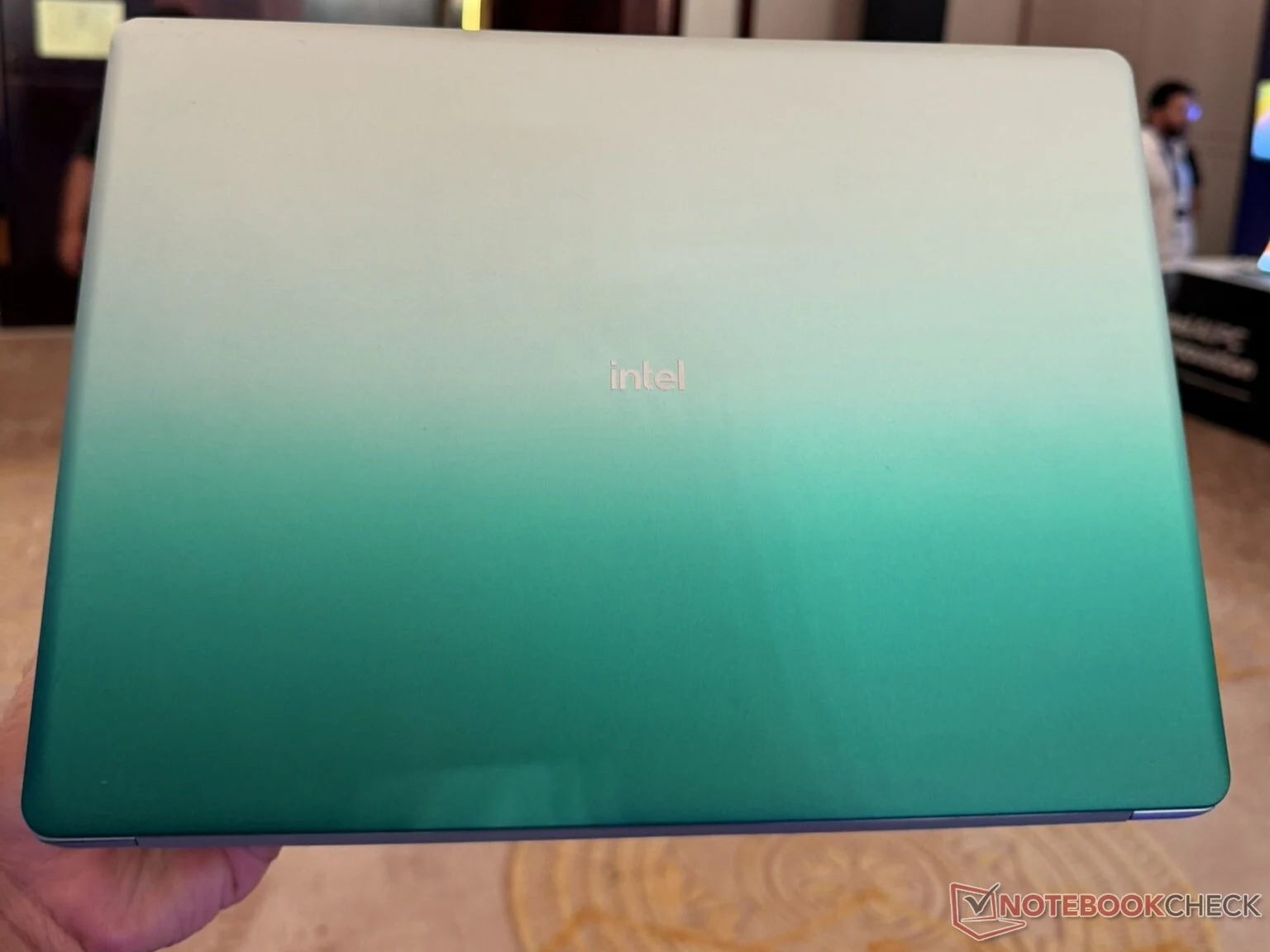
    Intel has quietly introduced a fresh lineup of laptop processors named Wildcat Lake, which are quite similar to Panther Lake chips but without the ‘Ultra’ branding. These new CPUs are designed mainly for lightweight, slim laptops, so they feature weaker integrated graphics, fewer cores, and more modest power limits. Basically, they’re targeted at users who prefer portability over raw performance. Recently, a Wildcat Lake-based device was seen at an Intel event, giving us a sneak peek into what to expect from these chips.

    Details of the Featured Laptop

    The machine spotted was an Intel reference model with a sleek aluminium body plus a keyboard that looks pretty much like a MacBook’s. Inside, there’s an intriguing Intel processor with a configuration of two Cougar Cove P-cores and four Darkmont LPE-cores. Its power settings include a PL1 of 17 Watts, which can peak at 22 Watts, and a PL2 of 35 Watts. For fanless designs, it’s limited to a TDP of 11 Watts, and an Intel rep said it can work even without active cooling — making it perfect for ultra-slim devices or silent operation.

    Technical specs and possible models

    Other key features of this device include a 17 TOPS Neural Processing Unit (NPU), an integrated 2-EU iGPU, and 16 GB of soldered RAM, probably running at around 7467 MT/s. While it’s difficult to pinpoint the exact SKU due to the CPU core configuration, the presence of the 17 TOPS NPU suggests it could be one of the Core 7 models, like the Core 7 360 or Core 7 350. Both models are known to include this NPU, which adds some serious AI processing capabilities.

    Performance and Testing

    As of now, no performance benchmarks or detailed tests have been done on this particular device. We’ll keep an eye out and update you as soon as more information and tests become available. Meanwhile, this glimpse into Wildcat Lake chips indicates Intel’s ongoing strategy to cater to users who want lightweight but capable laptops—balancing power efficiency with enough juice for daily tasks.


    Sources