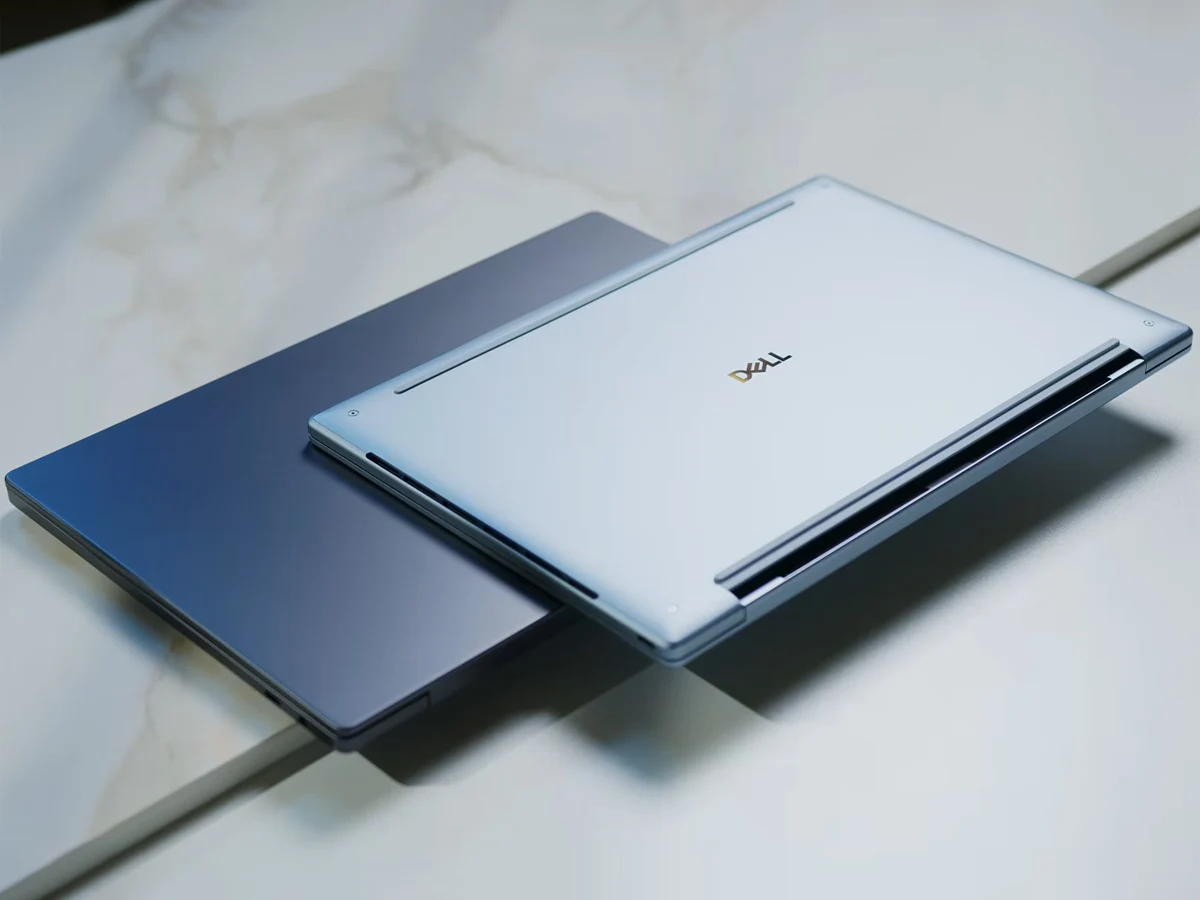
Tag: “Dell XPS 13

  • Dell MacBook Neo Rival Launch: 120Hz Touchscreen, Sleek Design

    Dell MacBook Neo Rival Launch: 120Hz Touchscreen, Sleek Design

    Key Takeaway

    – Starting price of $599.99 (for students) or $699.99
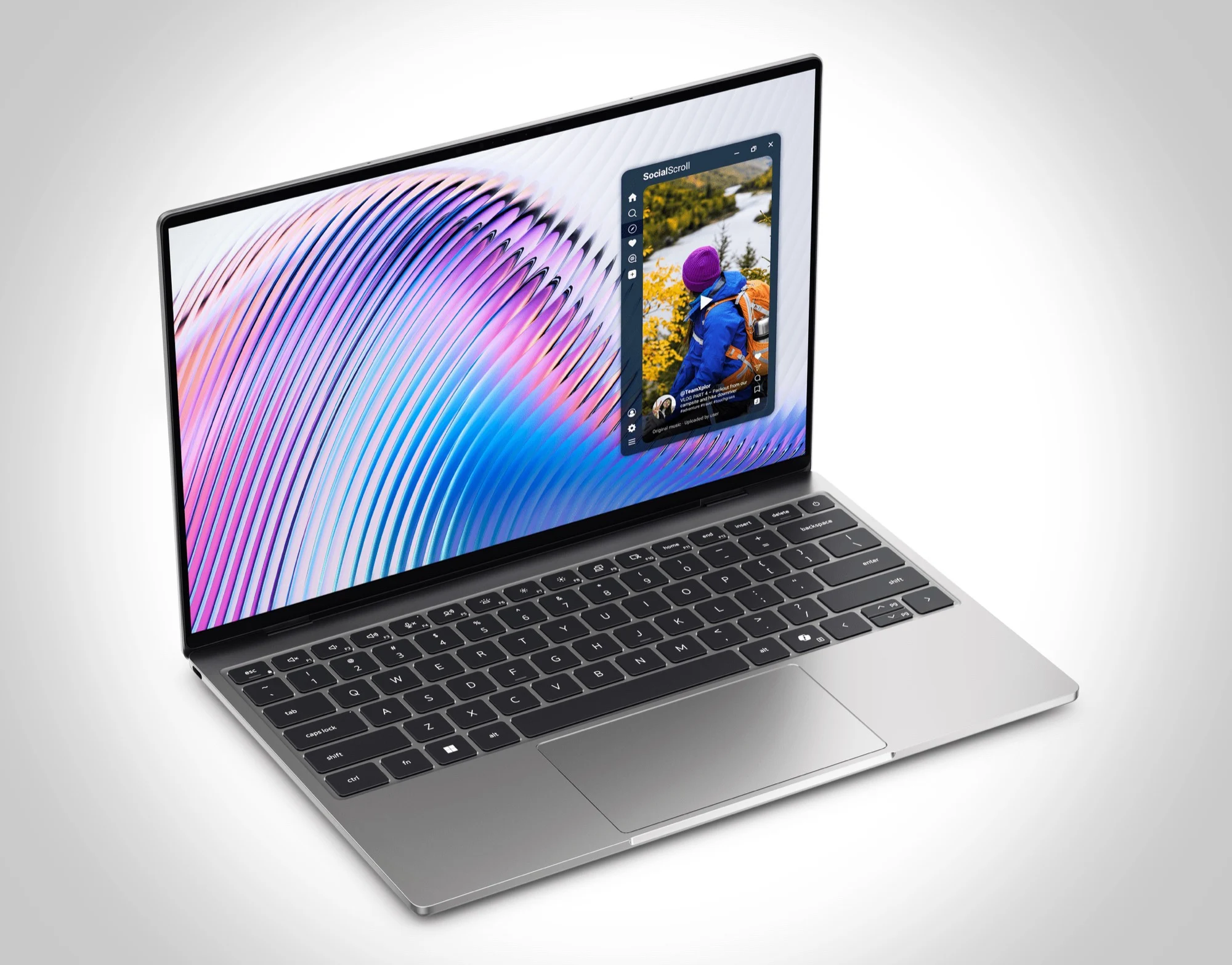
    – 13.4″ QHD+ touchscreen with 120Hz refresh rate
    – Intel Core 5 320 processor with up to 16GB RAM
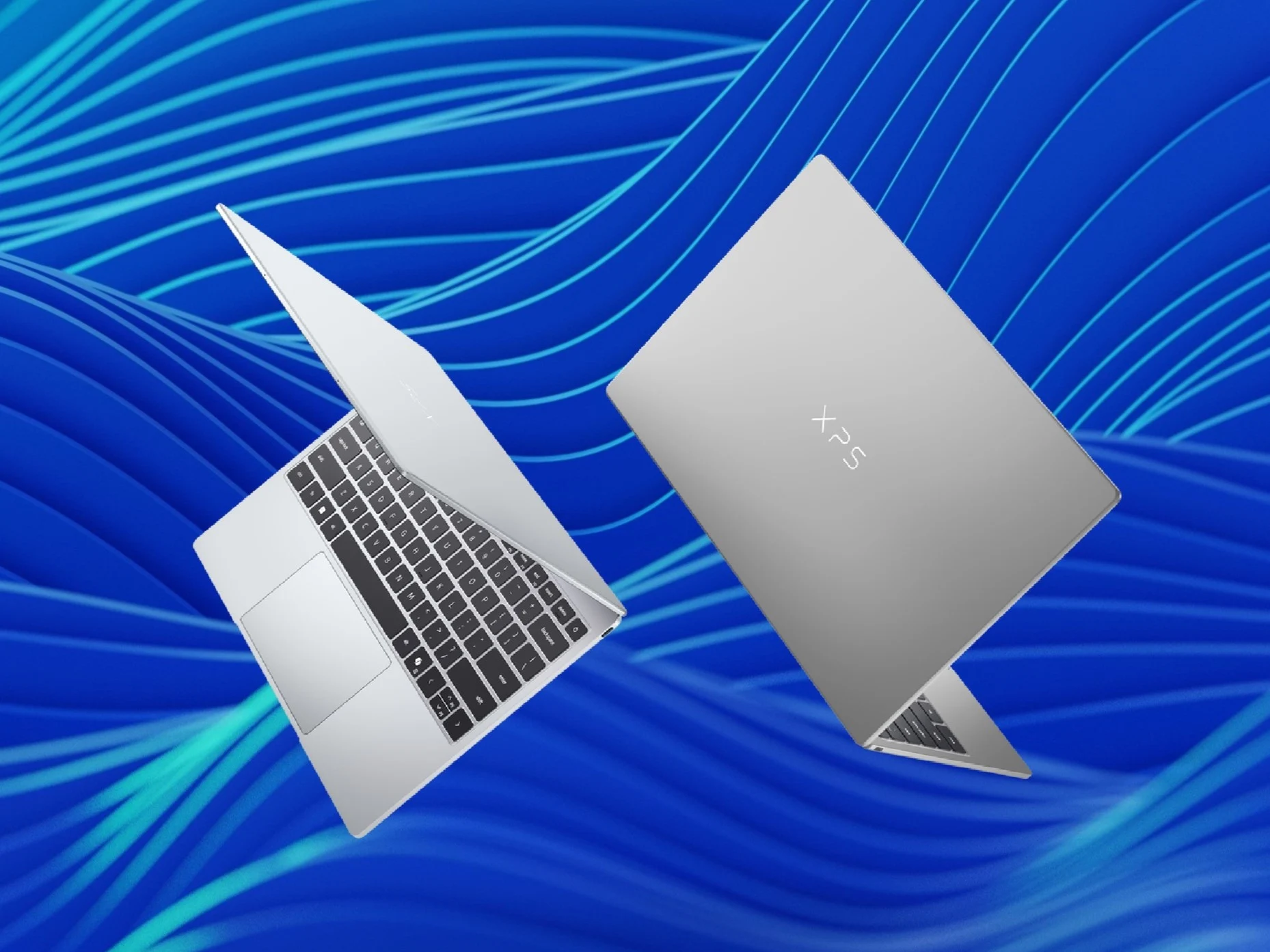
    – Lightweight CNC aluminum design (2.2lbs, 12.7mm thin)
    – Quad-speaker setup with 17-hour battery life


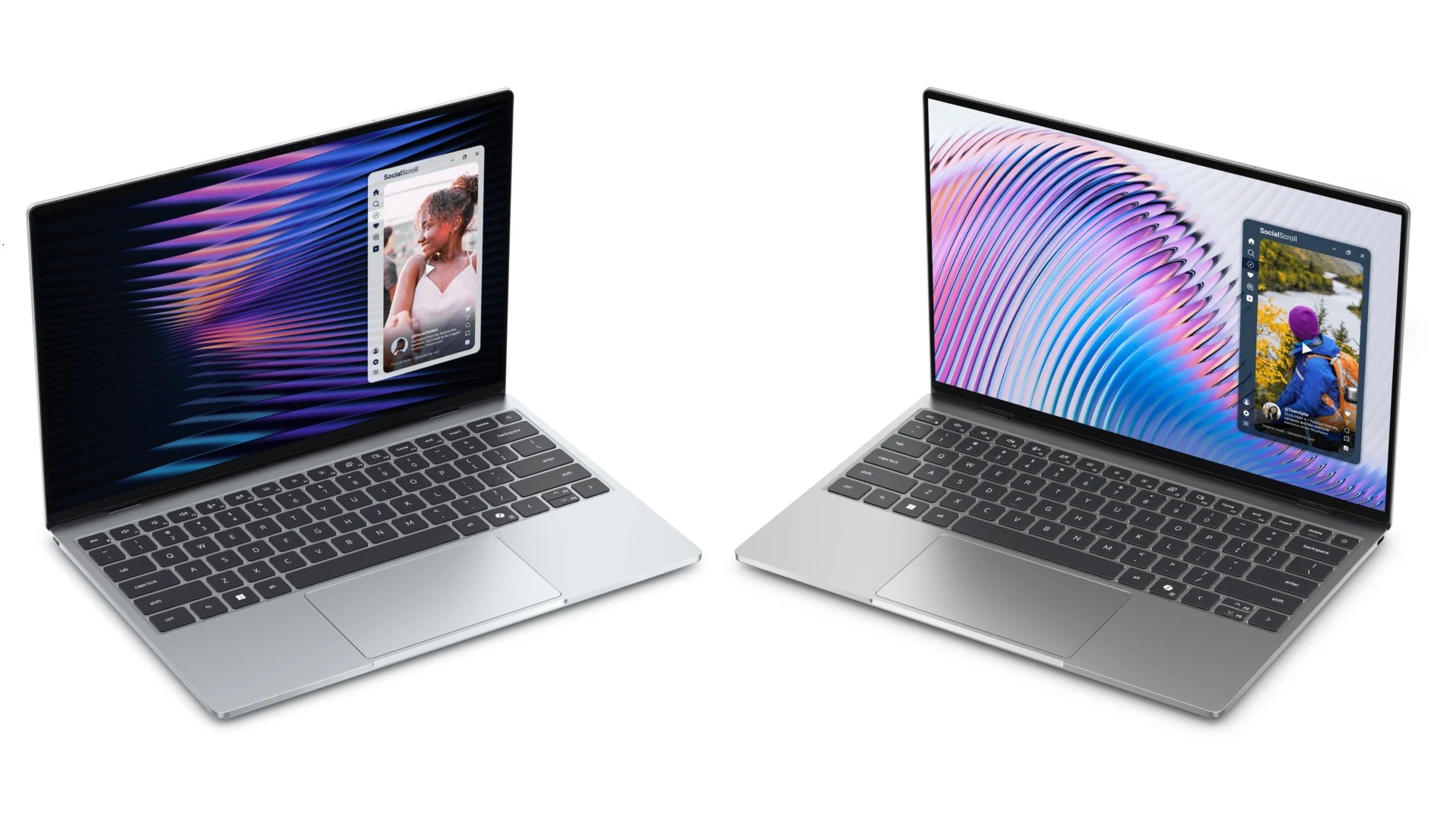
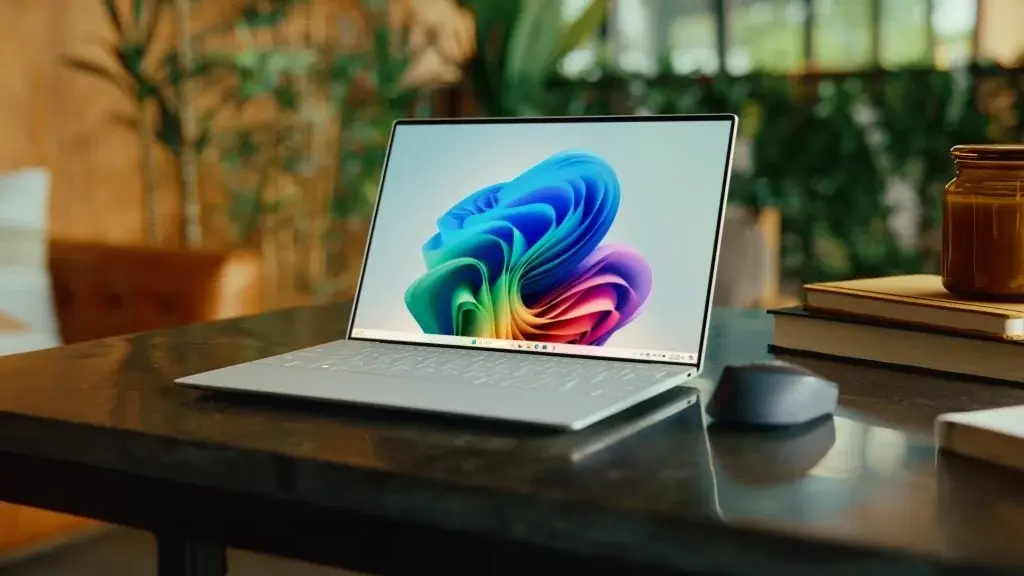
    Dell’s new XPS 13 launched in early June 2026 with a Wildcat Lake chip

    Now the MacBook Neo rival is available for purchase, the starting price is set at $599.99 but this tag is only accessible to students. For everyone else the starting price is $699.99, which is a little higher than what the base MacBook Neo goes for but the Dell XPS 13 has some redeaming factors that make it worth considering.

    Screen and display features that stand out

    One of them is the screen which is 13.4 inches in size and features a variable 120Hz refresh rate and QHD+ resolution. What’s more important is that it’s a touchscreen and the panel has a 500 nits brightness rating. Under the hood this affordable laptop packs the Intel Core 5 320 which is a mid-range option from the Wildcat Lake series.

    Dell is offering the option to pair this low-power processor with up to 16GB of RAM which is another advantage over the MacBook Neo. As for the design the XPS 13 weighs as low as 2.2lbs (around 0.99kg) and is 12.7mm thin when closed. The laptop sports a CNC aluminum chassis that looks and feels premium.

    Battery life and audio performance

    It features a rather small 52Whr battery but Dell promises up to 17 hours of streaming after a full charge. The quad-speaker setup is another highlight of this affordable laptop and we found it to be decent-sounding. Port-wise there are two USB 3.2 Gen 2 Type-C ports with PD and DisplayPort alt and for wireless connectivity there’s WiFi 7 and Bluetooth 6.0.
    Sources
  • Intel Wildcat Lake Refresh doubles low-cost laptop cores

    Intel Wildcat Lake Refresh doubles low-cost laptop cores

    Key Takeaway

    – Wildcat Lake Refresh will feature up to 4 performance cores and 4 low-power cores, a significant upgrade from the current 2+4 configuration.
    – The fastest Wildcat Lake Refresh processor is expected to outperform the Apple A18 Pro in the MacBook Neo.
    – Despite the performance boost, the iGPU remains limited to 2 Xe3 cores, making the chips unsuitable for gaming.
    – Laptops using current Wildcat Lake processors, like the Dell XPS 13, are lighter than the MacBook Neo with comparable performance.
    – Intel Wildcat Lake Refresh is scheduled for launch in 2027.


    Affordable Laptops Get a Second Wind

    After the Apple MacBook Neo ($589 on Amazon) made inexpensive laptops with only 8 GB of RAM socially acceptable again, Intel is offering a processor series with Wildcat Lake, which is intended for similarly inexpensive laptops. Models such as the Dell XPS 13 already show that Wildcat Lake can be used to create laptops that are significantly lighter than the MacBook Neo, but still offer comparable performance and significantly better features in some areas, such as the choice of ports or the display’s frame rate.

    Intel’s Wildcat Lake Refresh Is on the Horizon

    According to the latest information from the usually extremely well-informed leaker @jaykihn0, Intel is already developing a new edition of these low-cost laptop processors. Wildcat Lake Refresh is set to be significantly more powerful. Because while the Intel Core 7 350 only offers two performance cores with boost clock speeds of up to 4.8 GHz and four low-power cores with clock speeds of up to 3.6 GHz, Wildcat Lake Refresh is said to offer a maximum of four performance cores and four low-power cores.

    Performance and Graphics Outlook

    If this information is correct, the fastest Intel Wildcat Lake Refresh processor should outperform the Apple A18 Pro in the MacBook Neo, while more expensive chips such as the Apple M5 or the Qualcomm Snapdragon X are likely to remain well ahead of Intel’s low-cost laptop processors. The graphics chip is also unlikely to change much, as Intel will continue to use an iGPU with two Xe3 cores, making the chips unsuitable for gaming. Intel Wildcat Lake Refresh is expected to launch in 2027.

    • Dell XPS 13 already shows lighter design potential
    • Wildcat Lake Refresh: up to 4 performance cores and 4 low-power cores
    • iGPU remains at two Xe3 cores, gaming not a focus
    • Expected launch year: 2027
    Sources
  • Dell XPS 13 Vs MacBook: Users Fear Windows 11 on 8GB RAM

    Dell XPS 13 Vs MacBook: Users Fear Windows 11 on 8GB RAM

    Key Takeaway

    – Dell XPS 13 matches MacBook Neo at $699 with superior hardware (chassis, display).
    – Entry-level XPS 13 with 8GB RAM underperforms on Windows 11, unlike macOS on MacBook Neo.
    – Microsoft officially recommends 16GB RAM for smooth Windows 11, unfeasible at this price point.
    – RAM supply crunch prevents OEMs from offering 16GB in $699 laptops.
    – Microsoft must optimize Windows 11 for Windows laptops to truly compete with MacBook Neo.


    MacBook Neo Success Forces Dell to Finally Compete

    It appears that the success of MacBook Neo is finally haveing the effect that many wished it would on Windows laptops. Dell has announced a new XPS 13 that directly competes with the MacBook Neo at $699 ($599 for students).

    Hardware Perspective and Core Specs

    From a purely hardware perspective, Hardware Canucks asserts that this XPS 13 is a “better MacBook Neo”. This assessment looks accurate, as the XPS 13 boasts a high-quality chassis, a display that punches way above its price tag, and much more.

    RAM Concerns for Entry-Level Models

    However, Hardware Canucks is concerned that the entry-level versions of the Dell XPS 13 that will compete with the MacBook Neo might not hold up well with only 8 GB of RAM. Windows 11 is notoriously resource-hungry, a problem that Microsoft is working on fixing. macOS on the Apple MacBook Neo, on the other hand, is shown to run smoothly on just 8 GB of RAM.

    Many users on Reddit have also expressed similar concerns. For instance, one user sarcastically remarked on r/Technology that “Windows 11 on 8 GB of memory sounds like a fun experience”. Another exclaimed that “For a Windows PC to even remotely be taken seriously as a competitor to a Mac, it needs at least 16 gigs of ram, which no PC at this price point will ever have”.

    Microsoft Recommends 16GB and Market Reality

    Microsoft officially recommends 16 GB of RAM for Windows 11 for smooth operation. In the current market conditions, it is not reasonable to expect a $699 laptop to have 16 GB of RAM. As shown by the recent enormous Steam Deck price increase, OEMs both big and small have been affected by the RAM supply crunch.

    Conclusion and OS Handicap

    So, Windows laptop OEMs do not just have to worry about the price-to-performance of the hardware of their laptops, but also hope that Windows plays nicely. Microsoft needs to resolve this handicap if Windows laptops are to have a real chance at competing favorably with the MacBook Neo.

  • Dell XPS 13 Gets Panther Lake: Thin, Long Battery Life

    Dell XPS 13 Gets Panther Lake: Thin, Long Battery Life

    Key Takeaway

    – Upcoming Dell XPS 13 accidentally revealed early, featuring Panther Lake and Wildcat Lake CPU options.
    – Display is a 13.4-inch 2.5K screen with 120 Hz VRR and 100% DCI-P3 coverage.
    – Battery rated for up to 17 hours, thanks to Panther Lake efficiency, with 65W USB-C charging.
    – Ultra-portable design: 12.7 mm thick, weighs just 1 kg, with Wi-Fi 7 and Bluetooth 6.0.
    – Entry-level price hinted at starting from $599.


    Oops! Dell jumped the gun on the XPS 13

    Dell acidentally showed off its new XPS 13 way earlier than they should have. The specifications aren’t really that shocking—the compact workhorse needed a Panther Lake update after the XPS 14 and XPS 16 already got there upgrades. Thanks to Dell’s slip-up, there is virtually nothing left to wonder about. They’ve even hinted at the price, with Dell mentioning the entry-level model would start from $599.

    Panther Lake and Wildcat Lake meeting inside

    Recaping the specs, the Dell XPS 13 comes with Intel’s Core 5 320 or Core Ultra 7 355 processors, putting it among the few laptops that combine Panther Lake and Wildcat Lake SKUs. Memory tops out at 32 GB LPDDR5x-7467 MT/s, while storage maxes at 1 TB using PCIe Gen4. Because of the laptops thin profile, you wont find any dedicated graphics option here.

    Dell put a 13.4-inch 2.5K (2,560 x 1,400) monitor on there XPS 13. It offers a maximum brightness of 500 nits, refresh rates up to 120 Hz with VRR, and full DCI-P3 colour coverage. The device runs on a 52 Wh battery, charging at 65 Watts over USB-C. Dell claimes it can run for as long as 17 hours per charge, and the XPS 13 might just achieve that given Panther Lake’s power efficiency.

    Connectivity and chassis details

    You get Wi-Fi 7, Bluetooth 6.0, and two USB-C ports to work with. For the Core Ultra 7 model, those USB-C ports support Thunderbolt 4 speeds. Dell provides the XPS 13 in two different color options: Sky and Storm. With a thickness of just 12.7 mm and weight of only 1 kg, it stands out as one of Dell’s most portable laptops to date.

    • Processors: Intel Core 5 320 or Core Ultra 7 355
    • Memory: Up to 32 GB LPDDR5x-7467 MT/s
    • Storage: Up to 1 TB PCIe Gen4
    • Display: 13.4-inch 2.5K, 500 nits, 120 Hz, 100% DCI-P3
    • Battery: 52 Wh, 65W charging, 17 hours claimed
    • Connectivity: Wi-Fi 7, Bluetooth 6.0, 2x USB-C (Thunderbolt 4 on Core Ultra 7)
    • Dimensions: 12.7 mm thick, 1 kg weight
    • Colors: Sky, Storm
    • Starting price: $599
    Sources
    • Versatile Dell XPS Laptop: Fast Boot, Great Value

      Versatile Dell XPS Laptop: Fast Boot, Great Value

      Key Takeaway

      – Dell XPS 13 leaked via premature press link, model DX13260
      – Student price starts at $599 (Wildcat Lake, 8GB RAM); regular from $699
      – High-end SKUs offer Panther Lake Intel Core Ultra 7 355 with 49 TOPS NPU
      – Slim 12.7mm, 1kg aluminum chassis, 52Wh battery with up to 17 hours video playback
      – 13.4” 2.5K 120Hz touch display, 100% DCI-P3, Wi-Fi 7, Bluetooth 6, quad speakers


      Dell has just made a small blunder, a (now-dead) link containing official press information about an upcoming launch was shared by a leaker on X, which naturrally led to related articles appearing on several websites, such as Videocardz, ITHome or Winfuture. Consequently, the Dell XPS 13 with model number DX13260—which has not yet been officially unveiled—can be seen in advance in official press images, and a list of specs and some US prices are also available.

      Pricing and Core Specifications

      According to reports, the new XPS notebook with a 13.4-inch touchscreen will be available in the US starting at $599 for students, with a regular starting price of $699. However, this price only includes the Wildcat Lake configuration with an Intel Core 5 320 (16 TOPS NPU performance) and 8 GB of RAM. Thunderbolt 4 is reserved for the higher-priced SKUs, such as those with an Intel Core Ultra 7 355 (49 TOPS NPU performance) from the Panther Lake family. Those willing to spend more can get the XPS 13 with 16 GB or 32 GB of RAM. Storage options include 256 GB, 512 GB and 1 TB PCIe Gen 4 SSDs.

      Chassis, Battery, and Display Details

      The Dell XPS 13 with its two USB-C ports in a CNC-milled aluminium chassis starts at just 1 kg and is extremly thin at only 12.7 mm. Despite its slim profile, it features a 52 Wh battery, which Dell claims provides up to 17 hours of runtime for video streaming. The 13.4-inch InfinityEdge display offers a resolution of 2,560 x 1,600, a variable refresh rate of 30 to 120 Hz, and 500 nits of brightness. It also covers 100% of the DCI-P3 color gamut. Dolby Vision and DisplayHDR 400 certification are also supported.

      Color Options and Complete Feature Set

      Two color options are available: Sky (top) and Storm (bottom). A quad-speaker array with Dolby Atmos support, a 1080p webcam, Wi-Fi 7, Bluetooth 6 and a backlit keyboard complete the package. Information regarding availability and prices in Europe is still pending.


    • Dell Price Gouging Exposed: 32GB RAM Upgrade Costs 85% Less

      Dell Price Gouging Exposed: 32GB RAM Upgrade Costs 85% Less

      Key Takeaways

      1. Dell is charging $550 for a 32 GB memory upgrade, significantly higher than competitors like Apple, which charges $400 for the same upgrade.
      2. Framework offers a much lower upgrade cost of $80 for 32 GB memory, criticizing Dell’s pricing practices.
      3. Future RAM prices are expected to rise due to a shortage, with OpenAI controlling a large portion of the memory supply.
      4. If Framework’s stock runs out, they may have to increase prices to align with market conditions.
      5. Consumers interested in Framework laptops should consider purchasing soon to avoid potential price hikes.


      The shortage of memory supply is now affecting laptops, and GPU prices are also likely to drop significantly in the near future. Observant users have noticed that Dell is charging a crazy $550 extra to upgrade from 16 GB to 32 GB LPDDR5X memory on their Dell XPS 13.

      Price Comparison with Apple

      Dell’s pricing for memory upgrades surpasses even that of Apple, a company known for its high prices on memory and storage. Currently, Apple asks for an additional $400 for a 32 GB memory upgrade in the MacBook Air 13 M4 (Available on Amazon). This situation suggests that either Dell is struggling with RAM availability for its products and is adjusting its prices based on the current market conditions, or it is taking advantage of customers. Framework suspects the latter, as they have criticized Dell on X.

      Framework’s Response

      In response to a post on X highlighting Dell’s outrageous markup for 32 GB RAM, Framework pointed out that they only charge $80 extra for a 32 GB DDR5-5600 memory upgrade. This is a clear difference compared to Dell’s $550 and Apple’s $400 markup. Framework further clarifies that although a RAM price increase is on the way, they will not engage in price gouging like Dell or routinely overcharge for RAM upgrades like Apple.

      Future RAM Availability

      While Framework is dedicated to avoiding price hikes, it is evident that the upcoming increase in RAM prices will be harsh. OpenAI is reportedly controlling a large part of the global memory supply and is even sending its employees to purchase retail DDR5 kits. This could result in all laptop manufacturers struggling to find memory, worsening the ongoing RAM shortage.

      Should Framework’s stock run out, they will have to conform to market dynamics and shift the cost onto consumers. Therefore, if you are in the market for a laptop and are interested in Framework, now would be an ideal time to make a purchase.

      Source:
      Link


    • Qualcomm’s Fun Ads Take Aim at Intel: The Bigger Picture Explained

      Qualcomm’s Fun Ads Take Aim at Intel: The Bigger Picture Explained

      Key Takeaways

      1. The Qualcomm Snapdragon X Elite was expected to revolutionize Windows laptops like Apple’s M1 chip but faced high costs and software compatibility issues at launch.
      2. Intel’s Lunar Lake series was released shortly after the Snapdragon X Elite, offering good efficiency for daily tasks despite lower multi-thread performance.
      3. Qualcomm highlighted a performance claim that Snapdragon X Elite maintains full performance on battery, contrasting with Intel’s Lunar Lake, but testing methods raise skepticism about this assertion.
      4. Performance testing showed that the Intel Core Ultra 7 performed nearly as well as the Snapdragon X Elite in single-core benchmarks.
      5. While the Snapdragon model maintained performance on battery, the claimed performance drop of 55% for Lunar Lake laptops should be viewed with caution based on testing results.


      The Qualcomm Snapdragon X Elite was anticipated to be a revolutionary moment for Windows laptops, akin to Apple’s M1 chip, as it promised extended battery life and remarkable performance. While Qualcomm met some of these expectations, the chip didn’t quite achieve a major breakthrough for the company, mainly due to the high costs associated with Snapdragon X Elite laptops and the widespread software compatibility challenges that surfaced at launch.

      Competition from Intel

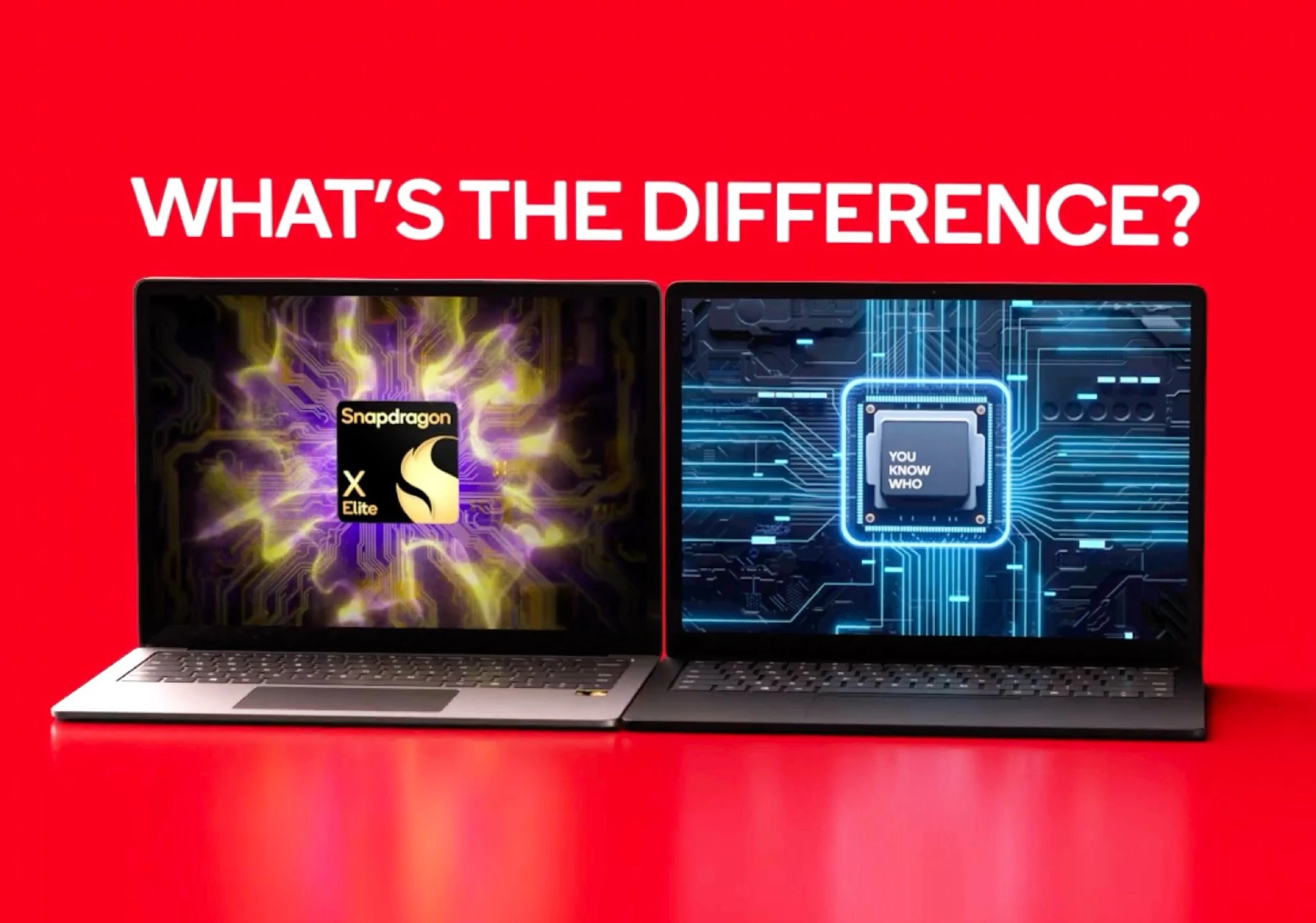
      An important aspect to consider is that Intel introduced its Lunar Lake series as a direct rival just after the Snapdragon X Elite was released. Although these processors have fewer cores, resulting in lower multi-thread performance, Lunar Lake chips showcase impressive efficiency for daily tasks while providing sufficient performance for office and web-related applications. In response, Qualcomm has been running a series of advertisements (see below), asserting that Lunar Lake processors reduce their performance to 55% when not plugged in, while the Snapdragon X Elite supposedly maintains its full performance under similar conditions. Although this message was shared playfully, the fine print hints at issues within the testing approach.

      Testing Methodology and Results

      The CPU performance data is derived from Geekbench v6.2 Single-Core tests on Windows 11, conducted in October 2024. The Snapdragon X Elite (XIE-80-100) was evaluated using a Dell XPS 13 (9345) operating on “Balanced” Power Mode in Windows and “Optimized” mode in Dell Power Manager. Conversely, the Intel Core Ultra 7 256V was tested on a Dell XPS 13 (9350).

      The single-core Geekbench 6.2 test isn’t too challenging and doesn’t really reflect a system’s overall performance. Our thorough examination of the two Dell XPS 13 models (about $1,500 on Amazon) included in Qualcomm’s comparison showed that the Intel Core Ultra 7 256V performed nearly as well as the Qualcomm Snapdragon X Elite in Geekbench’s single-core benchmark.

      Battery Performance Insights

      When operating on battery, the Intel version did see a 9% reduction in CPU performance and a 3% decrease in GPU performance, while the Snapdragon model mostly preserved its performance levels. Therefore, although Qualcomm’s main message isn’t completely untrue, the bold claim of “55%” should be viewed skeptically, especially since such significant performance drops aren’t common for Lunar Lake laptops.

      Source:
      Link

    • Buy Dell XPS 13 AI Laptop with Snapdragon X Elite in India

      Buy Dell XPS 13 AI Laptop with Snapdragon X Elite in India

      Dell has recently introduced its XPS 13 laptop, now equipped with the Qualcomm Snapdragon X Elite processor. Starting today, this laptop is available for purchase in India via Amazon and Dell’s official website.

      Dell XPS 13 Laptop Specifications

      The Dell XPS 13 comes with a 13-inch display, offering options for either an OLED panel or an FHD+ panel, both capable of reaching a peak brightness of 500 nits and a refresh rate of 120Hz. It is powered by the Snapdragon X Elite processor, which features 12 cores with a base speed of up to 3.4 GHz and a Dual-Core Boost that reaches up to 4.0 GHz. Additionally, it includes an NPU that can deliver up to 45 TOPS for enhanced AI performance.

      For memory and storage, this laptop can be configured with up to 32GB of LPDDR5X RAM and up to 1TB of SSD storage. The Qualcomm Adreno GPU ensures high-quality visuals, making it ideal for a variety of tasks. The device runs on Windows 11 and is equipped with an FHD 1080p webcam, quad speakers, and a dual microphone array to ensure clear audio during video calls.

      The Dell XPS 13 also includes a full-size backlit keyboard and a glass-haptic touchpad to enhance the user experience. It is powered by a 55Wh battery and features two USB Type-C ports for connectivity. The dimensions of the laptop are 14.80 mm in height, 295.30 mm in width, and 199.10 mm in depth.

      Pricing and Availability

      The Dell XPS 13 is available for purchase on Dell’s website and Amazon. The 16GB+512GB model with an FHD+ panel is priced at Rs 1,41,490 on Amazon. The OLED panel version with the same configuration is available for Rs 1,51,190, while the 32GB + 1TB SSD model with an OLED panel is priced at Rs 1,70,690. Buyers can also take advantage of EMI options and various bank offers.