Tag: intel Lunar Lake

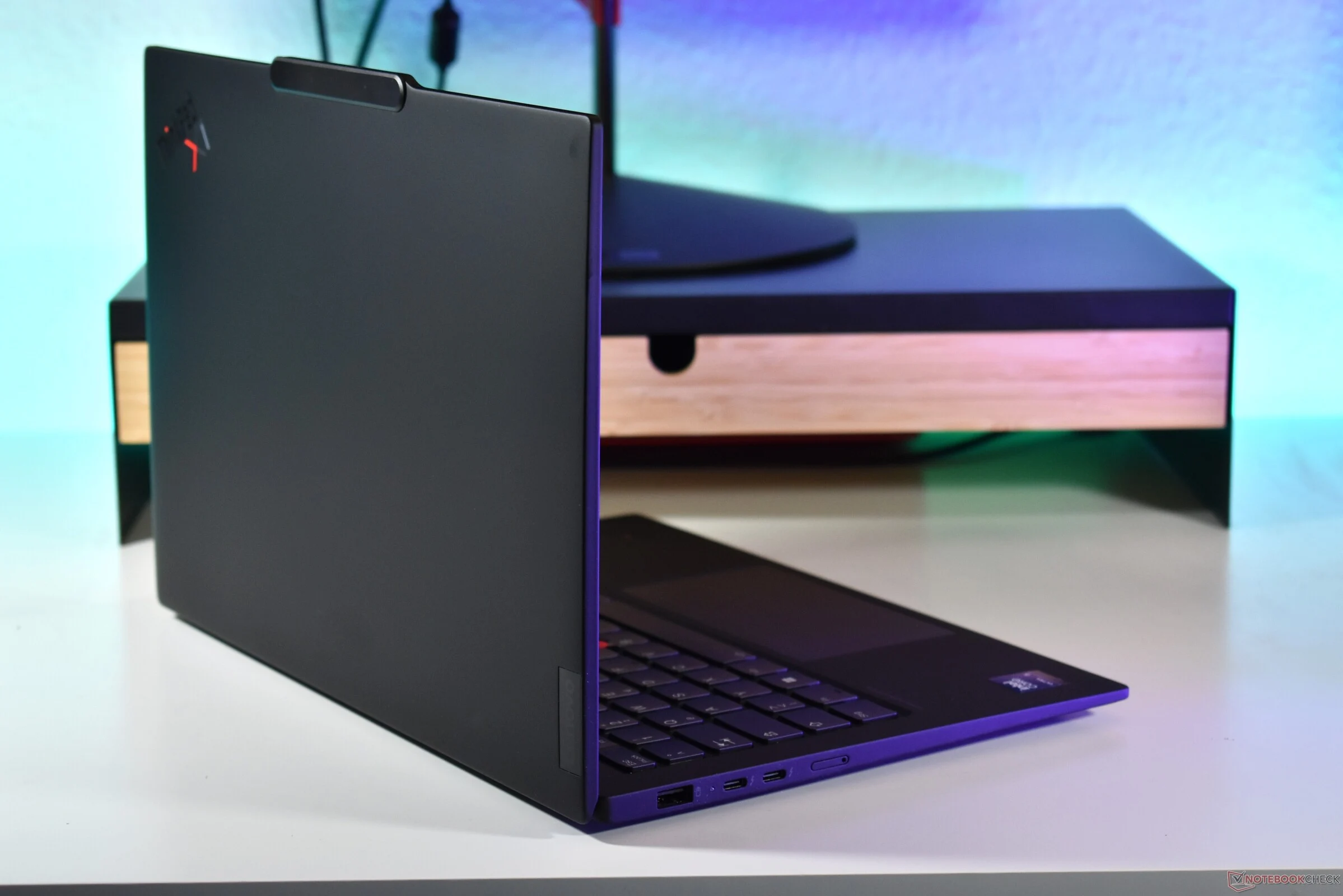
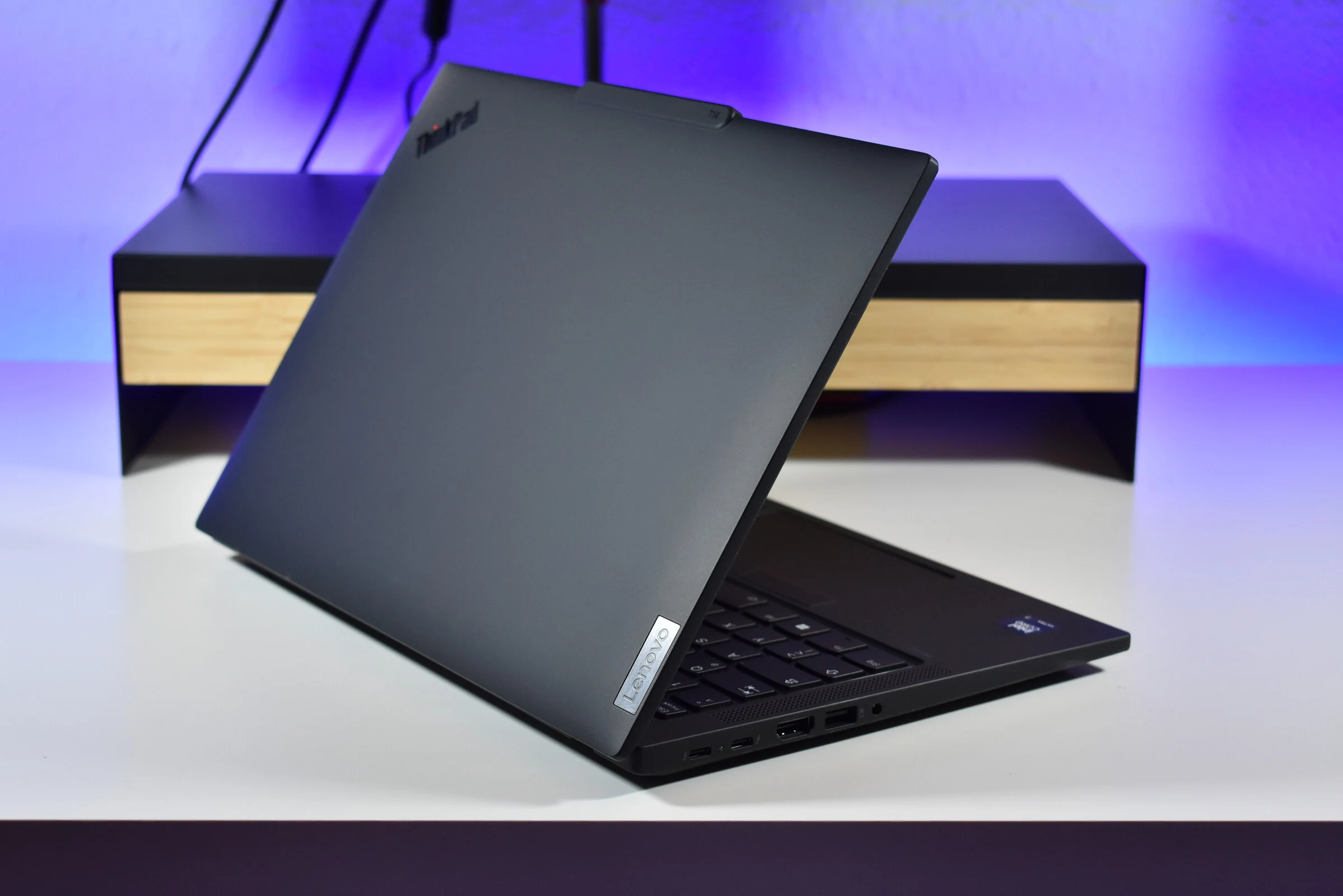
  • Lenovo Launches New 16-Inch Laptop with LPCAMM2 RAM and Intel Panther Lake in North America

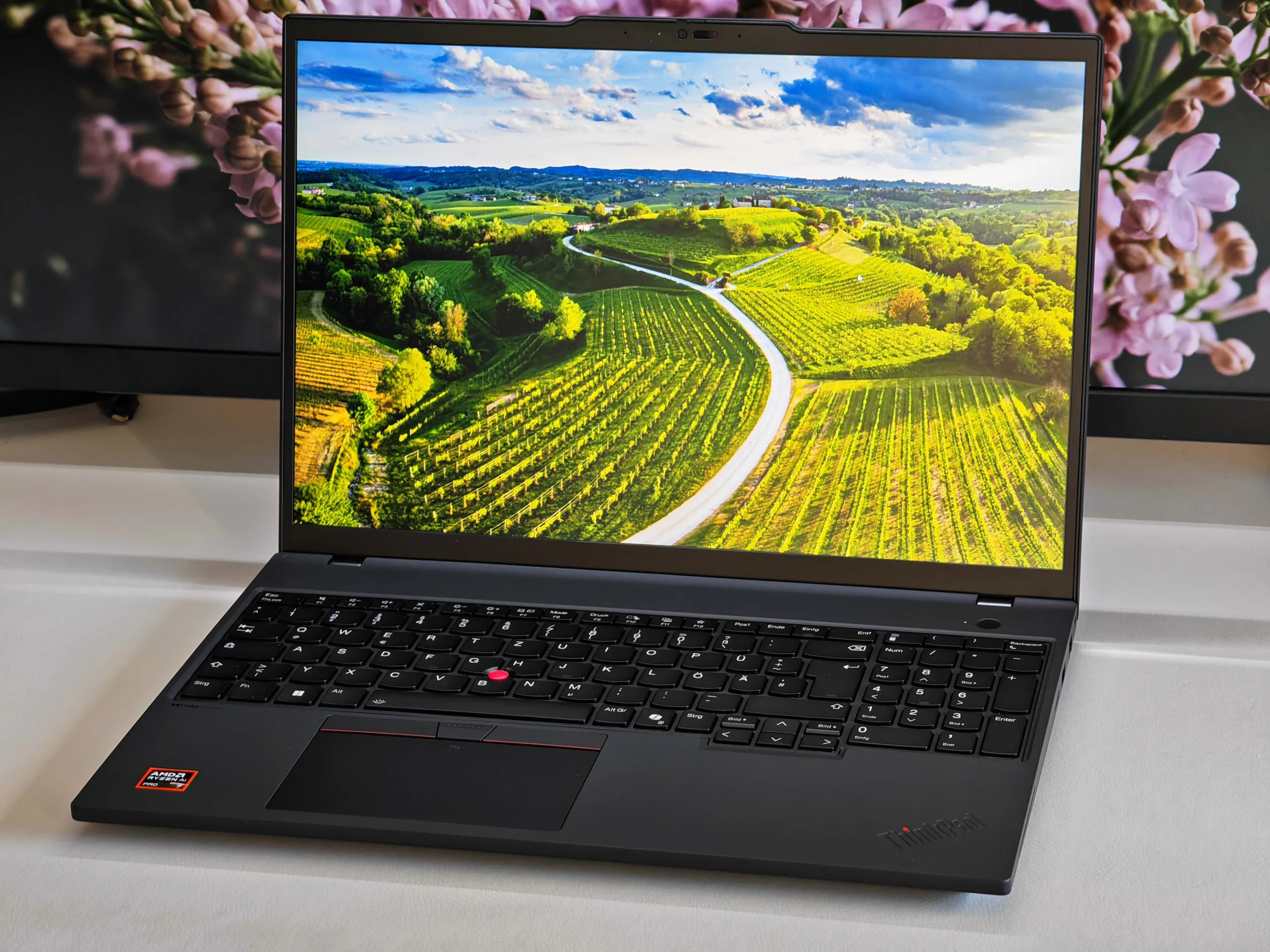
    Lenovo Launches New 16-Inch Laptop with LPCAMM2 RAM and Intel Panther Lake in North America

    Key Takeaway

    1. The ThinkPad T16 Gen 5 is launched globally with AMD and Intel options in Europe, but only Intel models are available in North America and Australia.
    2. North American models feature Intel’s Panther Lake processors, with options for up to 64 GB of RAM and a 2.8K OLED display.
    3. The device offers optional 5G connectivity, multiple battery sizes, and starts at $1,628 USD in the US.

    Just last week, Lenovo launched the ThinkPad T16 Gen 4 around the world, mainly with Intel Lunar Lake CPUs, as an alternative to the models with Arrow Lake chips, which are currently priced at around $1,199. But now, they are back at it with the ThinkPad T16 series, releasing the new T16 Gen 5 in North America and Australia. The release notices came quite close to each other, signaling that Lenovo moving quickly on this newer model.

    Global Announcement and Regional Restrictions

    In early March, the company announced the ThinkPad T16 Gen 5 during MWC 2026, but wasn’t quick to make it available everywhere. It wasn’t until late April that Europe got the chance to buy one. Interestingly, the rollout process differed across regions, as Lenovo initially pushed AMD and Intel versions simultaneously on a global scale, but North America doesn’t follow this same pattern at all.

    North America Gets Focused on Intel

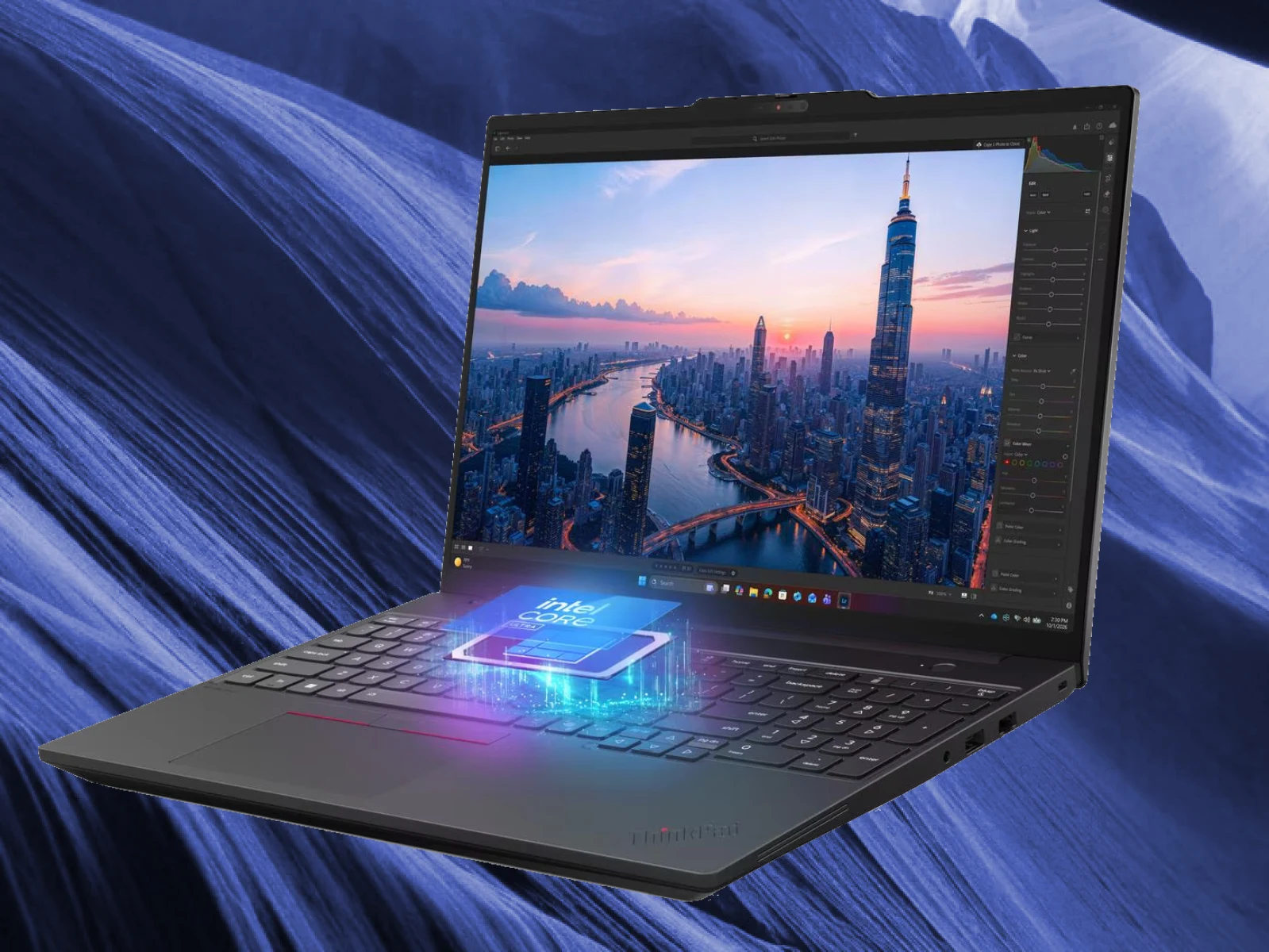
    In North America, the release was limited to four Intel Panther Lake chips only. The lineup includes from the Core Ultra 5 325 to the Core Ultra 7 365 vPro, with options for 16 GB, 32 GB, or 64 GB of LPDDR5 RAM that runs at 8,533 MT/s. This means customers have a variety of configurations, but no AMD options are available in this region currently.

    Display, Battery, and Pricing

    As for screens, the laptop can be equipped with up to a 2.8K OLED model that offers anti-glare coating and peaks at 600 nits brightness when HDR is on. The display supports a variable refresh rate between 30 to 120 Hz, making it quite adaptable for different uses. Battery options include 60 Wh and 75 Wh capacities, giving users flexibility based on their power needs. Price-wise, it starts at $1,628 in the US, CAD 2,344 in Canada, and AUD 2,520 in Australia.
  • Lenovo New 14-Inch Laptop with Intel Lunar Lake Processor and 70Wh Battery

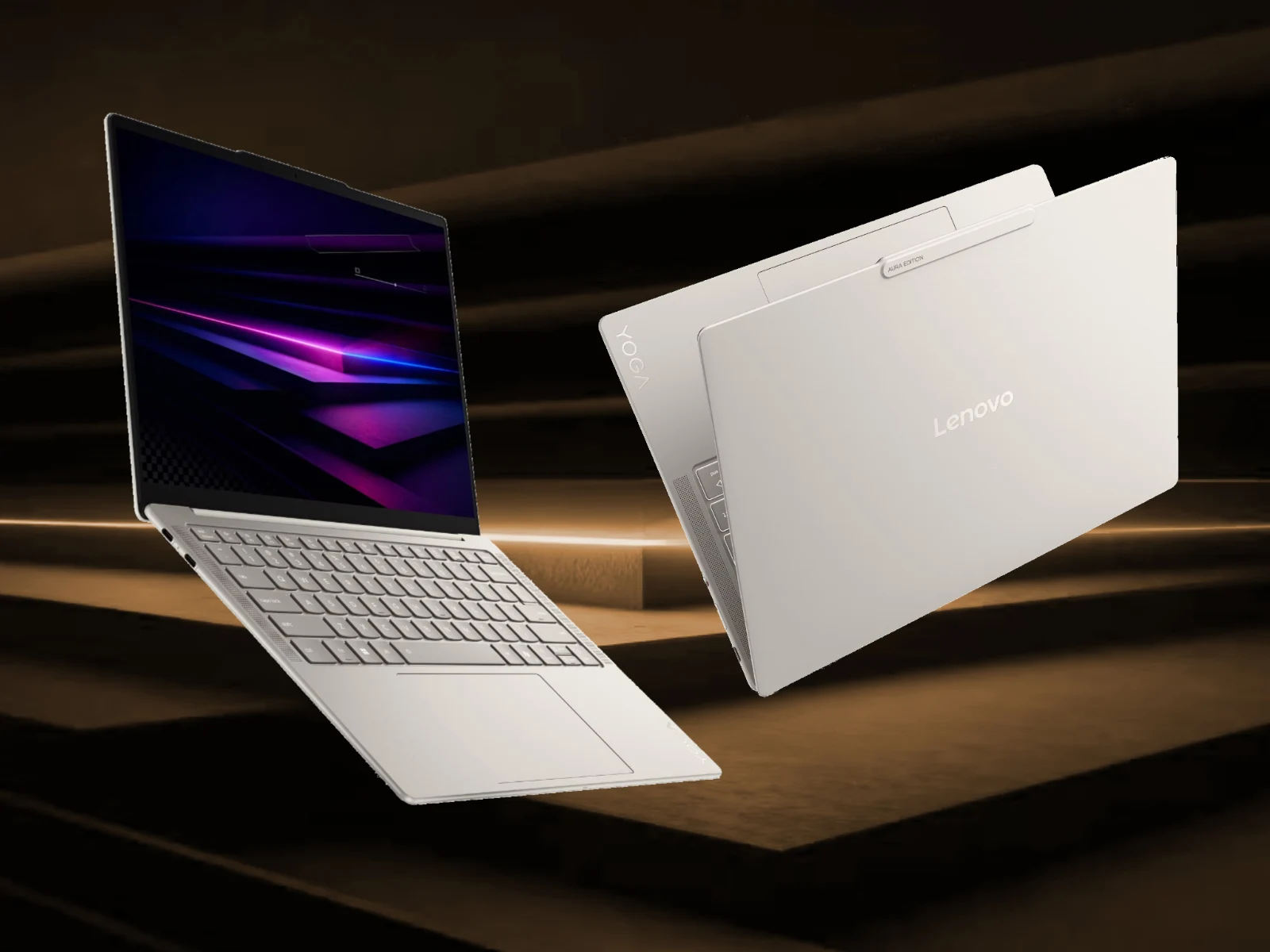
    Lenovo New 14-Inch Laptop with Intel Lunar Lake Processor and 70Wh Battery

    Key Takeaway

    1. Lenovo has expanded the Yoga Slim 7i Aura Edition lineup with new Gen 11 models, including options with Intel Lunar Lake processors, mainly available in Europe.
    2. The new models are limited to 16 GB RAM initially, with 32 GB variants expected, and feature configurations with either 512 GB or 1 TB storage.
    3. The 14ILL11 model offers a 1200p OLED display at 60 Hz, is more affordable in Europe, and provides better GPU performance compared to similar models.

    Lenovo Expands Yoga Slim 7i Aura Edition Range

    Lenovo’s new release of the Yoga Slim 7i Aura Edition models comes with more Gen 11 configurations, adding to the lineup launched earlier this year. The company’s shift from Gen 10 models in March, highlighted during MWC 2026, was mainly marked by the introduction of Intel’s Panther Lake processors which were touted as a major enhancement. Since then, consumers have been eager to see what new features these models bring onto the table, and Lenovo has not disappointed.

    New Intel Options and Regional Availability

    Interestingly, Lenovo has decided to include some of the newer Intel Lunar Lake options in the Aura editions, even though these were also present in the Gen 10 models (which retail for about $1,199 in the US). Currently, these newer models are available only in Europe, but Lenovo’s PSREF website hints that the Yoga Slim 7i Aura Edition (14ILL11) might become accessible in other markets soon. This move adds some complexity to the lineup, possibly giving consumers more choices, but also making the decision process less straightforward for buyers.

    Specifications and Configurations

    The 14ILL11 version is currently restricted to 16GB RAM with options like Core Ultra 5 226V or Core Ultra 7 256V processors. Although there are reports indicating that 32GB RAM variants might be introduced later, for now, this is the limit. Storage options include either 512GB or 1TB, paired with a 1200p OLED display that boasts 400 nits brightness and a 60Hz refresh rate. On the other hand, the 14IPH11 model offers higher-resolution options such as 2.8K OLED screens with 120Hz refresh rates.

    Battery Life and Price

    Despite the added power, Lenovo maintains the same substantial 70Wh battery across models. The overall design dimensions are around 312 x 221 x 13.9 mm, and it weighs about 20 grams more than the Panther Lake versions. Price-wise, the 14ILL11 is quite more affordable, costing only £828 in the UK and between €962 to €1,149 in the Eurozone. This cheaper option boasts better GPU performance compared to the 14IPH11, which makes it a compelling choice especially for those needing graphical power and want to save money, even if CPU performance remains competitive in both devices.


  • Lenovo ThinkPad T16 Gen 4: Long Battery Life with 86 Wh Power

    Lenovo ThinkPad T16 Gen 4: Long Battery Life with 86 Wh Power

    Key Takeaways

    1. The Intel Lunar Lake platform (Core Ultra 200V) prioritizes efficiency with improved battery life, reduced heat, and less fan noise, making it ideal for office laptops.
    2. Lenovo has introduced new Lunar Lake options in the ThinkPad T16 Gen 4 and E16 Gen 3 models, despite the recent launch of the Intel Panther Lake platform.
    3. Both new Lenovo models share motherboards with existing smaller Lunar Lake versions, indicating an easy integration process.
    4. The ThinkPad T16 Gen 4 features a large 86 Wh battery, potentially enhancing battery life when paired with the efficiency of Lunar Lake.
    5. The new ThinkPad models are listed in the Lenovo PSREF database, signaling an upcoming official release.


    Early September 2024 saw the launch of the Intel Lunar Lake platform. This series, known as Core Ultra 200V, hasn’t exactly wowed the world with groundbreaking performance, but it has provided Intel with something even more valuable: Efficiency. Overall, systems powered by Lunar Lake have shown improvements in battery life, reduced heat production, and less fan noise compared to previous Intel processors. This makes it a great fit for office laptops, where the user experience often takes precedence over raw performance.

    New Releases Amidst Competition

    With the recent arrival of the Intel Panther Lake platform, many would assume that new releases for Lunar Lake would be finished. However, Lenovo has quietly introduced two new Lunar Lake options for laptops that hadn’t been offered with these CPUs before. Specifically, these are the 16-inch Lenovo ThinkPad T16 Gen 4 and the Lenovo ThinkPad E16 Gen 3 models.

    Shared Motherboards

    A key feature of both of these models is that they utilize the same motherboards as the smaller Lunar Lake versions already available, like the ThinkPad T14 Gen 6 (which you can find on Amazon) and the ThinkPad E14 Gen 7. This means that incorporating Lunar Lake into these laptops is likely a straightforward process. The ThinkPad T16 Gen 4, in particular, stands out due to its large 86 Wh battery, which could lead to remarkable battery life combined with the efficiency of Lunar Lake.

    The Lenovo ThinkPad T16 G4 and the ThinkPad E16 G3 featuring Intel Lunar Lake have already appeared in the Lenovo PSREF database, indicating that their official release is just around the corner.

    Source:
    Link


  • Affordable 0.6L Mini PC with Intel Core Ultra 7 and 16TB Storage

    Affordable 0.6L Mini PC with Intel Core Ultra 7 and 16TB Storage

    Key Takeaways

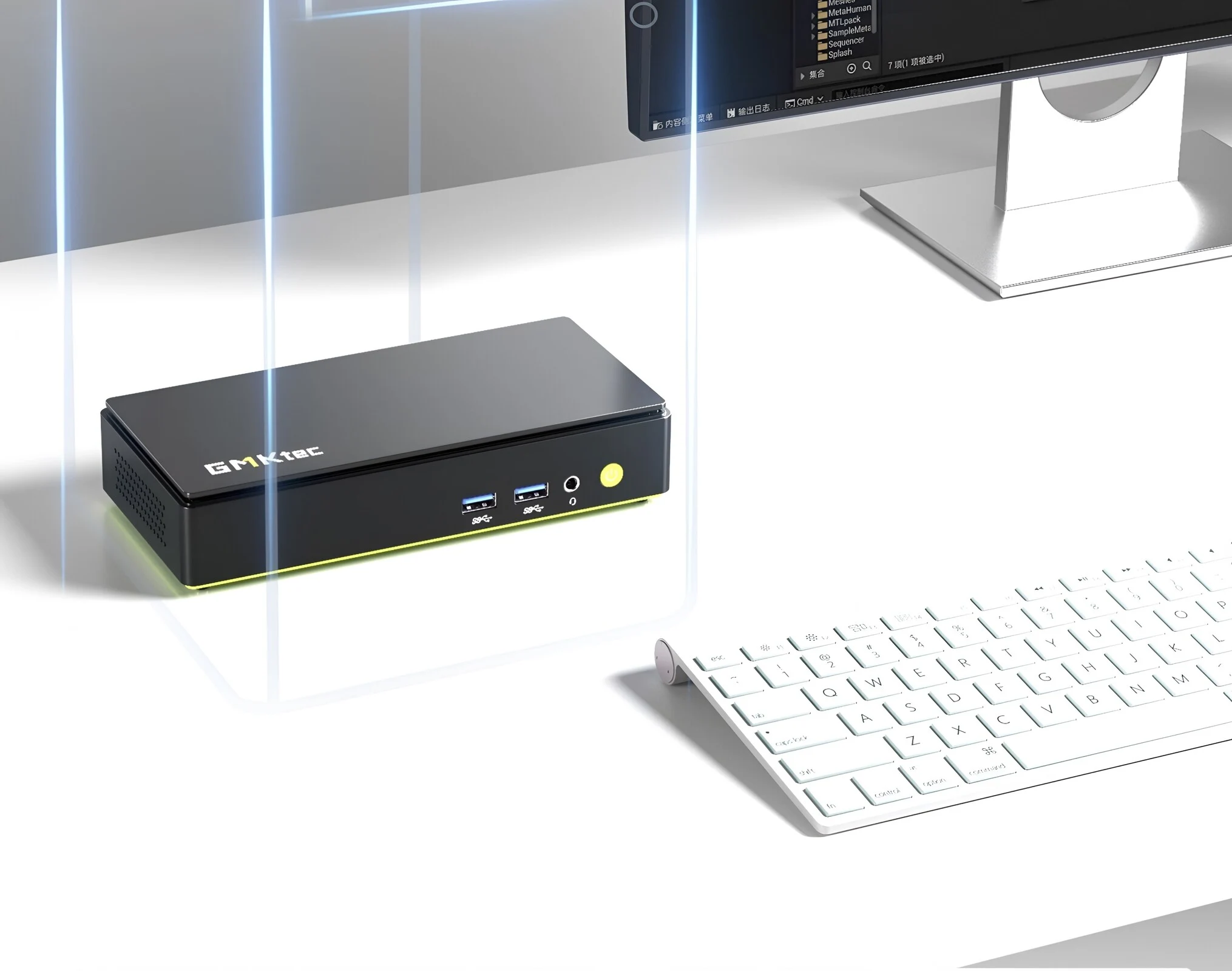
    1. GMKtec’s new mini PC, the NucBox K13, features an Intel Lunar Lake chip with solid CPU and integrated graphics performance.
    2. The NucBox K13 is powered by an 8-core Intel Core Ultra 7 256V CPU and includes 16 GB of non-upgradeable LPDDR5X RAM.
    3. It supports up to 16 TB of solid-state storage but lacks the capability for discrete graphics, relying on the Arc 140V iGPU.
    4. Connectivity options include dual USB4 ports and HDMI 2.1; pricing starts at $675 for the 512 GB version.
    5. The K13’s launch is set for February 5 in China, but competitive pricing may be necessary due to the presence of more powerful alternatives like the GMKtec K12.


    GMKtec has introduced a new mini PC, named the NucBox K13. This model is part of the company’s larger K-series lineup and features an Intel Lunar Lake chip, offering solid CPU and integrated graphics performance. The launch is expected in China early next month, but a global release timeline is not yet available.

    Specifications Overview

    The compact 0.6-litre NucBox K13 will be powered by an 8-core Intel Core Ultra 7 256V Lunar Lake CPU, which includes 4 Lion Cove P-cores and 4 Skymont E-cores. This setup promises multithreaded performance comparable to an Apple M2, which is a robust system on chip (SoC) that has been around for over three years. While not the most powerful option on the market, the Lunar Lake CPU should manage most everyday tasks without a hitch.

    Memory and Storage Details

    In terms of memory, the NucBox K13 offers 16 GB of LPDDR5X-8533 RAM, which is not user-upgradeable, and supports up to 16 TB of solid-state storage. The fact that users cannot upgrade the memory might turn off potential buyers. Additionally, it seems there is no capacity for discrete graphics, meaning the system will rely entirely on the Arc 140V iGPU for graphics needs.

    The Arc 140V, equipped with 8 Xe cores, falls between the Radeon 780M and 890M iGPUs in performance. However, many tasks, including gaming, are quite demanding these days, and an integrated GPU in this range should only manage light gaming and moderately demanding workloads. It remains uncertain if the NucBox K13 will include an OCuLink port, which would permit fast connections for external GPUs.

    Connectivity and Pricing Information

    The mini PC is confirmed to have dual USB4 ports and HDMI 2.1 (TMDS), but specific details about its other input-output options are still unclear. Reports from ITHome indicate that the NucBox K13 will launch on February 5, with a price of $675 (4,699 Yuan) for the 512 GB version and $718 (4,999 Yuan) for the 1 TB model.

    With the more powerful GMKtec K12, which features an AMD Ryzen 7 H 255 APU, double the RAM, and OCuLink support available for $599 on Amazon, the K13 may require significant discounts at launch or a compelling set of features to attract buyers.

    Source:
    Link


  • Lenovo Should Simplify ThinkPad X1 Carbon Options for Clarity

    Lenovo Should Simplify ThinkPad X1 Carbon Options for Clarity

    Key Takeaways

    1. Initial model of the Lenovo ThinkPad X1 Carbon Gen 13 had limited options, featuring only an OLED display and an Intel Lunar Lake processor.
    2. In 2025, Lenovo expanded the model lineup to include six different display options and introduced a sturdier Aluminum chassis for 5G versions.
    3. There are now 15 processor options available, including Intel Lunar Lake and Intel Arrow Lake series.
    4. Some new choices may not provide clear advantages, leading to confusion among customers regarding the best options.
    5. Lenovo should consider simplifying the selection process to reduce confusion for potential buyers.


    When we initially examined the Lenovo ThinkPad X1 Carbon Gen 13 (available on Amazon) in December 2024, it was straightforward: there was essentially just one model to choose from, which featured an OLED display, an Intel Lunar Lake processor, and a lightweight Magnesium body. At that time, the limited choices were a downside, as there were no energy-efficient IPS screens offered, nor was 5G connectivity available for users wanting to be mobile.

    Expanded Options in 2025

    As 2025 unfolded, Lenovo made significant changes by introducing a wider array of options. They added multiple display choices, totaling six different screens now, and also introduced a sturdier Aluminum chassis for the 5G versions, along with a plethora of new processors. According to Lenovo’s specifications, there are now a whopping 15 processors available for this compact, high-end business laptop. This includes the complete range of Intel Lunar Lake (Core Ultra 200V), Intel Arrow Lake U (Core Ultra 200U), and Intel Arrow Lake H (Core Ultra 200H).

    Confusion Over Choices

    This variety might seem excessive, especially since some choices aren’t particularly advantageous. We recently evaluated the version of the Lenovo ThinkPad X1 Carbon Gen 13 that comes with the Intel Arrow Lake U, and it’s evident that this is a less favorable option compared to Lunar Lake, except for the unique 64 GB variant that only Arrow Lake U offers. Moreover, for customers, it’s not always clear which chassis they will receive: while the lightweight Magnesium models do not support 5G, there are instances where you might receive the heavier Aluminum option even if you didn’t choose 5G.

    In summary, Lenovo ought to streamline the available options and simplify the decision-making process, as the current situation is merely perplexing.

  • New CPU Boosts Efficiency of Top Business Laptop’s Battery Life

    New CPU Boosts Efficiency of Top Business Laptop’s Battery Life

    Key Takeaways

    1. The Lenovo ThinkPad T14 is known for its reliability, sturdiness, and practicality, making it a popular choice for professionals.
    2. The announcement of the Intel Lunar Lake variant of the ThinkPad T14 G6 was unexpected, as it typically comes with a higher price tag.
    3. The ThinkPad T14 Gen 6 with Lunar Lake delivers impressive performance, particularly in terms of battery life.
    4. The T14 Gen 6 offers the best battery life among all T14 models tested, achieving up to 19 hours.
    5. Overall, the ThinkPad T14 Gen 6 stands out as a strong contender in the business laptop market due to its efficiency and long-lasting battery.


    “Exciting” is probably not the first word that pops into most folks’ minds when they think of the classic ThinkPad T series, especially the Lenovo ThinkPad T14 standard model. This business laptop, featuring a 14-inch display, has become a typical choice for professionals—it’s reliable, sturdy, and practical, but not overly flashy. It provides essential features that many IT workers appreciate, all while remaining budget-friendly. However, this practicality comes at the cost of some premium features found in higher-end models like the ThinkPad X1 Carbon, which are absent in the mid-range ThinkPad T14 series.

    Surprising Announcement

    When Lenovo unveiled the Intel Lunar Lake variant of the ThinkPad T14 G6, it caught us off guard—Lunar Lake usually comes with a higher price tag, and the T14 is known for having upgradeable RAM. Nevertheless, we were excited to put the Lenovo ThinkPad T14 Gen 6 with Intel Lunar Lake to the test, since this CPU has proven to be one of the most efficient Intel platforms in years.

    Impressive Performance

    Our thorough review of the Lenovo ThinkPad T14 Gen 6 Intel confirmed that Lunar Lake truly performed well. Having tested various generations of the Lenovo ThinkPad T14 series since its launch in 2020, we have the ability to compare battery life across all models.

    The results are unmistakable: the Lenovo ThinkPad T14 Gen 6 Intel with Lunar Lake stands out, offering the best battery life among all T14 models we’ve evaluated. With an impressive 19 hours of battery life, this is the first ThinkPad T14 G6 (available on Amazon) that truly makes all-day battery life achievable—at least for a typical workday.

    Notebookcheck Review

    In conclusion, the Lenovo ThinkPad T14 Gen 6 has certainly made a mark with its efficient performance and long-lasting battery, making it a strong contender in the business laptop market.

    Source:
    Link


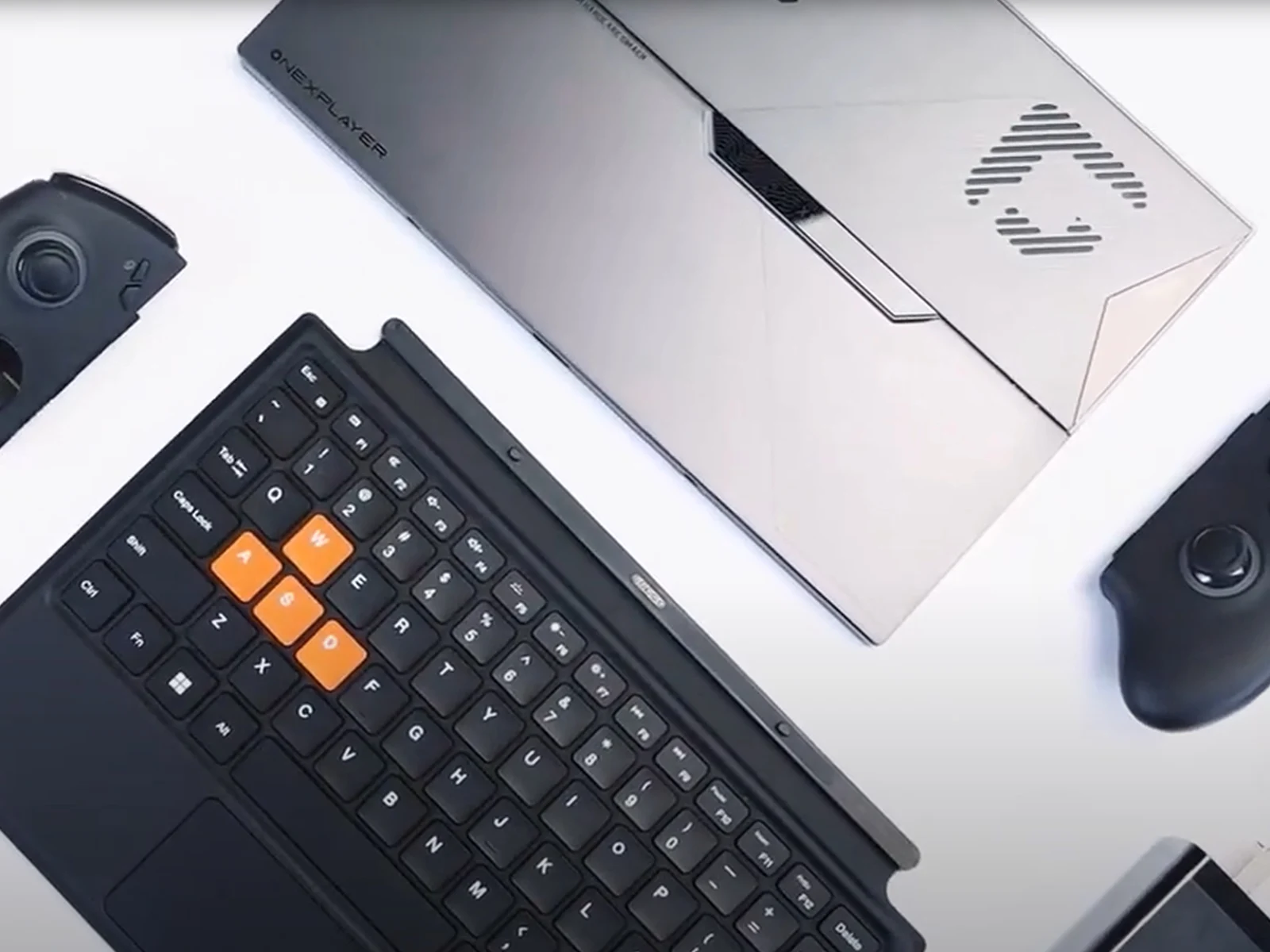
  • OneXPlayer X1 Air Launch Delayed: No OCuLink for Intel Lunar Lake

    OneXPlayer X1 Air Launch Delayed: No OCuLink for Intel Lunar Lake

    Key Takeaways

    1. The OneXPlayer X1 Air is the fourth version in the X1 series and the first to use Intel processors, specifically the Core Ultra 7 258V.
    2. It features a built-in kickstand, improving airflow compared to earlier models with a detachable stand.
    3. The device has removed OCuLink connectivity, using Biwin’s Mini SSD standard instead, limiting eGPU expansion to Thunderbolt 4 ports.
    4. The official launch in China is set for September 8, 2025, after missing the planned August release.
    5. The OneXPlayer X1 Air combines new processing power with innovative design, but connectivity trade-offs may disappoint some users.


    Hardly any time has gone by since One-Netbook unveiled the OneXPlayer Super X, which is seen as a competitor to the new Asus ROG Flow Z13 (curr. $2,199 on Amazon). The company hasn’t said when the OneXPlayer Super X will hit the market, but it has provided more details about the OneXPlayer X1 Air.

    New Features and Specs

    The OneXPlayer X1 Air is the fourth version in the X1 series and the first to utilize Intel processors since the original OneXPlayer X1. This model is built upon the Lunar Lake architecture, which is typically used in ultrabooks and some MSI Claw gaming devices. As of now, One-Netbook has only mentioned that the OneXPlayer X1 Air will come equipped with the Core Ultra 7 258V processor.

    Design Changes

    But this device isn’t just about the new processor. The OneXPlayer X1 Air is also the first in its line to come with a built-in kickstand, unlike earlier models that had a detachable stand which obstructed airflow. Sadly, One-Netbook has removed OCuLink connectivity, opting instead for Biwin’s proprietary Mini SSD standard, which is used in the Super X and the GPD Win 5. Consequently, eGPU expansion will be limited to the Thunderbolt 4 ports found on the Air. The official launch in China is set for September 8, 2025, as One-Netbook missed its planned August release for some unknown reason.

    Conclusion

    In summary, the OneXPlayer X1 Air represents a significant shift for One-Netbook, combining new processing power with innovative design features. However, the trade-offs with connectivity options may be disappointing for some users. Excitement builds as we await more information on the OneXPlayer Super X and the upcoming release of the X1 Air.

    Source:
    Link


  • MSI Launches Cubi NUC Mini PC with Core Ultra 9 and Dual Ethernet

    MSI Launches Cubi NUC Mini PC with Core Ultra 9 and Dual Ethernet

    Key Takeaways

    1. MSI has launched several mini PCs at CES 2025, including the new Cubi NUC AI+ 2MG, now available for pre-order.
    2. The Cubi NUC features Intel’s Lunar Lake processors, with options including Core Ultra 5, 7, and 9, competing with AMD’s Ryzen 7.
    3. The mini PC has non-upgradable on-package memory, offering 16 GB for the Core Ultra 5 and 32 GB for higher models, but storage is user-upgradeable.
    4. It includes a variety of ports, such as USB-A, a micro-SD card reader, and a fingerprint sensor for biometric access.
    5. Pricing starts at $899 for the Core Ultra 7 model, with the Core Ultra 9 costing an additional $100; the release date for orders is currently unknown.


    MSI has revealed several mini PCs during CES 2025, with many now open for pre-orders. In a recent statement, the company announced that the MSI Cubi NUC AI+ 2MG will soon be added to the lineup, featuring a remarkable set of specs for a somewhat high price.

    Powerful Processor Options

    This mini PC is equipped with Intel’s Lunar Lake series of processors. Users will have the choice of the Core Ultra 5 226V, Core Ultra 7 258V, and Core Ultra 9 288V chips. The top model includes eight cores and eight threads, competing closely with the Ryzen 7 8840HS APU in CPU tasks. However, the compact 0.8-liter design lacks discrete graphics, relying instead on the Arc 130V (for the Core Ultra 5) and the Arc 140V (for the Core Ultra 7 and 9) integrated GPUs.

    Memory and Upgrade Limitations

    Systems powered by Intel’s Lunar Lake come with on-package memory, which means users won’t be able to upgrade it later on. The Core Ultra 5 model includes 16 GB of LPDDR5X-8533 memory, while the more advanced models offer double that at 32 GB. Fortunately, storage is user-upgradeable thanks to the M.2 2280 slot featured in the mini PC. On the back, the selection of ports is also pleasing:

    Front and Back Ports

    The front of the MSI Cubi NUC mini PC features two USB-A ports (10 Gbps), a micro-SD card reader, an audio jack, and a power button that has a fingerprint sensor for biometric access. The Lunar Lake processors are equipped with a 48 TOPS NPU, enabling Copilot+ capabilities. Unlike some other mini PCs, like the Minisforum UM890 Pro, this one doesn’t have OCuLink support, which isn’t surprising since it’s not aimed at gamers. For most tasks, particularly CPU-heavy ones, the Cubi NUC 2MG should perform quite well.

    The mini PC is already available for pre-order at B&H, as noted by Liliputing. The variant with the Core Ultra 7 begins at $899, while the Core Ultra 9 model will cost an additional $100. The entry-level Core Ultra 5 version isn’t listed yet. At this time, it’s uncertain when customers will start receiving their orders.

    Source:
    Link


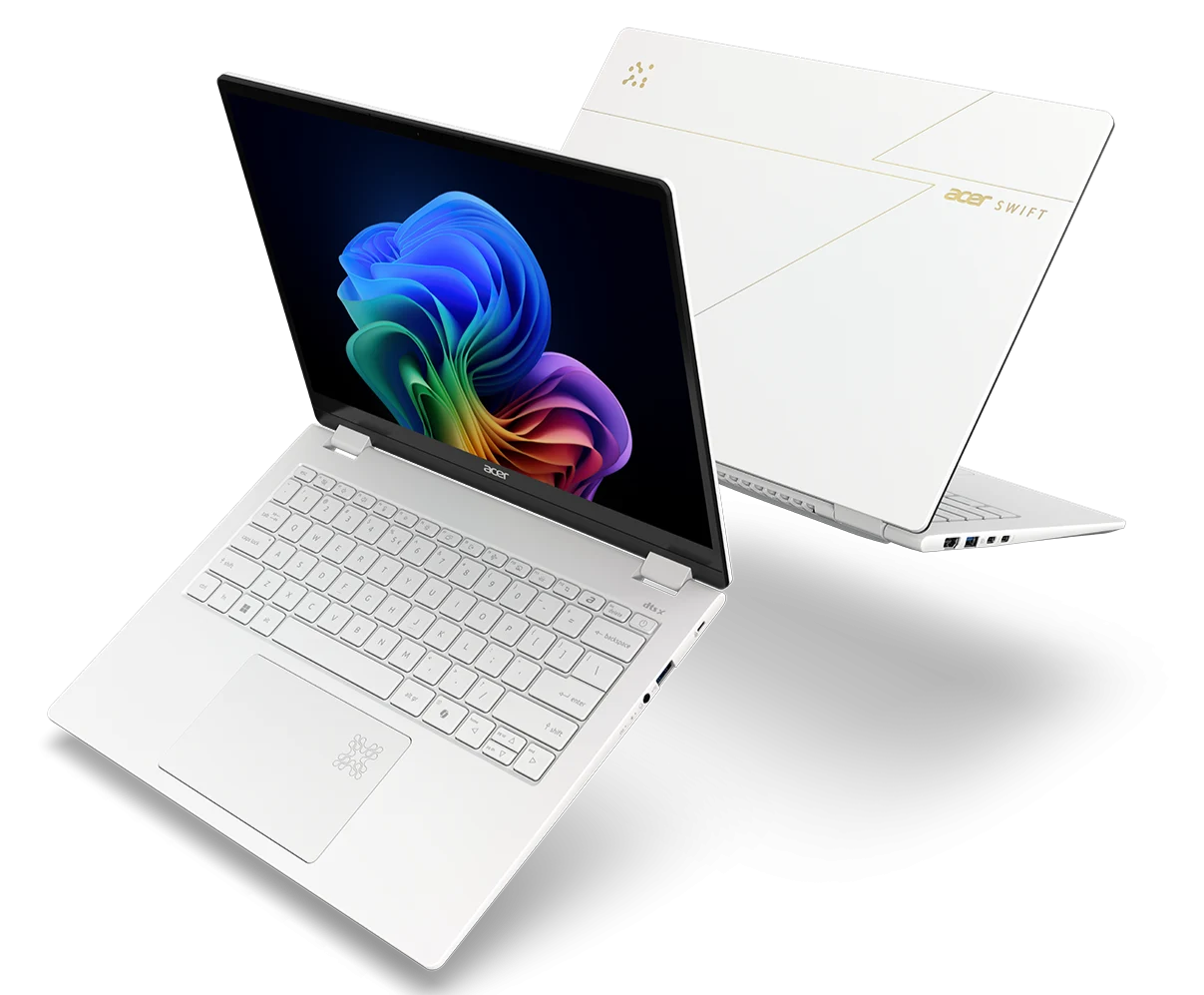
  • Acer Swift Edge 14: Ultra 9 288V & 3K OLED in Under 1kg

    Acer Swift Edge 14: Ultra 9 288V & 3K OLED in Under 1kg

    Key Takeaways

    1. Lightweight and Durable Design: The Swift Edge 14 AI weighs only 0.99 kg and meets MIL-STD 810H durability standards.

    2. Powerful Configurations: Available with various Intel Lunar Lake processors and up to 32 GB of LPDDR5x RAM and 1 TB of PCIe Gen4 NVMe storage.

    3. Stunning Display and Connectivity: Features a 14-inch 3K OLED display with 340 nits brightness and multiple connectivity options, including USB4 and HDMI 2.1.

    4. Advanced Security Features: Includes an FHD IR camera for Windows Hello, a fingerprint reader, and a Microsoft Pluton secure co-processor.

    5. Availability and Pricing: Launching in June 2025, starting at €1,799.


    The Swift Edge series made its first appearance in a 16-inch model at Computex 2023. Now, during Computex 2025, Acer is unveiling the Swift Edge 14 AI Copilot+ PC, which is powered by the new Intel Lunar Lake processors. Alongside it, they are also refreshing the Swift X 14 AI, which runs on AMD Strix Point APUs.

    Lightweight and Durable Design

    The Swift Edge 14 AI is an incredibly lightweight laptop, measuring 313.7 x 229.2 x 9.3/16.6 mm, and weighing only 0.99 kg. It features a sleek Pearl White finish made from a magnesium-aluminum alloy, and Acer claims that its chassis has been rigorously tested to meet the MIL-STD 810H durability standards.

    Powerful Configurations

    Acer provides a variety of Intel Lunar Lake configuration options, including the Core Ultra 5 226V, Core Ultra 5 228V, Core Ultra 7 256V, Core Ultra 7 258V, and the high-end Core Ultra 9 288V. The laptop’s display is driven by the integrated Intel Arc Graphics 140V (or Arc Graphics 130V for the lower models). It can be configured with up to 32 GB of LPDDR5x RAM and offers up to 1 TB of PCIe Gen4 NVMe storage.

    Stunning Display and Connectivity

    The display on the Swift Edge 14 AI is a 14-inch 16:10 3K (2880 x 1800) OLED panel that boasts 340 nits of brightness and 100% DCI-P3 coverage. It supports multitouch and features a Corning Gorilla Matte Pro coating to reduce glare.

    For connectivity, the laptop includes 2 USB4 Type-C ports, 2 USB 3.2 Type-A ports (one of which offers Power Share), an HDMI 2.1 output, and a 3.5 mm combo audio jack. Wireless networking is handled by an Intel Killer Wi-Fi 7 chip, which also supports Bluetooth 5.4.

    Advanced Security Features

    The Swift Edge 14 AI is fitted with an FHD IR camera that supports Windows Hello for facial recognition, and a fingerprint reader is integrated into the power button. Additionally, it features a Microsoft Pluton secure co-processor, making it a Secured-Core PC.

    The Acer Swift Edge 14 AI (SFE14-51 / SFE14-51T) will be available starting June 2025, with prices beginning at €1,799.


  • Qualcomm’s Fun Ads Take Aim at Intel: The Bigger Picture Explained

    Qualcomm’s Fun Ads Take Aim at Intel: The Bigger Picture Explained

    Key Takeaways

    1. The Qualcomm Snapdragon X Elite was expected to revolutionize Windows laptops like Apple’s M1 chip but faced high costs and software compatibility issues at launch.
    2. Intel’s Lunar Lake series was released shortly after the Snapdragon X Elite, offering good efficiency for daily tasks despite lower multi-thread performance.
    3. Qualcomm highlighted a performance claim that Snapdragon X Elite maintains full performance on battery, contrasting with Intel’s Lunar Lake, but testing methods raise skepticism about this assertion.
    4. Performance testing showed that the Intel Core Ultra 7 performed nearly as well as the Snapdragon X Elite in single-core benchmarks.
    5. While the Snapdragon model maintained performance on battery, the claimed performance drop of 55% for Lunar Lake laptops should be viewed with caution based on testing results.


    The Qualcomm Snapdragon X Elite was anticipated to be a revolutionary moment for Windows laptops, akin to Apple’s M1 chip, as it promised extended battery life and remarkable performance. While Qualcomm met some of these expectations, the chip didn’t quite achieve a major breakthrough for the company, mainly due to the high costs associated with Snapdragon X Elite laptops and the widespread software compatibility challenges that surfaced at launch.

    Competition from Intel

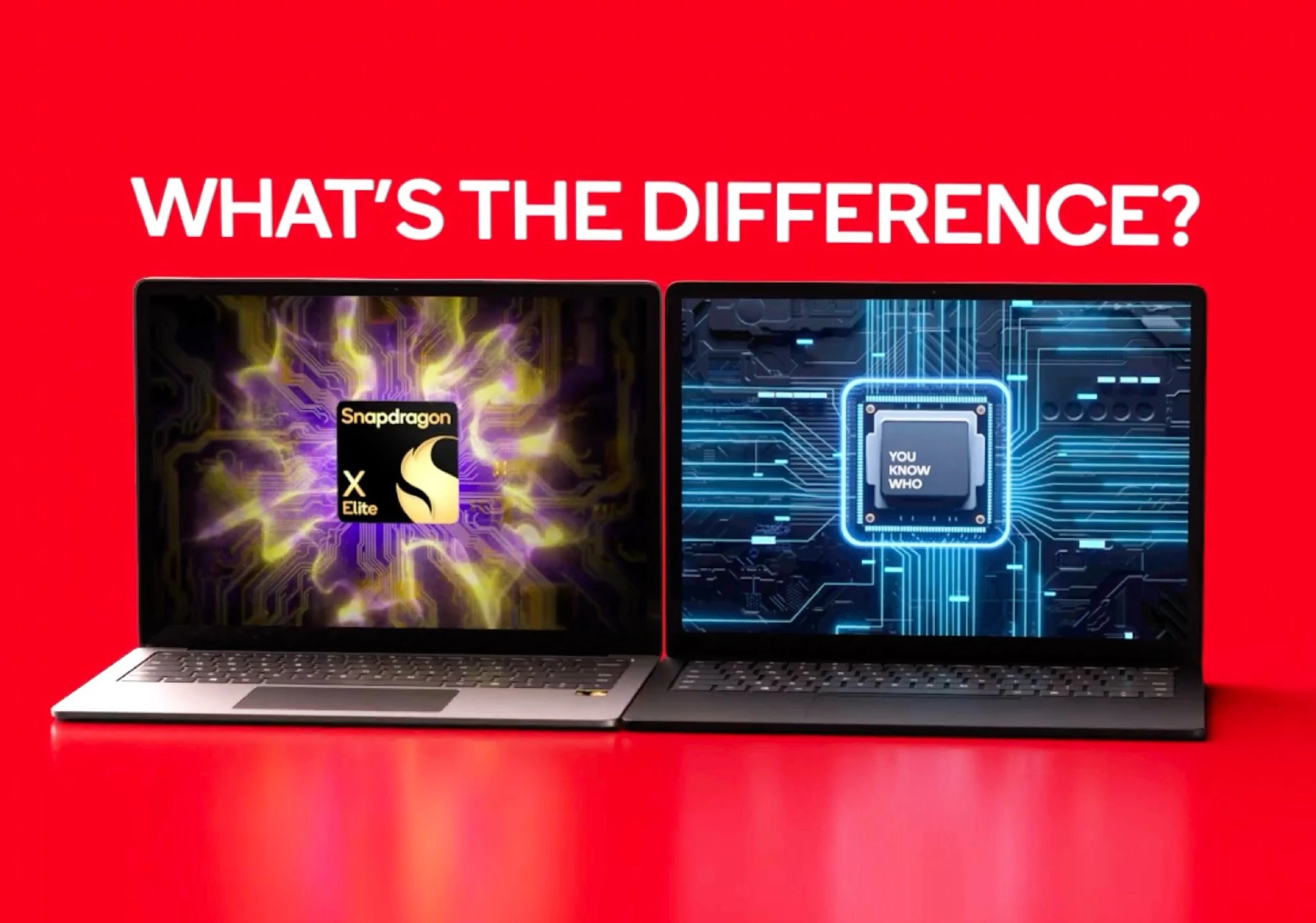
    An important aspect to consider is that Intel introduced its Lunar Lake series as a direct rival just after the Snapdragon X Elite was released. Although these processors have fewer cores, resulting in lower multi-thread performance, Lunar Lake chips showcase impressive efficiency for daily tasks while providing sufficient performance for office and web-related applications. In response, Qualcomm has been running a series of advertisements (see below), asserting that Lunar Lake processors reduce their performance to 55% when not plugged in, while the Snapdragon X Elite supposedly maintains its full performance under similar conditions. Although this message was shared playfully, the fine print hints at issues within the testing approach.

    Testing Methodology and Results

    The CPU performance data is derived from Geekbench v6.2 Single-Core tests on Windows 11, conducted in October 2024. The Snapdragon X Elite (XIE-80-100) was evaluated using a Dell XPS 13 (9345) operating on “Balanced” Power Mode in Windows and “Optimized” mode in Dell Power Manager. Conversely, the Intel Core Ultra 7 256V was tested on a Dell XPS 13 (9350).

    The single-core Geekbench 6.2 test isn’t too challenging and doesn’t really reflect a system’s overall performance. Our thorough examination of the two Dell XPS 13 models (about $1,500 on Amazon) included in Qualcomm’s comparison showed that the Intel Core Ultra 7 256V performed nearly as well as the Qualcomm Snapdragon X Elite in Geekbench’s single-core benchmark.

    Battery Performance Insights

    When operating on battery, the Intel version did see a 9% reduction in CPU performance and a 3% decrease in GPU performance, while the Snapdragon model mostly preserved its performance levels. Therefore, although Qualcomm’s main message isn’t completely untrue, the bold claim of “55%” should be viewed skeptically, especially since such significant performance drops aren’t common for Lunar Lake laptops.

    Source:
    Link