Tag: battery life

  • Google Wear OS 7 Launches for Pixel Watch

    Google Wear OS 7 Launches for Pixel Watch

    Key Takeaway

    – Wear OS 7 rollout begins for Pixel Watch 2, 3, and 4 (first-gen excluded), with updates rolling out over several days.
    – Battery life improves by up to 10% due to reduced power consumption.
    – Full-screen tiles are replaced by widgets similar to Android, and notifications can show live updates.
    – Enhanced accessory integration, such as viewing photos from AR glasses on the watch.
    – New Gemini AI features include “Create My Widget,” app automations via voice, and personalized Gmail/chat responses.


    Rollout of Wear OS 7 for Pixel Watch Begins

    In a blog post, Google announced that the rollout of Wear OS 7 for the Pixel Watch has started. It normally takes several days for the update to become accesible for download to every users of a compatible smartwatch.

    Compatibility and Battery Life Improvements

    According to Verizon, the update is avalible for the Pixel Watch 2, Pixel Watch 3, and Pixel Watch 4, but no longer for the first-generation Pixel Watch. The update is designd to not only introduce new features but also to reduce power consumption, which should extend battery life by up to 10 percent, depending on usage.

    Wear OS 7 replaces full-screen tiles with widgets that strongly resemble Android widgetts. In Wear OS 7, notifications can display live updates similar too those in Android. After the update, the Pixel Watch is expected to work more seamlessly with many accessories.

    AR Glasses Integration and Audio Panel

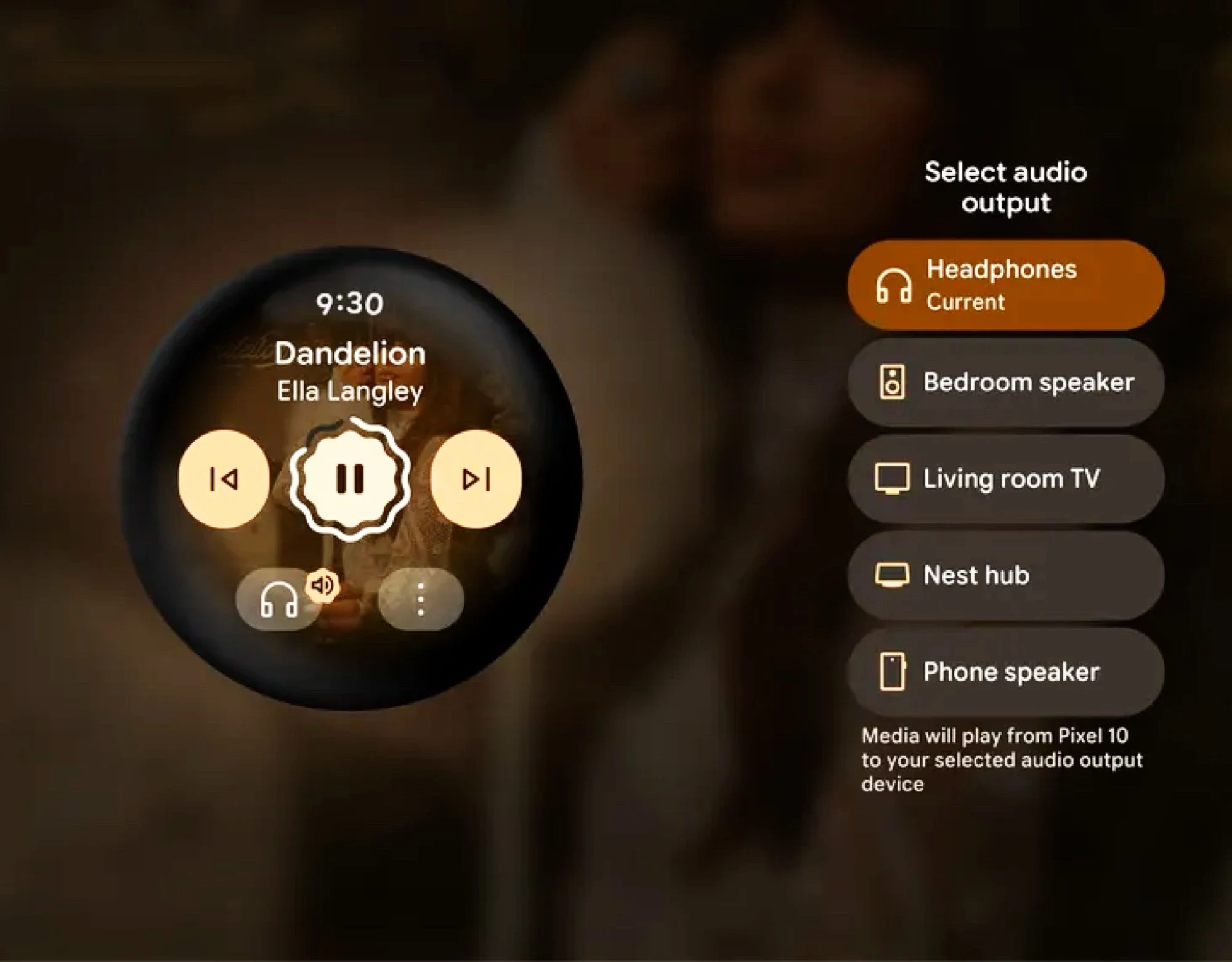
    For example, if a photo is taken with compatable AR glasses, it can be viewed directly on the smartwatch’s display, while the improved audio panel makes it easier to switch playback from a speaker to headphone’s.

    Finally, Google is introducing new Gemini Intelligence AI features. “Create My Widget” allowes users to create personalized dashboards using voice prompts. App automations can perform multiple actions acros different apps with a single voice command. The voice assistant can now access Gmail and past chats to provide more personalized responses.
    Sources

  • Apple Watch battery boost with HMO over LTPO OLED

    Key Takeaway

    – Apple Watch Series 11 battery life improvement is a marketing trick; real runtime is barely longer.
    – For longer battery life now, you need an Apple Watch Ultra or a smartwatch from another brand.
    – A major battery life upgrade is expected in 2027 with the Apple Watch Series 13.
    – This upgrade comes from using new HMO OLED displays from LG Display, which consume less power.
    – HMO OLED panels are not ready for mass production yet, missing the Series 12 release.


    Apple Watch Series 11 Battery Life Trickery

    Acording to Apple, the Apple Watch Series 11 achieves a battery life of 24 hours instead of the 18 hours that older models were supposed to achieve. However, this “upgrade” was only achieved by Apple bought by a trick. In practice, the battery life is hardly any longer. So if you want a longer runtime, you currently have to either go for the much larger and more expensive Apple Watch Ultra or a smartwatch from another manufacturer.

    Upcoming Apple Watch Ultra 4 Design and Series 12 Software

    This year, the Apple Watch Ultra 4 in particular is set to receive a new design, while the Apple Watch Series 12 is said to mainly benefit from software improvements. According to a new report from The Elec the Apple Watch could finally get a longer battery life in 2027.

    Future HMO OLED Technology for Better Battery

    This is because LG Display is currently developing a High-Mobility Oxide (HMO) TFT. This HMO OLED panel is intended to replace the LTPO OLED display of future Apple Watches. As LG Display will initially produce these panels in very small formats, the Apple Watch is the most likely product from the iPhone manufacturer to benefit from this technology first. HMO is said to have one major advantage over LTPO: lower power consumption.

    No Panels for Series 12, HMO Could Arrive in 2027

    It is still unclear when exactly the first HMO OLED panels will be delivered. As LG Display has not yet validated the panels for mass production, the displays will not be available for the Apple Watch Series 12. At the earliest, the panel might be ready to ship as part of the Apple Watch Series 13, which is expected to be launched in September 2027. The Elec | Giang duong (teaser image)

    Sources
  • Razer Blade 16 battery life: Intel lasts hours longer than AMD

    Razer Blade 16 battery life: Intel lasts hours longer than AMD

    Key Takeaway

    – 2025 Razer Blade 16 battery life (~8 hours) is strong for a gaming laptop, beating rivals like the Legion Pro 7i.
    – 2026 Intel Panther Lake upgrade boosts WLAN battery life to nearly 12 hours, 4 hours longer than the AMD version.
    – Key efficiency gain: Intel idles at 4W vs. AMD’s 11W, improving low-load tasks like web browsing.
    – Razer’s advertised battery claims are only 1–2 hours longer than independent test results.
    – Panther Lake also offers faster gaming, cooler temps, Thunderbolt 5, and faster memory over AMD.


    Razer Blade 16 Battery Life: A Deep Dive

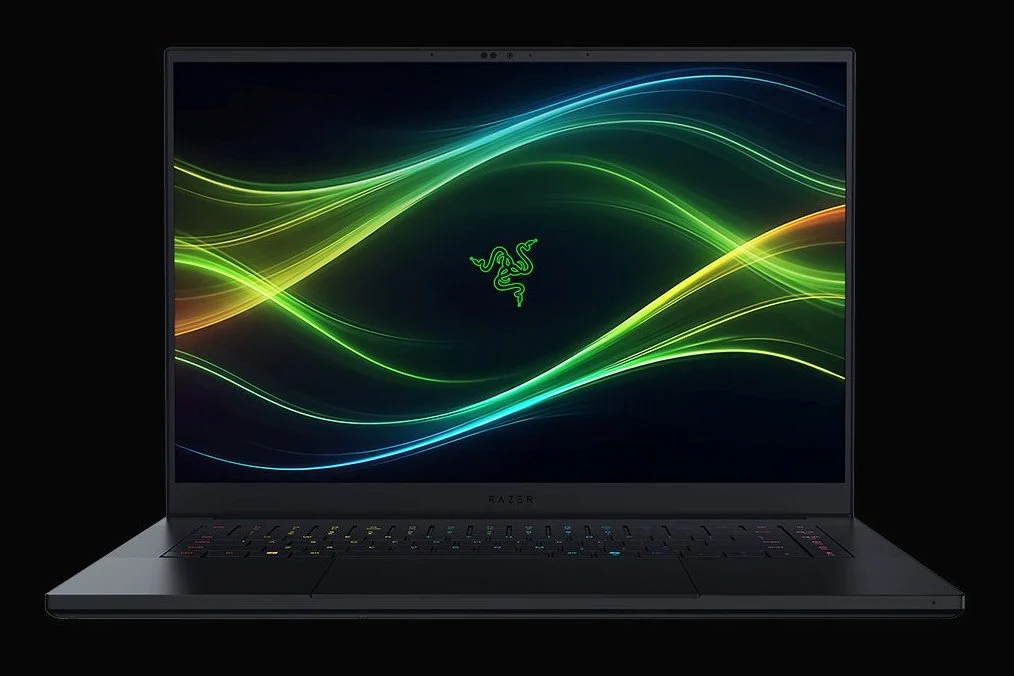
    Battery life for the 2025 Razer Blade 16 is pretty good especially for a gaming laptop. We are able to record a WLAN runtime of almost 8 hours when set to 150 nits, Balanced mode, and Automatic Graphics or iGPU mode. In comparison, most other 16-inch gaming laptops have a tough time cracking the 6-hour mark including the Lenovo Legion Pro 7i or HP Omen Max 16 when under similar conditions. For 2026, Razer has updated the Blade 16 from AMD Zen 5 to Intel Panther Lake for even longer battery life results.

    Intel vs AMD: The Battery Life War

    As detailed in our review of the unit, the Intel-powered Blade 16 can last for almost 12 hours of constant WLAN browsing to be almost 4 hours longer than the AMD-powered Blade 16. The improvement is mostly attributed to the Intel CPU as power consumption when idling on desktop can be as low as 4 W compared to 11 W on the AMD Blade 16. Thus, the new 2026 Blade 16 tends to be more efficient when running lower workloads like web browsing or word processing.

    Manufacturer Claims vs Real World

    Our independent battery life measurements are also surprisingly close to Razer’s advertised claims. The manufacturer states a “Modern Office” runtime of up to 13 hours and 8 hours for the 2026 Intel Blade 16 and 2025 AMD Blade 16, respectively, which is only 1 to 2 hours longer than our recorded results.

    Beyond Battery: Extra Panther Lake Benefits

    Panther Lake comes with several other benefits over AMD as well including faster gaming performance, cooler core temperatures, official Thunderbolt 5 support, and faster memory. We recommend checking out our full review on the 2026 Blade 16 to learn more about this year’s upgrades.

    Sources
    • Is 3,500 Nits Brightness Too Bright for Daily Use?

      Is 3,500 Nits Brightness Too Bright for Daily Use?

      Key Takeaway

      – Industry-leading brightness for a mid-range display, excelling in direct sunlight and extreme lighting conditions.
      – Noticeable balance issues: high peak brightness drains battery and reduces continuous brightness, causing more frequent charging.
      – Eye comfort and usability trade-offs: indoors the panel can feel too intense; automatic brightness can be sluggish, leading to abrupt brightness jumps.
      – Color accuracy and viewing angles remain competitive vs. rivals, but overall energy efficiency and automatic brightness limits temper daily use.


      Motorola Moto G87 review highlights

      The Moto G87 stands out in the mid-range arena with its 6.78-inch extreme AMOLED panel, boasting a peak brightness that tops around 3,500 nits in our testing and claims up to 5,000 nits per the manufacturer. It sports a 1.5K resolution and a 120 Hz refresh rate, aiming to outshine many rivals while staying near the 450 US$ price point. This section preserves the original pricing and spec details as requested, though the exact currency and price may vary over time.

      Display performance in real life

      In everyday use, the screen provides exceptional brightness that can ensure readability even under direct sunlight according to laboratory measurements. Yet indoors, the same panel can feel too intense, potentially tiring the eyes after longer sessions. The best brightness is not constant; it only appears under certain conditions, while the sustained brightness is notably lower, affecting how the display looks during extended use. The high energy draw also impacts battery life, resulting in more frequent charges during heavy tasks.

      Brightness comparisons

      When directly compared to the Samsung Galaxy A57, the Moto G87 demonstrates superior brightness, making it easier to read in bright environments. The Samsung, however, keeps a solid edge in color accuracy and viewing angle stability. For everyday users, this means the Moto G87 can excel in bright outdoor situations but may require dimming indoors or under artificial lighting. Automatic brightness responds with a slight delay at times, which can cause abrupt changes in screen intensity.

      Energy efficiency and overall balance

      Overall, the phone delivers a display that sits near the top of mid-range brightness. Yet the trade-offs include energy efficiency concerns and imperfect automatic adjustments. These drawbacks detract from its otherwise strong display performance, and they weigh into the overall recommendation. You can explore these factors in our complete test report to understand why a cautious verdict is warranted despite the standout brightness.

      Conclusion

      The Motorola Moto G87 offers a display that pushes the mid-range envelope in brightness, but its high energy requirements and imperfect automatic brightness adjustments create a mixed picture. With 6.78 inches of extreme AMOLED, it keeps pace with competitors in some aspects while lagging in others, pushing buyers to weigh the importance of brightness against battery longevity and ease of use in varied lighting.

      Sources
      • Smartphone with Extremely Long Battery Life: Our Surprising Review

        Smartphone with Extremely Long Battery Life: Our Surprising Review

        Key Takeaway

        – Excellent long-running battery: about 23 hours in Wi‑Fi use despite a smaller 7,500 mAh battery, outperforming many peers.
        – Strong real-world efficiency: effective processor and energy management deliver sustained performance for daily use with minimal charging needs.
        – Thermal throttling under load: noticeable heating and reduced performance during prolonged high-load tasks, limiting gains in demanding scenarios.


        Overview and Battery Life Remark

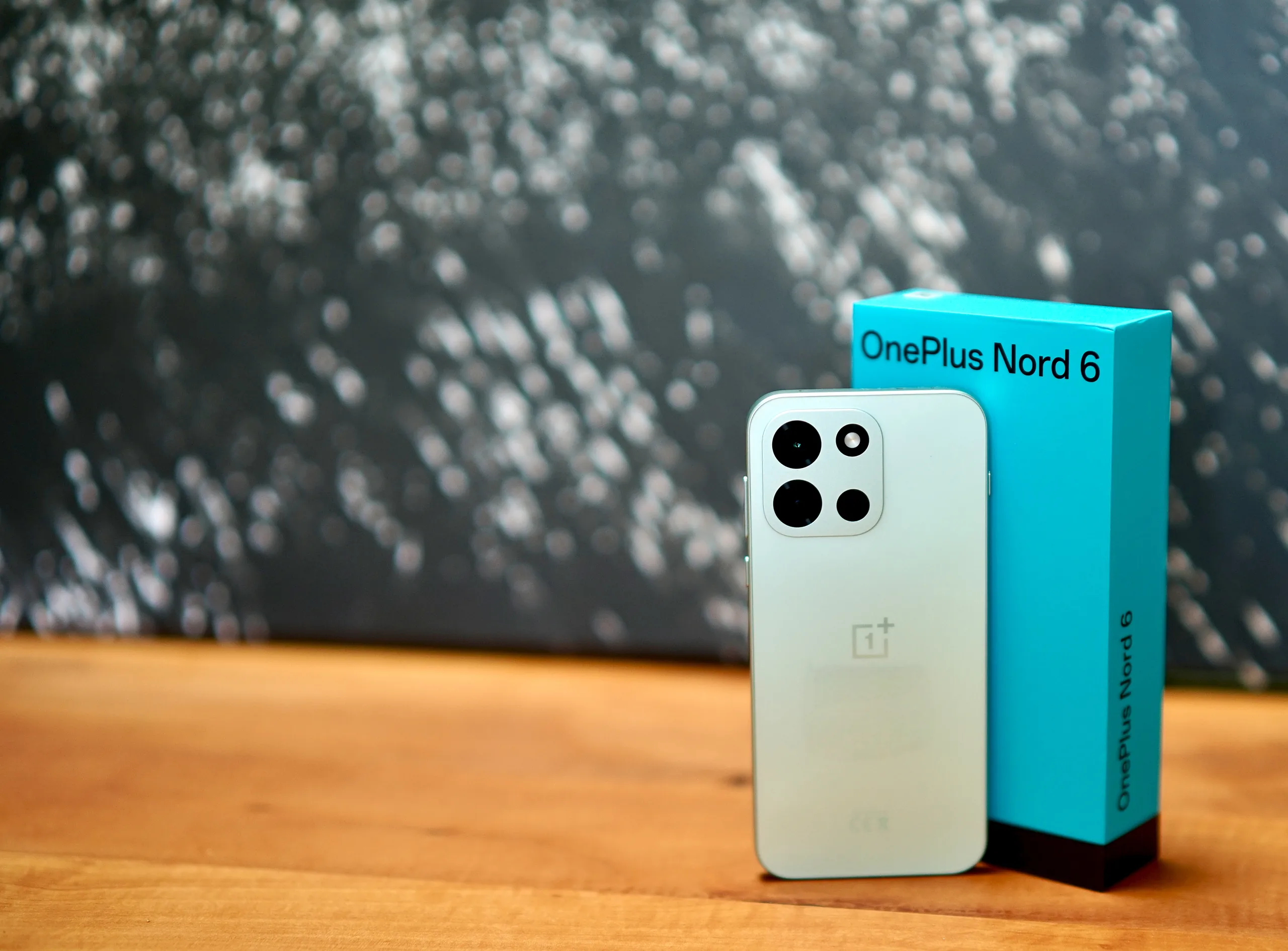
        The OnePlus Nord 6 impresses in the long-term test with a remarkable battery life of over 23 hours in Wi-Fi mode, although a smaller 7,500 mAh battery was installed compared to the Chinese version. This is a real surprise and clearly sets the device apart from many of its competitors. Different markets get different battery capacities, yet the endurance remains notably strong, suggesting smart power management and a balanced hardware approach to keep the running time solid across typical usage scenarios.

        European Variant Battery Specs

        The European model of the OnePlus Nord 6 has a 7,500 mAh battery, which is a significant reduction compared to its Chinese counterpart (OnePlus Turbo 6) with 9,000 mAh. Nevertheless, the device achieved a runtime of exactly 23 hours and 7 minutes in the WLAN web surfing test. This shows that efficiency plays a key role alongside raw capacity, allowing the phone to punch above its weight in daily tasks and light browsing sessions despite the smaller cell.

        Comparative Performance

        This is not only impressive in itself, but also significantly outperforms similarly priced models, such as the Nothing Phone (4a) with 5,080 mAh, which only achieves 18 hours. The Nord 6 thus demonstrates that a longer endurance isn’t just a factor of bigger batteries but also how well the system uses power during operation, keeping screens bright and processors busy without draining too fast.

        Thermal and Throttling Observations

        However, a serious weakness becomes apparent during longer load tests: The casing heats up considerably under high load, which we classify as problematic in the test. After a few minutes of intensive use, the system noticeably throttles the performance to prevent overheating. This thermal behavior can limit sustained performance in games or heavy multitasking, potentially affecting user experience in demanding sessions.

        Everyday Usability and Real-World Use

        In an everyday scenario, where a user runs video streams in high resolution for several hours or plays demanding games, this could lead to a noticeable drop in performance. For the typical user who mainly uses the smartphone for social media, messaging and occasional video streaming, the battery performance is more than sufficient. A commuter who is on the move for two hours a day can easily use the device for several days without having to reach for the charging cable. Even with intensive use, such as taking photos and editing images, the battery lasts for a full working day.

        Efficiency versus Capacity

        The combination of an efficient processor and good energy management ensures that the theoretical values are actually noticeable in everyday use. The OnePlus Nord 6 proves that an outstanding runtime is also possible with a reduced battery. The 23 hours in the Wi-Fi test are a strong argument for anyone who values long operating times.

        Bottom Line and Practical Takeaway

        However, you should be aware of the thermal limits, which can lead to performance losses in intensive applications. For the average user, however, the device is an excellent choice that offers a good balance between energy efficiency and performance. We explain what other aspects make the OnePlus Nord 6 a good choice in our eyes in our detailed test.


        Sources
        • Garmin Fenix 8 Pro LTE Smartwatch Best Price Ever on Amazon Deal

          Garmin Fenix 8 Pro LTE Smartwatch Best Price Ever on Amazon Deal

          Key Takeaway

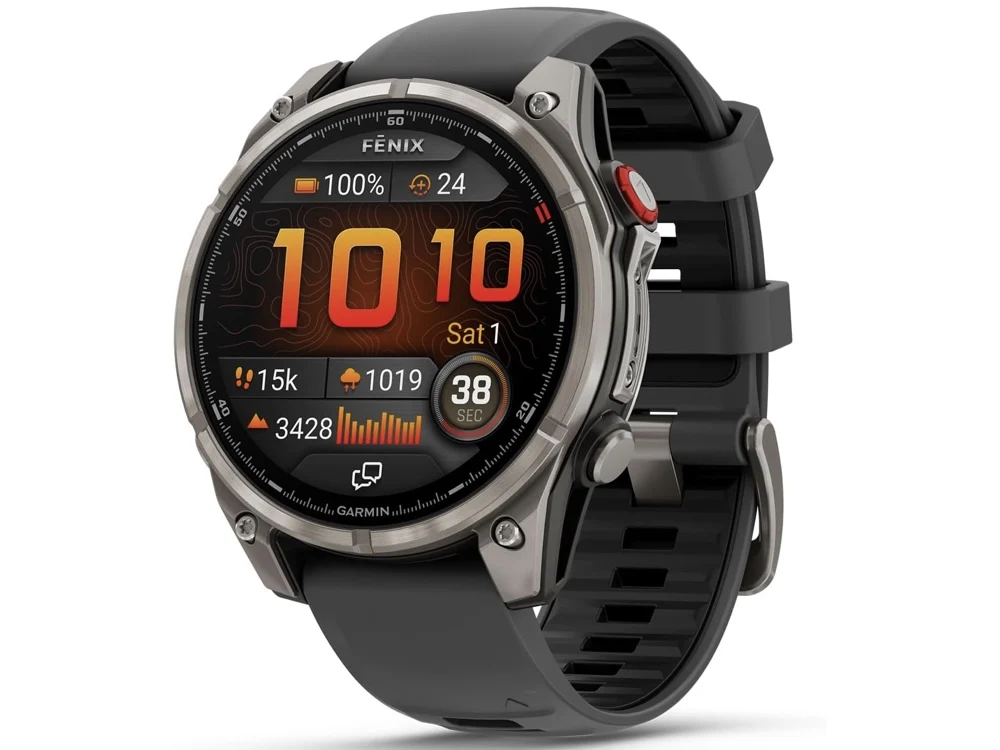
          1. Garmin rarely releases new smartwatch models annually, resulting in infrequent but notable discounts on their latest flagship models like the Garmin Fenix 8 Pro.
          2. The Garmin Fenix 8 Pro, available now at a discount, features a 4G LTE modem, enabling communication without a smartphone, but requires an additional subscription.
          3. Battery life varies significantly depending on usage, with up to 27 days on the 51mm version, which decreases with features like the always-on display activated.

          Deals on Garmin’s High-End Smartwatches

          Unlike the procs of Apple, Samsung and other big names, Garmin choose not to release their new smartwatches every year, which does make finding or catching a deal little more difficult. Yet, sometimes, you may find some good deals on newer models, especially during special sales or discounts. So don’t lose hope, there’s usually some savings to grab on Garmin’s high tech watches periodically.

          Special offer on Garmin Fenix 8 Pro

          Here’s a recent example: a pretty good deal on the Garmin Fenix 8 Pro, which is a pricey smartwatch usually costing around $1,199 for the smaller size and $1,299 for the bigger one. Now, for outdoor lovers or athletes, you can grab either size with a discount of about $250, or roughly 21%. The 47mm model is now selling for just $949, and the 51mm model is down to $1,049. This is reportedly the lowest price seen for these model at least on some tracking sites, which is good news for those huntin for bargains.

          Features & Differences

          The main thing that makes the Fenix 8 Pro stand out is the built-in 4G LTE cellular capability. This allows users to send texts and make calls without needing to connect to their smartphones via Bluetooth. However, be aware that this feature is only available with a Garmin inReach subscription, which comes with a monthly fee. For some, that may be a deal-breaker, but for others, the freedom may be worth it. You’ll still get the bright AMOLED display, just like the standard Fenix 8 model.

          Battery Life & Additional Models

          The company claims that the 51mm version can last up to 27 days on a single charge, but that drops to about half when you turn on the always-on display option. For those wanting even better battery performance, check out the Garmin Fenix 8 Solar. It’s a bit different as it’s designed to harness solar energy, extending usage time. Besides all that, this premium Garmin also includes a broad range of fitness tracking options, multiple sports modes, and even a voice assistant to help you out. With its high price, smart shoppers interested in top-tier features might want to consider this deal.

          Always remember: prices and deals can change quickly and may vary by retailer. The current discounts are valid at this writing and might not be always available or last long. Happy shopping on your Garmin smartwatch hunt!

          Sources
          • Osmo Pocket 4 vs 3 Battery Life Comparison Shows Longer Recording Time

            Osmo Pocket 4 vs 3 Battery Life Comparison Shows Longer Recording Time

            Key Takeaway

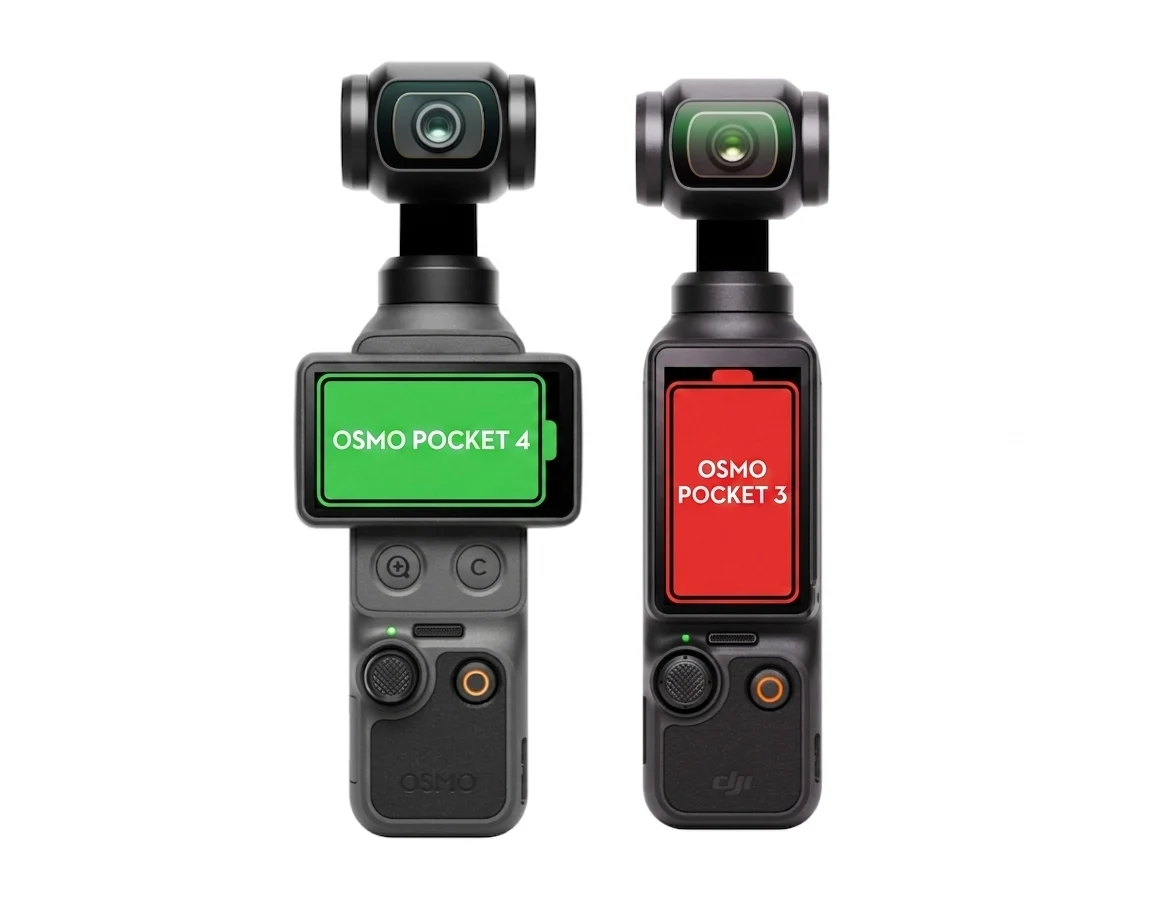
            1. The DJI Osmo Pocket 4 offers significantly improved battery endurance, with up to 67% longer recording times compared to the Osmo Pocket 3.
            2. Despite only a modest increase in battery capacity, the Pocket 4’s more efficient processing architecture results in notable real-world gains.
            3. The enhanced battery life enables the Pocket 4 to function closer to a “full-day” camera, reducing dependence on external power solutions.

            Impressive Battery Improvements in DJI Osmo Pocket 4

            The new DJI Osmo Pocket 4, although famous for its 4K/240fps slow-motion video and 14-stop dynamic range, has also brought a massive upgrade in battery life which many people overlook. Even though the internal battery’s capacity only increased a little, from 1,300 mAh to 1,545 mAh, the real life performance suggests its more efficient processing system is a big part of the reason why it last longer than older model. Curious by this, YouTuber MoutMedia did a comparison shot-by-shot between the two versions and was quite amazed by the result.

            Real-World Recording Time Surprises

            The test involved recording in high-resolution 4K at 30fps and 60fps, where the Osmo Pocket 4 showed remarkable endurance. In 4K/30fps mode, it managed a solid 3 hours and 24 minutes, which beats the Pocket 3’s 2 hours and 2 minutes by a lot — a 67% jump. And even at the more challenging 4K/60fps setting, the newer gadget kept going for 2 hours and 24 minutes, compared to the previous model’s 1 hour and 54 minutes (+26%). These tests reveal that the Pocket 4 isn’t just a tiny upgrade in battery capacity but also a smarter and more power-efficient device.

            Specs and Casual Shooting – Even Better

            According to DJI’s official specs, the improvements are even bigger when used in more casual, everyday situations. For example, recording in 1080p/24fps, the Pocket 4’s rated battery life is a staggering 4 hours, which is more than an hour longer than the Pocket 3’s 2 hours and 47 minutes. The big takeaway is that for typical vlogging or filming, this camera can handle a full day’s work without needing to be recharged often. Remember, factors like gimbal use, screen brightness, or adding a magnetic fill light can still influence the actual recording time some, but overall, it’s clearly a much more reliable all-day camera.

            Charging Speed and Practical Use

            The charging times stay pretty similar between models, with both reaching 80% in 16-18 minutes and a full charge in about 32 minutes when plugged into a 65W Power Delivery charger. This means you can quickly top it off during short breaks, making it very practical for busy shooting days. All in all, the Osmo Pocket 4 is shaping to be a very capable and efficient upgrade for creators looking for longer recording sessions and less dependency on external batteries or accessories.

            Sources
          • Lenovo Yoga Slim 7x with Snapdragon X2 Elite Offers Long-Lasting Battery and Strong Performance

            Lenovo Yoga Slim 7x with Snapdragon X2 Elite Offers Long-Lasting Battery and Strong Performance

            Key Takeaway

            1. The Snapdragon X2 Elite chip offers exceptional battery life, outperforming MacBook Air and previous X models, with up to 25 hours in real-world testing.
            2. The chip delivers around 20% better multi-core performance than current competitors and maintains consistency whether plugged in or on battery.
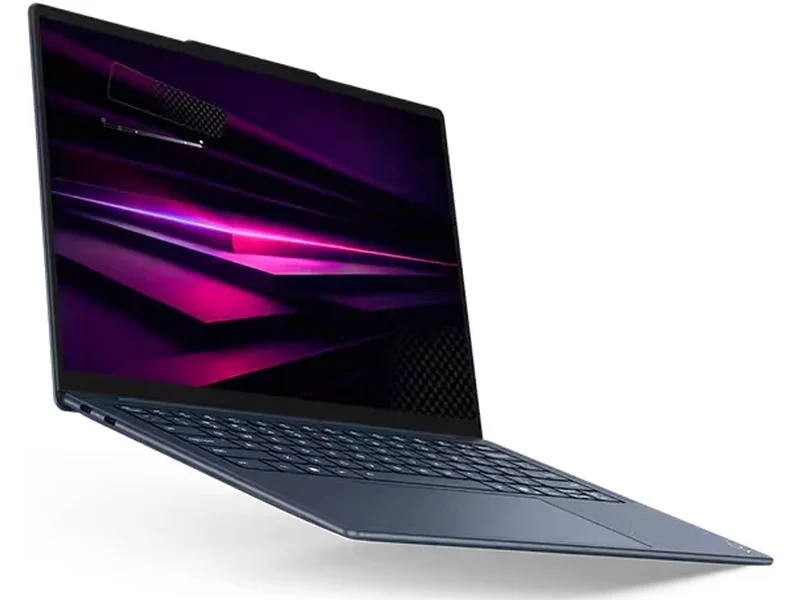
            3. The Yoga Slim 7x 2026 features a 14-inch 2.8K OLED display at 120Hz, improved design with lighter weight, and upgraded cooling and audio systems.
            4. Software compatibility has improved with native Windows-on-ARM apps, though some games still rely on emulation and face compatibility issues.

            Impressive Battery Life of Lenovo Yoga Slim 7x

            Recently, Youtuber Dave2D shared a teaser about his new review of the Lenovo Yoga Slim 7x equipped with the Snapdragon X2 Elite. And boy, does it impress, especially with its battery performance. It not quite reaches the promises made by Lenovo though, but it still outperforms the MacBook Air quite surprisingly. In some video playback tests, it can last up to 31 hours, though typical usage hits around 25 hours with it’s 70 Wh battery. Keep in mind, this was a pre-production unit, so real-world performance might vary a bit. Still, this is an upgrade over the first Snapdragon X Elite models from last year by about 6 hours, and it even surpasses Apple’s newest MacBook Air models.

            Performance Benchmarks and Real Life Usage

            Now, what about its processing power? Dave2D ran Cinebench 2024 benchmarks and found that the Snapdragon X2 Elite outperforms other current chips like the AMD Ryzen AI HX 470, Intel Core Ultra X9 388H, and the Apple M5 by approximately 20% in multi-core tests. When it comes to single-core speeds, it’s not quite as fast as the M5, but it still leaves Intel and AMD options behind. But the real question is, do these synthetic benchmarks translate into everyday use?

            In practice, the X2 Elite seems to shine, especially in Blender where it beats the competition pretty easily and matches performance in Premiere Pro with Intel and AMD rivals. More impressively, the chip maintains the same performance whether your device is plugged in or running solely on battery, a rarity among competing chips from Intel and AMD. Power efficiency here is key and Lenovo has managed to excel in that area.

            Software Compatibility and Gaming Performance

            On connectivity, Dave2D mentions that most Windows-on-ARM applications are now native, and they’ve addressed the compatibility issues from last year’s models. However, gaming is still a mixed bag; many games rely on Prism emulation, which is decent at 1080p medium settings, but some titles are off-limits due to anti-cheat restrictions, including popular games like Apex Legends, Valorant, and LoL. The iGPU’s performance, though, is promising given the limitations, making casual gaming quite feasible on this device.

            Design, Display, and Pricing Details

            The Yoga Slim 7x 2026 notably reduced weight down to 1.17 kg and shrunk the screen size slightly to a 14-inch display instead of a 14.5-inch. The highlight is the new 2.8K OLED panel boasting 120 Hz refresh rate, 100% P3, and AdobeRGB color coverage, with a brightness up to 1100 nits—all of which promise vibrant visuals. Cooling has also been improved with a flat heatpipe system that keeps fan noise low, around 28 dB in Quiet mode and up to 43 dB if you switch to Performance mode. In addition, the upgrade includes four speakers instead of two, offering much better audio quality.

            Initially, Lenovo indicated that the 16 GB RAM models of the Yoga Slim 7x would start at $900. However, due to current shortages in RAM and storage components, the final prices may go over $1000 once the laptops hit the market. When considering the specs and performance, it seems to be a worthwhile upgrade for professionals and casual users alike.

            Sources
          • Apple MacBook Neo Battery Life Affected by Cost Cutting Issues

            Apple MacBook Neo Battery Life Affected by Cost Cutting Issues

            Key Takeaways

            1. The Apple MacBook Neo is a budget-friendly option at $599 ($499 for students), designed for students and workers needing basic power.
            2. Battery life is a major drawback, with only 7 hours and 48 minutes on light usage and under 4 hours on heavy usage, significantly lower than competitors.
            3. The MacBook Neo has a 36.5 Wh battery, much smaller compared to the 53.8 Wh in the MacBook Air M4 and 72.4 Wh in the MacBook Pro 14 M4 Max.
            4. Competitors like the Dell XPS 14 and Acer Aspire 14 AI offer larger batteries (70 Wh and 65 Wh, respectively) and better battery performance.
            5. The smaller battery in the MacBook Neo is a cost-cutting measure, raising questions about Apple’s decision-making given their production scale.


            Initial feedback on the Apple MacBook Neo is out now. Most agree that Apple has designed a nice option for students and workers who don’t need excessive power. Yet, to lower the MacBook Neo’s price to $599 ($499 for students), Apple had to make several compromises. One major sacrifice is the battery life.

            Battery Performance

            In the review by Dave2D, the MacBook Neo managed only 7 hours and 48 minutes with light usage, and just below 4 hours under heavy usage. In contrast, the MacBook Air M4 lasted 11.5 hours (light use) and 4 hours and 41 minutes (heavy use). Even the MacBook Pro 14 with the more demanding M4 Max lasted 9 hours and 15 minutes during light tasks. This raises concerns, especially since Apple claims up to 11 hours of wireless web browsing and up to 16 hours of video playback.

            Battery Capacity Comparison

            What’s the reason for this? The MacBook Neo struggles due to its 36.5 Wh battery. In comparison, the MacBook Air M4, just like the newest MacBook Air 13 M5, has a 53.8 Wh battery, while the MacBook Pro 14 M4 Max comes with a 72.4 Wh battery. Moreover, the 36.5 Wh battery in the MacBook Neo is smaller than many Windows laptops of a similar size. For instance, the new Dell XPS 14 has a significantly larger 70 Wh battery, and the 2025 Acer Aspire 14 AI features a 65 Wh battery pack. As a result, the Dell XPS 14 lasted over 16.5 hours in our Wi-Fi browsing test, even with its more powerful Panther Lake chip and a 120 Hz screen.

            Cost-Cutting Measures

            It’s important to note that we’re mentioning the Dell XPS 14 purely from a battery capacity perspective. The MacBook Neo is nowhere near the price point of the Dell XPS 14 (2026), so this isn’t a fair comparison.

            In conclusion, it’s evident that the MacBook Neo’s smaller battery is a decision made to cut costs. It’s hard to believe Apple couldn’t have included a larger battery, perhaps 30% bigger, especially since they will produce a large number of MacBook Neo units. With such high production volume, economies of scale should reduce the costs for components like the battery and chassis.

            Source:
            Link


          • New Galaxy S26 Ultra Promo Leak: Same Battery Life & Charging Speed

            New Galaxy S26 Ultra Promo Leak: Same Battery Life & Charging Speed

            Key Takeaways

            1. The Galaxy S26 Ultra is expected to have similar battery life to its predecessor, with up to 31 hours of usage and a 5,000mAh battery.
            2. Charging speed will remain mostly unchanged, allowing the phone to charge from 0% to 75% in 30 minutes, though there are rumors of a potential upgrade to 60W fast charging.
            3. Camera specifications include a 12 MP front camera and a rear setup with a 200MP main camera, a 10MP 3x telephoto, a 50MP 5x telephoto, and a 50MP ultrawide camera.
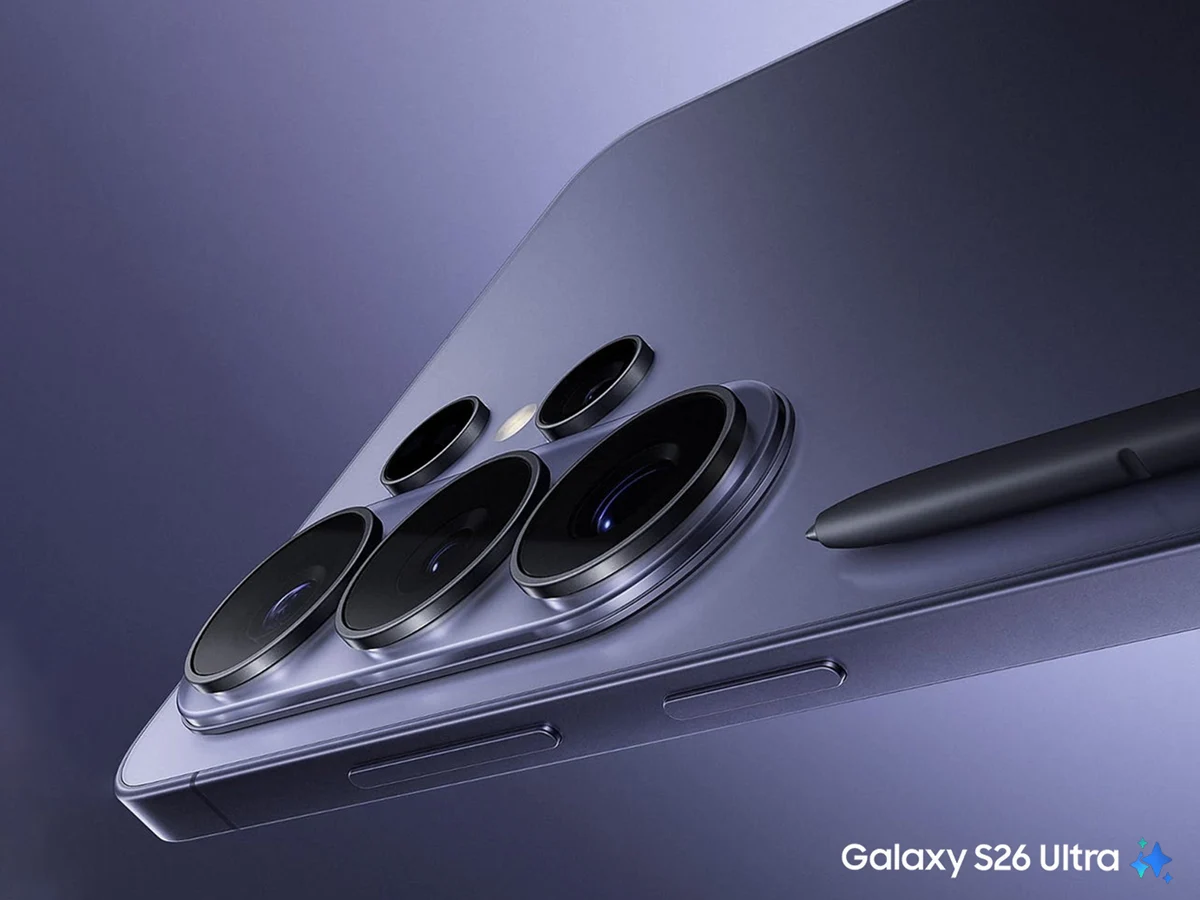
            4. Leaked promotional images reveal the design of the Galaxy S26 Ultra alongside the Buds 4 and Buds 4 Pro.
            5. Samsung will officially unveil the Galaxy S26 series on February 25, 2026, with pre-orders currently available that include a $30 credit.


            Samsung is set to completely reveal the Galaxy S26 series at the soon-to-come Galaxy Unpacked event. Just days before this big reveal, a new leak has come out, showing that the Galaxy S26 Ultra isn’t expected to have any significant updates regarding battery life and charging speed.

            Battery Performance Similarities

            According to this leak, which includes a few official promotional images, the Galaxy S26 Ultra is said to provide up to 31 hours of battery life. This is the same as the previous flagship model, indicating that the phone will likely maintain the 5,000mAh battery, a detail that earlier reports have already hinted at.

            Charging Speed Details

            Another key point from the leak is the charging speed. It states that the Galaxy S26 Ultra can charge from 0% to 75% in just 30 minutes. Again, this is consistent with the last generation’s model. Although there are rumors that the new phone might support 60W fast charging—an increase from the 45W found in the earlier model—it seems that this upgrade won’t create a significant impact (45W Iniu 10K power bank curr. $19.98 on Amazon).

            Camera Specifications and Design

            Besides these two main details, the leaked promotional images confirm previously rumored camera specifications for the Galaxy S26 Ultra. Reports suggest the device will have a 12 MP front-facing camera, while the rear will boast a 200MP main camera, along with a 10MP 3x telephoto, a 50MP 5x telephoto, and a 50MP ultrawide camera. The leaked images also showcase the phone’s design alongside the Buds 4, Buds 4 Pro, and the standard S26.

            For anyone who missed the official announcements, Samsung will fully unveil the Galaxy S26 series on February 25, 2026. The company is currently accepting reservations, which unlocks a $30 pre-order credit.

            Source:
            Link