
Tag: Wear OS 7

  • Google Wear OS 7 Launches for Pixel Watch

    Google Wear OS 7 Launches for Pixel Watch

    Key Takeaway

    – Wear OS 7 rollout begins for Pixel Watch 2, 3, and 4 (first-gen excluded), with updates rolling out over several days.
    – Battery life improves by up to 10% due to reduced power consumption.
    – Full-screen tiles are replaced by widgets similar to Android, and notifications can show live updates.
    – Enhanced accessory integration, such as viewing photos from AR glasses on the watch.
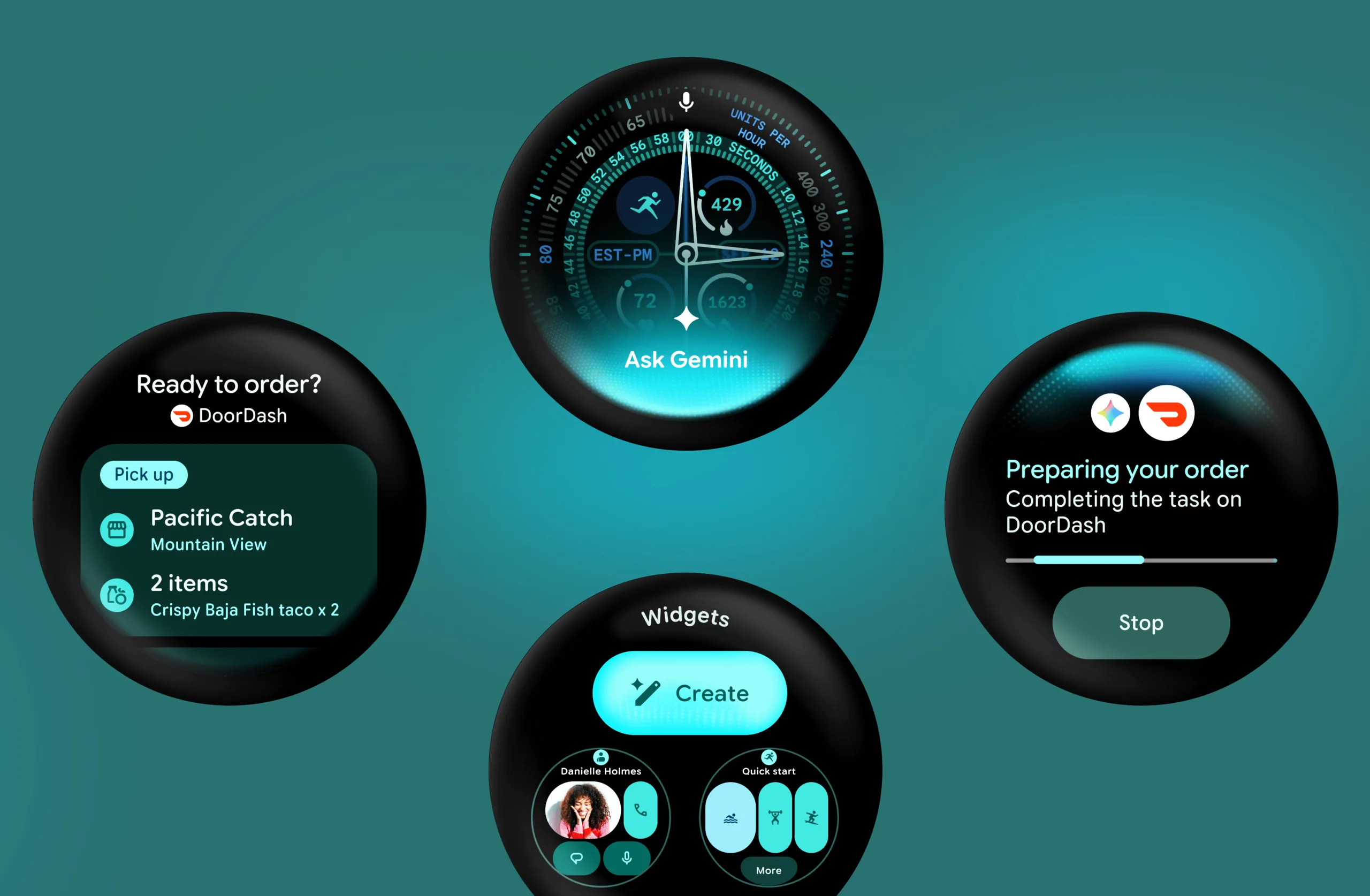
    – New Gemini AI features include “Create My Widget,” app automations via voice, and personalized Gmail/chat responses.


    Rollout of Wear OS 7 for Pixel Watch Begins

    In a blog post, Google announced that the rollout of Wear OS 7 for the Pixel Watch has started. It normally takes several days for the update to become accesible for download to every users of a compatible smartwatch.

    Compatibility and Battery Life Improvements

    According to Verizon, the update is avalible for the Pixel Watch 2, Pixel Watch 3, and Pixel Watch 4, but no longer for the first-generation Pixel Watch. The update is designd to not only introduce new features but also to reduce power consumption, which should extend battery life by up to 10 percent, depending on usage.

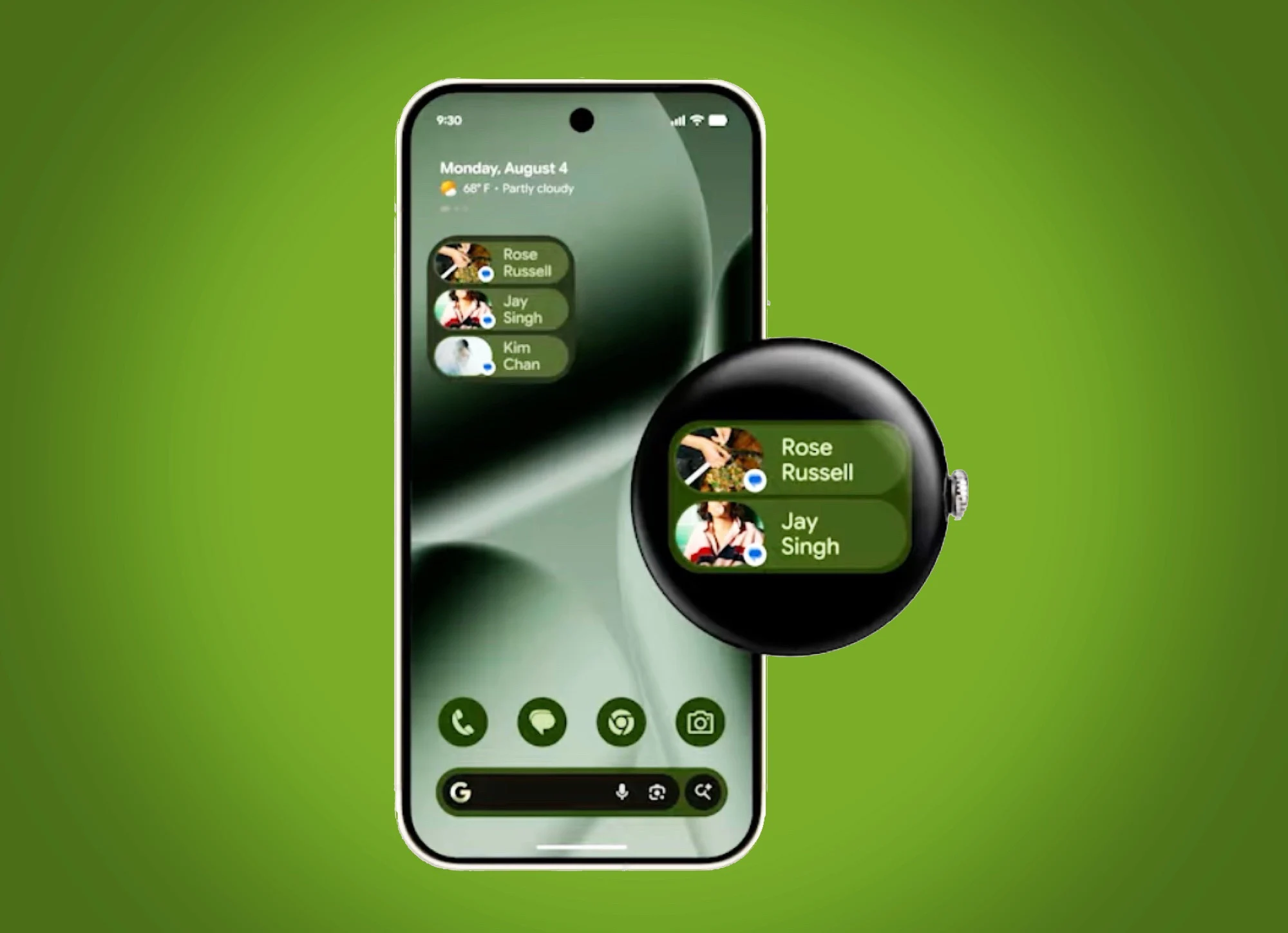
    Wear OS 7 replaces full-screen tiles with widgets that strongly resemble Android widgetts. In Wear OS 7, notifications can display live updates similar too those in Android. After the update, the Pixel Watch is expected to work more seamlessly with many accessories.

    AR Glasses Integration and Audio Panel

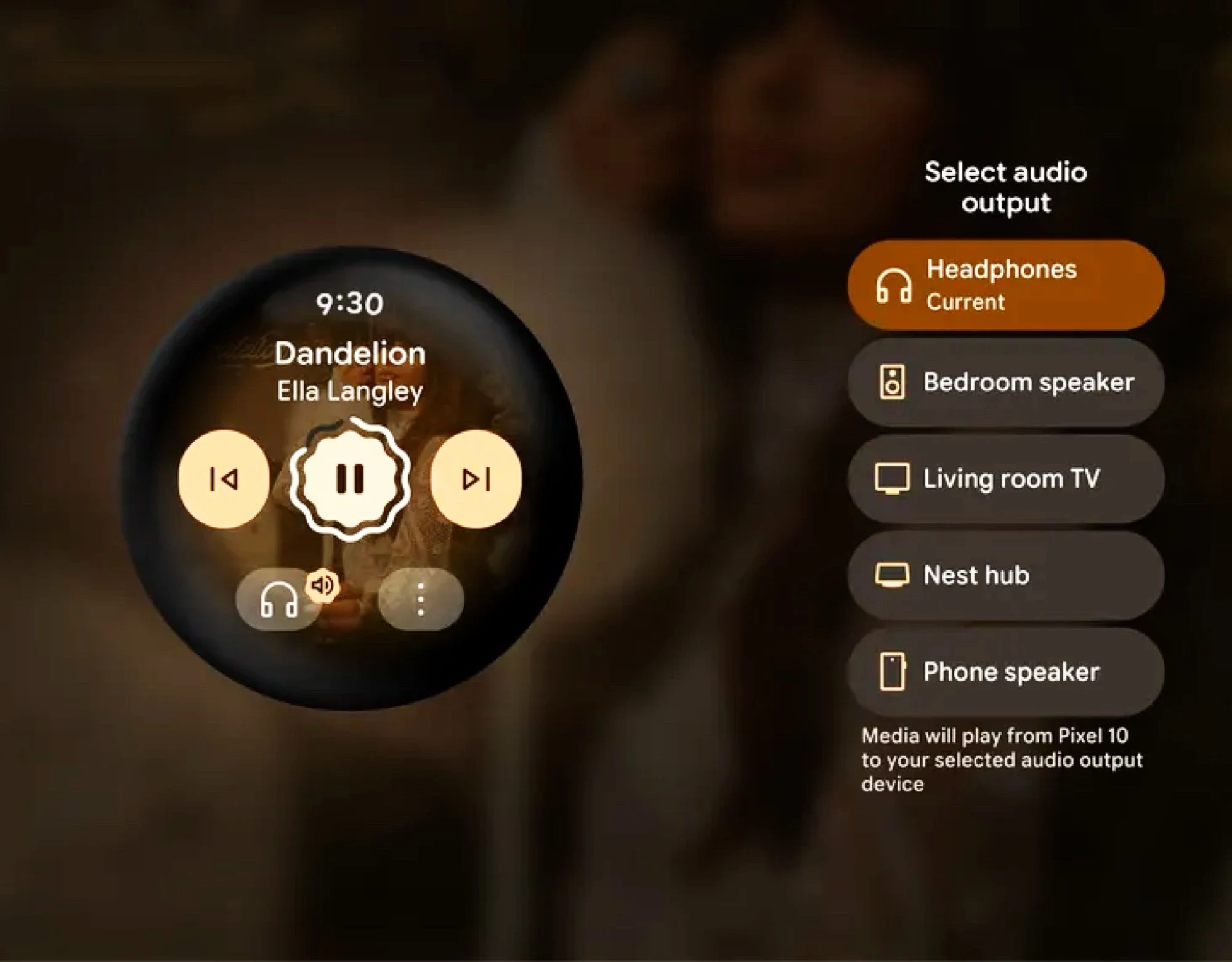
    For example, if a photo is taken with compatable AR glasses, it can be viewed directly on the smartwatch’s display, while the improved audio panel makes it easier to switch playback from a speaker to headphone’s.

    Finally, Google is introducing new Gemini Intelligence AI features. “Create My Widget” allowes users to create personalized dashboards using voice prompts. App automations can perform multiple actions acros different apps with a single voice command. The voice assistant can now access Gmail and past chats to provide more personalized responses.
    Sources

  • Google Pixel Watches 2, 3, 4 Get Wear OS 7 Soon

    Key Takeaway

    – Wear OS 7 will be released for Pixel Watch 2, 3, and 4 on June 9, 2026, but not for the first-generation Pixel Watch.
    – Key improvements include roughly 10% longer battery life and replacement of tiles with more versatile Android-style widgets.
    – Standardized workout app UI and multi-headphone music streaming via Google Cast or Bluetooth are new features.
    – Watch face optimizations aim to reduce development effort for creators.


    Google’s Latest Update Drops Sooner Than Expected

    Google Wear OS 7 was anounced in mid-May. At the launch, Google only confirmed that the update would be released for the Pixel Watch “later this year”, without publishing a schedule or a list of compatible smartwatch models. The release could now take place surprisingly quickly, as Verizon has already published a changelog with a release date of June 9, 2026.

    Which Models Get The Update And What It Includes

    The update is listed for the Pixel Watch 2, the Pixel Watch 3 and the Pixel Watch 4 ($309 on Amazon), but not for the first-generation Pixel Watch, which was launched in 2022. Wear OS 7 therefore supports similarly old smartwatch models such as Apple watchOS 27. As usual, Verizon’s changelog is sparse – the update is said to include Wear OS 7, the latest security patch and performance improvements.

    Battery Life And Interface Changes Are Key

    Wear OS 7 is a moderate update, but there are a few significant improvements on board. First and foremost, Google promises around 10 percent longer battery life. Full-screen tiles are replaced by Widgets which look and function almost exactly like Android widgets. This should not only make them more versatile and interactive than tiles, it should also make it much easier for app developers to port an Android widget to Wear OS.

    Workout Apps, Music Streaming, And Watch Faces

    Google also wants to standardize workout apps by making the user interface of features such as heart rate measurement or music playback available to third-party apps. Wear OS 7 allows music to be streamed to multiple headphones via Google Cast or Bluetooth. Watch face optimizations are intended to reduce the development effort.


    Sources

  • Google Pixel Watch 5 Prototype Found Deep in Ocean

    Key Takeaway

    – Pixel Watch 5 prototype allegedly found by a diver on the ocean floor near Saint Martin.
    – The watch design appears nearly identical to the Pixel Watch 4.
    – Expected upgrades include a new Snapdragon Wear chip and Wear OS 7 for better efficiency.
    – The battery was reportedly nearly dead, only powering the time display.
    – The story is considered highly unusual, with skepticism about the device’s pristine condition after being underwater.


    Unexpected Ocean Discovery Sparks Pixel Watch 5 Speculation

    The Pixel Watch 4’s sucessor (starting at around $310 on Amazon) is expected to launch in August 2026 alongside the new Pixel 11 phones. But a early prototype might have already been discovered, under very strange circumstances that could even outshine the well-known iPhone 4 bar incident from 2010, assuming the whole thing isn’t some kind of hoax. We’ll get more into that later.

    How a Diver Stumbled Upon the Device

    According to a X user called Randy Pitchford, an acquaintance of his discovered a smartwatch whilst diving near Saint Martin island, in the Caribbean. After a closer look, they realized the device was actually a Pixel Watch 5, atleast based off the text written on the rear casing, like you see in the photos. What makes this entire leak so peculiar is not just the fact that a pre-release prototype is being used in the wild, but instead its the location where it was allegedly located, on the ocean floor itself.

    Device Condition and Tracking Down the Owner

    The images that Randy Pitchford posted don’t display anything unusuall, and you can actually see the phototakers face reflected on the blank screen of the watch. In a subsequent tweet, the X user mentioned they were able to find and track down the watches original owner. Still, this situation leaves many questions unanswered. For example, why does the watch still look so clean and scratch-free after spending time under water? Of course we dont know exactly how long its been submerged, but one would expect some amount of scuff marks or other damage from such a experience.

    Expected Hardware and Software Upgrades

    Looking at the design, the Pixel Watch 5 seems to mimic its forerunner in many ways. However, the device will likely be equiped with a brand new Snapdragon Wear processor for improved energy efficency, and it should run the Wear OS 7 operating system. The person who leaked this says that the prototype’s battery was almost completly dead when it was found, only having enough power left to display the time function. This apparently is the reason why none of the shared pictures show any active screen or interface.


  • Google Unveils Wear OS 7 Widgets for Galaxy Watch and More

    Google Unveils Wear OS 7 Widgets for Galaxy Watch and More

    Key Takeaway

    – Wear OS 7 introduces standardized 2×1 and 2×2 widgets that unify Android and Wear OS widget experiences, replacing Tiles in many cases.
    – Widgets promise lower power consumption and longer battery life, with some AI features reserved for future devices.
    – Third-party widgets are already available (e.g., Spotify and WhatsApp), demonstrating cross-app functionality and greater widget availability.


    Wear OS 7 announced with new widgets and powersaving goals

    Wear OS 7 was announced a week ago. In addition to the approximately 10 percent lower power consumption and AI features, most of which will only be available on future smartwatch models, the widgets are probably the biggest innovation of the next generation smartwatch operating system. In the video embedded below, Google now explains some more details about these widgets.

    Widget formats mirror Android and aim for consistency

    As already announced, these widgets are available in two formats – 2×1 and 2×2. These formats are already familiar from Android widgets, and this is no coincidence, as Google’s aim is for widgets on Android and Wear OS 7 to look the same and offer the same functionality. With this change, uses should feel right at home when buying a smartwatch like the Google Pixel Watch 4 ($309 on Amazon).

    Standardization and developer benefits

    This should also save developers time and effort, which should ultimately ensure that more widgets are available than was previously the case with Tiles. Smartwatch platforms should also be standardized in this way, as the new widgets can not only replace full-screen tiles, but can also be integrated into the widget system of the Samsung Galaxy Watch8.

    First third-party widgets introduced

    Google has already introduced four widgets from third-party apps, including a Spotify widget that displays the current music playback including album cover, as well as a WhatsApp widget that displays the pictures of six selected contacts so that chats with these people can be accessed directly from the widget. The widgets differ not only visually, but also technically from Tiles, and should consume far less power, thus contributing to the announced longer battery life of Wear OS 7.


    Sources

  • Wear OS 7 Boosts Battery Life and Features for Pixel Watch and More

    Wear OS 7 Boosts Battery Life and Features for Pixel Watch and More

    Key Takeaway

    – Wear OS 7 delivers up to 10% longer battery life and introduces two widget formats that are interactive, replacing full-screen tiles.
    – Standardization across apps for workouts (heart rate, music, etc.) using Google system UI/ tech for consistent experiences.
    – Gemini API enables third-party apps to be integrated into the AI assistant and controllable by voice commands.
    – Enhanced media and developer features: multi-device audio casting, easier watch-face development, and various performance/UI improvements.


    Wear OS 7 Debuts With AI Enhancements and Gemini Integration

    On Google I/O, the company mainly announced AI and Gemini products, but Google also took the opportunity to unveil Wear OS 7. The operating system, which is to be released later this year for smartwatches such as the Google Pixel Watch 4 ($399 on Amazon), brings with it a range of technical improvements. The article keeps the pricing and specs as originally stated, including the Pixel Watch 4’s price reference, and notes the overall upgrade trajectory for wearables.

    Battery Life and Widget Overhaul

    These should enable up to 10 percent longer battery life. Google is replacing the previous full-screen tiles with widgets that are available in two different formats and are suspiciously reminiscent of Android widgets. These widgets can not only display information, but are also interactive so that, for example, a call can be made directly to a specific contact or music playback can be controlled. The writing style shifts here to describe features in a more casual tone, while still presenting the essential details.

    Standardization and Gemini API

    Wear OS 7 also extends the standardization of the system. Workout apps can optionally use the user interface and technology of Google’s system apps so that, for example, heart rate measurement or music playback during a workout works the same, regardless of which app is used. A Gemini API allows third-party apps to be integrated into the AI assistant and the apps to be controlled by voice command. This paragraph conveys the cross-app consistency and the new API access in a straightforward, somewhat technical manner.

    Music, Faces, and Performance Tweaks

    The music player has new options for streaming audio to multiple devices via Google Cast or Bluetooth. Wear OS 7 should also make it easier to develop watch faces, meaning that the selection could potentially grow. Finally, the operating system receives numerous minor improvements to performance and the user interface. The tone here remains descriptive while highlighting the expansion in music streaming capabilities and developer friendliness, alongside performance polish.


    Sources