Tag: Verizon

  • Google Pixel Watches 2, 3, 4 Get Wear OS 7 Soon

    Key Takeaway

    – Wear OS 7 will be released for Pixel Watch 2, 3, and 4 on June 9, 2026, but not for the first-generation Pixel Watch.
    – Key improvements include roughly 10% longer battery life and replacement of tiles with more versatile Android-style widgets.
    – Standardized workout app UI and multi-headphone music streaming via Google Cast or Bluetooth are new features.
    – Watch face optimizations aim to reduce development effort for creators.


    Google’s Latest Update Drops Sooner Than Expected

    Google Wear OS 7 was anounced in mid-May. At the launch, Google only confirmed that the update would be released for the Pixel Watch “later this year”, without publishing a schedule or a list of compatible smartwatch models. The release could now take place surprisingly quickly, as Verizon has already published a changelog with a release date of June 9, 2026.

    Which Models Get The Update And What It Includes

    The update is listed for the Pixel Watch 2, the Pixel Watch 3 and the Pixel Watch 4 ($309 on Amazon), but not for the first-generation Pixel Watch, which was launched in 2022. Wear OS 7 therefore supports similarly old smartwatch models such as Apple watchOS 27. As usual, Verizon’s changelog is sparse – the update is said to include Wear OS 7, the latest security patch and performance improvements.

    Battery Life And Interface Changes Are Key

    Wear OS 7 is a moderate update, but there are a few significant improvements on board. First and foremost, Google promises around 10 percent longer battery life. Full-screen tiles are replaced by Widgets which look and function almost exactly like Android widgets. This should not only make them more versatile and interactive than tiles, it should also make it much easier for app developers to port an Android widget to Wear OS.

    Workout Apps, Music Streaming, And Watch Faces

    Google also wants to standardize workout apps by making the user interface of features such as heart rate measurement or music playback available to third-party apps. Wear OS 7 allows music to be streamed to multiple headphones via Google Cast or Bluetooth. Watch face optimizations are intended to reduce the development effort.


    Sources

  • T-Mobile, Verizon, AT&T Warn of Possible Phone Price Increases

    T-Mobile, Verizon, AT&T Warn of Possible Phone Price Increases

    Key Takeaways

    1. Executives from Verizon, T-Mobile, and AT&T are worried about new tariffs on foreign products affecting smartphone prices.
    2. Current tariffs include a general 10% and a doubled rate for devices made in China, leading to expected price hikes for consumers.
    3. Verizon’s CEO indicated that the company will not absorb significant tariff increases, suggesting that prices will rise for customers.
    4. AT&T’s CEO mentioned the need for innovative ways to help customers handle the upcoming price increases due to tariffs.
    5. Apple, holding a major market share, is impacted by tariffs and is shifting production from China to India, which may take time and potentially raise prices further.


    The top executives of the three biggest cell phone providers in the US, which are Verizon, T-Mobile, and AT&T, have all expressed concerns about the impact of new tariffs on foreign products. They have made it clear that they cannot absorb any rises in phone prices that may come from these tariffs.

    Tariff Effects on Smartphones

    While smartphones and tablets are temporarily exempt from reciprocal tariffs, they are still subject to a general 10% tariff from the Trump administration, which doubles for devices manufactured in China. The major carriers are evaluating the situation, but their leaders have collectively indicated that any price hikes will be passed on to consumers.

    Verizon’s CEO, Hans Vestberg, stated, “if the tariff is going to be as high as they say on the handsets, we are not planning to cover that in our work” and “we will not cover any enormous increase on tariffs on handsets.” This suggests that Verizon is preparing for significant price adjustments.

    Price Increases Coming

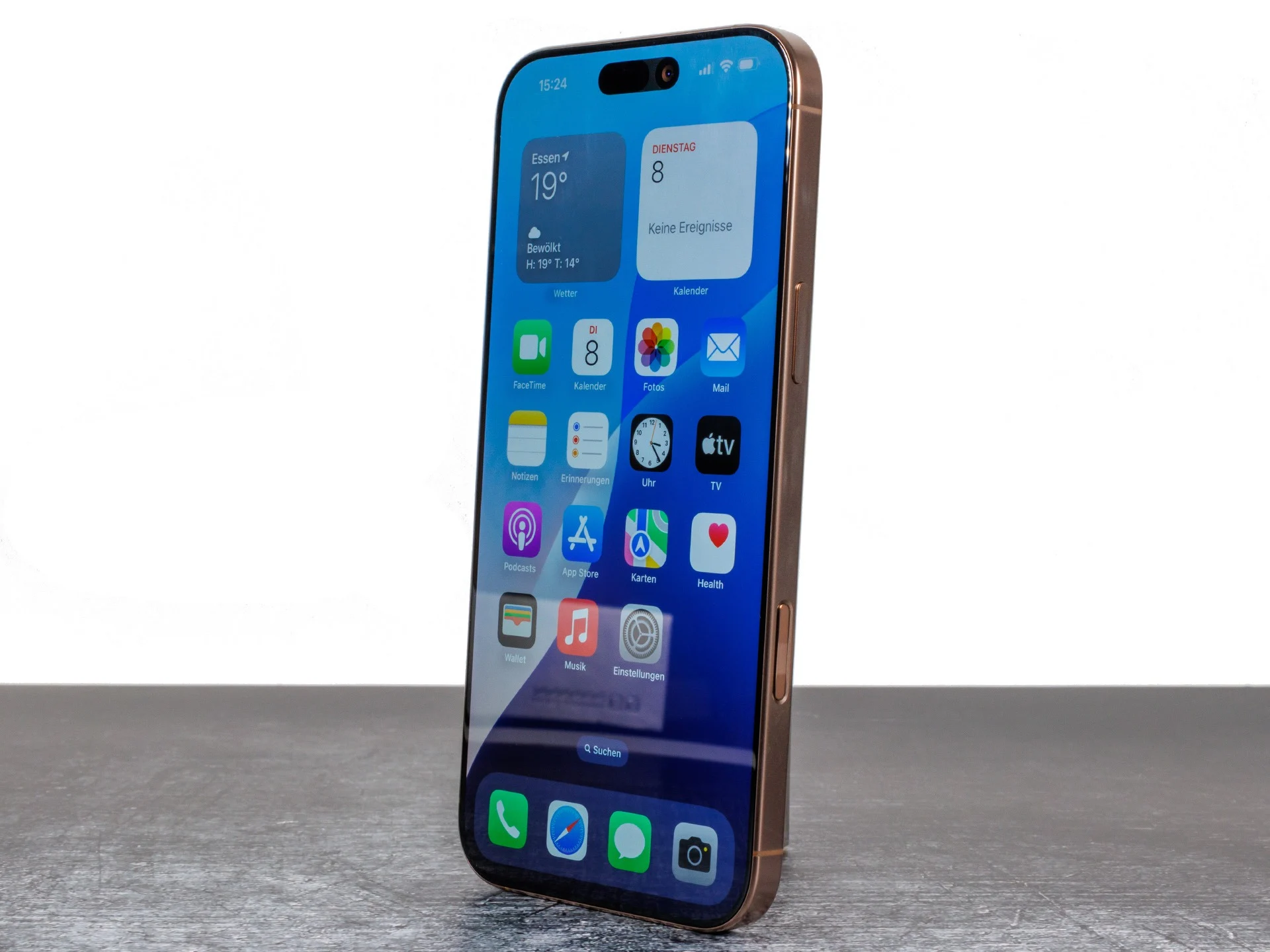
    For example, a Verizon iPhone 16 Pro Max currently priced at $1,199 at Best Buy, before the carrier’s trade-in discount of up to $1,000, could rise to $1,439 if the existing tariffs are enforced. Many customers have been buying iPhones quickly, anticipating these increases, which might lead to a drop in demand later on. Even if Apple moves production of US-bound iPhones away from China to countries with lower tariffs, prices could still go up.

    AT&T’s John Stankey mentioned, “So I think that if ultimately, costs are passed to us from those that we buy handsets from, unfortunately, for the customer, we’re going to have to come up with some new ways for them to figure out how to digest that increase in pricing.” He highlighted that while the business model may not change drastically, they will find innovative methods to help customers manage these price increases.

    Apple and Market Implications

    Apple held a dominant position in the US smartphone market last year with a 49.9% share, followed by Samsung at 21.4% and Motorola at 9.4%. This means Apple could be more affected by the tariff increases than others. Reports suggest that Apple is planning to release cheaper iPhones in the spring, allowing its more expensive Pro line to launch in the fall, which could help smooth out consumer purchasing patterns.

    Additionally, Apple is shifting its US-bound iPhone production from China to India, but this transition may take time. The multibillion-dollar investment for US production that Apple announced will take even longer and could increase prices further. T-Mobile’s CEO has clearly stated that these cost increases “have to be borne by the customer.” He added, “I mean, our model isn’t prepared for something like that.”

    Source:
    Link

  • Verizon Allows Galaxy S25 and Pixel 9 Owners to Text via Satellite

    Verizon Allows Galaxy S25 and Pixel 9 Owners to Text via Satellite

    Key Takeaways

    1. Verizon is launching satellite texting options for select customers, allowing texts without service.
    2. The service is currently limited to Samsung Galaxy S25 and Google Pixel 9 users, with an additional cost.
    3. Verizon plans to expand connectivity features, including video calls via satellite in the future.
    4. This service provides a competitive edge for Verizon, especially useful in emergencies and for outdoor activities.
    5. The initiative aims to connect over 99% of the US population through satellite technology.


    Starting today, Verizon is rolling out satellite texting options for certain customers in the US, enabling them to send texts to “any other customer device” even when there is no service available. The company is touting this as a first for any major mobile provider in the US.

    Recent Developments

    This announcement follows Verizon’s earlier reveal of plans to eventually facilitate video calls through satellite, making satellite texting just the initial move towards connecting over 99 percent of the US population via satellite technology.

    Limitations of the Service

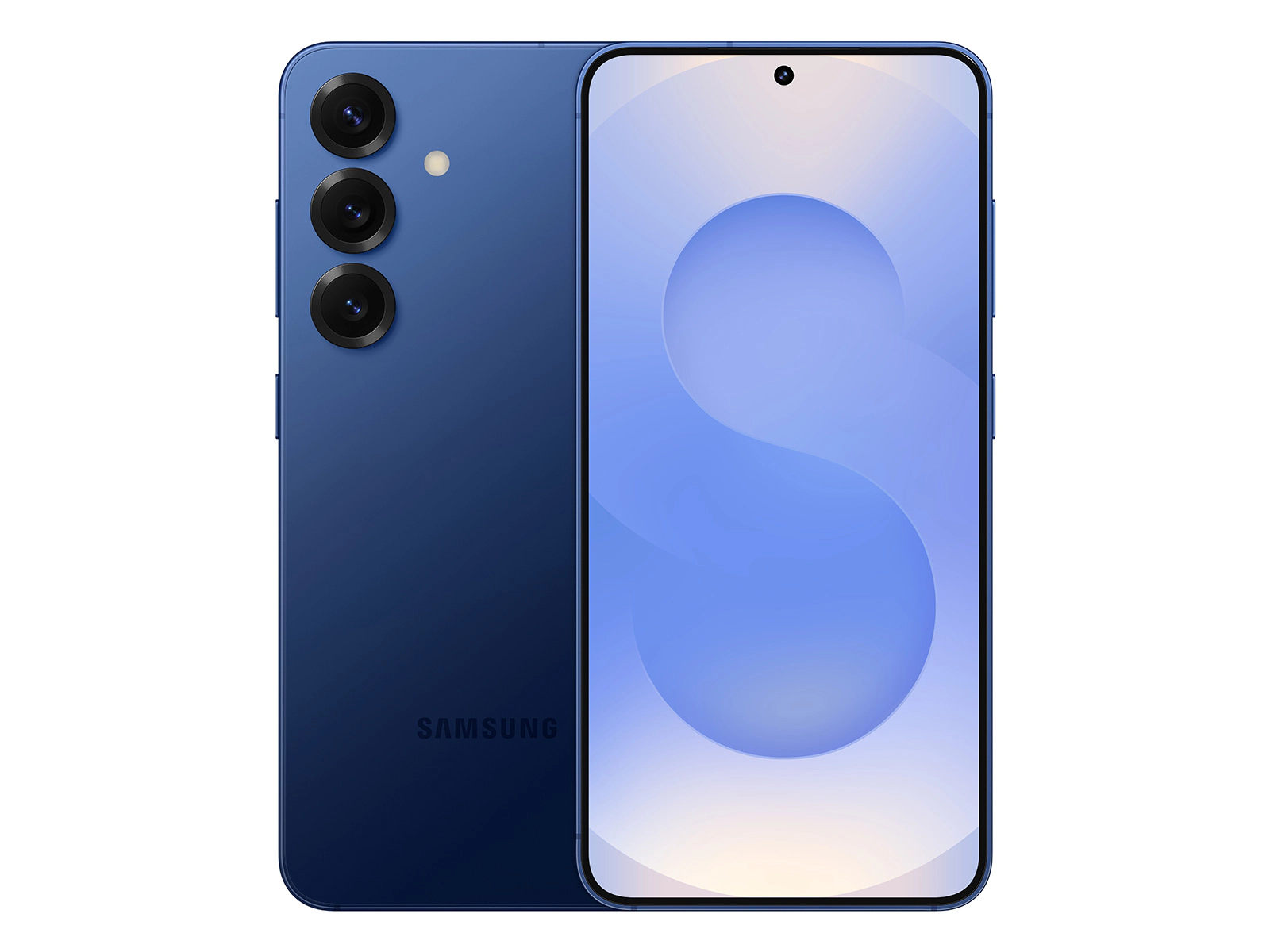
    However, there is a catch: the satellite texting feature is exclusively for owners of the Samsung Galaxy S25 series or Google Pixel 9 series, and it comes at an extra cost on their existing plans. The announcement did not mention support for other smartphones, including Apple models, but it is likely that more devices will be included in the future.

    Competitive Advantages

    In addition to broadening its user base, the ability to send texts from nearly anywhere gives Verizon a competitive advantage, especially in emergencies. This feature can be particularly beneficial for campers and travelers who often find themselves in areas with poor reception.

    Verizon’s new service is a significant step forward in mobile communication, providing solutions for people in rugged or remote locations.

    Source:
    Link

  • Verizon and AT&T Hit by Major Chinese Cyberattack

    Verizon and AT&T Hit by Major Chinese Cyberattack

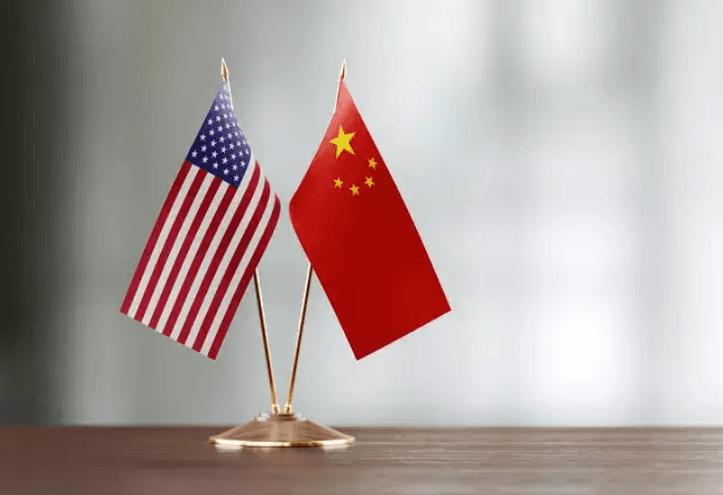
    A Chinese state-backed hacking group, referred to as Salt Typhoon, has allegedly infiltrated the systems of prominent U.S. broadband companies, such as Verizon, AT&T, and Lumen Technologies. This cyber intrusion is reported to have lasted for several months, and it’s a significant issue. Authorities are currently viewing it as a major national security concern. The hackers might have accessed systems used for legal wiretapping requests, raising alarm about the potential compromise of U.S. intelligence and communication data.

    Ongoing Investigations

    Although the breach was only recently uncovered, the full scope of it remains under investigation by U.S. government agencies and private cybersecurity companies. Investigators think that the hackers focused on network infrastructure to capture internet traffic, which could impact millions of Americans. There are also signs that providers outside the U.S. might have faced similar threats.

    Verizon’s Response

    In reaction to the breach, Verizon has established a “war room” at its facility in Ashburn, Virginia, collaborating with the FBI, Microsoft, and Google’s Mandiant—a cybersecurity firm that specializes in threat detection, incident response, and security consulting—to evaluate the situation. While U.S. officials have not yet verified whether the attackers accessed lists of surveillance targets or their communications, the severity of the incident warranted a briefing for President Joe Biden, according to reports.

    Broader Implications

    The Salt Typhoon operation, which has been active since 2020, is part of a wider Chinese espionage campaign, with signs indicating possible involvement from China’s Ministry of State Security. The FBI and U.S. intelligence agencies continue to probe the extent of the breach and what sensitive data may have been taken. Microsoft, along with other cybersecurity companies, is helping to assess the level of data compromise.