Tag: Google Pixel Watch 4

  • Google Unveils Wear OS 7 Widgets for Galaxy Watch and More

    Google Unveils Wear OS 7 Widgets for Galaxy Watch and More

    Key Takeaway

    – Wear OS 7 introduces standardized 2×1 and 2×2 widgets that unify Android and Wear OS widget experiences, replacing Tiles in many cases.
    – Widgets promise lower power consumption and longer battery life, with some AI features reserved for future devices.
    – Third-party widgets are already available (e.g., Spotify and WhatsApp), demonstrating cross-app functionality and greater widget availability.


    Wear OS 7 announced with new widgets and powersaving goals

    Wear OS 7 was announced a week ago. In addition to the approximately 10 percent lower power consumption and AI features, most of which will only be available on future smartwatch models, the widgets are probably the biggest innovation of the next generation smartwatch operating system. In the video embedded below, Google now explains some more details about these widgets.

    Widget formats mirror Android and aim for consistency

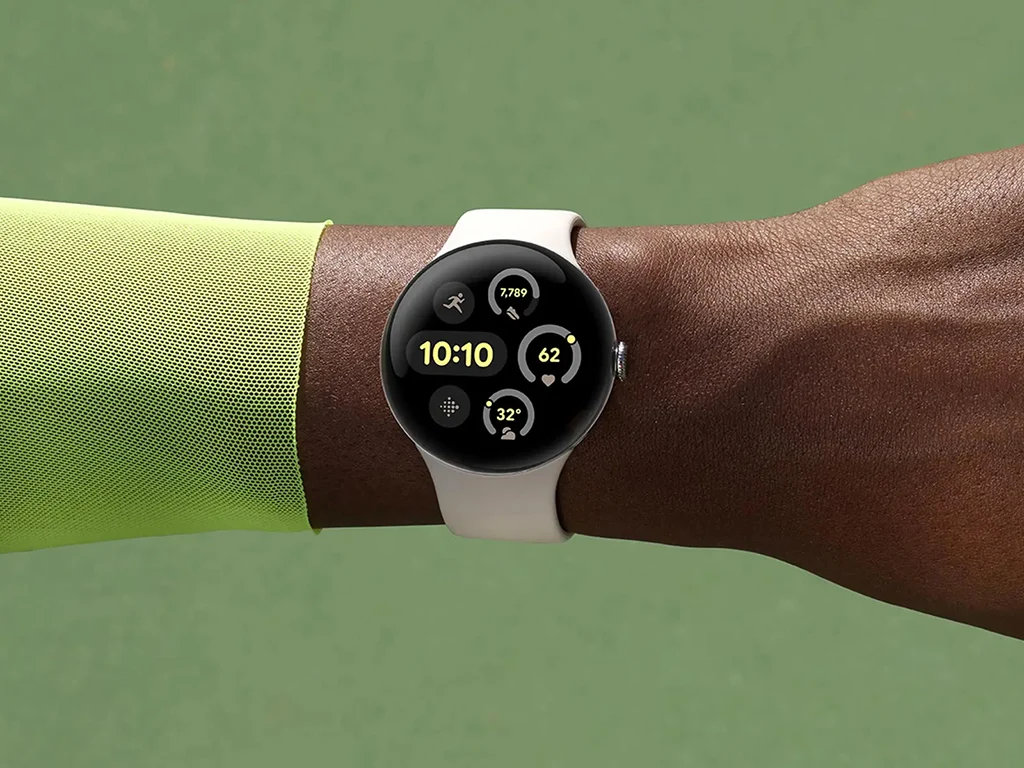
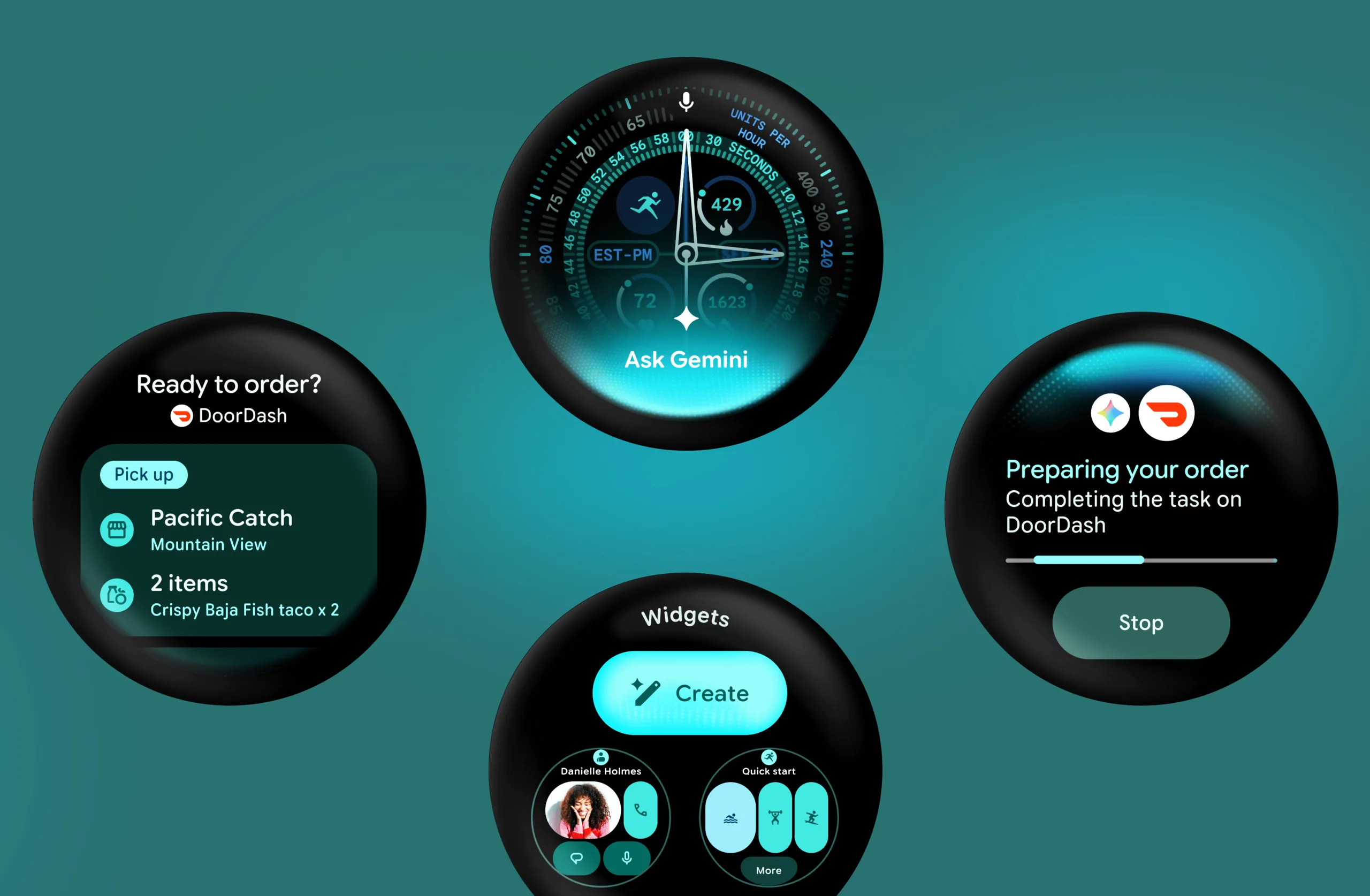
    As already announced, these widgets are available in two formats – 2×1 and 2×2. These formats are already familiar from Android widgets, and this is no coincidence, as Google’s aim is for widgets on Android and Wear OS 7 to look the same and offer the same functionality. With this change, uses should feel right at home when buying a smartwatch like the Google Pixel Watch 4 ($309 on Amazon).

    Standardization and developer benefits

    This should also save developers time and effort, which should ultimately ensure that more widgets are available than was previously the case with Tiles. Smartwatch platforms should also be standardized in this way, as the new widgets can not only replace full-screen tiles, but can also be integrated into the widget system of the Samsung Galaxy Watch8.

    First third-party widgets introduced

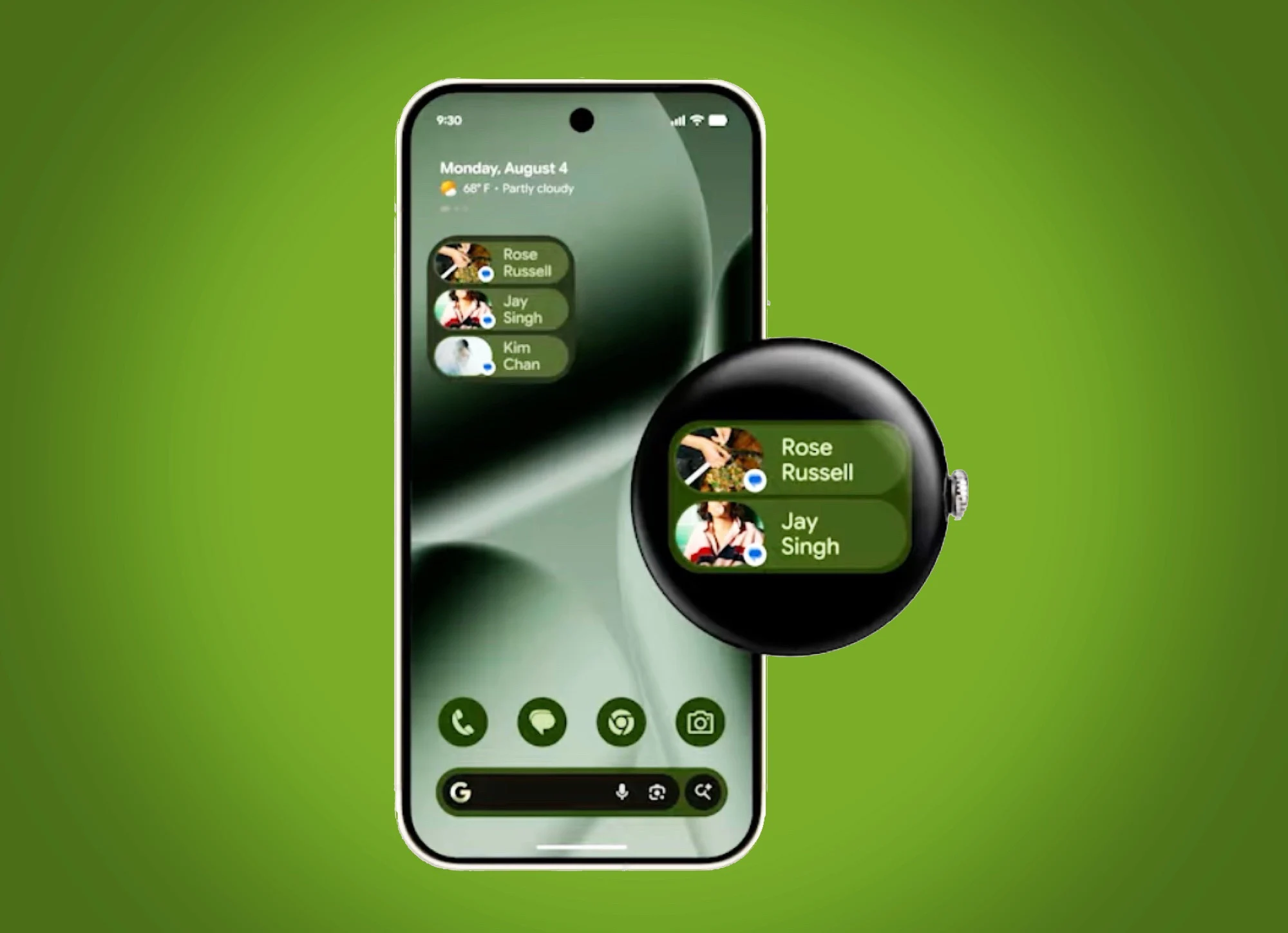
    Google has already introduced four widgets from third-party apps, including a Spotify widget that displays the current music playback including album cover, as well as a WhatsApp widget that displays the pictures of six selected contacts so that chats with these people can be accessed directly from the widget. The widgets differ not only visually, but also technically from Tiles, and should consume far less power, thus contributing to the announced longer battery life of Wear OS 7.
    Sources

  • Wear OS 7 Boosts Battery Life and Features for Pixel Watch and More

    Wear OS 7 Boosts Battery Life and Features for Pixel Watch and More

    Key Takeaway

    – Wear OS 7 delivers up to 10% longer battery life and introduces two widget formats that are interactive, replacing full-screen tiles.
    – Standardization across apps for workouts (heart rate, music, etc.) using Google system UI/ tech for consistent experiences.
    – Gemini API enables third-party apps to be integrated into the AI assistant and controllable by voice commands.
    – Enhanced media and developer features: multi-device audio casting, easier watch-face development, and various performance/UI improvements.


    Wear OS 7 Debuts With AI Enhancements and Gemini Integration

    On Google I/O, the company mainly announced AI and Gemini products, but Google also took the opportunity to unveil Wear OS 7. The operating system, which is to be released later this year for smartwatches such as the Google Pixel Watch 4 ($399 on Amazon), brings with it a range of technical improvements. The article keeps the pricing and specs as originally stated, including the Pixel Watch 4’s price reference, and notes the overall upgrade trajectory for wearables.

    Battery Life and Widget Overhaul

    These should enable up to 10 percent longer battery life. Google is replacing the previous full-screen tiles with widgets that are available in two different formats and are suspiciously reminiscent of Android widgets. These widgets can not only display information, but are also interactive so that, for example, a call can be made directly to a specific contact or music playback can be controlled. The writing style shifts here to describe features in a more casual tone, while still presenting the essential details.

    Standardization and Gemini API

    Wear OS 7 also extends the standardization of the system. Workout apps can optionally use the user interface and technology of Google’s system apps so that, for example, heart rate measurement or music playback during a workout works the same, regardless of which app is used. A Gemini API allows third-party apps to be integrated into the AI assistant and the apps to be controlled by voice command. This paragraph conveys the cross-app consistency and the new API access in a straightforward, somewhat technical manner.

    Music, Faces, and Performance Tweaks

    The music player has new options for streaming audio to multiple devices via Google Cast or Bluetooth. Wear OS 7 should also make it easier to develop watch faces, meaning that the selection could potentially grow. Finally, the operating system receives numerous minor improvements to performance and the user interface. The tone here remains descriptive while highlighting the expansion in music streaming capabilities and developer friendliness, alongside performance polish.


    Sources

  • Google Pixel Watch 4 Now Includes $9 Travel Charger

    Google Pixel Watch 4 Now Includes $9 Travel Charger

    Key Takeaways

    1. The Google Pixel Watch 4 features a side charging connector, differing from the traditional back placement in most smartwatches.
    2. The official USB-C charger for the Pixel Watch 4 costs around $30 and has a non-removable cable, adding bulk for travelers.
    3. Wasserstein has launched a compact travel charger for the Pixel Watch 4, priced at approximately $9, offering a more affordable alternative.
    4. The Wasserstein charger is designed to keep the watch upright for easy viewing while charging and features a USB-C port for portability.
    5. It is Google-certified, supports charging up to 5.8 watts, and is compatible with both 41 mm and 45 mm variants of the Pixel Watch 4, but not with older models.


    The Google Pixel Watch 4 comes with a new charging connector that is placed on the side, unlike most smartwatches where it is on the back. The official USB-C charger, which is about $30 on Amazon, isn’t just pricey but also has a cable that can’t be removed. This adds more bulk to your bag when you’re on the move.

    A New Travel Option

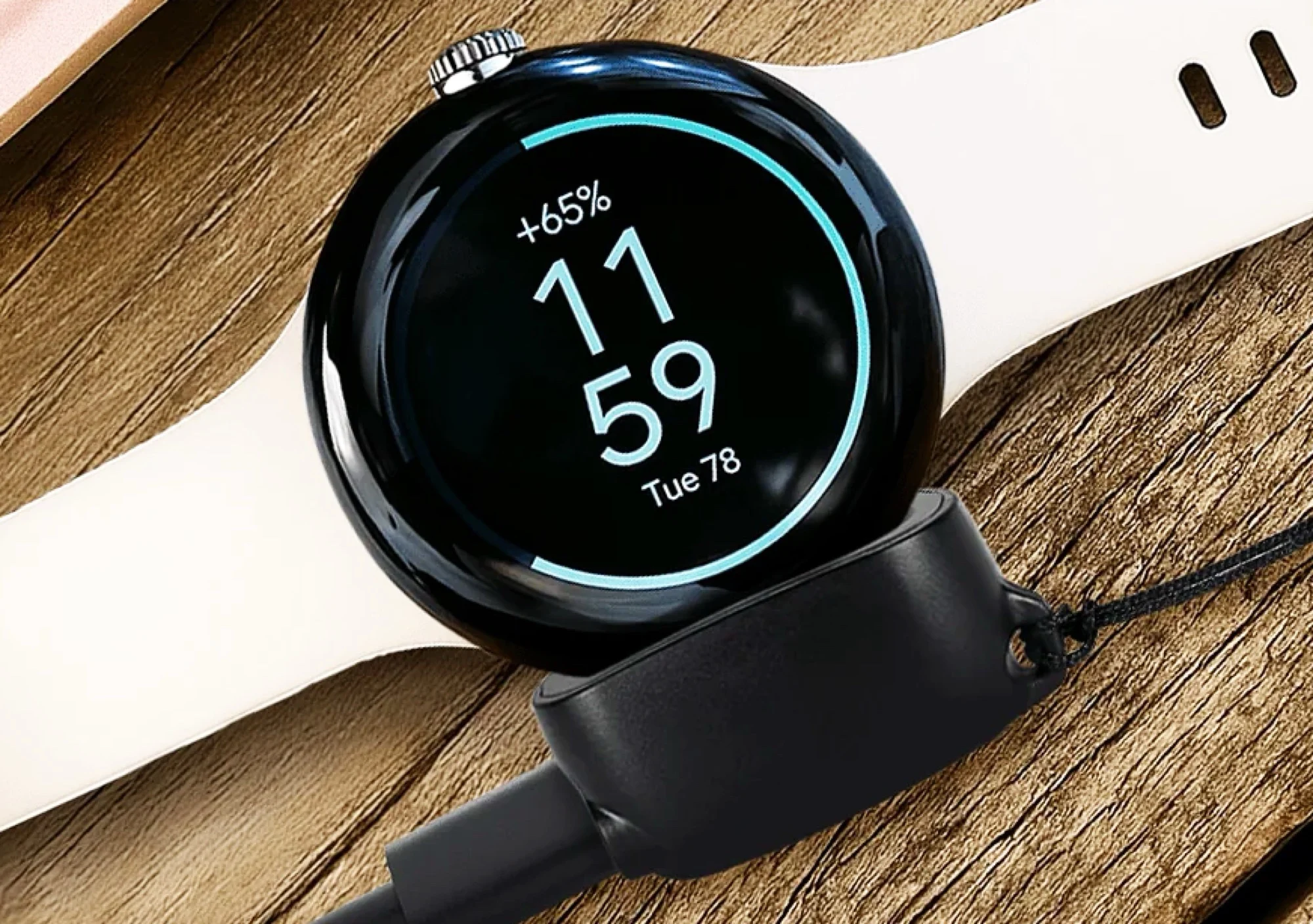
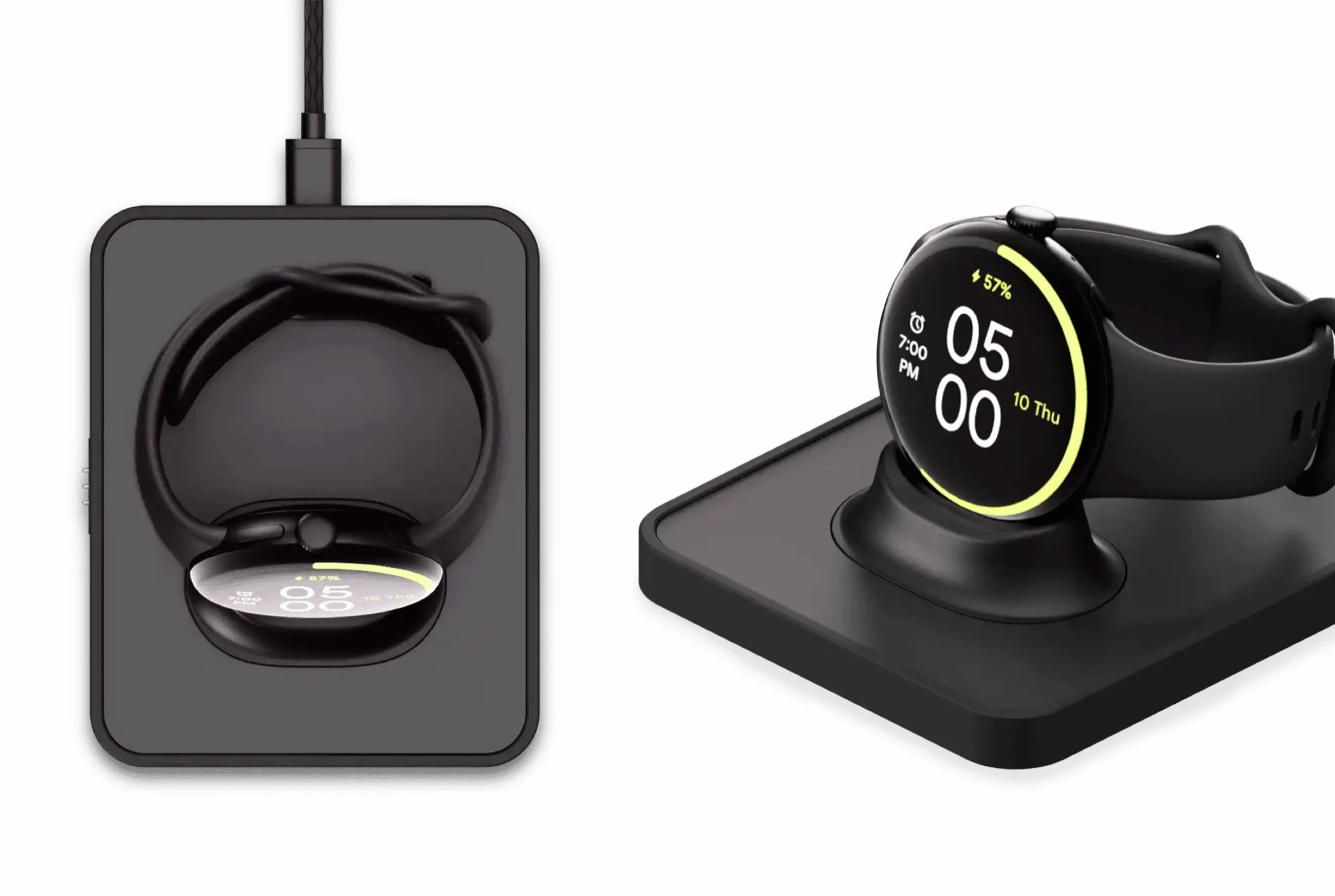
    So far, the choices for third-party chargers have been few, except for a large charging dock from Mous. However, Wasserstein, a brand known for its accessories, has introduced a travel charger that is not only more compact but also much cheaper than Google’s offering. The Wasserstein On-the-Go Charger costs around $9 and features two metal charging contacts within a small plastic casing that keeps the Google Pixel Watch 4 upright. This way, users can still see the watch display when it’s on a nightstand.

    Compact and Convenient

    This charger has a USB-C port instead of a fixed cable, making it super portable for travel. Plus, it’s easy to attach to a backpack or keychain. Wasserstein claims that the charger is Google-certified, provides charging up to 5.8 watts, and works with both the 41 mm and 45 mm variants of the Pixel Watch 4, though it does not support older models.

    The Wasserstein On-the-Go Charger for the Google Pixel Watch 4 is currently available on the company’s official website for $8.99, plus shipping costs.

    Source:
    Link


  • Google Pixel Watch 4 Launches First Third-Party Charger Option

    Google Pixel Watch 4 Launches First Third-Party Charger Option

    Key Takeaways

    1. The Mous Pixel Watch 4 charger supports up to 5.6 watts, matching Google’s original charging cable power.
    2. It features pogo pins for a magnetic connection with other compatible Mous chargers.
    3. Made from aluminum alloy and polycarbonate, 35% of the materials used are recycled.
    4. The charger dimensions are 7 x 8.75 x 2.44 cm and weighs 144 grams, making it bulkier than Google’s charging cable.
    5. Priced at $49.99, it is available in the Google Store, while Google’s official charger costs $24.99.


    The Google Pixel Watch 4 is equipped with a special charging cable that can also stand the smartwatch upright. Now, accessory maker Mous has introduced the first charger for this new smartwatch that not only holds Google’s charging cable but also includes the official charging hardware from Google.

    Charging Capabilities

    The Mous Pixel Watch 4 charger delivers power of up to 5.6 watts, matching the strength of Google’s original charging cable. For optimal performance, it’s important to connect the charger to a USB-C power adapter that has at least a 7.5 watts output. An interesting aspect of this charger are the pogo pins located on its left side, which enable a magnetic connection with another compatible charger from Mous.

    Materials and Size

    This charger is constructed using a mix of aluminum alloy and polycarbonate, with 35% of the material being recycled. It measures 7 x 8.75 x 2.44 centimeters and has a weight of 144 grams, which makes it a lot bulkier than Google’s charging cable that only weighs 39 grams.

    Pricing and Availability

    The Mous Pixel Watch 4 charger is currently priced at $49.99 available in the Google Store. In contrast, the official charging dock from Google is priced at $24.99. Mous also provides a 1.5-meter USB-C to USB-C charging cable, but users will need to buy a compatible USB-C power adapter separately.

    Source:
    Link


  • Google Pixel Watch 4: World’s Most Repairable Smartwatch, iFixit

    Google Pixel Watch 4: World’s Most Repairable Smartwatch, iFixit

    Key Takeaways

    1. Apple charges $99 for battery replacement, making DIY repairs difficult.
    2. Google Pixel Watch 4 features easy access to repairs with screws instead of adhesive.
    3. Smart design choices include a vibration motor connected via metal pins and a battery held by screws.
    4. The Pixel Watch 4 has impressive specs, including a Qualcomm Snapdragon W5+ Gen 2 chip and 32 GB of storage.
    5. The watch received a high repair score of 9/10 from iFixit, with future plans for direct consumer spare parts and repair manuals.


    Anyone looking to swap out the battery in an Apple Watch will need to fork out $99 to Apple, as attempting to do it yourself is nearly impossible. However, the new Google Pixel Watch 4 shows that fixing smartwatches doesn’t have to be a hassle.

    Easy Access to Repairs

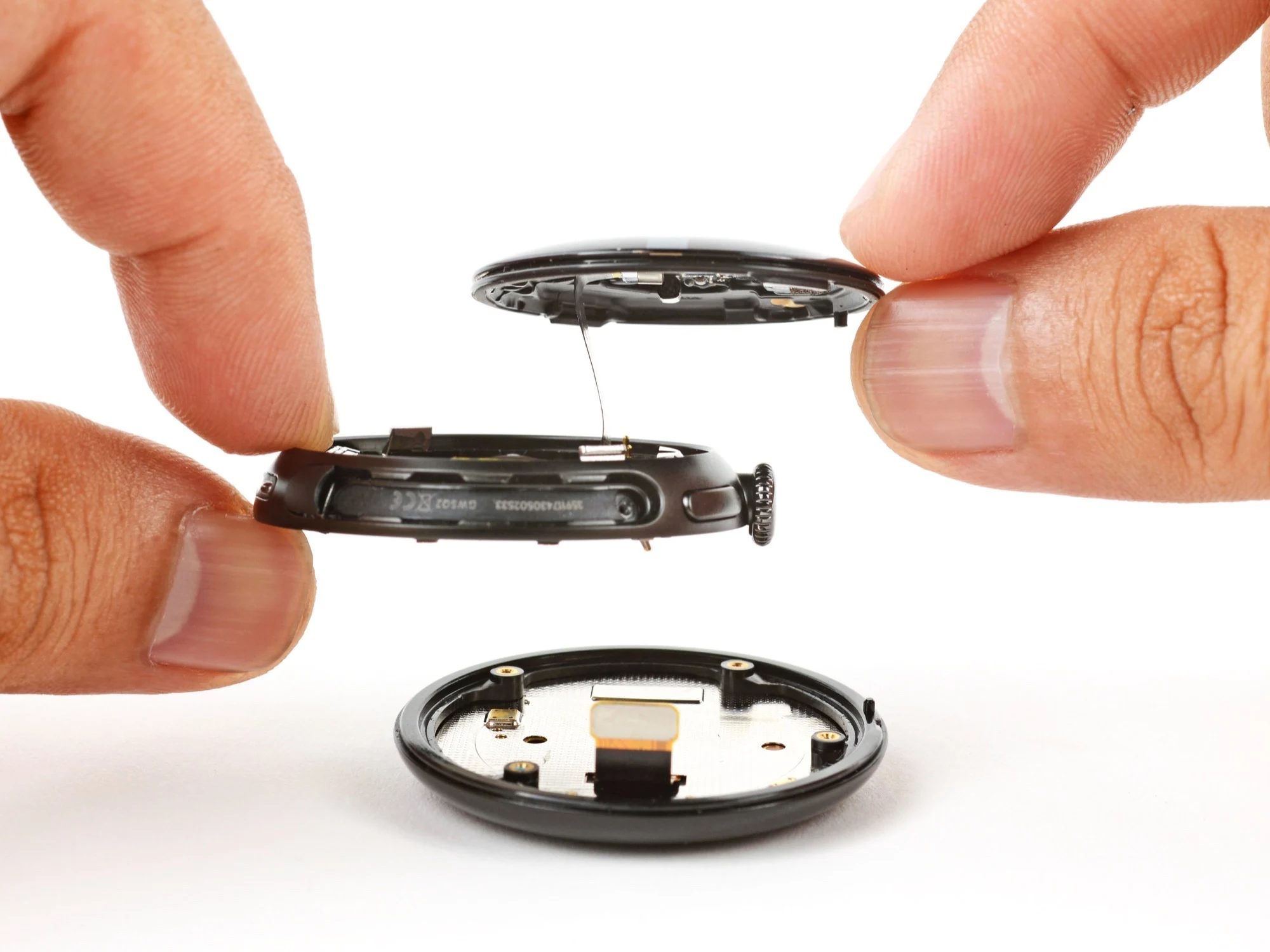
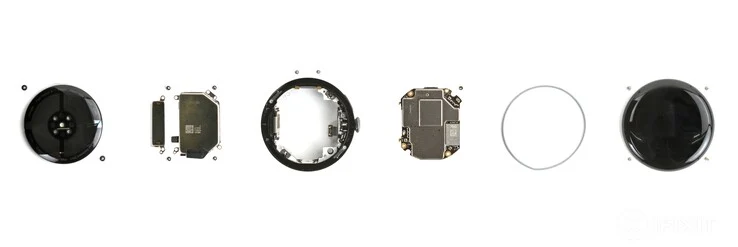
    Right from the moment you open it up, you can see the difference. Instead of using a ton of adhesive to connect the display and back, Google cleverly opts for two screws along with a rubber ring to keep the watch waterproof. After loosening these screws, which are cleverly hidden beneath the strap connector, the back can be taken off easily. This rubber ring effectively prevents water from reaching the electronics.

    Smart Design Choices

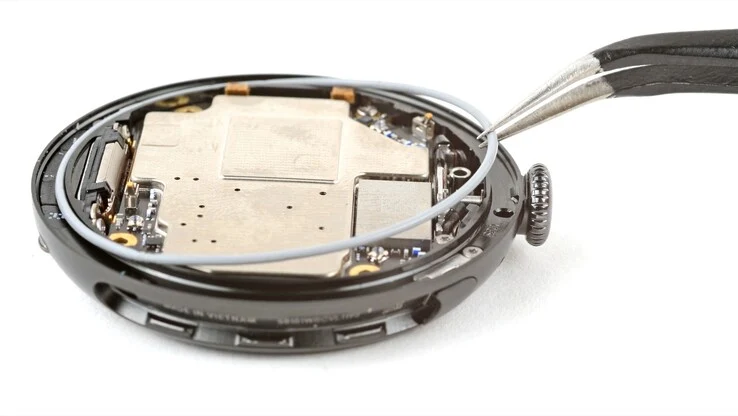
    The vibration motor connects via metal pins, eliminating the need for a flex cable that could easily get damaged during repairs. Ingeniously, the screws that secure the motor also hold the battery in position, along with two extra screws; no adhesive is used for the battery. Notably, the display is also attached with screws and a rubber ring, completely avoiding adhesive.

    Impressive Specs and Repair Rating

    Inside, the Qualcomm Snapdragon W5+ Gen 2 chip works alongside 2 GB of RAM and 32 GB of flash storage on a motherboard that is also fairly easy to replace. Overall, the Pixel Watch 4 earns an iFixit repair score of 9 out of 10 possible points—points were deducted mainly because the replacement display costs more than a new screen for many smartphones. In the future, spare parts will be sold directly to consumers, and official repair manuals are already accessible.

    Source:
    Link


  • Google Pixel Watch 4 Gets High Repairability Score from iFixit

    Google Pixel Watch 4 Gets High Repairability Score from iFixit

    Key Takeaways

    1. The Google Pixel Watch 4 features improved repairability, using screws and gasket seals instead of adhesive for its casing.
    2. The design includes concealed screws and o-rings that maintain water resistance while ensuring the back panel is securely fastened.
    3. The battery is also secured with screws, making replacement easier compared to other smartwatches that use adhesive.
    4. The Pixel Watch 4 received a high repairability score of 9 out of 10 from iFixit, a significant improvement over most smartwatches.
    5. Current Pixel Watch users may not find enough reasons to upgrade, as the new model does not offer significantly different hardware.


    The Google Pixel Watch 4 has been introduced as a refreshed smartwatch that brings only slight upgrades compared to its earlier model. While the enhancements may not appear revolutionary at first glance, the company has put a strong focus on how easy it is to repair the device, and iFixit has verified these assertions.

    Unique Design Features

    iFixit discovered that, unlike many smartwatches available today, the Google Pixel Watch 4 utilizes gasket seals and screws instead of adhesive to secure its casing. This design choice marks a notable step forward in repairability. However, this non-standard approach might raise doubts about the sturdiness of the chassis, making it possibly prone to disassembling by itself.

    Enhanced Protection Measures

    Nevertheless, iFixit pointed out that the screws activate a set of hinged arms that firmly secure the back panel. To maintain water resistance, Google cleverly concealed these screws beneath the band lugs and included special o-rings to keep the interior of the smartwatch sealed tight.

    Battery and Component Accessibility

    Another fascinating aspect of the Google Pixel Watch 4’s design is that even its battery is secured with screws. In contrast, most other smartwatches rely heavily on adhesive, which complicates battery replacement, even if the device can be taken apart easily.

    Regarding other internal parts, the trend continues, and iFixit notes that everything within the watch seems to be crafted with the idea of replaceability. This focus on repairability earned the Google Pixel Watch 4 a commendable score of 9 out of 10 on iFixit’s repairability scale, which is quite rare for smartwatches—most others assessed by the team received scores around 3 or 4.

    Considerations for Current Pixel Watch Users

    Though this impressive repairability rating may not be sufficient reason for existing Pixel Watch 3 (41 mm currently priced at $199.99 on Amazon) or 2 users to make the switch, it’s worth noting that the new smartwatch does not feature significantly different hardware. Nonetheless, this is a positive development, and if Google continues with this design philosophy, future smartwatches with enhanced hardware could prove to be more appealing than the current model.

    Source:
    Link


  • Google Pixel Watch 4 Rumored to Use Same SoC as Watch 2

    Google Pixel Watch 4 Rumored to Use Same SoC as Watch 2

    Key Takeaways

    1. The Google Pixel Watch 3 improves performance but uses the same Snapdragon W5 Gen 1 chip as its predecessor.
    2. The Pixel Watch 4 will also utilize the Snapdragon W5 Gen 1, as Qualcomm’s next-gen SoC is not yet ready.
    3. Qualcomm is developing a new wearable SoC, codenamed “aspen,” which will differ from existing models.
    4. The Pixel Watch 4 is expected to feature an upgraded battery, with the 41 mm model having a 327 mAh battery.
    5. The 45 mm version of the Pixel Watch 4 is set to maintain a 459 mAh battery, the same as the 45 mm Pixel Watch 3.


    The Google Pixel Watch 3 has recently been released, showing some enhancements over the previous model, mainly with its performance. It utilizes the same Snapdragon W5 Gen 1 chip found in the second-generation smartwatch from Google, and it appears that the forthcoming Pixel Watch 4 will also use this same SoC.

    No Upgrade in SoC for Pixel Watch 4

    According to a source close to the situation, Android Authority indicates that the Pixel Watch 4 won’t upgrade its SoC. The reasoning behind Google’s choice to maintain the Snapdragon W5 Gen 1, which powers both the second and third models, is likely due to Qualcomm’s next-gen wearable SoC still not being ready for release.

    Qualcomm’s Future Plans

    There are reports that Qualcomm is making good progress on their next-generation wearable SoC, which is rumored to carry the codename “aspen.” Previous information suggests this new chip will be different from Qualcomm’s existing ones, distinguishing itself from other wearable processors in their lineup.

    Battery Improvements Expected

    Moving back to the Pixel Watch 4, even though there seems to be no change in the SoC, it looks like the battery will see an upgrade. Specifically, earlier reports mention that the 41 mm version will feature a 327 mAh battery, while the 45 mm model is expected to have a 459 mAh battery. For comparison, the 41 mm Pixel Watch 3 (WiFi version, currently priced at $269.99 on Amazon) has a 307 mAh battery, and the 45 mm version also comes with a 459 mAh battery.

    Source:
    link