Tag: Galaxy S26 Ultra

  • Android 17: AirDrop helps switch iPhone 17 Pro to Galaxy S27

    Android 17: AirDrop helps switch iPhone 17 Pro to Galaxy S27

    Key Takeaway

    – Android 17 overhauls iOS-to-Android migration for a more seamless switch from iPhone 17 Pro to Pixel 11 Pro or Galaxy S26 Ultra.
    – The upgraded migration tool debuts on Pixel and Samsung devices, with One UI 9.0 on Galaxy Z Flip8/Z Fold8 in July, then Pixel 11 Pro in fall; other OEMs later in 2026.
    – Quick Share expands to enable AirDrop-like cross-ecosystem file sharing with iPhones and Macs across Samsung, OnePlus, Xiaomi, and others in 2026.
    – Android 17 is fully unveiled at Google I/O 2026 (May 19) with a stable launch targeted for June or July 2026.

    At the Android Show 2026, Google rolled out a sweeping revamp of the iOS-to-Android migration.

    Migration overhaul

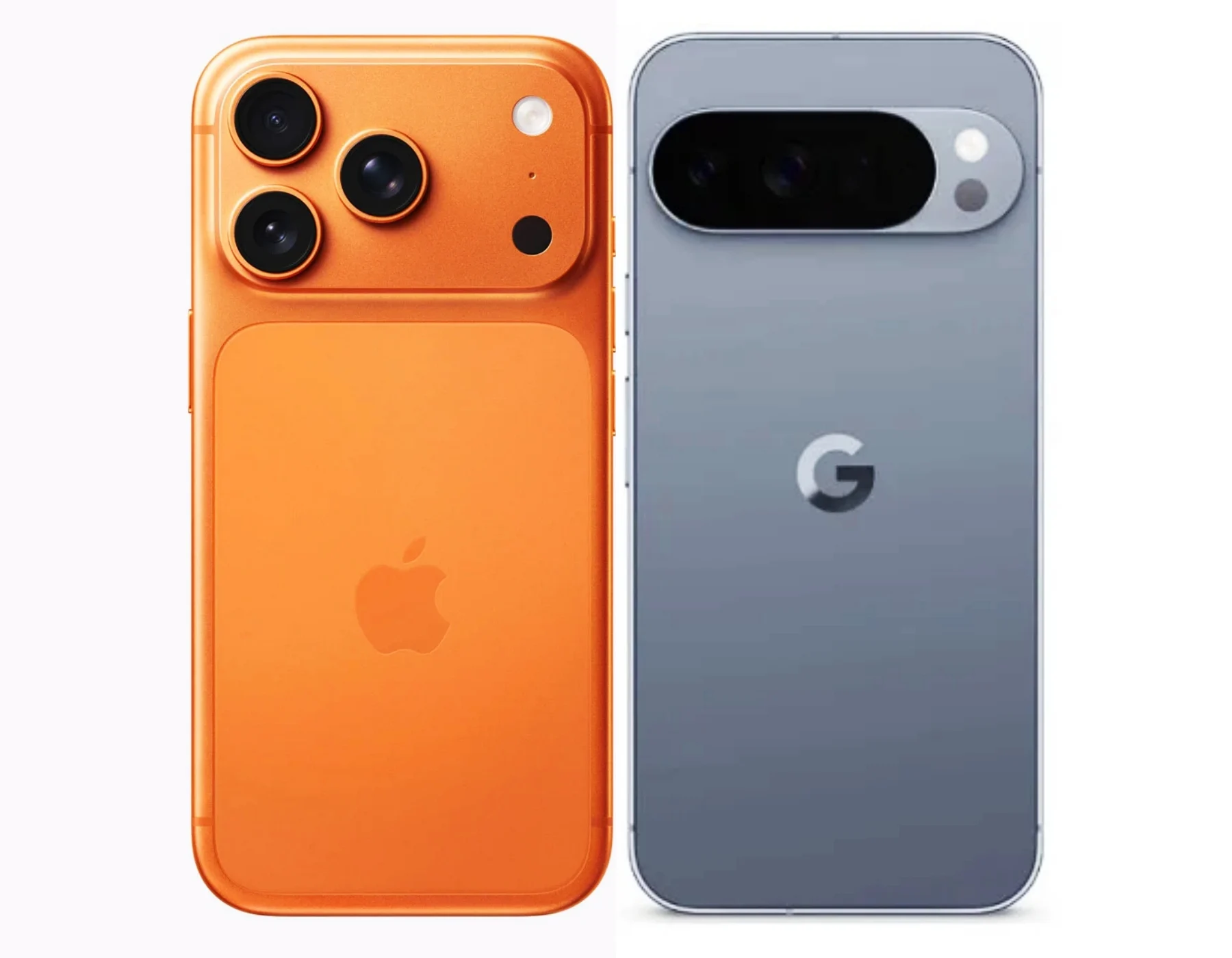
    Kicking off with Android 17, swapping an iPhone 17 Pro for devices like the Pixel 11 Pro or Galaxy S26 Ultra should be smoother than ever, Google swears.

    New device support

    The data transfer is expected to include:

    Data transfer scope

    The updated migration tool will roll out first on Pixel and Samsung gear. It should drop with One UI 9.0 on the Galaxy Z Flip8 and Galaxy Z Fold8 this July, followed by the Pixel 11 Pro this fall. Other Android OEMs will get the update later in the year.

    Rollout timeline

    As for Quick Share, Google says it’s widening its footprint. After a pilot on Pixel 10, AirDrop-like file sharing will be available on more devices from Samsung, OnePlus, Xiaomi, and friends, letting them share with iPhones and Macs.

    Quick Share expansion

    Android 17 is expected to be fully unveiled at Google I/O 2026 on May 19, with a stable official launch anticipated as early as June or July 2026.

    Sources
  • Samsung Galaxy S26 Ultra: A Camera Designed for Creators

    Samsung Galaxy S26 Ultra: A Camera Designed for Creators

    Key Takeaways

    1. Introduction of APV Codec: The Galaxy S26 Ultra is the first phone in the Galaxy line to use the new Advanced Professional Video (APV) codec, developed with Qualcomm for enhanced mobile video production.

    2. Enhanced Video Quality: APV retains more visual data during capturing and editing compared to standard codecs like HEVC, avoiding loss of intricate details.

    3. Recording Capabilities: The phone supports 8K video recording at 30 frames per second with APV, requiring about 10% less storage space than similar formats while maintaining visual quality.

    4. User-Friendly Features: Users can easily activate APV in the camera settings and choose between different profiles for quality and file size, with support for recording to external USB storage.

    5. Focus on Content Creators: APV is aimed at experienced creators, positioning the Galaxy S26 Ultra as a preferred option for video production, alongside other software enhancements like AirDrop support.


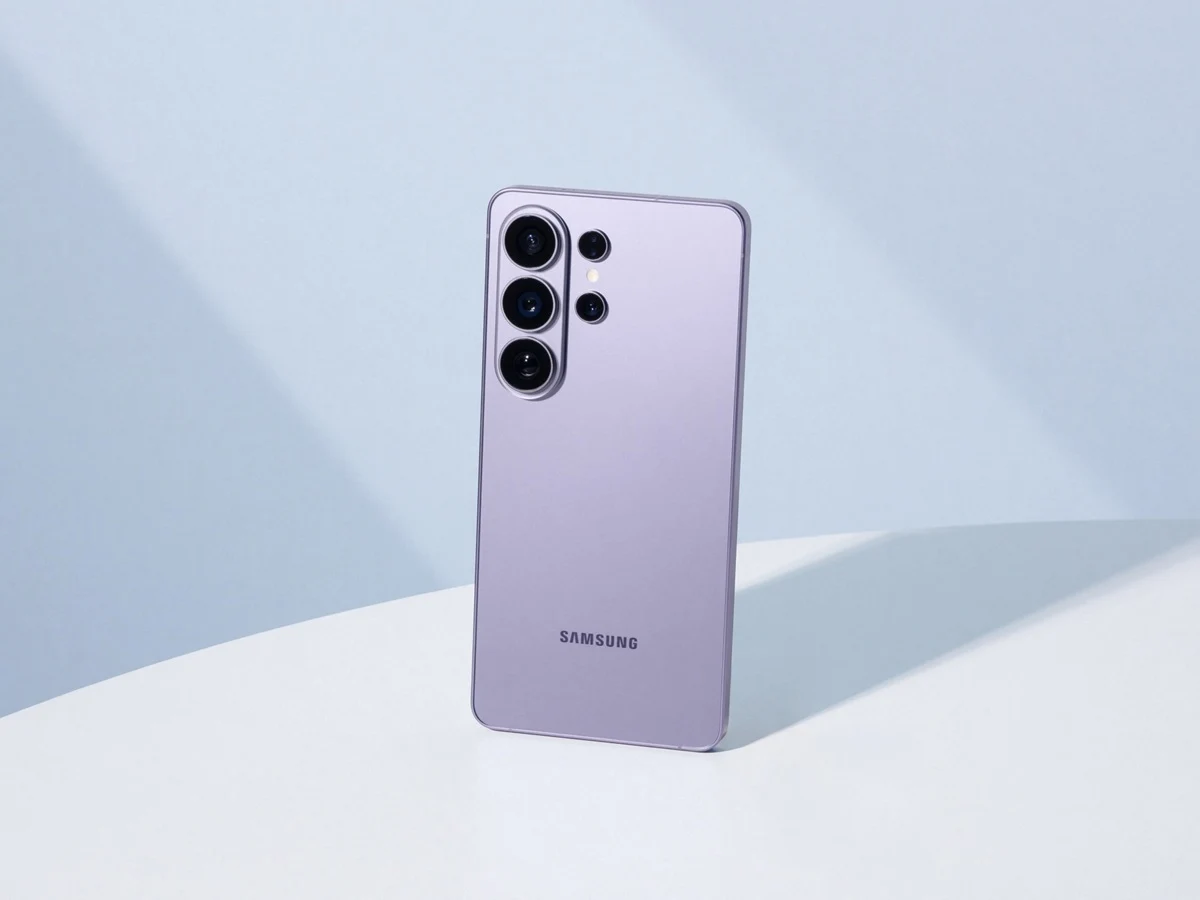
    Samsung has released a new official guide that explains the Advanced Professional Video (APV) codec for the Galaxy S26 Ultra, highlighting a unique feature aimed at content creators. In a post dated March 23, Samsung announces that the Galaxy S26 Ultra is the first phone in the Galaxy line to utilize the APV codec, which was created in partnership with Qualcomm to enhance mobile video production.

    Improved Video Quality

    According to Samsung, the APV codec is crafted to retain more visual data during both capturing and editing compared to standard smartphone codecs. The company contrasts APV with HEVC, noting that heavier compression can cause the loss of intricate details, such as textures and water droplets, especially after multiple encodings. APV is designed to maintain quality during post-production, addressing these concerns.

    Recording Capabilities

    The Galaxy S26 Ultra allows recording with APV at a maximum resolution of 8K at 30 frames per second. Samsung claims that this codec requires about 10% less storage space than similar formats while still delivering equivalent visual quality.

    Additional information from Samsung’s developer documentation reveals more technical details. The Galaxy S26 Ultra supports APV 422 HQ and APV 422 LQ profiles, with recording available in resolutions ranging from HD to 8K, based on the selected frame rate. Furthermore, APV recording can function with both internal and external storage, as long as there is at least 10% free space in the internal storage for ongoing recordings.

    User-Friendly Features

    To activate APV, users can navigate to Camera > Settings > Video Format > APV, where they can select either APV HDR or APV Log. The choice between APV 422 HQ for high-quality video and APV 422 LQ for smaller file sizes is also available. Samsung highlights that users can record footage directly to external USB storage, which is particularly beneficial for extended shoots and demanding editing processes.

    APV was first mentioned during the Galaxy S26 series launch in February, where it was presented as a new option for experienced creators focused on production. The March 23 update does not alter the phone’s hardware, but it offers Samsung a more effective way to promote the Galaxy S26 Ultra to users who prioritize video production over the latest AI functionalities.

    In a different announcement on March 23, Samsung revealed that it would be integrating AirDrop support into Quick Share for the Galaxy S26, Galaxy S26+, and Galaxy S26 Ultra, which adds yet another software feature to the flagship series.

    Source:
    Link


  • Vivo X300 Ultra Revealed: Official 800mm Camera Samples Before Launch

    Vivo X300 Ultra Revealed: Official 800mm Camera Samples Before Launch

    Key Takeaways

    1. The Vivo X300 Ultra’s release date is still unknown but is expected to launch with the X300s.
    2. The device aims to compete with high-end models like the Xiaomi 17 Ultra and Galaxy S26 Ultra, priced at $1,299.
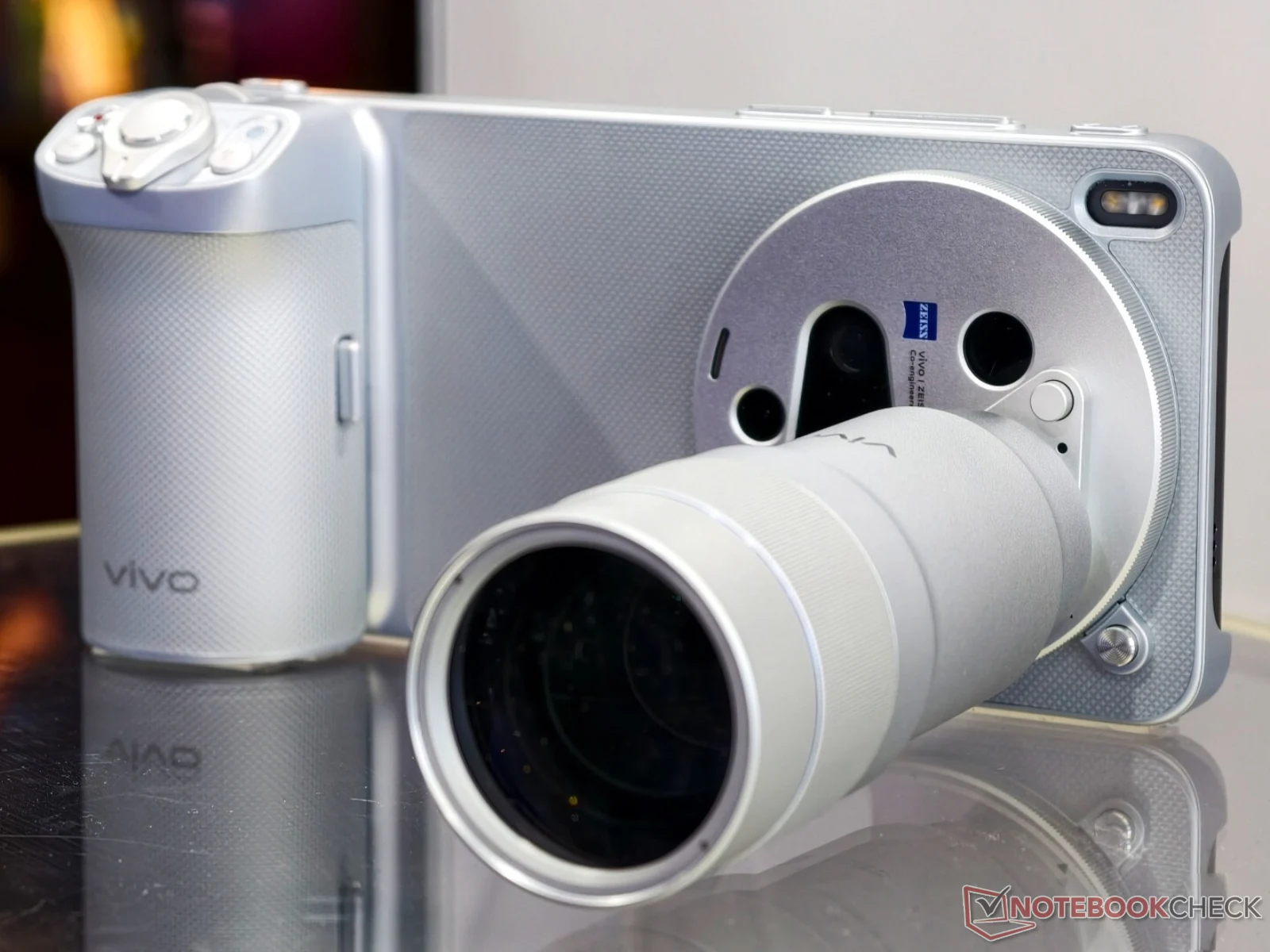
    3. The X300 Ultra features an impressive camera setup with a 35 mm main camera and two teleconverters (200 mm and 400 mm).
    4. The new teleconverter allows for high-quality photos at an equivalent focal length of 1,600 mm.
    5. Initial images from the X300 Ultra show good detail and color reproduction, but skepticism is advised until independent reviews are available.


    Officially, there are still lots of things about the Vivo X300 Ultra that we don’t know yet. The release date of the device is also a mystery at this point. Nevertheless, recent teasers suggest that the X300 Ultra will launch alongside the X300s in the same event, aiming to compete with the Xiaomi 17 Ultra and the Galaxy S26 Ultra, which is currently priced at $1,299 on Amazon.

    Camera Capabilities

    Meanwhile, one executive has been highlighting the impressive camera features of the X300 Ultra on Weibo. Just yesterday, Han Bo Xiao posted several images taken with the smartphone’s 35 mm main camera, along with its 200 mm teleconverter and a new 400 mm teleconverter. He has stated that this new accessory enables the X300 Ultra to take high-quality photos even at an equivalent focal length of 1,600 mm.

    Image Quality

    So far, the executive has only shared example images taken at focal lengths of up to 800 mm. The pictures below show a lot of detail and decent color reproduction from our perspective. However, it’s worth noting that Vivo might have made some edits to these images. Therefore, we suggest being a bit skeptical about them until we see independent reviews later this year.

    Han Bo Xiao’s

    Source:
    Link


  • Samsung Galaxy S26 Ultra Successor to Feature New Camera Upgrade

    Samsung Galaxy S26 Ultra Successor to Feature New Camera Upgrade

    Key Takeaways

    1. Samsung has launched the Galaxy S26 Ultra at a price of $1,299, with shipping starting later this week.
    2. The Galaxy S26 Ultra will serve as Samsung’s main smartphone until early 2027.
    3. Speculation about the Galaxy S27 Ultra suggests it will move away from the ISOCELL HP2 sensor used in previous models.
    4. The Galaxy S27 Ultra is expected to feature the ISOCELL HPA sensor with Lateral Overflow Integration Capacitor (LOFIC) technology for improved HDR photography.
    5. There are conflicting reports on the size of the ISOCELL HPA sensor, with predictions that it may be marketed as ISOCELL HP6 in the Galaxy S27 Ultra.


    Samsung has just introduced the Galaxy S26 Ultra worldwide (curr. $1,299 on Amazon). This model debuted alongside the Galaxy S26, Galaxy S26 Plus, and the Galaxy Buds4 series, but shipping for the Galaxy S26 Ultra won’t start until later this week. This means the Galaxy S26 Ultra is set to be Samsung’s main candybar smartphone until early 2027.

    Speculations on the Next Model

    Despite the recent launch, rumors about the successor, tentatively named the Galaxy S27 Ultra, are already surfacing. It is believed that this upcoming device will mark Samsung’s departure from the older ISOCELL HP2 sensor. For background, this 200 MP sensor has been used in all Ultra models since the Galaxy S23 Ultra, including the Galaxy Z Fold7.

    New Technology in the Pipeline

    Reports suggest that the Galaxy S27 Ultra will feature the ISOCELL HPA in some capacity, which will keep the 200 MP native output like the ISOCELL HP2. However, it will incorporate Lateral Overflow Integration Capacitor (LOFIC) technology to enhance dynamic range, especially in HDR photography.

    Sensor Size Discrepancies

    There’s a bit of a clash between Digital Chat Station and Ice Universe regarding the size of the ISOCELL HPA sensor. Currently, they are reporting sizes of 1/1.12-inch and 1/1.3-inch, respectively. Furthermore, Ice Universe anticipates that Samsung will market the ISOCELL HPA as the ISOCELL HP6 in the Galaxy S27 Ultra. At this point, we probably won’t see any concrete details about the camera hardware until late 2026.

    Source:
    Link


  • Galaxy S26 Ultra Lacks Upgrade After Display Misinformation

    Galaxy S26 Ultra Lacks Upgrade After Display Misinformation

    Key Takeaways

    1. Samsung misled consumers about the Galaxy S26 Ultra’s display, claiming 10-bit color depth while using an 8-bit panel with Frame Rate Control (FRC).
    2. The Galaxy S26 Ultra features older UFS 4.0 storage technology instead of the expected UFS 4.1 or UFS 5.0.
    3. Competitors like OnePlus, Xiaomi, Vivo, and iQOO have upgraded to UFS 4.1 in their flagship models.
    4. While UFS 4.1 offers some benefits, the difference in everyday performance between UFS 4.0 and UFS 4.1 is expected to be minimal.
    5. Samsung may have saved costs by not upgrading storage technology, leading to higher prices for the Galaxy S26 Ultra and its product lineup.


    Samsung has recently been criticized for providing misleading information about the display of the Galaxy S26 Ultra. The company claimed that the phone features a 10-bit color depth, but it actually utilizes an 8-bit panel and probably relies on Frame Rate Control (FRC) to create the appearance of 10-bit color. Furthermore, it’s been noted that the phone lacks another anticipated upgrade, but fortunately, Samsung has not given any false information regarding this aspect.

    Storage Specifications

    As reported by Phonearena, the Galaxy S26 Ultra is equipped with the older UFS 4.0 storage technology instead of the more advanced UFS 4.1 version. This is yet another feature where Samsung hasn’t made any improvements compared to the Galaxy S25 Ultra (buy on Amazon). Although the company didn’t promote the latest standard for its new flagship model, many expected that UFS 4.1 would be included, if not UFS 5.0. In contrast, the OnePlus 15 (buy on Amazon) comes with UFS 4.1 storage, and even the more affordable OnePlus Turbo 6 offers it. Other leading brands like Xiaomi, Vivo, and iQOO also feature this upgrade in their flagships.

    Performance Insights

    While UFS 4.1 is merely a slight enhancement over UFS 4.0, it does offer benefits such as swifter data access, improved memory management, and enhancements to WireBooster Buffer Resize, among other things. However, in everyday use, the difference between UFS 4.0 and UFS 4.1 will likely be minimal. The Galaxy S26 Ultra should perform as quickly, if not quicker, when transferring data compared to the Galaxy S25 Ultra.

    By sticking with the same UFS storage standard, Samsung may have cut costs while producing the Galaxy S26 Ultra. Nonetheless, some other components have seen price increases, contributing to a rise in the overall prices of the entire product lineup.

    Source:
    Link


  • Samsung Misled Media on Galaxy S26 Ultra AMOLED Color Depth

    Samsung Misled Media on Galaxy S26 Ultra AMOLED Color Depth

    Key Takeaways

    1. The Galaxy S26 Ultra has been revealed to use an 8-bit AMOLED display instead of the advertised 10-bit panel.
    2. Samsung may be utilizing Frame Rate Control (FRC) to simulate 10-bit color on the 8-bit screen.
    3. The display issue raises concerns about transparency, as Samsung did not clarify the display specs to journalists.
    4. The decision to use an 8-bit panel is part of Samsung’s cost-cutting measures to keep prices affordable for the Galaxy S26 series.
    5. There are potential implications for customer loyalty as Samsung’s financial strategies may disappoint some users expecting higher quality features.


    Less than a fortnight after its debut, the Galaxy S26 Ultra is caught up in yet another display issue. Following complaints about supposed quality problems with the new Privacy Display, it’s now been revealed that Samsung may have misled journalists about the actual color depth of the AMOLED display on the Galaxy S26 Ultra.

    Reports of Display Specs

    At the time of its launch, many outlets claimed that the Galaxy S26 Ultra featured a 6.9-inch Dynamic AMOLED display that was a 10-bit panel, marking an improvement over the 8-bit display on the Galaxy S25 Ultra. However, recent findings from SamMobile indicate that, contrary to initial media claims, the Galaxy S26 Ultra actually sports an 8-bit panel. Some have suggested that Samsung might be employing Frame Rate Control (FRC) to simulate 10-bit color on this 8-bit screen.

    FRC and Its Implications

    Even though FRC does enhance an 8-bit panel by minimizing color banding and expanding the color range, it is somewhat disappointing that Samsung did not clarify this to the press. Arun Maini, who is also known as Mrwhosetheboss, has now shared that Samsung has acknowledged the Galaxy S26 Ultra indeed uses an 8-bit AMOLED display. While this doesn’t necessarily downgrade the quality of the AMOLED panel, it does imply that the latest Galaxy flagship falls short compared to the iPhone 17 Pro Max, as Apple is utilizing 10-bit OLED panels for its iPhone 17 series.

    Cost-Cutting Measures

    This is significant because it suggests Samsung is providing a superior panel to Apple while opting for a lower quality display in the Galaxy S26 Ultra. There seems to be a logical reason for this choice, though. Prior to the launch of the Galaxy S26 series, it was widely discussed that Samsung was making budget cuts wherever possible to keep the prices of the Galaxy S26 devices affordable. Consequently, the Galaxy S26 series largely mirrors the Galaxy S25 models with few hardware updates this year.

    For example, the Galaxy S26 Ultra still comes with the same 5,000 mAh battery as its predecessor, the Galaxy S25 Ultra. Nonetheless, Samsung has managed to optimize the performance. The decision to use an 8-bit panel in the Galaxy S26 Ultra instead of a pricier 10-bit alternative aligns with Samsung’s reported efforts to cut costs.

    In conclusion, we should hold off on making any final opinions until we have the chance to test the Galaxy S26 Ultra and see how its Dynamic AMOLED display compares with the latest iPhones. However, one thing is certain: Samsung’s financial strategies could risk alienating some of its loyal customers.

    Source:
    Link


  • Privacy Display V2 for Galaxy S27 Ultra Unveiled at MWC

    Privacy Display V2 for Galaxy S27 Ultra Unveiled at MWC

    Key Takeaways

    1. Samsung introduced the Privacy Display feature with the Galaxy S26 Ultra to enhance user privacy by hiding sensitive information on the screen.
    2. The updated version of Privacy Display, showcased at MWC, allows users to conceal a larger portion of the display while keeping some content visible.
    3. The new Privacy Display enhancement will only be available in future devices and will not be added to the Galaxy S26 Ultra.
    4. The Galaxy S27 Ultra is expected to feature the upgraded Privacy Display along with potential advancements in battery technology and camera capabilities.
    5. Samsung plans to transition to Exynos processors for all Galaxy devices, with the Galaxy S27 series likely being the first to use more in-house chips.


    Samsung has unveiled a fresh feature named Privacy Display with the Galaxy S26 Ultra, which stands out as the main highlight of their new flagship. This innovative function lets users conceal their screen or sensitive details from prying eyes, utilizing a blend of hardware and software. Just weeks after its debut, the company has already revealed a version two of Privacy Display at MWC.

    Improved Privacy Features

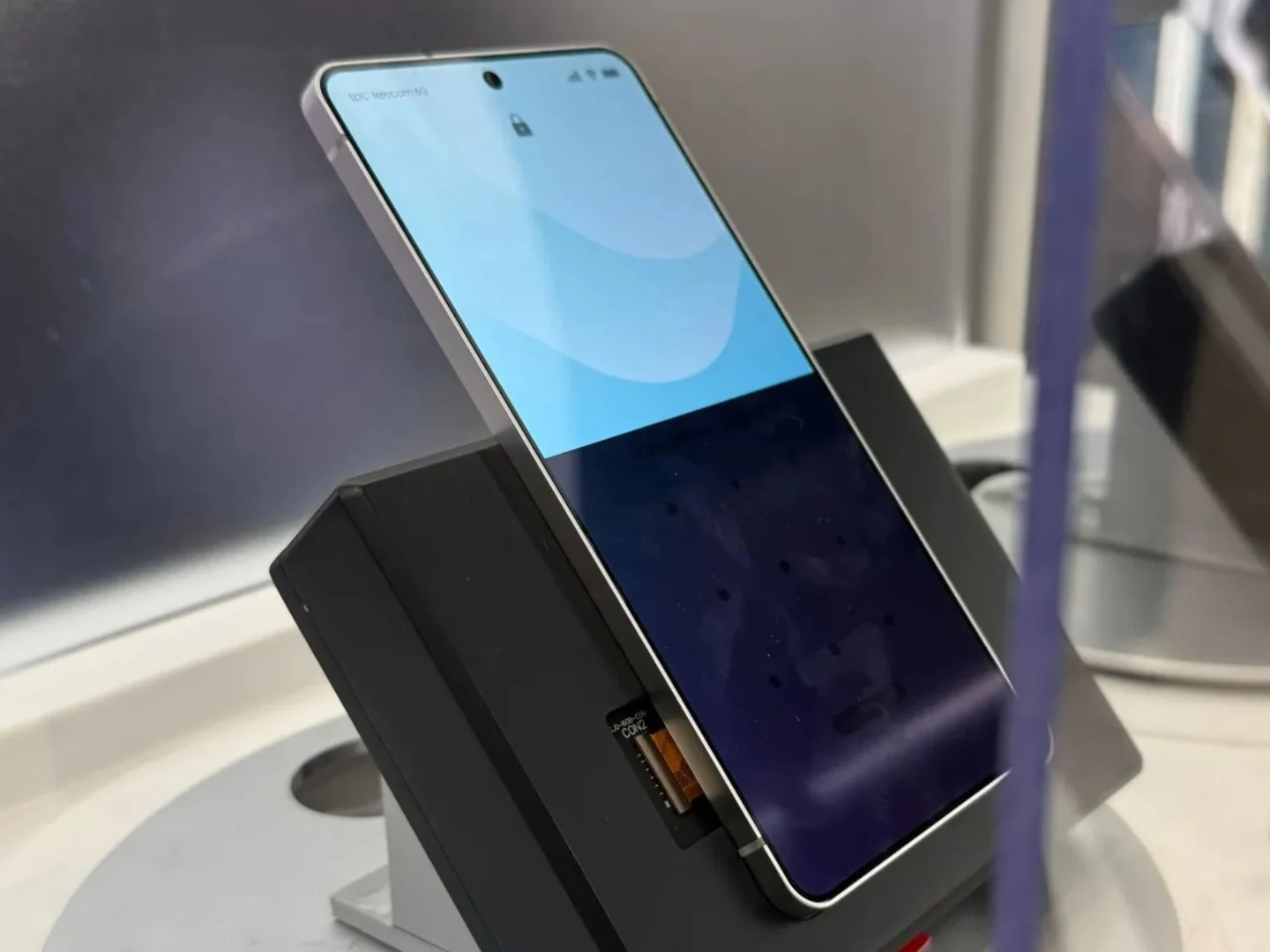
    At the event, Android Authority caught a glimpse of the enhanced Privacy Display on what appear to be Samsung prototypes resembling the Galaxy S26 Ultra. This latest iteration of the feature allows for a greater portion of the display to be obscured. While users can still hide the entire screen along with sensitive data like passwords and notifications, the new functionality permits a significant section of the screen to be concealed while the rest remains visible.

    Device Specifications

    Images released by the publication show two devices, one with half of the screen hidden and the other with just under a third obscured. Unfortunately, Samsung has indicated to Android Authority that this enhancement will only be available in new devices, meaning it won’t be available for the Galaxy S26 Ultra due to the need for new hardware.

    Future Upgrades

    Despite this, one executive hinted that the Galaxy S27 Ultra might feature this upgraded Privacy Display. If this turns out to be accurate, the Galaxy S27 Ultra is poised to be a significant advancement in the largely stagnant Galaxy S lineup. Recently, reports indicated that Samsung is looking into silicon carbon batteries, which could be part of the Galaxy S27 series. It’s also been mentioned that substantial camera improvements are expected with the Galaxy S27 Ultra.

    Moreover, another report suggested that Moon Sung-hoon, Samsung Electronics’ Vice President of Hardware, stated that the company is moving towards Exynos processors for all its Galaxy devices. While there isn’t a specific timeline for this transition, it’s likely that the Galaxy S27 series will see a higher number of phones utilizing the in-house chip.

    Source:
    Link


  • SpaceX Launches Starlink 5G Mobile Service to Compete with T-Mobile

    SpaceX Launches Starlink 5G Mobile Service to Compete with T-Mobile

    Key Takeaways

    1. SpaceX has launched Starlink Mobile to provide 5G download speeds directly to smartphones worldwide.
    2. Users can expect download speeds of up to 150 Mbps with the upcoming direct-to-cell (DTC) satellites, with a total of 15,000 planned.
    3. Current devices, like the Galaxy S26 Ultra, can access limited satellite services without changes, and future chipsets will support built-in 5G satellite connectivity.
    4. The new Starlink Mobile V2 satellites are designed for high data capacity, being 100 times more efficient than existing satellites and able to deliver gigabit network speeds.
    5. SpaceX is waiting for the Starship 3 rocket to launch the larger V2 satellites, which will enhance connectivity and data transmission capabilities.


    Just like everyone thought, SpaceX has unveiled Starlink Mobile, a new carrier network service that aims to deliver 5G download speeds right to people’s smartphones, no matter where they are in the world.

    Expected Speeds and Satellite Launches

    Once SpaceX begins launching its next-generation direct-to-cell (DTC) satellites, users can expect download speeds of up to 150 Mbps. The plan is to create a full Starlink Mobile constellation with as many as 15,000 DTC satellites.

    At the moment, SpaceX only has 650 of these satellites orbiting in low-earth space and is already providing basic cell phone service to millions across 32 countries, including users of T-Mobile in the US. The next-gen Starlink Mobile DTC satellites, referred to as V2, have 20 times the capacity for data transmission compared to the existing satellites.

    Compatibility and Future Technology

    Currently, devices such as the latest Galaxy S26 Ultra, which is currently 25% off on Amazon, can access limited satellite services like T-Mobile’s T-Satellite signal without any changes. SpaceX has collaborated with makers of mobile processors to ensure that future chipsets will have built-in 5G satellite connectivity. Qualcomm has introduced the new X105 modem, the first capable of Release 19, which is expected to support direct Starlink Mobile 5G satellite services. This modem will work with Qualcomm’s first 2 nm chipset, which will be announced later this year and will be found in smartphones by 2027, coinciding with the end of SpaceX’s bandwidth agreement with EchoStar, the parent company of Dish.

    Satellite Design and Capabilities

    The Starlink Mobile V2 satellites are about the size of a Boeing 737, which is why they are waiting for the Starship 3 rocket to launch. These satellites are designed with custom chips and phased array antennas, allowing for a data density that’s 100 times greater than the current generation.

    The upcoming generation of Starlink satellites will not only provide 5G connectivity with 150 Mbps download speeds directly to ground phones, surpassing the capabilities of a Mini dish, but they will also enable a gigabit network. This will offer speeds exceeding 1 Gbps to businesses that are equipped with the new Performance kit.

    Source:
    Link


  • Galaxy S26 Ultra: Better Thermals & 12% Longer Battery Than S25

    Galaxy S26 Ultra: Better Thermals & 12% Longer Battery Than S25

    Key Takeaways

    1. The Galaxy S26 Ultra has minimal hardware upgrades compared to its predecessor, with the notable feature being the Privacy Display.

    2. Its 5,000 mAh battery offers a runtime of 12 hours, positioning it third in performance compared to competitors like OnePlus 15 and Oppo Find X9 Pro.

    3. The device excels in thermal management, maintaining a cool temperature of around 27°C during battery life tests, unlike competitors that overheated.

    4. Despite having a smaller battery than its rivals, the S26 Ultra only lags behind in runtime by 7%, showcasing efficient optimization.

    5. Overall, Samsung has successfully balanced battery life and thermal performance in the Galaxy S26 Ultra, warranting a reassessment of the device despite initial criticisms.


    Fans and the media have really criticized Samsung for not including more hardware upgrades in the Galaxy S26 Ultra. The design and camera features of the Galaxy S26 Ultra introduce only a few new elements, with the standout being the impressive Privacy Display. Nevertheless, specifications alone do not reveal the whole picture, especially when it comes to the battery life and thermal efficiency of the Galaxy S26 Ultra.

    Battery Performance Comparison

    Although the Galaxy S26 Ultra’s 5,000 mAh battery is not as powerful as the 7,000+ mAh batteries found in the OnePlus 15 and Oppo Find X9 Pro, Samsung has seemingly optimized the battery life and thermal management of the Galaxy S26 Ultra quite effectively. In tests conducted by Mrwhosetheboss, the Galaxy flagship achieved a runtime of 12 hours, securing the third position. The Oppo Find X9 Pro and OnePlus 15 took the first two places with impressive runtimes of 14 hours 16 minutes and 12 hours 55 minutes, respectively.

    Competitors’ Performance

    Trailing behind the Galaxy S26 Ultra, the iPhone 17 Pro Max managed to last 28 minutes less. The Xiaomi 17 Ultra also struggled, only reaching 11 hours 27 minutes despite housing a 6,000 mAh battery. Meanwhile, the Galaxy S25 Ultra and the Pixel 10 Pro XL fell behind the pack, with runtimes of just 10 hours 43 minutes and 9 hours 53 minutes, respectively.

    Thermal Management Success

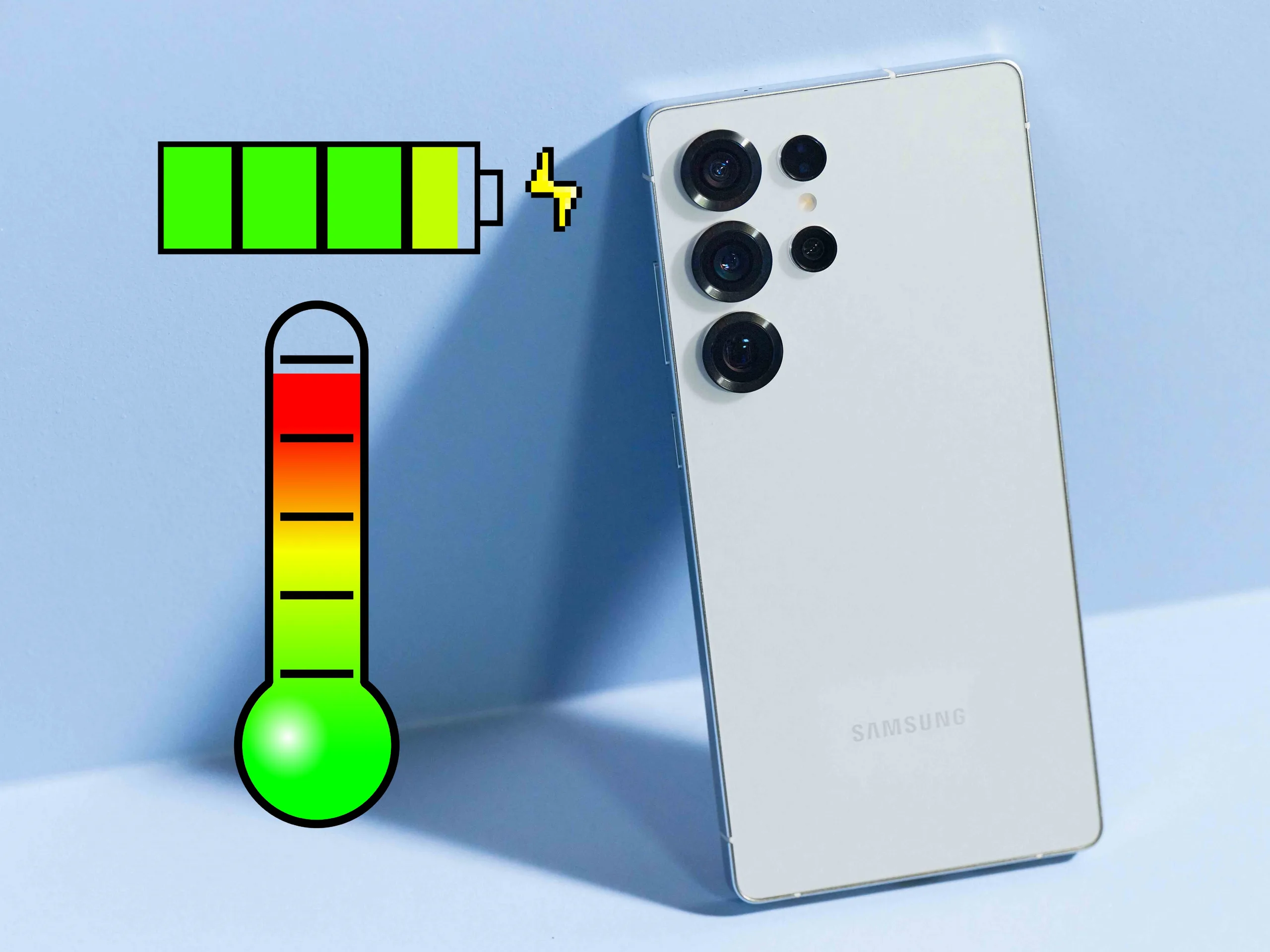
    What stands out, though, is that both the Galaxy S26 Ultra and iPhone 17 Pro Max kept their cool during testing, maintaining temperatures around 27°C while measuring battery life. In contrast, other models, like the Google Pixel 10 Pro XL, heated up to 32°C during the tests.

    Mrwhosetheboss noted similar thermal behavior under heavy usage. After gaming and completing three rounds of Geekbench, the Galaxy S26 Ultra and iPhone 17 Pro Max remained the coolest options. The Oppo Find X9 Pro, however, struggled the most, hitting temperatures of 42°C.

    Conclusion

    It appears that Samsung has effectively managed battery life and thermal performance in the Galaxy S26 Ultra. Even with a battery 32% smaller than that of the OnePlus 15, the Galaxy S26 Ultra only lags behind by 7% in battery life—all while operating at a much cooler temperature.

    If you were disheartened by the Galaxy S26 Ultra due to its less impressive hardware specs, it might be time to take another look at the Galaxy S26 Ultra with a fresh perspective.

    Source:
    Link



  • Samsung Galaxy S26 Ultra Battery Drain Test Fails Against Rivals

    Samsung Galaxy S26 Ultra Battery Drain Test Fails Against Rivals

    Key Takeaways

    1. The Galaxy S26 Ultra features a 5,000 mAh battery, similar to its predecessors, but recent tests show it may need a larger battery for better performance.

    2. In battery drain tests, the Galaxy S26 Ultra achieved 9 hours and 8 minutes, ranking near the bottom compared to competitors.

    3. Competing flagship phones outperformed the Galaxy S26 Ultra, with the iPhone 17 Pro Max at 9 hours and 41 minutes, the Xiaomi 17 Pro Max at 10 hours and 3 minutes, and the OnePlus 15 at 12 hours and 31 minutes.

    4. The previous model, Galaxy S25 Ultra, had a better performance at 8 hours and 40 minutes, placing it between the Pixel 10 Pro XL and the new S26 Ultra.

    5. Samsung is considering larger batteries for future devices and plans to implement Silicon-Carbon chemistry, following trends set by rival companies.


    Samsung has just launched the Galaxy S26 Ultra, marking it as their seventh “Ultra” smartphone. This new model carries a 5,000 mAh battery, just like its predecessors. However, despite improvements in efficiency each year, a recent battery drain test shows that Samsung should consider using larger batteries in future devices.

    Battery Performance Compared

    According to a test conducted by Tech Droider, the Galaxy S26 Ultra ranks near the bottom when compared to other current flagship phones. Specifically, it only outperforms the Google Pixel 10 Pro XL, which recorded a time of 8 hours and 22 minutes. The Galaxy S26 Ultra, in contrast, achieved a run time of 9 hours and 8 minutes.

    Competing Models

    Unfortunately for the Galaxy S26 Ultra, it falls short against several competitors. The iPhone 17 Pro Max managed 9 hours and 41 minutes, the Xiaomi 17 Pro Max reached 10 hours and 3 minutes, and the OnePlus 15 topped the list with a remarkable 12 hours and 31 minutes. For some context, last year’s Galaxy S25 Ultra had a performance of 8 hours and 40 minutes, landing it between the Pixel 10 Pro XL and the Galaxy S26 Ultra.

    The Need for Larger Batteries

    While one battery drain test is not definitive, the results suggest that Samsung needs to include larger batteries to stay competitive. For instance, the Xiaomi 17 Pro Max boasts a 7,500 mAh battery, while the OnePlus 15 is equipped with a 7,300 mAh unit. Fortunately, it seems Samsung is already considering this move, as there’s been recent acknowledgment that they will be implementing Silicon-Carbon chemistry, a trend that rival companies are already embracing.

    Source:
    Link