

Tag: Moto G87

  • Motorola Launches Affordable Moto G87 Smartphone

    Motorola Launches Affordable Moto G87 Smartphone

    Key Takeaway

    – Moto G Max is a rebranded Moto G87, launched in Brazil.
    – Powered by MediaTek Dimensity 6400 with 8GB RAM and 256GB storage (no expansion).
    – 200MP main camera with OIS, 8MP ultrawide, and 32MP front camera.
    – 6.8-inch 120Hz AMOLED display with 5,000-nit peak brightness.
    – 5,200mAh battery with 33W charging, IP68 rating, and Android 16 out of the box.


    New Model Hits Brazil

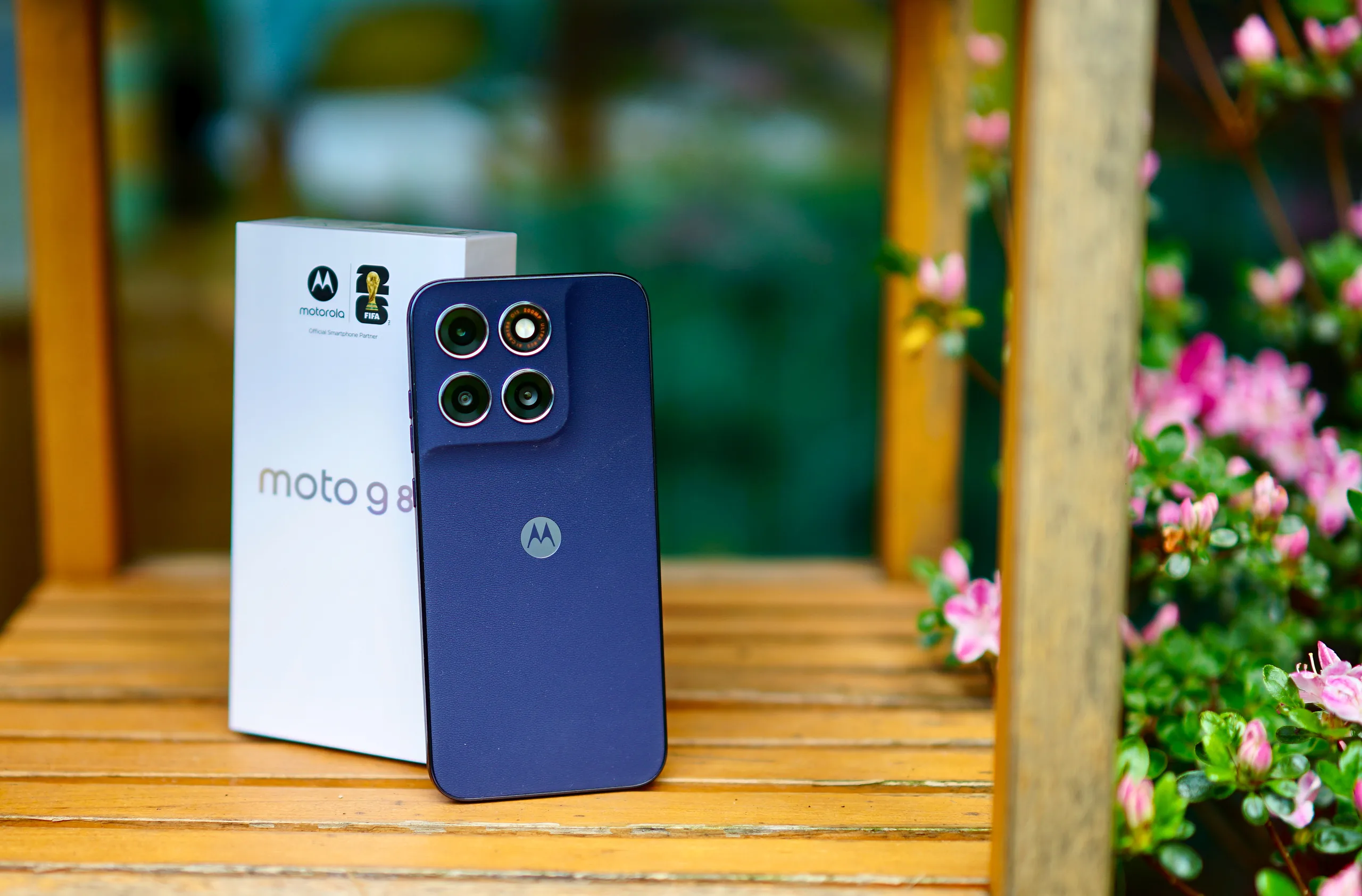
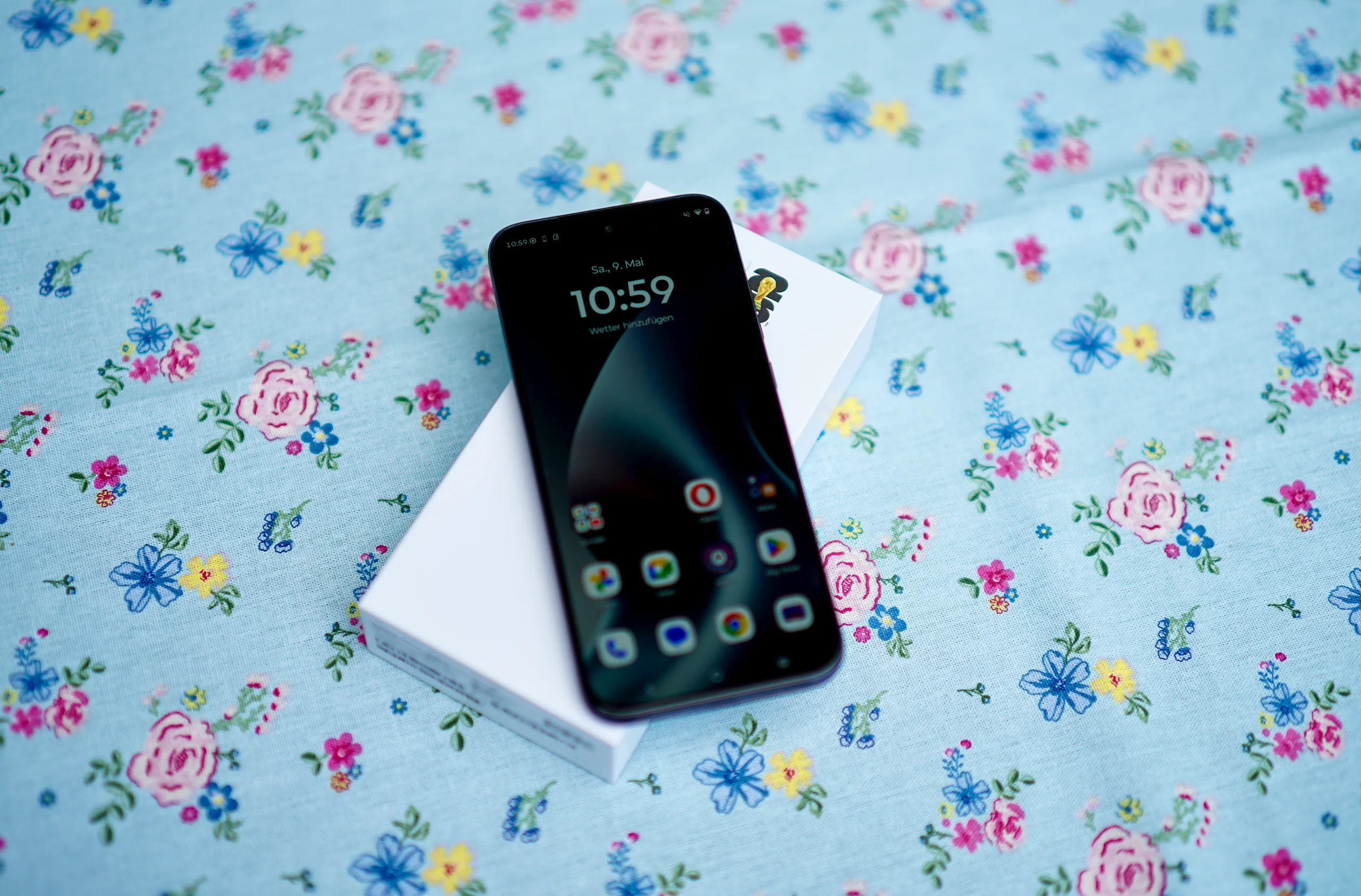
    Motorola has launched the Moto G Max smartphone in Brazil, which is a rebranded version of the Moto G87 that debuted earlier this year. It retains the core specifications and even dimensions of the Moto G87. We don’t know the logic behind launching the same phone with different names, but Motorola might have its own reason. As for price, the Moto G Max is priced at BRL 2,519.10 (~$488) for the sole 8 GB RAM + 256 GB model.

    Internal Hardware and Software

    Under the hood, the smartphone is powered by the MediaTek Dimensity 6400 chipset paired with 8 GB of RAM and 256 GB of internal storage with no room for storage expansion. Software-wise, it runs Android 16 out of the box. As usual, there’s no word on its software support from the brand.

    Camera and Battery Combo

    For photography, you get a 200 MP primary sensor with an f/1.8 aperture and OIS and an 8 MP ultrawide shooter. For selfies, there’s a 32 MP snapper at the front. A 5,200 mAh battery powers the entire unit and supports 33 W wired charging. Moreover, the G Max sports a 6.8-inch AMOLED display with 2772 x 1272 pixel resolution, a 120 Hz refresh rate, and 5,000-nit peak brightness. Plus, there’s Gorilla Glass 7i protection on top.

    Additional Attributes

    Other features include stereo speakers with Dolby Atmos support, IP66/IP68/IP68 water and dust resistance ratings, MIL-STD-810H certification, and an in-display fingerprint sensor. It measures 7.38 mm (0.29 inch) in thickness and weighs 183 grams (0.40 lbs). The smartphone is now available for purchase via Motorola Brazil’s website.
    Sources

  • Motorola Phone Performance Drops 20% in Tests

    Motorola Phone Performance Drops 20% in Tests

    Key Takeaway

    – Core takeaway: The Moto G87 shows a notable performance drop vs. its predecessor, affecting fast app launches and multitasking, with up to ~20% lower scores in synthetic benchmarks.
    – Real-world impact: Everyday tasks are fine, but complex operations, large files, and gaming/heavy apps experience noticeable delays and slower navigation.
    – Positioning: The device is better suited for light tasks and budget-oriented use; more demanding users should consider alternatives.


    Overview of the Moto G87 Performance

    The Motorola Moto G87 shows a significant drop in performance in the benchmarks compared to its predecessor. Although the chip used delivers solid values for everyday use, it falls short of expectations. This weakness is particularly evident in demanding applications. The MediaTek Dimensity 6400 is a processor that is more likely to be found in the cheaper segments. In the Moto G87 this leads to a noticeable drop in performance of up to 20 % compared to its predecessor. This is a critical point for users who rely on fast app launch times and smooth multitasking.

    Benchmark Scores and Real-World Use

    In synthetic tests such as AnTuTu and Geekbench, the scores are significantly lower than those of the predecessor model. The CPU and GPU performance is sufficient for everyday tasks, but the device quickly reaches its limits in games or heavy applications. The heat development is moderate. In everyday use, you notice the difference when navigating between apps or opening large files: While simple tasks still run smoothly, complex processes are noticeably delayed.

    User Experience and Target Audience

    Users who work a lot with their smartphone will find these delays annoying. The drop in performance is particularly noticeable in direct comparison with the Moto G86: The predecessor offered significantly higher computing power, which was necessary for demanding applications. The Moto G87 on the other hand, is more suitable for light tasks, which limits the device’s target group. Those who rely on fast performance should look for alternatives, while occasional users may be able to live with the limitations.

    Final Thoughts and Recommendation

    You can find out more about the Moto G87 and whether we can ultimately recommend it in our detailed test. Review of the Motorola Moto G87

    Sources
    • Is 3,500 Nits Brightness Too Bright for Daily Use?

      Is 3,500 Nits Brightness Too Bright for Daily Use?

      Key Takeaway

      – Industry-leading brightness for a mid-range display, excelling in direct sunlight and extreme lighting conditions.
      – Noticeable balance issues: high peak brightness drains battery and reduces continuous brightness, causing more frequent charging.
      – Eye comfort and usability trade-offs: indoors the panel can feel too intense; automatic brightness can be sluggish, leading to abrupt brightness jumps.
      – Color accuracy and viewing angles remain competitive vs. rivals, but overall energy efficiency and automatic brightness limits temper daily use.


      Motorola Moto G87 review highlights

      The Moto G87 stands out in the mid-range arena with its 6.78-inch extreme AMOLED panel, boasting a peak brightness that tops around 3,500 nits in our testing and claims up to 5,000 nits per the manufacturer. It sports a 1.5K resolution and a 120 Hz refresh rate, aiming to outshine many rivals while staying near the 450 US$ price point. This section preserves the original pricing and spec details as requested, though the exact currency and price may vary over time.

      Display performance in real life

      In everyday use, the screen provides exceptional brightness that can ensure readability even under direct sunlight according to laboratory measurements. Yet indoors, the same panel can feel too intense, potentially tiring the eyes after longer sessions. The best brightness is not constant; it only appears under certain conditions, while the sustained brightness is notably lower, affecting how the display looks during extended use. The high energy draw also impacts battery life, resulting in more frequent charges during heavy tasks.

      Brightness comparisons

      When directly compared to the Samsung Galaxy A57, the Moto G87 demonstrates superior brightness, making it easier to read in bright environments. The Samsung, however, keeps a solid edge in color accuracy and viewing angle stability. For everyday users, this means the Moto G87 can excel in bright outdoor situations but may require dimming indoors or under artificial lighting. Automatic brightness responds with a slight delay at times, which can cause abrupt changes in screen intensity.

      Energy efficiency and overall balance

      Overall, the phone delivers a display that sits near the top of mid-range brightness. Yet the trade-offs include energy efficiency concerns and imperfect automatic adjustments. These drawbacks detract from its otherwise strong display performance, and they weigh into the overall recommendation. You can explore these factors in our complete test report to understand why a cautious verdict is warranted despite the standout brightness.

      Conclusion

      The Motorola Moto G87 offers a display that pushes the mid-range envelope in brightness, but its high energy requirements and imperfect automatic brightness adjustments create a mixed picture. With 6.78 inches of extreme AMOLED, it keeps pace with competitors in some aspects while lagging in others, pushing buyers to weigh the importance of brightness against battery longevity and ease of use in varied lighting.

      Sources
      • Is 3500 nits too bright for daily smartphone use?

        Is 3500 nits too bright for daily smartphone use?

        Key Takeaway

        – Extremely bright display for direct sunlight, with superior peak brightness versus competitors like the Samsung Galaxy A57.
        – High energy demand leads to shorter battery life and more frequent charging under intensive use.
        – Indoor/ shaded use can feel excessively intense, and automatic brightness reacts sluggishly, causing brightness jumps.
        – Continuous (average) brightness is notably lower than peak specs, affecting consistency in real-world viewing.
        – Overall, while the display is top-tier for mid-range, energy efficiency and auto-adjustment drawbacks temper everyday appeal.


        The Motorola Moto G87 sets standards in the mid-range with its 6.78-inch extreme AMOLED display: With a peak brightness of up to 3,500 nits in our test (up to 5,000 nits according to the manufacturer) and a 1.5K resolution at 120 Hz refresh rate, it outperforms many competitors at a price of around 450 US$.

        Introduction

        However, this technical superiority also comes with challenges that are noticeable in everyday life. The lab measurements confirm an exceptional brightness that guarantees perfect readability even in direct sunlight. Indoors, however, the panel sometimes appears too intense, which can quickly tire the eyes. The high peak brightness is only achieved under certain conditions, while the continuous brightness is significantly lower. The battery life suffers from this high energy requirement, which leads to more frequent charging cycles during intensive use.

        Real-World Performance

        In a direct comparison with the Samsung Galaxy A57, the Moto G87 shows superior brightness, while the competitor’s display loses legibility in the same lighting conditions. Nevertheless, the Samsung device remains competitive in terms of color accuracy and viewing angle stability. For everyday use, this means that the Moto G87 shines in extreme lighting conditions, but often has to be dimmed in the shade or under artificial lighting. The automatic brightness control reacts somewhat sluggishly from time to time, which can lead to unpleasant jumps.

        Display and Efficiency

        The Moto G87 offers a display that is at the forefront of the mid-range in terms of brightness. However, there are drawbacks in terms of energy efficiency and automatic adjustment. You can find out why we cannot recommend the phone without hesitation despite its great display in our detailed test report.