
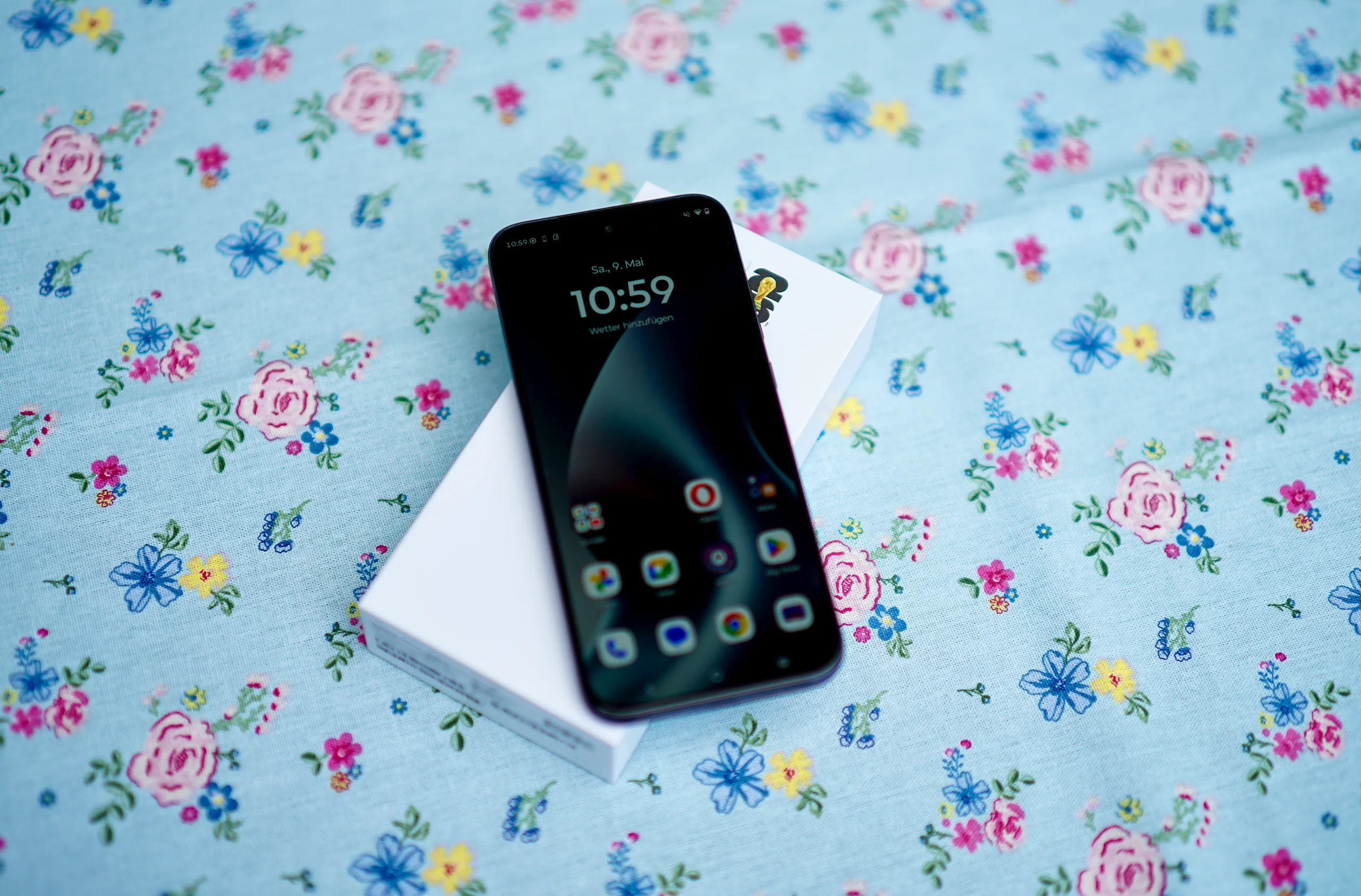
– Industry-leading brightness for a mid-range display, excelling in direct sunlight and extreme lighting conditions.
– Noticeable balance issues: high peak brightness drains battery and reduces continuous brightness, causing more frequent charging.
– Eye comfort and usability trade-offs: indoors the panel can feel too intense; automatic brightness can be sluggish, leading to abrupt brightness jumps.
– Color accuracy and viewing angles remain competitive vs. rivals, but overall energy efficiency and automatic brightness limits temper daily use.
Motorola Moto G87 review highlights
The Moto G87 stands out in the mid-range arena with its 6.78-inch extreme AMOLED panel, boasting a peak brightness that tops around 3,500 nits in our testing and claims up to 5,000 nits per the manufacturer. It sports a 1.5K resolution and a 120 Hz refresh rate, aiming to outshine many rivals while staying near the 450 US$ price point. This section preserves the original pricing and spec details as requested, though the exact currency and price may vary over time.
Display performance in real life
In everyday use, the screen provides exceptional brightness that can ensure readability even under direct sunlight according to laboratory measurements. Yet indoors, the same panel can feel too intense, potentially tiring the eyes after longer sessions. The best brightness is not constant; it only appears under certain conditions, while the sustained brightness is notably lower, affecting how the display looks during extended use. The high energy draw also impacts battery life, resulting in more frequent charges during heavy tasks.
Brightness comparisons
When directly compared to the Samsung Galaxy A57, the Moto G87 demonstrates superior brightness, making it easier to read in bright environments. The Samsung, however, keeps a solid edge in color accuracy and viewing angle stability. For everyday users, this means the Moto G87 can excel in bright outdoor situations but may require dimming indoors or under artificial lighting. Automatic brightness responds with a slight delay at times, which can cause abrupt changes in screen intensity.
Energy efficiency and overall balance
Overall, the phone delivers a display that sits near the top of mid-range brightness. Yet the trade-offs include energy efficiency concerns and imperfect automatic adjustments. These drawbacks detract from its otherwise strong display performance, and they weigh into the overall recommendation. You can explore these factors in our complete test report to understand why a cautious verdict is warranted despite the standout brightness.
Conclusion
The Motorola Moto G87 offers a display that pushes the mid-range envelope in brightness, but its high energy requirements and imperfect automatic brightness adjustments create a mixed picture. With 6.78 inches of extreme AMOLED, it keeps pace with competitors in some aspects while lagging in others, pushing buyers to weigh the importance of brightness against battery longevity and ease of use in varied lighting.
Leave a Reply