1. The Snapdragon X2 Elite chip offers exceptional battery life, outperforming MacBook Air and previous X models, with up to 25 hours in real-world testing.
2. The chip delivers around 20% better multi-core performance than current competitors and maintains consistency whether plugged in or on battery.
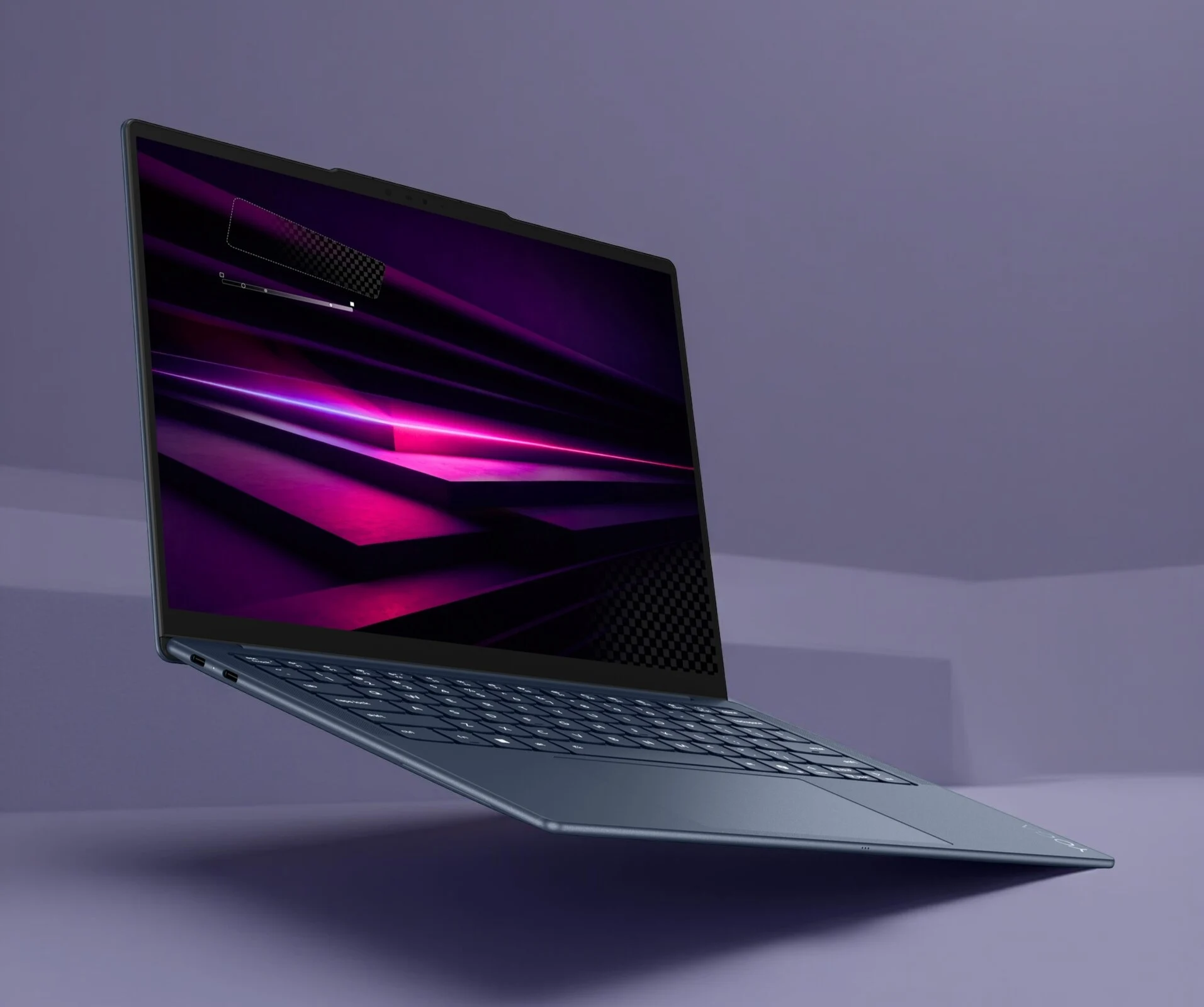
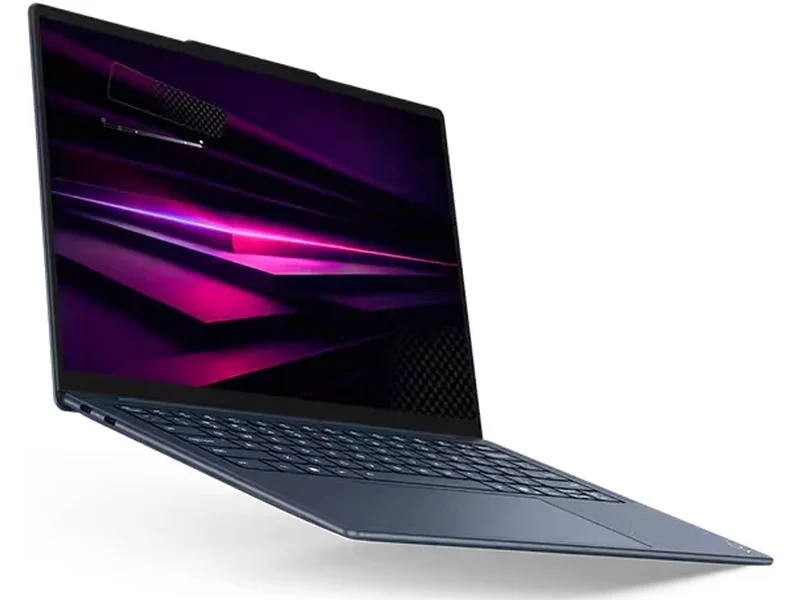
3. The Yoga Slim 7x 2026 features a 14-inch 2.8K OLED display at 120Hz, improved design with lighter weight, and upgraded cooling and audio systems.
4. Software compatibility has improved with native Windows-on-ARM apps, though some games still rely on emulation and face compatibility issues.
Impressive Battery Life of Lenovo Yoga Slim 7x
Recently, Youtuber Dave2D shared a teaser about his new review of the Lenovo Yoga Slim 7x equipped with the Snapdragon X2 Elite. And boy, does it impress, especially with its battery performance. It not quite reaches the promises made by Lenovo though, but it still outperforms the MacBook Air quite surprisingly. In some video playback tests, it can last up to 31 hours, though typical usage hits around 25 hours with it’s 70 Wh battery. Keep in mind, this was a pre-production unit, so real-world performance might vary a bit. Still, this is an upgrade over the first Snapdragon X Elite models from last year by about 6 hours, and it even surpasses Apple’s newest MacBook Air models.
Performance Benchmarks and Real Life Usage
Now, what about its processing power? Dave2D ran Cinebench 2024 benchmarks and found that the Snapdragon X2 Elite outperforms other current chips like the AMD Ryzen AI HX 470, Intel Core Ultra X9 388H, and the Apple M5 by approximately 20% in multi-core tests. When it comes to single-core speeds, it’s not quite as fast as the M5, but it still leaves Intel and AMD options behind. But the real question is, do these synthetic benchmarks translate into everyday use?
In practice, the X2 Elite seems to shine, especially in Blender where it beats the competition pretty easily and matches performance in Premiere Pro with Intel and AMD rivals. More impressively, the chip maintains the same performance whether your device is plugged in or running solely on battery, a rarity among competing chips from Intel and AMD. Power efficiency here is key and Lenovo has managed to excel in that area.
Software Compatibility and Gaming Performance
On connectivity, Dave2D mentions that most Windows-on-ARM applications are now native, and they’ve addressed the compatibility issues from last year’s models. However, gaming is still a mixed bag; many games rely on Prism emulation, which is decent at 1080p medium settings, but some titles are off-limits due to anti-cheat restrictions, including popular games like Apex Legends, Valorant, and LoL. The iGPU’s performance, though, is promising given the limitations, making casual gaming quite feasible on this device.
Design, Display, and Pricing Details
The Yoga Slim 7x 2026 notably reduced weight down to 1.17 kg and shrunk the screen size slightly to a 14-inch display instead of a 14.5-inch. The highlight is the new 2.8K OLED panel boasting 120 Hz refresh rate, 100% P3, and AdobeRGB color coverage, with a brightness up to 1100 nits—all of which promise vibrant visuals. Cooling has also been improved with a flat heatpipe system that keeps fan noise low, around 28 dB in Quiet mode and up to 43 dB if you switch to Performance mode. In addition, the upgrade includes four speakers instead of two, offering much better audio quality.
Initially, Lenovo indicated that the 16 GB RAM models of the Yoga Slim 7x would start at $900. However, due to current shortages in RAM and storage components, the final prices may go over $1000 once the laptops hit the market. When considering the specs and performance, it seems to be a worthwhile upgrade for professionals and casual users alike.