
Tag: Europe availability

  • Xiaomi Mini LED Gaming Monitor: 180 Hz VRR, 2,000 Nits

    Xiaomi Mini LED Gaming Monitor: 180 Hz VRR, 2,000 Nits

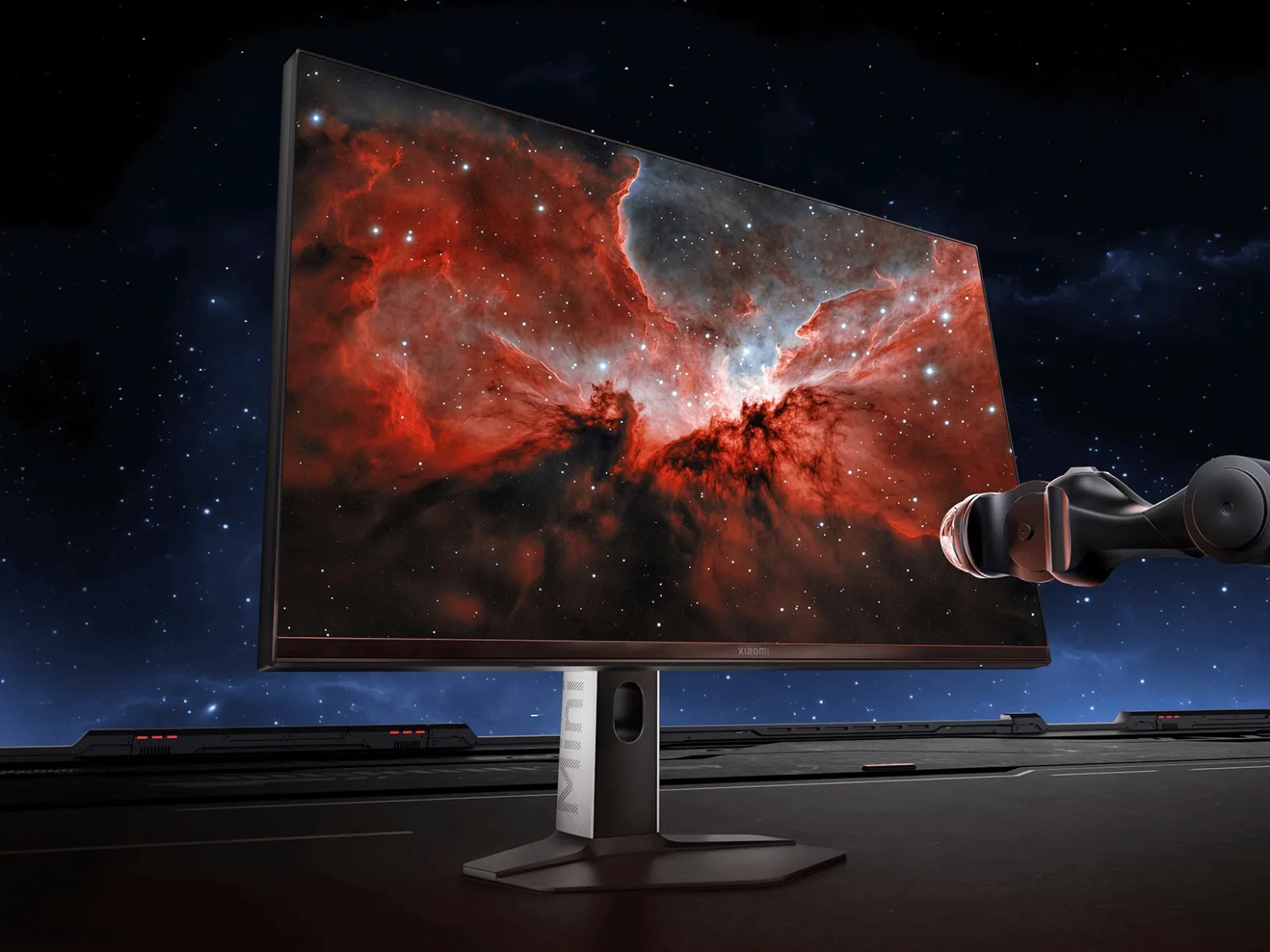
    – Xiaomi’s Mini LED Gaming Monitor G Pro 27Qi 2026 is now available in Italy, Spain, and the UK.
    – It features 1,152 Mini LED zones, 2,000 nits peak brightness, and VESA DisplayHDR 1000 certification.
    – The monitor offers a 27-inch 2560 x 1440p resolution, 180 Hz refresh rate, 1 ms response time, and ΔE<1 color accuracy. - It includes dual DisplayPort 1.4 and HDMI 2.0 ports, adjustable stand, and 75x75 mm VESA mount support. - Priced at €349 in Italy/Spain and £309 in the UK, available via Xiaomi’s website and third-party retailers like Amazon.[/key]


    Xiaomi’s Latest Mini LED Gaming Monitor Gets a Wider Release

    Xiaomi has finally given its latest Mini LED gaming monitor a wider release, first listing it on they’re global website in December 2025. The Mini LED Gaming Monitor G Pro 27Qi 2026 then reached Australia a month later. In April the same monitor landed in Japan and select European markets. Now, Xiaomi has quietly expanded availability to Italy, Spain and the UK. This monitor is becoming more accessable for gamers across different regions, which will boost sales significantly.

    Premium Specs and Pricing Details

    The G Pro 27Qi 2026 may be a 27-inch monitor, however it is a far more premium alternative to the existing Gaming Monitor G27i series (curr. $149 on Amazon). While the latter outputs at 250 nits, 1,152 Mini LED local dimming zones provide the former with up to 2,000 nits peak brightness. Also VESA DisplayHDR 1000 certified, the G Pro 27Qi 2026 boasts over 95% DCI-P3 colour space coverage too, with black levels that should not breach 0.05 nits. Its got incredible contrast and colour for a monitor of this price range, making it a steal for content creators.

    • 27-inch Mini LED panel
    • 2,000 nits peak brightness
    • VESA DisplayHDR 1000 certification
    • Over 95% DCI-P3 colour space
    • Black levels below 0.05 nits

    Connectivity and Stand Options

    Xiaomi complements these elements with a 2,560 x 1,440-pixel native resolution, 1 ms GtG response times and ∆E less than 1 colour accuracy. Moreover the monitor offers a 180 Hz refresh rate with VRR support. On top of that Xiaomi includes a 3.5 mm jack plus dual DisplayPort 1.4 and HDMI 2.0 ports. The monitor contain an adjustable stand too, as well as 75 x 75 mm VESA mounts for third-party stands and wall mounting. This makes it super versatile for different gaming setups, whether you prefere desk or wall mounting.

    • 2,560 x 1,440 native resolution
    • 1 ms GtG response time
    • Delta E less than 1 colour accuracy
    • 180 Hz refresh rate with VRR
    • DisplayPort 1.4 (x2) and HDMI 2.0 (x2)
    • Adjustable stand and VESA mount

    European and UK Pricing Breakdown

    Xiaomi sells the Mini LED Gaming Monitor G Pro 27Qi 2026 for €349 in Italy and Spain, matching how much the monitor costs in Germany. Meanwhile the company charges £309 in the UK. Although sold on Xiaomi’s website the Mini LED Gaming Monitor G Pro 27Qi 2026 is available from third parties like Amazon. Please see Xiaomi’s website for more details. For these prices you get a monitor that rivals more expensive brands, offering HDR1000 and 180Hz without breaking the bank at all.

  • Lenovo New 14-Inch Laptop with Intel Lunar Lake Processor and 70Wh Battery

    Lenovo New 14-Inch Laptop with Intel Lunar Lake Processor and 70Wh Battery

    Key Takeaway

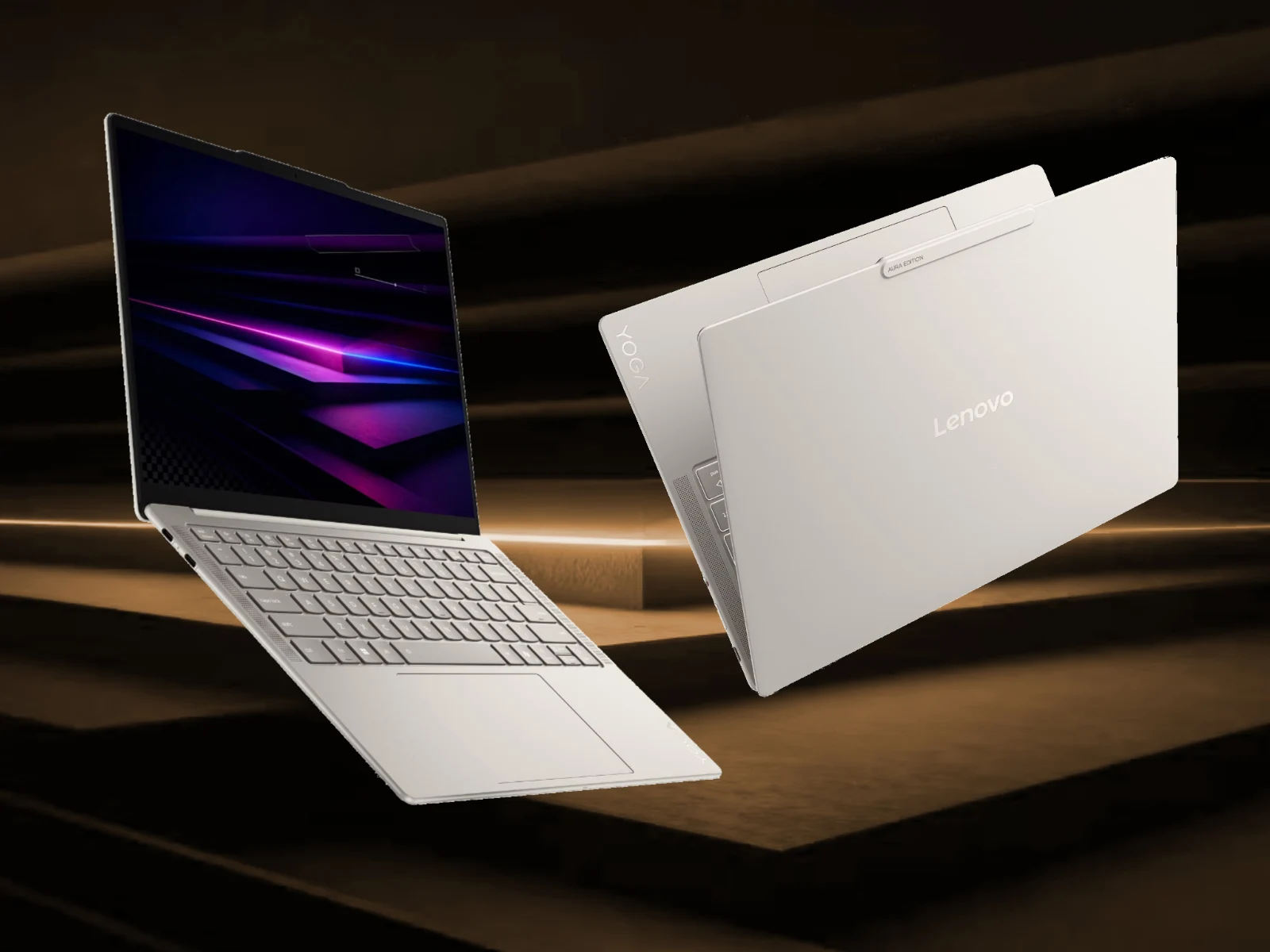
    1. Lenovo has expanded the Yoga Slim 7i Aura Edition lineup with new Gen 11 models, including options with Intel Lunar Lake processors, mainly available in Europe.
    2. The new models are limited to 16 GB RAM initially, with 32 GB variants expected, and feature configurations with either 512 GB or 1 TB storage.
    3. The 14ILL11 model offers a 1200p OLED display at 60 Hz, is more affordable in Europe, and provides better GPU performance compared to similar models.

    Lenovo Expands Yoga Slim 7i Aura Edition Range

    Lenovo’s new release of the Yoga Slim 7i Aura Edition models comes with more Gen 11 configurations, adding to the lineup launched earlier this year. The company’s shift from Gen 10 models in March, highlighted during MWC 2026, was mainly marked by the introduction of Intel’s Panther Lake processors which were touted as a major enhancement. Since then, consumers have been eager to see what new features these models bring onto the table, and Lenovo has not disappointed.

    New Intel Options and Regional Availability

    Interestingly, Lenovo has decided to include some of the newer Intel Lunar Lake options in the Aura editions, even though these were also present in the Gen 10 models (which retail for about $1,199 in the US). Currently, these newer models are available only in Europe, but Lenovo’s PSREF website hints that the Yoga Slim 7i Aura Edition (14ILL11) might become accessible in other markets soon. This move adds some complexity to the lineup, possibly giving consumers more choices, but also making the decision process less straightforward for buyers.

    Specifications and Configurations

    The 14ILL11 version is currently restricted to 16GB RAM with options like Core Ultra 5 226V or Core Ultra 7 256V processors. Although there are reports indicating that 32GB RAM variants might be introduced later, for now, this is the limit. Storage options include either 512GB or 1TB, paired with a 1200p OLED display that boasts 400 nits brightness and a 60Hz refresh rate. On the other hand, the 14IPH11 model offers higher-resolution options such as 2.8K OLED screens with 120Hz refresh rates.

    Battery Life and Price

    Despite the added power, Lenovo maintains the same substantial 70Wh battery across models. The overall design dimensions are around 312 x 221 x 13.9 mm, and it weighs about 20 grams more than the Panther Lake versions. Price-wise, the 14ILL11 is quite more affordable, costing only £828 in the UK and between €962 to €1,149 in the Eurozone. This cheaper option boasts better GPU performance compared to the 14IPH11, which makes it a compelling choice especially for those needing graphical power and want to save money, even if CPU performance remains competitive in both devices.