
1. Apple’s MacBook Neo is competitively priced and well-received compared to Microsoft’s Surface Laptop 13-inch.
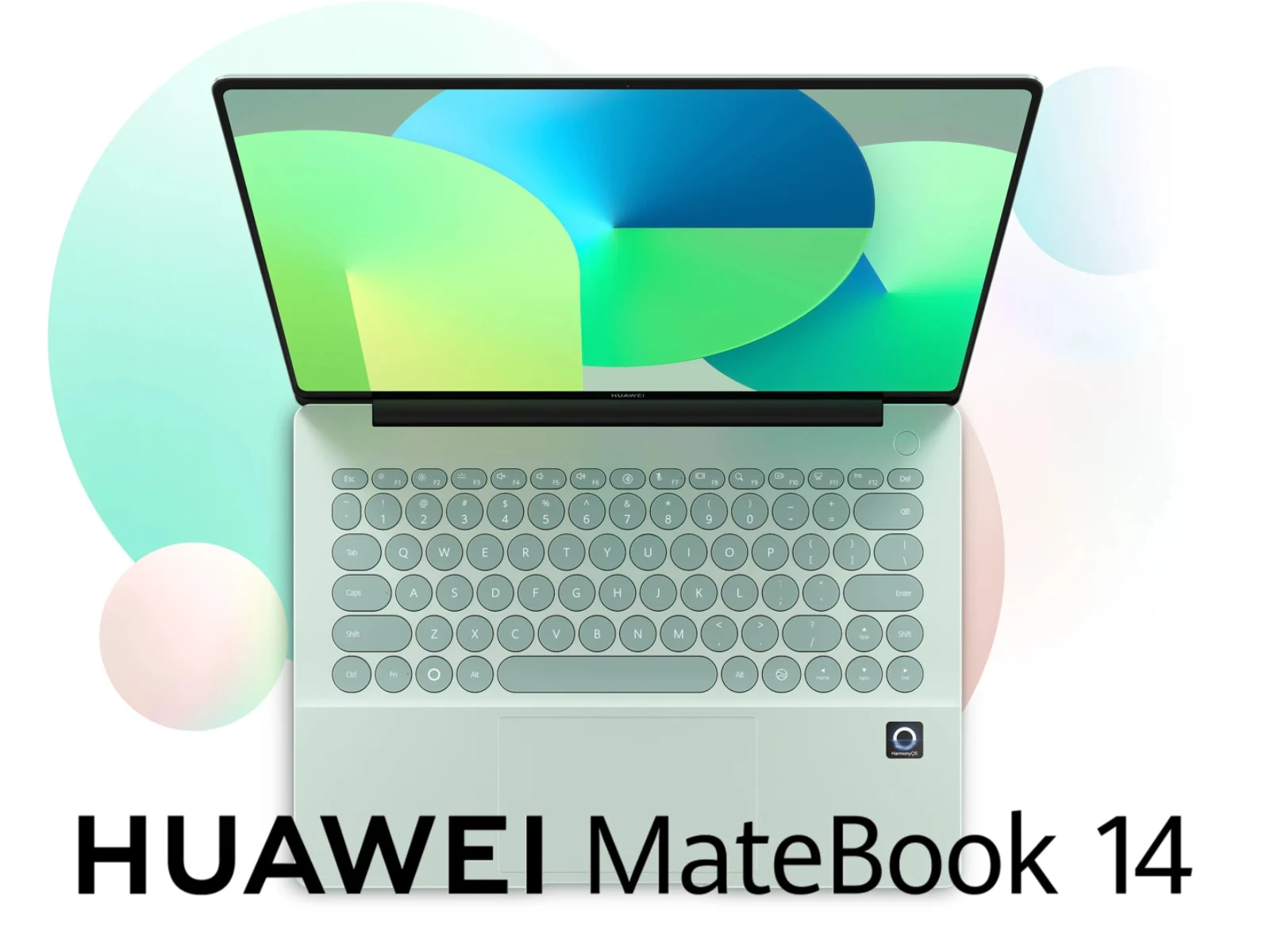
2. Huawei has confirmed the development of the MateBook 14 HarmonyOS Edition, featuring thinner bezels and more ports than the MacBook Neo.
3. The MateBook 14 is expected to include up to 24 GB RAM, 512 GB storage, and a Kirin X90A chipset.
The New Rival to Apple’s MacBook Neo
Apple’s latest MacBook Neo has been making waves recently in the tech world, especially since its price point is significantly lower than many competitors. With a current retail price of around $589, it’s more affordable than the Surface Laptop 13-inch, and this price cut is quite notable after Microsoft’s recent price hikes. The MacBook Neo received good reviews from many tech sites, highlighting its value for price. The impressive design combined with decent hardware specs gives it an edge over many other laptops in its class.
Huawei’s MateBook Neo: The New Contender
Just last month, some leaks suggested Huawei was working on a device called the MateBook Neo, which was supposed to be a competing model to Apple’s MacBook. Now, Huawei itself has officially confirmed this laptop’s development, though it’s going to be released under a different name. Scheduled for release on April 20, the MateBook 14 HarmonyOS Edition shows strong similarities to the MacBook Neo but with some noteworthy improvements, especially with its display bezels being much thinner.
Design and Connectivity Differences
One of the key differences that stand out is the port selection. Unlike the MacBook Neo, which has a limited set of connections, the MateBook 14 offers a broader range of port options. On its left side, you will find HDMI, USB Type-A, USB Type-C, and a 3.5 mm headphone jack. However, Huawei hasn’t yet revealed the right side of the device, so it’s unclear if it offers additional ports. An interesting design choice on the MateBook is the rounded keycaps, which adds a unique aesthetic appeal. The specs are expected to include 24 GB of RAM, 512 GB of storage, and a Kirin X90A chipset, the same one used in last year’s MatePad Edge, promising a good blend of performance and efficiency.