Tag: iPhone 17e

  • iFixit Teardown: iPhone 17e Repairability and MagSafe Upgrade

    iFixit Teardown: iPhone 17e Repairability and MagSafe Upgrade

    Key Takeaways

    1. The iPhone 17e has a compatible MagSafe backplate with the iPhone 16e, making upgrades easier.
    2. Apple’s Self Service Repair Store does not currently offer spare parts for the iPhone 17e, but third-party options may emerge.
    3. The disassembly process for the iPhone 17e is similar to the iPhone 16e, making repairs more straightforward.
    4. Replacing the USB-C port is complicated and requires significant disassembly of the phone.
    5. The iPhone 17e received a repairability score of 7 out of 10 from iFixit, indicating good repair potential.


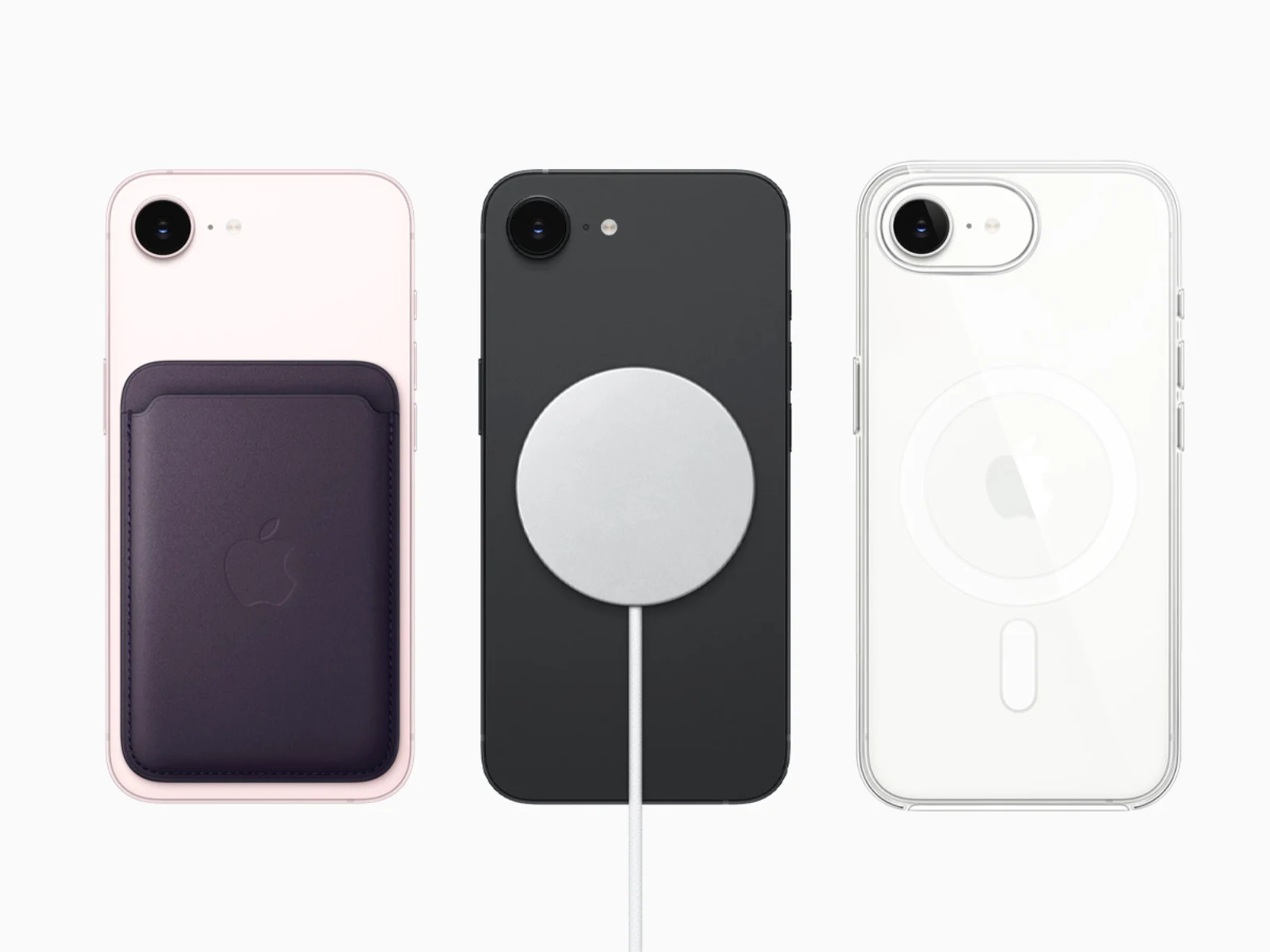
    Apple’s basic devices for 2026 are surprisingly simple to fix. The MacBook Neo impressed testers during a teardown with its high repairability. Now, experts from iFixit have taken apart the iPhone 17e (check out the video below), and they found something unexpected: the new MagSafe-enabled backplate is actually compatible with the iPhone 16e.

    Compatibility Insights

    This means that adding MagSafe to the iPhone 16e should not be too hard. However, purchasing a replacement directly from Apple might cost a lot. Currently, Apple’s Self Service Repair Store has not listed any spare parts for the iPhone 17e, but backplates for both the iPhone 16e and 17 are priced at a hefty $159 each. It’s likely just a matter of time before third-party companies start providing cheaper options.

    Similarities in Design

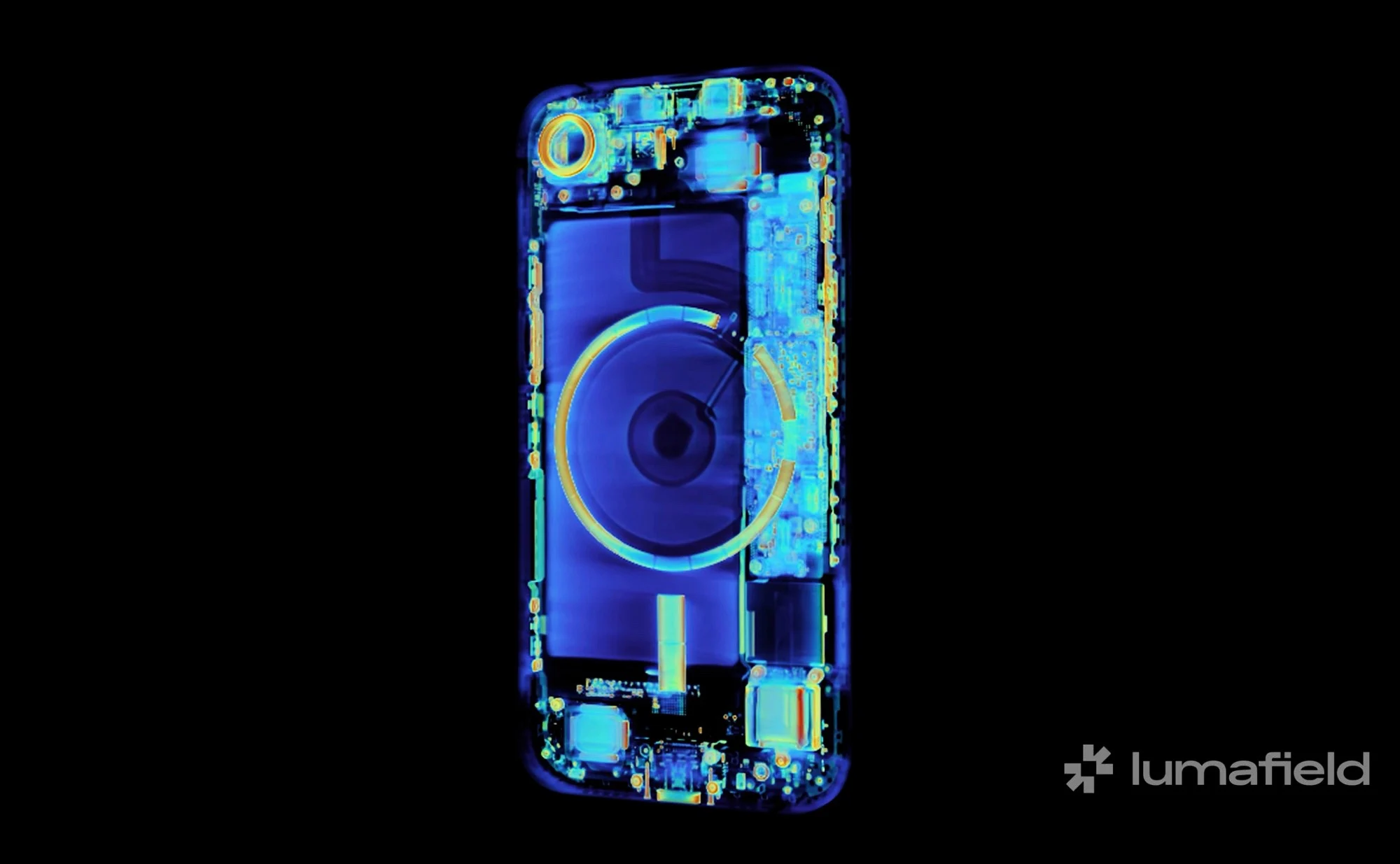
    Besides the MagSafe back glass, taking apart the iPhone 17e is very much like the process for its predecessor. To open the smartphone, you need to remove two screws at the bottom, then detach the backplate, which is held in place by clips and adhesive, from the frame. Once you can access the internals, replacing the device’s 4,005 mAh battery, 48 MP main camera, and 12 MP front camera is relatively straightforward.

    Repair Challenges

    iFixit points out that replacing the USB-C port is still quite time-consuming, as it requires nearly complete disassembly of the phone. On the positive side, the iPhone 17e can also be accessed from the front for screen replacements, which cuts down on unnecessary teardown steps. Since many spare parts for the iPhone 16e also work with the iPhone 17e, Apple’s newest budget-friendly iPhone has earned a solid repairability score of 7 out of 10 from iFixit.

    Source:
    Link


  • Apple iPhone 19e Set for Long-Awaited Upgrade

    Apple iPhone 19e Set for Long-Awaited Upgrade

    Key Takeaways

    1. The iPhone 17e features a 60 Hz OLED screen, a single rear camera, and a 4,005 mAh battery, making it feel outdated.
    2. The iPhone 19e is expected to launch in spring 2028 with a 120 Hz LTPO OLED display.
    3. The new display may use parts from the iPhone 17, with a resolution of 2,622 x 1,206 pixels and high brightness levels.
    4. The iPhone 19e’s display technology is designed for energy efficiency, potentially extending battery life.
    5. Higher-end models, like the iPhone Air, will receive an even more efficient LTPO+ panel in 2028.


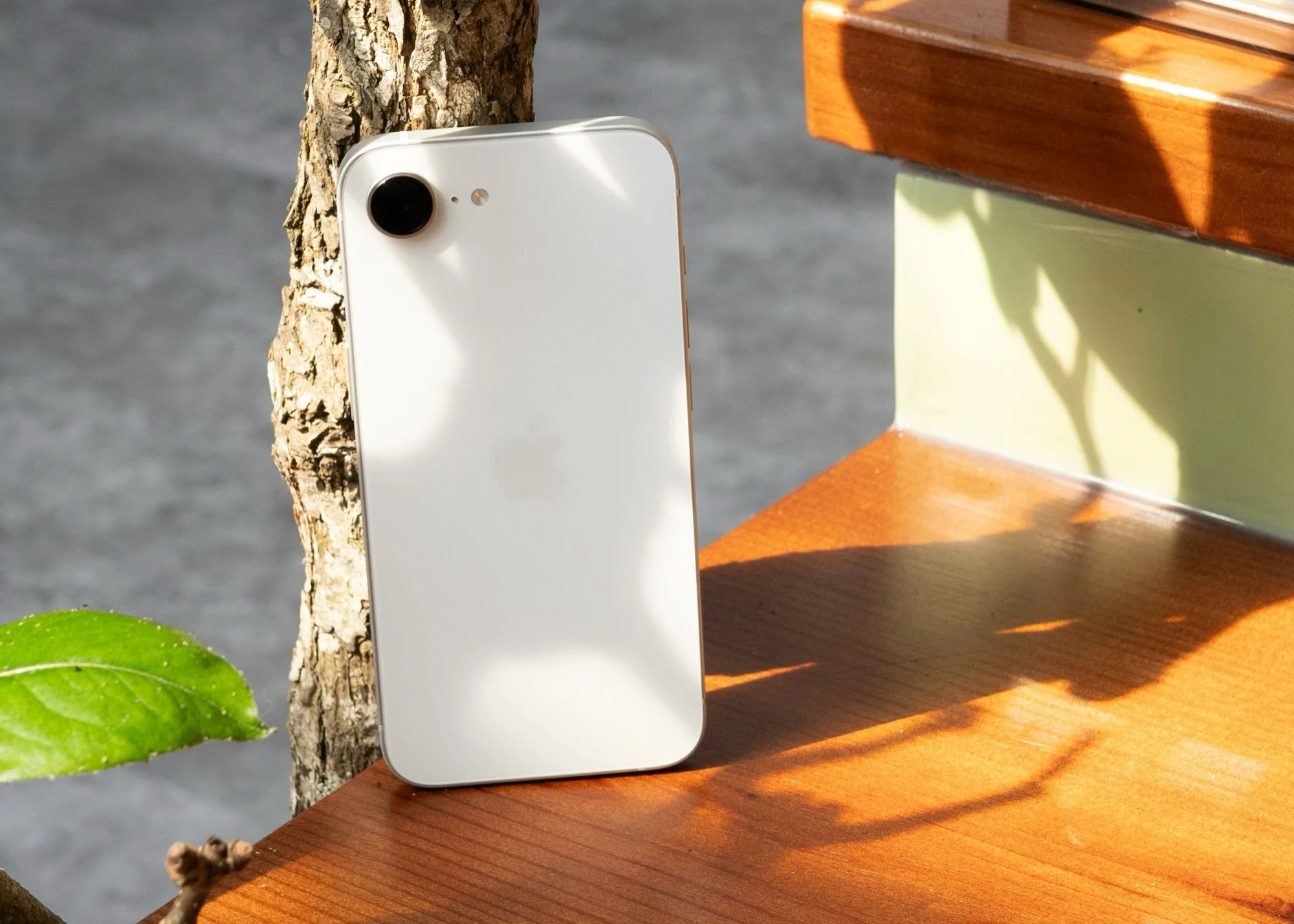
    The Apple iPhone 17e has recently been released, but it features a 60 Hz OLED screen, a single rear camera, and a small 4,005 mAh battery, making it feel a bit outdated. As per the latest details from ZDNet Korea, Apple is looking to make improvements with the upcoming iPhone 19e.

    Anticipated Launch of iPhone 19e

    Expected to debut in spring 2028, the iPhone 19e will finally come with a 120 Hz LTPO OLED display. Apple often incorporates parts from previous models into the e-series to minimize expenses, so there’s a chance the display from the iPhone 17 could be utilized. This 6.3-inch OLED screen boasts a resolution of 2,622 x 1,206 pixels, a 120 Hz refresh rate, a maximum brightness of 1,600 nits, and an HDR peak brightness of 3,000 nits.

    Advantages of the New Display

    The frame rate adjustment according to the content on the screen means this display uses less energy compared to the LTPS OLED panel used in the iPhone 17e, potentially leading to extended battery life for the iPhone 19e. Another notable benefit is the inclusion of an always-on display feature, which reduces the frame rate to just 1 Hz, ensuring minimal impact on battery performance. Meanwhile, pricier models like the iPhone Air ($815 on Amazon) are slated to upgrade to an even more energy-efficient LTPO+ panel in 2028, promising greater brightness and efficiency.

    Source:
    Link


  • iPhone 17e Outperforms MacBook Neo: Budget Laptop vs. Phone

    iPhone 17e Outperforms MacBook Neo: Budget Laptop vs. Phone

    Key Takeaways

    1. The MacBook Neo underperformed compared to the iPhone 17e in Geekbench 6 tests, being about 5% slower in both single-core and multi-core performance.
    2. The MacBook Neo uses a modified A18 Pro chip, which is older than the A19 chip in the iPhone 17e, leading to slightly slower CPU performance.
    3. Both the MacBook Neo and the iPhone 17e have similar graphics capabilities in benchmark tests.
    4. Initial feedback on the MacBook Neo is positive, especially regarding its price-to-performance ratio, showcasing the advancement of Apple’s mobile chips.
    5. Future comparisons with similarly priced Windows laptops will provide a clearer picture of the MacBook Neo’s performance, with a detailed review expected soon.


    Apple’s latest MacBook Neo might actually be the slowest device in its current lineup.

    Performance Comparison

    Initial Geekbench 6 results reveal that the MacBook Neo (model Mac17,5) doesn’t perform as well as the iPhone 17e (model iPhone 18,5) in both single-core and multi-core tests. On average, the budget iPhone outperformed its laptop counterpart by about 5% in these benchmarks.

    Chip Specifications

    This result isn’t entirely unexpected, given that the MacBook Neo operates on a modified version of Apple’s A18 Pro SoC, which is the same chip found in last year’s iPhone 16 Pro and 16 Pro Max. When compared to the iPhone 17e’s newer A19 chip, the A18 Pro shows slightly slower CPU performance. However, both chips have similar graphics capabilities, with no distinct advantage for either in the various benchmark tests.

    Positive Feedback

    Early impressions of the MacBook Neo have been generally favorable, particularly regarding its price-to-performance ratio. This highlights how advanced Apple’s mobile chips have become, indicating that even the most affordable iPhone can meet the needs of many users. The initial feedback on the Neo suggests that it should serve most consumers well, which reflects positively on Apple’s current iPhone offerings.

    Future Comparisons

    Naturally, a more accurate assessment of the Neo would involve comparing it to similarly priced Windows laptops, which are still being released. Notebookcheck plans to publish a thorough review of the MacBook Neo soon, which will provide an extensive look at its performance relative to a large collection of laptops.

    Source:
    Link


  • iPhone 18 Pro and Pro Max Prices Expected to Stay the Same

    iPhone 18 Pro and Pro Max Prices Expected to Stay the Same

    Key Takeaways

    1. Apple introduced the MacBook Neo and iPhone 17e, both priced at $599, targeting a wider audience amid high RAM and storage costs.
    2. Industry analyst Ming-Chi Kuo suggests that the upcoming iPhone 18 may maintain similar pricing to previous models, with staggered release timings for different versions.
    3. Kuo believes steady pricing could help Apple increase its market share, especially as AI features are integrated into its products.
    4. The iPhone 18 Pro and Pro Max are expected to have notable upgrades but may not see a price increase; new devices are set to be revealed in September.
    5. Projected shipments for the MacBook Neo in 2026 are slightly lower due to delayed mass production, but the model is expected to perform well; MacBook Air models may transition to OLED displays by 2028 or 2029.


    Apple has just unveiled a variety of new products, enhancing its offerings in laptops, smartphones, and tablets. Given today’s market with extremely high prices for RAM and storage, Apple introduced a $599 laptop called the MacBook Neo and a $599 smartphone dubbed the iPhone 17e aimed at a wider audience. This indicates that the upcoming iPhone 18 may not experience a price hike compared to its earlier versions, or at least that’s what a source from the industry suggests.

    Insights from Ming-Chi Kuo

    Industry analyst Ming-Chi Kuo shared some details on social media regarding Apple’s plans for OLED technology in its future products. Concerning the new iPhones, Kuo indicated that Apple might keep the pricing steady, although he mentioned, “iPhones launching in 2H.” This year, Apple is anticipated to stagger release timings and only introduce the iPhone 18 Pro and Pro Max, with the standard iPhone 18 set to debut in 2027. For the base model of the iPhone 18, Apple might opt to absorb costs again and price it similarly to the existing model.

    Market Impact of Pricing Decisions

    Kuo believes that maintaining the current pricing will allow Apple to grow its market share even further, especially as its AI features and services become fully integrated. However, it remains uncertain whether the prices for the iPhone 18 Pro and Pro Max will increase. The new devices are expected to be revealed in September, featuring some notable upgrades while keeping the same design aesthetics.

    In relation to the rest of the product lineup, Kuo noted that the projected shipments for the MacBook Neo in 2026 are slightly lower because it began mass production three months later than planned. Nonetheless, it is still expected to perform well due to its appealing price. Additionally, it will likely take several years for the MacBook Air models to transition to OLED displays, probably by 2028 or 2029. Overall, MacBook shipments in 2026 are anticipated to hit 25 million units, which would match sales figures from the peak period of the COVID era.

    Source:
    Link


  • Apple MacBook Neo Impresses Early Reviewers in Cyberpunk 2077 Tests

    Apple MacBook Neo Impresses Early Reviewers in Cyberpunk 2077 Tests

    Key Takeaways

    1. The MacBook Neo will start shipping on March 11, alongside the iPhone 17e and new MacBook Pros.
    2. Early reviews praise the A18 Pro chip for effectively running professional applications and gaming.
    3. The MacBook Neo can handle apps like Final Cut Pro and optimized games well, but struggles with high graphics settings on demanding titles.
    4. Limitations include less impressive battery life (20% decrease from M4 MacBook Air) and a lack of keyboard backlighting and ports.
    5. Overall build quality, display, keyboard, and trackpad are strong, but the MacBook Neo may not be suitable as the main laptop for tech enthusiasts.


    Apple is set to start sending out the MacBook Neo on March 11. Coincidentally, this is also the date when Apple will kick off deliveries for the iPhone 17e, MacBook Pros powered by the M5 Pro and M5 Max, along with all the other gadgets that were revealed last week.

    Early Impressions

    In the meantime, several early reviews have surfaced, offering first impressions of Apple’s much-anticipated $599 MacBook. For example, the capabilities of the A18 Pro chip and the macOS have impressed YouTubers like Dave2D and Tyler Stalman. In summary, the chipset manages to run professional applications quite effectively.

    Performance Highlights

    Additionally, the MacBook Neo is capable of running Final Cut Pro alongside other apps and browser tabs without issues. Moreover, top-tier games such as Cyberpunk 2077 can be played with the lowest graphics settings or by enabling frame generation. Games that are optimized for the A18 Pro, like Gear.Club Stradale and Oceanhorn 3, perform even better.

    Limitations

    However, the A18 Pro does have its limitations. This means that reviewers haven’t recommended the MacBook Neo as the main laptop for tech enthusiasts. The battery life is also not impressive when compared to other MacBooks, showing about a 20% decrease compared to the M4 version of the 13-inch MacBook Air. Overall, while the MacBook Neo’s build quality, display, keyboard, and trackpad seem to be strong points, it falls short with its lack of keyboard backlighting, a slower SSD, 8 GB of RAM, and a disappointing selection of ports.

    Source:
    Link


  • Apple iPhone 17e Benchmark Shows Minor Upgrades from Previous Model

    Apple iPhone 17e Benchmark Shows Minor Upgrades from Previous Model

    Key Takeaways

    1. The iPhone 17e offers a more affordable Apple phone experience but has notable cutbacks, such as a lower quality display and fewer camera features.
    2. It is powered by the A19 SoC, similar to the standard iPhone 17, with only one less GPU core.
    3. Benchmark scores show the iPhone 17e has a minor performance gap of about 4-5% compared to the iPhone 17, achieving scores of 3,459 (single-core) and 8,811 (multi-core).
    4. The iPhone 17e has weaker GPU performance, with a 4-core GPU resulting in approximately 20% less graphics performance than the higher-end A19 SoC.
    5. Compared to the iPhone 16e, the 17e shows a slight improvement, being about 10.4% faster in multi-core tasks and 6% faster in single-core operations.


    Apple’s new iPhone 17e continues the legacy of the previous iPhone 16e, providing a more affordable Apple phone experience. However, it comes with several notable cutbacks, including a lower quality display, absence of an ultra-wide camera, and no 18 MP selfie camera, among other things.

    Performance That Stands Out

    On the bright side, the iPhone 17e won’t be lacking in performance. The device is powered by the A19 SoC, which is quite similar to the one used in the regular iPhone 17. Specifically, the A19 chip in the 17e has one less GPU core, but retains the same CPU configuration.

    Benchmark Results

    Leaked Geekbench scores reinforce this perspective, showing the iPhone 17e achieving 3,459 and 8,811 points in single-core and multi-core tests respectively. In comparison, the standard iPhone 17 achieves 3,627 and 9,249 points in the same tests, indicating that the performance gap between the two devices is merely around 4-5%.

    Although, it’s worth noting that the iPhone 17e will exhibit significantly weaker GPU performance, as it contains a 4-core GPU versus the 5-core GPU of the higher-end A19 SoC. Purely from a numerical standpoint, the graphics performance should be about 20% less.

    Comparison with Previous Model

    Relative to the iPhone 16e, the 17e shows a minor improvement, being approximately 10.4% quicker in multi-core tasks and 6% faster in single-core operations. These differences are quite minimal. Meanwhile, the Galaxy S25 FE is often available on Amazon for just a bit more (currently priced at $612) and offers many additional features, even if its performance is not as strong.

    Source:
    Link


  • Apple Studio Display Review: Disappointing 60Hz IPS Panel Performance

    Apple Studio Display Review: Disappointing 60Hz IPS Panel Performance

    Key Takeaways

    1. Apple launched the iPhone 17e and new iPad Air tablets during its March event.
    2. The new Studio Display features improved speakers with 30% deeper bass and upgraded Thunderbolt 5 ports.
    3. The base price for the new Studio Display starts at $1,599, with additional costs for height-adjustable stands and nano-texture glass.
    4. The total price for a fully equipped Studio Display can reach up to $2,299 before taxes.
    5. Pre-orders for the new Studio Display begin on March 4, with deliveries starting on March 11.


    Apple has kicked off its big March launch by unveiling a range of new products worldwide. Just yesterday, the tech giant showcased the iPhone 17e along with the latest iPad Air tablets. Now, they have shifted their focus to a new Studio Display, which comes alongside an enhanced Studio Display XDR.

    Original Studio Display Recap

    For a bit of background, the first Studio Display was launched around four years ago (curr. $1,669 with nano-texture glass on Amazon). The 27-inch screen with 5K resolution, 600 nits brightness, and 60 Hz refresh rate from the original model is back. For this new version, Apple says it has added better speakers that deliver 30% deeper bass compared to the first Studio Display. Additionally, the previous Thunderbolt 3 has been upgraded to two Thunderbolt 5 ports, complemented by two USB Type-C ports.

    Pricing Details

    The base price for the new Studio Display starts at $1,599, which includes standard glass and either a tilt-adjustable stand or a VESA mount adapter. If you want a stand that can tilt and adjust in height, Apple will charge you an additional $400. On the other hand, models with nano-texture glass start at a minimum of $1,899.

    As a result, when choosing a height-adjustable stand and nano-texture glass, the total price of the new Studio Display can reach up to $2,299 before taxes. Pre-orders will be available starting at 14:15 UTC on March 4, with deliveries expected to begin on March 11. For further information, you can visit Apple’s official website.

    Source:
    Link


  • iPhone 17e Price Drops Due to Downgrades: 8 Benefits of iPhone 17

    iPhone 17e Price Drops Due to Downgrades: 8 Benefits of iPhone 17

    Key Takeaways

    1. Storage and Charging: The iPhone 17e offers 256 GB of storage and supports MagSafe and 15-watt wireless charging.

    2. Design Compromises: It features a more traditional design with wider bezels and lacks advanced tracking capabilities due to missing Thread and Ultra Wideband chip.

    3. Battery and Display Limitations: While the battery is slightly larger at 4,005 mAh, its battery life is 22% less than the iPhone 17, and the display is an older 6.1-inch OLED with only 800 nits brightness.

    4. Camera and Performance Cuts: The iPhone 17e has a 12 MP front camera (down from 18 MP) and lacks a 48 MP ultra-wide camera. It also has fewer GPU cores, potentially affecting gaming performance.

    5. Overall Value Concerns: With multiple trade-offs to maintain a lower price of $200, many consumers may feel the iPhone 17e does not provide adequate value compared to the iPhone 17.


    The Apple iPhone 17e has been officially revealed, and the company is marketing it with the tagline “All the must-haves. All on iPhone.” On paper, this new entry-level model does provide enhancements over its predecessor, as it now features 256 GB of storage compared to last year’s 128 GB. Additionally, the iPhone 17e includes MagSafe support and allows for wireless charging at a rate of up to 15 watts.

    Major Trade-Offs

    Despite these upgrades, the iPhone 17e compromises more than expected when compared to the iPhone 17. The more traditional look with wider bezels and a notch rather than a punch-hole is quite noticeable. However, the differences extend beyond design. To keep costs down, Apple has omitted the Thread and Ultra Wideband chip, which means users can no longer track an AirTag precisely.

    Battery and Display Issues

    The iPhone 17e boasts a 4,005 mAh battery, which is 8.5% bigger than the battery in the iPhone 17. Nevertheless, its claimed battery life is still 22% less. This could be due to the older screen technology, as Apple seems to have cut corners here. The 6.1-inch OLED display is nearly the same as that of the iPhone 13 from 2021 and shines at only 800 nits, making it hard to see in bright sunlight. In contrast, the iPhone 17’s display can reach up to 3,000 nits, making it significantly brighter.

    Frame Rate and Features Lacking

    Furthermore, the frame rate of just 60 Hz feels outdated. Since it cannot adjust dynamically based on the content, this panel consumes more energy. Also, the iPhone 17e lacks an always-on display feature, which is a key convenience that the iPhone 17 offers.

    Camera Differences

    In terms of photography, the iPhone 17e substitutes the innovative 18 MP selfie camera of the iPhone 17 with a less advanced 12 MP front camera, and it completely removes the 48 MP ultra-wide camera. While the 48 MP f/1.6 main camera remains similar to that of the iPhone 17, the lack of in-body image stabilization could impact photo quality in low-light situations.

    The touch-sensitive camera shutter button has also been done away with. Even the Apple A19 chip has some differences, featuring only four GPU cores in the iPhone 17e compared to five in the iPhone 17, potentially leading to a gaming performance drop of up to 20%. With all these compromises to reach a lower starting price of $200, many customers may find the model does not represent a “good deal.”

    Final Considerations

    The differences concerning the display and camera performance are especially pronounced in real-life use. Beyond the outdated design, consumers should carefully consider the variations between the iPhone 17 and the iPhone 17e across these seven important aspects before making a purchase decision.

    Source:
    Link


  • New Apple iPad Air Launch: More RAM and Performance Boost

    New Apple iPad Air Launch: More RAM and Performance Boost

    Key Takeaways

    1. The new iPad Air lineup includes 11-inch and 13-inch models powered by the Apple M4 chipset, offering 30% better performance than the previous version and 2.3 times better than the M1 models.
    2. The devices feature an 8-core CPU, a 9-core GPU, 12 GB of RAM, and storage options ranging from 128 GB to 1 TB.
    3. A C1X 5G modem is included to reduce power consumption, while display specs remain unchanged with 60 Hz IPS panels.
    4. The starting price for the new iPad Air is $599 for the 11-inch model and $799 for the 13-inch model, with prices reaching up to $1,449 for the 1 TB cellular variant.
    5. Sales for the new iPad Air models will begin on March 4 at 14:15 UTC, and more product announcements from Apple are expected before this date.


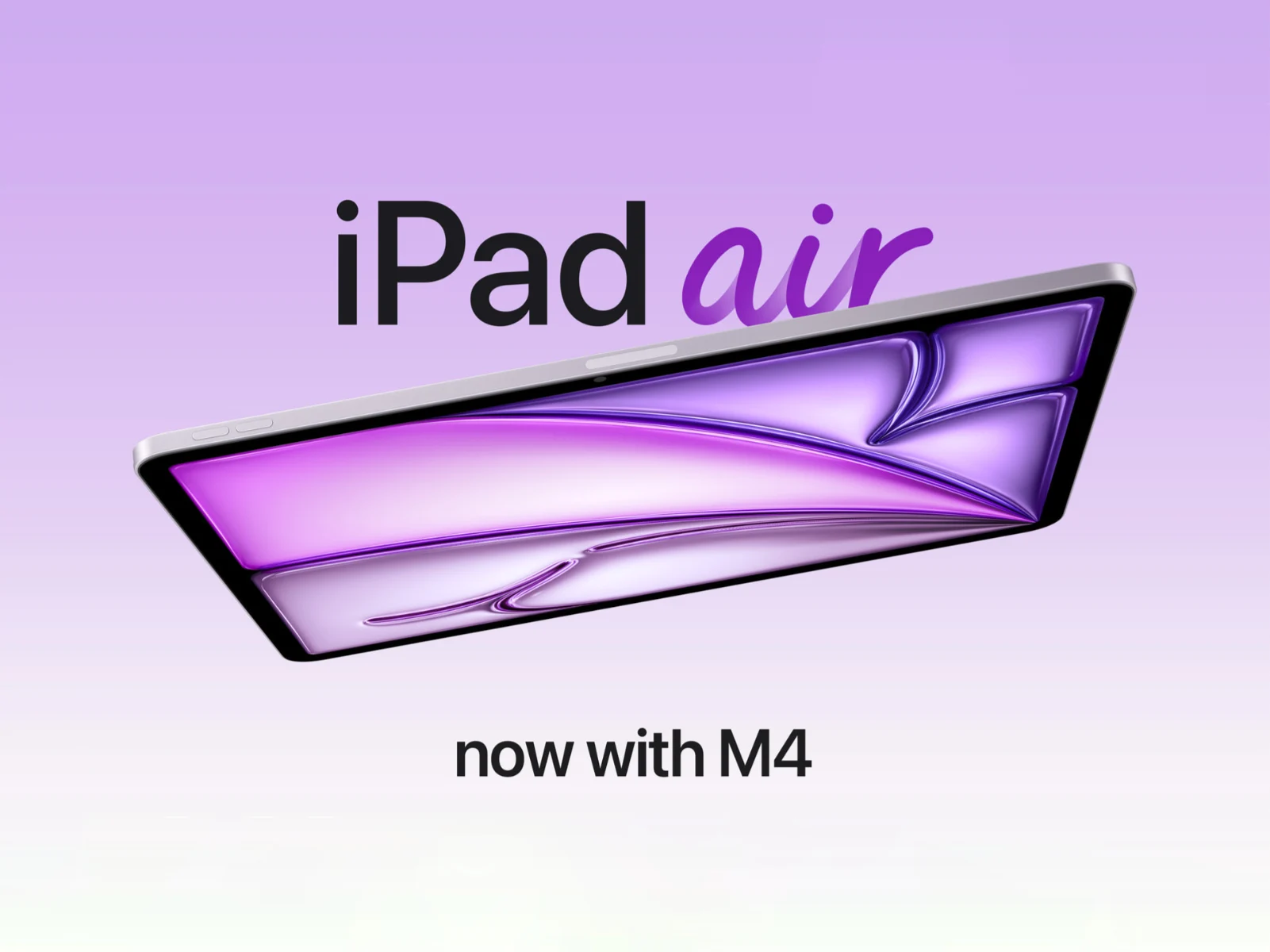
    Apple has refreshed the iPad Air lineup, which now comes in both 11-inch and 13-inch sizes. The new models replace the previous versions that featured the Apple M3 chip (currently priced at $799 on Amazon). Today, alongside the iPhone 17e, they represent two of the latest devices launched by Apple. Tim Cook hinted in a recent tweet that there are more product announcements expected before March 4.

    Key Upgrades in Performance

    The standout improvement for this year’s iPad Air is the inclusion of Apple’s M4 chipset. This model features an 8-core CPU and a 9-core GPU. Although this isn’t the most powerful version of the M4, it is anticipated to boost the iPad Air’s performance by about 30% compared to the previous model and provide a 2.3 times enhancement over the earlier Apple M1 models.

    Additional Features and Specs

    Moreover, Apple has integrated a C1X 5G modem, which aims to lower power usage. The new iPad Air also boasts 12 GB of RAM and storage options ranging from 128 GB to 1 TB. However, display specs remain unchanged, maintaining the 60 Hz IPS panels with a brightness of 500 nits for the 11-inch model and 600 nits for the 13-inch one. The devices continue to offer stereo speakers, dual 12 MP cameras, and Wi-Fi 7 support.

    The pricing for the new iPad Air starts at $599 for the 11-inch model with 128 GB of storage. The 13-inch versions have a starting price of $799 and come in four different colors. The price can go as high as $1,449 for the 1 TB variant with cellular capabilities. Sales for these new devices will commence on March 4 at 14:15 UTC.

    Source:
    Link


  • Apple iPhone 17e: New Budget Model with 3 Key Upgrades

    Apple iPhone 17e: New Budget Model with 3 Key Upgrades

    Key Takeaways

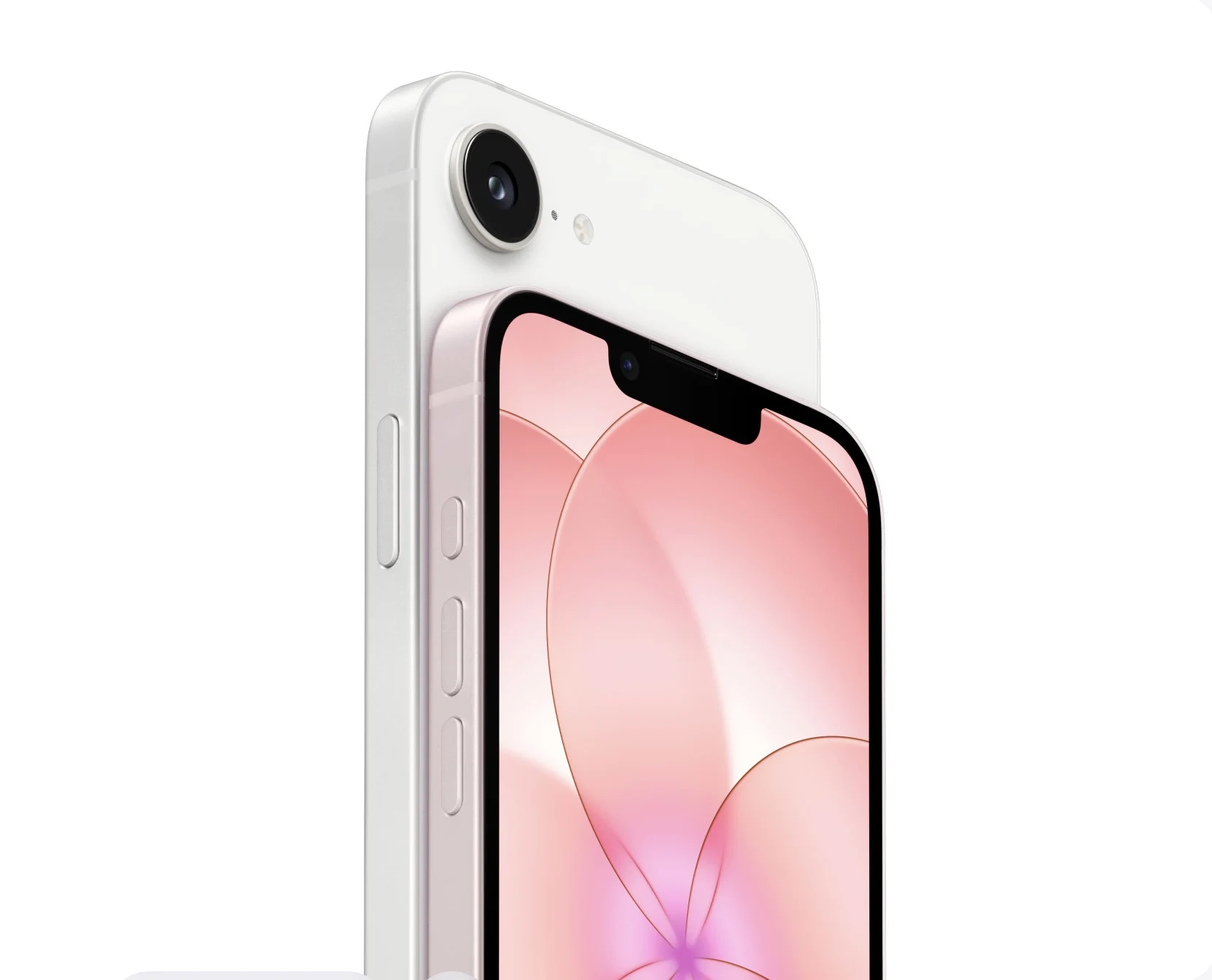
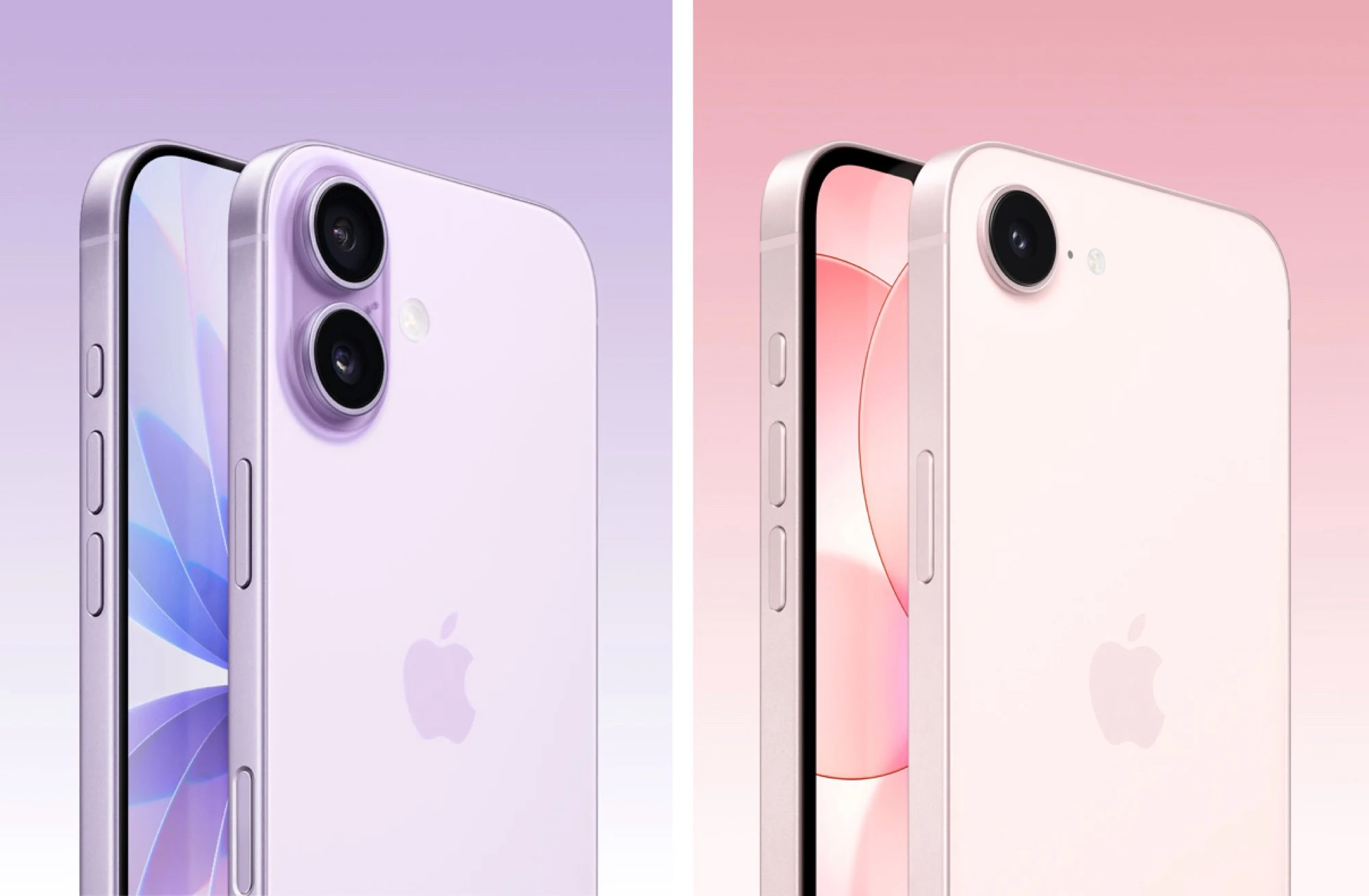
    1. The iPhone 17e features a new Soft Pink color option alongside a familiar design similar to the iPhone 16e.
    2. It has a 6.31-inch OLED display with a resolution of 460 PPI and a peak brightness of 1,200 nits.
    3. Key upgrades include Ceramic Shield 2 glass, MagSafe compatibility, and the new Apple A19 chipset.
    4. The iPhone 17e maintains the same battery life as the iPhone 16e, despite having one less GPU core.
    5. Pricing starts at $599 for 256 GB of storage, with a 512 GB option available for $799. Sales begin on March 4 at 14:15 UTC.


    Apple has launched a busy week with the debut of the iPhone 17e. This new device was revealed alongside a refreshed iPad Air, and it has some differences from the current iPhone 16e (curr. $393 – refurbished on Amazon). The most striking change is the addition of a Soft Pink color option.

    Design and Display

    In terms of design, the iPhone 17e looks just like its predecessor. It features a 6.31-inch OLED display that maintains a 460 PPI, a peak brightness of 1,200 nits, and a refresh rate of 60 Hz. The camera system remains the same too, with a 12 MP front-facing camera and a 48 MP rear-facing camera. However, the rear camera now includes Focus Control for improved photography.

    Upgrades and Features

    Among the upgrades, the iPhone 17e now uses Ceramic Shield 2 glass, includes MagSafe, and is powered by the Apple A19 chipset. Interestingly, the addition of MagSafe increases the weight to 169 g when taken out of the box. Apple has limited MagSafe charging to 15 W for this model, which is a bit disappointing.

    The Apple A19 chipset comes with 4 GPU cores, one less than what the iPhone 17 offers. Apple has stated that the battery life for both the iPhone 16e and the iPhone 17e will be the same. The pricing remains steady at $599, but now the iPhone 17e comes with double the storage. If 256 GB isn’t sufficient, a 512 GB option is available for $799. Sales will commence at 14:15 UTC on March 4.

    Source:
    Link