1. Apple plans to introduce an OLED display to the iPad Air, starting mass production with Samsung by the end of 2023.
2. The OLED iPad Air will feature cost-saving specifications, including a single-stack emissive layer and hybrid substrate, to maintain an affordable price.
3. The transition to OLED aims to expand the iPad market, with demand projected to grow significantly, especially for the iPad Air, benefiting suppliers like Samsung and LG.
4. The iPad Air’s OLED upgrade is part of a broader shift from LCD to OLED across multiple Apple products, with the iPad Mini and iPad Pro also expected to adopt OLED technology.
Apple moving to OLED tech in next iPad Air
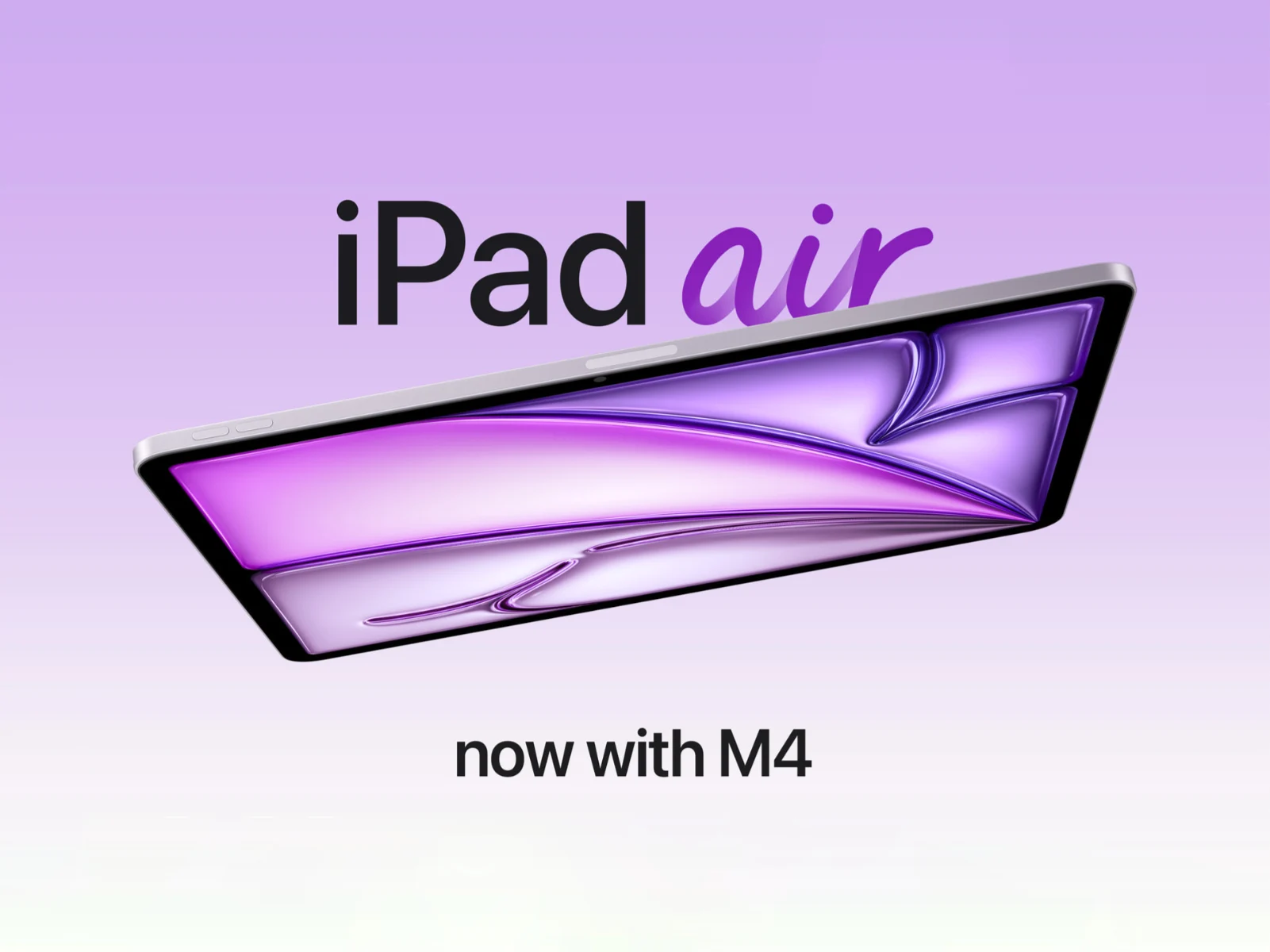
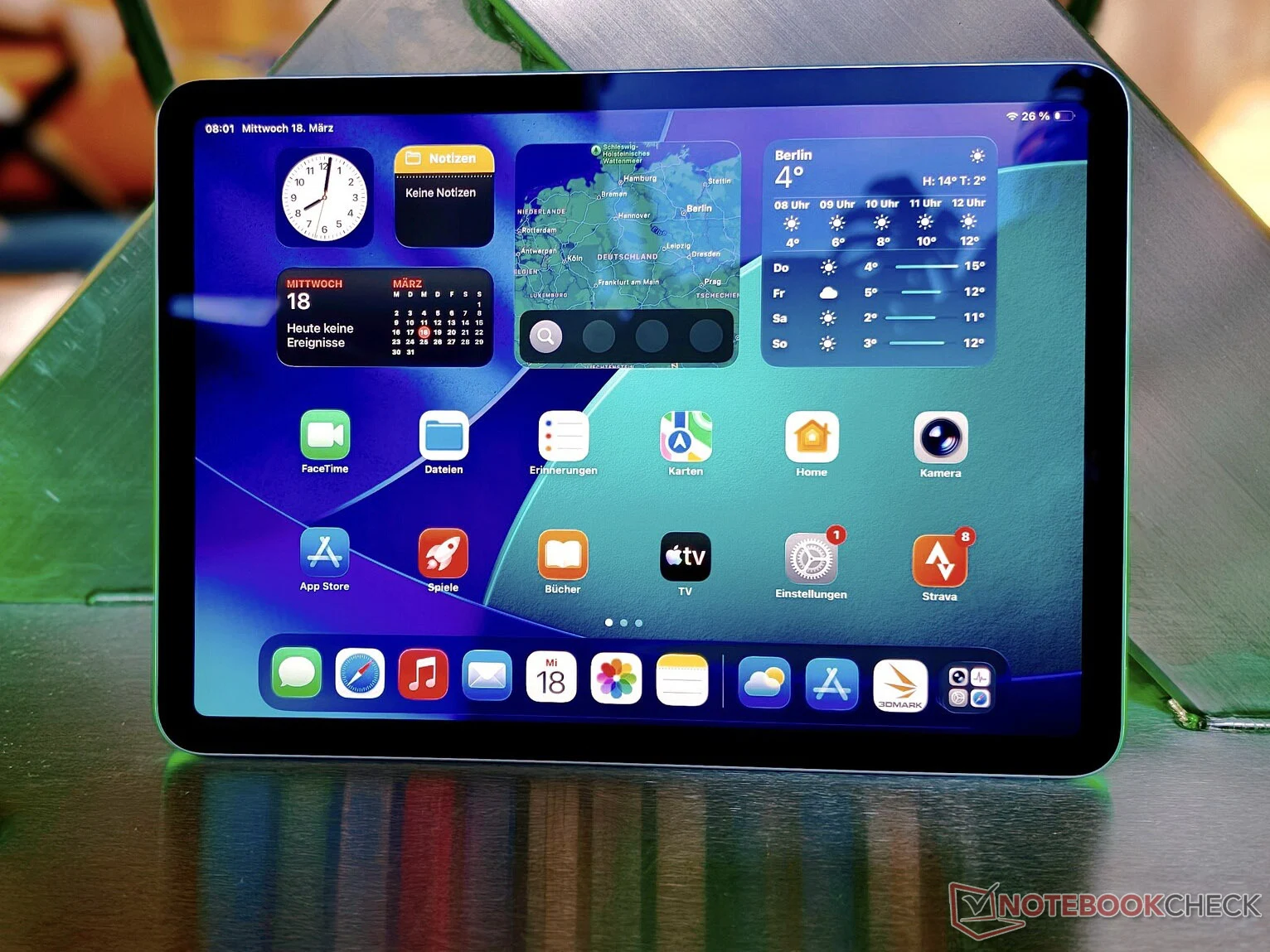
Based on recent reports, apple seems to be moving forward with its plan to upgrade its iPad Air with OLED screens, carrying out their display roadmap. Samsung, the display giant, is said to be preparing for mass production of these OLED panels sometime later this year, possibly setting the stage for an early next year release of the new iPad Air 2027 edition. According to source from south Korea, this transition marks a significant step for apple’s portfolio.
Expected Specifications and Pricing
The move to OLED isn’t just about the technology but also about keeping cost under control. The new iPad Air will reportedly feature a single-stack emissive layer, an LTPS TFT backplane, along with a hybrid substrate. These simplifications are meant to minimize manufacturing expenses, making it more affordable than the iPad Pro, which has seen mixed market reactions. Currently, the price for the current iPad Air starts at around $599 in stores and discounts are sometimes available through online retailers. The switch to OLED is expected to encourage more sales because the price point should remain friendly to consumers.
Market Impact and Future Outlook
The introduction of OLED technology into the iPad Air aims to boost its competitiveness, especially since more premium models like the iPad Pro have prices that could deter some buyers. Demand for the OLED iPad Pro has already faced some challenges, which is why Apple likely prefers to allocate OLED displays first to the more popular Air series. Apple’s dominant share is projected to increase in the OLED tablet market, which analysts predict could hit 13 million units sold in 2026; with the new OLED iPad Air entering the mix, that number could climb to 21 million units. Both LG and Samsung are currently sharing the OLED supply, and this expansion will benefit both display makers as Apple’s minimal specs for the Air allow for a more streamlined supply chain and lower costs overall.