Tag: iPad Pro

  • Blender Halts iPad App Development to Focus on Android Instead

    Blender Halts iPad App Development to Focus on Android Instead

    Key Takeaways

    1. Blender for iPad has been postponed indefinitely, with no clear timeline for resumption.
    2. Developer Dalai Felinto announced the project is currently on hold and the team is shifting focus to Android tablets.
    3. The initiative aimed to provide the full Blender experience on touch-screen tablets supporting stylus input.
    4. The project was first introduced in July 2025 and generated significant interest, showcased at SIGGRAPH 2025.
    5. Despite the delay, there remains a possibility for Blender to be available on iPads in the future.


    Blender enthusiasts waiting for an iPadOS version of the well-known 3D software have received disappointing news. An official announcement from the company reveals that the Blender for iPad initiative has been postponed indefinitely.

    Project Status Update

    Developer Dalai Felinto shared an update on the project’s official GitHub page, stating that it is currently on hold until further notice. In other words, the project is effectively paused right now, and there is little clarity about its future. While specific reasons for the delay were not disclosed, MacRumors highlighted comments from Dalai indicating that the team has chosen to shift their focus towards Android tablets instead.

    Original Announcement

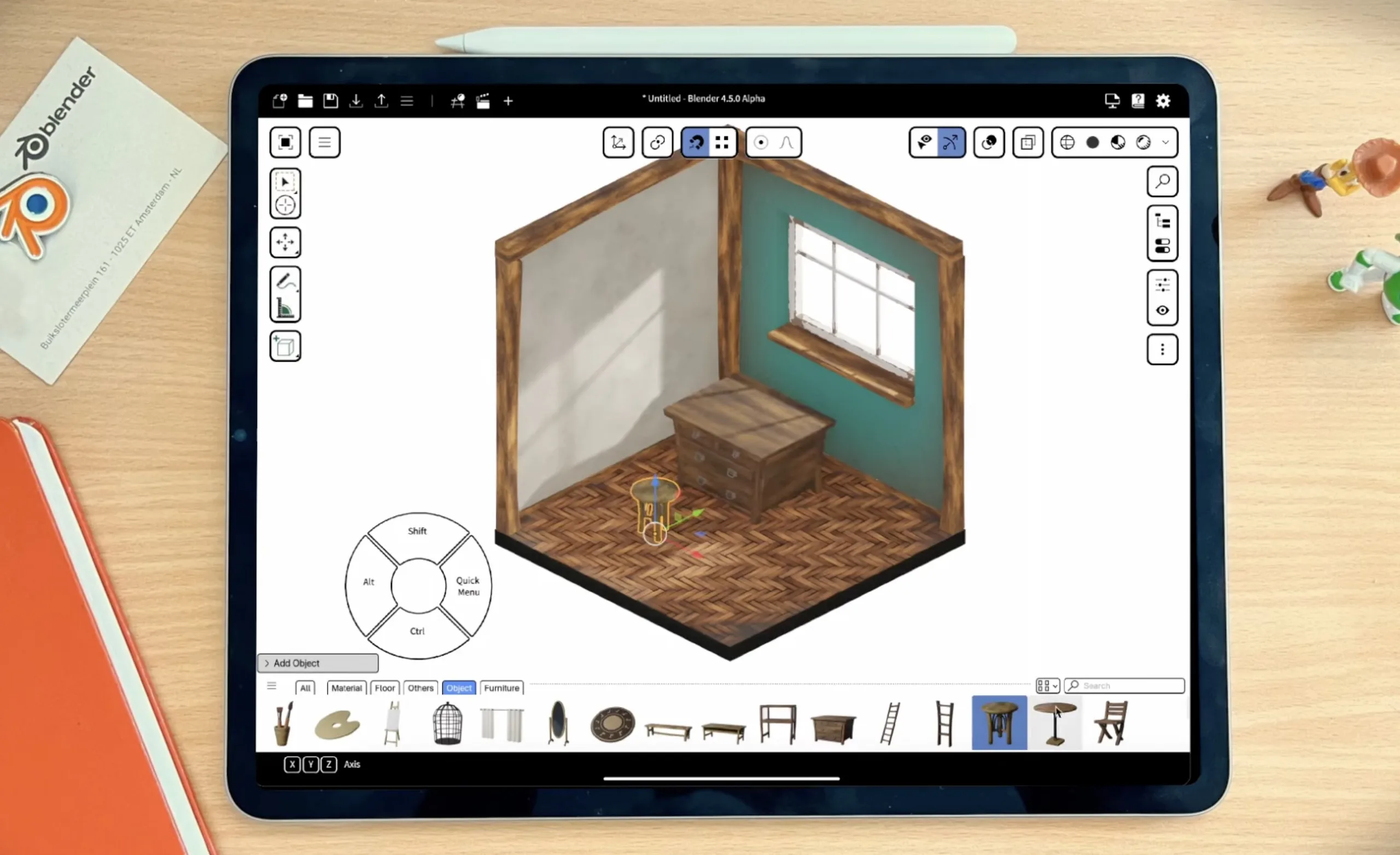
    The concept of Blender for touch-screen tablets was first introduced in July of last year, with the goal of delivering the full Blender experience to portable tablets that support stylus input, like the Apple Pencil. Blender emphasized that they maintain a consistent view of both desktop and tablet users, assuring that there wouldn’t be major restrictions on features.

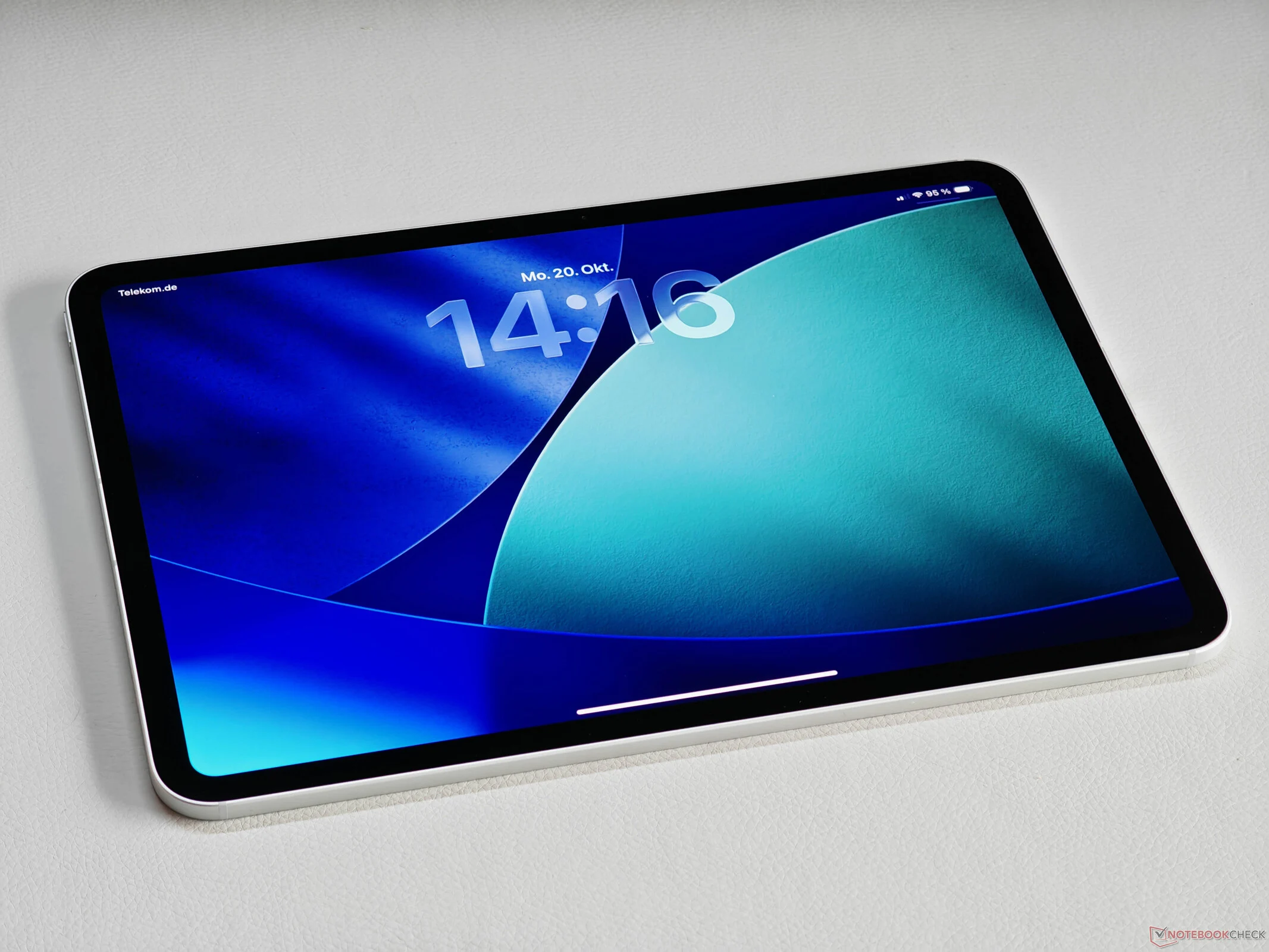
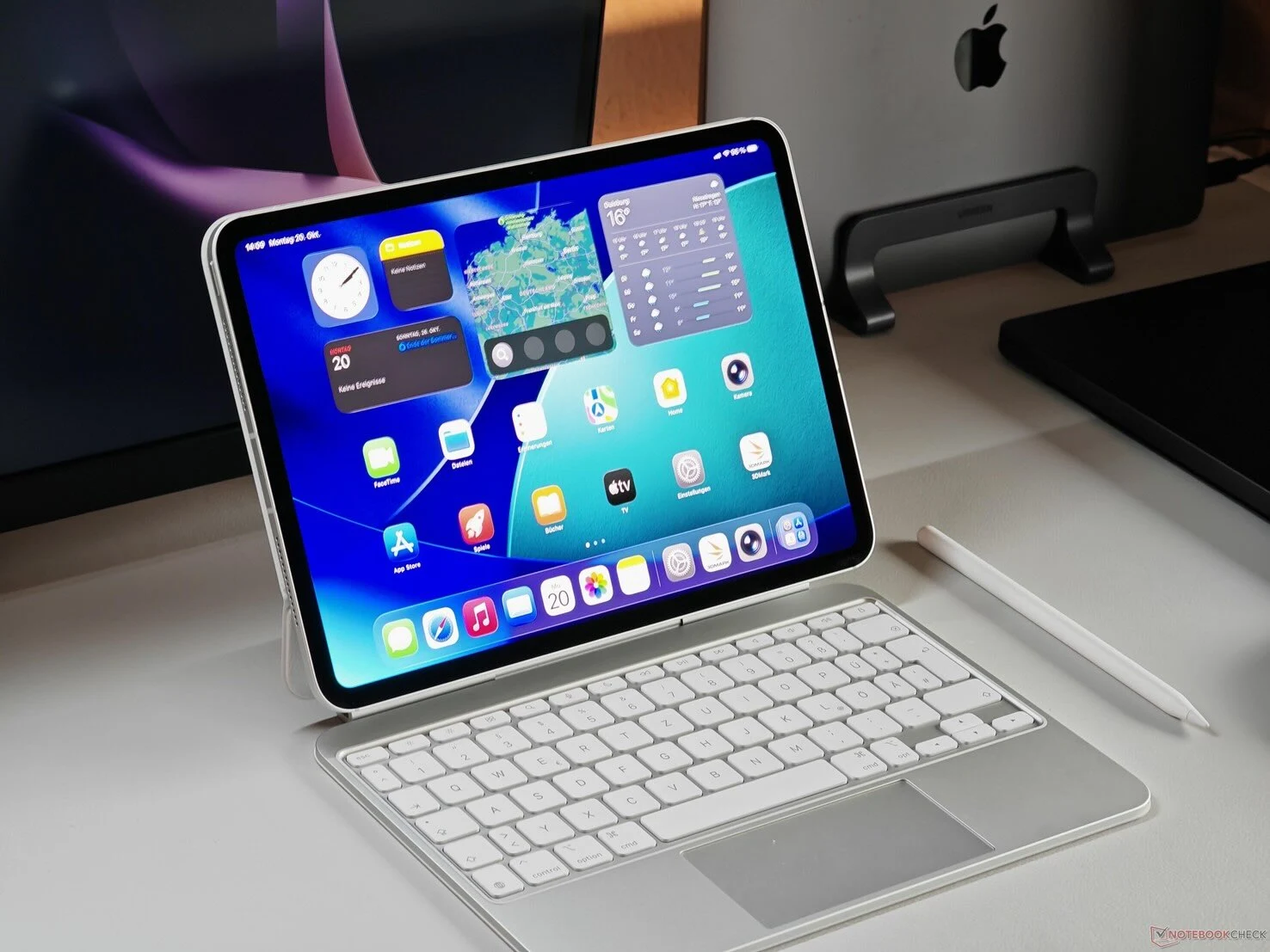
    As stated in the earlier press release from July 2025, the company showcased Blender running on an Apple iPad Pro (13″ now priced at $1,218 on Amazon) during SIGGRAPH 2025. It’s evident that the project attracted significant attention, and the chance of the application making its way to the iPad in the future is still plausible.

    Source:
    Link


  • Apple iPad Pro May Face Long Wait for Major Updates Amid Competition

    Apple iPad Pro May Face Long Wait for Major Updates Amid Competition

    Key Takeaways

    1. The iPad Pro is not expected to have significant updates soon, particularly in bezel size.
    2. Apple will likely focus on minor upgrades, mainly with the introduction of the new M6 chip.
    3. The current iPad Pro features the advanced M5 SoC, which is still impressive.
    4. The iPad Pro has an excellent OLED Retina display, maintaining high quality.
    5. Recent buyers of the iPad Pro should feel satisfied with their purchase for now.


    If recent information shared by well-known tipster Instant Digital is accurate, it looks like Apple’s top-end iPad, the iPad Pro, won’t see any significant updates in the near future.

    Bezels and Competition

    According to Instant Digital, Apple isn’t planning to change the bezel size around the iPad Pro’s screen anytime soon. This is somewhat disappointing, especially since rival Android devices already have very slim bezels, making the iPad Pro, priced at $800 on Amazon, appear rather outdated.

    Expected Upgrades

    Nonetheless, minor upgrades are still likely, mainly focusing on the chips. The current iPad Pro is powered by the impressive M5 SoC, which is the latest technology from Apple. With the M6 chip expected to launch later this year, it’s quite probable that it will be included in the iPad Pro before long.

    Display Quality

    The iPad Pro boasts an amazing OLED Retina display that performs exceptionally well, as highlighted in our detailed review of the device. Given that a significant update isn’t anticipated in the near future, those who have already purchased the iPad Pro shouldn’t feel any regret about their choice for quite some time.

    Instant Digital via Weibo

    Source:
    Link


  • Huawei MatePad Edge Nears Apple M5 Performance in Tests

    Huawei MatePad Edge Nears Apple M5 Performance in Tests

    Key Takeaways

    1. Huawei’s MatePad Edge will launch on November 25 and features a detachable keyboard and trackpad, making it a potential laptop alternative.
    2. The tablet has a slim design at 6.82 mm thick, weighs around 780 grams, and boasts a 14.2-inch screen with a high resolution of 3,120 x 2,080 and a 120 Hz refresh rate.
    3. It is rumored to be powered by a HiSilicon Kirin ARM chip, promising performance three times faster than the Kirin T92 in the MatePad Pro 13.2.
    4. The MatePad Edge may rival the iPad Pro’s speed, with a thermal design power of up to 28 watts and a large 12,800 mAh battery that supports fast charging at 140 watts.
    5. The device will run HarmonyOS but is expected to support over 13,000 Windows applications, including Adobe Creative Cloud, and may allow for DirectX 11 compatibility for gaming.


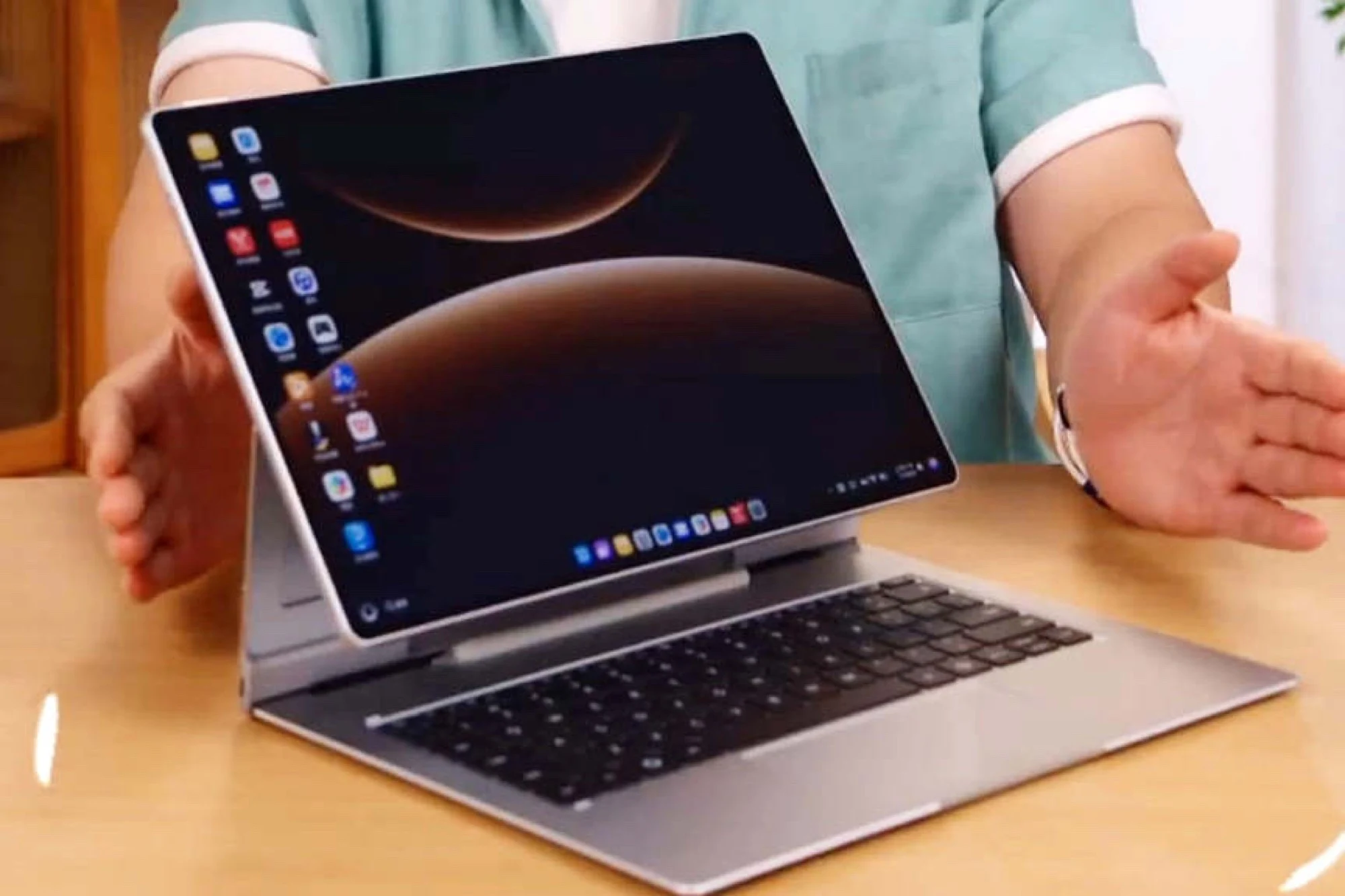
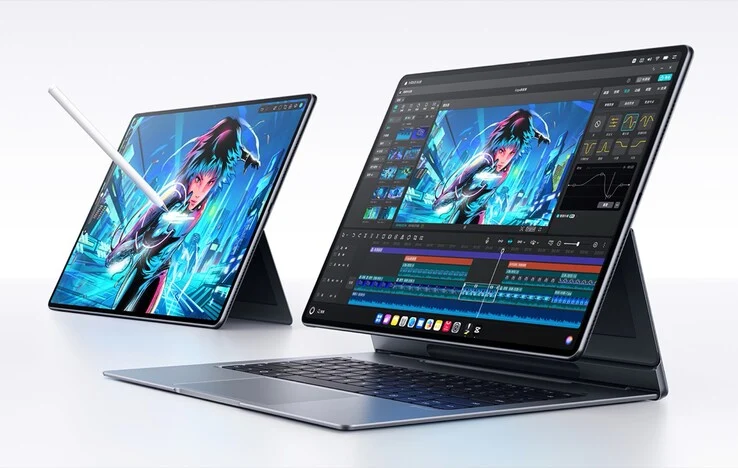
    Huawei has recently revealed the design of its MatePad Edge, indicating that this competitor to the Apple iPad Pro will officially debut on November 25. With a detachable keyboard and trackpad, the MatePad Edge is expected to serve as a viable laptop replacement.

    Powerful Performance

    New rumors circulating on the Chinese social platform Weibo suggest that the MatePad Edge might be Huawei’s most robust device so far. This tablet measures just 6.82 millimeters in thickness and weighs around 780 grams. It boasts a 14.2-inch screen with a resolution of 3,120 x 2,080 and a refresh rate of 120 Hz. Huawei is rumored to equip it with a HiSilicon Kirin ARM chip, which is purportedly three times quicker than the Kirin T92 found in the MatePad Pro 13.2.

    Almost Comparable to the iPad Pro

    If Huawei achieves the claimed performance levels, the MatePad Edge could rival the speed of the iPad Pro equipped with the Apple M5, based on our benchmark tests. To support this potential, the chip, along with liquid cooling, is said to have a thermal design power (TDP) of 28 watts. However, there may also be a version without liquid cooling, which would have a lower TDP of 20 watts. The device is rumored to feature a 12,800 mAh battery that can be charged via USB-C at a rate of up to 140 watts. For an enhanced multimedia experience, Huawei is including six speakers.

    Compatibility with Windows Apps

    Interestingly, while the MatePad Edge is expected to run HarmonyOS, it is also said to support over 13,000 Windows applications and may even provide compatibility with DirectX 11. This suggests that, in theory, Windows games could be emulated on the tablet. Additionally, the officially supported Windows apps reportedly include Adobe Creative Cloud.


    Source:
    Link


  • Apple Teases Big Announcement on November 12: AirTag 2, HomePod Mini, Apple TV 4K Updates

    Apple Teases Big Announcement on November 12: AirTag 2, HomePod Mini, Apple TV 4K Updates

    Key Takeaways

    1. Apple may launch new products, including a next-gen AirTag, before the end of the year.
    2. The anticipated launch date for these products is around November 12.
    3. Apple is not restocking the Apple TV 4K and HomePod mini, hinting at upcoming updates.
    4. Recent leaks suggest the new Apple TV 4K will feature the A17 Pro chipset and Wi-Fi 7 support.
    5. The HomePod mini is also expected to receive Wi-Fi 7 capability, though details on other enhancements are limited.


    Hardly any time has gone since Apple unveiled its revamped iPad Pro tablets, a fresh Vision Pro headset, and a 14-inch MacBook Pro powered by the M5 chip (curr. $1,549 on Amazon). Yet, new reports suggest that Apple is gearing up to launch at least three additional products before the year wraps up, including a next-gen AirTag.

    Anticipated Launch Date

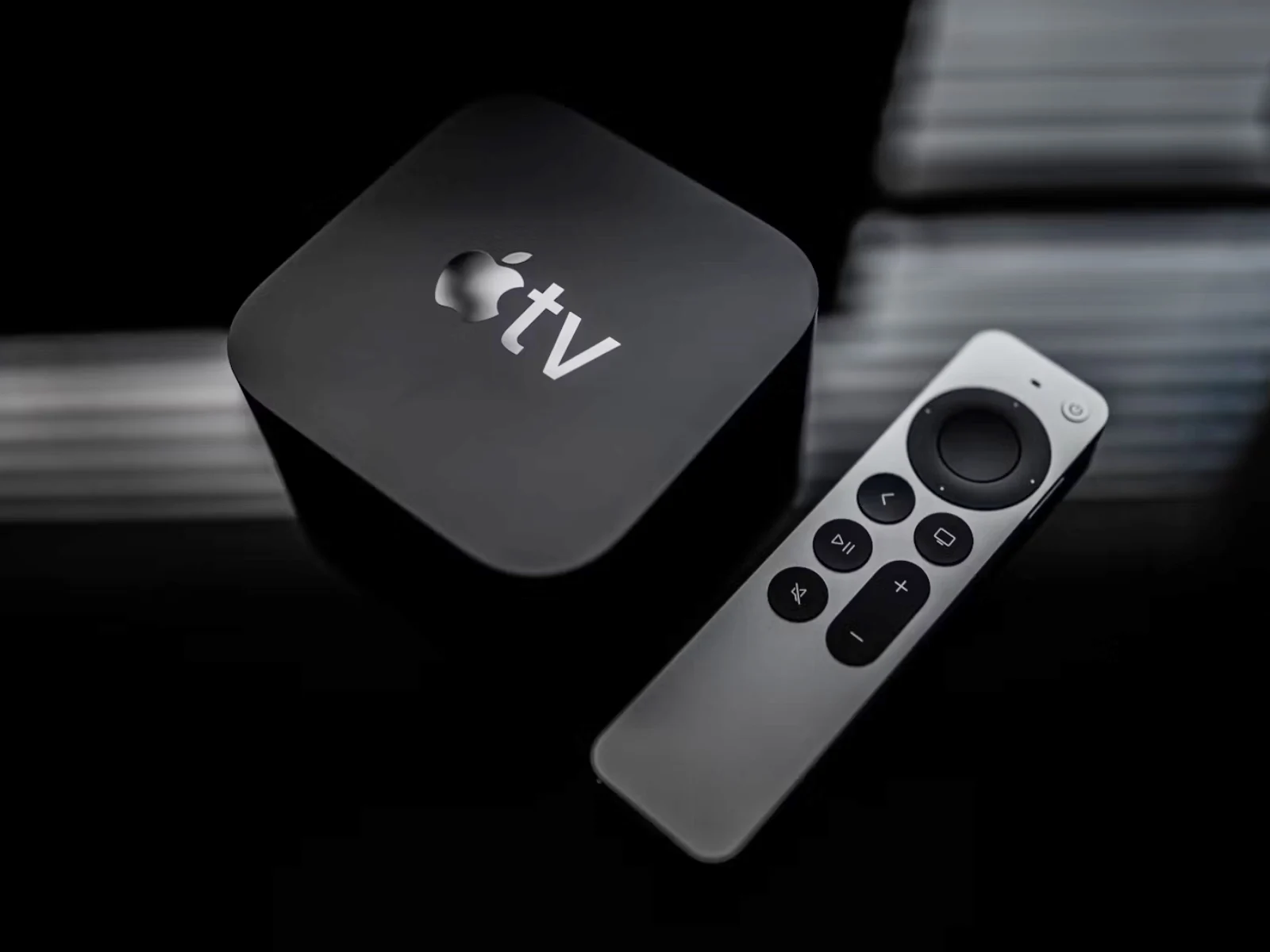
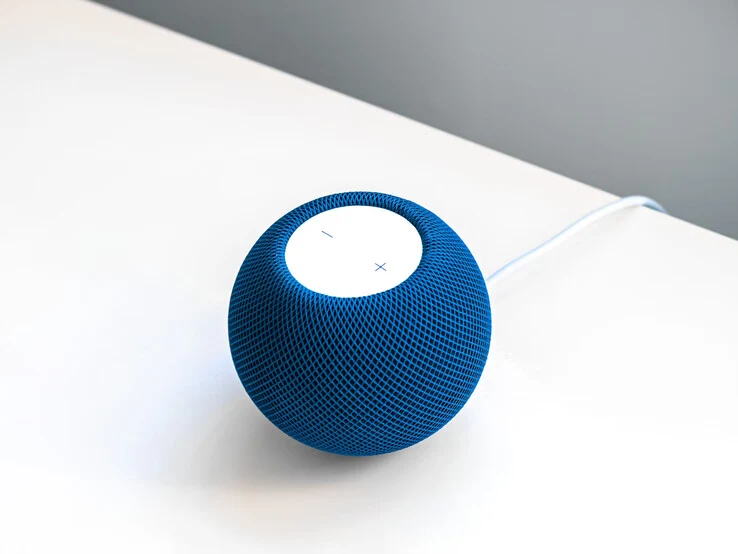
    Echoing earlier speculations, Gurman claims that Apple might be set to showcase a new range of devices as soon as November 12. Currently, the analyst is drawing this conclusion from two main points. Firstly, Apple is not restocking the Apple TV 4K and HomePod mini in markets like the US. Secondly, Gurman notes that Apple has informed retail staff about a possible after-hours update when stores close on November 11.

    Patterns of Store Updates

    Usually, Apple refreshes its store offerings when they are about to announce new gadgets or ahead of the festive season. Since the holidays are still some time away, Gurman leans towards the idea that the update might involve the Apple TV 4K and HomePod mini, but he expresses some uncertainty. According to recent leaks, the upcoming Apple TV 4K is expected to feature the A17 Pro chipset and Wi-Fi 7 support through its N1 modem. The HomePod mini is also rumored to receive Wi-Fi 7 capability; however, not much is known yet regarding other potential enhancements.


    Source:
    Link


  • iPad Pro M5: Laptop Replacement with Accessories and 5G Benefits

    iPad Pro M5: Laptop Replacement with Accessories and 5G Benefits

    Key Takeaways

    1. The Apple iPad Pro with the M5 chip outperforms many lightweight laptops, raising questions about its potential to replace MacBooks.
    2. Optional 5G connectivity enhances portability, allowing users to stay connected without relying on public Wi-Fi or phone data.
    3. iPadOS 26 has made significant strides towards macOS, improving user navigation, multitasking, and file management.
    4. Productivity can be maximized with a keyboard and trackpad, like Apple’s Magic Keyboard, which offers a MacBook-like experience.
    5. The iPad Pro may not suit everyone due to its cost and specific needs, but it offers powerful features and options for those it fits.


    We recently took a closer look at the latest Apple iPad Pro featuring the M5 chip, and it’s a really impressive device. Even with its passive cooling, this compact tablet outperforms many lightweight laptops. This leads many folks to ponder if the iPad Pro could actually take the place of a MacBook or regular laptop. The optional 5G connectivity is a game changer, especially for those on the go who might otherwise have to depend on public Wi-Fi or their phone’s data. Being connected at all times is super handy. While some business laptops do come with 5G, it’s still not very common in most other devices.

    Operating System Developments

    A clear limitation, of course, is the operating system. However, iPadOS 26 has made significant improvements that bring it closer to macOS 26. This starts with the looks—though that can be subjective—and extends to how you navigate the system. All applications now feature a user-friendly navigation style and can be rearranged on the screen. Space can be quite tight, especially on the smaller 11-inch iPad Pro, but multitasking has seen notable enhancements. A default menu bar has also been introduced, making it reminiscent of macOS. The file management system is effective, and transferring files to and from external drives is straightforward, provided they are formatted correctly.

    Enhancing Productivity

    To truly maximize productivity with the iPad, a keyboard and trackpad are essential. Apple’s Magic Keyboard, while pricey, functions exceptionally well. The typing feel is quite similar to that of a MacBook, and using a cursor to navigate iPadOS 26 is very user-friendly. For routine tasks such as emailing, using web apps, or working with the Office suite, the overall experience closely mirrors that of a MacBook. Plus, let’s not overlook the robust creative applications that work seamlessly with the Apple Pencil.

    That said, the iPad Pro might not be the ideal choice for everyone, and the overall cost can add up, particularly with certain upgrades. If the iPad Pro meets all your needs, though, you’ll find it to be a very powerful option, complete with optional 5G connectivity and a matte screen alternative.


  • Apple M5: Faster Performance with Shorter Battery Life in Daily Use

    Apple M5: Faster Performance with Shorter Battery Life in Daily Use

    Key Takeaways

    1. The Apple M5 SoC is the latest silicon used in the iPad Pro and base MacBook Pro 14 models.
    2. Performance is excellent, but Wi-Fi battery life is slightly reduced compared to previous models due to increased power draw from the M5 chip.
    3. The M5 chip operates on a third-generation 3 nm manufacturing process, leading to higher power consumption with increased clock speeds.
    4. Devices with passive cooling may face more challenges in performance compared to those with active cooling, like the MacBook Pro.
    5. Future M6 chips are expected to be built on a 2 nm process, which may further impact performance and efficiency.


    Apple’s M5 SoC represents the newest version of the company’s silicon. Both iPad Pro variants and the base MacBook Pro 14 model come equipped with this advanced chip. We’ve already conducted reviews on the iPad Pro 11 and the MacBook Pro 14, and also made comparisons between the new M5 and its competitors from AMD, Intel, and Qualcomm in our detailed analysis. This comparison focused on both performance and efficiency.

    Performance Insights

    It’s no surprise that the performance is top-notch; the previous M4 chip was already quite powerful. However, we did observe that the Wi-Fi battery life seems to be slightly reduced compared to earlier models, affecting both the new iPad Pro and the MacBook Pro. All other components remain the same, so this change must be linked to the processor. A more careful examination indicates that the M5 chip draws more power due to its increased clock speeds, in both single-core and multi-core tasks. This can be particularly noticeable during daily use, which often involves brief bursts of high demand. While the difference is not massive, it accumulates over extended usage.

    Manufacturing Process and Cooling Challenges

    Clearly, Apple has moved into the third generation of the 3 nm manufacturing process, and higher clock speeds generally necessitate comparatively higher power consumption. Given these increased consumption rates, devices like the iPad Pro and the forthcoming MacBook Air, which utilize passive cooling, may face more challenges. The performance gap between these devices and those with active cooling, like the MacBook Pro, could be wider than what we saw with the current M4 models. We are really looking forward to seeing how the next M6 generation will perform, as they are likely to be the first chips built on a 2 nm process.

    For further details, be sure to check out our analysis of the new M5 SoC, along with our reviews of the iPad Pro 11 and the MacBook Pro 14.

  • Apple Confirms Requested Upgrade for Studio Display Fans

    Apple Confirms Requested Upgrade for Studio Display Fans

    Key Takeaways

    1. The original Studio Display, launched in March 2022, features a 5K Retina screen but only has a 60 Hz refresh rate.
    2. Fans are hoping for a better refresh rate in the upcoming Studio Display, especially since Apple’s other devices offer 120 Hz.
    3. An update for the Studio Display is anticipated early next year, though Apple has not confirmed a specific timeline.
    4. The new iPad Pro can now support external displays at up to 120 Hz, raising expectations for the next Studio Display’s capabilities.
    5. Speculation includes potential upgrades to mini-LED or OLED technology for the next Studio Display, as hinted by reports from Bloomberg.


    The original Studio Display made its debut in March 2022, featuring a stunning 5K Retina screen but lacking in refresh rate, which is just 60 Hz. With a price tag starting at $1,600, many fans were hoping for a better refresh rate, especially since Apple’s other devices like the iPhone and iPad have models that offer a smoother 120 Hz refresh rate. Thankfully, it seems that the upcoming Studio Display might finally bring some improvements.

    Anticipated Upgrades

    Even though Apple hasn’t provided a specific timeline for the next Studio Display, it’s about time for an update, and it’s rumored to be revealed early next year. Meanwhile, Apple has been busy updating the iPad Pro, which is now equipped with the M5 chip. This new hardware, along with iPadOS 26, creates a work-friendly environment that makes using the iPad with an external display—though not necessarily the Studio Display—a more appealing option.

    New Capabilities

    What’s particularly fascinating is that the new iPad Pro can now handle external displays at up to 120 Hz, something the M3 iPad Pro could not do. This change could suggest that Apple’s next external display will also feature a 120 Hz refresh rate. However, it’s important to mention that while the new iPad Pro supports 120 Hz at 4K resolution on an external screen, the Studio Display is already a 5K panel.

    This isn’t the first time there has been talk of a refresh rate enhancement for the next Studio Display. A recent report from Bloomberg hinted at similar upgrades, and there is speculation that the display may switch to a mini-LED or even an OLED/Tandem OLED.

    Conclusion

    Apple iPad Pro (as seen on 9to5Mac) continues to be a focal point in these developments, with users eagerly awaiting what the next generation of Studio Display will bring.

    Source:
    Link


  • Apple M5 Launch Details for MacBook Pro 14, iPad Pro, Vision Pro

    Apple M5 Launch Details for MacBook Pro 14, iPad Pro, Vision Pro

    Key Takeaways

    1. Apple’s M5 generation Mac lineup details were revealed, with an updated basic MacBook Pro expected by the end of the month.
    2. The updated MacBook Pro will replace the current M4 model, priced at $1,399.
    3. More advanced MacBook Pro and MacBook Air models are not expected until spring 2026.
    4. The MacBook Pro 14, along with refreshed iPad Pro tablets and a new Vision Pro headset, could be released soon.
    5. Apple is likely to announce these products through press releases rather than a special event, possibly mid-week.


    Just yesterday, information about Apple’s entire M5 generation Mac lineup was revealed online. AppleInsider mentioned that the basic MacBook Pro is set to be updated before the month ends to take the place of the existing Apple M4 model, which is currently priced at $1,399 on Amazon. In contrast, the more advanced MacBook Pro and MacBook Air models will not be available until spring 2026.

    Upcoming Devices

    Mark Gurman has shared that the MacBook Pro 14 is one of three devices powered by the Apple M5 that could be released “as early as this week,” assuming the week begins on a Sunday. In his recent Power On newsletter, the analyst also noted that refreshed iPad Pro tablets and a new Vision Pro headset will launch around the same time, with information about these products leaking earlier this month.

    Expected Announcement Timing

    However, Gurman hasn’t given an exact launch date. Instead, he believes Apple will announce these three products through press releases rather than holding a special launch event. It seems that Apple might avoid making these announcements tomorrow, as it would coincide with Columbus Day in the US. Therefore, it looks likely that the new iPad Pro, MacBook Pro, and Vision Pro launches will take place mid-week.

    Source:
    Link


  • Configurable M5 Pro and Max: MacBook Pro, Mac Studio, Mac mini

    Configurable M5 Pro and Max: MacBook Pro, Mac Studio, Mac mini

    Key Takeaways

    1. Apple is expected to announce M5 series MacBook Pro and iPad Pro models soon, likely this month.
    2. The M5 Pro and M5 Max models will feature a new design with separate CPU and GPU sections for more customization.
    3. Customers may have the option to mix and match configurations for M5 Pro and Max devices.
    4. M5 Pro and Max devices may be delayed until 2026, while M5-powered MacBook Pro and iPad Pro are set for a timely release.
    5. Recent developments include an unboxing of an M5-powered iPad Pro and certification of the M5 MacBook Pro by the US FCC.


    Apple is likely to reveal its M5 series MacBook Pro and iPad Pro models shortly. There are numerous signs that the announcement may take place this month, although the new devices are anticipated to feature only minor updates. While this appears true for the M5 powered gadgets, the M5 Pro and M5 Max models are reportedly set to introduce a more intriguing change that will provide customers with broader configuration options.

    New Design Features

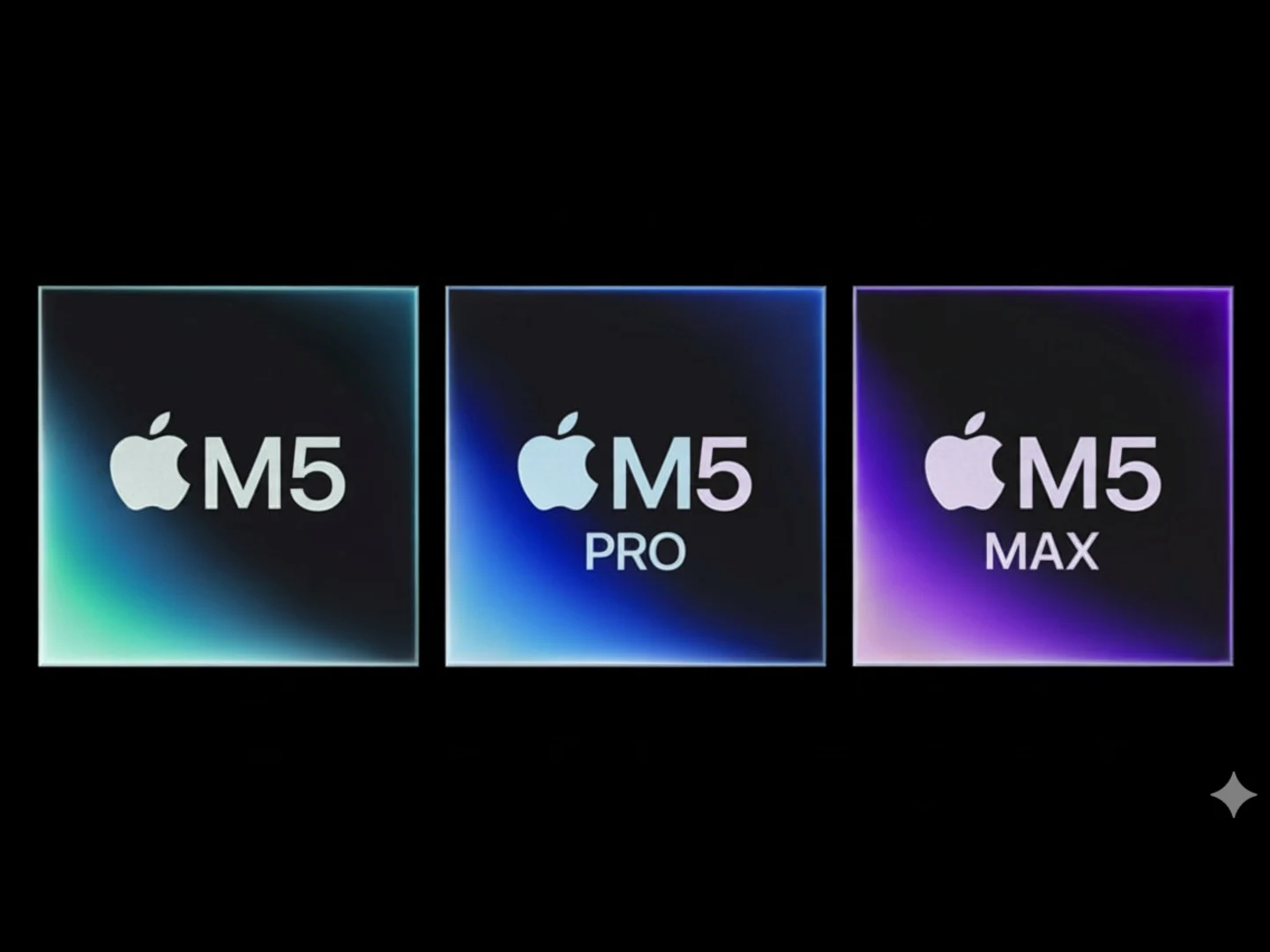
    Vadim Yuryev, from the Max Tech YouTube channel (shared via X), mentions that the M5 Pro and M5 Max chips will sport a fresh design, featuring distinct CPU and GPU sections. This isn’t entirely new, as it was initially speculated for the M5 Pro, Max, and Ultra chips back in December of the previous year. This pertains to TSMC’s SoIC-MH design, which means Small Outline Integrated Circuit Molding-Horizontal.

    Direction for Future Models

    Yuryev’s post reinforces that Apple is moving in this direction for its upcoming MacBook Pro, Mac Studio, and Mac mini models. It’s quite fascinating because this change will enable more customizable devices regarding core counts. Customers will probably have the option to mix and match their M5 Pro and Max devices, such as using a base M5 CPU core count along with a fully-equipped GPU.

    Release Timeline Updates

    Yuryev also mentions that this is why the M5 Pro and Max devices are reportedly being delayed until 2026. In contrast, the M5 powered MacBook Pro and iPad Pro are not expected to undergo similar delays and should be announced soon, possibly this month (October). Recently, an M5-powered iPad Pro was unboxed, and the M5-powered MacBook Pro received certification from the US FCC, while some versions of the M4 iPad Pro have already sold out.

    Vadim Yuryev’s insights on X.

    Source:
    Link


  • Apple Vision Pro Refresh Coming Soon with Major Upgrades Expected

    Apple Vision Pro Refresh Coming Soon with Major Upgrades Expected

    Key Takeaways

    1. Apple is facing significant leaks this week, primarily from the FCC, revealing details about new products.
    2. Initial documents for new iPad Pros, a MacBook Pro, and a Vision Pro device have been released by the FCC.
    3. Mark Gurman reported that Apple has stopped development on a “cheaper and lighter” version of their VR headset, called the ‘Vision Air.’
    4. The anticipated ‘Vision Air’ headset is expected to be priced around $1,500, significantly higher than Meta’s Quest 3S at $499.
    5. Gurman suggests that Apple is close to launching a new Vision Pro headset, potentially featuring the Apple M5 chipset.


    Apple has been in the spotlight this week due to numerous significant leaks, many stemming from the Federal Communications Commission (FCC). Just a couple of days ago, a YouTuber gave an inside look at the Apple M5 chipset and the upcoming iPad Pro 13.

    Leaks and New Releases

    Yesterday, the FCC released initial documents not just for the new iPad Pros, but also for a fresh MacBook Pro and a new Vision Pro device. Shortly after this, Mark Gurman stated that Apple had halted development on what he believed was a “cheaper and lighter” version of their current virtual reality (VR) headset.

    Clarification on the Vision Models

    Gurman later clarified that he was speaking about a different model than the unreleased VR headset mentioned by the FCC. His earlier comments were regarding the ‘Vision Air’, which was anticipated to be priced around $1,500, making it about five times the cost of Meta’s lighter alternative, the Quest 3S, which currently goes for $499 on Amazon.

    Future of the Vision Pro

    As pointed out in the tweet below, Gurman maintains that Apple is on the brink of launching a “new Vision Pro” soon. However, he does not provide a specific timeline, only suggesting that the headset is “close” to hitting the market. For now, he claims that Apple plans to differentiate the next Vision Pro, potentially called Vision Pro 2, by incorporating the Apple M5 chipset in it.

    Source:
    Link