Key Takeaways
1. Immersive World Building: Subnautica 2 expands on the lore of previous titles, offering players a vibrant alien ocean experience where they could be the last human or the first of something new.
2. Handcrafted Design: The game is entirely crafted by hand, ensuring that every area is intentionally designed for balanced and immersive exploration.
3. Tackling Technical Hurdles: The team has developed new methods, like MeshBlend, to eliminate visual errors and create smooth asset seams, enhancing the overall visual quality.
4. Geological Assets: The use of unique tools like the “Tufa Kit” allows for the creation of highly detailed rock formations that make the ocean floor appear natural.
5. Optimization for All Systems: The game is being optimized with techniques like vertex color channels and texture compression to ensure smooth performance on various systems without sacrificing visual quality.
Unknown Worlds, the studio behind the well-loved underwater survival title Subnautica, has dropped a second developer vlog for the anticipated sequel, Subnautica 2. This latest video showcases how the team is building a new alien ocean environment by utilizing advanced tools, community contributions, and a combination of automated and hand-crafted artistry.
Immersive World Building
Seth, the Senior Narrative Designer for the game, kicks off the preview with an intriguing statement: This is a realm where alien DNA permeates your very being… where you could be the last human or perhaps the first of something entirely different. He elaborates that the game expands on the lore established in Subnautica, Below Zero, and even Natural Selection, creating a vibrant, living ocean experience that players have never encountered before.
Handcrafted Design
Following this, Artyom, a Level Designer at Unknown Worlds, stresses that, similar to the earlier games, Subnautica 2 is entirely crafted by hand. Each area is meticulously designed, Artyom noted. This careful creation method guarantees that every exploration feels intentional, balanced, and immersive.
Tackling Technical Hurdles
One of the technical hurdles faced was the removal of asset seams—those annoying visual errors where various 3D elements intersect. This time around, the team opted against using voxels, breaking away from the style of previous titles. It pushed us to discover another method to merge meshes… MeshBlend has revolutionized our approach – it’s like witchcraft, shared Environment Artist Ben Hale. This tool, designed by modder Tore Lervik, enables artists to blend asset seams smoothly during post-processing.
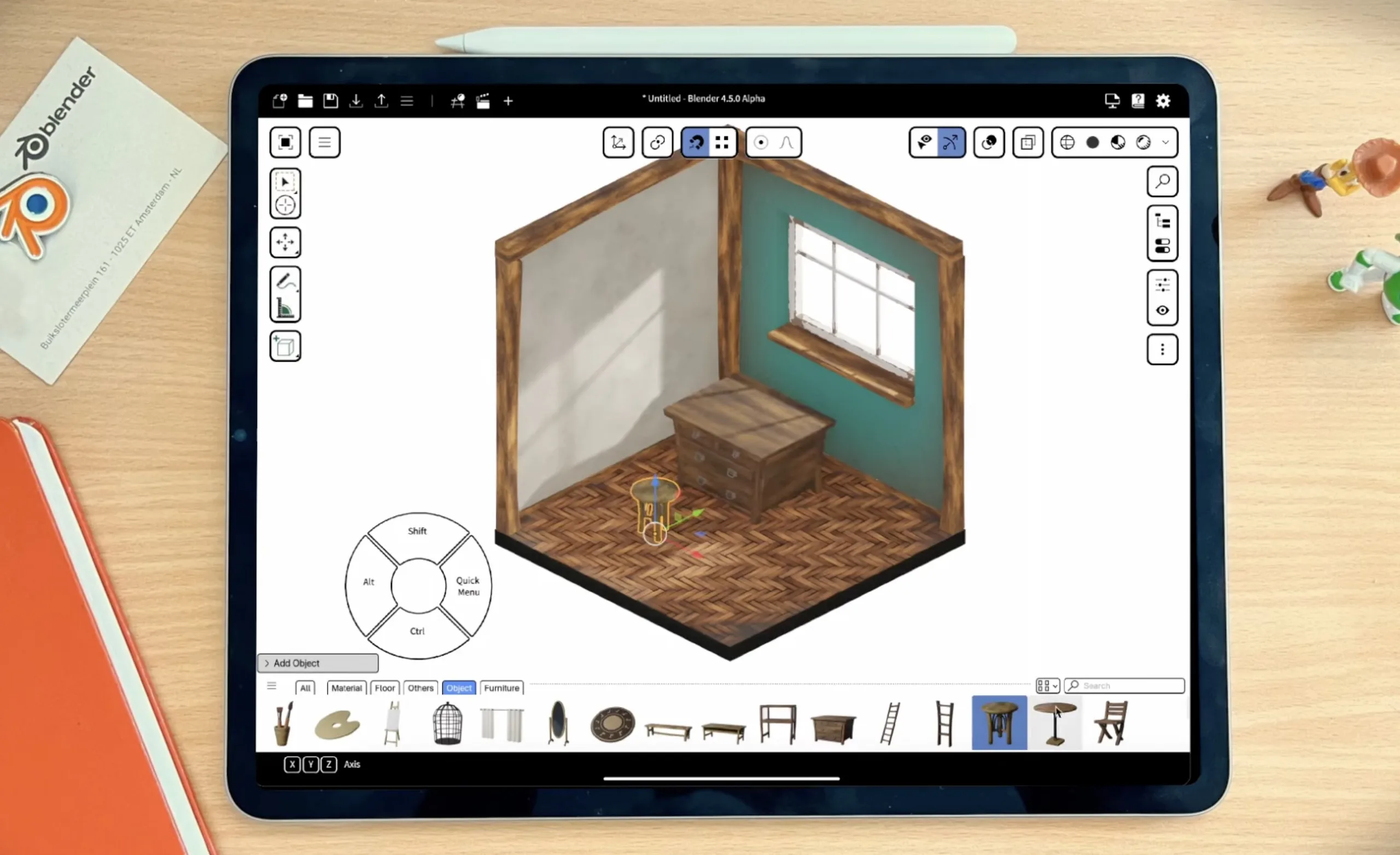
The video also showcased creature pipeline designer James Stout, who illustrated procedural tools within Blender that allow artists to adjust juvenile creature tentacles and shapes dynamically: We can modify the lengths of tentacles, the softness of appendages, and their movement. This approach ensures each creature feels distinct without inflating memory usage, Stout clarified.
Geological Assets
Ben Hale, who focuses on geological elements like rocks, guided viewers through his unique “Tufa Kit”—a method that incorporates Substance Designer, ZBrush, and custom brushes to create interconnected rock structures. We’ve developed rock formations that reach almost a million polys, Hale mentioned, emphasizing that such detail was essential for making the ocean floor appear natural rather than modular.
Optimization for All Systems
Even with its high visual quality, the game is being thoughtfully optimized. We’re implementing vertex color channels, trim sheets, and texture compression to maximize performance for each frame, James explained. This strategy ensures that Subnautica 2 will function smoothly on various systems without sacrificing quality.
While the precise launch date for Subnautica 2 is still a mystery, the early access version is expected to be available sometime later this year. As noted in a recent Q&A video, the game will primarily focus on a single-player adventure, with a co-op mode available as an option.
Source:
Link