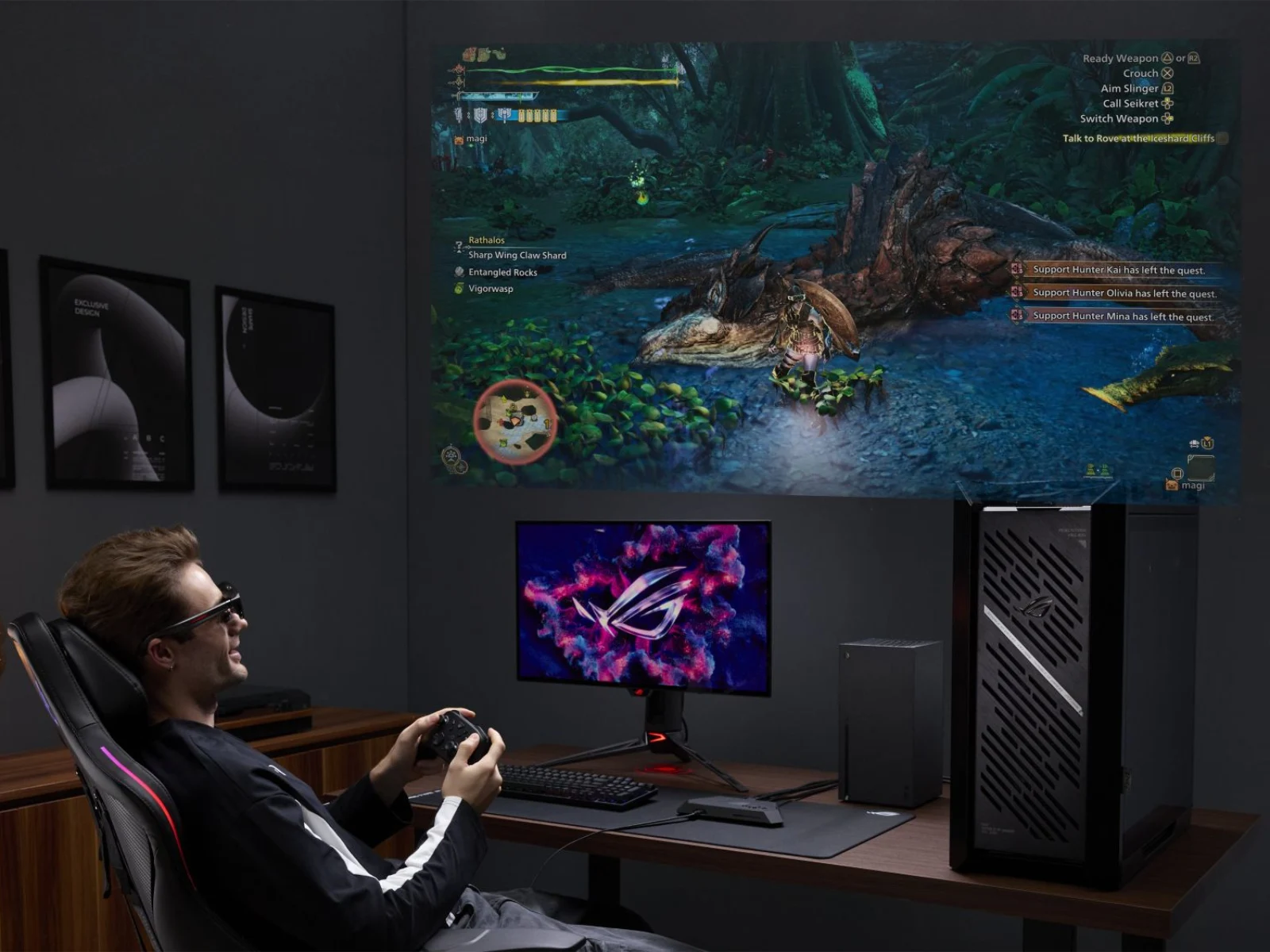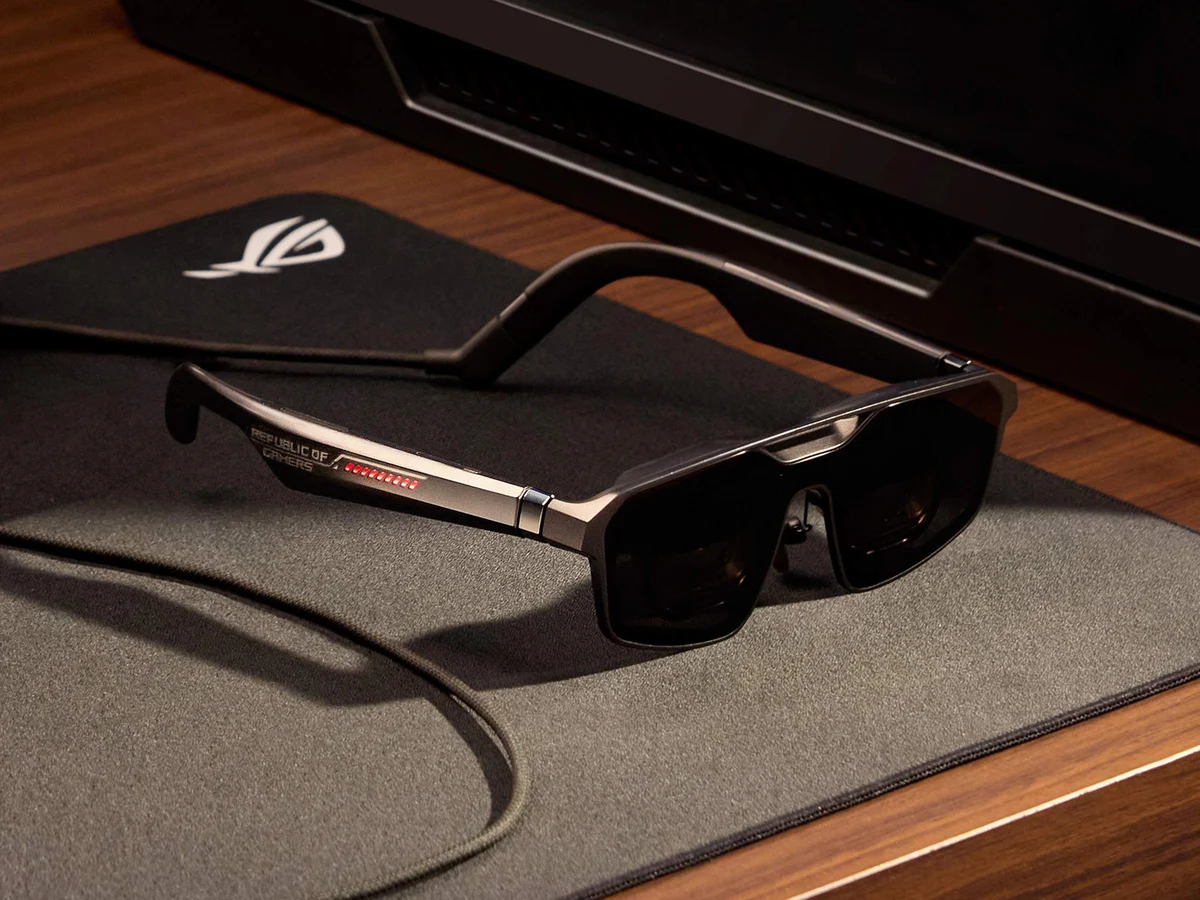
– 240Hz micro OLED displays with 0.01ms response time and a 57° wide field of view, touted for ultra-fluid gaming visuals on AR glasses.
– Priced at $849—significantly higher than Xreal’s One Pro ($599–$649) due to gaming-focused enhancements and co-branding with Asus ROG.
– Electrochromic lenses with three tint levels and peak brightness of 700 nits (lower than some competitors, e.g., 1,200 nits on RayNeo Air 3S Pro).
– Integrated ROG dock with a signal switch for easy display-source swapping, plus comfort-forward design, anchor mode with native 3 DoF, and Bose-built audio.
Asus has just rolled out the ROG Xreal R1 in China after showcasing the gaming AR glasses at CES 2026, and they’re now open for purchase. The pre-order price sits higher than typical non-gaming AR glasses, signaling a premium for the gaming features and branding involved.
Pricing snapshot
The ROG Xreal R1 glasses are listed on the Xreal shop for 849, while Xreal’s top-end One Pro normally retails at 649 and can drop to 599 with occasional discounts. These co-branded AR glasses carry a handful of gaming-centric enhancements that set them apart from standard models in the market.
Display and performance
First off, they claim to be the first commercially available AR glasses with 240Hz refresh rate micro OLED displays. In contrast, non-gaming AR options typically max out at 120Hz. Xreal asserts a 0.01ms response time for the ROG glasses, which should translate into smoother motion and more fluid picture output for fast-paced gaming.
Visual specs and field of view
The micro OLED displays reportedly offer up to a 171-inch virtual screen size, though this isn’t groundbreaking since some AR glasses like the Rayneo Air 4 Pro reach around 201 inches. The R1 counters with a relatively wide field of view of 57°, which could contribute to a more immersive viewing experience during gameplay and AR tasks alike.
Lenses and brightness
The R1 includes electrochromic lens technology with three tint levels to help isolate the display from surrounding light. However, peak brightness sits at 700 nits, which is notably lower than last-gen devices like the RayNeo Air 3S Pro with 1,200 nits, suggesting usage conditions will influence perceived clarity in bright environments.
Gaming-centric features
Asus and Xreal have teamed up on several gaming-focused features for the R1. The bundled ROG dock includes a built-in signal switch for easy swaps of display source. Other highlights include a comfort-forward adjustable design, anchor mode with native 3 DoF, and an audio system described as being tuned with Bose technology. A promotional video is available to showcase these capabilities.