Tag: MG4

  • MG4 Electric Car: First with Semi-Solid-State Battery Ready for Approval

    MG4 Electric Car: First with Semi-Solid-State Battery Ready for Approval

    Key Takeaways

    1. SAIC Motor’s MG4 will debut a semi-solid-state battery in 2025, nearing market approval in China.
    2. Pricing details for the MG4 are expected in September, with deliveries scheduled to start by the end of 2025.
    3. The semi-solid-state battery features reduced electrolyte content for better energy density, safety, and cold weather performance.
    4. The MG4 will continue to use established design principles with two existing LFP battery options and the new semi-solid-state version as an additional choice.
    5. Key details about the battery’s chemistry, packing density, and charging performance will be revealed alongside the pricing announcement.


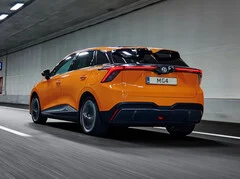
    SAIC Motor is advancing its long-anticipated move in the electric vehicle industry. The MG4 is set to feature a semi-solid-state battery for the first time in 2025, and it is close to receiving market approval. As reported by MIIT through Electrek, this new version has been included in the latest MIIT list of vehicles that are authorized for sale in China. The company is expected to reveal pricing information in September, with deliveries slated to begin by the end of 2025.

    Confirmed Schedule

    Electrive has shared that SAIC has validated the timeline: The semi-solid-state battery will “first go into mass production in the new MG4,” with pricing details to be disclosed in September. Following that, “batch deliveries” will commence, and pre-orders are already being accepted.

    Technology Overview

    The technology behind this battery is still quite conventional and relies on established methods. As stated by MIIT via Electrek, a semi-solid-state system uses a greatly reduced electrolyte content alongside solid components, rather than a liquid electrolyte. This design aims to deliver enhanced energy density, improved safety features, and better performance in cold weather, while not fully transitioning to solid-state cell chemistry. This approach aligns with the industry’s typical progression: starting with mass production in large vehicles, then moving to larger-scale implementations.

    Maintaining Proven Concepts

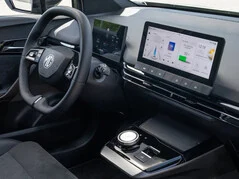
    SAIC continues to rely on familiar concepts during this transition. The MG4 remains a compact five-door model, currently offering two LFP battery options (42.8 kWh and 53.9 kWh) with CLTC ranges varying from 437 to 530 kilometers. The semi-solid-state version will be launched as an additional option; details regarding its capacity and standard range are anticipated alongside the pricing announcement in September. The vehicle’s design still employs SAIC’s CTB (cell-to-body) method and integrated thermal management, ensuring that established design principles are upheld.

    Questions Still Exist

    There are still some questions that remain about the new battery, particularly regarding its exact cell chemistry, packing density, and charging performance. Electrek notes that it utilizes a manganese-based lithium-ion variant supplied by Suzhou Qingtao Power Technology. The manufacturer will only disclose specific details about capacity and charging times when the pricing is made public.

    Looking Ahead

    For potential customers outside of China, it will be important to see when this new battery technology gains regional approval and appears on price listings. At this moment, the primary focus is on the launch in China and the global scaling of production.

    With the planned price announcement in September and the start of deliveries by the end of 2025, the MG4 could introduce semi-solid-state technology to the mass market for the first time. This represents a traditionally cautious yet sensible step towards achieving higher energy density and improved functionality while sticking to established manufacturing practices.

    Source:
    Link


  • Affordable $15,000 EV with Semi Solid-State Battery Launches

    Affordable $15,000 EV with Semi Solid-State Battery Launches

    Key Takeaways

    1. Major companies are committing to solid-state batteries in electric vehicles by 2027, with some using semi solid-state batteries now.
    2. Semi solid-state batteries, initially for high-end models, are becoming more affordable and accessible to mainstream vehicles.
    3. The MG4 hatch will be the first affordable car featuring a semi solid-state battery, priced at $15,000 in China.
    4. Leading automakers like BMW and Mercedes are planning mass production of solid-state batteries, enhancing vehicle range and safety.
    5. CATL predicts that true solid-state batteries will not be widespread in mass-market vehicles until after 2030, with 95% solid electrolyte batteries serving as a transitional solution.


    Solid-state batteries, including their commercial version that features 95% solid electrolyte, are gradually transitioning from research and development into actual production lines and usable vehicles. This shift is happening ahead of the 2027 target set by the industry.

    Electric Vehicle Commitments

    Major companies like Toyota, Samsung, CATL, and BYD have committed to introducing electric vehicles equipped with solid-state batteries by 2027. However, a transitional technology known as the semi solid-state battery, which consists of 95% solid and just 5% liquid electrolyte, is already being used in electric cars today.

    Premium to Mass Market

    Initially, semi solid-state batteries were exclusive to high-end electric vehicles, such as the NIO ET9 sedan, which can travel 650 miles on a single charge thanks to its 150 kWh semi solid-state battery. This battery was developed by NIO in collaboration with a startup called WeLion, after CATL expressed concerns about costs. NIO’s chief revealed that the nearly solid electrolyte battery pack is as expensive as some of their less costly cars. To manage this, NIO opted for a battery rental system for extended summer trips, utilizing its battery swap technology, which now sees around 100,000 swaps daily in just a few minutes.

    Cost Reductions and New Models

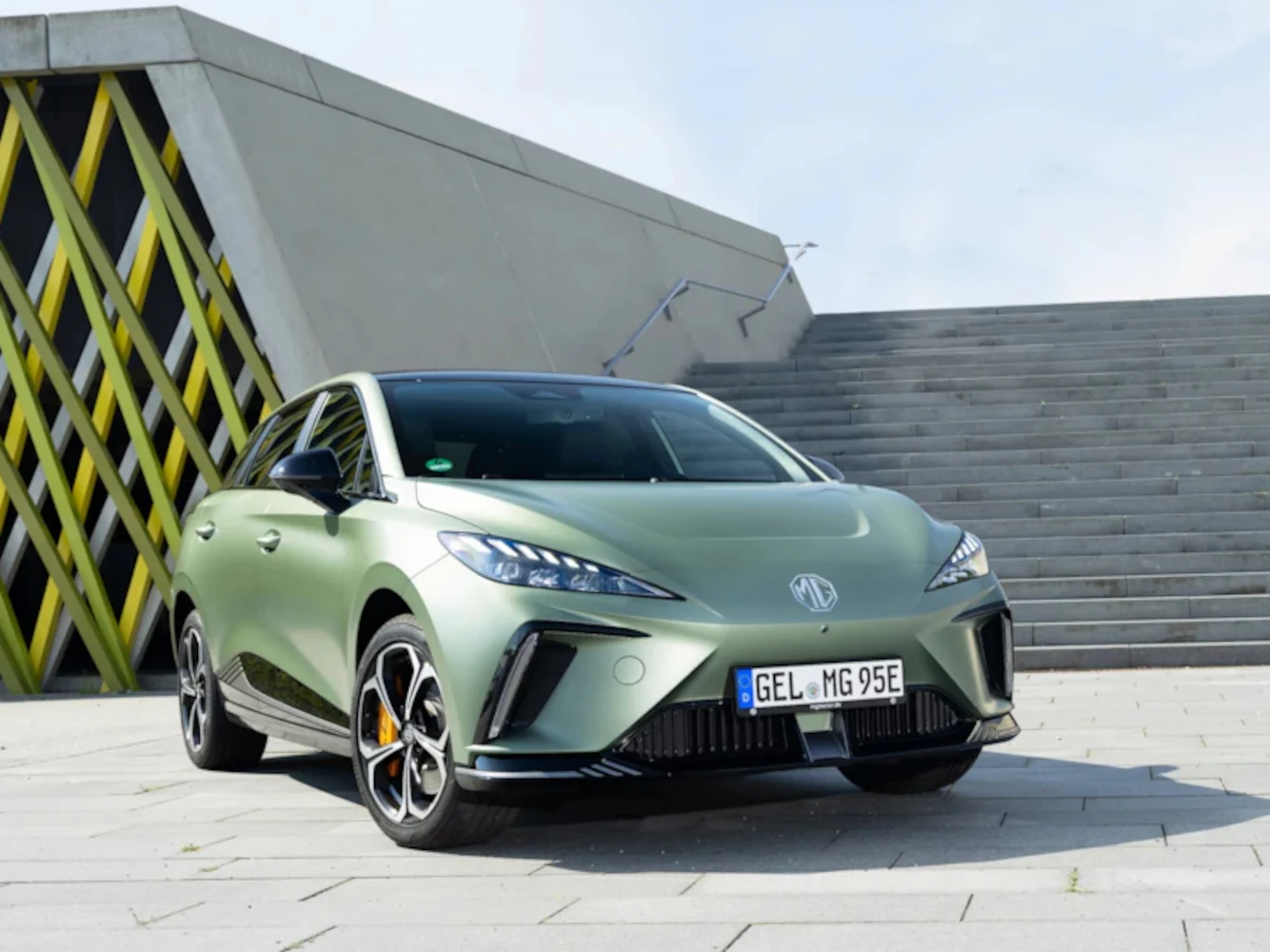
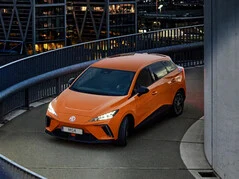
    Over time, increased production has led to significant price reductions for these batteries, making them viable for mainstream electric vehicles. The MG4 hatch, set to be revealed on August 5, will be the first affordable electric car featuring a semi solid-state battery, priced at $15,000 for the top version in China.

    The QingTao Energy battery utilizes a nearly solid electrolyte that contains only 5% of a flammable liquid, enhancing safety compared to conventional lithium batteries that use all-liquid electrolytes. The 70 kWh battery pack of the MG4 has successfully passed necessary shock, puncture, and thermal runaway tests. According to MG, its battery chemistry offers 14% improved capacity retention in cold conditions, which extends the vehicle’s range in freezing temperatures.

    Industry Developments

    Both BMW and a subsidiary of Mercedes have unveiled plans for mass production of solid-state batteries that contain 95% solid electrolyte. Svolt will begin trial production of an affordable semi solid-state battery for the next-gen BMW Mini in the next quarter. Meanwhile, Farasis Energy, supported by Mercedes, is setting up a pilot production line for sulfide solid-state batteries.

    Mercedes was the pioneer in incorporating a solid-state battery into a production electric vehicle platform, retrofitting the EQS sports sedan with a battery pack that allows for a range of 620 miles on a single charge. This solid-state battery in the EQS boasts 25% higher energy density compared to the older battery pack, yet Mercedes has not disclosed the cost of this development.

    Future Perspectives

    CATL, the leading battery manufacturer, believes that true solid-state batteries will not become widespread in mass-market vehicles until after 2030. However, they assert that batteries with 95% solid electrolyte can act as a transitional solution until then. Historically, CATL’s forecasts have been accurate, as evidenced by the upcoming launch of the first affordable electric vehicle featuring a semi solid-state battery.

    Source:
    Link