Tag: CATL

  • AutoFlight Launches First eVTOL Air Taxi Water Landing Platform

    AutoFlight Launches First eVTOL Air Taxi Water Landing Platform

    Key Takeaways

    1. AutoFlight has introduced the first “sea-air mobility solution” with a floating airport for eVTOL aircraft landings on water.
    2. The eVTOL take-off platform features autonomous charging using solar panels and energy storage systems.
    3. The Water Vertiport supports various applications, including urban air taxis, emergency responses, and recreational flights.
    4. The platform can be quickly deployed in different water bodies and supports coordinated operations through a “Sea-Air Super Hub.”
    5. AutoFlight has secured orders for over 2,000 units and aims to reduce emergency response times and improve offshore maintenance efficiency.


    AutoFlight, a company that designs electric vertical take-off and landing (eVTOL) aircraft and is supported by battery manufacturer CATL, has unveiled the first “sea-air mobility solution.” This innovation is essentially a floating airport designed for eVTOL landings, which can be set up anywhere on the water.

    Autonomous Charging Capabilities

    The eVTOL take-off platform operates on its own and can recharge the aircraft using its solar panels and energy storage systems. AutoFlight specializes in creating electric aircraft for various uses, including passenger transport, cargo delivery, rescue missions, firefighting, air taxi services, and other commercial applications that do not require lengthy runways for takeoff or landing.

    Versatile Applications for Urban Mobility

    With the introduction of the eVTOL Water Vertiport, the firm aims to provide comprehensive air, land, and sea services for uses like urban air taxis, emergency responses, maintenance of ocean oil rigs, or simply recreational flights to popular tourist spots.

    In addition to the landing area and charging facilities, the Vertiport includes a dispatch center and communication systems, allowing it to be rapidly deployed in different bodies of water such as lakes, rivers, or oceans. Multiple eVTOL solutions can be deployed to create a “high-throughput, distributed Vertiport cluster,” which supports large-scale coordinated operations for wider coverage and smarter applications, according to AutoFlight, or what they refer to as a Sea-Air Super Hub.

    Expanding Market Potential

    The company, which has received significant investments from CATL, has already secured orders for over 2,000 units. It claims that the water landing platform will reduce emergency response times by 50% and make the maintenance of offshore wind farms and oil rigs up to ten times quicker. In the air taxi industry, it has the potential to provide shortcuts to airports or city centers, alleviating the burden on crowded transport networks.

    The emerging eVTOL market is gaining momentum, and CATL aims to capture a substantial share to boost its electric vehicle battery sales. They are also developing compact batteries for electric aircraft with a range of 2,000 miles, alongside standardized swap stations and other charging infrastructures to enhance their market presence.


    Source:
    Link


  • CATL to Start Solid-State Battery Production in 2027 Amid Scale Concerns

    CATL to Start Solid-State Battery Production in 2027 Amid Scale Concerns

    Key Takeaways

    1. CATL will not start large-scale production of solid-state batteries for EVs capable of over 1,200 miles on a single charge by 2027, contrary to some rumors.
    2. The company plans pilot production of solid-state battery cells in 2027 but on a limited scale, with claims of energy density achieving 1,252 miles overstated.
    3. Current advancements in solid-state battery technology are still in the research phase, with a peak energy density of 500 Wh/kg, which is double that of current liquid electrolyte batteries.
    4. CATL has been investing in solid-state battery technology for over a decade and aims for small-scale production by 2027, with a projected manufacturing maturity level of 7 or 8.
    5. Solid-state batteries are costly to produce and currently more suitable for specialized applications like drones and robots rather than mass-market electric vehicles, where LFP battery technology remains dominant.


    CATL has clarified that it will not begin large-scale production of a solid-state battery that can power an electric vehicle (EV) for over 1,200 miles on a single charge by 2027, as some rumors suggested.

    Pilot Production Plans

    The leading battery manufacturer will indeed start pilot production of solid-state battery cells at that time, building on its existing trial production line, although it will be on a limited scale. Furthermore, the claim that its solid-state battery will feature an energy density capable of achieving 2,000 kilometers (1,252 miles) on one charge appears to have been overstated.

    Current Developments in Technology

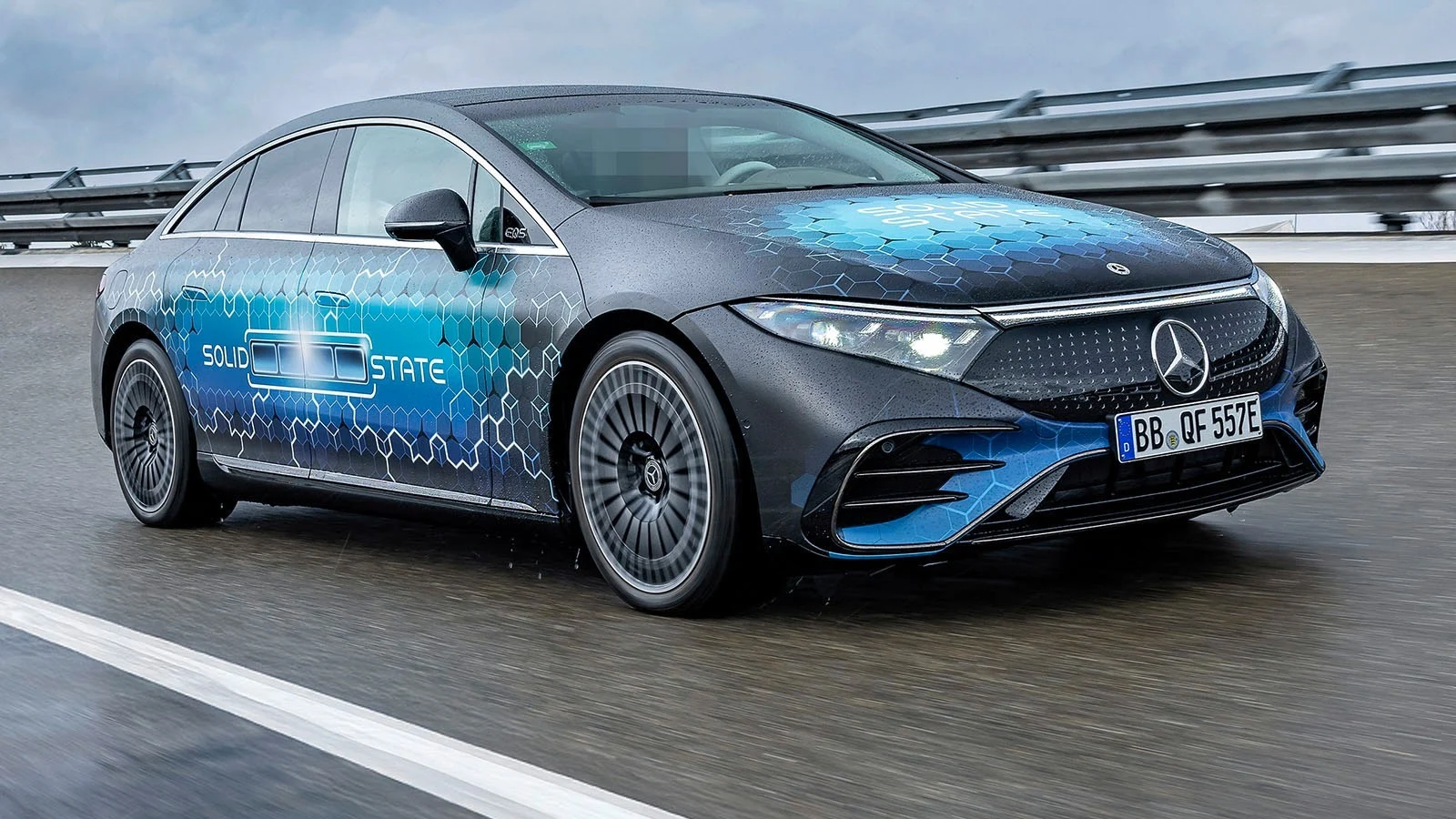
    While there are advancements in solid-state battery technology that could enable such an EV, these innovations are still in the research phase and not yet ready for market. CATL has already stated that its solid-state battery technology boasts a peak energy density of 500 Wh/kg. This remains the theoretical maximum for mass production-ready solid-state batteries, which is double the capacity of current EV batteries utilizing liquid electrolytes. For example, a solid-state battery with this density recently powered a Mercedes EQS prototype for an impressive 749 miles on a single charge, significantly exceeding the average EV range.

    CATL emphasized that the “commercialization of solid-state batteries, along with the development of the supply chain, is still quite a ways off.” This has been its stance since 2022 when NIO requested the manufacture of its cells using semi-solid electrolytes. At that time, CATL projected that true mass production of solid-state batteries would not commence until around 2030.

    Ongoing Research and Investment

    However, this does not imply that CATL is not advancing its solid-state battery technology. The company has been researching this area for over ten years, involving 1,000 engineers in the development process and operating a pilot production line. “CATL is committed to investing in solid-state battery technology, maintaining its position as a leader in the industry, and expects to achieve small-scale production by 2027,” the company stated, in an effort to manage expectations. Last year, the CEO of CATL rated the industry’s readiness for mass production of solid-state batteries at a 4 on a 9-point scale. He mentioned that by 2027, CATL aims to reach a manufacturing maturity level of 7 or 8, which would enable the production of initial batches, though it remains unclear which EV manufacturer will be the first to receive them.

    Cost and Market Suitability

    While solid-state batteries offer improved energy efficiency and safety, they are also quite expensive to produce. NIO has warned that its 150 kWh pack with a semi-solid electrolyte costs as much as a typical EV, and it is only available for rent during extended summer trips. As production scales up, the costs are expected to gradually become more favorable, but for now, CATL considers solid-state batteries to be more appropriate for applications in drones and robots, where energy density is more critical, rather than for mass-market electric vehicles. In that segment, the widely used LFP battery technology continues to dominate, powering everything from new compact Anker Prime power banks to large energy storage systems.

    Source:
    Link


  • Flexible Solid-State Battery Boosts Energy Density by 86%

    Flexible Solid-State Battery Boosts Energy Density by 86%

    Key Takeaways

    1. Major companies like CATL, Toyota, Samsung, BYD, and Mercedes aim to launch electric vehicles with solid-state batteries by 2027.

    2. Solid-state batteries use a solid electrolyte, offering up to 400 Wh/kg energy density, with potential to reach 500 Wh/kg, significantly higher than current LFP batteries.

    3. These batteries promise greater range and enhanced safety due to fewer reactive components, despite high production costs and challenges with layer connections.

    4. Researchers have developed a flexible polymer electrolyte that improves energy density by 86% and allows for bending, enhancing safety and durability.

    5. The advancements in solid-state battery technology could enable electric vehicles like the Mercedes EQB prototype to achieve over 1,300 miles on a single charge if production costs become competitive.


    Solid-state batteries are moving beyond research and entering the stage of prototypes and small-scale production.

    Several major firms, including CATL, Toyota, Samsung, BYD, and Mercedes, have set their sights on 2027 as the critical year for launching their first electric vehicles equipped with genuine solid-state batteries.

    Distinction in Technology

    These batteries utilize a solid electrolyte, which is different from the hybrid semi solid-state systems found in models like the NIO ET7, which consists of 95% solid and 5% liquid electrolyte. The solid-state batteries revealed so far boast an energy density of around 400 Wh/kg, with the theoretical capability to reach 500 Wh/kg. This is more than double the density of widely used LFP batteries that power everything from mainstream electric vehicles to the well-known Anker Solix power station, which is currently available at a significant discount of over 50% on the Amazon Prime Big Deal list.

    Advantages of Solid-State Batteries

    In addition to potentially doubling the range on a single charge within the same size, solid-state batteries are also considered safer due to their reduced number of reactive components when compared to those utilizing flammable liquid electrolytes. However, true solid-state batteries come at a high cost, as the process requires fusing the electrolyte with the electrode at elevated pressures and temperatures, leading to weaker connections between the layers and a decrease in lithium-ion transport efficiency.

    Breakthrough Innovations

    This limitation hampers solid-state batteries from achieving their full capabilities. To address this issue, researchers from the Chinese Academy of Sciences have created an innovative solid-state battery electrolyte solution.

    They removed the “solid” aspect from the solid-state electrolyte by developing a flexible polymer incorporating ethoxy groups and short sulfur chains, which are intended to enhance ion conductivity and bond with the cathode on a molecular level.

    The new polymer electrolyte within a composite cathode not only improved the energy density of the solid-state cell by a remarkable 86% due to reduced transfer resistance, but it is also capable of bending. Indeed, this flexible solid-state battery system can endure 20,000 bending cycles, further improving its impact resistance and safety compared to traditional sulfide solid-state batteries that companies like Samsung and Toyota are set to launch in 2027.

    Future Implications

    Such a significant increase in energy density could allow the Mercedes EQB prototype, equipped with a genuine solid-state battery currently undergoing range testing, to potentially travel over 1,300 miles on just one charge. Furthermore, a solid-state battery featuring a flexible polymer electrolyte would enhance the longevity and safety of electric vehicles, provided it can be manufactured at a scale that reduces production costs to a competitive level.


  • BYD Doubles Tesla Megapack Capacity with Affordable ESS

    BYD Doubles Tesla Megapack Capacity with Affordable ESS

    Key Takeaways

    1. BYD’s HaoHan energy storage system (ESS) has the largest battery pack capacity in the world at 14.5 MWh per unit.
    2. The HaoHan ESS can hold 10 MWh in a standard 20-foot container, reducing project costs by 22% compared to competitors like CATL and Tesla.
    3. BYD’s innovative blade battery design increases volumetric density to 233 kWh per cubic meter, over 50% higher than the industry average.
    4. A 1 GWh ESS using HaoHan units requires 76% fewer battery cells, leading to a land requirement that is a third smaller.
    5. The HaoHan system is key for managing renewable energy sources and will support a major 12.5 GWh grid-level energy storage project in Saudi Arabia.


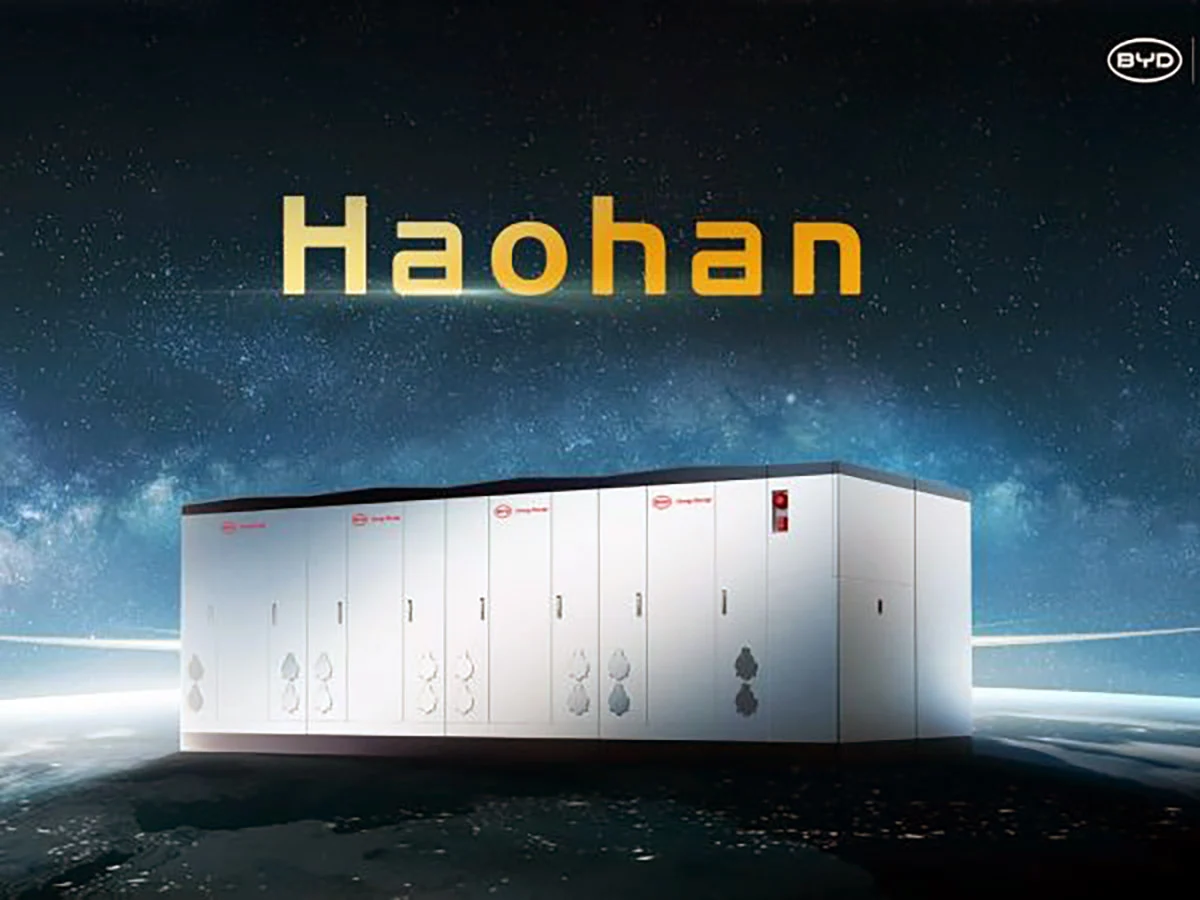
    BYD has recently outdone CATL by claiming the title for the largest battery pack in the world. Their innovative BYD HaoHan energy storage system (ESS) boasts an impressive capacity of 14.5 MWh in a single unit, thanks to significant advancements in the energy and volumetric density of individual cells.

    Impressive Capacity and Cost Efficiency

    The HaoHan ESS can contain a staggering 10 MWh within a standard 20-foot container, surpassing CATL’s Tener system and enabling a 22% decrease in levelled project costs. For perspective, Tesla’s latest Megapack 3 can only accommodate 5 MWh in the same space.

    With a volumetric density of 233 kWh per cubic meter, BYD’s new offering exceeds the industry average by more than 50%. This is supported by their cutting-edge blade battery, which, at 2,710 Ah, is the largest energy storage cell globally.

    Reducing Space and Costs

    Thanks to this massive unit, a standard 1 GWh ESS will require only half as many HaoHan units, utilizing 76% fewer battery cells than conventional systems. This leads to a land requirement that is a third smaller. The cell-to-system volumetric efficiency has reached a record 52%, and with a lifespan surpassing 10,000 charge-discharge cycles, the cost per kWh comes to an astonishing $0.014, marking it as the lowest in the electricity storage market thus far.

    In addition to the high energy density achievable per 20-foot container, the low cost of energy storage is made possible by their internally designed blade structure, which reduces unnecessary components. BYD’s converter and software also allow for instantaneous adjustments to power output, making the HaoHan ESS ideal for balancing renewable energy at the grid level.

    Meeting Industry Needs

    This capability is crucial for the industry, especially considering the numerous blackouts utilities have faced when they fail to effectively manage intermittent energy sources such as solar and wind. The HaoHan system is set to play a pivotal role in constructing the world’s largest 12.5 GWh grid-level energy storage project in Saudi Arabia.

    Source:
    Link


  • CATL Sodium-Ion Battery Achieves 300-Mile Range and EV Certification

    CATL Sodium-Ion Battery Achieves 300-Mile Range and EV Certification

    Key Takeaways

    1. CATL’s sodium-ion batteries can power EVs for over 300 miles on a single charge, rivaling lithium batteries in performance and cost-effectiveness.
    2. The Naxtra sodium-ion batteries are designed for wide temperature resilience and have received safety certification under China’s GB 38031-2025 standard.
    3. CATL plans to start mass production of sodium-ion batteries next year, following successful customer testing and initial orders.
    4. The new battery technology could feature in 40% of future Chinese electric vehicles, enhancing safety and environmental benefits.
    5. CATL is developing a network of battery swap stations, which may facilitate the widespread adoption of sodium-ion batteries in collaboration with major EV manufacturers like NIO.


    CATL has successfully launched the first sodium-ion battery for electric vehicles, matching the range of existing mass-market EVs that use LFP cells.

    Impressive Range and Cost Efficiency

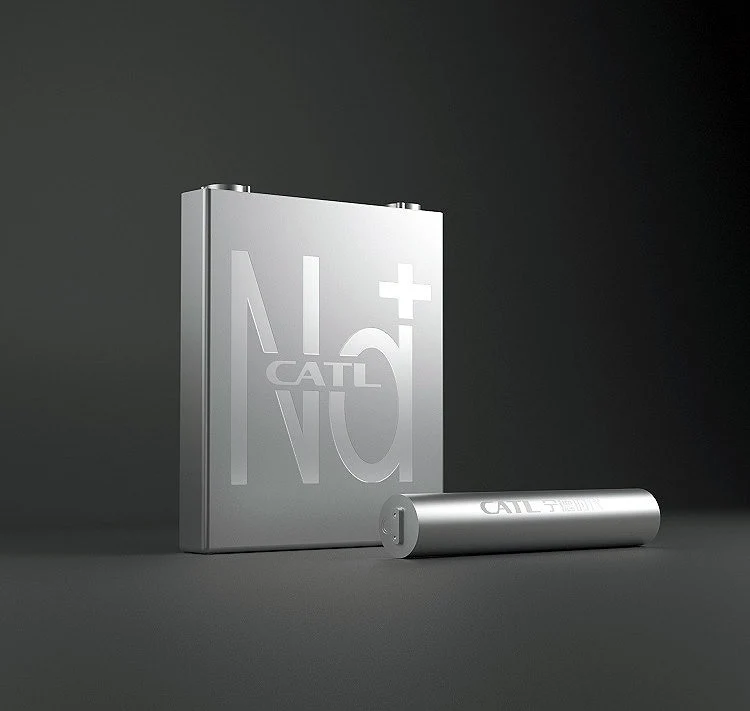
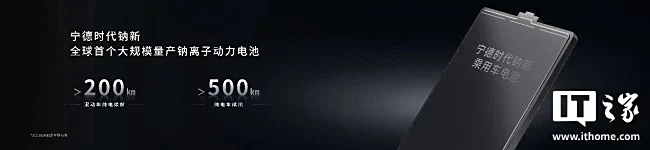
    The next generation of CATL’s sodium-ion batteries can power electric vehicles for more than 300 miles on a single charge. With an energy density of 175 Wh/kg, it is getting close to the performance of lithium batteries used in popular models like the Model Y and Model 3, while also being more affordable.

    Interestingly, Bluetti, known for its mobile stations equipped with LFP batteries such as the AC180 sold on Amazon, has developed the first power station using sodium-ion technology.

    Temperature Resilience and Safety Certification

    High energy density isn’t the only benefit of CATL’s Naxtra sodium-ion battery series. It functions effectively across a broader temperature range without capacity loss in freezing conditions. The absence of reactive metals in its design, combined with CATL’s manufacturing expertise, has led to this battery becoming the first to receive a prestigious EV safety certification under China’s strict new GB 38031-2025 national standard.

    This achievement paves the way for its application in various electric vehicles, making it especially ideal for those operating in colder climates. CATL claims that the Naxtra sodium-ion battery line offers significant advantages in cost, safety, and environmentally friendly production, potentially appearing in 40% of future Chinese electric vehicles.

    Testing and Future Production Plans

    Currently, the sodium-ion battery is undergoing testing with customers, and CATL plans to start mass production next year after receiving initial orders. While details about which manufacturers will first launch mass-market electric cars with this new battery remain undisclosed, CATL’s extensive client list of major EV makers suggests positive prospects for the technology’s advancement and widespread adoption.

    Additionally, CATL is ensuring that the Naxtra sodium-ion battery aligns with its 20/25 battery pack standardization initiative, which focuses on battery swap stations. The company is developing a network of these stations, collaborating with partners like NIO, whose electric vehicles come equipped with swappable batteries.

    If CATL’s latest sodium-ion battery generation is integrated into battery swap stations, the ease of having a fully charged battery installed in just minutes could significantly boost the adoption of sodium-ion battery technology within the industry.

    Source:
    Link


  • CATL Slashes EV Battery Replacement Costs with New Service

    CATL Slashes EV Battery Replacement Costs with New Service

    Key Takeaways

    1. CATL’s subsidiary Ning is reducing electric vehicle battery replacement costs by introducing a new repair service, lowering expenses by up to ten times.
    2. The average battery replacement cost is currently around $13,750, which can be more than half the value of a new electric car in China.
    3. Structural battery packs (cell-to-pack designs) are more cost-effective for manufacturers but complicate repairs due to their integration into the vehicle’s frame.
    4. Many EV manufacturers use structural battery packs, leading to high repair costs and potential depreciation issues in the second-hand EV market.
    5. CATL aims to improve the used EV market by offering longer warranties, battery swap stations, and affordable repair techniques.


    Facing a surge of electric vehicles nearing the end of their warranties in the coming years, the largest battery manufacturer globally is working on making battery replacement costs more reasonable, as they currently stand at about half the vehicle’s worth.

    New Repair Services

    Ning, a subsidiary of CATL, has just introduced a new structural battery pack repair service that cuts the average replacement cost down by a factor of ten. CATL’s research indicates that the typical expense for battery replacement is around $13,750, which is nearly 51% of what a new electric car typically costs in China, its primary market. For second-hand electric cars, replacing the battery could end up costing more than the car’s remaining value.

    This situation is quite problematic for the used EV market and many owners faced with such steep costs after their battery’s lifespan may simply decide to get rid of their cars.

    Understanding Structural Battery Packs

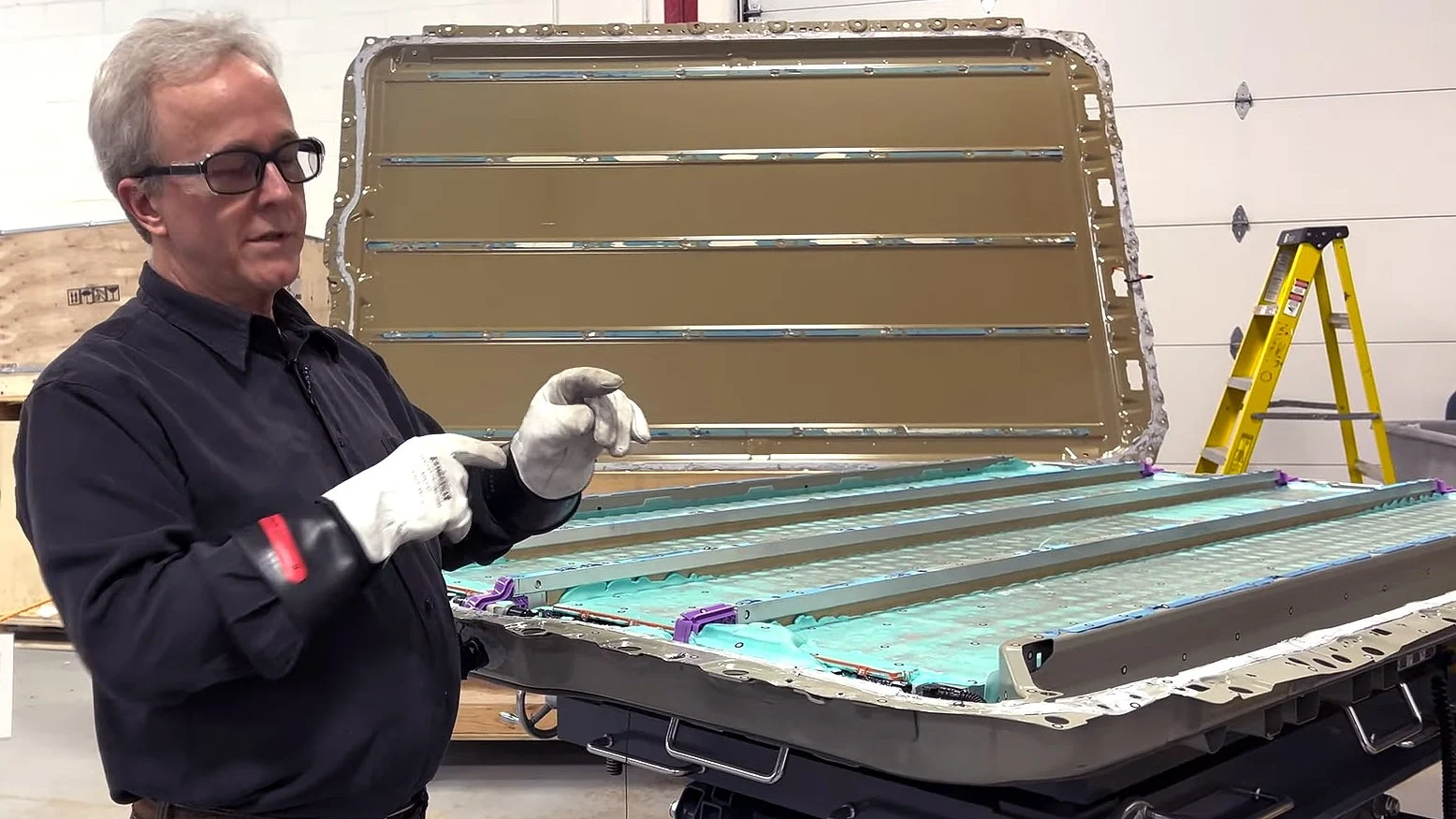
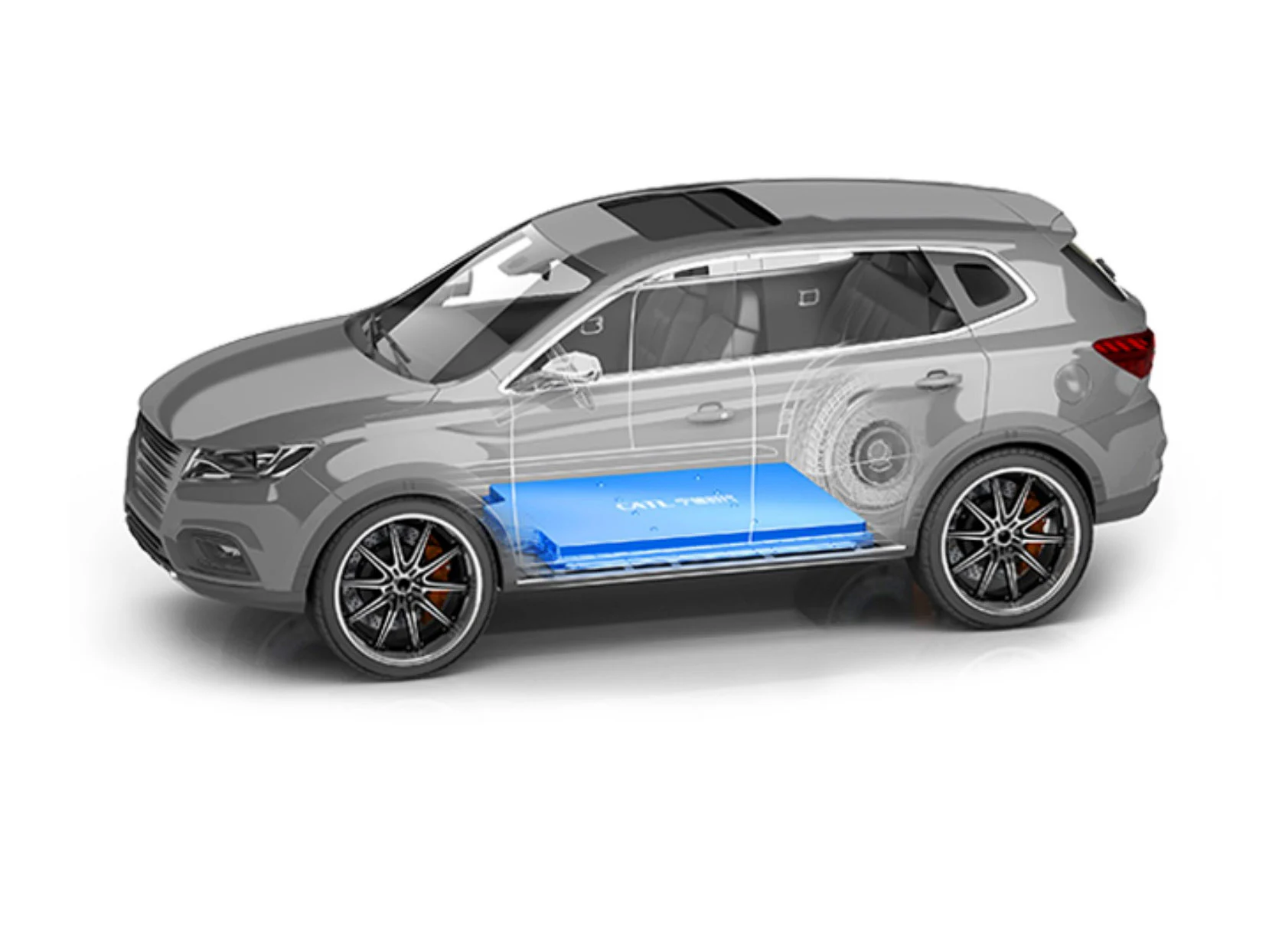
    Structural battery packs, also known as cell-to-pack (CTP) designs, integrate battery cells into the vehicle’s structural frame, making them cheaper for manufacturers to produce. Tesla has pioneered this concept with its 4680 batteries, which are used in certain batches of the Model Y. These larger 4680 cells provide structural support without needing costly metal casings, which make battery packs easier to replace. However, a teardown of the Model Y and Cybertruck’s structural battery packs revealed that the cells are integrated into the frame, using a significant amount of hard-to-remove adhesive, complicating the repair process.

    Many electric vehicle manufacturers have adopted similar structural packs, leading to high repair costs and potentially creating a stagnant second-hand EV market once the battery warranty ends. Consequently, CATL is exploring ways to reduce the depreciation of electric vehicles through various initiatives, including offering 15-year battery warranties, establishing a network of battery swap stations, and developing new repair techniques.

    Cost-Effective Solutions

    Rather than replacing the entire structural battery pack, which can be more than half of the cost of a new EV, CATL’s Ning aftermarket service has found ways to repair these packs for between $1,375 and $2,750, which is up to ten times less than a full replacement. This strategy will enable CATL to maintain an affordable supply chain from cell manufacturing to budget-friendly replacements, which could significantly benefit the used electric car market, given CATL’s position as the largest EV battery producer in the world.

    Get the 80A Tesla Gen 2 Wall Connector with 24′ cable on Amazon.

    Source:
    Link


  • Tesla Reveals Electric Vehicle Battery Lifespan: Time and Mileage

    Tesla Reveals Electric Vehicle Battery Lifespan: Time and Mileage

    Key Takeaways

    1. Tesla’s batteries typically maintain 80% capacity after 200,000 miles, demonstrating their longevity.
    2. In Europe, batteries show a 20% capacity decline at around 150,000 miles, indicating regional differences in battery performance.
    3. The potential for batteries to outlast the vehicle’s practical life may impact the second-hand market for Teslas.
    4. The average age of vehicles in the US is rising, prompting Tesla to improve battery lifespan and warranty options.
    5. Collaborations with battery manufacturers like CATL may lead to longer warranty periods for Tesla batteries in the future.


    Tesla has shared some captivating new data regarding the lifespan of its car batteries, outlining the longevity of its vehicles irrespective of battery chemistry.

    Battery Lifespan Insights

    Over the past ten years, Tesla has sold a significant number of electric vehicles and found that 200,000 miles is the average distance driven before the battery capacity drops to 80% of its original state. This figure has been mentioned previously, and it now appears to be a reliable estimate for how long its electric cars can perform.

    Regional Variations

    In Europe, where driving habits differ from those in the US, Tesla’s battery experiences a 20% decline in capacity at an average of 150,000 miles. Although this is still a commendable number, it highlights that the age of the battery plays a crucial role in its deterioration, even more so than the mileage accumulated by electric vehicles. So, whether an American drives 20,000 miles annually and their Tesla lasts for ten years before reaching 80% battery capacity, or a European drives 15,000 miles in the same timeframe, the outcome is still a 20% reduction.

    Market Challenges

    Tesla emphasizes that the battery could potentially outlast the practical life of its cars since, after over a decade and 200,000 miles, many owners might consider upgrading. Nevertheless, the second-hand electric vehicle market might struggle to thrive if the benchmark is set at 200,000 miles for an 80% battery capacity. After the 8-year battery warranty expires, potential buyers might be wary of purchasing a pre-owned Tesla.

    The average age of vehicles on the road in the US is nearing a record high of 13 years, which means Tesla must enhance battery lifespan and warranty options. This is an area where Chinese manufacturers are making significant progress.

    Future Developments

    CATL, the largest battery manufacturer globally, is collaborating with NIO, an electric vehicle maker, to establish a 15-year warranty on batteries with a maximum 15% capacity decline. Some of CATL’s latest battery technologies already come with warranties ranging from 12 to 20 years for energy storage products, so achieving a 15-year warranty for electric vehicles seems feasible.

    It’s uncertain whether Tesla will adopt similar measures. The company is close to finishing its own LFP battery factory in the US, utilizing equipment from CATL. Alongside lower costs, Tesla could also extend the warranty on its future vehicles equipped with LFP cells for the US market.


  • First EV with 100-Second Choco-SEB Battery Swaps Delivered in China

    First EV with 100-Second Choco-SEB Battery Swaps Delivered in China

    Key Takeaways

    1. CATL announced a plan for a standardized system of swappable EV batteries in China, featuring quick battery exchanges at swap stations.
    2. The Choco-SEB batteries are set to launch in early 2025, with the Changan Oshan 520 being the first vehicle to use this technology.
    3. The battery swapping system aims to address the slow charging times of electric vehicles, allowing users to swap batteries in about 100 seconds.
    4. CATL plans to establish around 1,000 battery swapping stations by 2025, with a long-term goal of 30,000 stations.
    5. Other companies, like Nio, are also working on battery swapping solutions, with Nio operating over 3,000 swap stations in China.


    In December 2024, the EV battery leader CATL revealed a bold initiative to create a standardized system for swappable EV batteries in China. Central to CATL’s strategy is an extensive network of swap stations that will enable users to exchange a Choco-SEB (Swapping Electric Blocks) in just 100 seconds. This plan enjoys broad backing from manufacturers like Changan, along with two battery options: 20

    and 25#.

    Launch Timeline for Choco-SEB Batteries

    CATL stated that EVs equipped with Choco-SEB batteries are set to launch in the first quarter of 2025. According to CarsNewsChina (CNC), Changan, an automaker from Chongqing, has supplied 1,000 Oshan 520 EVs to a nearby taxi service. This achievement makes the Changan Oshan 520 the first production electric vehicle to utilize CATL’s Choco-SEB battery technology. The Oshan 520 boasts a claimed CLTC range of 515 km, which equals about 320 miles.

    Addressing Charging Challenges

    The long duration of charging remains a significant hurdle for electric vehicles. While options like Tesla Superchargers can provide up to 200 miles of charge in 15 minutes, they are still relatively slow compared to how quickly gasoline cars can refuel. This is where a standardized battery swapping system could really shine. If CATL’s Choco-SEB stations become widely available and function effectively, swapping in a new, fully charged battery would take just about the same time as filling up a gasoline vehicle.

    Future Expansion Plans

    Changan’s delivery of the initial Oshan 520 EVs marks the beginning of a lengthy journey for CATL. The company aims to set up around 1,000 battery swapping stations by 2025, with a goal of reaching a total of 30,000 in the future. Furthermore, CATL has entered agreements with several Chinese EV manufacturers to develop cars based on the Choco-SEB batteries. These manufacturers include SAIC, BAIC, GAC, Wuling, and FAW.

    Nevertheless, CATL isn’t the only player aiming to normalize EV battery swapping in China. Nio, another EV manufacturer, currently operates over 3,000 battery swap stations that cater to vehicles utilizing their Power Swap technology.

    Source:
    Link

  • Swappable Battery for Trucks: 5-Minute Change & $8,000 Fuel Savings

    Swappable Battery for Trucks: 5-Minute Change & $8,000 Fuel Savings

    Key Takeaways

    1. Tesla users in China are increasingly supporting battery swap technology due to significantly shorter swap times compared to traditional charging.
    2. CATL, the world’s largest battery manufacturer, is expanding its battery swap initiatives, predicting that battery swapping will fulfill a third of all EV charging needs by 2030.
    3. The company is focusing on heavy-duty trucks, expecting a 50% electrification rate in the coming years, and has introduced standardized swappable battery packs for this segment.
    4. CATL plans to build 300 battery swap stations in 2025, aiming for a comprehensive network across major transportation areas in China by 2030.
    5. The new #75 heavy-duty battery pack can be swapped in five minutes, offering significant cost savings for electric trucks over diesel vehicles.


    Tesla users in China have began to show their support for the battery swap idea that companies such as CATL and NIO are using. One Tesla influencer there noted the stark difference in charging times.

    “Another NIO has come and gone, and this time I took the time,” they shared while waiting at a Supercharger near a NIO battery swap area. “It only took 3 mins and 30 seconds from the moment it parked in the bay to finish the swap,” they mentioned, expressing a little envy as it would take at least 40 mins for their Tesla.

    Battery Swap Adoption

    The battery swap idea, first introduced by EV brands like NIO, has now gained endorsement from the world’s largest battery manufacturer, CATL. Initially, it teamed up with NIO to share knowledge about swap stations and powertrains, then created long-lasting battery packs made for swapping, and is now constructing its own swap stations for both passenger and commercial vehicles.

    CATL is really confident in the future of battery swapping, and it has invested in several projects based on its forecast that battery swapping will meet a third of all electric vehicle charging requirements by 2030.

    Heavy-Duty Truck Innovations

    CEO Robin Zeng has mentioned that this vision includes commercial vehicles, such as heavy-duty trucks, where the electrification rate is estimated to hit 50% in the next few years. Currently, more than 30 electric truck models by 12 different manufacturers are utilizing CATL’s Qiji swappable battery chassis, and this number is expected to grow significantly.

    To prepare for the increasing demand for heavy-duty electric trucks, CATL introduced the first standardized swappable battery pack for this category, named #75. This comes after the previously announced #20 and #25 packs for passenger EV swap stations last year.

    Future Plans for Battery Swaps

    The #75 truck battery packs will be used at the swap stations operated by CATL’s subsidiary, Qiji Energy. CATL plans to build 300 of these stations in 2025 alone, with a comprehensive network of truck battery swap stations projected to cover all major transportation areas in China by 2030.

    According to CATL, the new #75 heavy-duty battery pack can be changed in just five minutes at a Qiji station, potentially saving more than $8,000 for every 100,000 km driven compared to a diesel truck.

    While CATL admits that the savings compared to an LPG truck are less significant, they believe the swapping process is more effective. They also note that the volatility in global LPG prices continues to make investing in electric trucks a smart choice.

    Source:
    Link

  • CATL Launches World’s First 9 MWh Battery: 5 Years Power, No Degradation

    CATL Launches World’s First 9 MWh Battery: 5 Years Power, No Degradation

    Key Takeaways

    1. CATL has launched the Tener Stack, a 9 MWh energy storage system, enhancing energy density and capacity for large-scale storage solutions.
    2. The Tener Stack maintains a zero capacity degradation warranty for the first five years, similar to its predecessor, the 6.25 MWh Tener system.
    3. The new system allows for significant space savings, utilizing 45% less space and enabling the creation of a standard grid-level 800 MWh energy storage park with fewer containers.
    4. CATL has improved shipping efficiency by reducing costs by 35% through a streamlined loading process and a 2-in-1 design that addresses transportation challenges.
    5. Enhanced safety features include advanced thermal management, gas sensors for rapid response to runaway events, and compliance with the IEEE693 standard for earthquake and storm resilience.


    Contemporary Amperex Technology Limited (CATL), recognized as the top EV battery producer globally with a 38% market share, continues to enhance and innovate its offerings.

    New Innovations in Battery Technology

    Following its introduction of the first commercial sodium-ion battery pack for electric vehicles, which boasts a range of over 300 miles per single charge, CATL has now rolled out a pioneering 9 MWh energy storage system (ESS).

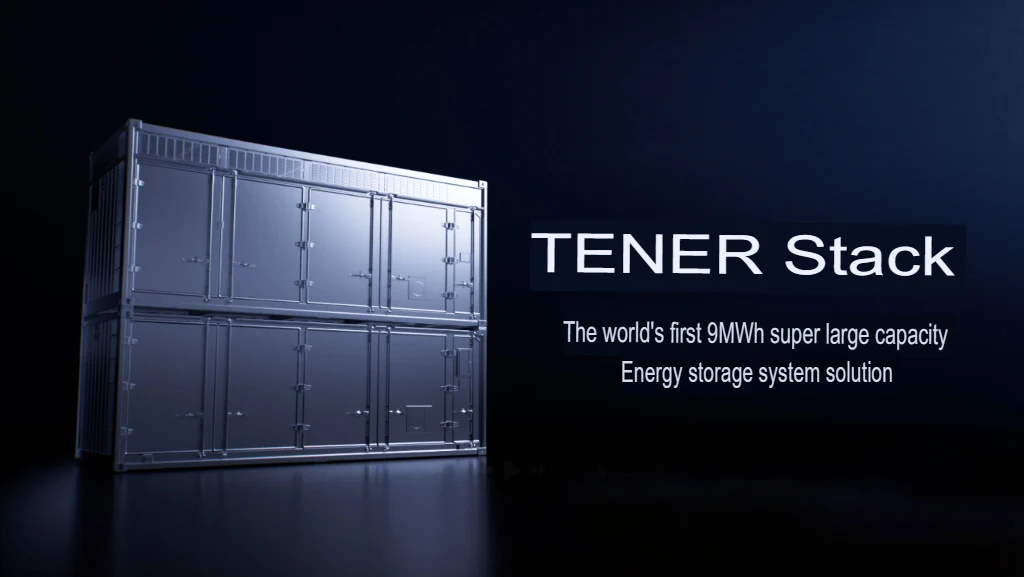
    The latest Tener Stack solution utilizes CATL’s recent advancements in battery chemistry and packaging, which significantly boosts energy density and capacity, fitting into a standard 20-foot energy storage container.

    Previous Milestones

    Approximately one year ago, CATL introduced the world’s first mass-produced energy storage solution with a capacity of 6.25 MWh, named Tener. At that time, it featured a 20% reduction in size and a 30% increase in energy density compared to earlier 20-foot energy storage solutions.

    With the help of CATL’s solid electrolyte interphase and other cutting-edge technologies, the highly reactive lithium in the LFP batteries is safeguarded against oxidation, which prevents thermal runaway and slows down capacity loss. As a result, CATL was able to offer a 5-year zero degradation and a 20-year overall warranty with the Tener system, a first of its kind.

    Introducing Tener Stack

    The new energy storage solution, known as Tener Stack, retains the same zero capacity degradation warranty as its 6.25 MWh predecessor.

    CATL proudly declares, “This is the world’s first mass-produced 9 MWh ultra-large capacity energy storage system solution,” asserting that the company has made significant advancements in system capacity, safety, deployment flexibility, and transportation efficiency, heralding a new era for large-scale storage technology with the Tener Stack.

    With a 9 MWh energy storage capacity, the 20-foot container can supply power to an average single-family home for up to six years, with CATL guaranteeing the cells will not experience capacity degradation for the first five years. Additionally, it has the potential to charge up to 150 electric vehicles, based on the current average battery size. CATL highlighted this capability while showcasing the solution at the Electrical Energy Storage (EES) 2025 expo in Munich, particularly for the typical German household.

    Enhanced Design and Efficiency

    The Tener Stack system employs LFP battery cells, similar to those found in well-known mobile power stations like Anker’s Solix C1000, which is currently on sale for 50% off at Amazon. In this case, CATL has improved space utilization by 45%, resulting in a 50% increase in energy density compared to traditional 6 MWh energy storage solutions.

    This enhancement allows utilities to develop a standard grid-level 800 MWh energy storage park using fewer containers, thus requiring 40% less land for deployment. Moreover, CATL has tackled the logistical difficulties of transporting these heavy LFP battery cells.

    The new Tener system has been designed as two identical half-height units, each weighing just under 36 tons, which is the typical legal limit for heavy shipment ground transport. When they arrive, the units can be combined into a 20-foot container, which is reflected in the “2-in-1” design and the name Tener Stack.

    Cost-Effective Shipping and Safety Features

    CATL has streamlined the loading process by utilizing standard container spreaders and liners, which has reduced shipping costs by 35%. The structural 2-in-1 design also permits the Tener Stack system to be sent to hard-to-reach areas where weight limits for bridges and tunnel heights might be problematic.

    As for safety, CATL highlights the leading thermal management of its LFP batteries, alongside new gas sensors that allow for rapid response to runaway events. The upgraded insulation further enhances fire resistance. The system meets the IEEE693 standard, capable of withstanding a magnitude 9 earthquake or a Category 5 storm.

    To save space and minimize thermal radiation, the thermal management system is positioned at the top of the container. The resultant noise level is maintained at 65 dB from three feet away, making CATL’s Tener Stack ESS suitable for urban environments as well.

    Source:
    Link