Key Takeaways
1. Sodium-ion batteries have matched the manufacturing costs and energy density of lithium-based batteries, achieving significant milestones in the market.
2. The energy density of commercial sodium-ion batteries has improved to 175 Wh/kg, with a lifespan of 10,000 cycles and operational temperatures from -40°C to 45°C.
3. Sodium-ion technology is nearing parity with lithium iron phosphate (LFP) batteries in energy capacity and has aligned production costs, which is crucial for commercial success.
4. The drop in lithium carbonate prices in 2023 posed challenges for sodium-ion battery promotion, but advancements in technology are enabling realistic mass production.
5. By 2027, sodium-ion battery costs are expected to decrease to around $0.04/Wh, allowing them to compete effectively with LFP batteries while offering advantages like safety and faster charging.
Sodium-ion batteries have finally achieved a milestone, matching the manufacturing costs and energy density of the widely used lithium-based batteries found in electric vehicles, as reported by industry experts at the 2025 Na-ion battery supply chain and standard development conference.
Energy Density Improvements
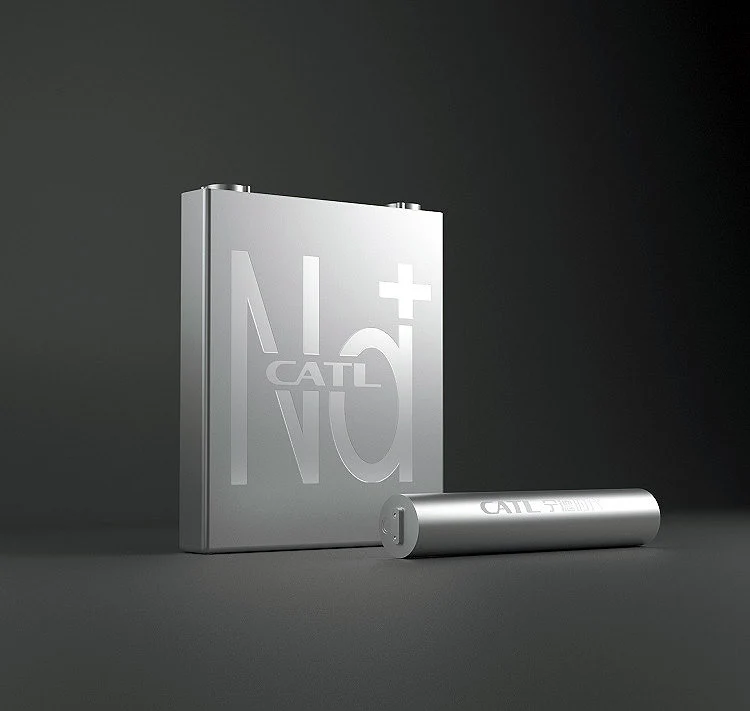
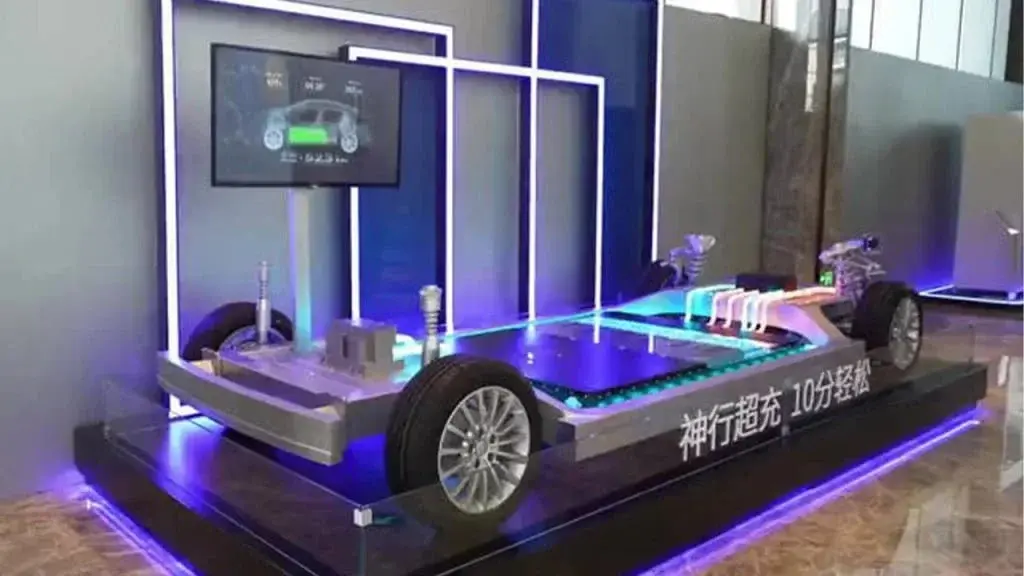
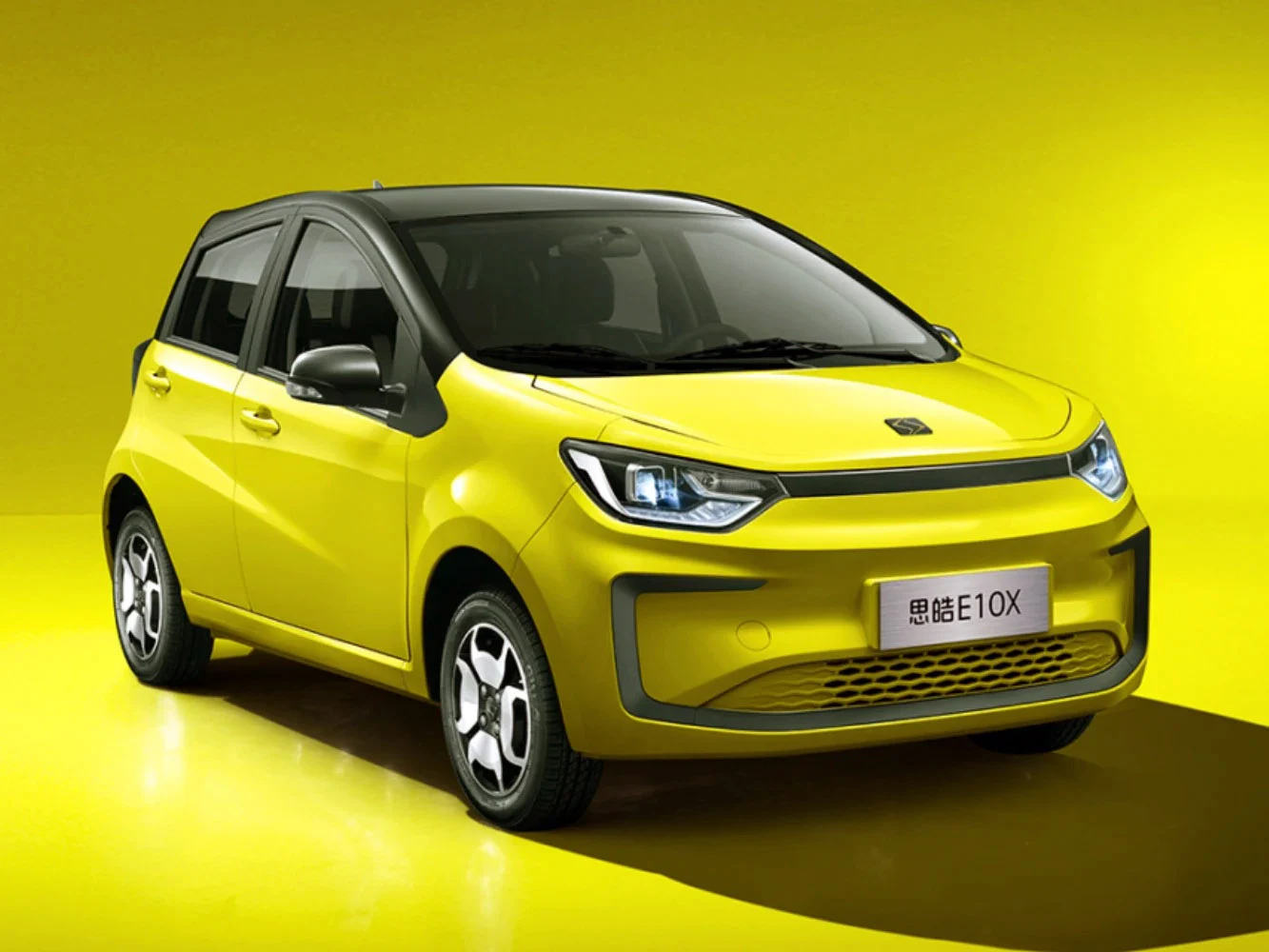
The energy density of commercial sodium-ion batteries has significantly improved, rising from 120 Wh/kg in the first sodium-ion electric car to 175 Wh/kg with CATL’s innovative Naxtra cells, which are expected to go into mass production in 2026. Current sodium-ion batteries reach 165 Wh/kg and promise a lifespan of 10,000 cycles, functioning within a broad temperature range of -40°C to 45°C without losing capacity.
Competitive Landscape
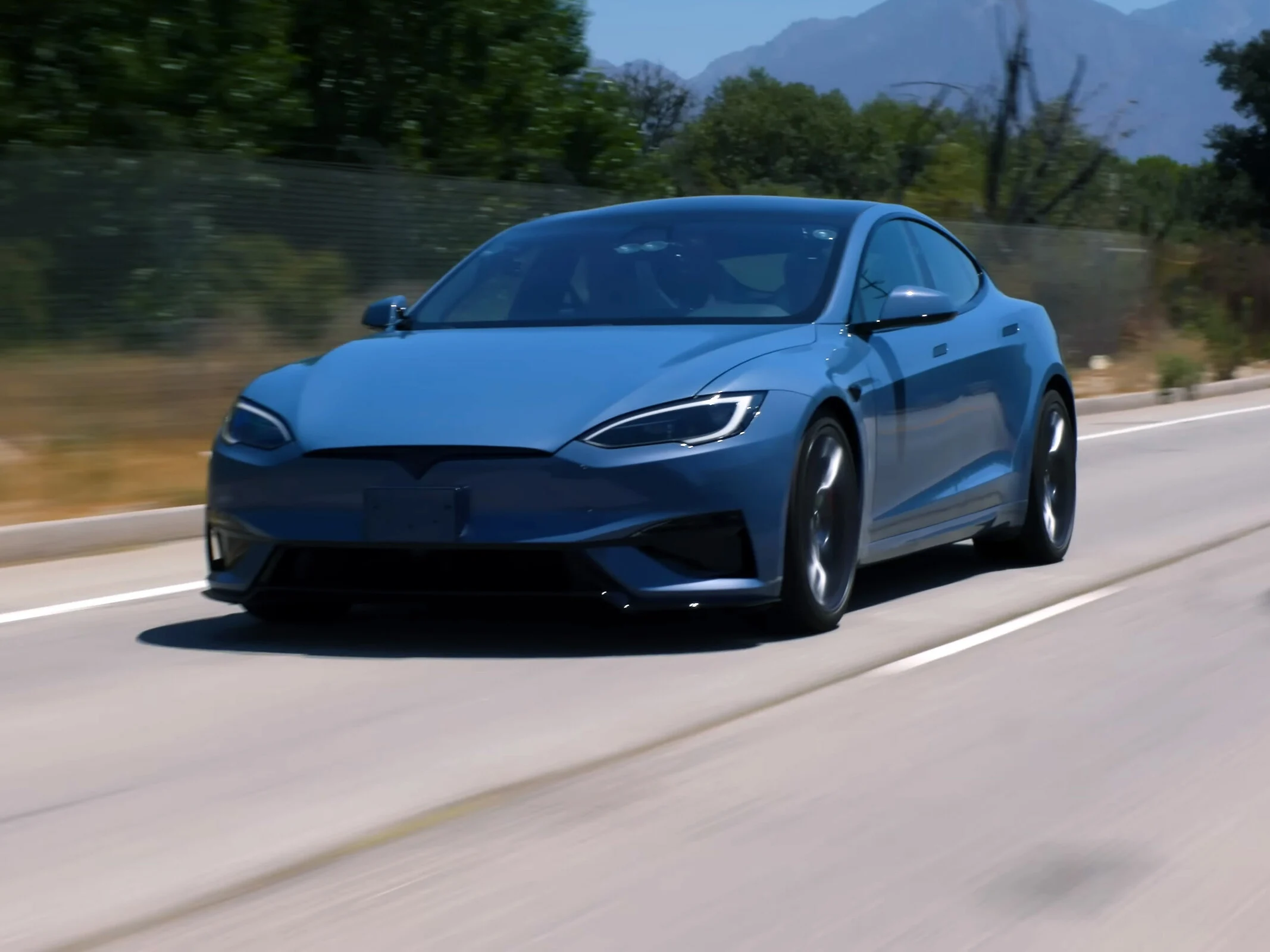
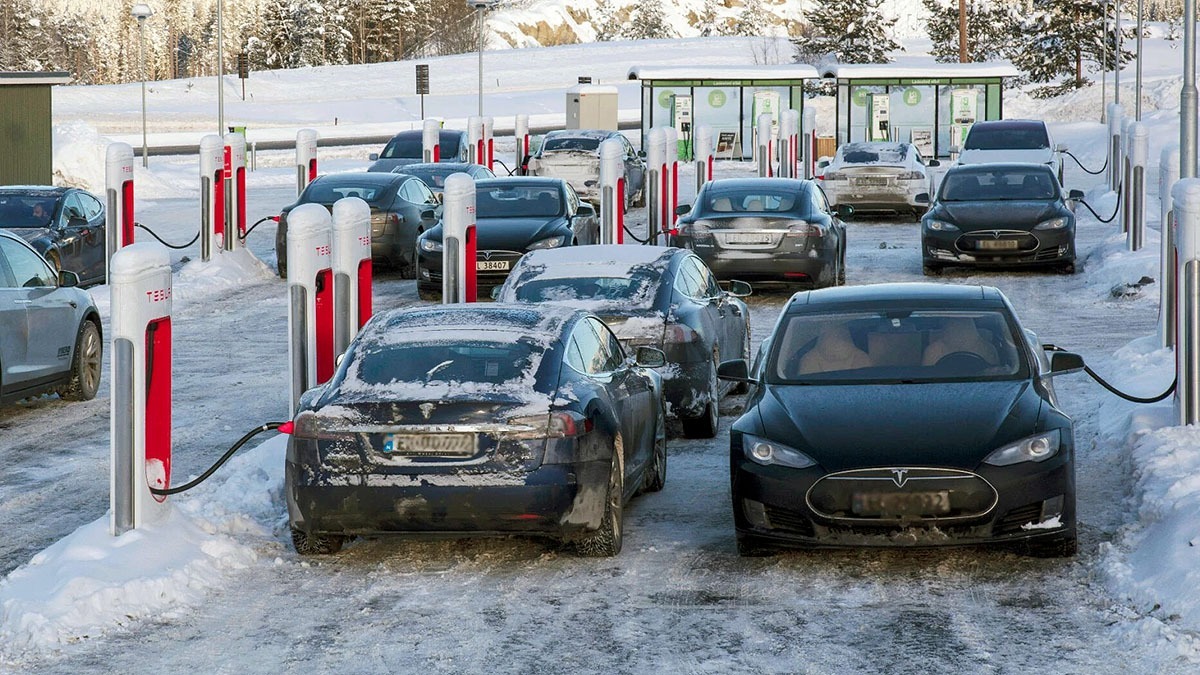
When comparing to LFP batteries found in popular models like the RWD Model Y or well-known power stations such as the Anker Solix C1000, it’s clear that sodium-ion technology is nearing equality in terms of energy capacity with the dominant lithium battery solutions.
Despite this progress, analysts at the expo pointed out that the production costs of these new sodium-ion batteries have also aligned with those of LFP cells. This is particularly crucial for their commercial success, as the key advantage of sodium chemistry was meant to be its lower cost compared to lithium batteries.
Market Dynamics
This cost advantage was evident until 2023 when the price of battery-grade lithium carbonate began to drop sharply due to oversupply and declining demand for electric vehicles. As a result, manufacturers faced challenges in promoting sodium-ion batteries, which previously lagged behind LFP cells in energy density and were more expensive to produce due to limited production scales.
However, significant advancements in sodium-ion battery technology by leading companies like CATL have made mass production of these cells a realistic option. The expected mass production cost for high-energy-density sodium-ion batteries is projected to remain at about seven cents per Wh throughout 2026.
By 2027, though, it is anticipated that costs will decrease to around $0.04/Wh, similar to LFP batteries, at least within China. This shift would allow sodium-ion batteries to compete based on their various advantages over lithium batteries, including safety, faster charging times, and better performance in cold weather.
Source:
Link