
Key Takeaways
1. Tesla is introducing advanced nickel cells that allow charging up to 90% without harming battery life, improving vehicle range by 10%.
2. To extend the lifespan of nickel-based batteries, Tesla advises against keeping them charged to max or below 20% for long periods.
3. LFP batteries, used in other Tesla models, can be charged to 100% regularly without harming lifespan, unlike nickel batteries.
4. Tesla has stopped offering LFP battery options in the US due to sourcing issues and federal tax credit limitations.
5. Tesla plans to build its own factory for LFP batteries, but currently, all US cars are equipped with nickel cells.
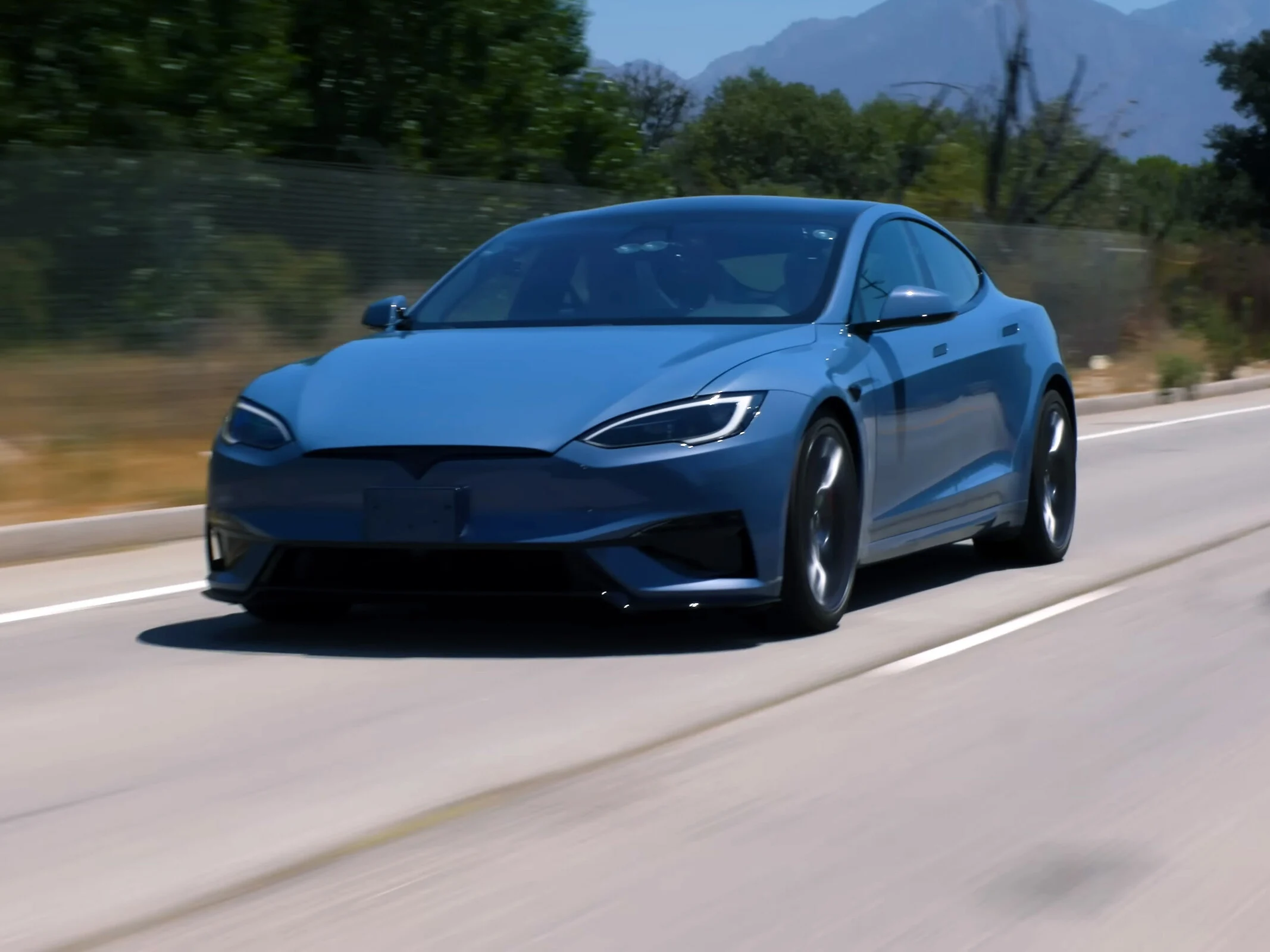
Tesla is gearing up to equip its cars with advanced nickel cells that can be charged up to 90% without harming the battery pack’s life, as mentioned by chief engineer Lars Moravy.
Enhanced Charging Capabilities
Currently, almost all of Tesla’s vehicles available in the US are fitted with nickel batteries. This new technology upgrade will enable future Tesla owners to safely extend the range of their vehicles by an extra 10%, even during regular use.
Battery Lifespan Advice
Tesla usually suggests in the owner’s manual that to extend the lifespan of nickel-based batteries, drivers should avoid keeping the battery charged either to the max or below 20% for long periods. While nickel battery chemistry offers higher energy density and better performance, it can be sensitive regarding the charge state and may degrade more quickly if maintained at 100% for too long.
To mitigate this, Tesla recommends charging to a full 100% only for long trips, which will quickly reduce the battery’s charge after being filled. They also suggest setting the charge limit to 100% the night before a journey and using the Departure Time feature to ensure the battery reaches full capacity just before leaving.
LFP Battery Differences
These guidelines don’t apply to Tesla cars that use LFP batteries, typically found in energy storage systems or popular charging stations like the Anker Solix C1000. LFP cells, while having lower energy density, are built with a less volatile chemistry, allowing them to be charged to full capacity regularly with minimal impact on the battery’s lifespan. In fact, Tesla advises charging vehicles with LFP batteries to 100% at least once a week to calibrate the capacity counter, as lower charge levels can disrupt its accuracy.
Unfortunately, Tesla has stopped providing LFP battery options in the US market, including the entry-level RWD models. Most of these batteries are sourced from China, which means vehicles using them can’t qualify for federal tax credits or become costly to produce due to tariffs on imports of Chinese LFP batteries.
Future Battery Plans
Tesla is working on its own factory for LFP batteries, but for now, all cars sold in the US are equipped with nickel cells. Thus, the opportunity to regularly charge to 90% will likely be more valued in the US compared to other regions where Tesla operates.
Source:
Link


Leave a Reply