
Key Takeaways
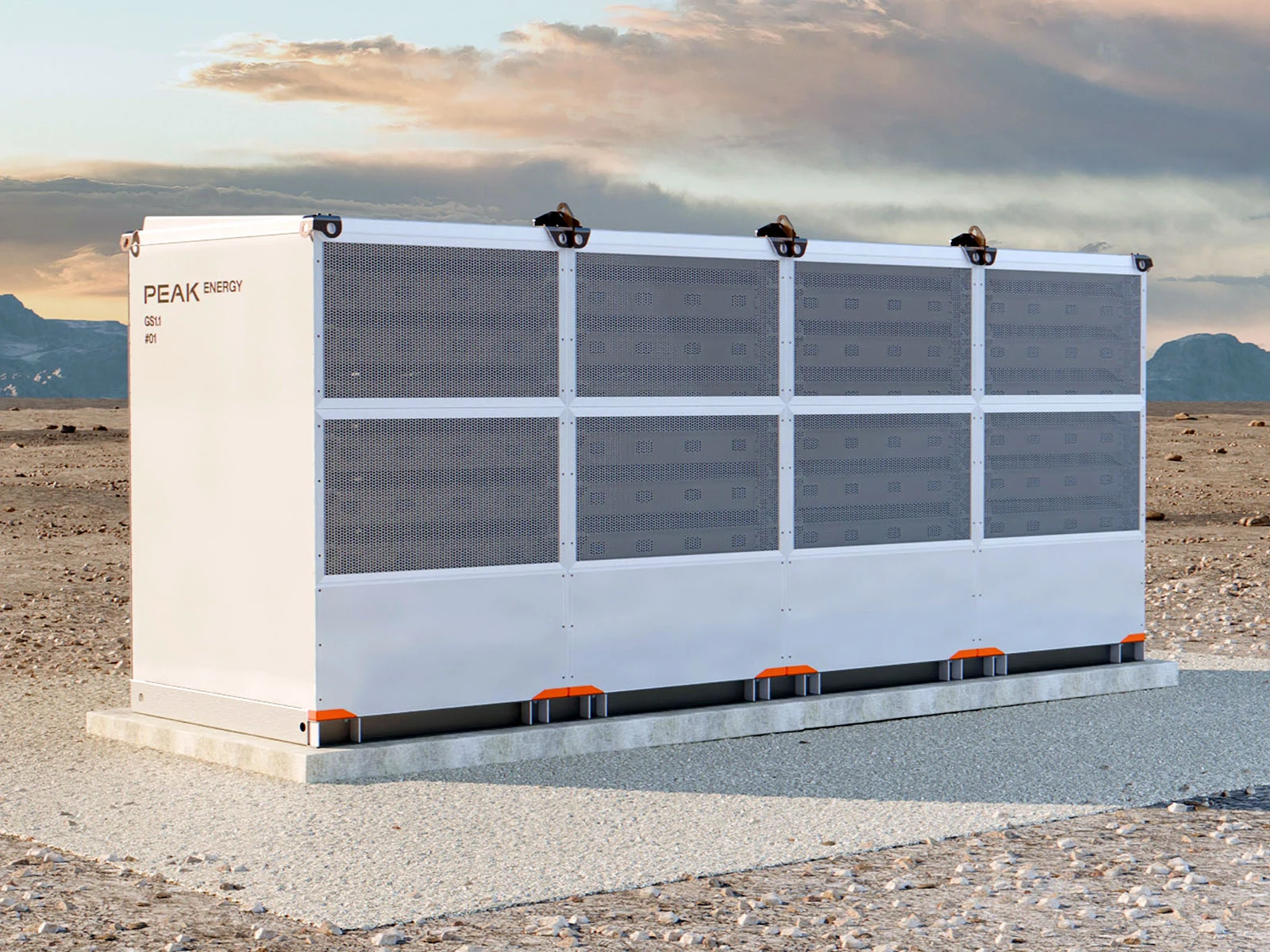
1. The US has launched its first grid-level energy storage system using sodium-ion batteries, developed by startup Peak Energy, which is safer and more affordable than traditional lithium phosphate batteries.
2. Sodium-ion batteries offer enhanced safety due to fewer flammable materials and are cheaper to manufacture, making them a cost-effective alternative for energy storage.
3. Peak Energy’s sodium-ion system features passive cooling technology, reducing operational risks by 90% compared to traditional systems, and is the largest sodium-ion battery system utilizing phosphate pyrophosphate cathode chemistry.
4. The NFPP cells in the new energy storage system have a lifespan that allows for 20% lower operational costs and degrade at a third of the rate of lithium phosphate systems.
5. The deployment of this technology supports a growing trend for American-made products in the battery industry, which has been largely dominated by China.
After China, the US has now welcomed its first grid-level energy storage system featuring sodium-ion batteries. These innovative batteries do not need active cooling and are priced at one-third less compared to traditional battery energy storage systems (BESS) that utilize lithium phosphate batteries.
First Deployment in the US
The inaugural sodium-ion BESS has been launched by the startup Peak Energy, about two years after they expressed their plans to create one. In China, grid-level energy storage systems with sodium-ion batteries are already in use, crafted by major companies like BYD, which is the second-largest cell manufacturer globally. However, the American version stands out as it employs passive cooling, making it both more affordable and safer.
Safety and Cost-Effectiveness
In contrast to conventional lithium iron phosphate (LFP) batteries, such as those found in the popular Anker Solix C1000 mobile station and large-scale electricity storage projects, sodium-ion batteries contain fewer flammable materials. This quality inherently makes them safer than lithium batteries. Furthermore, the materials used in sodium-ion batteries are inexpensive and plentiful, resulting in lower manufacturing costs.
Peak Energy has emerged as a leading battery startup in the US, and successfully delivering an actual commercial product, rather than just a prototype, is an impressive milestone. The containers that have been deployed on a megawatt-hour scale represent the largest sodium-ion battery system in the world that utilizes phosphate pyrophosphate (NFPP) cathode chemistry.
Enhanced Lifespan and Efficiency
Not only do the NFPP cells offer energy density that is similar to LFP cells, but they also boast superior thermal safety. Additionally, Peak Energy’s first NFPP energy storage system in the US is 20% cheaper to operate throughout its lifespan. The less reactive nature of the NFPP cells allows them to degrade a third slower than lithium phosphate systems over the same duration, which could enable utilities to use the Peak Energy BESS for extended periods.
What makes this system distinct is its pioneering passive cooling feature, which significantly reduces around 90% of the risks associated with grid-level energy storage setups. Most incidents arise from the moving parts and electrical components, not the thermal runaway situations within the cells themselves.
Domestic Manufacturing Trend
While safety and costs are crucial factors, the deployment of Peak Energy’s sodium-ion BESS also aligns with the growing domestic preference for American-made products. This trend has largely overlooked the US battery industry until now, which has been predominantly influenced by China on a global scale.
Source:
Link
Leave a Reply