
Key Takeaways
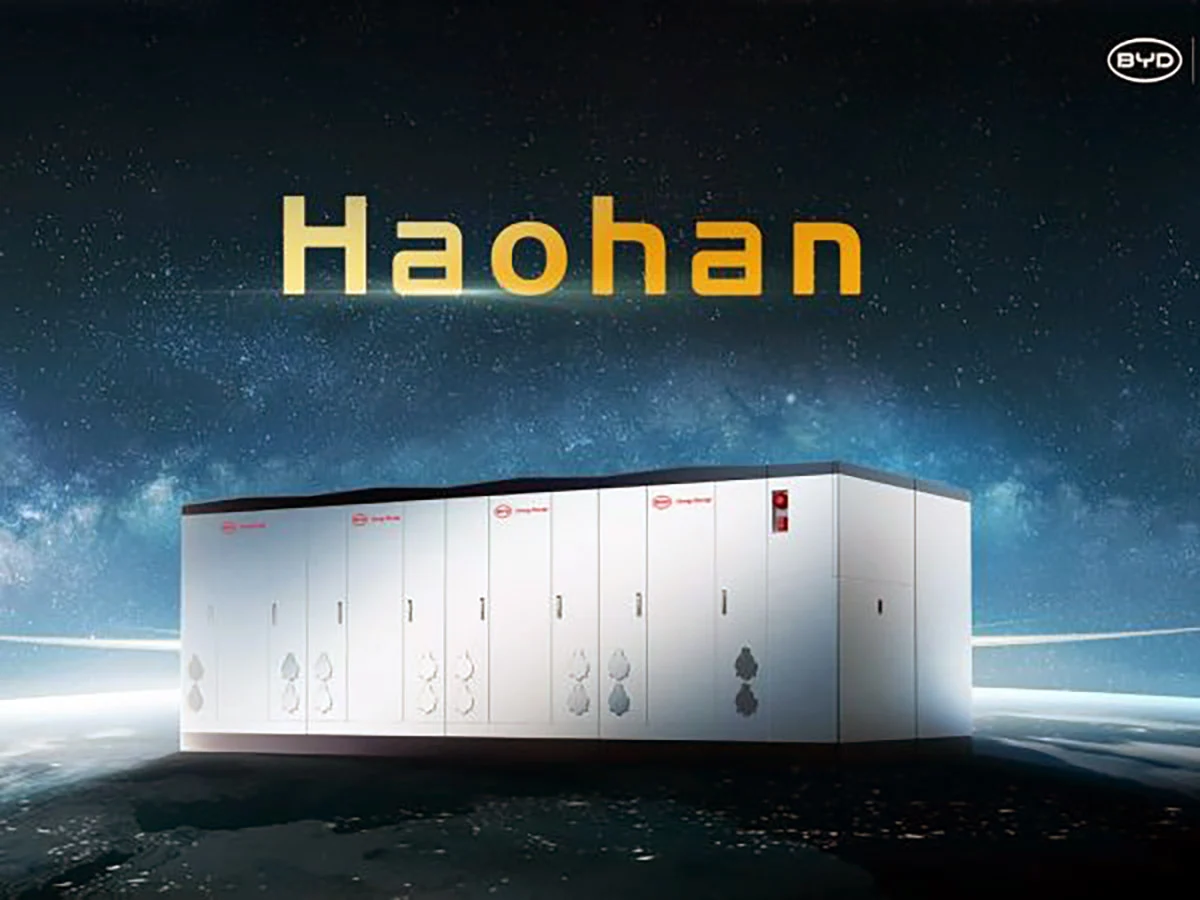
1. BYD’s HaoHan energy storage system (ESS) has the largest battery pack capacity in the world at 14.5 MWh per unit.
2. The HaoHan ESS can hold 10 MWh in a standard 20-foot container, reducing project costs by 22% compared to competitors like CATL and Tesla.
3. BYD’s innovative blade battery design increases volumetric density to 233 kWh per cubic meter, over 50% higher than the industry average.
4. A 1 GWh ESS using HaoHan units requires 76% fewer battery cells, leading to a land requirement that is a third smaller.
5. The HaoHan system is key for managing renewable energy sources and will support a major 12.5 GWh grid-level energy storage project in Saudi Arabia.
BYD has recently outdone CATL by claiming the title for the largest battery pack in the world. Their innovative BYD HaoHan energy storage system (ESS) boasts an impressive capacity of 14.5 MWh in a single unit, thanks to significant advancements in the energy and volumetric density of individual cells.
Impressive Capacity and Cost Efficiency
The HaoHan ESS can contain a staggering 10 MWh within a standard 20-foot container, surpassing CATL’s Tener system and enabling a 22% decrease in levelled project costs. For perspective, Tesla’s latest Megapack 3 can only accommodate 5 MWh in the same space.
With a volumetric density of 233 kWh per cubic meter, BYD’s new offering exceeds the industry average by more than 50%. This is supported by their cutting-edge blade battery, which, at 2,710 Ah, is the largest energy storage cell globally.
Reducing Space and Costs
Thanks to this massive unit, a standard 1 GWh ESS will require only half as many HaoHan units, utilizing 76% fewer battery cells than conventional systems. This leads to a land requirement that is a third smaller. The cell-to-system volumetric efficiency has reached a record 52%, and with a lifespan surpassing 10,000 charge-discharge cycles, the cost per kWh comes to an astonishing $0.014, marking it as the lowest in the electricity storage market thus far.
In addition to the high energy density achievable per 20-foot container, the low cost of energy storage is made possible by their internally designed blade structure, which reduces unnecessary components. BYD’s converter and software also allow for instantaneous adjustments to power output, making the HaoHan ESS ideal for balancing renewable energy at the grid level.
Meeting Industry Needs
This capability is crucial for the industry, especially considering the numerous blackouts utilities have faced when they fail to effectively manage intermittent energy sources such as solar and wind. The HaoHan system is set to play a pivotal role in constructing the world’s largest 12.5 GWh grid-level energy storage project in Saudi Arabia.
Source:
Link
Leave a Reply