Tag: NIO

  • CATL Launches 1 Million-Mile Battery: Charges in 12 Minutes

    CATL Launches 1 Million-Mile Battery: Charges in 12 Minutes

    Key Takeaways

    1. CATL has developed a 5C battery that can be fully charged in just 12 minutes and maintains 80% capacity through its lifespan, achieving 1.8 million kilometers (1.12 million miles) before significant capacity loss.

    2. The battery can endure 1,400 charge-discharge cycles at extreme temperatures (60°C) and up to 3,000 cycles in milder conditions (20°C), making it the first million-mile EV battery with rapid charging capabilities.

    3. CATL’s range estimates for electric vehicles equipped with this battery are based on a 600 km (373-mile) average, which may be optimistic compared to EPA figures, but still allows for up to 750,000 miles of use before recycling.

    4. Innovations in battery design include self-repairing electrodes, consistent coating on the cathode to prevent cracks, and improved cooling systems, all contributing to enhanced longevity and safety.

    5. CATL is collaborating with NIO to supply these long-lasting batteries, aiming for a 15-year warranty and at least 85% capacity retention, which could significantly benefit the second-hand EV market.


    The largest battery manufacturer in the world has successfully combined the durability of electric vehicle (EV) batteries with rapid charging features. Following the introduction of the 4C Shenxing battery, which can go from 0-80% in just 15 minutes last year, a new version of its chemistry and production technique has increased the charging speed to 5C while ensuring a long lifespan.

    Impressive Charging Speed

    The latest 5C battery from CATL can be fully charged in only 12 minutes and still maintain at least 80% of its capacity throughout the electric vehicle’s lifespan. It can handle 1,400 complete charge-discharge cycles at 5C speeds in extreme heat of 60°C (120°F), or an astonishing 3,000 cycles in milder 20°C weather.

    This advancement means that CATL has developed the first million-mile EV battery capable of 5C charging, making those quick coffee-break charging advertisements a reality. The company claims that this battery can power an electric vehicle for over 1.8 million kilometers, which is around 1.12 million miles, before its capacity decreases to 80% of the original.

    Range Estimates and Comparisons

    It’s important to note that CATL’s calculations are based on a 600 km (373-mile) average EV range, which may seem a bit too optimistic, likely reflecting the local CLTC range testing cycle. This estimate is about a third more generous than the EPA’s figures in the US, as it includes more urban driving.

    However, even with this discrepancy, electric cars equipped with CATL’s new long-lasting battery will manage to cover up to 750,000 miles before the battery needs recycling, effectively outliving the vehicle based on the average annual mileage in the US.

    Innovations in Battery Design

    To achieve such remarkable longevity, CATL has tackled three main vulnerabilities associated with fast-charging EV batteries. Firstly, the electrodes have been engineered to self-repair by incorporating an SEI additive into the electrolyte, which helps to heal microcracks that develop during rapid charging. These cracks lead to lithium leakage and accelerate battery capacity loss.

    Furthermore, the coating film on the cathode has been made more consistent to reduce the occurrence of these cracks, while the separator coating diminishes ion transfer during elevated temperatures, thus preventing thermal runaway.

    Additionally, the design of the battery pack has been enhanced, allowing coolant to be directed to the areas that need it most at any moment, ensuring the cells stay cool under any conditions and significantly extending the lifespan of the pack.

    Future Collaborations

    While CATL has not yet disclosed which automaker will be the first to utilize its new long-lasting fast-charging batteries, it has recently entered into an agreement with NIO to supply these batteries that are expected to last the entire lifespan of an EV.

    Both NIO and CATL are working towards establishing a national EV standard that would require a 15-year battery warranty, ensuring at least 85% capacity retention. The technology appears to be in place, and CATL’s new million-mile 5C battery could dramatically enhance the second-hand EV market as well, as battery lifespan has been a primary concern for buyers of used electric vehicles, especially regarding fast-charging capabilities.

    Source:
    Link


  • Tesla Offers 12-Year Model Y Battery Warranty to Compete with China

    Tesla Offers 12-Year Model Y Battery Warranty to Compete with China

    Key Takeaways

    1. Tesla currently offers an 8-year battery warranty, shorter than competitors like Hyundai and Kia, who provide 10-year coverage.
    2. Chinese automakers, led by NIO and CATL, are advocating for a mandatory 15-year EV battery warranty with an 85% capacity retention.
    3. Tesla plans to introduce extended battery warranties of up to four additional years starting in 2026, available as a subscription service for $100/month.
    4. CATL already offers a 12-year warranty for NIO and aims to extend its own warranties to 15 years, with LFP batteries guaranteed for up to 20 years.
    5. The push for longer warranties is seen as a way to rejuvenate the used EV market, as many electric vehicles will be out of warranty in the next five years.


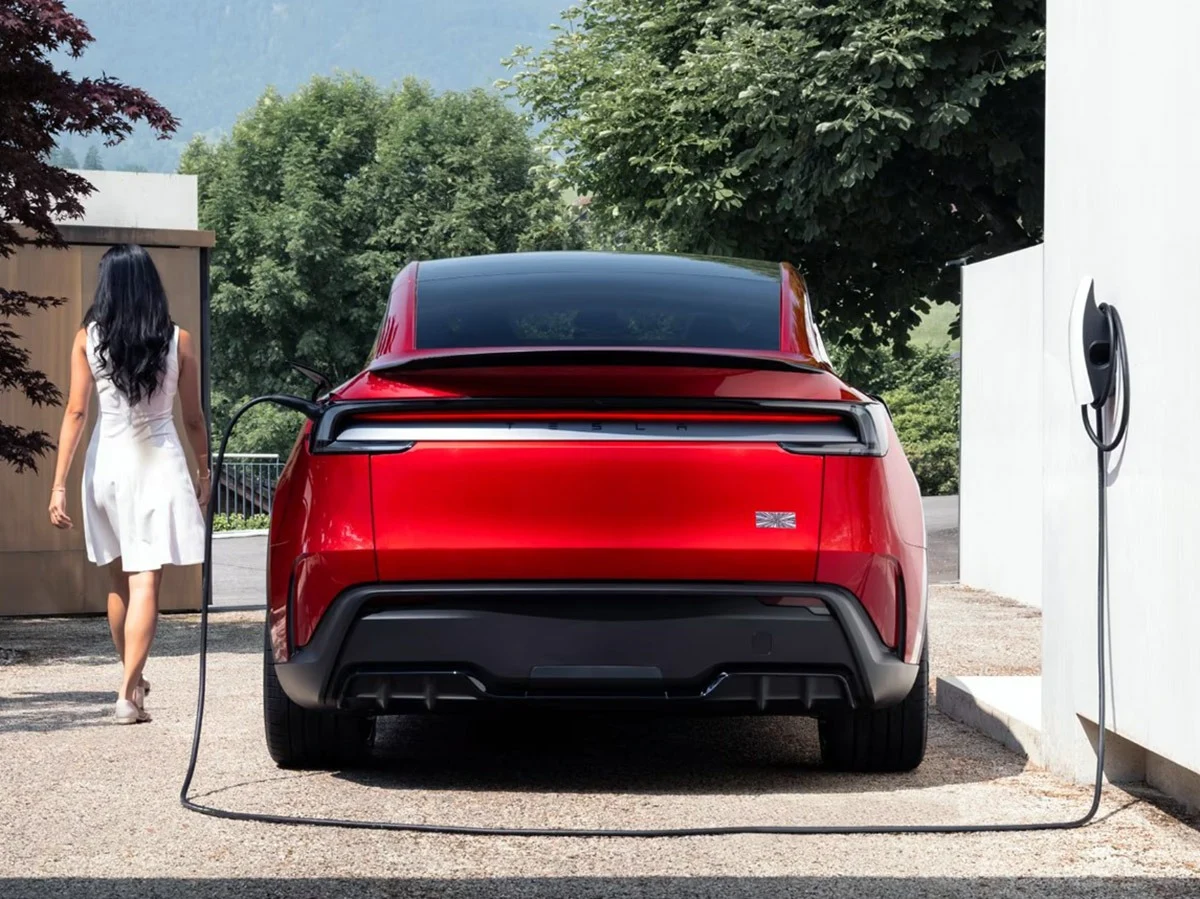
    As the largest battery manufacturer in the world aims to establish a 15-year warranty for electric vehicles (EVs) in collaboration with leading brands like NIO, Tesla is paying attention.

    At present, Tesla provides an 8-year warranty for its high-voltage battery, which is shorter compared to the 10-year coverage offered by Hyundai or Kia in the U.S. Moreover, this warranty specifies that during its duration, the battery in a Model Y should not drop below 70% of its initial capacity.

    Chinese Automakers’ Initiative

    In contrast, Chinese firms like NIO have teamed up with CATL to push for a mandatory 15-year EV battery warranty across the industry, promising an 85% capacity retention. The technology exists; modern LFP batteries, found in everything from the discounted Anker Solix 2 mobile power station on Amazon to mainstream electric vehicles, have demonstrated their ability to last significantly longer than the typical warranties provided by manufacturers.

    Tesla’s Plans for Extended Coverage

    Tesla is set to roll out battery warranties that extend up to four additional years for the Model Y, Model 3, and other vehicles in its lineup. In a message to customers, Tesla announced that these extended coverage options will be available beginning in 2026. However, this new battery warranty from Tesla is expected to be offered as a subscription service, starting at $100 a month for the longer coverage periods.

    It’s evident that Tesla has calculated the longevity of the new battery technologies it uses in its cars, which can exceed the standard 8-year warranty. This means Tesla could profit from the subscription fees. If Tesla charges $100/month to extend the battery capacity guarantee by another four years, it stands to gain nearly $5,000. In the rare case that some batteries fall below the 70% threshold during this period, Tesla would replace them at minimal expense.

    CATL’s Competitive Edge

    CATL is already providing a 12-year battery warranty for the packs it supplies to NIO’s EV battery swap stations, and it is expanding its own network with the aim of extending the warranty to 15 years. Their LFP batteries used for energy storage are backed by a guarantee of up to 20 years, with no degradation expected in the first five years of use.

    According to NIO, approximately 20 million electric vehicles will be out of warranty in the next five years, which could create a stagnant second-hand EV market. This is why NIO is collaborating with CATL to establish a 15-year battery warranty as a standard, revitalizing the used EV market and addressing a major concern for future electric vehicle owners. Tesla appears to be following a similar path, but with a unique approach to maintain its profit margins by introducing the extended battery warranty as a subscription service.

    Source:
    Link


  • Swappable Battery for Trucks: 5-Minute Change & $8,000 Fuel Savings

    Swappable Battery for Trucks: 5-Minute Change & $8,000 Fuel Savings

    Key Takeaways

    1. Tesla users in China are increasingly supporting battery swap technology due to significantly shorter swap times compared to traditional charging.
    2. CATL, the world’s largest battery manufacturer, is expanding its battery swap initiatives, predicting that battery swapping will fulfill a third of all EV charging needs by 2030.
    3. The company is focusing on heavy-duty trucks, expecting a 50% electrification rate in the coming years, and has introduced standardized swappable battery packs for this segment.
    4. CATL plans to build 300 battery swap stations in 2025, aiming for a comprehensive network across major transportation areas in China by 2030.
    5. The new #75 heavy-duty battery pack can be swapped in five minutes, offering significant cost savings for electric trucks over diesel vehicles.


    Tesla users in China have began to show their support for the battery swap idea that companies such as CATL and NIO are using. One Tesla influencer there noted the stark difference in charging times.

    “Another NIO has come and gone, and this time I took the time,” they shared while waiting at a Supercharger near a NIO battery swap area. “It only took 3 mins and 30 seconds from the moment it parked in the bay to finish the swap,” they mentioned, expressing a little envy as it would take at least 40 mins for their Tesla.

    Battery Swap Adoption

    The battery swap idea, first introduced by EV brands like NIO, has now gained endorsement from the world’s largest battery manufacturer, CATL. Initially, it teamed up with NIO to share knowledge about swap stations and powertrains, then created long-lasting battery packs made for swapping, and is now constructing its own swap stations for both passenger and commercial vehicles.

    CATL is really confident in the future of battery swapping, and it has invested in several projects based on its forecast that battery swapping will meet a third of all electric vehicle charging requirements by 2030.

    Heavy-Duty Truck Innovations

    CEO Robin Zeng has mentioned that this vision includes commercial vehicles, such as heavy-duty trucks, where the electrification rate is estimated to hit 50% in the next few years. Currently, more than 30 electric truck models by 12 different manufacturers are utilizing CATL’s Qiji swappable battery chassis, and this number is expected to grow significantly.

    To prepare for the increasing demand for heavy-duty electric trucks, CATL introduced the first standardized swappable battery pack for this category, named #75. This comes after the previously announced #20 and #25 packs for passenger EV swap stations last year.

    Future Plans for Battery Swaps

    The #75 truck battery packs will be used at the swap stations operated by CATL’s subsidiary, Qiji Energy. CATL plans to build 300 of these stations in 2025 alone, with a comprehensive network of truck battery swap stations projected to cover all major transportation areas in China by 2030.

    According to CATL, the new #75 heavy-duty battery pack can be changed in just five minutes at a Qiji station, potentially saving more than $8,000 for every 100,000 km driven compared to a diesel truck.

    While CATL admits that the savings compared to an LPG truck are less significant, they believe the swapping process is more effective. They also note that the volatility in global LPG prices continues to make investing in electric trucks a smart choice.

    Source:
    Link

  • NIO Onvo L60 Review: Why Tesla Model Y Juniper May Be Obsolete

    NIO Onvo L60 Review: Why Tesla Model Y Juniper May Be Obsolete

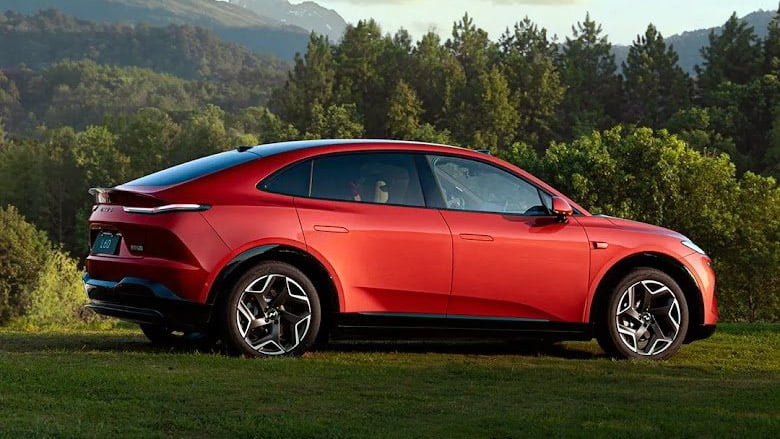
    With its 900V architecture, an impressive drag coefficient of 0.229, swappable battery, a more energy-efficient drivetrain, and a significantly lower starting price, the new Onvo L60 crossover seems to outshine the Model Y Juniper even before Tesla’s major reveal.

    Design and Efficiency

    The Onvo L60 is larger than the Model Y but has a lower profile and a superior drag coefficient compared to the existing Y model. The vehicle’s design, along with NIO’s lightweight 900V motors and powertrain, contributes to its remarkable energy efficiency of 12.7 kWh/100km in the all-wheel-drive version, which easily surpasses the dual-motor Model Y.

    Battery and Charging

    Equipped with an up to 85 kWh LFP battery pack, which is notably thin and forms the floor of the Onvo L60, the car offers spacious rear seating despite its sleek, aerodynamic rear design. Charging takes between 20 and 25 minutes, but future owners can also utilize any current NIO battery swap station for a quick battery change in just a few minutes.

    Interior Features and Performance

    Inside, the Onvo L60 boasts heated and vented massage front seats, a sizable 17.2-inch main display, a smaller screen for rear passengers, a 50W wireless charging pad, and a 1000W sound system equipped with 18 speakers. Its driver-assist system functions on highways and in urban settings, using 13 cameras and a 4D mmWave radar for accurate monitoring and autoparking.

    With a 0-60 mph time of just 4.6 seconds, the Onvo L60 combines luxury and performance while undercutting the Model Y’s price by over $4,000. If Tesla launches the Juniper at the same price point as the previous model, it will face stiff competition from the impressive new L60.

    NIO introduced its Onvo brand on May 15, with the first model set to debut on September 19, featuring a major event to unveil the L60’s specifications, pricing, and battery-as-a-service discounts that could lower its price to around $22,500.

  • Nio’s exploration of range diversity in the face of arduous market conditions

    Nio’s exploration of range diversity in the face of arduous market conditions

    Nio Gears Up for Update, Introduces New Variants with Shorter Ranges

    Nio, the Chinese electric vehicle (EV) manufacturer, is preparing for a significant update next month. In an effort to tackle headwinds in the competitive market, the company is introducing new variants with shorter ranges for its existing models. This move comes after China’s Ministry of Industry and Information Technology (MIIT) included Nio’s eight on-sale models in a regulatory catalog, making them eligible for vehicle purchase tax reductions.

    New Options with Lower Ranges

    While the available battery packs for Nio’s models will maintain their capacities, ranging from 70-kWh to 150-kWh, the introduction of new options with significantly lower ranges is noteworthy. The standard range options will include the 70-kWh and 75-kWh packs, which utilize Li-ion ternary battery technology. On the other hand, the 100-kWh pack will cater to long-range capabilities. It’s important to note that the 150-kWh pack, a semi-solid-state battery, is not yet integrated into the battery swap system.

    Strategic Move to Lower Range and Price

    The adjustment in the minimum Chinese Long-Term Cruising (CLTC) range for various models indicates a strategic move by Nio to potentially lower both the range and price of their vehicles. There have been reports suggesting that Nio might offer battery packs with a 50-kWh capacity, referred to as “city-class range.” These packs would be derived from the standard range battery packs. This strategic decision aims to reduce the barrier to purchase, allowing for increased sales without causing significant dissatisfaction among existing customers.

    Challenges in the Chinese EV Market

    Nio faced a challenging January, with its stock declining by 38%. Despite this, the company managed to deliver over 10,000 vehicles, reflecting an 18.21% increase compared to the previous year. The decline in stock prices can be attributed to intense competition in the Chinese EV market, with larger players like Tesla and BYD initiating price wars that impact the pricing power of smaller players.

    Record Deliveries and Market Conditions

    In December 2023, Nio, along with XPeng and Li Auto, reported record deliveries of nearly 88,500 units. This marked a third consecutive monthly record. However, the positive delivery results did not prevent a decline in stock prices, as investors chose to sell the news. The current market conditions, characterized by a slowdown in China’s economic recovery, have affected consumer spending on expensive electric cars.

    Future Outlook for Nio

    Nio’s challenges and opportunities in the evolving Chinese EV market are crucial for its long-term success. The company has seen a positive trend in weekly registrations, indicating efforts to sell inventories before the anticipated business hiatus during the upcoming Lunar New Year holiday. This strategic move aims to capitalize on the current market conditions and maintain a steady sales momentum.

    Nio’s upcoming update, featuring new variants with shorter ranges, showcases the company’s determination to adapt to the competitive landscape and cater to a wider range of customers. By introducing more affordable options, Nio aims to attract a larger consumer base and solidify its position in the Chinese EV market.

  • In January 2024, NIO achieves milestone deliveries and expands urban road coverage.

    In January 2024, NIO achieves milestone deliveries and expands urban road coverage.

    NIO Doubles Coverage of Advanced Driver Assistance System on Urban Roads in China

    Chinese electric vehicle (EV) manufacturer NIO has achieved a significant milestone in its Advanced Driver Assistance System (ADAS) capabilities on urban roads in China. NIO's Navigate on Pilot Plus (NOP+) urban road coverage has doubled, reaching an impressive 651,640 kilometers by the end of January. This marks a remarkable growth of 103.75% from the previous month.

    Impressive Coverage Expansion

    The NOP+ coverage expansion is particularly noteworthy, with a gain of 331,819 kilometers achieved in January alone. When considering highways and urban expressways, the total coverage extends to over 1 million kilometers. NIO has achieved impressive city-specific coverage as well, with NOP+ covering 99.2% of Shanghai's main roads and 93% of the entire road network. Other cities with high NIO vehicle ownership, including Beijing, Zhengzhou, Chengdu, and Suzhou, showcase ultra-high-density coverage.

    Rapid Geographic Expansion

    NIO's NOP+ has significantly expanded its geographic reach, covering a greater number of cities. In just one month, the number of cities covered by NOP+ increased from 208 to an impressive 606 by the end of January. Notably, NOP+ now encompasses all cities in China's 34 first-tier administrative regions, excluding Hong Kong, Macau, and Taiwan.

    Vehicle Deliveries and Market Performance

    In January 2024, NIO delivered 10,055 electric vehicles, marking an 18.2% increase compared to the previous year. However, when compared month-on-month, there was a 44% decline, which aligns with market expectations. The cumulative deliveries reached an impressive 459,649 as of January 31, 2024. It is important to note that the impact of the Chinese New Year falling on February 10 created a temporary anomaly in year-on-year comparisons.

    Breaking down the deliveries, 6,307 SUVs and 3,748 sedans were included in January's figures. The Nio ES6 SUV contributed 40% of sales, while the ET5 and its station wagon variant, ET5 Touring, accounted for nearly 30% of sales. NIO's battery swap alliance continues to expand, with notable members including Geely, Changan, JAC, and Chery.

    Future Plans

    Looking ahead, NIO has revealed its plans for 2024. While no new model launches are expected, annual updates for the existing lineup are anticipated. The highly anticipated executive sedan ET9 is set to launch in early 2025. Additionally, the entry-level Alps sub-brand is expected to be unveiled in March or April 2024, with deliveries scheduled for later in the year. NIO also aims to launch its second sub-brand, Firefly, focusing on small electric cars in 2025.

    Market Response

    NIO's expanding sales team and the anticipated launch of the Alps sub-brand are expected to stimulate growth for the company. The pre-market trading reflects the positive market response, with NIO shares up by 2.67%.

    Source: nio.com