Tag: sodium-ion battery

  • Aurora Sodium-Ion Battery: 170 Wh/kg Energy Density, 11-Min Charge

    Aurora Sodium-Ion Battery: 170 Wh/kg Energy Density, 11-Min Charge

    Key Takeaways

    1. BAIC has developed a new sodium-ion battery, the Aurora, with an energy density exceeding 170 Wh/kg, comparable to current lithium iron phosphate (LFP) batteries in electric vehicles.
    2. The Aurora battery can charge quickly at 4C speeds, achieving a full charge in approximately 15 minutes and maintaining over 92% capacity in cold temperatures down to -20°C.
    3. The battery is designed to endure electrical, mechanical, and thermal stresses, addressing common challenges faced by EV batteries during crashes and regulatory tests.
    4. BAIC has filed for 20 patents related to various aspects of the Aurora battery, indicating a strong focus on innovation and comprehensive technology development.
    5. The Aurora battery is entering mass production as the demand for sodium-ion technology grows, especially amid rising lithium prices.


    In a recent breakthrough in solid-state battery technology, BAIC has introduced a new battery that does not use lithium and matches the energy density of the LFP batteries that are commonly found in electric vehicles (EVs) today.

    Specifications of the New Battery

    BAIC’s new Aurora sodium-ion battery boasts a prismatic cell energy density exceeding 170 Wh/kg, which is on par with CATL’s Naxtra battery pack. This energy density level aligns with that of the widely used LFP batteries found in various devices, from popular Teslas to the Anker Solix 2 power station, which is currently available at a 47% discount on Amazon.

    Another notable feature is its capability for quick charging at 4C speeds, allowing the Aurora sodium-ion battery to fully charge from empty in just 15 minutes. While BAIC’s team mentions an 11-minute time frame, this is likely referring to the more standard 10-90% charging test. The battery also performs remarkably well in cold conditions; it maintains over 92% of its capacity at -20°C, functioning effectively across a temperature range of -40°C (-40°F) to 60°C.

    Durability and Innovation

    The sodium-ion battery is resilient against electrical, mechanical, and thermal stresses, which are typical challenges for EV batteries during crashes and regulatory testing. BAIC has applied for 20 patents covering various aspects such as core materials, cell architecture, production techniques, testing methodologies, and system integration, making their Aurora battery line a comprehensive offering that includes lithium, solid-state, and sodium technologies.

    In comparison, CATL has already launched a sodium-ion battery with similar characteristics. Their Naxtra series provides an energy density of 175 Wh/kg, supports peak charging at 5C, and aims for a range of 500 km on a single charge, while also offering a lifespan of over 10,000 cycles. Additionally, it functions efficiently in a broader temperature range, especially in high-temperature environments, and delivers three times the discharge power at -30°C compared to traditional LFP batteries.

    Future Prospects

    Moreover, the Naxtra battery has successfully obtained the forthcoming GB 38031-2025 national safety certification, marking it as the first sodium-ion cell to achieve this milestone. Nevertheless, BAIC’s Aurora Na-ion battery has made significant strides and is now preparing for mass production, which is a promising sign for the future of sodium-ion batteries, especially as lithium prices continue to rise.

    Source:
    Link


  • Elecom Launches New Semi-Solid-State Power Bank for Users

    Elecom Launches New Semi-Solid-State Power Bank for Users

    Key Takeaways

    1. Elecom has launched the DE-C86-10000, its first semi-solid-state power bank with a 10,000 mAh battery.
    2. The power bank features a gel-based electrolyte for improved safety, reduced leakage, and includes a Health Monitor function for tracking battery health.
    3. The DE-C86-10000 offers an extended battery life, estimated to be four times longer than traditional lithium-ion batteries, and operates in temperatures from -15 to 45°C.
    4. It has three charging ports (two USB-C and one USB-A) with a maximum combined output of 20W and can charge devices like an iPhone 17 and MacBook Air.
    5. Priced at ¥8,480 (~$54), there is currently no information on availability outside of Japan.


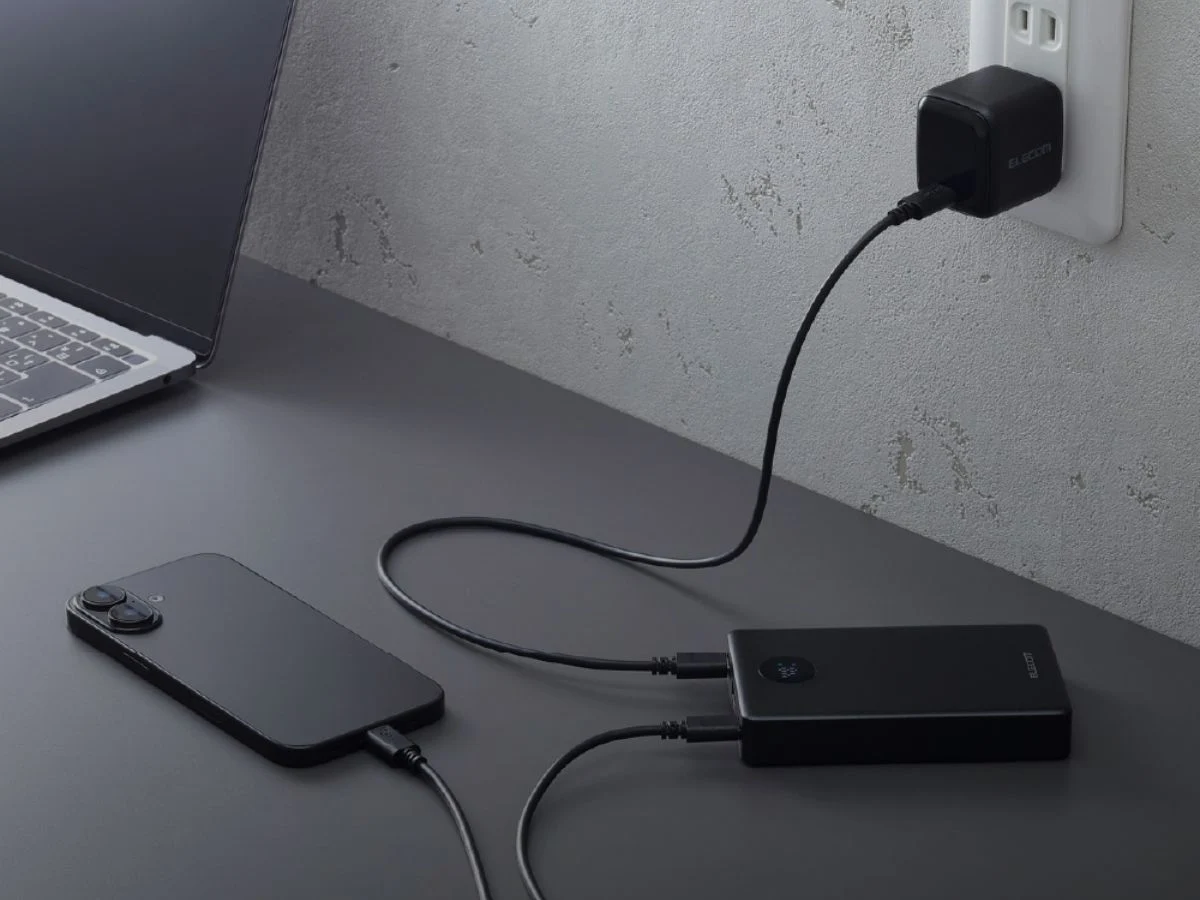
    Elecom has launched a new semi-solid-state power bank in Japan, named the DE-C86-10000. This is the brand’s first device of this type and comes just a few months after their announcement of the world’s first power bank featuring a sodium-ion battery.

    Battery and Safety Features

    The Elecom DE-C86-10000 is powered by a 10,000 mAh semi-solid-state battery (SSSB) that utilizes a gel-based electrolyte. This setup is claimed to have a lower chance of leaking compared to standard lithium-ion batteries, which helps to decrease the likelihood of battery fires. Additionally, it includes a Health Monitor function that keeps track of charge cycles and alerts users when it might be time to inspect or replace the device. This information is displayed on its built-in screen, which also indicates the remaining battery life and charging status.

    Performance and Specifications

    One of the advantages of the Elecom DE-C86-10000’s SSSB is its extended battery life, estimated to be four times longer than a similar lithium-ion battery. It also operates in a broader temperature range of -15 to 45°C (~5 to 113°F). According to the company, this power bank can charge an iPhone 17 1.8 times or a MacBook Air 13-inch M4 0.4 times. It features three ports: two USB-C ports with up to 35W and one USB-A port with 22.5W, allowing for a maximum combined output of 20W. It can be recharged via USB-C and supports pass-through charging. The dimensions are 70 x 115 x 19 mm (~2.76 x 4.53 x 0.75 inches), and it weighs approximately 220 g (~7.76 oz).

    Pricing and Availability

    In Japan, the Elecom DE-C86-10000 power banks are priced at ¥8,480 (~$54). There’s no information yet on whether or when the product will be available in other regions like Europe or North America, where Elecom already markets devices such as the Nestout Rugged Portable Charger, 5000mAh (currently priced at $44.99 on Amazon).

    Elecom, ITHome

    Source:
    Link


  • Viral Sodium-Ion Flashlight: Works at -40°F & Power Bank Feature

    Viral Sodium-Ion Flashlight: Works at -40°F & Power Bank Feature

    Key Takeaways

    1. The new flashlight raised over $20,000 in a successful funding campaign and is launching on Indiegogo.
    2. It features a built-in sodium-ion battery that maintains 88% capacity at -40°F, outperforming traditional lithium batteries.
    3. The flashlight includes a 10,000mAh battery that recharges at 10 watts and can charge other devices at 5 watts.
    4. It produces a bright output of 2,500 lumens and can handle over 3,000 charging cycles without issues.
    5. The current price on Indiegogo is $73 plus shipping, with an expected increase to around $90 later.


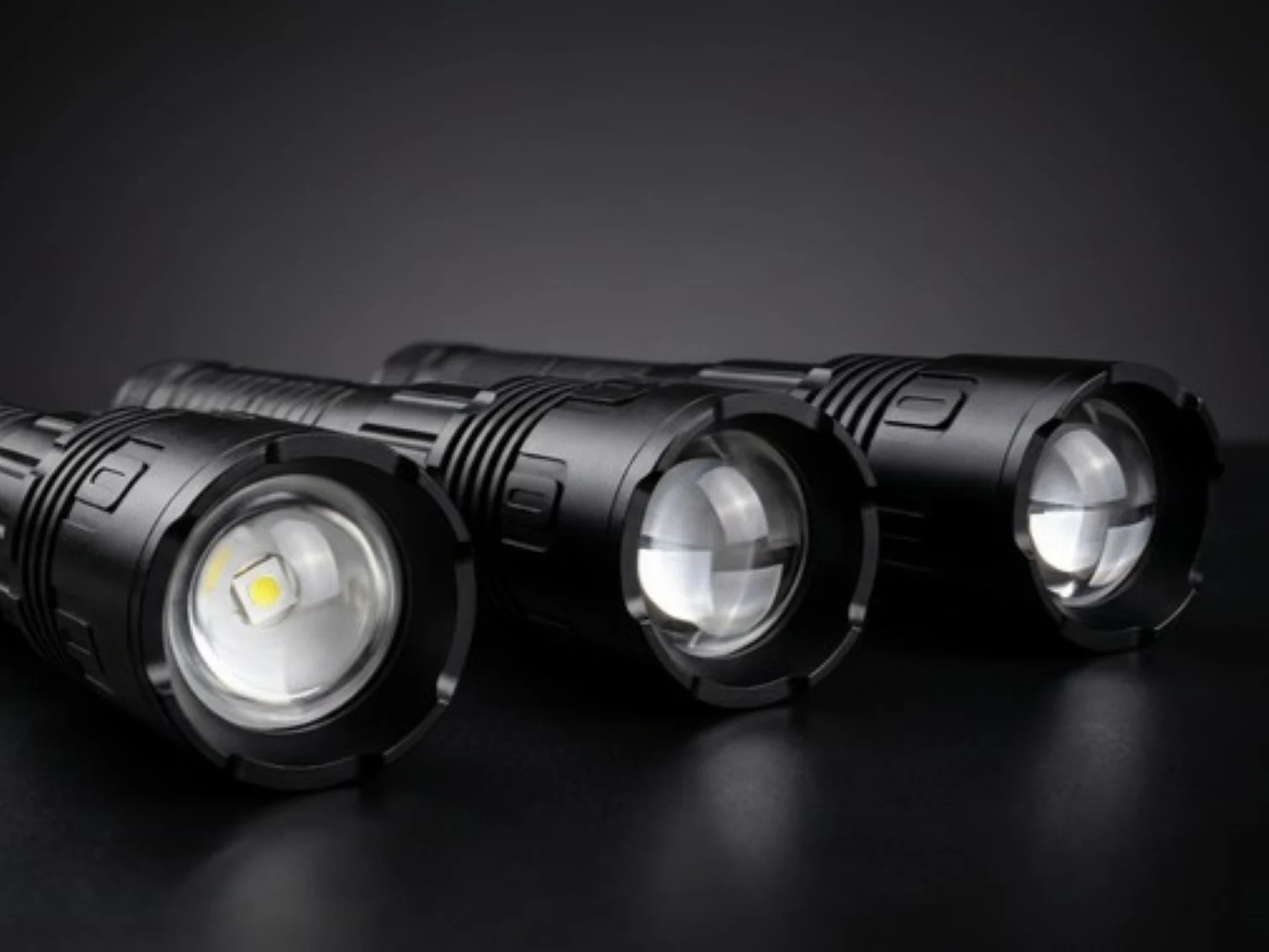
    After a funding campaign that was really successful and raised over $20,000, a new flashlight is getting ready to launch on Indiegogo. This flashlight is unique because it features a built-in sodium-ion battery, which is said to keep the light on for over nine hours even in temperatures as low as -40°F. The maker claims that unlike regular lithium batteries—which only keep about 15% of their capacity in very cold weather—the sodium-ion battery maintains an impressive 88% capacity at -40°F.

    Impressive Specs

    The flashlight comes with a 10,000mAh battery that can recharge at 10 watts and can also charge other devices at 5 watts, making it useful as a power bank too. The integrated LED produces a bright output of 2,500 lumens. The manufacturer also indicates that the battery can handle more than 3,000 charging cycles, and deep discharges won’t cause any problems.

    Pricing Information

    Initially offered at about $60 during the Super Early Bird special on Kickstarter, the flashlight is now priced at $73 plus shipping on Indiegogo. It’s important to keep in mind that Indiegogo functions as a crowdfunding platform, which means this isn’t a traditional purchase. Instead, backers are investing to support a project and take the risk that product specifications might change or that it might not ship at all. Regardless, the price is anticipated to increase to around $90 later on.

    In the video below, the manufacturer elaborates on why sodium-ion batteries are more efficient at low temperatures compared to standard lithium-ion cells.

    Source:
    Link


  • First Sodium-Ion Battery Works at -40°C with 90% Capacity Retention

    First Sodium-Ion Battery Works at -40°C with 90% Capacity Retention

    Key Takeaways

    1. CATL has launched the first sodium-ion battery for mass production, designed for low-temperature performance in commercial vehicles.
    2. The sodium-ion battery can charge in temperatures as low as -30°C and only experiences a 10% capacity reduction at -40°C.
    3. This battery is cost-effective, using abundant sodium instead of costly lithium, and is safer due to lower volatility.
    4. CATL also introduced long-range and rapid-charge battery models for light-duty vehicles, with one model offering a 500-mile range.
    5. The sodium-ion battery has an energy density of 175 Wh/kg, making it competitive with lithium iron phosphate (LFP) technology.


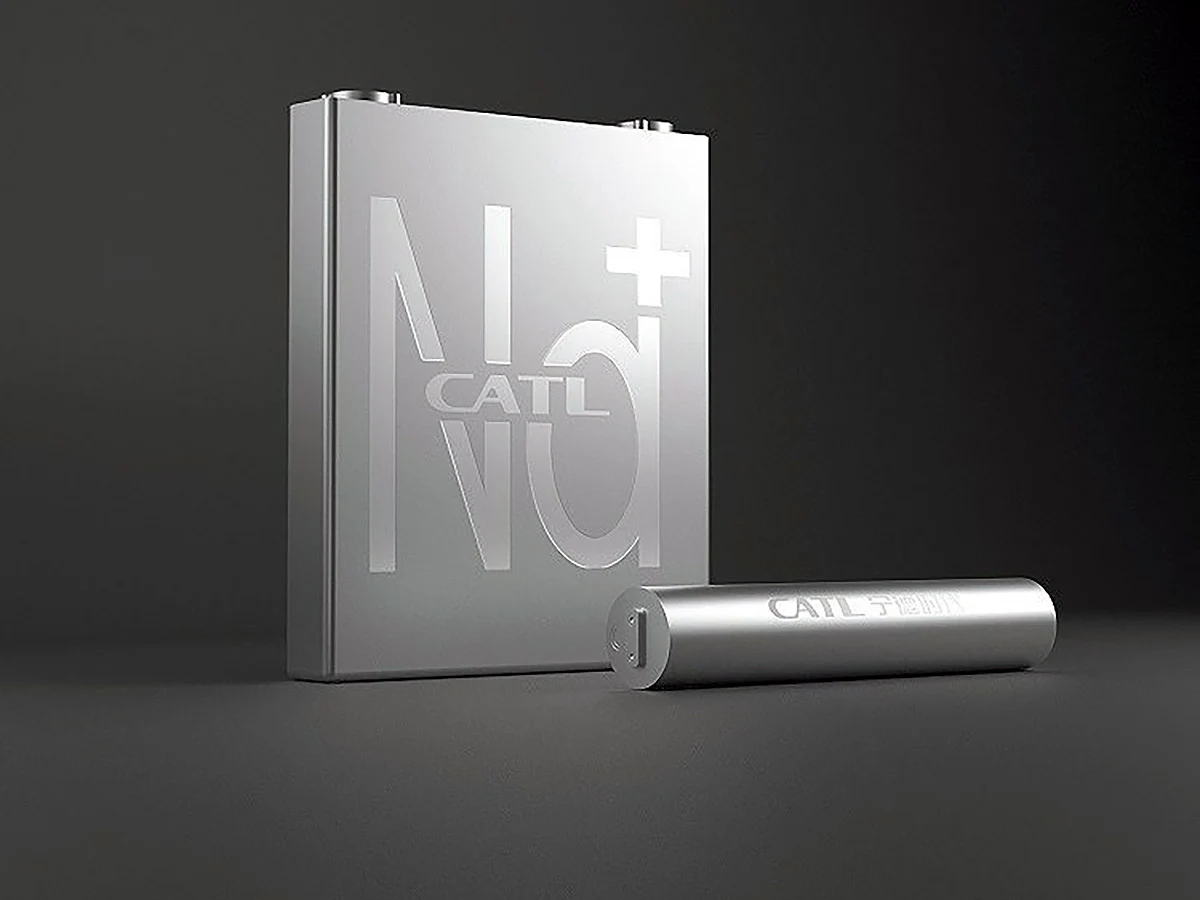
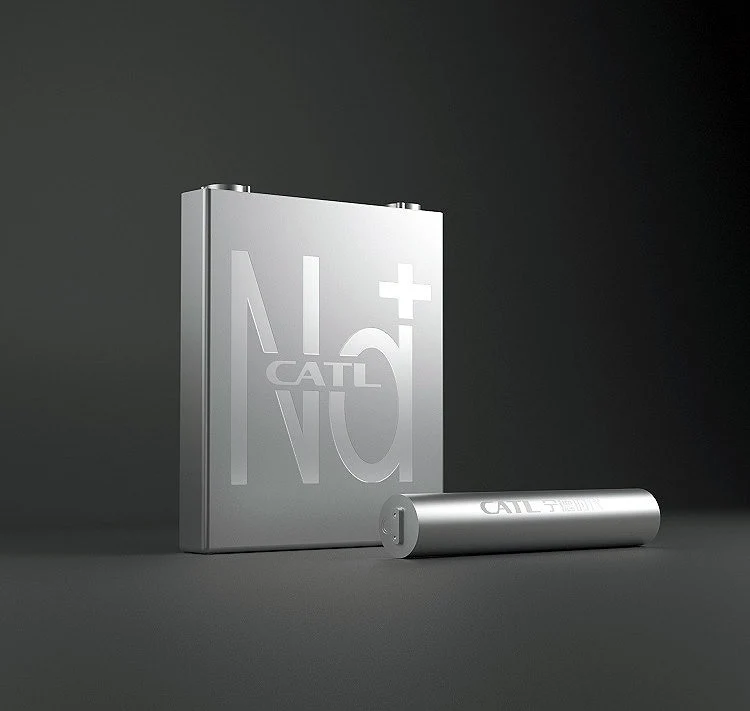
    The biggest battery manufacturer in the world, CATL, has introduced the first sodium-ion battery intended for mass production. This battery is promoted as a “low-temperature” option for commercial vehicles, capable of charging in frigid conditions as low as -30 degrees Celsius (-22 Fahrenheit). Even at -40 degrees, it only experiences a 10% reduction in capacity.

    Addressing Cold Weather Challenges

    CATL’s latest sodium-ion battery effectively addresses the issues faced by light electric trucks, vans, and other commercial vehicles in extremely cold environments, which current lithium-ion batteries struggle to handle.

    Cost-Effective and Safe

    Rather than relying on the costly lithium carbonate which is currently increasing in cost, CATL’s Tianxing II low-temperature battery utilizes sodium, a resource that is both plentiful and economical. The conductivity remains stable in lower temperatures and sodium is far less volatile than lithium, making the 45 kWh Na-ion battery a safer option in case of accidents.

    Enhanced Performance and New Offerings

    In addition to their sodium-ion battery designed for cold climates, CATL has also introduced new models of long-range and rapid-charge batteries for light-duty vehicles. The long-range battery features a substantial 253 kWh pack that can drive a truck up to 500 miles, while the fast-charge variant can be fully charged in just 18 minutes, meeting the needs of various fleets.

    Impressive Energy Density

    What’s particularly remarkable is that CATL’s sodium-ion battery boasts an impressive energy density of 175 Wh/kg, almost twice that of the initial commercially available sodium-ion batteries. This makes it competitive with popular and cost-effective LFP battery technology. Furthermore, there are now commercial items like the first sodium-ion jump starter available on Amazon, highlighting the growing market for this emerging battery technology.

    Source:
    Link


  • Unigrid Launches Na+ Fleet: 12V Sodium-Ion Battery for Cars

    Unigrid Launches Na+ Fleet: 12V Sodium-Ion Battery for Cars

    Key Takeaways

    1. Unigrid’s Na+ Fleet 12V sodium-ion batteries are designed to replace traditional lead-acid batteries and come in three sizes (30, 60, 90) with varying cold cranking amps (500, 850, 1250).

    2. These batteries feature a solid sulfide electrolyte and a safer composition, eliminating rare earth elements and reducing risks associated with leaks and fires compared to lithium-ion batteries.

    3. The Na+ Fleet batteries have enhanced thermal stability, resistant to fire until reaching several hundred degrees Celsius, unlike lithium-ion batteries that can face thermal runaway below 100°C.

    4. They offer a significant lifespan of over 5,000 charge cycles, operate effectively in extreme temperatures from -40°C to 60°C, and are backed by a five-year warranty.

    5. The batteries have passed rigorous safety standards (UN 38.3 and UL 9540A) and provide specific energy of 178 Wh/kg and volumetric energy density of 417 Wh/L.


    Unigrid has introduced the Na+ Fleet 12V sodium-ion battery targeted for automotive uses.

    Battery Specifications

    The Na+ Fleet comes in three group sizes: 30, 60, and 90, and offers cold cranking amps (CCA) of 500, 850, and 1250, respectively, available to distributors, integrators, and original equipment manufacturers (OEMs). These batteries can directly replace traditional 12V lead-acid batteries, operating within a voltage range of 8V to 14.4V, without needing extra battery management hardware. They are backed by a five-year warranty and can endure over 5,000 charge cycles, functioning effectively in temperatures from 0°C to 55°C and can operate in extreme conditions from -40°C to 60°C.

    Safety Features and Composition

    In standard lithium-ion batteries, a liquid electrolyte sits between the carbon anode and lithium cathode materials. During discharge, electrons flow from the anode to the cathode through the electrolyte, and reverse during charging. Issues like physical damage, overcharging, and whisker formation can lead to leakage or even fires in lithium batteries, which are tough to extinguish.

    Unigrid has innovated by using a solid sulfide electrolyte, replacing the anode with tin infused with single-walled carbon nanotubes, and utilizing sodium-chromium-oxide (NaCrO2) for the cathode. The Na+ Fleet doesn’t rely on rare earth elements and is safer for storage and use. Moreover, it’s more eco-friendly at the end of its lifecycle, according to the company.

    Enhanced Thermal Stability

    Darren Tan, CEO of Unigrid, highlights that these sodium-ion batteries are resistant to catching fire until they reach several hundred degrees Celsius. This is a significant improvement compared to lithium-ion batteries, which can face thermal runaway at temperatures well below 100°C, a dangerous issue reported in various incidents involving Tesla and e-bike batteries, some of which have been fatal.

    The new battery technology boasts a specific energy of 178 Wh/kg and a volumetric energy density of 417 Wh/L, having successfully passed both UN 38.3 and UL 9540A testing standards. The Na+ Fleet batteries utilize the company’s 3270 or 32140 cylindrical sodium-ion cells, which are rated for 10,000 charge cycles (at 80% capacity) and can handle deep discharges.

    For those in search of a durable battery option for their vehicles available for purchase now, AGM lead-acid batteries like the Optimas found on Amazon might be worth considering.

    Unigrid, Unigrid press release, Unigrid Na+ Fleet pdf, Unigrid battery cells pdf, Interesting Engineering, Science, Journal of The Electrochemical Society, Chemical Engineering Journal.

    Source:
    Link


  • CATL Sodium-Ion Battery Achieves 300-Mile Range and EV Certification

    CATL Sodium-Ion Battery Achieves 300-Mile Range and EV Certification

    Key Takeaways

    1. CATL’s sodium-ion batteries can power EVs for over 300 miles on a single charge, rivaling lithium batteries in performance and cost-effectiveness.
    2. The Naxtra sodium-ion batteries are designed for wide temperature resilience and have received safety certification under China’s GB 38031-2025 standard.
    3. CATL plans to start mass production of sodium-ion batteries next year, following successful customer testing and initial orders.
    4. The new battery technology could feature in 40% of future Chinese electric vehicles, enhancing safety and environmental benefits.
    5. CATL is developing a network of battery swap stations, which may facilitate the widespread adoption of sodium-ion batteries in collaboration with major EV manufacturers like NIO.


    CATL has successfully launched the first sodium-ion battery for electric vehicles, matching the range of existing mass-market EVs that use LFP cells.

    Impressive Range and Cost Efficiency

    The next generation of CATL’s sodium-ion batteries can power electric vehicles for more than 300 miles on a single charge. With an energy density of 175 Wh/kg, it is getting close to the performance of lithium batteries used in popular models like the Model Y and Model 3, while also being more affordable.

    Interestingly, Bluetti, known for its mobile stations equipped with LFP batteries such as the AC180 sold on Amazon, has developed the first power station using sodium-ion technology.

    Temperature Resilience and Safety Certification

    High energy density isn’t the only benefit of CATL’s Naxtra sodium-ion battery series. It functions effectively across a broader temperature range without capacity loss in freezing conditions. The absence of reactive metals in its design, combined with CATL’s manufacturing expertise, has led to this battery becoming the first to receive a prestigious EV safety certification under China’s strict new GB 38031-2025 national standard.

    This achievement paves the way for its application in various electric vehicles, making it especially ideal for those operating in colder climates. CATL claims that the Naxtra sodium-ion battery line offers significant advantages in cost, safety, and environmentally friendly production, potentially appearing in 40% of future Chinese electric vehicles.

    Testing and Future Production Plans

    Currently, the sodium-ion battery is undergoing testing with customers, and CATL plans to start mass production next year after receiving initial orders. While details about which manufacturers will first launch mass-market electric cars with this new battery remain undisclosed, CATL’s extensive client list of major EV makers suggests positive prospects for the technology’s advancement and widespread adoption.

    Additionally, CATL is ensuring that the Naxtra sodium-ion battery aligns with its 20/25 battery pack standardization initiative, which focuses on battery swap stations. The company is developing a network of these stations, collaborating with partners like NIO, whose electric vehicles come equipped with swappable batteries.

    If CATL’s latest sodium-ion battery generation is integrated into battery swap stations, the ease of having a fully charged battery installed in just minutes could significantly boost the adoption of sodium-ion battery technology within the industry.

    Source:
    Link


  • Sodium Battery Urban E-Bike: 45-Mile Range in Cold Weather

    Sodium Battery Urban E-Bike: 45-Mile Range in Cold Weather

    Sodium-ion batteries are moving beyond research and are starting to make a name for themselves in electric vehicles (EVs) and energy storage markets, much like how LFP technology did previously. After being developed for ten years in labs, these sodium-ion cells are now ready for large-scale production, and they’re making their way into grid-level energy systems and EVs.

    Major Manufacturers Jumping In

    The leading battery manufacturers, such as CATL and BYD, are increasingly investing in the production of sodium-ion batteries and expanding their factories. These efforts are beginning to show results. However, even with ongoing improvements in Na-ion cell chemistry, such as a recent breakthrough with vanadium electrodes that increases their energy density to be closer to lithium-ion cells, sodium-ion batteries are still primarily better for energy storage and smaller electric vehicles.

    New Developments in Electric Mobility

    After the debut of the Sehol E10X, the first electric car featuring sodium-ion batteries in China, it’s now time for the first urban two-wheeled vehicle with these cells to enter the market. This new city scooter is produced by Yadea, a major player in urban mobility that manufactures millions of mopeds. The sodium-ion battery pack for this scooter is provided by Yuji Tech.

    This scooter boasts a range of up to 70 km (approximately 45 miles) on a single charge, requiring just 15 minutes to reach 80% charge. The entry-level Yadea Q1 with the sodium-ion battery is priced at around $450 USD, while the higher-end Q50 model with traction control retails for $590.

    Features and Performance

    While Yadea’s electric bike isn’t the fastest on the market, capped at a speed of 25 km/h as per urban regulations in China, it stands out as a pioneer for incorporating this affordable battery technology into a moped for the first time. For comparison, similar scooters like NIU’s models are priced at $599 on Amazon.

    The 24Ah sodium-ion battery utilized by Yadea comes equipped with advanced hard carbon electrodes, allowing for over 1,500 charging cycles, which translates to about five years of use if charged nearly every day. One of the significant benefits of these sodium cells is their ability to maintain over 92% capacity even in temperatures as low as -20°C (-4°F), showing resilience in cold conditions.

    However, it’s worth noting that the initial e-bike with sodium-ion batteries can only support a maximum load of 75 kg (165 pounds). Nonetheless, urban scooters like the Yadea Q1 are mainly used by a younger demographic in Asia, where this weight limit is unlikely to pose a significant issue.

    Source:
    Link


    Image 1


  • BYD Launches 2.3 MWh Sodium-Ion Battery for Grid Storage

    BYD Launches 2.3 MWh Sodium-Ion Battery for Grid Storage

    The second biggest battery producer in the world, BYD, has successfully created a sodium-ion battery pack that meets all the needs of a grid-level battery energy storage system (BESS). This innovative battery offers a long cycle life and impressive energy density.

    A New Era of Sodium-Ion Technology

    The MC Cube-SIB ESS container, which BYD claims is the “world’s first high-performance” sodium-ion battery for grid energy storage, features the company’s unique Blade packing design, as noted by Kai Wang from BYD. The MC Cube is rated at 1200V with a capacity of 2.3 MWh, and its voltage can range from 800V to 1400V.

    Comparison with Tesla’s Megapack

    In contrast, Tesla’s Megapack has a capacity of 3.9 MWh, but it utilizes LFP batteries similar to those found in the Bluetti Portable Power Station, which is currently available on Amazon at a 50% discount for Black Friday.

    Sodium-ion batteries are generally lower in cost because their raw materials are readily available. They also provide a longer lifespan and higher discharge rates even in cold conditions. Furthermore, sodium-ion batteries are considered safer than lithium batteries, which can face risks like piercing, exposure to high temperatures, or manufacturing flaws that might lead to dangerous thermal runaway.

    Future Prospects for BYD

    Even though lithium prices have significantly dropped in the last year due to a slowing EV market and increased production efficiency, BYD remains committed to its plan of constructing the world’s largest 30 GWh sodium-ion battery factory. This strategic decision will pay off when the factory becomes operational, especially with products like their high-performance Na-ion battery for grid energy storage.

    It is worth mentioning that HiNa Battery already has a functioning grid-level BESS that helps balance a local utility’s renewable energy network. Nonetheless, BYD’s 2.3 MWh MC Cube boasts superior energy density and overall performance, potentially lowering electricity costs below the $0.03/kWh level of HiNa’s sodium-ion grid battery solution, making it an exciting development in energy storage technology.

    Source: Link