
Key Takeaways
1. Lithium carbonate prices fell sharply from over $80,000 per ton in 2022 to below $10,000 due to increased supply and weakened demand for electric vehicles.
2. The decline in lithium prices halted many mining and battery production projects, but prices are now rising again due to artificial supply constraints and a thriving energy storage market.
3. Lithium prices surged from $17,000 in December to $26,000 in January, leading major battery manufacturers like BYD and CATL to resume sodium-ion production projects.
4. CATL’s sodium-ion battery pack maintains 90% capacity at -40°C and can be charged at -30°C, making them suitable for extreme weather conditions and safer than lithium-based batteries.
5. Sodium-ion batteries could potentially replace up to half of the current lithium iron phosphate (LFP) batteries in electric vehicles, depending on the results of ongoing cold-weather testing.
After reaching a high of over $80,000 per ton in 2022, the cost of EV battery-grade lithium carbonate fell sharply to below $10,000 last year. This decline was due to a significant increase in supply while the demand for electric vehicles weakened.
The Impact on Lithium Mining
The sharp drop in lithium prices halted numerous lithium mining and sodium-ion battery production initiatives, as the lower prices rendered many of these projects unprofitable. Now, however, lithium prices are soaring again, driven by artificial supply constraints, such as the closure of mines due to regulatory actions in China, while the energy storage and electric vehicle export markets are thriving.
Price Surge and Industry Response
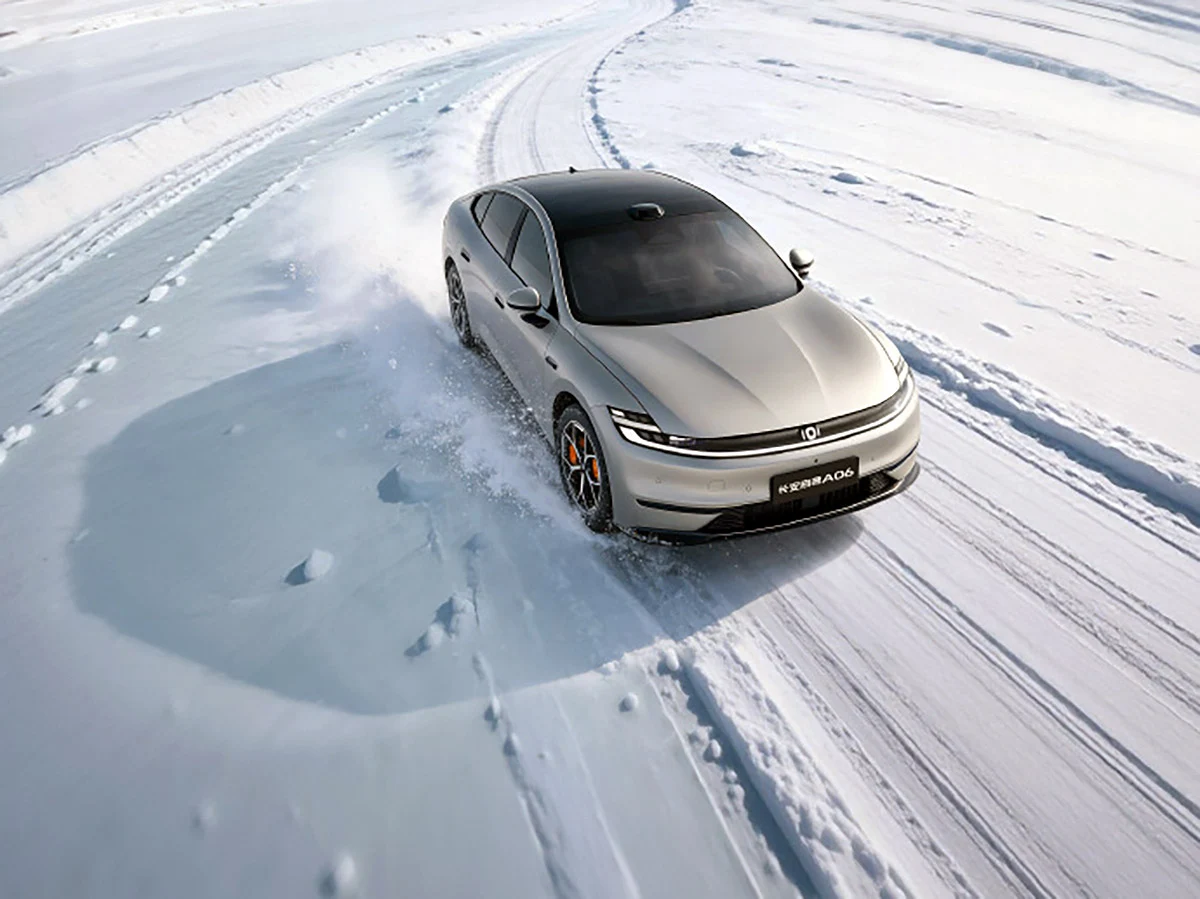
The price jumped from $17,000 in December to $26,000 in January, prompting the two largest battery manufacturers, BYD and CATL, to resume their commercial sodium-ion production projects. In a related development, CATL has started testing its Naxtra sodium-ion battery pack in cold weather conditions with retail passenger vehicles from Chinese brands like Changan.
Changan has announced that it will provide details on the results of the cold weather testing of CATL’s sodium-ion battery with its Oshan series sedan in Inner Mongolia on February 5. The testing location, Yakshi, Hulunbuir, is currently facing temperatures that drop to -35°C (-31°F), which is near the threshold for charging tests of sodium-ion batteries.
Promising Features of Sodium-Ion Batteries
Recently, CATL introduced a sodium-ion battery pack designed for commercial vehicles that maintains 90% of its capacity at -40 degrees and can be charged normally even at -30°C (-22°F). This feature of sodium-ion batteries makes them appealing for use in various weather conditions. They are also considered safer since they do not contain volatile lithium and are more cost-effective than LFP batteries, especially now that lithium prices are on the rise.
According to CATL’s CEO, sodium-ion batteries could replace up to half of the current LFP chemistry favorites in mainstream electric vehicles, making it intriguing to see how the cold-weather tests of the Naxtra battery with actual passenger vehicles will turn out.
Source:
Link
Leave a Reply