
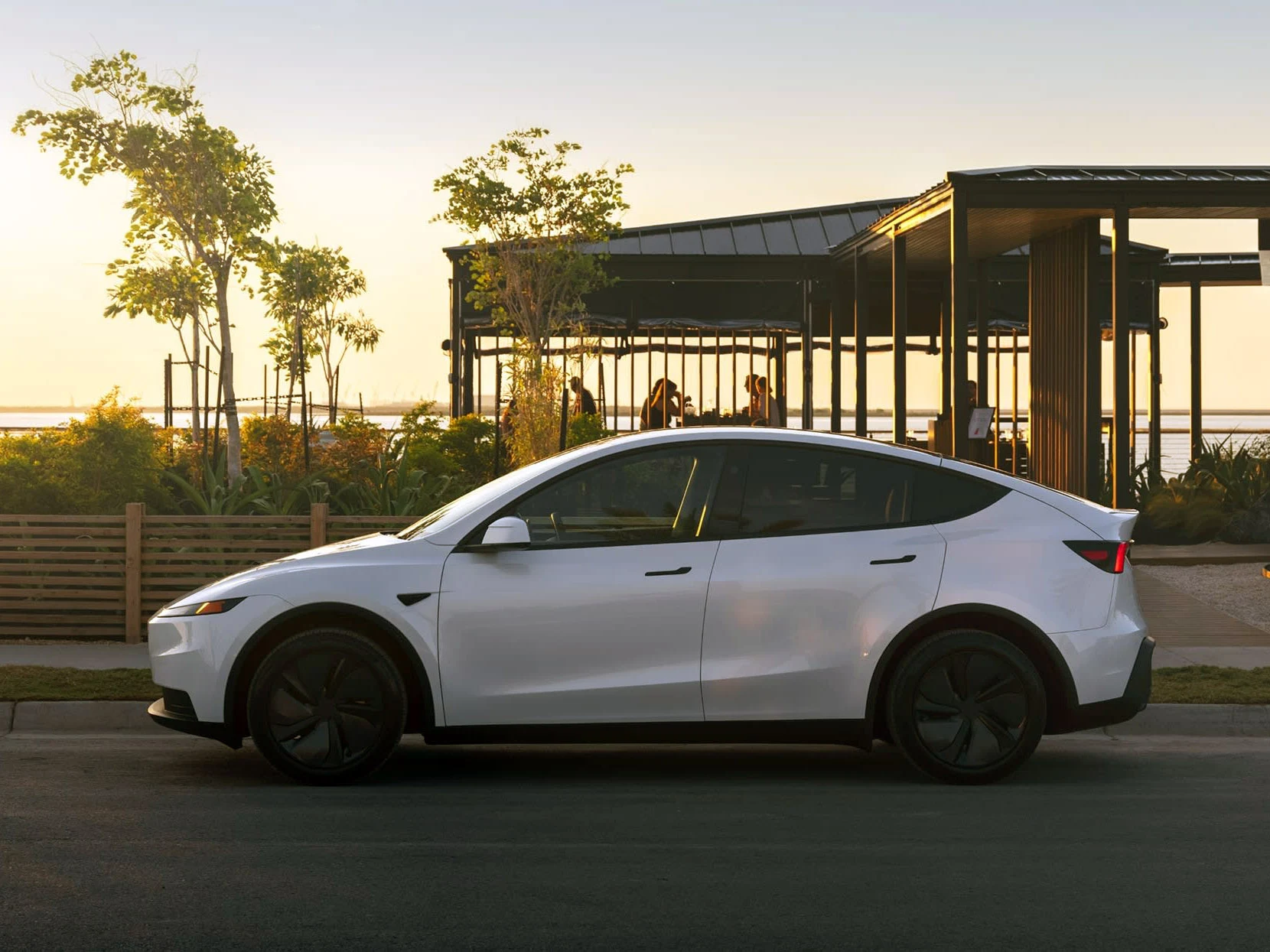
Key Takeaways
1. LG is launching a large-scale sodium-ion battery production initiative to compete with Chinese manufacturers dominating the market.
2. Sodium-ion batteries use sodium instead of lithium, offering benefits like lower costs, improved safety, and better performance in cold temperatures.
3. LG aims to start producing sample sodium-ion batteries this year and has partnered with Sinopec for essential materials.
4. Tesla has upgraded the range of its Model Y and Model 3 with new LG NCM811 2170 cells that improve energy density and charging speed.
5. Despite some concerns about LG’s battery durability compared to Panasonic, LG remains a key supplier for Tesla and plans to introduce sodium-ion technology.
As Chinese manufacturers dominate the emerging sodium-ion battery market, LG, a significant supplier for Tesla, is working to challenge their near monopoly on this promising technology.
The South Korean firm provides 2170 cells for various Tesla electric vehicles, including the Model Y available in the US. LG is now launching a large-scale sodium-ion battery production initiative. Currently, they are developing the chemistry in the research and development stage and will establish a pilot production line at their Nanjing facility, where they also produce batteries for the Model Y and Model 3.
Ambitious Plans for Production
The aim is to begin producing sample sodium-ion batteries this year, with plans to incorporate this safer and more cost-effective technology into electric vehicles and energy storage systems. Moreover, LG has formed a partnership with Sinopec to secure essential electrode materials for sodium-ion batteries, ensuring a reliable supply chain.
Sodium-ion batteries utilize plentiful sodium instead of costly lithium as the main ion transfer material, and they may outperform the popular LFP chemistry regarding manufacturing costs, safety, and performance in cold temperatures. There are already products in the market, such as the first Na-ion jump starter on Amazon, that take advantage of these benefits. The largest battery manufacturer, CATL, has also made strides in energy density with its Naxtra packs, which means LG has significant challenges ahead before launching the first mass-produced sodium-ion battery from a South Korean company.
Tesla’s Recent Upgrades
Recently, Tesla enhanced the range of its popular Model Y and Model 3 electric cars by adding new LG batteries. The NCM811 2170 cells feature improved energy density, which results in greater capacity within the same size, enabling Tesla to boost the official range estimates for the 2026 Model Y.
More importantly, these new batteries can achieve a peak charging rate of 256 kW and maintain a flatter charging curve for extended periods, allowing for quicker charging than prior models. Although some repair shops have expressed concerns regarding the durability of LG’s battery packs in Tesla vehicles compared to those from Panasonic, it remains uncertain whether they tested the new high-energy-density cells or older models. Regardless, LG is poised to stay as a primary battery supplier for Tesla, potentially introducing affordable sodium-ion batteries into the mix.
Source:
Link
Leave a Reply