Tag: Dell XPS

  • Dell XPS Offers More Battery Charging Options Than Most Laptops

    Dell XPS Offers More Battery Charging Options Than Most Laptops

    Key Takeaway

    1. Laptop batteries, including those in EVs and laptops, degrade over time, reducing battery life.
    2. Manufacturers like Dell offer advanced settings via BIOS or software to optimize battery longevity, such as adaptive charging or peak shift options.
    3. Fine-tuned battery management, available on Dell XPS and certain HP models, helps extend battery health by adjusting charging behaviors based on user needs and time of day.
    4. Default “Adaptive mode” prioritizes maximum capacity, but alternative modes can enhance battery lifespan depending on usage patterns.
    5. Battery runtime on Dell XPS 16 can vary significantly, from around 10 hours to over 20 hours, based on configuration and settings.

    Understanding Laptop Battery Degradation and Manufacturer Efforts

    Similar too electric vehicles, the Lithium-ion batteries housed inside laptops naturally tend to degrade after some time, which results in shorter runtimes as the battery ages. Unluckily, most of the time this issue is somewhat unavoidable, but few brands like Asus and LG try to mitigate this by providing built-in options that limit battery charging to 80 percent or less. Meanwhile, Dell pushes this further with more detailed options that can help sustain the battery’s health over a longer period.

    Battery Management in XPS Models

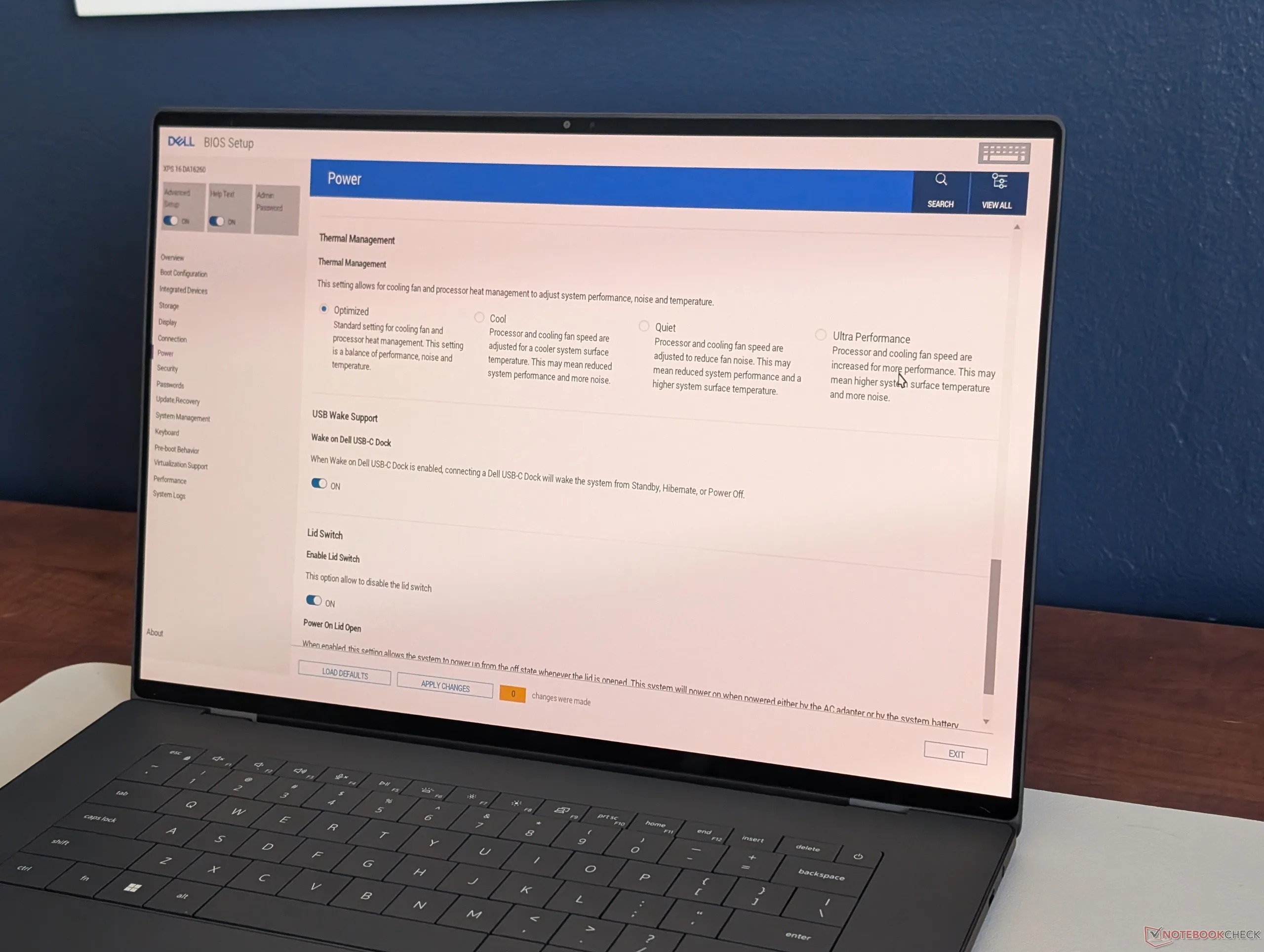
    Particularly in Dell’s XPS series, managing your battery’s health is easier thanks to either the pre-installed Optimizer software or the BIOS settings. This gives users some control over how their batteries are charged and maintained, which can directly influence long-term performance. Specifically, these settings include the default “Adaptive mode,” optimized for maximum capacity and charging speed, but you also have the options of switching to “Primary AC mode” or “Standard mode” if you want to prioritize battery longevity instead of immediate performance.

    Fine Tuning Battery Settings for Better Longevity

    Additionally, for those who want finer control, enabling the “Advanced Setup” in BIOS opens a range of more detailed options. These pertain mainly to peak shift and charging behaviors that are designed to be responsive to the time of day, thus more align with the user’s daily routine and demands. Some premium HP models, particularly certain Elite laptops, offer similar precise adjustments, although mainly at higher price points.

    Battery Life Expectations

    Depending on the specifications, the XPS 16 can last somewhere between 10 hours to well over 20 hours on a full charge, as shown in our recent reviews of their IPS and OLED options. This wide range illustrates how different configurations and settings can dramatically influence how long a laptop can operate before needing a recharge.

    Sources

    • Dell Revives Thinnest Pro Laptop Series: ThinkPad T14s vs X13

      Dell Revives Thinnest Pro Laptop Series: ThinkPad T14s vs X13

      Key Takeaways

      1. Dell simplified its product range in 2025 by dropping most sub-brands but is nearly reversing this decision in 2026 by reinstating Dell Precision and Dell XPS names.
      2. The commercial lineup will expand in 2026, renaming the existing Dell Pro models and introducing a new Dell Pro 7 model.
      3. The new Dell Pro 7 laptops will succeed the Latitude 7000 series and will be the slimmest in the Dell Pro range designed for business.
      4. Dell aims to regain competitiveness with the launch of the Dell Pro 7, which will challenge rival laptops like the ThinkPad X13 and T14s.
      5. The Dell Pro 7 laptops will be available in AMD and Intel configurations starting in April 2026, but pricing details are not yet available.


      In 2025, Dell made a bold choice to simplify their product range, dropping most sub-brands and focusing solely on the Dell name. This decision received a lot of criticism. However, in 2026, Dell is nearly reversing this strategy, bringing back Dell Precision and Dell XPS as recognized names.

      Changes in Commercial Lineup

      Although the Dell Latitude brand remains shelved (for now), Dell is rethinking its approach to the commercial lineup. Last year, the offerings were limited to Dell Pro (Basic), Dell Pro Plus, and Dell Pro Premium. This three-tier system, which included budget, mid-range, and premium options, did not sufficiently meet the market’s needs. Therefore, in 2026, Dell is set to broaden its lineup: the Basic will be renamed Dell Pro 3, the mid-range will be updated to Dell Pro 5, and the Premium will retain its name. A new model, the Dell Pro 7, will slot in between the Premium and mid-range options.

      New Models on the Block

      Interestingly, Dell previously had a similar lineup with the Dell Latitude 7000 series. The new Dell Pro 7 13 and Dell Pro 7 14 laptops, along with their 2-in-1 convertible versions, are seen as the heirs to that line. These new models are the slimmest in the Dell Pro range designed for business, although they aren’t the lightest; that title still belongs to the Dell Pro Premium. While the magnesium alloy model boasts a premium feel, the Dell Pro 7 laptops are crafted from aluminum and have omitted some upscale features, like the lattice-free keyboard.

      Competitive Edge

      Last year, Dell seemed to almost give up ground to its rivals by not addressing all market segments. However, with the introduction of the Dell Pro 7, which will compete against laptops like the ThinkPad X13 and ThinkPad T14s, Dell appears more prepared for the challenge this year.

      The Dell Pro 7 laptops are expected to hit the shelves in April, available in both AMD and Intel configurations. Pricing details have not been disclosed yet.


    • LG Launches Power-Efficient Variable-Refresh Oxide LCD Panels

      LG Launches Power-Efficient Variable-Refresh Oxide LCD Panels

      Key Takeaways

      1. LG has introduced oxide LCD panels for laptops with variable refresh rates and lower energy consumption.
      2. The oxide material allows the refresh rate to drop from 120 Hz to 1 Hz, significantly reducing power usage.
      3. Oxide technology is not new; Sharp Japan’s IGZO technology was a pioneer in this field.
      4. LG is producing these panels for high-end Dell XPS laptops and plans to increase production by 2027.
      5. The new panels provide 48% more usage on a single charge, benefiting users of power-intensive applications.


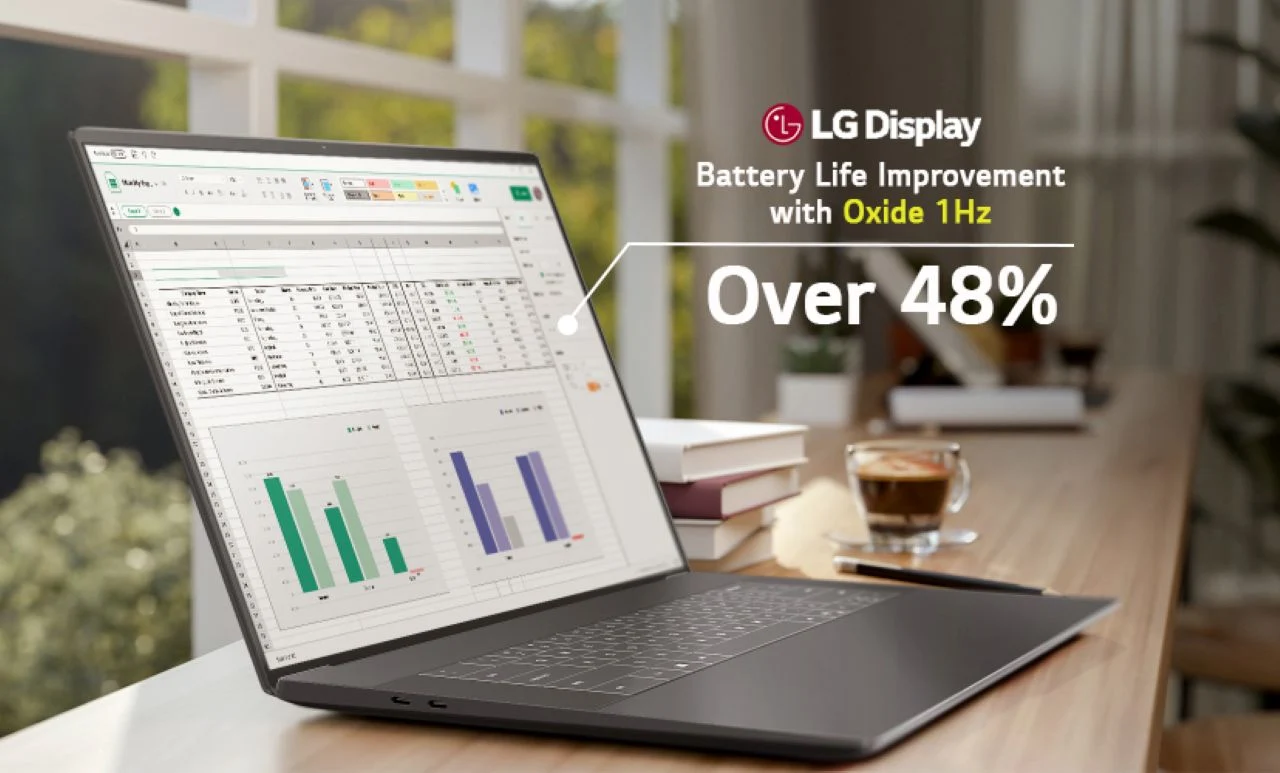
      LG has begun making oxide LCD panels aimed at laptops, boasting a variable refresh rate and lower energy usage compared to traditional versions. The oxide material used is unnamed, but it holds an electrical charge for a longer time, enabling the panel to cut its refresh rate from 120 Hz down to just 1 Hz. This feature leads to less power consumption, which means laptops can run longer on a single charge.

      Historical Context

      Oxide technology in LCD panels is not new. Sharp Japan was the first major player to create these panels with its IGZO technology for HDTVs, which also feature variable refresh rates and reduced power usage compared to standard panels. Today, these panels are found in Japanese smartphones like the Sharp Aquos R10 and on monitors available on platforms like Amazon. Additionally, BOE, a Chinese manufacturer, has showcased various oxide LCD panels, achieving refresh rates as high as 500 Hz for laptops while allowing as low as 1 Hz for smartphones.

      Future Production Plans

      LG is currently producing its oxide panels for certain high-end Dell XPS laptops, and the company plans to ramp up production by 2027. They claim that these panels offer “48% more usage on a single charge” compared to regular LCD displays, making them ideal for users who rely on power-intensive AI applications. Alongside the development of oxide LCD technology, display algorithms and other panel technologies were also fine-tuned to deliver these energy savings.

      Source:
      Link


    • Dell XPS 14 and 16 Laptops Relaunched with Lightweight Design

      Dell XPS 14 and 16 Laptops Relaunched with Lightweight Design

      Key Takeaways

      1. Dell is discontinuing all laptop sub-brands except Alienware and renaming the XPS series to “Dell Premium” in 2025.
      2. The XPS brand is making a comeback in 2026 with the introduction of Dell XPS 14 and XPS 16 models.
      3. Design updates include a more traditional look, physical function keys, and distinct edges for the touchpad.
      4. New models feature next-gen Intel Panther Lake CPUs, up to 64 GB memory, and up to 4 TB SSD storage, but lack dedicated GPUs.
      5. Pricing starts at $2,050 for the XPS 14 and $2,200 for the XPS 16, with availability beginning January 6th in the US and Canada.


      Dell kicked off 2025 with a significant announcement: It would be discontinuing all its laptop sub-brands, except for Alienware, putting the Dell name front and center. This meant even the highly regarded Dell XPS series was set to be renamed to “Dell Premium”.

      A Comeback for XPS

      Fast forward to 2026, and Dell is taking a different direction, bringing the XPS brand back to life. At CES 2026, the company unveiled two fresh models in the series: the Dell XPS 14 DA14260 and the Dell XPS 16 DA16260.

      Design Changes and Features

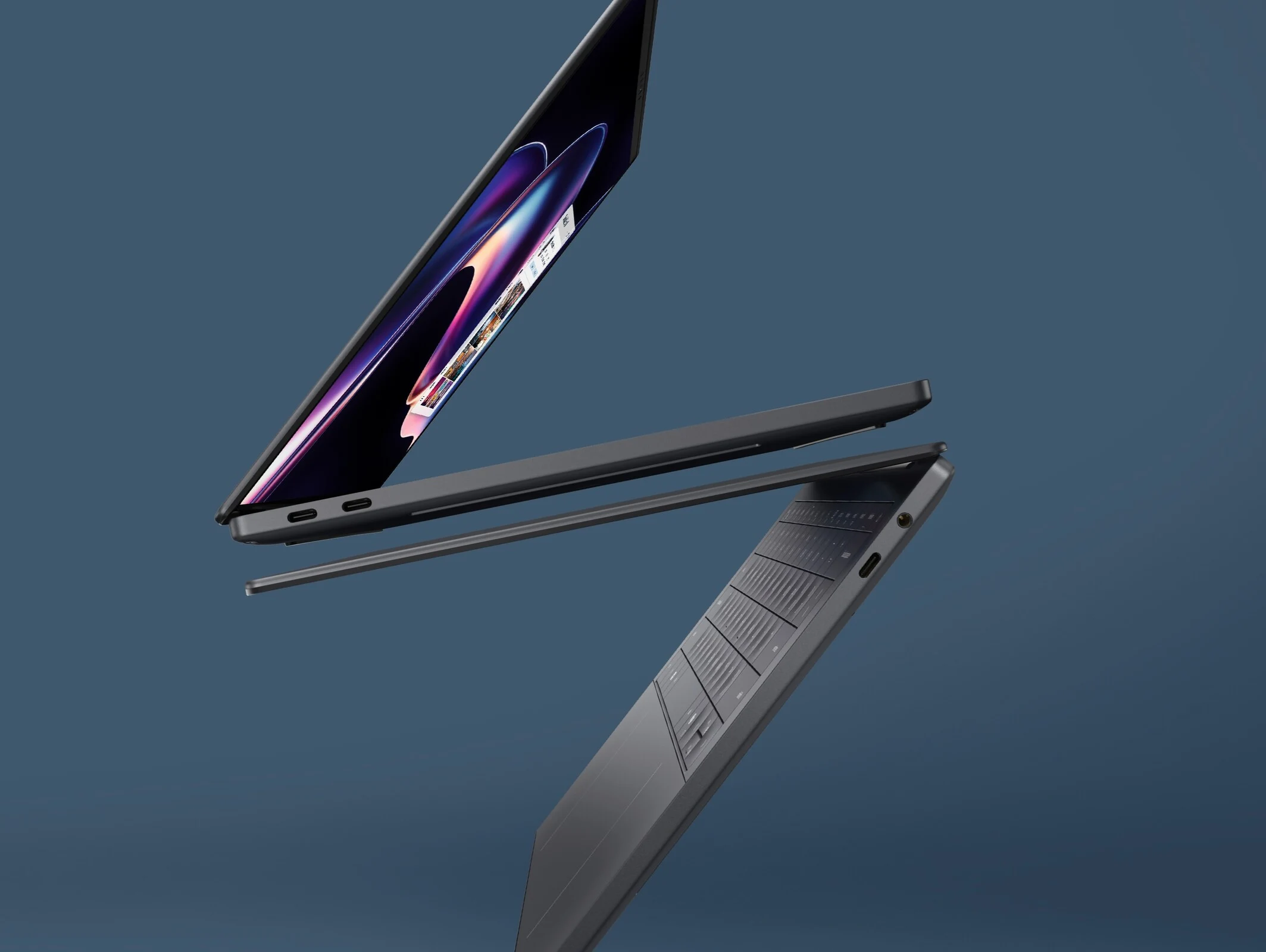
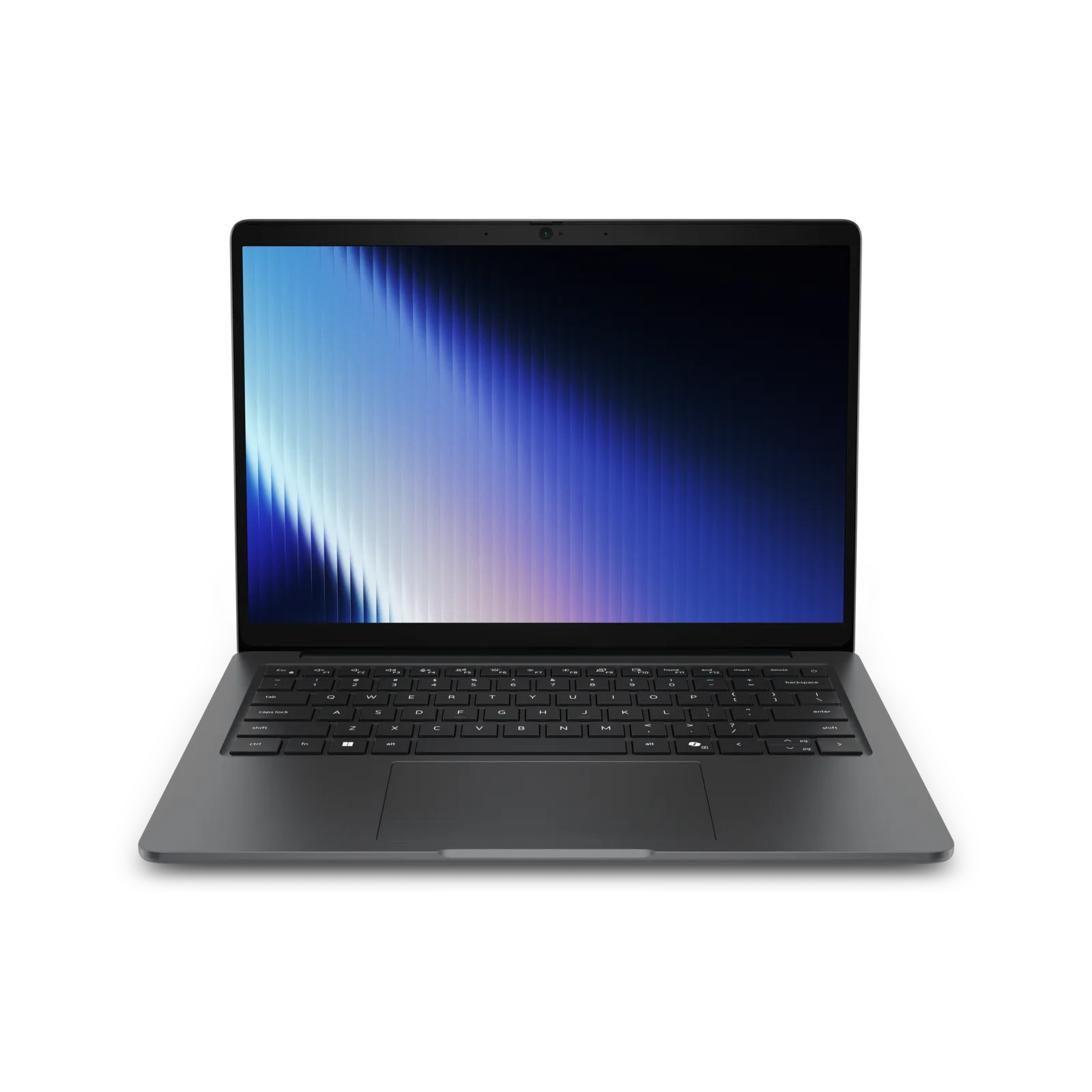
      With the return of the XPS name, Dell is also making some design changes to this premium prosumer laptop line, opting for a more traditional look. Among the updates are the reinstatement of physical function keys and distinct edges for the larger haptic touchpad.

      Powerful New Hardware

      As laptops in 2026, both the Dell XPS 14 and Dell XPS 16 are equipped with next-gen processors. They feature Intel’s Panther Lake CPUs, which come in basic 8-core options (Intel Core Ultra 5 325, Core Ultra 7 355) and more robust H class CPUs (Intel Core Ultra X7 358H, Core Ultra X9 388H). The latter models include Intel’s latest ARC Graphics, but don’t offer dedicated GPUs. Users can choose up to 64 GB of soldered LPDDR5X memory, while SSD storage can reach up to 4 TB.

      Premium Build and Weight Reductions

      These components are housed in cases made from high-quality materials, such as CNC Aluminum and Gorilla Glass on the palm rest. A notable change this year is the reduced weight of the Dell XPS 14 and XPS 16. Compared to the previous Dell 14 Premium and Dell 16 Premium found on Amazon, the weight has decreased from 1.7 kg to 1.4 kg for the 14-inch model and from 2.3 kg to 1.7 kg for the 16-inch model. While the lower weight comes at the cost of the dGPU option, it also affects the battery capacity of the 16-inch model, which now is 70 Wh, down from 99.5 Wh. The microSD card slot has been removed, and screen sizes have been adjusted from 14.5 inches and 16.3 inches to a more standard 14 and 16 inches. Both models offer options for WUXGA IPS screens along with 2.8K (14-inch) and 3.2K (16-inch) OLED screens. All displays support refresh rates of up to 120 Hz, with the IPS screens able to drop to a power-saving 1 Hz.

      Pricing and Availability

      The new Dell XPS series will be available starting January 6th in the US and Canada, with a starting price of $2,050 for the XPS 14 and $2,200 for the XPS 16 in the USA.

      Source:
      Link