Tag: Tesla Model Y

  • Tesla Explains Cheaper Glass Roof on Model Y Standard

    Tesla Explains Cheaper Glass Roof on Model Y Standard

    Key Takeaways

    1. The Tesla Model Y Standard features a glass roof, similar to higher-end models, despite being a budget-friendly option priced at $39,990.
    2. The roof is described as “closed” due to the addition of a textile headliner, which makes it opaque and non-transparent.
    3. Tesla confirmed the accurate specifications and pricing of the Model Y Standard through leaked information and website code.
    4. The decision to keep the glass roof design while removing the reflective coating was a cost-saving measure, providing insulation benefits with the headliner.
    5. Customer feedback indicated a preference for a closed roof, leading Tesla to incorporate this design choice in the Model Y Standard.


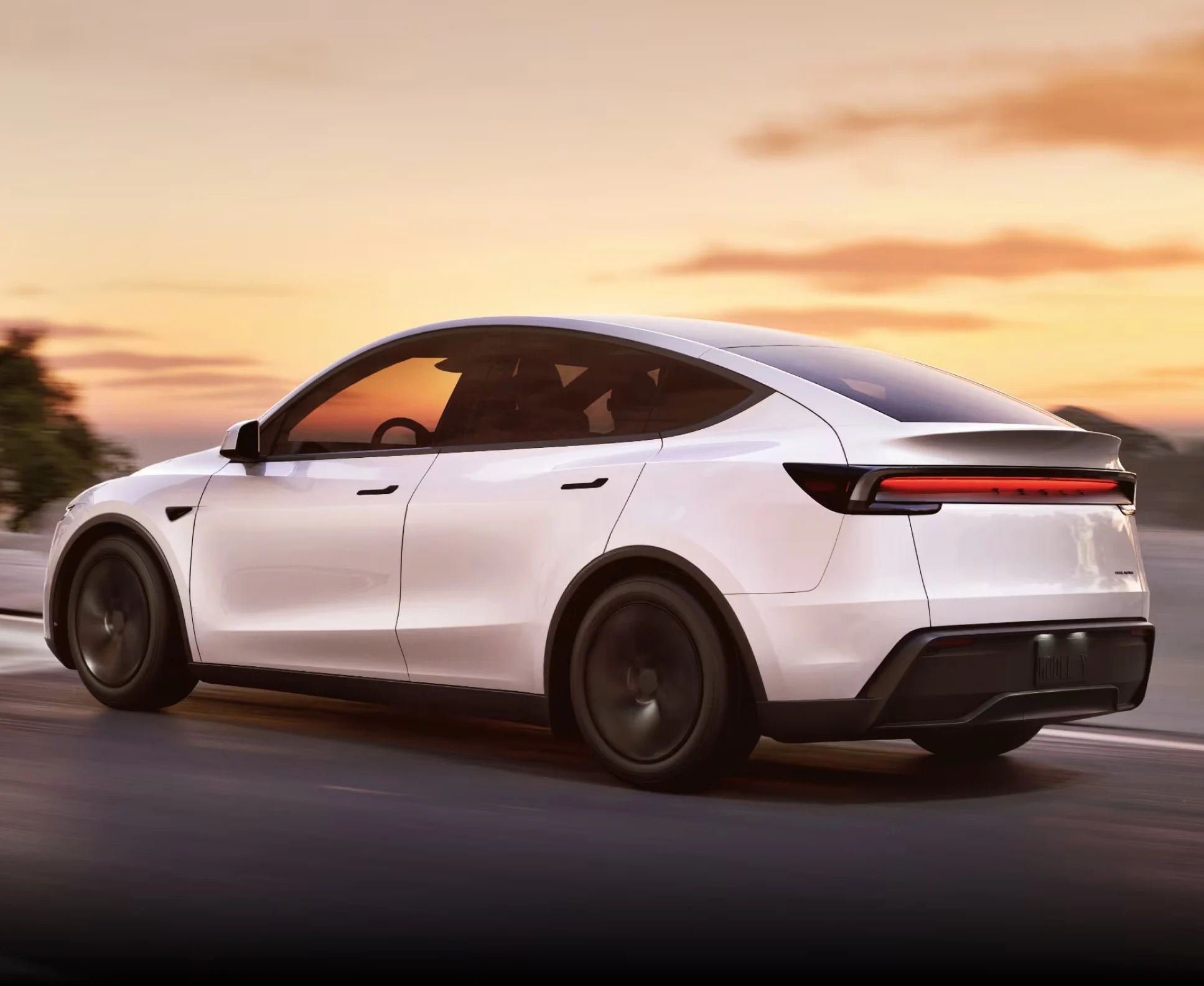
    Tesla caught some attention when a review of the Model Y Standard revealed that this budget-friendly SUV still features a glass roof, similar to its pricier Premium and Performance models.

    While Tesla removed many other flashy elements, such as the hood light bar and the multi-color ambient lighting, to hit the $39,990 price tag of the Model Y Standard, this particular choice stood out.

    Price and Specs Validation

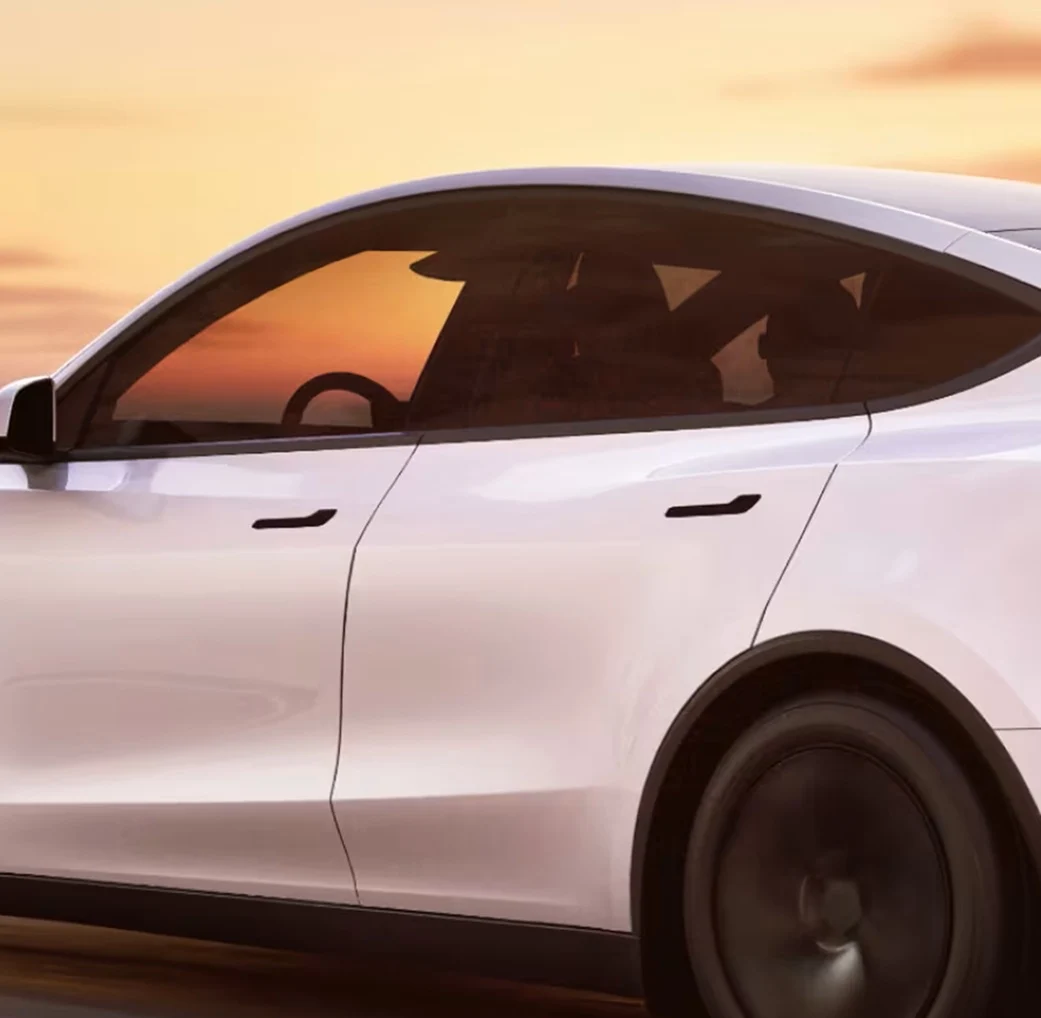
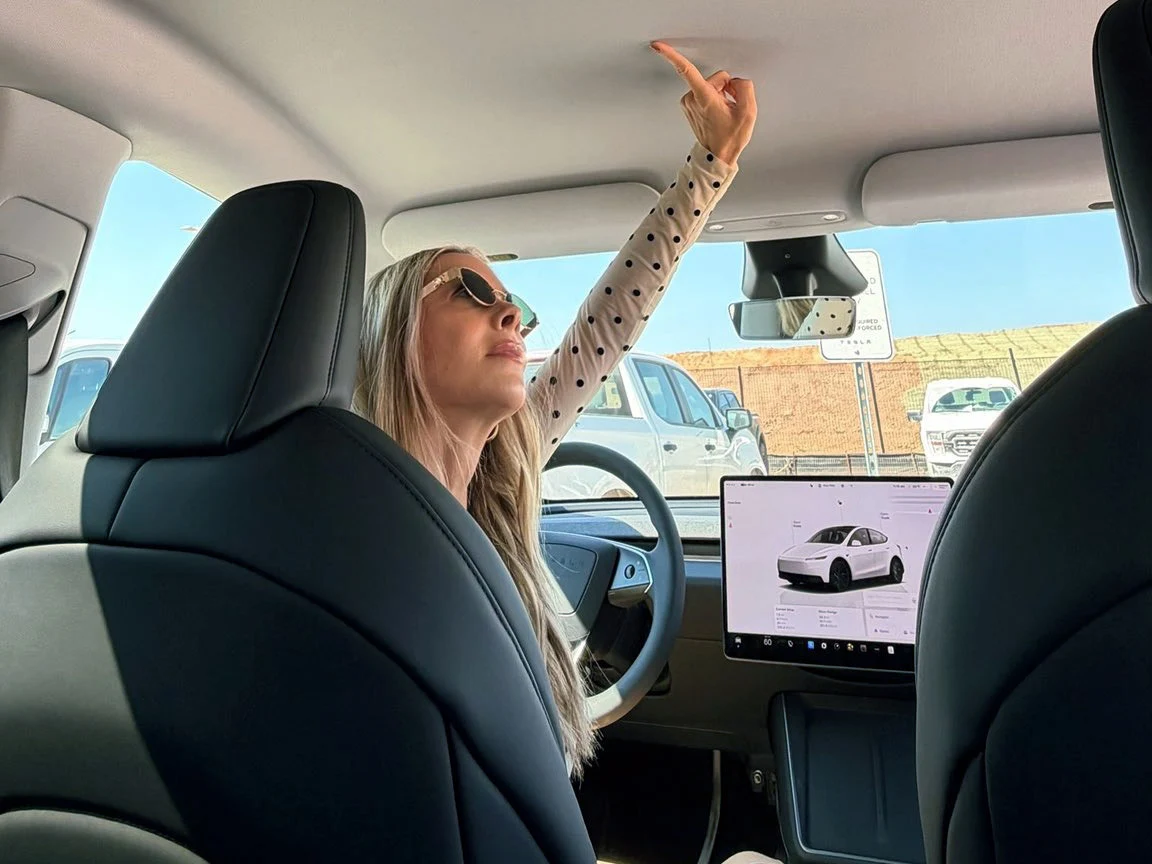
    The leaked information about the Model Y Standard’s price and specifications proved to be accurate, and the code on the Tesla website confirmed the inclusion of a “closed glass roof” as standard for the base model. This is indeed the case, and Tesla refers to it as “closed” because it has a textile headliner on the interior.

    However, the roof itself remains glass rather than metal, which has led potential buyers to question if they could just take off the headliner to have a panoramic roof similar to the more expensive versions of the Model Y. Unfortunately, that’s not the case, as the glass roof on the Tesla Model Y Standard is opaque, meaning it can’t be seen through from either inside or outside.

    Manufacturing Choices Explained

    Lars Moravy, Tesla’s chief engineer, explained that the company managed to cut some manufacturing costs by keeping the Premium’s glass roof design but removing the laminated silver coating that reflects infrared light to help keep the inside cooler. Since the Model Y Standard comes with a headliner, that coating was unnecessary, and the headliner also provides extra HVAC and noise insulation. The silver coating sometimes fails to keep Premium trims cool enough, leading owners in hot climates to seek third-party solutions like the Model Y Sunshade Roof, available on Amazon at a 30% discount, for better A/C performance.

    It was more cost-effective to build the Model Y Standard with the existing glass roof rather than create and source a new metal component. As Moravy puts it, the Model Y Standard still has a glass roof, albeit opaque, due to “cost, supply chain, and manufacturing efficiency in our factories.” Additionally, Moravy noted that many fans expressed a desire for a closed roof with a headliner, so Tesla seemingly fulfilled its customers’ requests.

    Source:
    Link


  • Tesla Breaks Sales Record, Surpasses Analyst Expectations

    Tesla Breaks Sales Record, Surpasses Analyst Expectations

    Key Takeaways

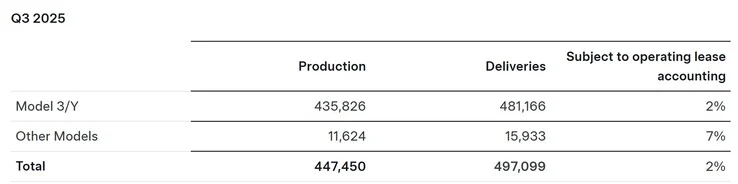
    1. Tesla achieved a record delivery of 497,099 vehicles in Q3, driven by high demand for the Model Y and Model 3 before the federal tax credit expired.
    2. Nearly 97% of deliveries were for the Model Y and Model 3, prompting price increases and reduced incentives due to high demand.
    3. Analysts underestimated deliveries, predicting 439,600 units, but Tesla surpassed this by 7.4% year-on-year, despite a challenging market.
    4. Tesla is facing future challenges as competitors like Hyundai cut prices, and it has introduced a $6,500 lease credit to counteract the loss of the tax credit in Q4.
    5. The company has begun mass production of a more affordable Model Y trim, but its success is uncertain due to past issues with similar strategies.


    Tesla has announced a record delivery of 497,099 vehicles in the third quarter, as customers rushed to purchase any available Model Y or Model 3 before the federal tax credit expired. This remarkable figure also includes the clearance of all inventory units, although the company was only able to produce 447,000 vehicles during this same period.

    High Demand for Model Y and Model 3

    Almost 97% of all Tesla deliveries consisted of the Model Y and Model 3, which were in such great demand that the company had to increase lease prices during the quarter and cut back on some initial incentives and promotions.

    Analysts’ Predictions and Market Response

    Bloomberg analysts had anticipated that Tesla would deliver significantly fewer vehicles in Q3, estimating an average of 439,600 units. However, the impending tax credit expiration proved to be a strong motivator, providing a direct discount of $7,500 at the point of sale. Tesla exceeded its delivery numbers by 7.4% year-on-year, offering some relief in a challenging year characterized by declining sales and profits, partly due to Elon Musk’s political involvement and a cooling EV market.

    Future Challenges and Strategies

    With the federal subsidy expiration providing a significant boost, Tesla seems to have strategically delayed some new releases until the holiday quarter when it will no longer benefit from government support. The competition is expected to become more intense as companies like Hyundai have initiated a price war by reducing the cost of their 2026 Ioniq 5, a rival to the Model Y, by as much as $9,800.

    To help offset the loss of the tax credit for its customers in Q4, Tesla has introduced a $6,500 lease credit and is set to launch two new versions of the Model Y. Notably, it introduced the 2026 Model Y Performance trim just before the tax credit expiration, allowing early buyers to still take advantage of the $7,500 discount, along with complimentary options for colors, interiors, and tow packages for those who missed the September deadline.

    New Releases and Market Response

    Moreover, Tesla has kicked off mass production of a more affordable Model Y trim that is expected to be priced similarly to what the best-selling vehicle used to cost with the tax credit discount. However, the success of this stripped-down version remains uncertain, especially given that a similar strategy with the RWD Cybertruck did not yield the desired results, leading to a quiet discontinuation of that trim.

    Tesla is set to announce its Q3 2025 earnings on Wednesday, October 22, where further insights will be shared regarding how its record sales have impacted operating profits and what plans are in place for future vehicle releases.

    Source:
    Link


  • Tesla Model Y Surges 492% in Swedish EV Registrations

    Tesla Model Y Surges 492% in Swedish EV Registrations

    Key Takeaways

    1. The Tesla Model Y became the top choice among fully electric cars in Sweden after a tough year, showing a significant recovery in September.
    2. Registrations of the Model Y surged by 492% compared to August, but year-over-year numbers are still lower, indicating incomplete recovery.
    3. Earlier in the year, the Model Y dropped to fourth place in Sweden’s electric vehicle rankings despite incentives like zero-interest financing.
    4. Positive sales trends are also occurring in Europe, leading to revised production plans at Gigafactory Berlin for the third and fourth quarters of 2025.
    5. Demand for used Teslas is rising in Sweden, with resale values increasing by nearly 10% from June to August, helping dealers regain profitability.


    Tesla has faced a tough time in Sweden this past year, but things took a positive turn in September. The Model Y from the American electric vehicle maker bounced back to become the number one choice among fully electric cars, showing a significant recovery after several months of declining interest.

    Huge Increase in Registrations

    According to data from Car.info, the registrations of the Model Y surged by 492% compared to August. This figure is almost five times more than the registrations in the previous month. However, it’s important to note that the year-over-year numbers are still lower, which means Tesla hasn’t yet fully returned to its previous rate of sales.

    A Shift in Rankings

    Earlier in the year, the Model Y had dropped to fourth place in Sweden’s electric vehicle rankings. Even with incentives like zero-interest financing, the trend couldn’t be reversed. The rebound seen in September marks the first significant indication that Tesla’s most popular model is regaining its strength.

    Growth Across Europe

    The positive trend isn’t just limited to Sweden, as there is also growing momentum throughout Europe. At Gigafactory Berlin, factory manager André Thierig mentioned that strong sales have led to upward adjustments in production plans for the third and fourth quarters of 2025. “We currently have very good sales figures and have therefore revised our production plans,” Thierig said.

    Rising Interest in Used Teslas

    The recovery isn’t only about new cars; the demand for used Teslas is increasing in Sweden too. Carla, the second-largest used EV dealer in the country, reported that resale values increased by nearly 10% from June to August. This surge in interest has helped the company bounce back to profitability after facing challenges earlier in the year.

    Source:
    Link


  • Lei Jun Applauds Tesla Model Y Engineering After Xiaomi’s Review

    Lei Jun Applauds Tesla Model Y Engineering After Xiaomi’s Review

    Key Takeaways

    1. Xiaomi has purchased multiple 2026 Tesla Model Y units to analyze and enhance its upcoming YU7 electric SUV.
    2. The YU7 features improvements in range and interior space, with faster charging, an 800V powertrain, and the largest battery in its segment, all at a lower price than the Model Y in China.
    3. The base RWD version of the Xiaomi YU7 offers a range of 518 miles, outperforming the Tesla Model Y’s 446 miles based on China’s CLTC testing.
    4. Xiaomi is leveraging its experience in electronics to compete in the EV market, following successful launches like the SU7 sedan.
    5. The company plans to challenge Tesla’s premium models and introduce a hybrid vehicle with a new 80 kWh battery, aiming for a significant total range.


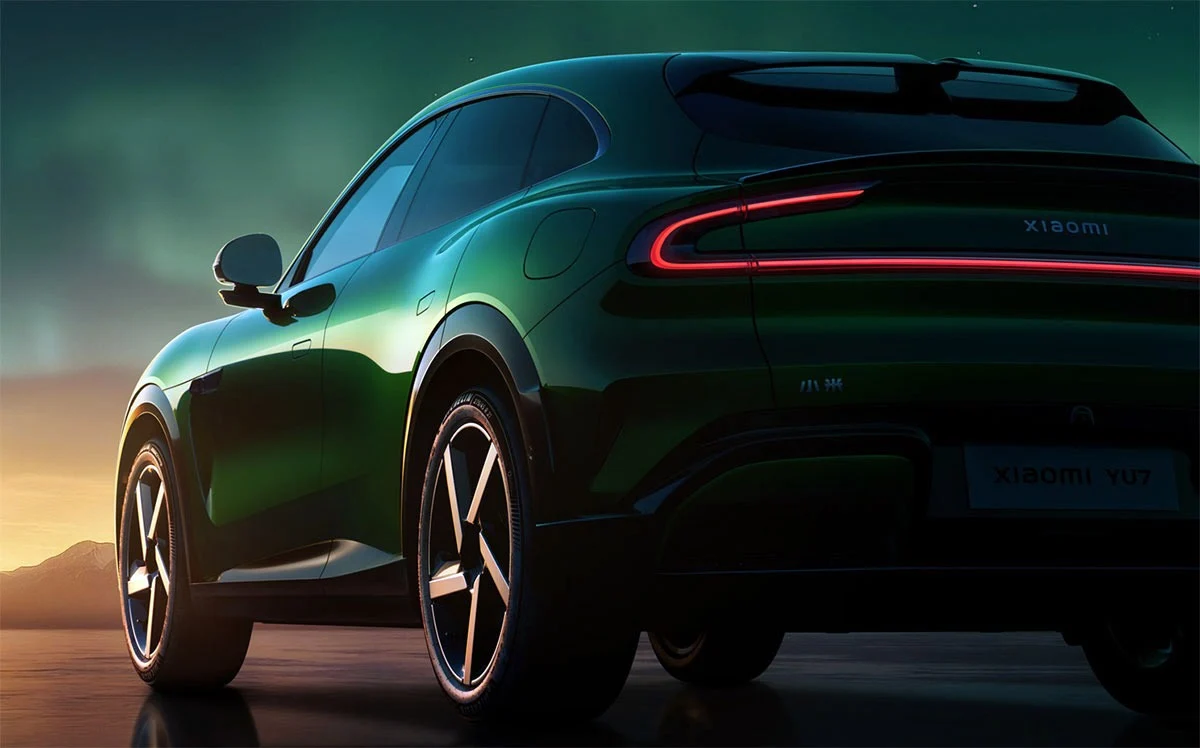
    After Toyota took apart their previous model, Xiaomi has purchased multiple units of the 2026 Tesla Model Y to dissect and understand its inner workings ahead of the launch of its first YU7 electric SUV.

    Impressive Engineering Insights

    Xiaomi’s founder, Lei Jun, praised the Model Y’s “excellent” engineering. However, after examining each component, Xiaomi claims to have improved upon its range and interior space. The YU7 also excels in various aspects compared to the Model Y, featuring faster charging capabilities, an 800V powertrain, and the largest battery in its segment, all while being priced lower than the Model Y in China.

    Competitive Range and Pricing

    In terms of range, the Xiaomi YU7 surpasses the Tesla Model Y, with its base RWD version rated for 518 miles, while the Model Y RWD only achieves 446 miles based on the CLTC cycle used for testing in China. This range is notably more generous than the EPA estimates in the US, yet when comparing ranges directly, the Model Y falls short against the YU7, even with its higher price tag.

    Xiaomi’s Ambitious Plans

    Previously known for its smartphones and home gadgets like the 4K Xiaomi TV Box, Xiaomi entered the electric vehicle arena with the SU7 sedan last year and has been achieving market success since. Although it lacks the vertical integration seen in companies like BYD, it has effectively utilized its vast experience in electronics production to create competitive EV models that rival the Model 3 and Model Y.

    Moreover, Xiaomi is setting its sights on Tesla’s premium offerings, such as the Model S and Model S Plaid, with the SU7 Ultra and the upcoming YU7 GT version. Xiaomi aims not just to surpass Tesla but to establish itself as a major player in the fierce automotive market. Reports suggest that it plans to introduce an EREV with a hybrid powertrain, utilizing the largest battery ever seen in a hybrid vehicle—a new 80 kWh pack that CATL might announce soon, promising an impressive total range.

    Source:
    Link


  • Electric Vehicles Hit 20% of Car Sales in South Korea

    Electric Vehicles Hit 20% of Car Sales in South Korea

    Key Takeaways

    1. Electric vehicles (EVs) accounted for 18.4% of all vehicle sales in South Korea in August, with over 23,000 new registrations.
    2. There have been 141,986 EV registrations in South Korea this year, a 48.4% increase compared to the previous year.
    3. Imported electric vehicles made up nearly 40% of total registrations in August, with a 100% increase in sales from last year.
    4. The Tesla Model Y has been a top seller, consistently moving over 6,000 units monthly since May, capturing 30% of the imported car market.
    5. Local brands like KG Mobility, Hyundai, and Kia are also experiencing growth, with KG Mobility’s Musso EV already meeting its annual sales target within six months.


    More South Koreans are choosing to buy electric vehicles, as shown by data from Carisyou. In August, electric cars made up 18.4 percent of all vehicle sales in the country.

    Record Sales of EVs

    Over 23,000 new electric vehicles were registered, part of a total of 126,787. This marks the best performance for battery-operated cars since Carisyou began tracking the data in 2020. So far this year, there have been 141,986 EV registrations, reflecting a growth of 48.4 percent compared to the previous year. Industry experts believe that South Korea will surpass 200,000 annual sales for the first time in 2025.

    Rise of Imported Electric Vehicles

    Another noteworthy point is the increasing share of imported electric vehicles. According to the Korea Automobile Importers & Distributors Association, foreign brands registered 10,855 units last month, which is nearly 40 percent of the total. This figure represents a more than 100 percent increase compared to last year.

    The growth in EV sales is largely driven by the popularity of new electric models. The upgraded Tesla Model Y is leading the way, consistently selling over 6,000 units each month since May, and capturing 30 percent of South Korea’s imported car market. To take advantage of this positive trend, the American EV company has also launched the Cybertruck in South Korea, marking its first introduction outside North America.

    Local Brands Making Progress

    Local manufacturers are also seeing success. For instance, KG Mobility’s Musso EV electric pickup achieved its yearly sales target of 6,000 units in just six months after its launch in May. Hyundai and Kia also performed well with their cost-effective Casper Electric and EV3 models.

    Source:
    Link


  • New Tesla Study: Model Y Insurance Premiums Can Be Lower

    New Tesla Study: Model Y Insurance Premiums Can Be Lower

    Key Takeaways

    1. The Tesla Model Y’s rear gigacast design is cheaper to repair after accidents compared to traditional multi-link body structures used by other manufacturers.

    2. A study found that fixing the Model Y’s single-piece cast aluminum rear is nearly $3,000 less expensive than repairing similar damage on vehicles with multi-panel designs.

    3. Tesla’s repairability innovations, like swappable cast rear rail assemblies, simplify repairs for minor damages and reduce costs for insurers.

    4. For severe damages, Tesla provides the gigacast rear at cost, saving insurers $700 per claim, although repairs requiring welding must be done at authorized service centers.

    5. Tesla’s focus on repair-friendly designs during manufacturing, such as using bolted joints instead of riveted ones, enhances the overall ease of repairs compared to traditional vehicle designs.


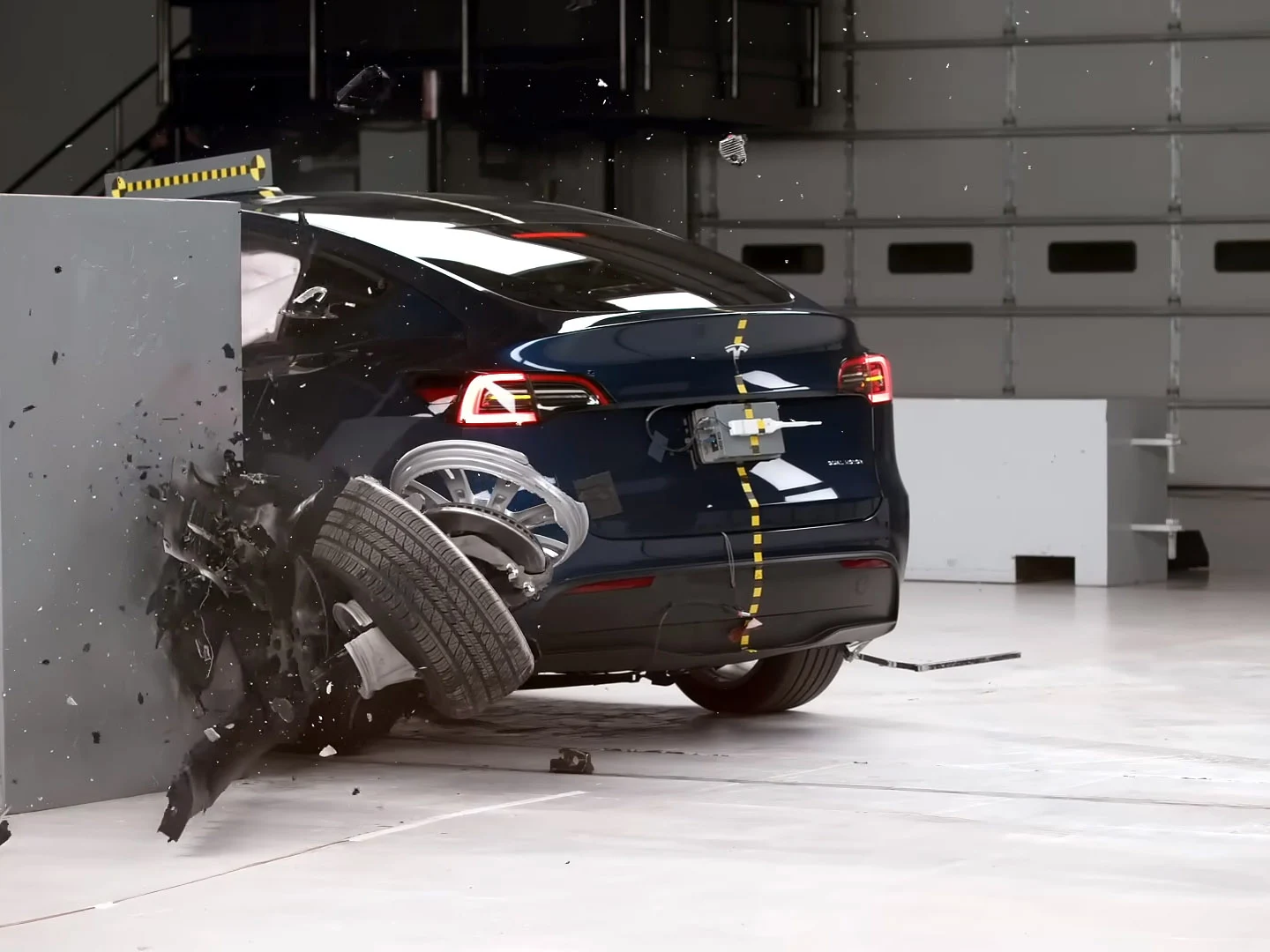
    The gigacast rear of the Tesla Model Y is actually less expensive to repair after an accident than the conventional multilink structures used by other automakers for their vehicles.

    Study Insights

    A new in-depth study focused on Model Y accidents and their repair expenses reveals that Tesla has made significant strides in making its popular vehicle easier to repair. In fact, it is now more affordable to fix or even swap out the single cast aluminum piece that makes up the rear of the SUV compared to similar damage on cars with traditional multi-panel designs.

    The Thatcham Research organization collaborates with major insurance companies to offer insights into repair costs and the pricing they need to implement to recover expenses. Tesla owners have frequently voiced concerns about their insurance being pricier than for other car brands, and there’s a valid reason: the Model Y insurance premiums can be as much as 40% higher than the average for its category.

    Repair Preferences

    One reason insurers often choose to declare electric vehicles a total loss instead of repairing them is the lengthy and costly repairs that can occur if structural damage affects the battery or other components during a collision. Rental company Hertz even backed out of its order for 100,000 Teslas and sold the delivered vehicles at a loss, citing high repair costs and quick depreciation rates.

    When Tesla began using one-piece gigacast body components for models like the Model Y, both competitors and insurers raised concerns about how this cost-effective manufacturing method would drive up EV insurance rates. To address these repairability concerns, Tesla took action, prompting Thatcham Research to initiate a two-year analysis to see if they were successful.

    Repair Cost Analysis

    Thatcham examined several scenarios of Model Y crash damage based on genuine insurance claims. They discovered that the expense to repair the gigacast rear is almost $3,000 less than fixing equivalent damage on the multi-panel Model 3. A similar trend was observed for repairs on internal combustion engine vehicles and other electric models like the Mercedes EQE or the Hyundai Ioniq 5.

    Thatcham’s Billyeald has labeled Tesla’s $40 swappable cast rear rail assemblies as a revolutionary development, particularly for minor impacts typical of low-speed city collisions. He explained, “Tesla has figured out how to section these areas, allowing repair parts to be bolted and glued. This means you don’t have to manipulate the aluminum sections, and the repair process becomes almost entirely mechanical, which makes it much easier.”

    Repair Challenges

    For more serious damage resulting from high-speed incidents, the Model Y also offers lower repair costs compared to other vehicles, as Tesla has opted to supply the entire gigacast rear to service centers at cost, which saves insurers around $700 per claim. However, a downside to the Model Y’s repairability is that if the aluminum gigacast section requires welding, the SUV must go to Tesla-licensed service centers, which smaller repair shops may not be equipped to handle due to space constraints, potentially delaying repairs.

    Nevertheless, as noted by the lead engineer of the study, when companies like Tesla prioritize repairability in their design phases, they often use repair-friendly techniques such as welded joints instead of riveted ones. He remarked, “On the Tesla, you can drill out the welds with a few extra bolted fixings… and then you just replace the rivets,” commending the thoughtful design as being easier to manage than standard multi-panel constructions.

    Get the 80A Tesla Gen 2 Wall Connector with 24′ cable on Amazon.

    Source:
    Link


  • NHTSA Investigates 174,000 Tesla Model Ys for Door Handle Issues

    NHTSA Investigates 174,000 Tesla Model Ys for Door Handle Issues

    Key Takeaways

    1. The NHTSA’s Office of Defects Investigation is examining the Tesla Model Y SUV due to complaints about door handle malfunctions from nine owners.
    2. Some incidents involved parents who couldn’t open back doors to access their children, leading to dangerous situations where windows had to be broken.
    3. Initial findings suggest that electronic door locks may fail if the battery voltage is low, but owners reported no warnings about low battery.
    4. The investigation affects approximately 174,000 2021 Tesla Model Y vehicles in the U.S., following reports of electronic door handle issues.
    5. While there is a manual door override feature, it can only be activated from inside the car, and owners must be aware of it to use it.


    The NHTSA’s Office of Defects Investigation (ODI) has started looking into the Tesla Model Y SUV following complaints from nine owners who said they couldn’t get into their cars because of the door handle issues.

    Safety Concerns for Parents

    ODI reported that some of these incidents involved parents who were unable to open the back doors to get to their children after leaving the vehicle. In some cases, owners had to break a window to get their kids out.

    Findings on Door Lock Malfunctions

    Initial investigations by ODI show that the electronic door locks in the Model Y might not work properly if the battery doesn’t provide enough voltage. However, the owners who complained didn’t mention getting any warnings about a low-voltage battery.

    The Preliminary Evaluation (PE) from ODI aims to “examine the extent and seriousness of this issue, along with the dangers that come from the problems noted in the VOQs.” It will also “evaluate how Tesla supplies power to the door locks and the dependability of the relevant power supplies.”

    Impact on Tesla Model Y Owners

    This investigation is specifically looking at the 2021 Tesla Model Y and impacts around 174,000 vehicles in the United States. The inquiry follows a report from Bloomberg discussing possible electronic door handle issues.

    While it’s technically feasible to provide power to the Tesla door locks again, the method isn’t very simple and needs an outside power source. The company does offer a manual door override feature, but it can only be used from inside the car, and owners must know about it to use it.

    Source:
    Link


  • Lucid’s Tesla Model Y Rival Priced Under $50,000

    Lucid’s Tesla Model Y Rival Priced Under $50,000

    Key Takeaways

    1. Lucid is launching a competitor to the Tesla Model Y in 2026, targeting a price around $50,000.
    2. A smaller, more affordable sedan is expected to follow the SUV, expanding Lucid’s model lineup beyond the premium Air.
    3. Lucid is adopting a strategy similar to Tesla, starting with high-end EVs to fund the development of lower-cost vehicles.
    4. The Lucid Air boasts an impressive range of over 400 miles, with some tests showing over 500 miles, and has surpassed competitors in energy efficiency.
    5. Lucid’s electric cars feature unique designs and advanced interior options, raising questions about whether these advantages will carry over to their more affordable models.


    Lucid is getting ready to launch a competitor to the 2026 Tesla Model Y, aiming for a price around $50,000 or a little less. The CEO of Lucid has shared that this more affordable SUV, set to rival the Model Y, is expected to debut in 2026. Following this, there will likely be a smaller, cheaper sedan introduced, which will be more accessible than the current premium Air lineup.

    Future Lucid Models

    Additionally, a third, more economical Lucid vehicle is in the works, built on the same midsize platform, but the CEO did not disclose what that vehicle would look like. Lucid is mirroring Tesla’s strategy, beginning with high-end, pricey electric vehicles (EVs) and using the profits from those sales to fund the development of more affordable options.

    Cult Following

    Despite the Air Pure sedan starting at over $70,000, Lucid has attracted a dedicated fanbase. The entry-level Lucid model boasts an EPA estimated range of over 400 miles, with tests indicating it can even surpass 500 miles on a single charge. The Gravity, which is Lucid’s first three-row SUV, leads its segment with an impressive EPA range of 450 miles per charge, achieved with a significantly smaller battery than the Rivian R1T.

    Lucid has achieved multiple records for energy efficiency, covering more than five miles per kWh of battery power. Simultaneously, its efficient electric motors generate over 400 HP, even in the rear-wheel-drive version of the Air, while the performance-focused tri-motor Sapphire trim outperforms the Tesla Model S Plaid during drag races.

    Design and Interior Features

    But energy efficiency, rapid charging, and high performance are not the only strengths of Lucid’s electric cars. They also stand out with unique designs and a variety of interior features that are lacking in the more plain Tesla vehicles. It remains uncertain whether Lucid can maintain these advantages in their $50,000 Model Y competitor.

    Source:
    Link


  • Tesla Model Y Surpasses Nissan Leaf as Norway’s Top-Selling EV

    Tesla Model Y Surpasses Nissan Leaf as Norway’s Top-Selling EV

    Key Takeaways

    1. Tesla’s Model Y has surpassed the Nissan Leaf as Norway’s top-selling electric vehicle, achieving 81,334 units sold.
    2. The Nissan Leaf held its position for 14 years before being dethroned by the Model Y, which is now the fastest vehicle to reach this sales milestone in Norway.
    3. Norway is a leader in electric vehicle adoption, with nearly 98% of new car purchases being electric.
    4. The Model Y’s success is attributed to enhancements like improved driving range and the convenience of Tesla’s Supercharger network.
    5. Nissan plans to launch an updated version of the Leaf in Norway, indicating ongoing competition in the electric vehicle market.


    The dominance of the Nissan Leaf in Norway’s electric vehicle market has been challenged and finally surpassed by Tesla. The Model Y has dethroned the Leaf as the top-selling EV in the country, achieving this milestone with a remarkable sales figure of 81,334 units within four years after its introduction. This represents a lead of just 104 units over the long-time champion, the Nissan Leaf.

    Leaf’s Long History

    For 14 years, the Leaf has been a staple in Norway, but the Model Y has swiftly taken the crown, marking it as the fastest vehicle in the nation to achieve this impressive status.

    Norway’s Electric Future

    Norway stands out as a pioneer in electric vehicle sales, with almost 98% of new car purchases now being electric. The Model Y, which debuted in Norway in 2021, has seen its popularity soar alongside the country’s swift embrace of EVs.

    Tesla has made numerous tweaks to enhance the Model Y, which have helped it capture the attention of many buyers. Enhancements like a better driving range and a more convenient charging experience via Tesla’s expanding Supercharger network have played a role in its success.

    Current Sales Figures

    Latest registration statistics reveal that the Tesla Model Y has recorded 15,093 sales so far in 2025. Following it in the rankings are Toyota’s bZ4X and Volkswagen, which recorded 5,035 and 5,019 sales, respectively.

    Nissan isn’t conceding defeat just yet. The manufacturer plans to launch an updated version of the Leaf in Norway later this year, showing that competition is still alive and well in the EV market.

    Source:
    Link


  • Tesla Launches New 6-Seat Model Y L Deliveries in China

    Tesla Launches New 6-Seat Model Y L Deliveries in China

    Key Takeaways

    1. Tesla launched a new six-seat version of the Model Y in China on August 19th, with deliveries starting soon.
    2. The starting price for the new Model Y L is RMB 339,000 (around $47,460), higher than previous trims.
    3. The Model Y L features a long range of 751 kilometers, powered by an 82.0-kWh battery, outperforming the five-seat RWD model.
    4. The Model Y L has a larger chassis and overall dimensions, measuring 4,976 mm in length compared to the original’s 4,797 mm.
    5. Sales expectations are high, with a reported 21.36% increase in vehicle insurance policies for Tesla vehicles.


    On August 19th, Tesla introduced a new six-seat version of the Model Y in China. The company has confirmed that they are starting to clear their backlogs, and deliveries have now kicked off. Customers who place their orders today can look forward to receiving their cars in the first week of October.

    Pricing Details

    The starting price for the new SUV is RMB 339,000 (approximately $47,460). In contrast, the previous trims of the Model Y begin at RMB 263,500 for the rear-wheel drive (RWD) model and RMB 313,500 for the all-wheel drive (AWD) option.

    Battery and Range

    The Model Y L boasts an impressive range of 751 kilometers, powered by an 82.0-kWh ternary lithium battery pack from LG Energy Solution. This is a significant improvement over the five-seat Model Y RWD, which is equipped with a CATL 62.5-kWh lithium iron phosphate (LFP) battery and can travel up to 593 kilometers on a single charge.

    Size Comparisons

    In addition to its enhanced battery, the Model Y L has different dimensions compared to other models. Tesla has increased the chassis length from 2,890 mm to 3,040 mm. The total length of the L version measures 4,976 mm, while the original version is 4,797 mm long. The width remains unchanged, but the height has been raised slightly.

    As deliveries of the Model Y L start, Tesla anticipates a significant boost in sales. The number of vehicle insurance policies has already shown a rise, marking a 21.36 percent increase from the previous week.

    Source:
    Link