Tag: NHTSA

  • Tesla Considers Removing Hidden Door Handles and Emergency Levers

    Tesla Considers Removing Hidden Door Handles and Emergency Levers

    Key Takeaways

    1. The NHTSA is investigating incidents where drivers got stuck in the Model Y due to issues with hidden door handles.
    2. China plans to ban flush door handles, prompting Tesla to consider redesigning its handles for better safety and usability.
    3. Tesla’s lead designer confirmed they have a “very good solution” ready if flush handle regulations change.
    4. Tesla plans to merge electronic and mechanical latch systems to improve door opening during emergencies.
    5. Current mechanical handles in rear doors are often hidden, causing issues for users, especially children and in rental situations.


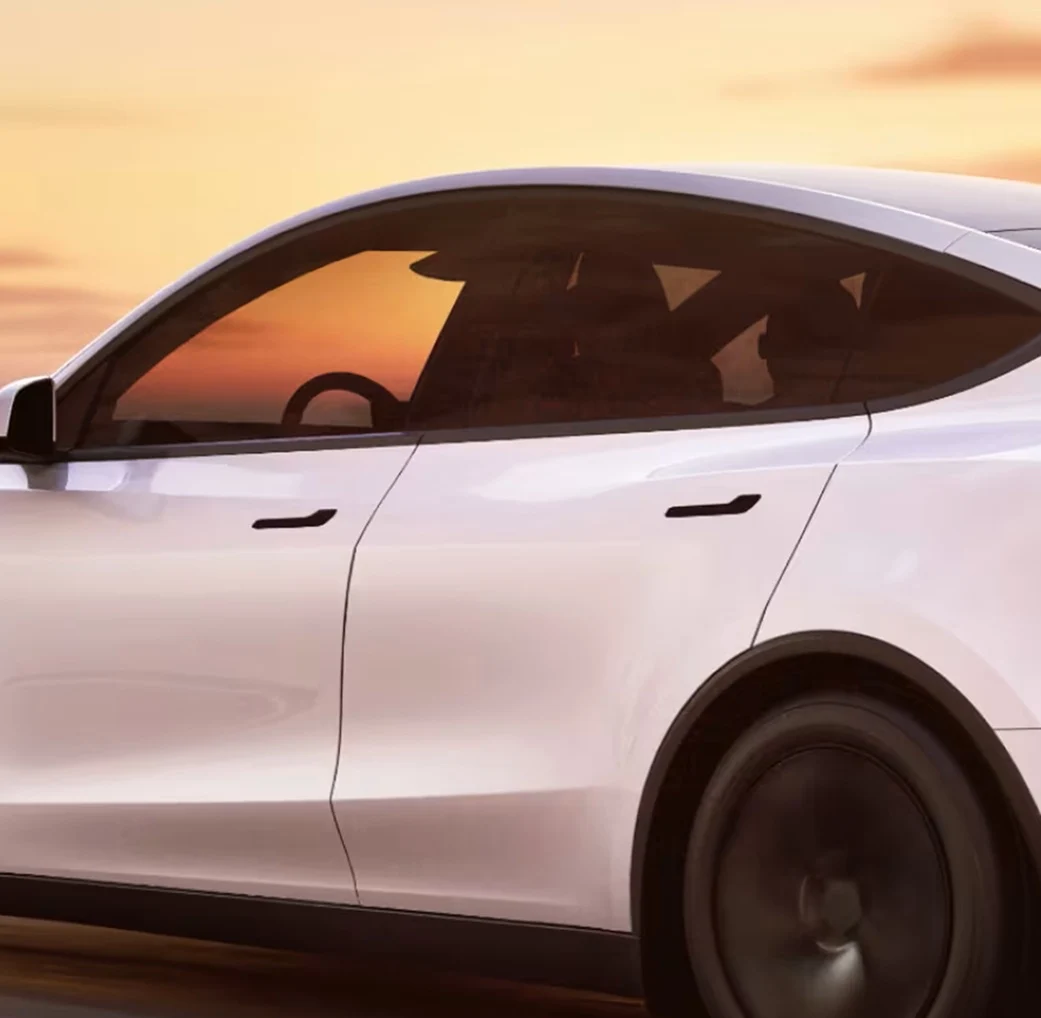
    Faced with more rules about its car door handles, Tesla is getting ready to change the iconic design both inside and outside.

    NHTSA Investigation

    Recently, the National Highway Traffic Safety Administration (NHTSA) has been looking into several incidents where people got stuck in the Model Y due to issues with the hidden handles. These problems left some drivers unable to exit their vehicles when the power failed.

    Regulatory Changes in China

    In China, Beijing is planning to ban door handles that are flush with the car’s body. These handles have caused many problems, especially during accidents. This change will impact more than just Tesla. Its lead designer, Franz von Holzhausen, mentioned that Tesla is considering a complete redesign of the door handles. In a recent interview about the new autonomous Robovan, he assured that Tesla has a “very good solution” ready if flush door handles become a regulatory concern.

    When asked if this new design would resemble Ferrari’s flat handles, which can still be pulled out, Franz didn’t give a clear answer. However, he expressed confidence in the new design’s ergonomics and functionality.

    Merging Latch Systems

    In an effort to improve usability, Tesla plans to respond to the NHTSA’s door opening investigation by combining the electronic and mechanical latch systems. Currently, Tesla doors can be opened with a button from the inside, but there is also a backup system for emergencies when the power goes out.

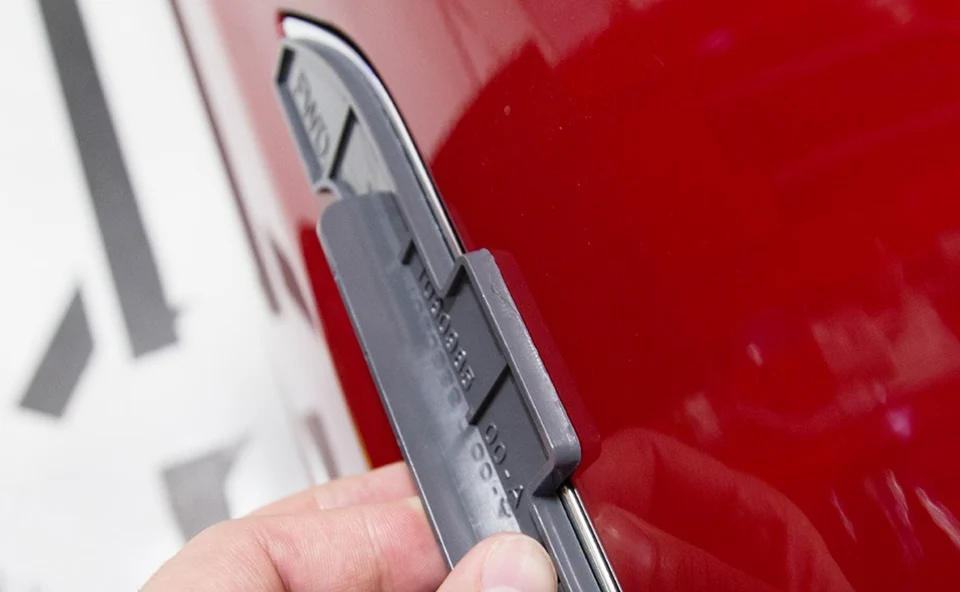
    The mechanical lever that must be pulled in such cases is easy to see at the front, but it is hidden under a lid in the back doors. These rear mechanical handles are often at the center of stories about people trapped in rental Teslas or children who don’t know how to get out. Tesla aims to fix these issues by merging the electronic and mechanical latches. After all, as Tesla’s design chief pointed out, people instinctively reach for the button to open their doors, so it makes sense to apply that same instinct in an emergency.

    Source:
    Link


  • NHTSA Investigates 174,000 Tesla Model Ys for Door Handle Issues

    NHTSA Investigates 174,000 Tesla Model Ys for Door Handle Issues

    Key Takeaways

    1. The NHTSA’s Office of Defects Investigation is examining the Tesla Model Y SUV due to complaints about door handle malfunctions from nine owners.
    2. Some incidents involved parents who couldn’t open back doors to access their children, leading to dangerous situations where windows had to be broken.
    3. Initial findings suggest that electronic door locks may fail if the battery voltage is low, but owners reported no warnings about low battery.
    4. The investigation affects approximately 174,000 2021 Tesla Model Y vehicles in the U.S., following reports of electronic door handle issues.
    5. While there is a manual door override feature, it can only be activated from inside the car, and owners must be aware of it to use it.


    The NHTSA’s Office of Defects Investigation (ODI) has started looking into the Tesla Model Y SUV following complaints from nine owners who said they couldn’t get into their cars because of the door handle issues.

    Safety Concerns for Parents

    ODI reported that some of these incidents involved parents who were unable to open the back doors to get to their children after leaving the vehicle. In some cases, owners had to break a window to get their kids out.

    Findings on Door Lock Malfunctions

    Initial investigations by ODI show that the electronic door locks in the Model Y might not work properly if the battery doesn’t provide enough voltage. However, the owners who complained didn’t mention getting any warnings about a low-voltage battery.

    The Preliminary Evaluation (PE) from ODI aims to “examine the extent and seriousness of this issue, along with the dangers that come from the problems noted in the VOQs.” It will also “evaluate how Tesla supplies power to the door locks and the dependability of the relevant power supplies.”

    Impact on Tesla Model Y Owners

    This investigation is specifically looking at the 2021 Tesla Model Y and impacts around 174,000 vehicles in the United States. The inquiry follows a report from Bloomberg discussing possible electronic door handle issues.

    While it’s technically feasible to provide power to the Tesla door locks again, the method isn’t very simple and needs an outside power source. The company does offer a manual door override feature, but it can only be used from inside the car, and owners must know about it to use it.

    Source:
    Link


  • Lucid Recalls Floor Mats for Unintended Acceleration Risk

    Lucid Recalls Floor Mats for Unintended Acceleration Risk

    Key Takeaways

    1. Lucid is recalling 4,294 all-weather floor mats due to potential risks of unintended acceleration.
    2. The issue arises from mats that may trap the acceleration pedal, particularly those with model numbers ending in “-00” that lack secure anchors.
    3. The recall follows a report from Europe, but there have been no confirmed accidents related to the floor mat issue.
    4. The National Highway Traffic Safety Administration (NHTSA) recommends that affected owners dispose of the faulty mats.
    5. Lucid will refund customers for the affected mats and provide a newer model that can be safely secured.


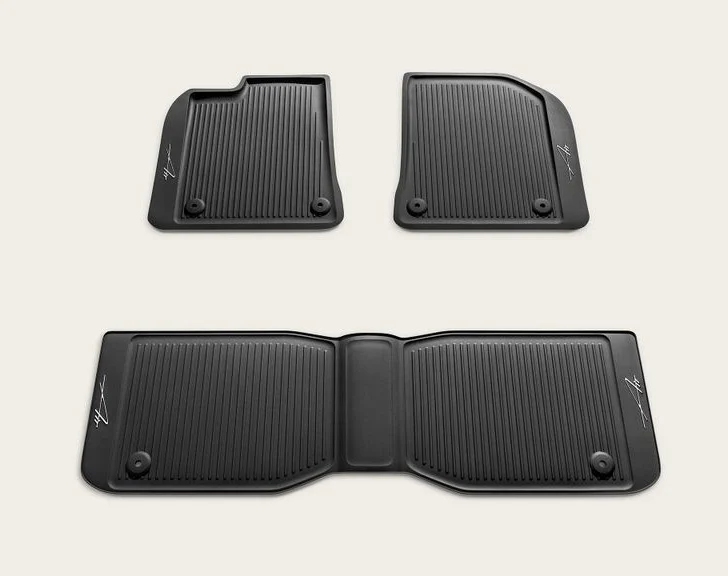
    Lucid finds itself in a strange situation where it must recall a small accessory instead of a whole car, which could lead to serious accidents. This decision comes after reports suggested that the floor mat could cause unintended acceleration in their vehicles.

    Potential Risks with the Floor Mat

    The All-Weather Floor Mat has the potential to trap the acceleration pedal. This could mean that when drivers take their foot off the pedal, the vehicle might still continue to speed up. The issue pertains to mats that have model numbers ending with “-00” and lack anchors to secure them to the carpet. These mats can shift around and potentially get caught on the pedal when the car is being driven.

    Incidents and Precautionary Measures

    The first report of this problem came from Europe last year, involving a sales associate who was testing a Lucid Air. Although there have been no confirmed cases of the pedal getting snagged or any accidents resulting from it, Lucid is being cautious by recalling 4,294 units as a safety measure.

    The National Highway Traffic Safety Administration (NHTSA) has recommended that owners of Lucid vehicles should throw away the affected floor mats. To compensate, Lucid has promised to refund customers the full price and provide a newer model that can be securely fastened.

    Lucid’s Offerings

    Lucid manufactures the Air sedan and the Gravity SUV. The Air, in particular, stands out as one of the electric vehicles with the longest driving ranges, achieving 512 miles on a single charge. Additionally, it has a quick charging capability, allowing it to gain approximately 200 miles of range in just 12 minutes.

    Source:
    Link

  • Cybertruck Recall Due to Weak Glue in Stainless Steel Panels

    Cybertruck Recall Due to Weak Glue in Stainless Steel Panels

    Key Takeaways

    1. Tesla is facing issues with an adhesive that breaks down quickly in weather, affecting the attachment of stainless steel parts to the Cybertruck.
    2. The recall involves 151 warranty claims and affects nearly 46,096 Cybertrucks that will need repairs at service centers.
    3. Tesla plans to use a better adhesive and bolting method for new vehicles produced after March 21, halting new deliveries until fixes are made.
    4. The recall is due to safety concerns about the potential detachment of the stainless steel panel while driving, posing risks to other drivers.
    5. Vehicles still in Tesla’s possession that were manufactured before the updates will be retrofitted with new components before delivery to customers.


    Tesla has received a type of adhesive that breaks down too quickly when exposed to weather, which is causing issues in attaching stainless steel parts to the Cybertruck.

    Warranty Claims and Recall

    This problem has led to 151 warranty claims related to Cybertruck body panels coming loose, which has resulted in a significant recall from the US National Highway Traffic Safety Administration (NHTSA). Tesla has announced that it will be bringing in almost all of the Cybertrucks delivered before this month—46,096 units—for repairs at their service centers.

    Engineering Changes

    In addition to using a better adhesive, the fix involves bolting the problematic stainless steel cant rail to the Cybertruck’s body. However, Tesla will only start implementing this new method on vehicles produced “on or after March 21.”

    For now, Tesla has halted new deliveries of the Cybertruck and will not resume shipping until the necessary engineering updates are complete.

    Structural Adhesive Issues

    The part that is being recalled relies solely on a structural adhesive for assembly. This adhesive has been found to be vulnerable to environmental embrittlement. The new solution will utilize a different type of structural adhesive that does not suffer from this issue, reinforced with a stud that is welded to the stainless panel, and a nut that secures the steel panel to the vehicle’s structure.

    Previously, when Tesla launched the Cybertruck, they encountered a similar issue with accelerator pedal components detaching, which was resolved with a similar approach—simply bolting the faulty part in place.

    Safety Concerns

    Tesla has highlighted that the reason for this recall is the potential danger posed if the cant rail stainless steel panel detaches while the vehicle is being driven, as it could create a hazard for other drivers and increase the chances of accidents.

    This marks the seventh recall for the Cybertruck, and last June, Tesla faced a related issue concerning trunk bed components that were at risk of coming loose and flying off.

    Retrofitting Vehicles

    “Vehicles manufactured before the factory clean point that are still in Tesla’s possession will be retrofitted with the new component before they are delivered to customers,” Tesla clarified.

    Source:
    Link

  • Cybertruck Crash Test Shows Battery Pack Safety Features

    Cybertruck Crash Test Shows Battery Pack Safety Features

    Key Takeaways

    1. The Tesla Cybertruck has a 5-star crash safety rating from the NHTSA, indicating strong passenger safety in frontal and side tests.
    2. The Cybertruck is currently under investigation for a crash involving its Full Self-Driving feature, but passenger safety features remain unquestioned.
    3. European authorities have not allowed the Cybertruck on public roads due to its sharp edges, which exceed safety regulations.
    4. While crash tests showed good results for occupants, pedestrian safety evaluations for the Cybertruck are still uncertain.
    5. Tesla is developing a more affordable rear-wheel drive (RWD) version of the Cybertruck, but it’s unclear if design changes will be made for compliance in Europe.


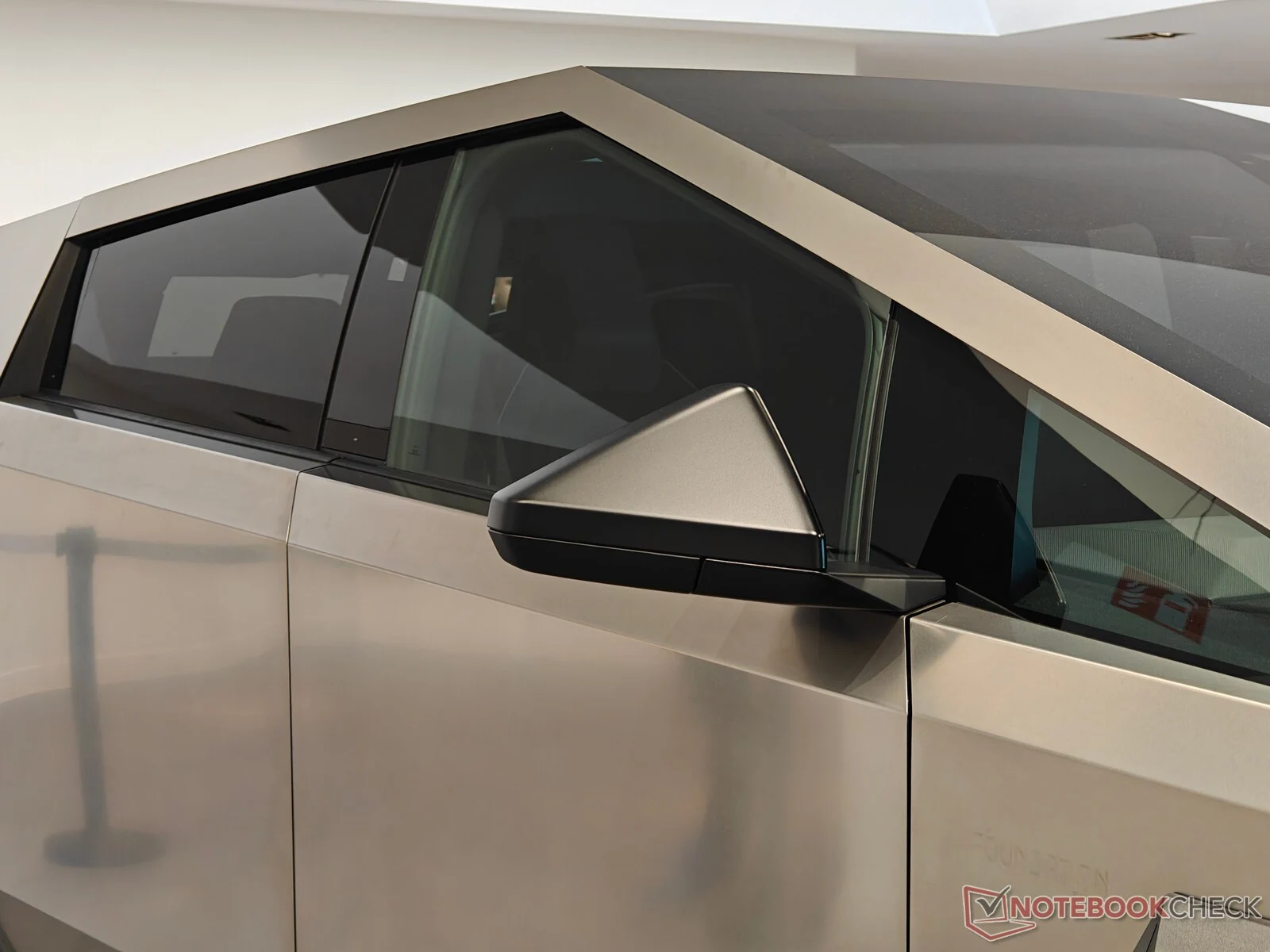
    While Tesla’s Cybertruck, a massive 3-ton electric pickup made of stainless steel, has faced its share of controversies, one thing is clear: no one is questioning the safety of its passengers.

    Accident Investigations

    Recently, the Cybertruck was involved in a crash while using its Full Self-Driving (FSD) feature, which is currently under investigation by the NHTSA. Additionally, European authorities are not permitting it to be driven on public roads as usual due to its sharp edges. Still, there seems to be no doubt about the safety features inside the vehicle’s cabin.

    Safety Ratings

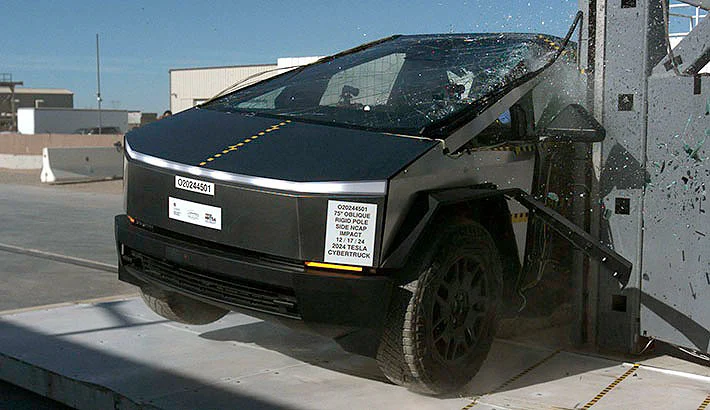
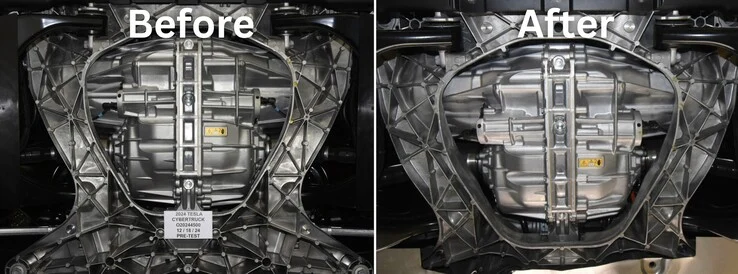
    The NHTSA, which is looking into Tesla’s self-driving-related accidents, has awarded the Cybertruck a commendable 5-star crash safety rating. However, this rating was only achieved in frontal and side crash tests, with the NHTSA estimating a low 12% chance of rollover. The images taken before and after the crash tests reveal that the Cybertruck’s frame and underbody, where the battery and drivetrain are located, have an impressive capability to absorb impact.

    Future Considerations

    While the crash dummies in Tesla’s electric truck performed exceptionally well during the safety tests, it is still uncertain how the Cybertruck will perform in pedestrian safety evaluations. The sharp edges of its stainless steel body exceed the allowed radius set by European regulators, which is one of the reasons Tesla has not yet launched it there. Elon Musk even mentioned in previous investor calls that modifications to the Cybertruck’s design will be needed for a European release.

    Tesla is also working on a new, more affordable RWD version of the Cybertruck that is expected to launch this year. This model has already appeared in the IRS database as qualifying for tax credits. However, it remains unclear whether Tesla will make the necessary changes to sell it in Europe, where the NCAP safety tests include pedestrian safety evaluations.