Tag: Tesla Model Y

  • Tesla Model Y 5G Modem Upgrade: 2.4 Gbps Download Speeds

    Tesla Model Y 5G Modem Upgrade: 2.4 Gbps Download Speeds

    Key Takeaways

    1. Tesla’s new Model Y and other vehicles are now equipped with a 5G modem, offering faster download speeds and lower latency.
    2. The Quectel AG555QGL modem can achieve download speeds of up to 2.4 Gbps on 5G networks, compared to the previous 4G LTE modem’s maximum of 100 Mbps.
    3. Tesla offers both Standard and Premium Connectivity plans, with the Premium plan costing $9.99/month or $99/year and providing enhanced services.
    4. The 5G modem is designed to operate in extreme temperature conditions, making it suitable for various environments.
    5. The upgrade to 5G is expected to improve user experiences for Tesla services like Grok AI, Sentry Mode, and Dog Mode, but it’s uncertain if retrofitting existing vehicles will be possible.


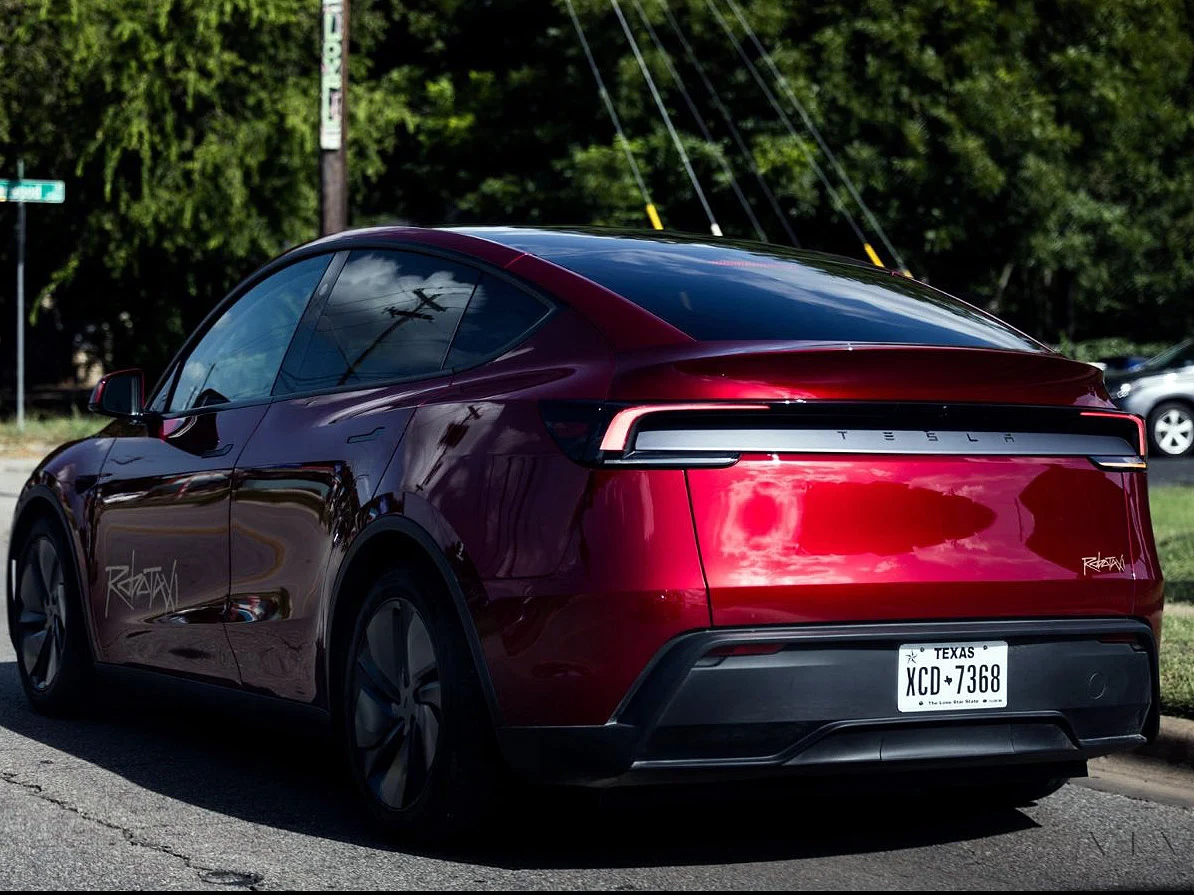
    Tesla has begun to equip its new Model Y and other vehicles being produced at its factory with a 5G cellular modem, which offers significantly faster download speeds and reduced latency.

    Enhanced Modem Features

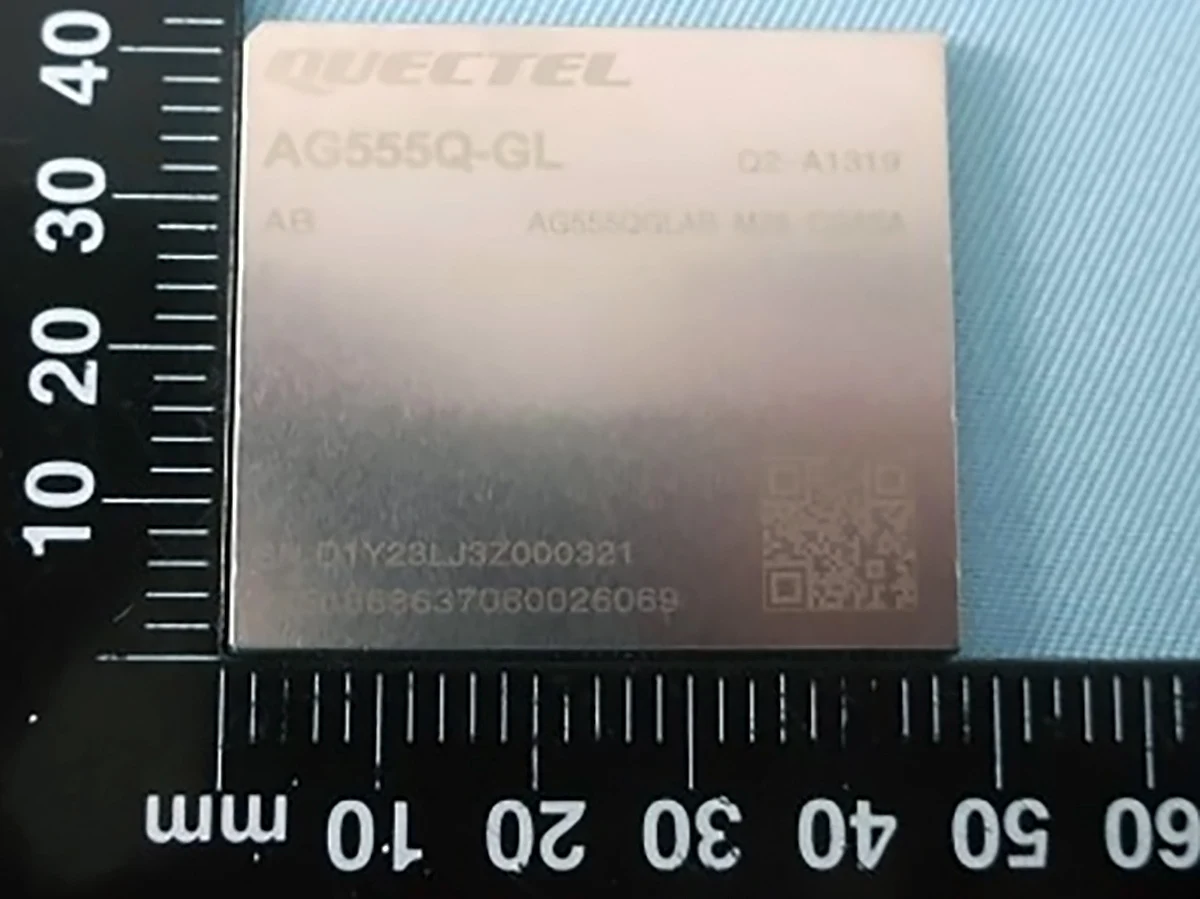
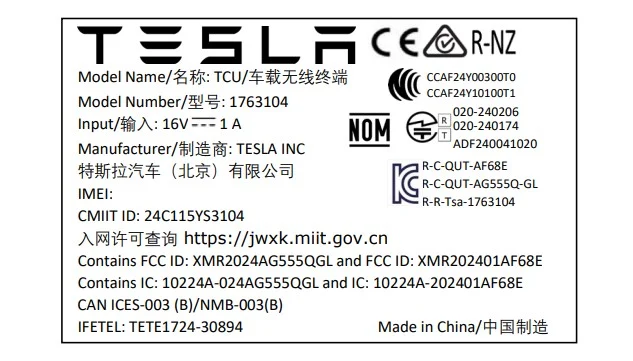
    The fortunate Model Y vehicles feature the Quectel AG555QGL modem, which has been tested and approved for Tesla cars by the Federal Communications Commission (FCC). This series of automotive 5G modems can achieve download speeds of up to 2.4 Gbps and upload speeds of 550 Mbps on 5G NR networks provided by US carriers such as T-Mobile. When connected to LTE Advanced networks, it offers download speeds of up to 1.6 Gbps and upload speeds of 200 Mbps.

    Comparing Connectivity Options

    In contrast, the existing 4G LTE modem in Tesla vehicles supports download speeds of only up to 100 Mbps, which is a significant difference from the Premium Connectivity option, whose name suggests a high-end service.

    Furthermore, the Quectel AG555QGL modem is designed to function within a temperature range of -40°C to +85°C, making it suitable for nearly all the environments in which Tesla vehicles operate.

    Connectivity Plans and Pricing

    Tesla provides both Standard and Premium Connectivity choices for its vehicles. However, the free Standard version is limited to in-car navigation. The Premium Connectivity option is priced at $9.99 per month or $99 annually and is complimentary with certain high-end models, such as the refreshed 2026 Model S and Model X.

    For a Benjamin a year, Tesla only delivers 4G LTE speeds due to the modem it has been installing in its vehicles for quite some time now. Many owners have turned to external solutions like the VOS 5G travel modem, which utilizes a Qualcomm Snapdragon modem and connects via USB-C.

    Future of Connectivity in Tesla Vehicles

    With the Quectel 5G modem now included in Tesla’s replacement parts catalog under the “TELEMATICS CONTROL UNIT TCU – GEN II” listing, Tesla is once again differentiating its vehicles based on their internet connection speeds. It remains unclear whether retrofitting will be an option, similar to the prior transition from a 3G to a 4G modem that could be performed at a Tesla Service Center.

    As Premium Connectivity is utilized by Tesla’s Grok AI assistant, Sentry Mode, and Dog Mode live view camera services, the upgrade to 5G connectivity is expected to greatly enhance the user experience for various Tesla services that now require such speed.

    Source:
    Link


  • IRS Extends Tesla Model Y Tax Credit Deadline Amid California Subsidy

    IRS Extends Tesla Model Y Tax Credit Deadline Amid California Subsidy

    Key Takeaways

    1. The current administration is reducing clean vehicle and energy incentives from the previous administration’s Inflation Reduction Act, impacting the $7,500 electric vehicle tax credit.
    2. After September 30, Tesla must rely on the individual appeal of its vehicles, as the tax credit has driven current electric vehicle sales.
    3. The IRS has updated rules allowing buyers to claim the $7,500 tax credit for new electric vehicles purchased this quarter, even if delivery occurs after September 30.
    4. California is planning to implement state-funded EV and clean energy incentives to compensate for the potential loss of the federal tax credit.
    5. Governor Newsom’s initiative aims to support both new and used electric vehicle purchases, as well as charging infrastructure, though its effectiveness in replacing the federal credit is still unclear.


    The current administration at the White House is starting to eliminate the clean vehicle and energy incentives that were established by the prior administration through the Inflation Reduction Act. The new electric vehicle tax credit of $7,500 has already cost the government over $2 billion each year since the program began.

    Changes for Tesla Models

    After September 30, Tesla will need to market the Model Y, Model 3, or any of its other vehicles based solely on their individual appeal. Currently, electric vehicle sales in the United States are increasing year-over-year because many consumers are eager to take advantage of the existing tax credit.

    New IRS Rules

    The IRS has updated its guidelines to let those who purchase a new electric vehicle this quarter still claim the $7,500 tax credit, which often serves as a down payment on a Model Y lease. Tesla had previously stated that buyers must complete their purchase by the September 30 deadline to benefit from the tax credit. However, the IRS has modified the wording in section 30D of the One Big Beautiful Bill to indicate that buyers can still access the tax credit even after that date.

    “The credit will not be allowed for any vehicle acquired after September 30, 2025,” states the revised section, meaning that even a minor down payment on a Model Y or a trade-in before the quarter ends will qualify the buyer. To claim the credit, the dealership needs to submit a time-of-sale report to the IRS upon delivery, allowing the buyer to receive the $7,500 subsidy even if their Model Y arrives in their driveway post-September 30.

    Future Incentives in California

    Even if the federal EV tax credit ends, states like California might step in to offer local incentives. In June, California’s Governor Gavin Newsom signed Executive Order N-27-25, which suggests transitioning to state-funded EV and clean energy incentives to make up for the federal losses.

    This order aims to maintain the Low Carbon Fuel Standard and provide EV buyers with rebates, vouchers, or other purchasing incentives similar to the soon-to-expire federal tax credit. The directive states that the state will finance the purchase of both new and used electric vehicles, as well as support fleet electrification and the establishment of charging infrastructure.

    How Newsom’s initiative will effectively replace the $7,500 federal credit remains uncertain. However, California’s actions could signal a shift as individual states and automakers like Tesla begin exploring strategies to sell electric vehicles without relying on government support.

    Source:
    Link


  • Xiaomi Faces High Demand for YU7 EV; CEO Suggests Tesla Option

    Xiaomi Faces High Demand for YU7 EV; CEO Suggests Tesla Option

    Key Takeaways

    1. Long Wait Times: Delivery delays for the Xiaomi YU7 extend up to 57 weeks, causing frustration among customers and leading to complaints.

    2. CEO’s Alternative Suggestions: Xiaomi’s CEO Lei Jun advised customers to consider other electric vehicles, including the Tesla Model Y, Xpeng G7, and Li Auto i8, due to the long wait.

    3. High Demand: Xiaomi received 200,000 orders for the YU7 within three minutes of its launch, indicating strong consumer interest in the vehicle.

    4. Customer Demographics: The average age of YU7 customers is 33 years old, with 30% of orders placed by women. Xiaomi plans to expand its store presence to 110 cities in China.

    5. Performance and Pricing: The YU7’s top trim offers up to 1,527 hp and a range of 519 miles, with a starting price of 253,500 yuan ($35,300).


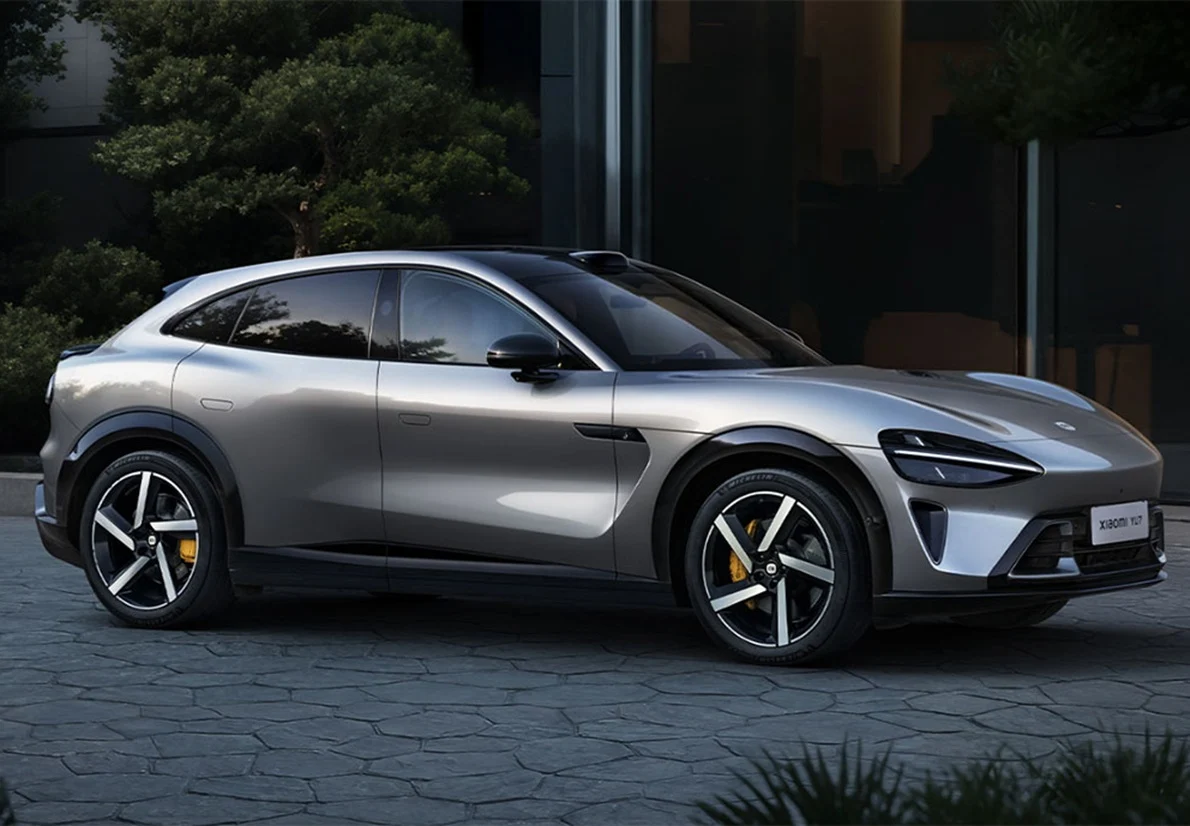
    Xiaomi is feeling the pressure from an overwhelming number of YU7 SUV orders, with the waitlist extending over a year. The CEO has taken an unexpected step by advising customers to explore alternatives from other brands.

    Long Wait Times Cause Frustration

    Chinese consumers are now facing delivery delays of up to 57 weeks for their YU7. This situation would have been a positive sign for Xiaomi if it weren’t for the growing discontent among buyers. According to Bloomberg, the well-known Chinese auto site 12365.com has listed the YU7 among the top 20 vehicles with the most complaints, mainly due to these lengthy wait periods.

    CEO’s Response to Customer Concerns

    To address these issues, Xiaomi’s CEO Lei Jun took to Weibo to discuss the company’s plans to ramp up production of the YU7. He admitted the long wait and requested customers to be patient. But for those who can’t hold on, he suggested looking into other electric vehicle options.

    Jun pointed out that the Tesla Model Y is a worthy choice and even highlighted some of the promotions from their competitor. “The Model Y is a good car, and Tesla announced many preferential policies yesterday, so you may want to consider it as well,” he stated.

    Other Electric Vehicle Options

    In addition to the Model Y, Lei also recommended the Xpeng G7 and the Li Auto i8 as other options for potential buyers.

    The demand for the YU7 was evident as Xiaomi racked up 200,000 orders in just three minutes after the car’s launch. Many consumers were attracted by the value it provides, which stands out compared to other electric SUVs in the market.

    Demographics and Expansion Plans

    In his Weibo post, Lei shared some intriguing details, like the average age of customers being 33, and that 30 percent of orders were made by women. He also mentioned that as of July, Xiaomi had stores in 92 cities across China, with plans to expand to 18 more cities by the end of the month.

    Lei revealed that Xiaomi conducted testing with 653 YU7 vehicles, which is well above the industry norm of 70-250 units.

    Performance and Pricing of the YU7

    The Xiaomi YU7 offers a remarkable performance, generating up to 1,527 hp in its top trim and can travel as far as 519 miles (according to CLTC standards) on a single charge. The starting price for the base model is 253,500 yuan ($35,300).

    Source:
    Link


  • Tesla Launches Model Y Wheel and Tire Protection Plan with Codes

    Tesla Launches Model Y Wheel and Tire Protection Plan with Codes

    Key Takeaways

    1. Tesla launched a new Wheel and Tire Protection Plan (WTPP) for the Model Y, available for $16 per month, offering unlimited repairs and a $25 deductible for replacements.
    2. The plan must be purchased within 30 days of Model Y delivery and may require an inspection of wheels and tires if not available in the app.
    3. Coverage excludes cosmetic damage, theft, vandalism, and prior damages, with curb rashes subject to evaluation.
    4. Customers can now apply Tesla referral codes after placing their orders, allowing for more flexibility in using referrals.
    5. The previous Tire Protection Plan was priced at $55 per year and covered common road hazards but had similar coverage limitations.


    Back in 2023, Tesla launched a Tire Protection Plan for the Model Y, which cost $55 each year. This plan offered coverage for common “road hazards,” such as running into a pothole or getting a puncture.

    However, the fine print warned that it didn’t cover cosmetic damage, theft, or vandalism. At a yearly fee of $55, many felt it was a good deal for those who park carelessly or drive on rough roads.

    New Tire Protection Subscription

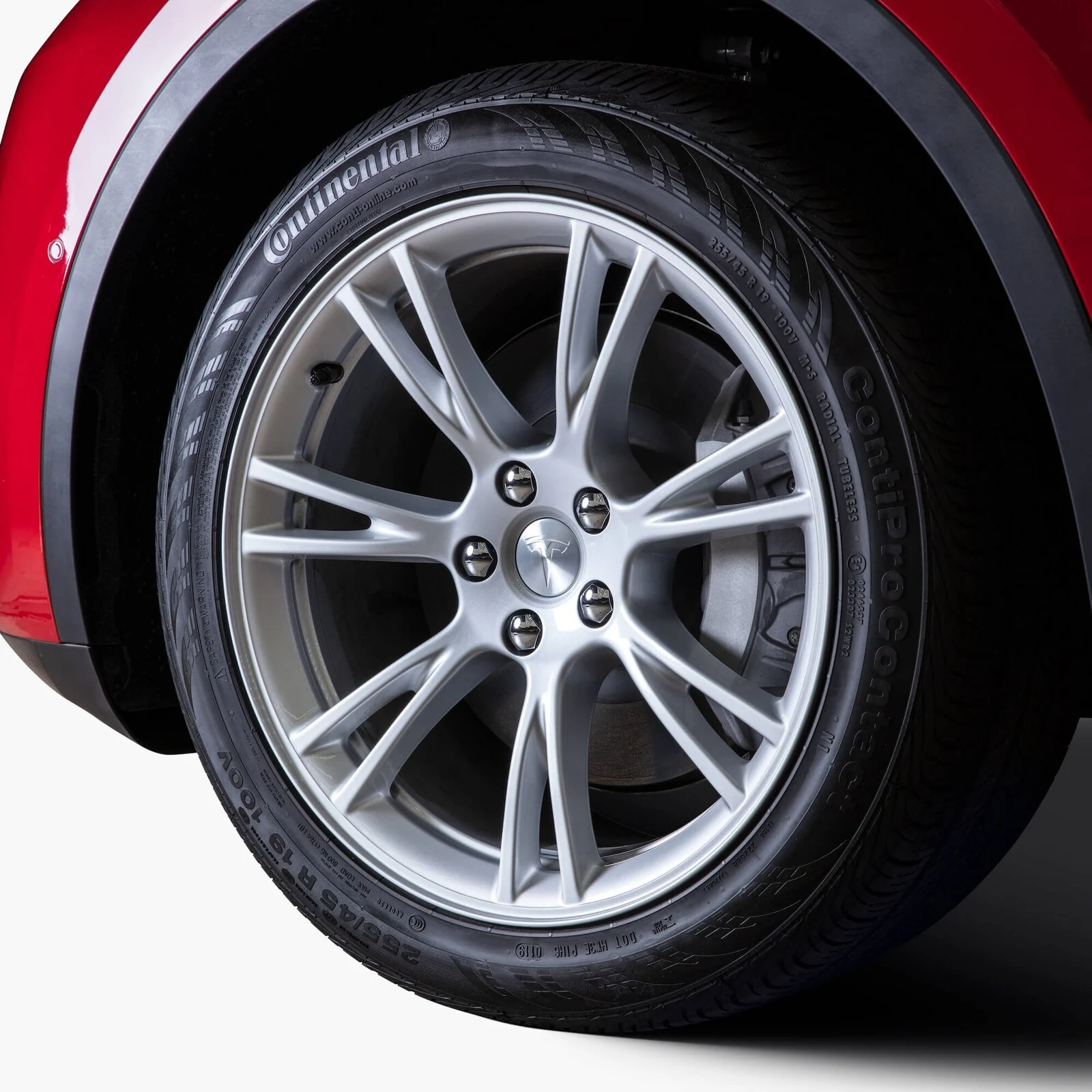
    Tesla has rolled out a new tire protection subscription for the Model Y and other vehicles, now named the Tesla Wheel and Tire Protection Plan (WTPP). This new plan offers unlimited repairs, but if you need a tire or wheel replacement, there’s a $25 deductible for each one.

    The fine print still carries the same conditions. After purchasing a new Model Y, owners can sign up for the Wheel and Tire Protection Plan within 30 days of delivery. If there’s no option for tire protection in the Upgrades section of the app, it may mean that Tesla wants to inspect your wheels and tires first.

    Coverage Limitations

    This time, Tesla also states that the “Wheel and Tire Protection Plan does not cover cosmetic damages, theft, vandalism, or any prior damages that occurred before the subscription started.” This means that curb rashes will be evaluated by the Service Center to determine if they qualify for coverage.

    In addition to the new monthly Wheel and Tire Protection Plan, which is priced at $16 for a Model Y, Tesla will also offer another option that customers can apply for after making a purchase.

    Buyers will now have the ability to apply Tesla referral codes after placing their orders, something many fans have been wanting for quite a while. While this post-order referral application somewhat undermines the effort to encourage friends or family to buy a Tesla, it will help those who may have forgotten to use their referral code before ordering or faced a glitch that prevented their code from being recognized.

    Source:
    Link


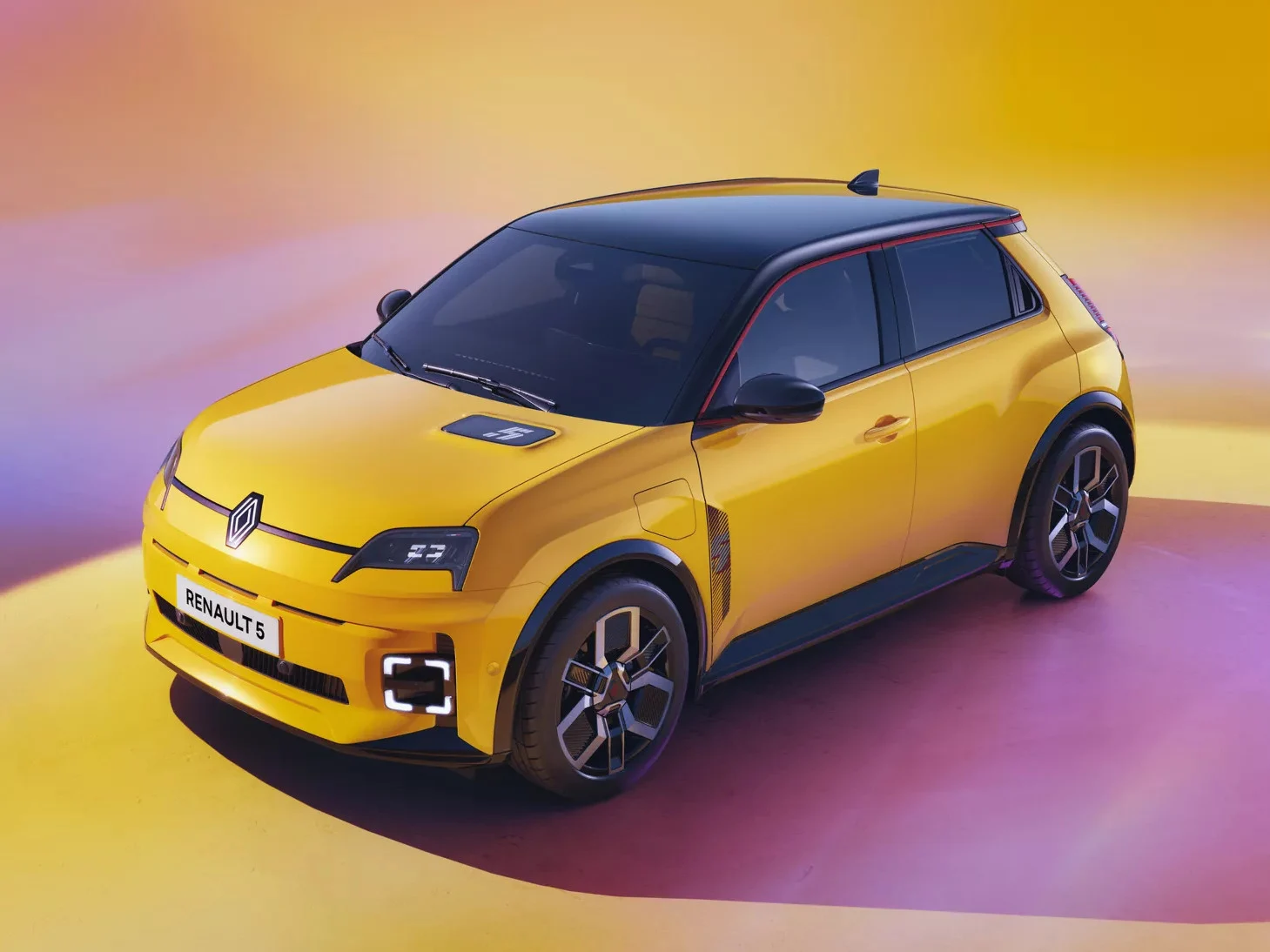
  • Renault 5 E-Tech Becomes Europe’s Best-Selling Electric Car

    Renault 5 E-Tech Becomes Europe’s Best-Selling Electric Car

    Key Takeaways

    1. The Renault 5 E-Tech is the top-selling electric vehicle in Europe in the first half of 2025, outperforming competitors like the Tesla Model Y and VW ID.3.

    2. Germany saw a 35% increase in battery-electric vehicle (BEV) sales, reaching 249,000 units, making it the leading market in total sales in Europe.

    3. The five largest European markets experienced a 25% rise in BEV registrations, with over 1.2 million newly registered electric vehicles in just six months.

    4. Volkswagen Group maintains its dominance in the electric vehicle market, with six out of the ten best-selling models coming from VW, Skoda, and Cupra.

    5. European manufacturers face strategic challenges, needing to decide between fully committing to electromobility or continuing to invest in combustion engines, while also managing risks from reliance on Asian supply chains.


    The Renault 5 E-Tech has emerged as the top-selling electric vehicle in Europe during the first half of 2025. As per the findings from management consultancy PwC, this French car claimed the top spot in Germany, France, Spain, and Italy, outpacing competitors like the Tesla Model Y and the VW ID.3. The relaunch of this classic model has proven to be a significant triumph for Renault.

    Sales Growth in the German Market

    The analysis from PwC is derived from new registration data across 40 international markets. The data indicates that in Germany, sales of battery-electric vehicles (BEVs) surged by 35%, reaching 249,000 units in the first six months of the year. This achievement positions Germany ahead of the United Kingdom in total sales figures, even though the UK enjoyed a higher BEV market share of 22% despite fewer unit sales. Germany’s share stands at around 18%.

    Rising Registrations Across Europe

    Overall, the five largest European markets saw a 25% increase in BEV registrations in the same timeframe. For the first time, the total number of newly registered electric vehicles across Europe exceeded 1.2 million within just six months. Meanwhile, the sales of combustion engines continued to decline: in these major markets, sales fell for the sixth consecutive quarter, with the latest figures showing a 24% decrease.

    Volkswagen’s Continued Dominance

    Even with the Renault 5 E-Tech’s solid performance, Volkswagen Group still leads in model variety. Six of the ten best-selling electric cars in Europe come from VW, Skoda, and Cupra. Additionally, BMW’s iX1 is also featured in the top rankings, with models like the Citroën e-C3 not far behind.

    Global Market Insights

    On the international front, China remains a key player in the market: BEV sales there saw a 42% increase, totaling 3.7 million vehicles in the first half of 2025, which represents 30% of the global market. In contrast, growth in the US was more modest at 7.3% (592,315 units), with the Tesla Model 3 and Model Y driving this increase.

    Future Challenges for European Manufacturers

    PwC expert Felix Kuhnert has raised concerns about strategic uncertainties facing European manufacturers. The industry must choose between fully committing to electromobility or continuing to pour investments into combustion engines. Moreover, he highlights the ongoing reliance on Asian supply chains as a potential risk to domestic value creation in Europe.

    Source:
    Link


  • CATL Slashes EV Battery Replacement Costs with New Service

    CATL Slashes EV Battery Replacement Costs with New Service

    Key Takeaways

    1. CATL’s subsidiary Ning is reducing electric vehicle battery replacement costs by introducing a new repair service, lowering expenses by up to ten times.
    2. The average battery replacement cost is currently around $13,750, which can be more than half the value of a new electric car in China.
    3. Structural battery packs (cell-to-pack designs) are more cost-effective for manufacturers but complicate repairs due to their integration into the vehicle’s frame.
    4. Many EV manufacturers use structural battery packs, leading to high repair costs and potential depreciation issues in the second-hand EV market.
    5. CATL aims to improve the used EV market by offering longer warranties, battery swap stations, and affordable repair techniques.


    Facing a surge of electric vehicles nearing the end of their warranties in the coming years, the largest battery manufacturer globally is working on making battery replacement costs more reasonable, as they currently stand at about half the vehicle’s worth.

    New Repair Services

    Ning, a subsidiary of CATL, has just introduced a new structural battery pack repair service that cuts the average replacement cost down by a factor of ten. CATL’s research indicates that the typical expense for battery replacement is around $13,750, which is nearly 51% of what a new electric car typically costs in China, its primary market. For second-hand electric cars, replacing the battery could end up costing more than the car’s remaining value.

    This situation is quite problematic for the used EV market and many owners faced with such steep costs after their battery’s lifespan may simply decide to get rid of their cars.

    Understanding Structural Battery Packs

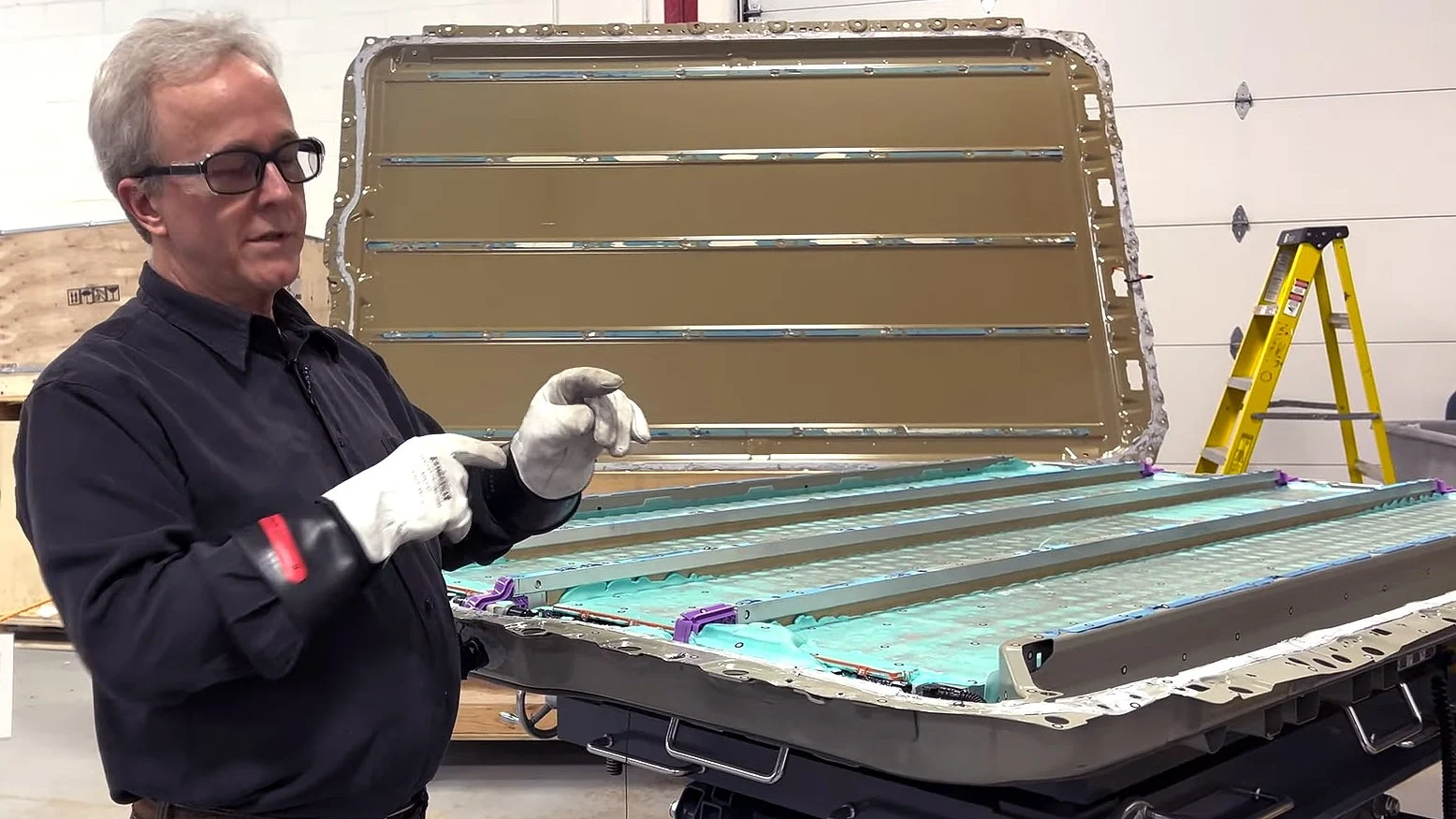
    Structural battery packs, also known as cell-to-pack (CTP) designs, integrate battery cells into the vehicle’s structural frame, making them cheaper for manufacturers to produce. Tesla has pioneered this concept with its 4680 batteries, which are used in certain batches of the Model Y. These larger 4680 cells provide structural support without needing costly metal casings, which make battery packs easier to replace. However, a teardown of the Model Y and Cybertruck’s structural battery packs revealed that the cells are integrated into the frame, using a significant amount of hard-to-remove adhesive, complicating the repair process.

    Many electric vehicle manufacturers have adopted similar structural packs, leading to high repair costs and potentially creating a stagnant second-hand EV market once the battery warranty ends. Consequently, CATL is exploring ways to reduce the depreciation of electric vehicles through various initiatives, including offering 15-year battery warranties, establishing a network of battery swap stations, and developing new repair techniques.

    Cost-Effective Solutions

    Rather than replacing the entire structural battery pack, which can be more than half of the cost of a new EV, CATL’s Ning aftermarket service has found ways to repair these packs for between $1,375 and $2,750, which is up to ten times less than a full replacement. This strategy will enable CATL to maintain an affordable supply chain from cell manufacturing to budget-friendly replacements, which could significantly benefit the used electric car market, given CATL’s position as the largest EV battery producer in the world.

    Get the 80A Tesla Gen 2 Wall Connector with 24′ cable on Amazon.

    Source:
    Link


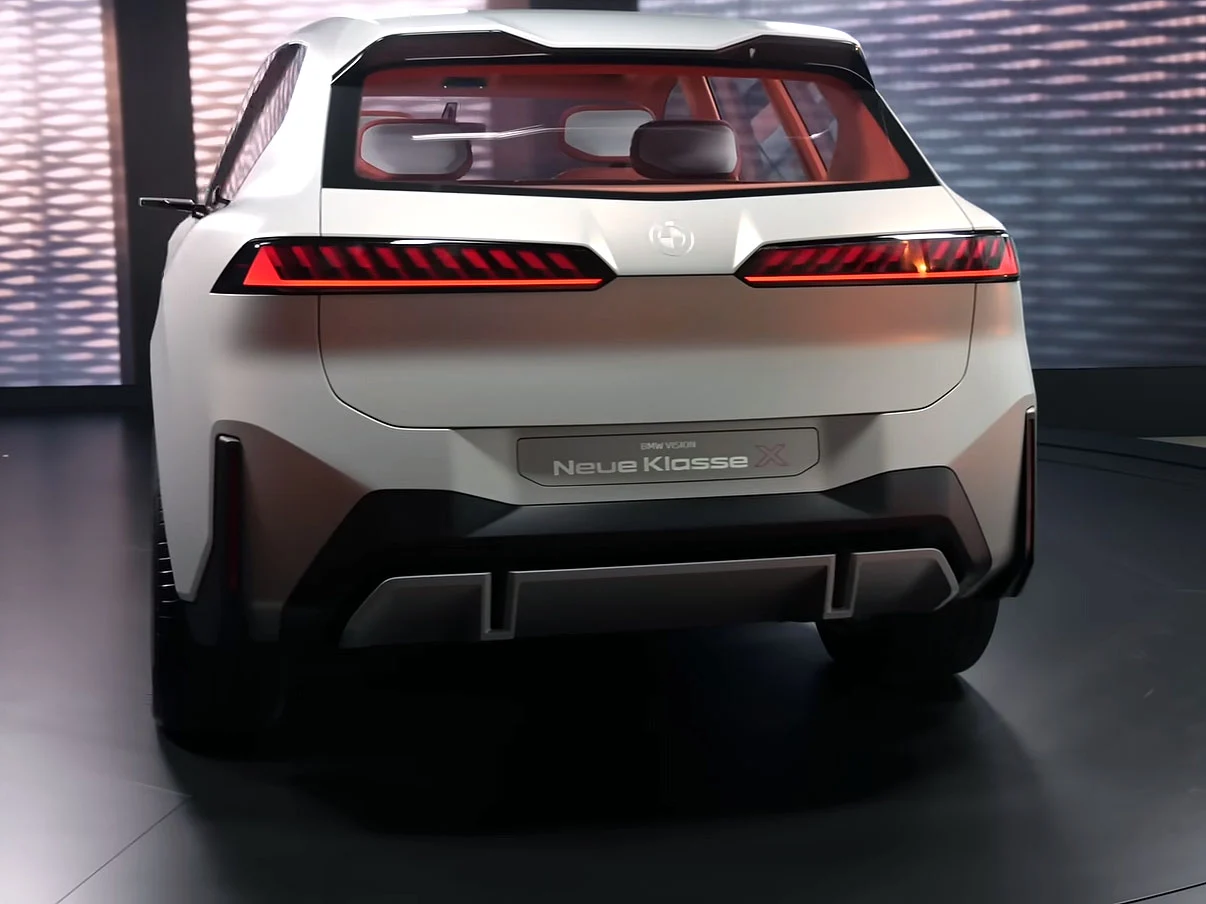
  • BMW iX3 SUV Aims to Outperform Tesla Model Y with Longer Range

    BMW iX3 SUV Aims to Outperform Tesla Model Y with Longer Range

    Key Takeaways

    1. The BMW iX3 electric SUV, launching on September 5th, aims to compete directly with the Tesla Model Y, featuring impressive specs like 400 miles of range, 400 kW charging speed, and 400 hp performance.

    2. Priced starting at around $55,000 in the US, the iX3 offers unique features such as an 800V powertrain and a panoramic iDrive info display, enhancing its value compared to the Model Y.

    3. The iX3 can gain over 200 miles of range in just 10 minutes of charging, thanks to its advanced cylindrical batteries with 20% higher energy density than typical options.

    4. Equipped with four advanced Superbrain computers, the iX3 boasts enhanced handling, traction, and braking, while reducing wiring needs and energy consumption by 20%.

    5. While the iX3 offers many advantages, it lacks Tesla’s Full Self-Driving (FSD) system, making its success in the US market uncertain, where BMW is known for luxury and driving dynamics.


    On September 5th, BMW is set to unveil its new iX3 electric SUV, which directly targets the Tesla Model Y. This new model boasts impressive triple 400 specifications: it offers 400 miles of EPA range, 400 kW charging speed, and 400 hp of performance.

    Pricing and Features

    The starting price for the iX3 SUV will be around $55,000 in the US. For an additional $5,000 over the all-wheel-drive Model Y, BMW includes an 800V powertrain and a stunning pillar-to-pillar panoramic iDrive info display positioned at the lower edge of the windshield. The brand also promises the excellent handling that they are known for.

    Performance Insights

    Initial reviews and testing of the BMW iX3 suggest that the SUV can gain over 200 miles of range in just 10 minutes of charging at a compatible station. This impressive performance is attributed to BMW’s unique cylindrical batteries, which have a 20% higher energy density than typical options.

    In contrast, Tesla’s Cybertruck is the only other vehicle with an 800-volt system, utilizing its 4680 cells. However, these cells have thermal inefficiencies that lead to a slower charging curve, allowing for approximately 140 miles of range after 15 minutes. Meanwhile, the 2026 BMW iX3 is equipped with a larger 100+ kWh battery, which helps it achieve the 400-mile range on the challenging EPA testing.

    Advanced Technology

    Testers have commended the iX3 for its impressive handling, traction, and braking capabilities. BMW has integrated four advanced Superbrain computers, each possessing 20 times the processing power of older models. These systems manage automated driving features like lane keeping and parallel parking, along with stability controls, infotainment, and basic functions like locking and air conditioning. Additionally, these liquid-cooled Superbrain computers help eliminate the need for many controllers, fuses, and around 2,000 meters of wiring, all while reducing energy consumption by 20%.

    While the Tesla Model Y may not have the fastest speeds, longest range, or quickest charging times, it stands out in the US due to Tesla’s Full Self-Driving (FSD) autonomous driving system, which BMW does not plan to offer. It remains uncertain whether the new iX3, despite its other advantages, will gain traction in the US market, where BMW is largely known for its luxury features and exceptional driving dynamics.

    Source:
    Link


  • 2025 Tesla Model Y Wins IIHS Top Safety Pick+ for 7th Year

    2025 Tesla Model Y Wins IIHS Top Safety Pick+ for 7th Year

    Key Takeaways

    1. The Tesla Model Y has received the highest safety rating from the IIHS for the seventh consecutive time.
    2. The IIHS conducts thorough crash tests and rates vehicles on safety from Good to Poor.
    3. The Model Y excelled in occupant protection and crash avoidance technologies, achieving a “five-star safety grand slam.”
    4. The Model Y has received top safety ratings from multiple global organizations, including C-IASI, ANCAP, NHTSA, and Euro NCAP.
    5. In 2024, the Model Y made up 10.9% of all battery electric vehicle sales and was the first electric vehicle to lead global car sales.


    The Tesla Model Y has received the highest safety rating from the Insurance Institute for Highway Safety (IIHS). This marks the seventh time in a row that the SUV has achieved this prestigious recognition.

    Tesla China’s official Weibo account announced this achievement. CEO Elon Musk was quoted in a post by @Muskonomy on X, saying, “Model Y rated highest in safety.”

    About IIHS Ratings

    The IIHS is an independent, non-profit organization based in the US that conducts thorough crash tests and evaluates vehicle safety. Their safety ratings, which are highly sought after, range from Good, Acceptable, Marginal, to Poor. They test vehicles for frontal, side, rollover, and rear-impact scenarios.

    Model Y’s Performance

    Tesla China reported that the Model Y received the top scores for occupant protection and crash avoidance technologies. They stated that the electric SUV achieved a “five-star safety grand slam.”

    Global Recognition

    Globally, the Model Y has been recognized for its high safety standards. It has received top ratings from the China Insurance Automotive Safety Index (C-IASI), the Australasian New Car Assessment Program (ANCAP), the US National Highway Traffic Safety Administration (NHTSA), and the European New Car Assessment Programme (Euro NCAP).

    The Tesla Model Y continues to be the leading battery electric vehicle worldwide, making up 10.9 percent of all BEV sales in 2024, as reported by AutoVista24. It was also the first electric vehicle to lead car sales on a global scale.

    Source:
    Link

  • Tesla Robotaxi Service Expanding to California and Florida Soon

    Tesla Robotaxi Service Expanding to California and Florida Soon

    Key Takeaways

    1. Tesla plans to launch robotaxis in California by September, with potential expansion to states like Florida, Arizona, and Nevada.
    2. The goal is to reach 50% of the US population with the ride-sharing service by the end of 2025, aiming for significant financial impact by the end of 2026.
    3. Insights from the current robotaxi pilot in Austin will help rapidly scale the network once regulatory approvals are obtained.
    4. Tesla’s robotaxi service is expected to have a competitive cost per mile, starting at around $0.50 for existing models and potentially dropping to $0.30 with the introduction of the Cybercab in 2026.
    5. The Nevada DMV has confirmed discussions with Tesla regarding the robotaxi launch, indicating no major obstacles to expansion once documentation is submitted.


    Tesla is set to launch its robotaxis in California after the summer and is also discussing opportunities with other states that have more lenient laws on self-driving vehicles, like Florida, Arizona, and Nevada.

    Expansion Plans

    Elon Musk has indicated that the rapid rollout of the ride-share platform is expected to begin in just a few weeks, with robotaxis anticipated to be operational in the Bay Area by September. The target for Tesla’s ride-sharing service is to reach 50% of the US population by the end of 2025, with hopes that robotaxi rides will significantly affect its financial performance by the end of 2026. Musk mentioned, “I think the actual cost per mile of Cybercab will be very low. The cost per mile of our existing fleet will be higher, but still competetive. So maybe something over $0.50… This suggests that robotaxi operations will grow from small to massive in a relatively short timeframe. I believe it will have a significant impact on our finances around the end of next year.”

    Learning from Experience

    During the recent quarterly earnings call, Tesla representatives noted that insights gained from the current robotaxi pilot in Austin, which is not limited by a specific service area, can be utilized anywhere. This flexibility will enable rapid scaling of the Robotaxi network from a technical perspective, once state authorities provide the necessary approvals. The service area in Austin is set to expand tenfold this summer, surpassing the efforts of competitors like Waymo. Tesla’s vision-only approach facilitates quicker validation and scaling.

    Future Revenue Streams

    The Nevada DMV has confirmed that discussions with Tesla regarding the robotaxi launch have taken place and that there are no obstacles once required documentation is submitted. Regarding when the swift expansion of robotaxis will start generating revenue for Tesla, Musk stated that the current service using factory Model Y units incurs costs of about fifty cents per mile, which remains very competitive.

    When the Cybercab, a two-seater designed specifically as a robotaxi, joins the fleet in 2026, its estimated cost per mile of around thirty cents will lower overall service costs. This reduction will help Tesla finance quicker expansion through loans rather than relying solely on its own funds.

    Source:
    Link

  • Xiaomi YU7 Tests Reveal China’s EV Range Claims Are Overstated

    Xiaomi YU7 Tests Reveal China’s EV Range Claims Are Overstated

    Key Takeaways

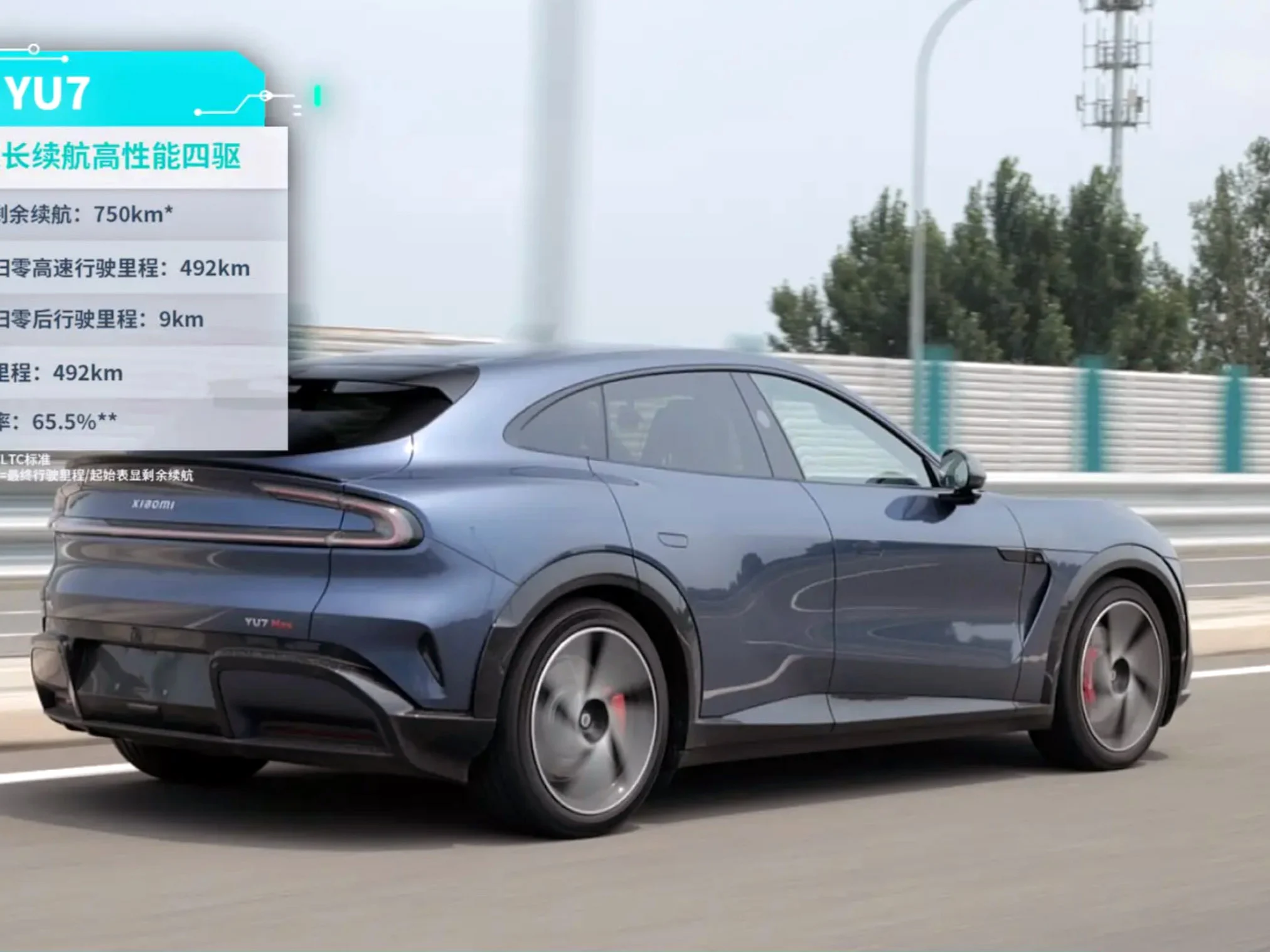
    1. The Xiaomi YU7 Max SUV claims a range of 466 miles, but independent testing shows it only achieves 306 miles, over a third less than advertised.

    2. Chinese CLTC testing standards often inflate electric vehicle range estimates compared to the stricter EPA standards used in the US, which are more reliable.

    3. Official range claims for electric vehicles from Chinese manufacturers should be viewed skeptically, as testing conditions and methods can distort actual performance.

    4. Huawei’s claim of a solid-state battery achieving 1,864 miles on a five-minute charge is likely exaggerated; realistic estimates suggest around 800 miles after accounting for testing methods and material inefficiencies.

    5. The EPA testing routine, despite its flaws, remains the most accurate measure of electric vehicle range compared to other standards, indicating a need to reduce Chinese EV claims by roughly one-third for fair comparisons.


    A test of the Xiaomi YU7 Max SUV, a key rival to the Tesla Model Y in China, has revealed that the bold range claims made by Chinese car makers should be viewed skeptically.

    At first glance, the YU7 boasts an impressive range of 466 miles, which greatly surpasses the Tesla Model Y’s longest range variant in the US, with a maximum of 344 miles on a full charge.

    Testing Standards Comparison

    However, anecdotal observations indicate that the Chinese CLTC testing standard often inflates range estimates compared to the stricter EPA standards used in the US. The new EPA testing process, which includes a balanced mix of city and highway driving, has also been shown to be more reliable than the European WLTP standard by about 10-15%.

    To further back up these claims, independent testing of the Xiaomi YU7 Max has revealed that it falls significantly short of its claimed CLTC range. Instead of reaching 466 miles, the YU7 Max only achieved 306 miles in testing, which is over a third less than its advertised range. This test took place in warm weather, with the correct tire pressure, and at an average speed of 62 mph, simulating typical highway conditions around Beijing.

    Implications for Range Claims

    Even though the CLTC tests lean more towards city driving, which can distort the figures, this assessment highlights that the official range claims for electric vehicles in China should not be taken at face value, as the driving conditions differ.

    A recent example includes Huawei’s patent for a solid-state battery that made waves with its astonishing claim of 3,000 km (1,864 miles) on a five-minute charge. While fast charging from 10% to 80% is common with solid-state batteries, achieving such an energy density to support that range is not. Although prototypes could theoretically double current battery energy densities, Huawei also cites the same 500 Wh/kg limit as other developers in this field.

    Realistic Expectations for Future Batteries

    If the CLTC testing method is employed, the stunning 1,864-mile range begins to make more sense. This figure would need to be reduced by at least a third to align it with EPA estimates, and then another third for weight material and thermal inefficiencies from prototype to finished battery, according to researchers in Korea.

    This suggests that a realistic range for Huawei’s eventual solid-state battery would be around 800 miles, which aligns better with what other companies like Toyota and Samsung are predicting for mass production.

    In conclusion, while the EPA testing routine used in the US to assess electric vehicle ranges is not without its flaws, it remains the most accurate reflection of actual EV range compared to other official standards. When it comes to Chinese EV claims, it’s advisable to reduce their figures by roughly one-third for a fair comparison with the EPA estimates.

    Ultimately, the Xiaomi YU7 Max SUV has shown a power consumption rate of just over 20 kWh/100 km, which is typical for a high-performance AWD electric SUV during highway travel. This indicates that Xiaomi and other Chinese EV manufacturers are not providing anything particularly exceptional in terms of efficiency, despite their lofty range claims.

    Source:
    Link