
Key Takeaways
1. Tesla plans to launch robotaxis in California by September, with potential expansion to states like Florida, Arizona, and Nevada.
2. The goal is to reach 50% of the US population with the ride-sharing service by the end of 2025, aiming for significant financial impact by the end of 2026.
3. Insights from the current robotaxi pilot in Austin will help rapidly scale the network once regulatory approvals are obtained.
4. Tesla’s robotaxi service is expected to have a competitive cost per mile, starting at around $0.50 for existing models and potentially dropping to $0.30 with the introduction of the Cybercab in 2026.
5. The Nevada DMV has confirmed discussions with Tesla regarding the robotaxi launch, indicating no major obstacles to expansion once documentation is submitted.
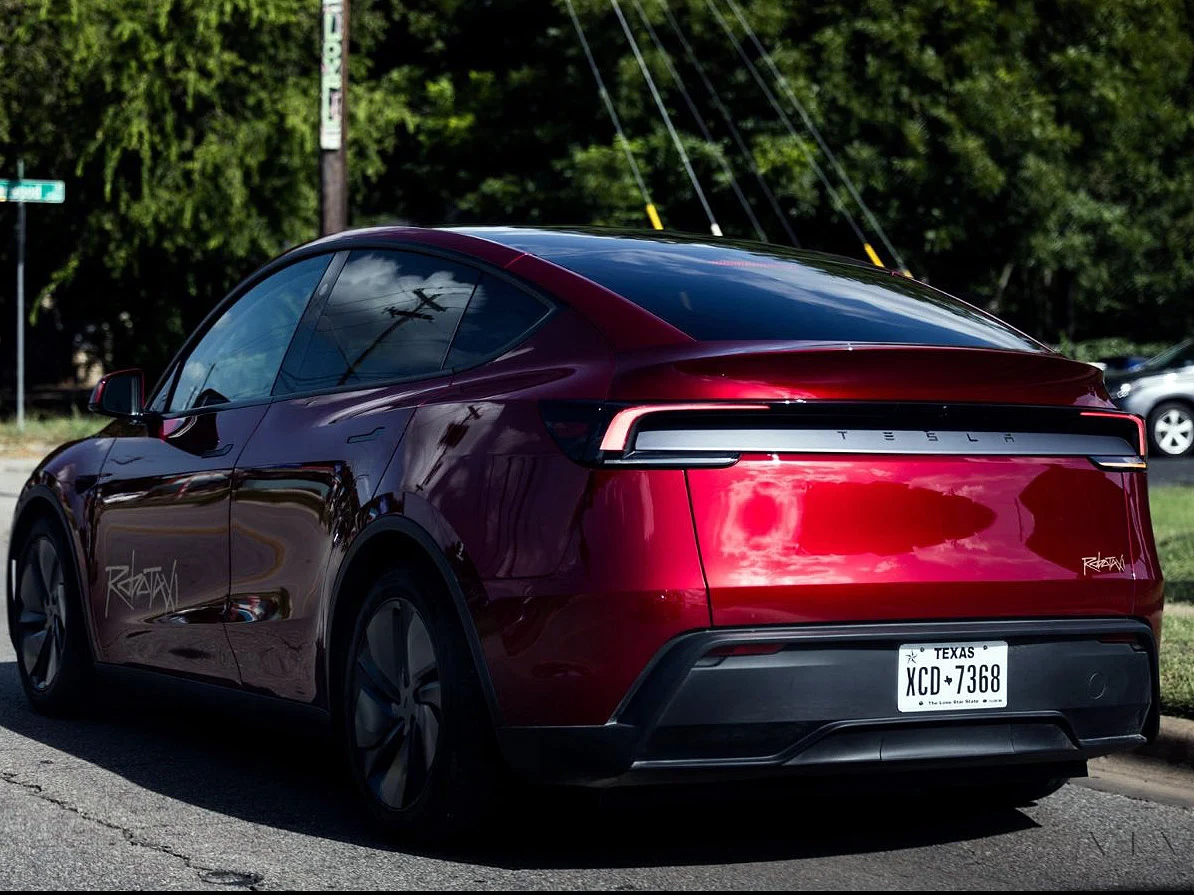
Tesla is set to launch its robotaxis in California after the summer and is also discussing opportunities with other states that have more lenient laws on self-driving vehicles, like Florida, Arizona, and Nevada.
Expansion Plans
Elon Musk has indicated that the rapid rollout of the ride-share platform is expected to begin in just a few weeks, with robotaxis anticipated to be operational in the Bay Area by September. The target for Tesla’s ride-sharing service is to reach 50% of the US population by the end of 2025, with hopes that robotaxi rides will significantly affect its financial performance by the end of 2026. Musk mentioned, “I think the actual cost per mile of Cybercab will be very low. The cost per mile of our existing fleet will be higher, but still competetive. So maybe something over $0.50… This suggests that robotaxi operations will grow from small to massive in a relatively short timeframe. I believe it will have a significant impact on our finances around the end of next year.”
Learning from Experience
During the recent quarterly earnings call, Tesla representatives noted that insights gained from the current robotaxi pilot in Austin, which is not limited by a specific service area, can be utilized anywhere. This flexibility will enable rapid scaling of the Robotaxi network from a technical perspective, once state authorities provide the necessary approvals. The service area in Austin is set to expand tenfold this summer, surpassing the efforts of competitors like Waymo. Tesla’s vision-only approach facilitates quicker validation and scaling.
Future Revenue Streams
The Nevada DMV has confirmed that discussions with Tesla regarding the robotaxi launch have taken place and that there are no obstacles once required documentation is submitted. Regarding when the swift expansion of robotaxis will start generating revenue for Tesla, Musk stated that the current service using factory Model Y units incurs costs of about fifty cents per mile, which remains very competitive.
When the Cybercab, a two-seater designed specifically as a robotaxi, joins the fleet in 2026, its estimated cost per mile of around thirty cents will lower overall service costs. This reduction will help Tesla finance quicker expansion through loans rather than relying solely on its own funds.
Source:
Link
Leave a Reply