Tag: Tesla Model Y

  • Xpeng G7 Launches in China at $27,325; 10,000 Orders in 9 Minutes

    Xpeng G7 Launches in China at $27,325; 10,000 Orders in 9 Minutes

    Key Takeaways

    1. The Xpeng G7 SUV has a starting price of $27,325, significantly lower than the Tesla Model Y priced at $36,770.
    2. The G7 features a rear-mounted motor with 292 hp, accelerating from 0 to 100 km/h in 6.5 seconds, and offers a maximum driving range of 702 km.
    3. It includes advanced tech like a 15.6-inch touch display, an 87-inch heads-up display, and runs on a Qualcomm Snapdragon 8295 chipset.
    4. The G7 has three trims: Max ($27,325), longer-range Max ($28,720), and Ultra ($31,520), with over 10,000 orders received shortly after launch.
    5. Xpeng plans to introduce Level 3 autonomous driving through an update later this year.


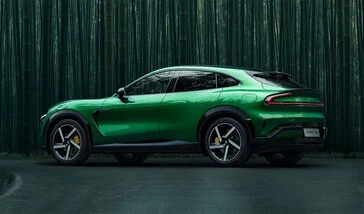
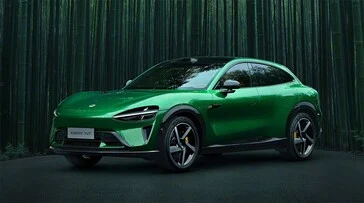
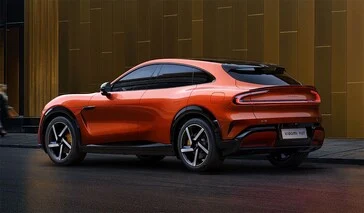
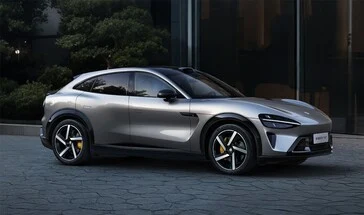
    It’s always exciting in the Chinese electric vehicle (EV) market, as another competitor to the Tesla Model Y emerges. Xpeng has officially introduced the G7 SUV, which is priced very competitively and received thousands of orders in less than 10 minutes.

    Pricing Details

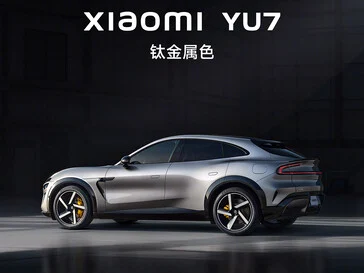
    The starting price for the Xpeng G7 is only $27,325, which is much lower than the leading Tesla Model Y, that comes in at $36,770. Furthermore, the G7 is also less expensive than the Xiaomi YU7, which was recently launched at $35,000.

    Performance Specifications

    At the launch event, Xpeng took a page from Xiaomi’s strategy by comparing the G7 directly with the Tesla Model Y. The G7 features a rear-mounted electric motor that produces 292 hp and can accelerate from 0 to 100 km/h in just 6.5 seconds. It offers a maximum driving range of 702 km (as per CLTC standard) with either a 68.5 kWh or 80.8 kWh battery pack. The company claims that the battery can add an impressive 271 miles (or 436 km) in just 10 minutes of charging.

    Tech Features and Updates

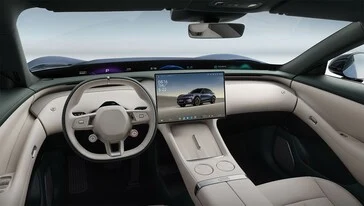
    Inside, the G7 has a 15.6-inch touch display for infotainment and settings. It also includes a large 87-inch heads-up display (HUD) that was developed in collaboration with Huawei. All of this tech runs on a Qualcomm Snapdragon 8295 chipset.

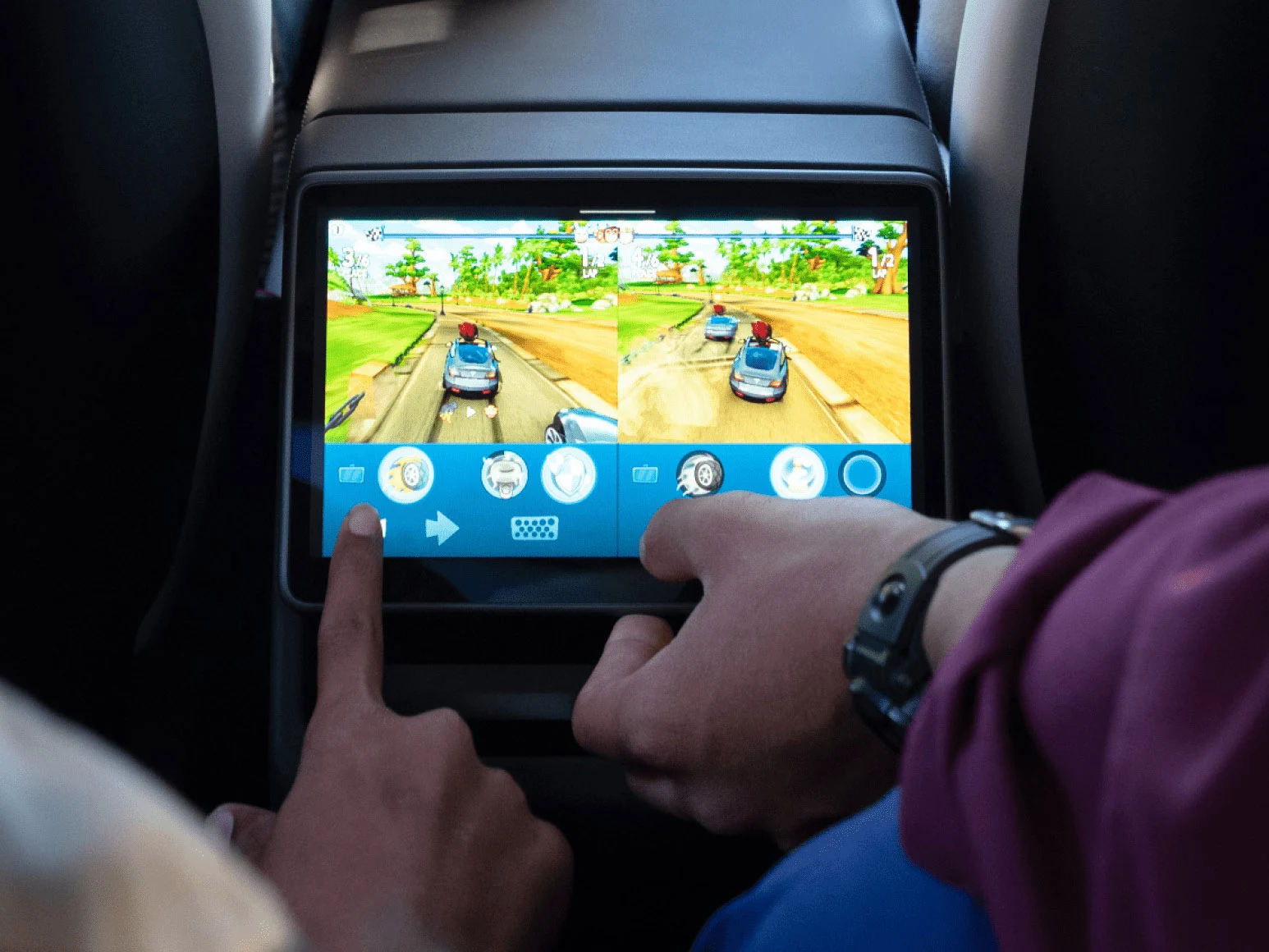
    Other interesting features are an 819-liter trunk, an AI-powered suspension system that adjusts based on the road conditions, a premium audio system with 20 speakers, and control screens for passengers in the back that measure 8 inches. Xpeng has also announced that an update later this year will introduce Level 3 autonomous driving.

    Trim Levels and Market Response

    The Xpeng G7 comes in three different trims: the Max at $27,325, a longer-range Max priced at $28,720, and the Ultra which costs $31,520.

    Impressively, Xpeng received over 10,000 orders for the G7 just nine minutes after its launch. The company shared on Weibo that deliveries will begin shortly, and some users on social media have posted screenshots indicating they might get their vehicles within one to two weeks.

    Source:
    Link

  • Tesla Model Y vs Honda CR-V vs Toyota RAV4: Cost Comparison

    Tesla Model Y vs Honda CR-V vs Toyota RAV4: Cost Comparison

    Key Takeaways

    1. Tesla vehicles have lower upkeep and repair costs in the first five years compared to other manufacturers due to being fully electric.
    2. Over a longer ownership period, Teslas do not maintain a cost advantage against popular gasoline SUVs like the Honda CR-V and Toyota RAV4.
    3. The total cost of ownership per mile for a Tesla Model Y is comparable to that of the Honda CR-V and slightly higher than the Toyota RAV4.
    4. Tesla estimates similar depreciation and insurance rates for the Model Y and Honda CR-V, but electric vehicles generally have higher insurance costs and quicker depreciation.
    5. Buyers are more attracted to the Model Y for its advanced technology and environmental benefits rather than for financial savings.


    As a study conducted last year revealed, Tesla vehicles indeed have lower upkeep and repair expenses for the first five years compared to other manufacturers, primarily due to the fact that it exclusively produces electric cars.

    Long-Term Costs

    Nonetheless, when considering the total cost of owning a vehicle over a longer period, Teslas don’t maintain that advantage. Tesla’s own analysis indicates that a buyer of the Model Y won’t see any financial benefits compared to two of the most favored gasoline SUVs, the Honda CR-V and the Toyota RAV4, until later on. This is surprising, given that the Model Y doesn’t require oil changes, and its brake maintenance mainly involves just adding flashy red caliper covers.

    Cost Comparison

    In Tesla’s freshly released 2025 environmental impact report, the total cost of ownership for each mile driven in a Model Y is quoted at $0.74, which is the same as the Honda CR-V. The Toyota RAV4 has a slightly elevated cost at $0.76 per mile. It’s worth noting that Tesla used the more affordable and less energy-consuming RWD Model Y for this comparison.

    The overall expenses for operating a Model Y include the depreciation rate over five years or 60,000 miles, insurance costs, maintenance or repair expenses, and finally, fuel costs, whether for electric charging or gasoline. Here, things get a bit unclear, as it’s uncertain whether Tesla considered home charging rates, Supercharger costs, or a combination of both in its comparison.

    Depreciation and Insurance Rates

    Moreover, as depicted in the chart below, Tesla estimates similar depreciation and insurance rates for the Model Y and Honda CR-V. However, electric vehicles typically incur higher insurance costs and experience quicker depreciation rates. The Model Y stands out as Tesla’s top-selling model, and its depreciation initially compares favorably against Internal Combustion Engine (ICE) vehicles, particularly when looked at next to high-maintenance luxury brands like BMW, whose X3 SUV has an astonishing operating cost of $1.19 per mile.

    Even if all of Tesla’s figures are accurate and don’t present an overly optimistic view of EV ownership in terms of depreciation, fuel, or insurance, the primary advantage of owning one of its cars doesn’t appear to be financial.

    In summary, it seems that buyers are more inclined to choose the Model Y for its advanced technological features like self-driving capabilities or for environmental reasons, rather than considering the total cost of ownership, especially when compared to popular gas-powered options from manufacturers like Toyota or Honda.

    Source:
    Link


  • Five Reasons Xiaomi YU7 Outshines Model Y Competition

    Five Reasons Xiaomi YU7 Outshines Model Y Competition

    Key Takeaways

    1. Strong Initial Demand: The YU7 SUV is gaining attention with long lines at stores and a surge in online orders.

    2. Distinct Market Identity: The YU7 differentiates itself from Tesla’s Model Y through its unique design, technology, and strategic market positioning.

    3. Superior Battery Range: The YU7 offers impressive ranges of up to 835km and 770km for its Standard and Pro variants, surpassing Tesla’s Model Y.

    4. Faster Acceleration: The YU7 Max edition accelerates from 0 to 100 km/h in just 3.23 seconds, outperforming the Model Y and even some high-performance SUVs.

    5. Competitive Specifications: Overall, the YU7 showcases superior specifications in key areas such as range and acceleration compared to Tesla’s offerings.


    Xiaomi’s second electric vehicle, the YU7 SUV, is drawing significant attention with long lines at stores, a surge in online orders, and a wave of initial reactions from electric vehicle fans.

    Unique Positioning in the Market

    Despite inevitable comparisons to Tesla’s Model Y, particularly in China, the YU7 establishes its own identity thanks to its distinct mix of aesthetics, technology, and strategic market placement.

    Key Advantages of the YU7

    Here are five reasons why the Xiaomi YU7 stands out and isn’t merely an imitation of Tesla.

    1. Superior Specifications Where It Counts
    During the launch, Xiaomi’s CEO Lei Jun made a direct comparison between the YU7 and Tesla’s Model Y. On paper, Xiaomi’s vehicle shows superiority in several important aspects.
    The YU7 boasts a greater range. The Standard and Pro variants come equipped with a 96.3kWh battery, allowing for ranges of up to 835km and 770km (CLTC).
    Meanwhile, the Max model features a larger 101.7kWh battery, offering a range of 760km. In contrast, the Model Y maxes out at 719km.
    Moreover, the YU7 is quicker. The Max edition, powered by two motors generating 690 horsepower, accelerates from 0 to 100 km/h in just 3.23 seconds.
    This makes it faster than any Model Y and even some high-performance SUVs like the Ferrari Purosangue.
    The Standard and Pro versions reach 0–100 km/h in 5.88 seconds and 4.27 seconds, respectively, which are still impressive times.
    So, when you’re looking strictly at the figures, the YU7 surpasses Tesla in both range and acceleration.


  • Tesla Recalls 48 Model 3 and Model Y for Loose Seat Fasteners

    Tesla Recalls 48 Model 3 and Model Y for Loose Seat Fasteners

    Key Takeaways

    1. A recall affects a limited number of 2026 Tesla Model 3 and Model Y vehicles due to incorrectly installed front seat fasteners.
    2. The affected vehicles were manufactured between April 3 and May 7, 2025, including 18 Model 3s and 30 Model Ys.
    3. The issue arose from a change in production, where a critical step in the seat fastener torque check was skipped.
    4. Customers may notice signs like rattling seats and can check if their vehicle is affected using Tesla’s VIN Recall Search tool.
    5. The remedy involves a free visit to a Tesla service center for proper assessment and adjustment of the fasteners, with no reported injuries or deaths related to the issue.


    A limited number of 2026 Tesla Model 3 and Model Y vehicles are being recalled. According to documents submitted to the National Highway Traffic Safety Administration (NHTSA), the recall is due to front seat fasteners that were installed incorrectly.

    Details of the Recall

    The affected vehicles were made between April 3 and May 7, 2025, and include 18 Model 3s and 30 Model Ys, which feature both standard and Performance versions.

    Tesla has identified that the issue arose from a change in their production process, which involved skipping a critical step in the final seat fastener torque check. This alteration could result in the car leaving the factory with some fasteners either loose or entirely absent, meaning the seats may not hold passengers securely in case of an accident.

    Signs and Solutions

    Tesla mentions that customers might notice signs such as rattling seats. Owners can verify if their Model 3 or Model Y is part of the recall by checking their VIN on Tesla’s VIN Recall Search tool.

    The remedy will necessitate a visit to a Tesla service center, where technicians will assess the seat and either properly torque or replace the fasteners as necessary. This service comes at no cost, as the vehicles are still under warranty.

    Safety Status

    As of now, Tesla has not reported any injuries or deaths linked to the fasteners. The initial case was found by service technicians in May.

    Source:
    Link

  • Tesla Launches $4.20 Robotaxi Rides with Driverless Model Y

    Tesla Launches $4.20 Robotaxi Rides with Driverless Model Y

    Key Takeaways

    1. Tesla has launched its Robotaxi service with driverless rides in Austin using Model Y vehicles, with plans to expand to other cities.
    2. The Robotaxi service aims to be more affordable than competitors like Uber and Waymo, with projected costs of $0.20 per mile and fares starting at $0.30/mile.
    3. Currently, only a small fleet of Model Y cars are operational in Austin, and rides are initially available by invitation only through a special Robotaxi app.
    4. During the introductory phase, Tesla is charging a flat rate of $4.20 per ride within a set area, reflecting Elon Musk’s preference for the number 420.
    5. Local lawmakers in Austin are considering licensing procedures for autonomous vehicles, while Tesla has prepared for compliance and has trained first responders on handling Robotaxi situations.


    Tesla has officially rolled out its Robotaxi service, starting with driverless rides in a fleet of Model Y vehicles in Austin. They have also set up a specific Robotaxi X account and a signup page for the future expansion to other cities.

    Pricing and Competition

    The Tesla Robotaxi service aims to be more affordable than its main competitors, Uber and Waymo. Rides can be booked through a special Robotaxi app, which is currently available only on iOS.

    At the unveiling of the two-seater Cybercab, Elon Musk projected that operating costs could fall to around $0.20 per mile, with ride fares beginning at just $0.30/mile once fully implemented.

    Current Availability

    Although these prices are much lower than those of Uber, Lyft, or Waymo, they pertain specifically to Cybercab rides “at scale.” Tesla is still in the early stages of its Robotaxi rollout, with only about a dozen driverless Model Y cars operating in Austin.

    Starting June 22, rides during the initial Early Access phase will be available by invitation only. The app isn’t accessible to the general public who might want to try out the driverless Model Y.

    Special Rates and Local Regulations

    For this introductory period, Tesla plans to charge a flat rate of $4.20 per ride within a designated area, no matter the distance traveled. This price seems to be a playful nod to Elon Musk’s affinity for the number 420. However, the true competitiveness of the Robotaxi service remains uncertain as it expands.

    Austin has welcomed a total of six autonomous vehicle services so far, making Tesla’s Robotaxi platform the latest addition. The choice of Texas was strategic, as the state does not have a special permitting process for self-driving vehicles, provided they are registered and insured.

    Legislative Changes in Austin

    Now, a few local lawmakers have suggested implementing a licensing procedure that requires manufacturers to meet certain compliance standards, such as ensuring communication with law enforcement and first responders in case of an emergency. Tesla proceeded with the Robotaxi launch in Austin after being assured they could meet any new requirements included in the bill before the September 1 deadline.

    Tesla has already conducted training sessions with Austin’s first responders on how to handle situations involving Robotaxis. Additionally, the city’s Public Works committee has indicated their support for the service, noting a remarkably low crash incident rate of less than 7% for fully autonomous vehicle operations in the area.

    Pilot Launch Details

    The pilot launch of the Robotaxi in Austin has been meticulously organized, involving a select group of automotive influencers as passengers, a safety monitor from Tesla seated in the front, and operating within a geofenced area that has been thoroughly mapped ahead of time.

    Source:
    Link


  • Tesla Model Y Performance: Fast Cornering Stability in Spy Video

    Tesla Model Y Performance: Fast Cornering Stability in Spy Video

    Key Takeaways

    1. Tesla is launching two new variants of the 2026 Model Y, including a 7-seater and a Performance version.
    2. The Performance model has been spotted testing on urban roads and racetracks, showcasing design improvements from the Juniper refresh.
    3. It will feature a 510HP dual-motor setup, an increase from the previous 456HP in the 2024 Model Y Performance.
    4. The 2026 Model Y Performance is expected to improve acceleration, surpassing the current 0 to 60 mph time of 3.7 seconds.
    5. The new model will offer enhanced cornering stability due to suspension adjustments based on track testing insights.


    After the most affordable Model Y RWD, which offers the longest distance, Tesla is gearing up to launch two unique variants of the 2026 facelift, wrapping up the update of its top-selling SUV.

    Upcoming Variants

    The first variant likely to arrive is the Model Y 7-seater, hinted at in Tesla’s newsletter shared over the weekend. However, the Performance version of the new Model Y is what many are eagerly anticipating.

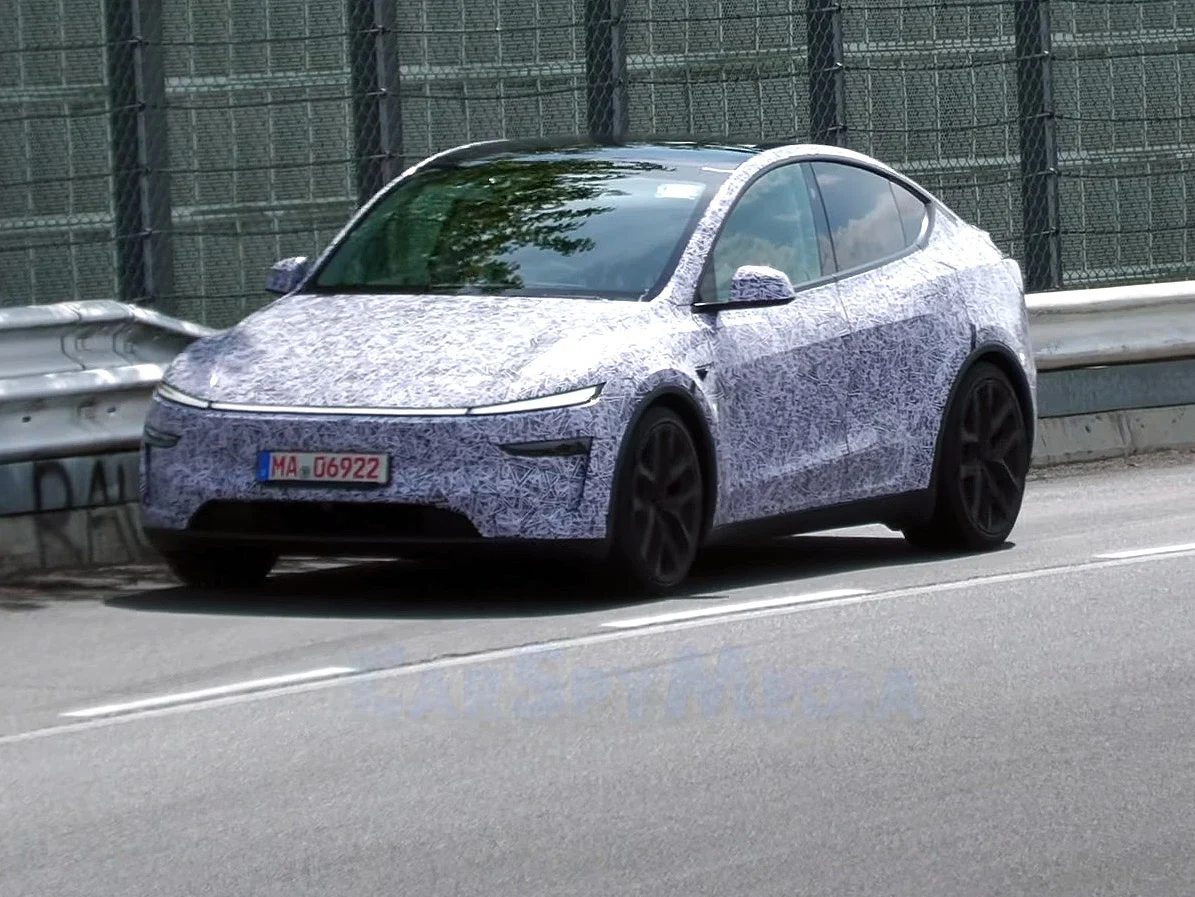
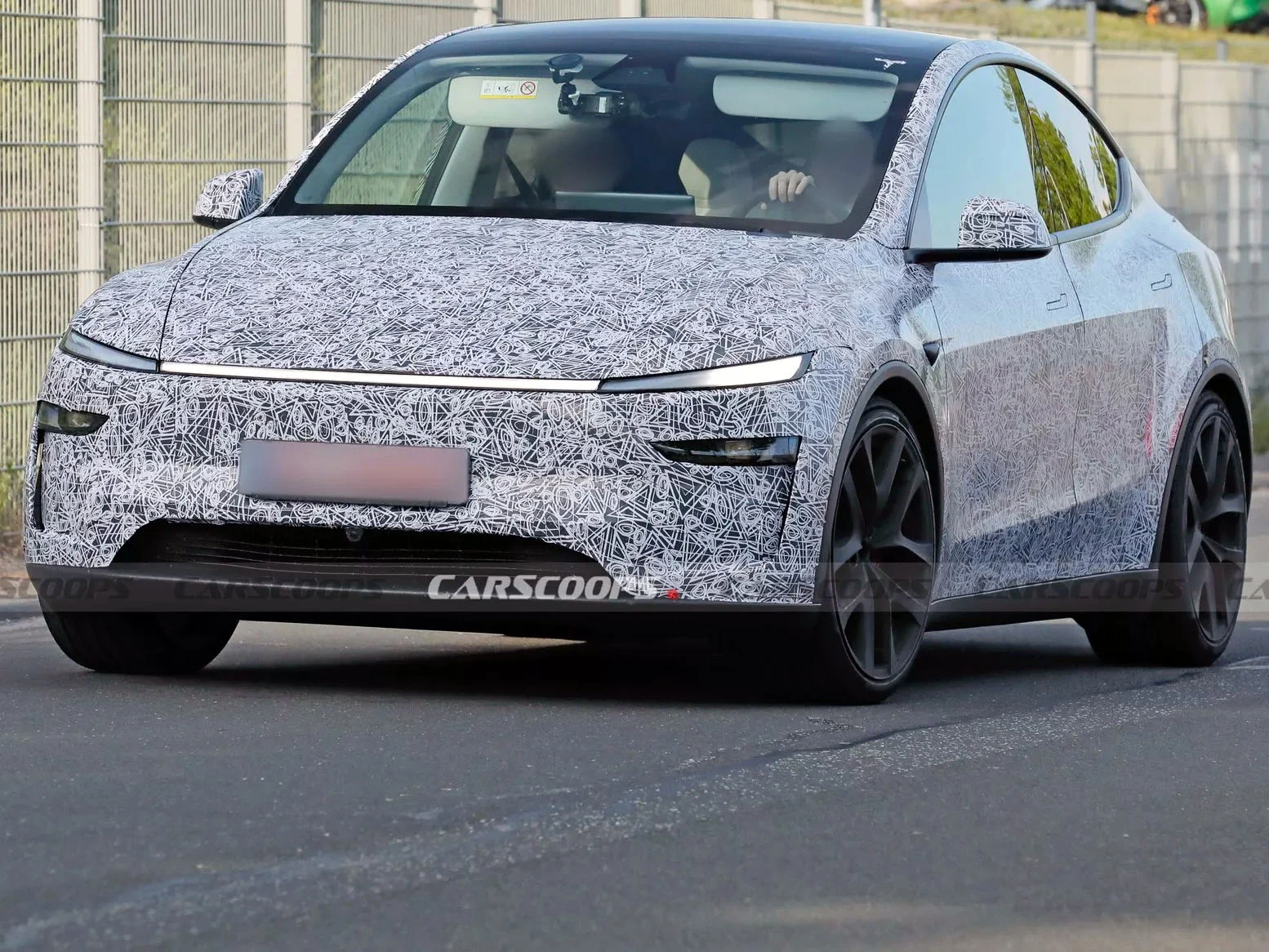
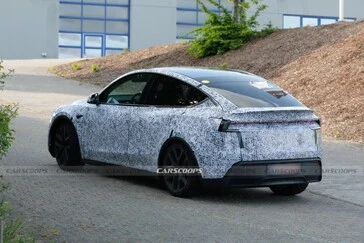
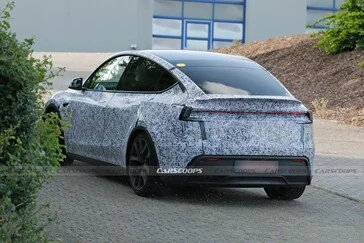
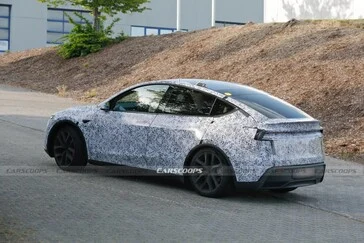
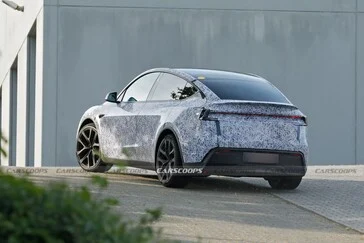
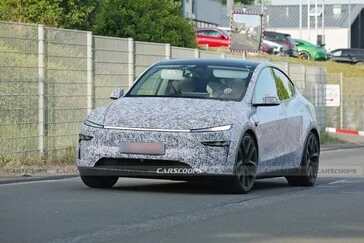
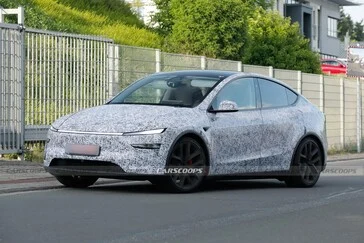
    This Performance model has already been spotted on urban roads and at the Nürburgring racetrack. For the first time, it has also been recorded while undergoing actual test laps. This Performance trim will naturally inherit all the design enhancements introduced by the Juniper refresh for Tesla’s most popular vehicle.

    Design Features

    As seen in the camouflaged test vehicle at Nürburgring in the video below, it will feature the iconic front and rear light bars, along with a more aerodynamic design.

    Beneath the hood, the quickest Model Y to date is likely to come with a 510HP dual-motor setup borrowed from its smaller counterpart, the Model 3 Performance. This is a significant increase from the 456HP output of the 2024 Tesla Model Y Performance.

    Performance Expectations

    With a better drag coefficient and a lighter frame, the 2026 Model Y Performance is expected to surpass the 3.7 seconds it takes its predecessor to go from 0 to 60 mph. While it won’t reach the astonishing 2.5-second mark of the fastest Model X, it should still be priced at about half of the Plaid’s cost after accounting for the federal tax credit.

    In any case, the 2026 Model Y Performance featured in the video below demonstrates excellent cornering stability without rolling, a feature that is likely to improve as Tesla’s engineers implement suspension adjustments based on insights gained from track testing.

    Source:
    Link

  • Tesla Model Y: New Feature Flashes Lights and Sounds for Kids

    Tesla Model Y: New Feature Flashes Lights and Sounds for Kids

    Key Takeaways

    1. The 2026 Tesla Model Y introduces a “4D” cabin radar that improves occupancy detection for enhanced safety.
    2. This radar can measure characteristics like size, height, weight, and heart rates, aiding in safety measures for unattended pets or children.
    3. All Tesla vehicles with cabin radar will receive the Child Left Alone Detection feature through a software update.
    4. Tesla uses in-cabin radar for Child Presence Detection, allowing it to detect physical changes like breathing, unlike many competitors using ultrasonic sensors.
    5. Future features may include automatic air conditioning adjustments and emergency service notifications if there’s no response to alerts.


    The 2026 Tesla Model Y has introduced a new “4D” cabin radar, which engineers claim will enhance occupancy detection related to safety.

    Enhanced Safety Features

    This advanced radar, placed beneath the headliner, can measure various characteristics of people inside the vehicle, including their size, height, weight, and even heart rates. According to Lars Moravy, the lead engineer at Tesla, this data could help in implementing more sophisticated safety measures, such as identifying if pets or children are left unattended in the vehicle without activating the appropriate mode. The radar can detect alterations in breathing patterns and heart rates, triggering the car’s computer to open windows or adjust the air conditioning. Additionally, it can notify the car owner via the Tesla app. In the future, the Model Y might even be capable of dialing 911 if there is no response to these alerts.

    Features Across Tesla Models

    These occupant safety features are being rolled out to all Tesla cars that have a cabin radar. While these older models may not feature the “4D” radar technology of the new Model Y, they do have a similar radar system that has been inactive behind the rearview mirror since 2022. This includes models like the refreshed Model 3, the Cybertruck, along with the Model S and Model X, which have been equipped with cabin radar since 2021.

    With the recent update to software version 2025.14.12, all Tesla vehicles will now gain access to the Child Left Alone Detection feature. While Tesla is not yet at the stage of alerting authorities regarding forgotten children in cars, the system will activate hazard lights and produce beeping sounds periodically until someone arrives to unlock the vehicle with the child inside.

    Regulatory Compliance and Competitors

    The alert sent to the Tesla app may be a helpful addition, even though many automakers have already established similar Child Presence Detection (CPD) systems, which are increasingly required by law. For instance, the Euro NCAP crash test program, which recently awarded the Model 3 a 5-star safety rating, now considers certain CPD features when determining the highest safety scores.

    Tesla, alongside companies like Hyundai, opts for in-cabin radar instead of ultrasonic sensors for CPD functionality. This method allows the radar to detect minute physical changes, such as breathing, through seats and other barriers. It can also differentiate between adults, children, and pets, even if they are seated in the back.

    It’s still uncertain when Tesla will incorporate additional CPD features that their engineers have discussed, such as activating the air conditioning or contacting emergency services if there is no response to alerts, sounds, or app notifications.

    Source:
    Link
  • Xiaomi YU7 Beats Tesla Model Y with Largest Battery in Class

    Xiaomi YU7 Beats Tesla Model Y with Largest Battery in Class

    Key Takeaways

    1. Design and Launch: The Xiaomi YU7, a luxury performance SUV, features design elements from the SU7 sedan and will be launched in July in China.

    2. Competitive Pricing: The YU7 is priced around $35,000, making it slightly cheaper than the Tesla Model Y while offering superior specifications.

    3. Performance and Battery: The YU7 boasts the largest battery in its class (up to 101.7 kWh) and outperforms the Model Y in charging speed and range, with the Standard RWD version achieving 518 miles on a single charge.

    4. Acceleration and Features: The powerful YU7 Max variant accelerates from 0 to 60 mph in just 3.2 seconds and includes advanced features like air suspension and a HUD projection for the driver’s display.

    5. Self-Driving Technology: The YU7 will utilize a specialized Nvidia Thor chip for self-driving capabilities, with more details to be revealed closer to its release.


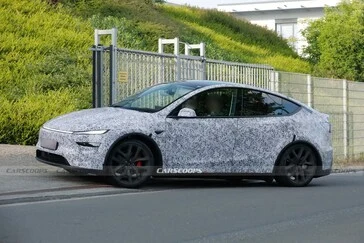
    After revealing the design and interior of its very first electric SUV, Xiaomi has introduced the YU7 crossover, which aims to compete directly with the Tesla Model Y.

    Design and Features

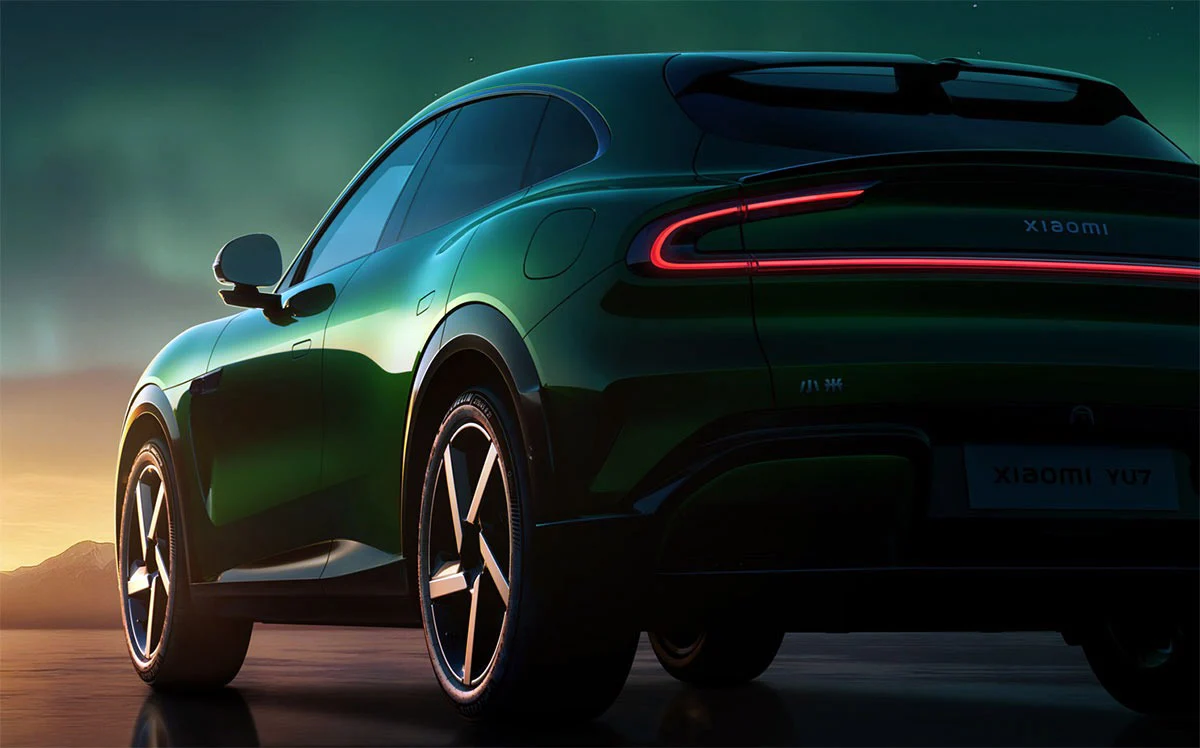
    Called a “luxury performance SUV,” the Xiaomi YU7 borrows design elements from its SU7 sedan predecessor, highlighting distinctive headlights and sleek body lines.

    Xiaomi plans to launch the YU7 in July, making it available for purchase to the public in China.

    Competitive Pricing

    The pricing is set to be quite attractive, as the company’s founder and CEO Lei Jun has built a strong reputation as an entrepreneur, often being compared to Elon Musk of China due to his dedication and affordable products, like the Redmi phone and smartwatch series.

    For example, the Redmi Watch 5 costs less than $50 on Amazon, offering an impressive 18 days of battery life, over 140 workout modes, and Bluetooth calling with dual-mic noise cancellation.

    The Xiaomi YU7 will reportedly start at around $35,000, slightly under the Model Y in China, while outperforming it in various specifications.

    Performance and Specifications

    As anticipated from a contemporary electric SUV from a Chinese brand, the Xiaomi YU7 outshines the Model Y in charging speed by a factor of two, thanks to its 800V powertrain. However, that’s not the only area where it surpasses Tesla’s popular model.

    The YU7 features a much bigger, 96.3 kWh LFP battery for both the Standard RWD and Pro AWD variants, while the top-tier Max version includes a performance ternary battery with a capacity of 101.7 kWh. Lei Jun has stated that the YU7 holds the title of the largest battery in its class, all while being priced competitively.

    Moreover, the Xiaomi YU7 provides a longer range on a single charge compared to the Tesla Model Y, with the Standard RWD version boasting an impressive 518 miles. In contrast, the single-motor Model Y is rated for only 446 miles according to China’s CLTC cycle, as it has a smaller battery.

    The CLTC rating is about 25% more generous than the EPA rating, so a range of 390 miles is a more accurate comparison, which would still exceed the Model Y RWD available in the US. Similarly, the YU7 Pro dual-motor AWD version is rated for 479 miles per charge, while the YU7 Max is equivalent to the Model Y Performance trim.

    Acceleration and Interior Features

    The powerful 690 HP Xiaomi YU7 Max matches the anticipated performance of the 2026 Model Y Performance, accelerating from 0 to 60 mph in just 3.2 seconds, comparable to the new Performance trim that has recently been spotted on a racetrack.

    Additionally, the first Xiaomi SUV is larger than the Model Y and comes equipped with air suspension for enhanced comfort. Inside, the company has eliminated traditional gauge cluster displays, opting for a HUD projection that spans the entire driver’s field of view.

    The self-driving capabilities are managed by a specialized Nvidia Thor chip with 700 TOPS performance. Xiaomi has indicated that they will disclose the full capabilities of the YU7 as the July release date approaches, along with the final pricing for the Standard, Pro, and Max trims.

    Source:
    Link


  • 2026 Model Y Performance Seen Testing at Racetrack Before Release

    2026 Model Y Performance Seen Testing at Racetrack Before Release

    Key Takeaways

    1. The 2026 Model Y Performance has been spotted testing at the Nürburgring racetrack in Germany, aiming for high-speed performance records.
    2. The Model Y Performance is expected to achieve improved acceleration, with a target of 3.2 seconds from 0-60 mph, compared to its predecessor’s 3.5 seconds.
    3. The SUV will likely utilize a 510 HP drivetrain, up from the previous 470 HP, while being lighter and featuring better aerodynamics.
    4. Design changes include a lower stance and a rear lip spoiler for increased downforce, although the final aesthetic may differ from the current camouflaged prototype.
    5. The prototype is equipped with 21-inch Arachnid wheels from the Model S Plaid, indicating ongoing testing for traction and stability.


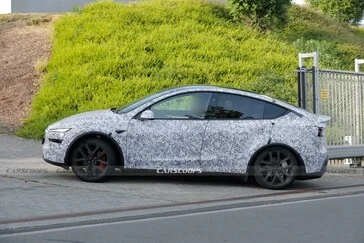
    After being seen testing on American roads prior to the launch of the 2026 Model Y AWD and RWD variants, the high-speed Performance version has now been observed at its rightful place—the famous Nürburgring racetrack in Germany.

    Record-Setting History

    The Nürburgring is where a modified Model S Plaid, equipped with the Track Package, achieved a record lap time of 7:25.231 for its class in 2023, driven by Tom Schwister. It makes sense for Tesla to aim for a similar accomplishment in the electric SUV category.

    Performance Expectations

    While onlookers who noticed the 2026 Model Y Performance, concealed in camouflage at the racetrack, could not track its lap times for clear reasons, it is anticipated that the SUV will have improved acceleration compared to the 3.5 seconds needed for its older version to reach 0-60 mph.

    The expectation rests on a 3.2-second acceleration for the Model Y Performance, likely utilizing the same 510 HP drivetrain found in the Model 3 Performance, an increase from the previous 470 HP, while also being lighter and featuring enhanced aerodynamics.

    Design Details

    To support this claim, the new Model Y Performance is designed to sit lower than the standard AWD/RWD versions and is equipped with a rear lip spoiler to boost downforce. However, the sporty front bumper seen on the Model 3 Performance is noticeably absent; the final aesthetic may vary from the camouflaged version currently being tested.

    The 21-inch Arachnid wheels borrowed from the Model S Plaid are present, indicating that this is still an engineering prototype of the Model Y Performance, intended to test traction and stability. There is ample opportunity for the design to become more dynamic before the anticipated launch in the latter half of the year.

    Source:
    Link

  • Elon Musk: Model Y Robotaxi Pilot to Enhance Safety Like Waymo

    Elon Musk: Model Y Robotaxi Pilot to Enhance Safety Like Waymo

    Key Takeaways

    1. Waymo celebrates its ten millionth paid autonomous ride, while Tesla’s robotaxi service is set to launch in June.
    2. Tesla’s pilot program will start with ten Model Y vehicles operating only in the safest areas of Austin, using geofencing similar to Waymo’s approach.
    3. Musk claims Tesla’s AI can adapt quickly to driving situations, but they will still use pre-mapping and geofencing.
    4. Tesla’s Model Y robotaxis will have operators ready to intervene, and training for local first responders has begun.
    5. There is a debate on safety between Tesla’s cost-saving approach and Waymo’s use of LiDAR and extra sensors for enhanced safety.


    While Waymo is proud to announce that it has completed its ten millionth paid autonomous ride, Tesla’s CEO, Elon Musk, has stated that their own robotaxi service, set to launch in June, will be very similar.

    Pilot Program Details

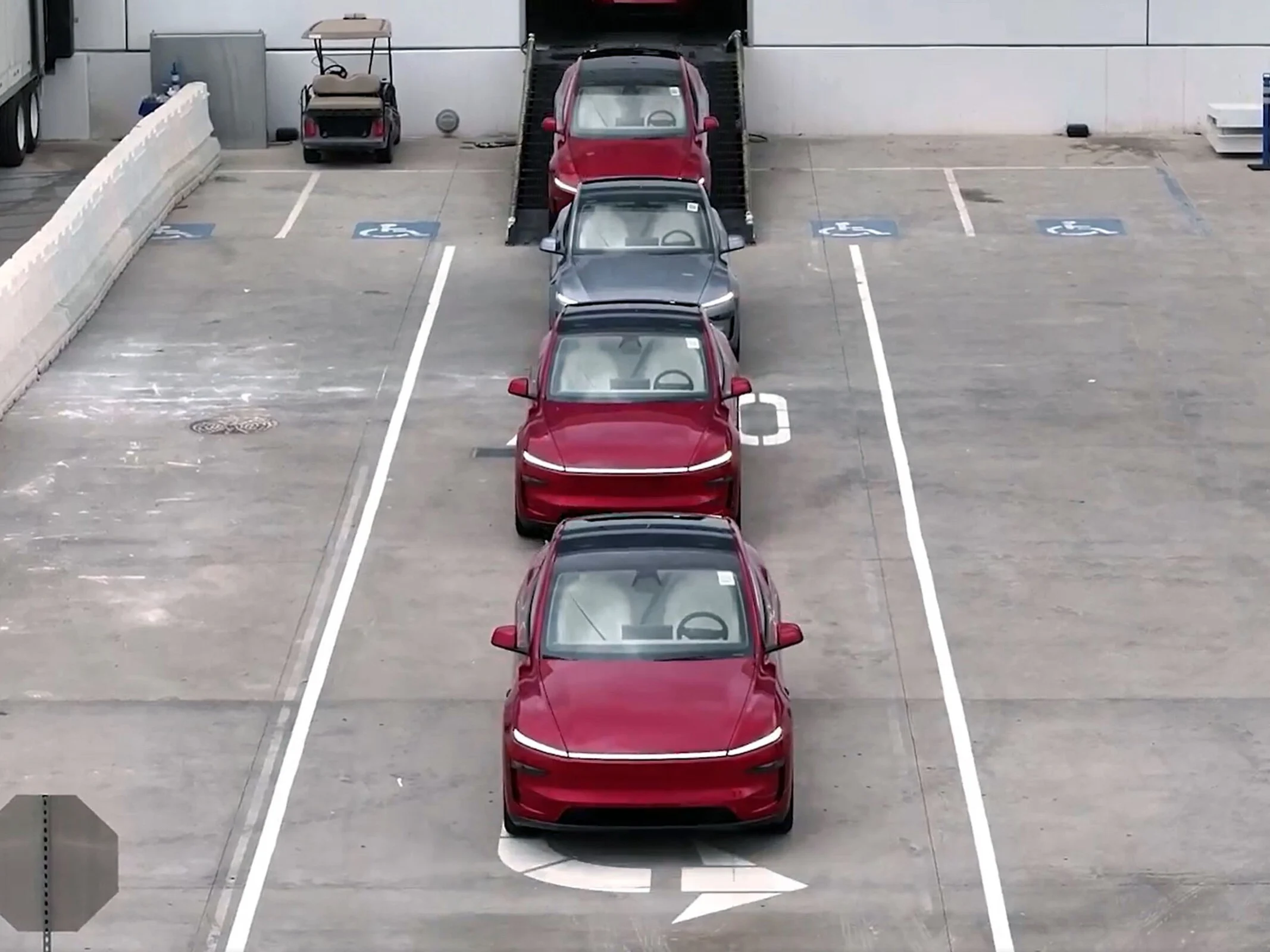
    Musk mentioned that the initial rollout will start small, featuring around ten Model Y vehicles. These will only operate in the “safest” parts of Austin, where the pilot will take place. This approach seems to echo the geofencing methods used by Waymo, even if Musk has often criticized their strategy.

    AI and Safety Measures

    During the last earnings call, Musk promoted Tesla’s “generalized” AI system, which he claims can quickly adapt to different driving situations without needing detailed maps like other companies. However, it appears that Tesla will indeed undertake pre-mapping and geofencing.

    “We are actually going to deploy not to the full Austin area, but just the safest parts,” revealed Musk. “So we will geofence it… It’s not going to take intersections unless we are really confident it will do well,” he added.

    Safety Protocols

    Even though the Model Y robotaxis will operate without a driver, there will be operators ready to step in if necessary, similar to Waymo’s setup. Tesla has already begun training Austin first responders and police on how to handle its driverless robotaxis, suggesting that the platform will initially follow a traditional model like others in the industry.

    The key selling point is that Tesla will use standard Model Y vehicles, which are 20%-25% cheaper per unit than the customized Waymo vehicles equipped with LiDAR and additional sensors, according to Musk.

    Different Perspectives on Safety

    However, John Krafcik, Waymo’s former CEO, disagrees, arguing that the cost savings from using Tesla’s vehicles aren’t worth the potential safety risks. He contends that the LiDAR and extra sensors have a “trivial cost-per-mile impact over the useful life of a robotaxi while also providing massive quantifiable safety benefits.”

    In the end, it’s unclear whose approach will prove more successful in the long run, as Tesla prepares to kick off its robotaxi venture next month in Austin with a limited fleet and within a geofenced area.

    Source:
    Link