Tag: Waymo

  • Uber vs Lyft vs Waymo vs Model Y: Ride Share Price & Wait Time Comparison

    Uber vs Lyft vs Waymo vs Model Y: Ride Share Price & Wait Time Comparison

    Key Takeaways

    1. Tesla has launched its Robotaxi service in cities like Austin and San Francisco, offering significantly lower prices compared to competitors.
    2. Tesla’s fares are often two to three times cheaper than established ride-sharing services like Uber and Lyft, with rides in San Francisco averaging only $8.
    3. Waymo’s pricing has improved, reducing the gap with Uber from 40% to just 13%, but Tesla’s rates remain considerably lower.
    4. Tesla’s estimated wait time for a ride is about 15 minutes, while Waymo and Lyft have shorter average wait times of just over five minutes.
    5. Tesla is rapidly expanding its Model Y robotaxi fleet and plans to increase the number of unsupervised rides, addressing challenges related to vehicle availability and wait times.


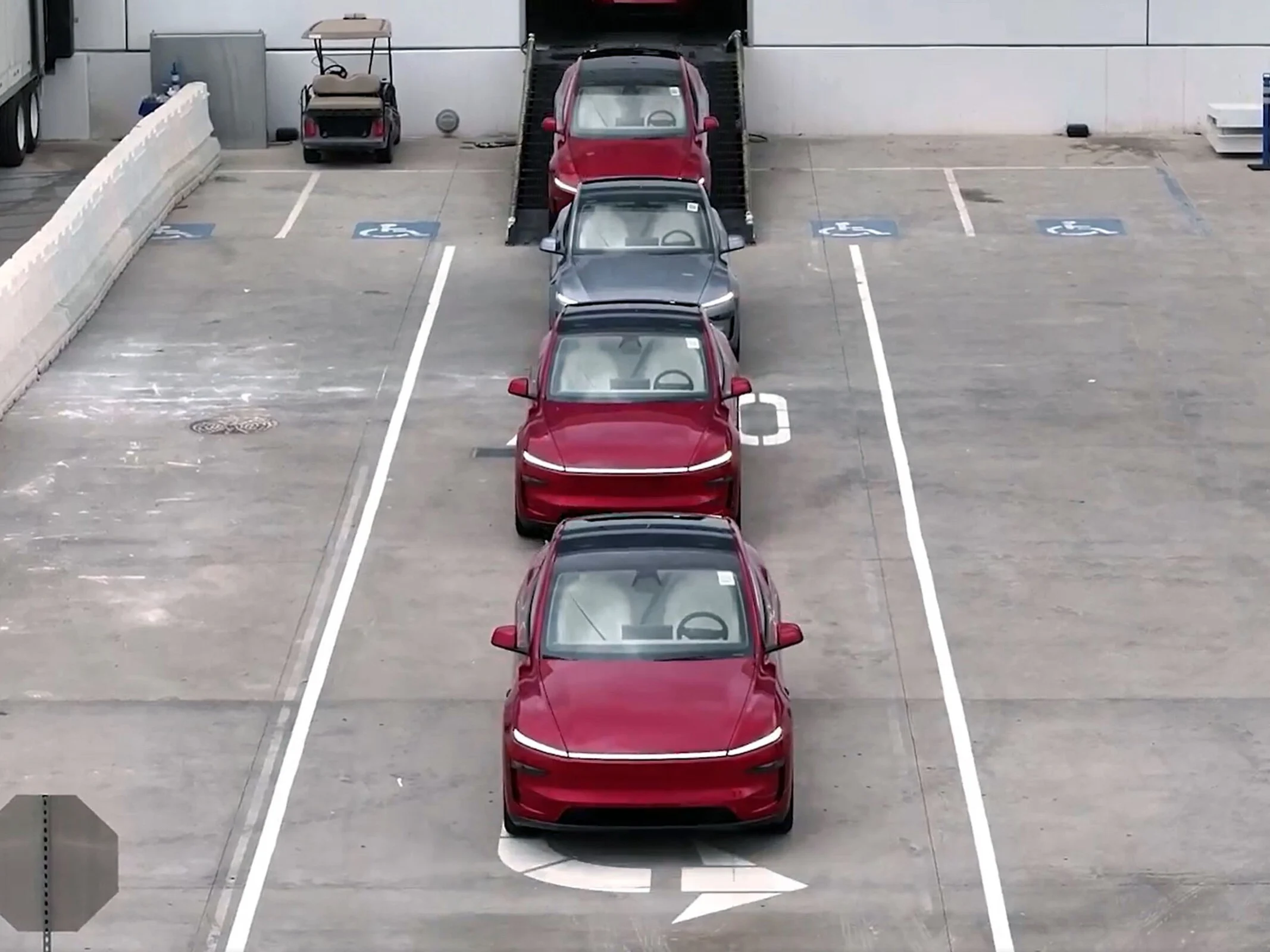
    Tesla has launched its new Robotaxi ride-sharing service in cities such as Austin and San Francisco, using the 2026 Model Y vehicles. This service has significantly reduced prices, undercutting competitors by two to three times.

    Competing with Established Brands

    This pricing advantage extends to established companies like Uber and Lyft, as well as fully autonomous rides from Google’s Waymo. Although Waymo has historically been pricier than Uber or Lyft, its rates are quickly decreasing. The price gap between Waymo and Uber has shrunk from as much as 40% to just 13%, and it’s only 2% for rides under six miles.

    Unmatched Pricing from Tesla

    Tesla’s Robotaxi fares are unmatched, with rides in San Francisco costing less than ever before. The average fare for a Tesla ride there is only $8, while Lyft charges double that amount. According to a study on average ride share prices, Tesla charges $1.99 per kilometer ($3.20 per mile), while Waymo’s rates are nearly three times higher. This data comes from an analysis of 94,348 rides, which includes both trip costs and waiting times.

    Wait Times Compared

    While Tesla excels at pricing, the estimated time of arrival (ETA) for a Model Y is about 15 minutes when requested. In contrast, Waymo, the other player focused on robotaxis, has an average wait time of just over five minutes, similar to Lyft’s ETA.

    It’s important to note that Tesla has far fewer robotaxis operating than Waymo, with around 156 Model Y units in the Bay Area using the FSD (Unsupervised) software. Waymo boasts over a thousand automated vehicles, which naturally leads to shorter wait times.

    Rapid Expansion of Tesla’s Fleet

    Tesla is rapidly increasing its Model Y robotaxi fleet and has begun offering unsupervised rides in Austin, much like Waymo. According to Tesla’s AI chief, as time goes on, the proportion of unsupervised rides will grow, along with the fleet size, and this process has already been initiated.

    In summary, Tesla is providing unbeatable prices for ride-sharing to encourage quicker adoption of its Robotaxi app and services, similar to how Uber and Lyft did when they started. This strategy aims to counteract the common challenges faced by new entrants, such as a limited number of vehicles leading to longer wait times. A survey of respondents indicates that robotaxis are already becoming a norm in the Bay Area, as nearly half expect one to arrive after a ride share request, which is promising for the future of autonomous car-sharing services.

    Source:
    Link


  • Elon Musk: Model Y Robotaxi Pilot to Enhance Safety Like Waymo

    Elon Musk: Model Y Robotaxi Pilot to Enhance Safety Like Waymo

    Key Takeaways

    1. Waymo celebrates its ten millionth paid autonomous ride, while Tesla’s robotaxi service is set to launch in June.
    2. Tesla’s pilot program will start with ten Model Y vehicles operating only in the safest areas of Austin, using geofencing similar to Waymo’s approach.
    3. Musk claims Tesla’s AI can adapt quickly to driving situations, but they will still use pre-mapping and geofencing.
    4. Tesla’s Model Y robotaxis will have operators ready to intervene, and training for local first responders has begun.
    5. There is a debate on safety between Tesla’s cost-saving approach and Waymo’s use of LiDAR and extra sensors for enhanced safety.


    While Waymo is proud to announce that it has completed its ten millionth paid autonomous ride, Tesla’s CEO, Elon Musk, has stated that their own robotaxi service, set to launch in June, will be very similar.

    Pilot Program Details

    Musk mentioned that the initial rollout will start small, featuring around ten Model Y vehicles. These will only operate in the “safest” parts of Austin, where the pilot will take place. This approach seems to echo the geofencing methods used by Waymo, even if Musk has often criticized their strategy.

    AI and Safety Measures

    During the last earnings call, Musk promoted Tesla’s “generalized” AI system, which he claims can quickly adapt to different driving situations without needing detailed maps like other companies. However, it appears that Tesla will indeed undertake pre-mapping and geofencing.

    “We are actually going to deploy not to the full Austin area, but just the safest parts,” revealed Musk. “So we will geofence it… It’s not going to take intersections unless we are really confident it will do well,” he added.

    Safety Protocols

    Even though the Model Y robotaxis will operate without a driver, there will be operators ready to step in if necessary, similar to Waymo’s setup. Tesla has already begun training Austin first responders and police on how to handle its driverless robotaxis, suggesting that the platform will initially follow a traditional model like others in the industry.

    The key selling point is that Tesla will use standard Model Y vehicles, which are 20%-25% cheaper per unit than the customized Waymo vehicles equipped with LiDAR and additional sensors, according to Musk.

    Different Perspectives on Safety

    However, John Krafcik, Waymo’s former CEO, disagrees, arguing that the cost savings from using Tesla’s vehicles aren’t worth the potential safety risks. He contends that the LiDAR and extra sensors have a “trivial cost-per-mile impact over the useful life of a robotaxi while also providing massive quantifiable safety benefits.”

    In the end, it’s unclear whose approach will prove more successful in the long run, as Tesla prepares to kick off its robotaxi venture next month in Austin with a limited fleet and within a geofenced area.

    Source:
    Link

  • Tesla Seeks Ride-Hailing License for Human Drivers

    Tesla Seeks Ride-Hailing License for Human Drivers

    Key Takeaways

    1. Tesla has applied for a ride-hailing permit in California to enhance its robotaxi service.
    2. The permit allows Tesla to compete directly with companies like Waymo and Uber.
    3. Discussions with state officials indicate potential involvement of human drivers alongside autonomous vehicles.
    4. Waymo currently offers a driverless ride-hailing service in multiple locations, while Tesla has not yet applied for a driverless vehicle permit.
    5. Tesla plans to launch its Unsupervised Full Self-Driving service in Austin, Texas, with hopes of expanding to other US cities by the end of the year.


    Tesla seems to be making strides with its robotaxi service as it applies for a ride-hailing permit in California. Reports from Bloomberg indicate that the company submitted a request for a “transportation charter-party carrier permit” to the California Public Utilities Commission in late 2024.

    Competing with Major Players

    This permit will enable Tesla to go head-to-head with companies like Waymo and Uber. Notably, Uber’s CEO mentioned that Tesla chose to develop its ride-hailing service independently rather than collaborating with Uber. Discussions between Tesla and state officials have included topics such as driver’s licenses and drug testing, hinting that there might still be human drivers in the mix. The type of permit Tesla is seeking indicates that the company will own the vehicles rather than relying on individual drivers.

    Waymo’s Driverless Service

    Waymo currently provides a driverless ride-hailing service in various areas, including Metro Phoenix, the San Francisco Bay Area, and Los Angeles. However, a spokesperson from Tesla informed Bloomberg that the company has neither applied for nor received a permit for testing or deploying driverless vehicles.

    Future Plans for Tesla

    Nevertheless, Tesla has announced plans to introduce its Unsupervised Full Self-Driving (FSD) in Austin, Texas, in June, featuring the Cybercab as a paid option. While Tesla hasn’t secured regulatory approval in any location, CEO Elon Musk has expressed intentions to roll out the autonomous ride-hailing service in multiple cities across the US before the year concludes.

    Source:
    Link

  • Waymo to Launch Autonomous Car Testing in Tokyo Next Year

    Waymo to Launch Autonomous Car Testing in Tokyo Next Year

    Alphabet’s self-driving division, Waymo, plans to start testing autonomous vehicles in Tokyo, Japan, next year. This initiative will see Waymo collaborating with Nihon Kotsu, the largest taxi service in Japan, to conduct trials with its Jaguar I-PACE cars in the city.

    Mapping Important Areas

    According to reports from CNBC, drivers from Nihon Kotsu will take control of the cars to map significant regions in Tokyo, such as Minato, Shinjuku, Shibuya, Chiyoda, Chuo, Shinagawa, and Koto.

    The information collected will be essential for training Waymo’s artificial intelligence systems. Additionally, the company will test its robotaxis on a specially designed track in the US, which will recreate Japanese driving conditions.

    Collaborating with Local Partners

    Waymo expressed its excitement for the upcoming venture, stating that the trip to Tokyo will allow them to collaborate with local stakeholders, officials, and community groups to better grasp the new environment. Nihon Kotsu has agreed to take care of managing and servicing the Waymo fleet in Japan.

    In a move to enhance customer service, Waymo has teamed up with the GO taxi app in Japan to provide rides to users. Currently, Waymo operates in Phoenix, San Francisco, and Los Angeles in the US, and has raised a total of $5.6 billion (£4.4 or €5.3) to support its expansion plans in Austin and Atlanta.

    Source: Link