
Key Takeaways
1. Rivian’s R2 SUV launches with competitive pricing, starting at $45,000 for the Standard model and reaching up to $57,990 for the Performance model.
2. The R2 Performance variant features impressive specifications, including 656 horsepower, a 330-mile range, and rapid charging capabilities.
3. Advanced technology includes 200 TOPS of edge AI compute for autonomous driving features, aiming to challenge Tesla’s Full Self-Driving system.
4. Rivian uses LG Energy Solution’s new 4695 cylindrical battery cells, claiming better energy density and thermal performance compared to competitors.
5. The success of the R2 is crucial for Rivian, with projected losses for 2026 and a goal of 65,000 vehicle sales, while facing increasing competition in the mid-size SUV market.
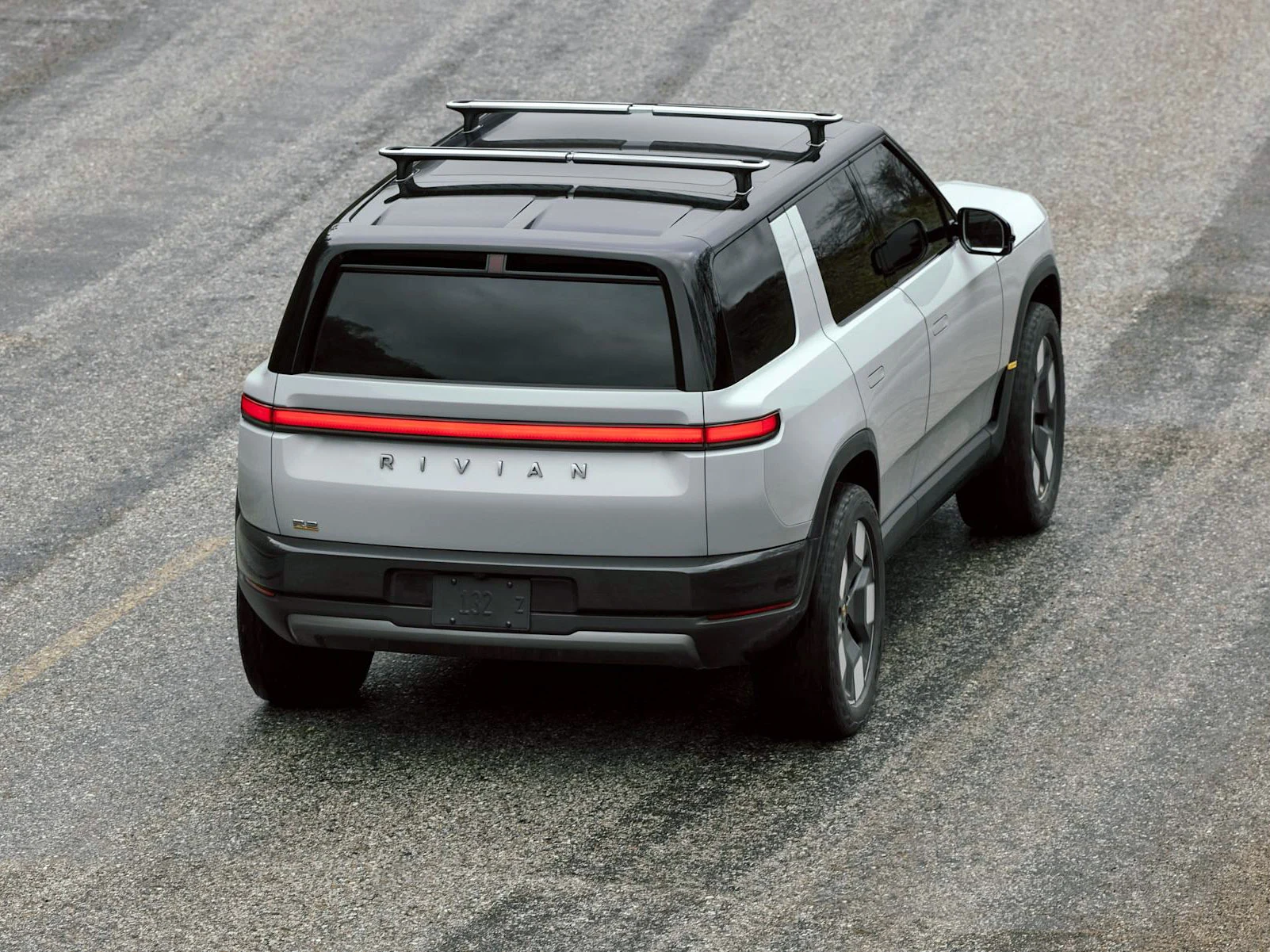
Rivian has unveiled what many consider to be its most significant vehicle to date. The R2 SUV made its debut at the SXSW expo, showcasing specifications that put Tesla’s Model Y on alert.
Pricing and Performance Details
The R2 Performance model will be the first to hit the market, starting at $57,990, closely matching the Tesla Model Y Performance. Following this are the $53,990 Premium variant and the more affordable $45,000 R2 Standard.
The highest-tier R2 variant features dual electric motors, producing an impressive 656 horsepower and boasting an estimated range of 330 miles. It can charge from 10 to 80 percent in under 30 minutes, rolls on 21-inch wheels, and is equipped with semi-active suspension along with various driving modes. The Premium version, which is set to launch later in 2026, shares the same range and all-wheel-drive system but has a powertrain delivering 450 horsepower.
Advanced Technology
On the technology front, the R2 is equipped with 200 TOPS of edge AI compute, which fuels an onboard Rivian Assistant and the Autonomy+ hands-free driving feature. This system is based on data from 3.5 million miles of roads across the US and Canada, aiming to compete with Tesla’s Full Self-Driving.
Beneath the vehicle, you’ll find LG Energy Solution’s 4695 cylindrical cells, marking the first time a US vehicle has utilized this larger format. In contrast to Tesla’s 4680 cells used in the Cybertruck, which face thermal management challenges, Rivian claims that LG’s 4695 cells provide superior energy density and better thermal performance compared to the 2170 cells found in Rivian’s R1 series.
Market Position and Future Outlook
This assertion appears accurate, as charging a Cybertruck to 80% takes longer than it does for an R2, even with the 800V architecture. This innovation in powertrain technology indicates that Rivian is not only focusing on pricing to compete with the Model Y but is also aiming to surpass it in specifications.
Regarding pricing, the entry-level R2 Standard, set to launch in 2027, will be priced at $45,000 with a single motor producing 350 hp and 355 lb-ft of torque. However, its range estimate of over 275 miles falls behind smaller competitors like the Ioniq 5 RWD, which charges at a faster rate due to its 800V architecture.
This difference is crucial because Rivian’s future may hinge on volume sales, not just specifications. The company projects adjusted pretax losses between $1.8 and $2.1 billion for 2026, while CEO RJ Scaringe considers the R2 as “an inflection point” for the company. Analysts on Wall Street estimate around 65,000 vehicle sales for 2026, with one optimistic analyst suggesting that annual demand for the R2 could eventually reach 200,000 units.
Rivian has cultivated a loyal fanbase, and its modern yet boxy design, along with well-designed interiors, has garnered positive feedback from customers. However, it remains to be seen if its reputation will be sufficient to compete with increasing rivals in the mid-size SUV market, such as the upcoming Lucid Cosmos, which is more affordable and offers quicker charging. The true test will come when R2 sales begin later this spring.
Source:
Link
Leave a Reply