Tag: Uber

  • Uber Resumes Drone Deliveries with Flytrex Partnership

    Uber Resumes Drone Deliveries with Flytrex Partnership

    Key Takeaways

    1. Uber is partnering with Israeli startup Flytrex to trial drone deliveries for Uber Eats by the end of 2025.
    2. Previous attempts at drone deliveries faced challenges, leading Uber to sell its Elevate branch, which now focuses on electric air taxis.
    3. Flytrex has experience with over 200,000 successful suburban deliveries in the U.S. and has FAA approval for drone operations.
    4. The new trials aim to provide fast deliveries, potentially under five minutes, while reducing road congestion and emissions compared to traditional delivery methods.
    5. Future drone delivery availability will depend on location, weather, and customer demand, with prices possibly differing from standard rates.


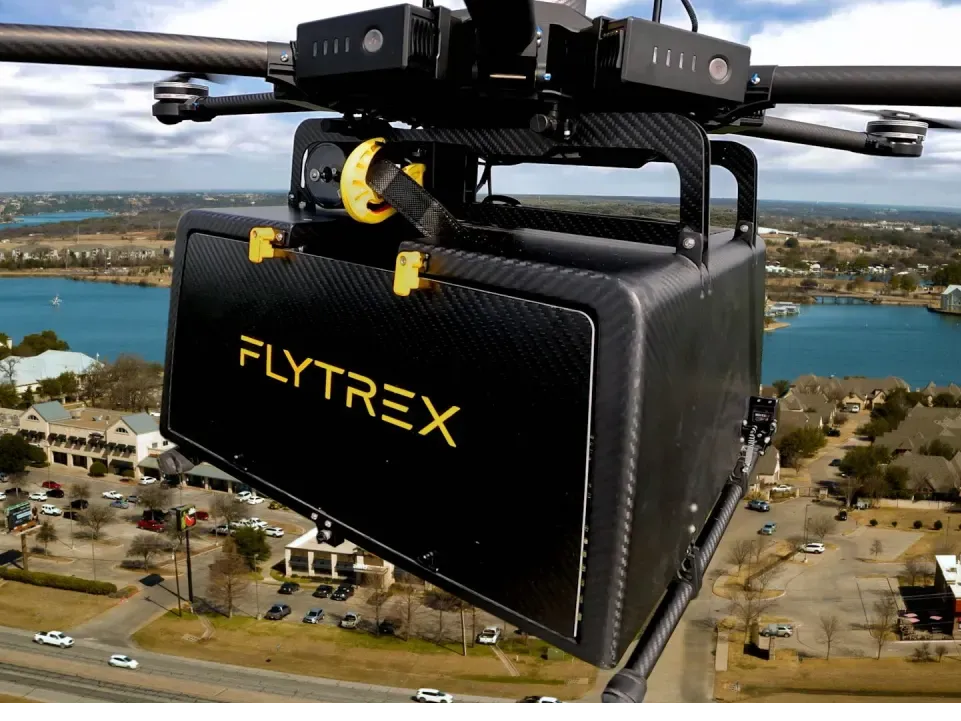
    Uber is trying drone deliveries once more, this time partnering with the Israeli startup Flytrex. The two companies aim to start trial runs for Uber Eats orders in certain U.S. areas by the end of 2025. Uber is also investing a small amount in Flytrex, though the specifics of the investment are not significant.

    Previous Attempts

    This is not the first time Uber has explored aerial deliveries. In 2019, the company tested drones through its Elevate branch, but strict laws made it hard to grow the idea. Eventually, Uber sold Elevate to Joby Aviation, which now concentrates on electric air taxis. Since then, things have changed. The FAA has started giving approvals to a few operators to fly drones Beyond Visual Line of Sight, which is crucial for wider commercial applications.

    Flytrex Experience

    Flytrex is one of those approved operators and has a track record in the U.S., having carried out over 200,000 suburban deliveries in states like North Carolina and Texas. The new trials will incorporate drones into Uber’s current delivery system, which already uses cars, bikes, couriers, and even sidewalk robots. Flytrex drones are designed to transport lighter packages, weighing up to about 3 kilograms, and can complete short routes in just a few minutes.

    In earlier operations, deliveries have sometimes reached doorsteps in under five minutes, which is the kind of speed Uber hopes will entice customers. Besides speed, the company highlights reduced road congestion and lower emissions as benefits compared to traditional ground delivery methods. Uber is also jumping back into a competitive field that includes Amazon, Walmart, and DoorDash, all testing their own drone delivery technologies. The difference now is that the tech is more dependable, regulations are slowly changing, and companies like Flytrex already have valuable hands-on experience.

    Future Prospects

    If you live in one of the initial test locations, you might soon have the option to receive smaller food orders or essentials delivered by drone. The availability of this service will depend on factors like location, weather conditions, and customer demand, and the prices may vary from standard delivery rates. What Uber discovers during these early trials will influence how quickly drones become a common part of their offerings.

    Source:
    Link


  • Lucid Secures $300M from Uber for Autonomous EV Fleet Launch

    Lucid Secures $300M from Uber for Autonomous EV Fleet Launch

    Key Takeaways

    1. Lucid has secured a $300 million investment from Uber to develop high-end self-driving electric vehicles exclusive to Uber’s ride-hailing service.
    2. The robotaxis will be based on Lucid’s electric vehicle technology, specifically the Lucid Gravity model, and are expected to be ready by 2026.
    3. The partnership combines Lucid’s vehicle design, Nuro’s Level 4 autonomous driving technology, and Uber’s fleet management expertise.
    4. Uber plans to expand its fleet to over 20,000 autonomous taxis from Lucid within the next six years.
    5. Lucid aims to create a premium offering in the autonomous vehicle market, differentiating itself from competitors like Waymo and Tesla.


    Lucid has revealed a $300 million investment from Uber as part of a strategic alliance to create and manufacture high-end self-driving electric vehicles. These robotaxis will be exclusive to Uber’s ride-hailing service.

    Development Plans

    The robotaxis will utilize Lucid’s electric vehicle technology framework, particularly the Lucid Gravity model. They will be produced at its factory located in Arizona. The initial units are anticipated to be ready by 2026, coinciding with the launch of the premium ride-hailing service in a significant US city. Uber aims to grow its fleet to over 20,000 autonomous taxis from Lucid within the next six years.

    Combining Expertise

    This collaboration will merge Lucid’s state-of-the-art vehicle design and features, including long driving ranges and luxurious amenities, with Nuro’s Level 4 autonomous driving system and Uber’s extensive fleet management skills.

    Lucid’s interim CEO, Marc Winterhoff, commented, “Lucid’s innovations and technologies are second to none, and Uber’s investment is just the latest example of a third-party validating our highly advanced technical platform. We look forward to further strengthening our close working partnership with Uber in the years to come, and continuing to explore new markets, opportunities, and partners that can best leverage Lucid’s leading technology.”

    Strategic Positioning

    Through this partnership, Lucid positions itself in a middle ground between Waymo’s dependability and Tesla’s budget-focused robotaxi initiative. Tesla began its autonomous taxi service in Texas back in June, aiming to reach half of the US population by the year’s end.

    Lucid’s approach seeks to blend advanced technology with premium service, creating a unique offering in the evolving market of autonomous vehicles.

    Source:
    Link


  • Tesla Robotaxi Launches in California, Cheaper Than Uber

    Tesla Robotaxi Launches in California, Cheaper Than Uber

    Key Takeaways

    1. Tesla has launched its Robotaxi service in Austin with initial flat fares of $4.20 and $6.90, reflecting Elon Musk’s playful pricing approach.
    2. The company introduced a dynamic pricing model for rides based on distance, making them more affordable than competitors.
    3. Tesla’s Robotaxi fares are at least 50% cheaper than Uber, especially over longer distances (e.g., $1.25 per mile for Tesla vs. $2.08 per mile for Uber).
    4. Regulatory challenges in California require Tesla to have a supervising driver for its Robotaxi service, which affects pricing and operations compared to Austin.
    5. Future expansion of Tesla’s Robotaxi service is planned for more US cities, leading to more direct fare comparisons with other ride-hailing services.


    Tesla has rolled out its Robotaxi ride-hailing service in Austin with a playful flat fee of $4.20 per ride, a nod to one of Elon Musk’s favored numbers. They then increased the geofenced area and jokingly bumped the fare to $6.90.

    Introduction of Dynamic Pricing

    Now, Tesla has launched a dynamic pricing model for its Model Y robotaxi rides based on the distance traveled, making it clear that this service will be more affordable than its rivals.

    Price Comparisons with Competitors

    Dynamic pricing for ride-hailing services can differ by city, distance, time of day, and availability of vehicles. However, initial comparisons between Tesla’s Robotaxi and Uber show that Tesla rides are at least 50% less expensive. The disparity in pricing is especially noticeable over longer distances. For example, an 11-mile journey with a Model Y robotaxi in Austin costs $13.71, which breaks down to $1.25 per mile, while a 9-mile Uber ride in the same vicinity costs $2.08 per mile, making it roughly 70% pricier.

    Direct Comparisons Highlight Savings

    In another direct comparison, a Tesla robotaxi ride was quoted at $3.12 for the same distance where the cheapest Uber option charged $7.98. This is more than twice the fare of the driverless Model Y, and an added benefit is that Tesla robotaxis do not require tips. In the Bay Area, Tesla’s geofenced robotaxi area has expanded considerably beyond Waymo’s, with charges around $2 per mile. This is higher than in Austin, where the current dynamic pricing offers rides for about $1 per mile on average.

    Regulatory Challenges in California

    The difference in pricing could stem from the need for an employee to supervise the vehicle in California, as the permit there is strictly for ride-hailing services, unlike in Austin where Model Y robotaxis are classified as Level 4 autonomous vehicles. California has more stringent rules regarding fully autonomous cars without a driver. Tesla has been in talks with the DMV to understand what it needs to do to obtain the proper permit. Authorities in California are skeptical about Tesla’s “Rodeo drivers” who are testing the limits of the company’s unsupervised driving technology on public roads, cautioning that they may be bending the rules of the autonomous vehicle permit.

    “Rodeo drivers are trained to respond at once if they think their vehicles might create a dangerous situation for themselves or other drivers,” Tesla stated. The Robotaxi service has been launched in the Bay Area with such safety personnel present in the driver’s seat, as shown in the accompanying video, even though the robotaxis are equipped with specialized unsupervised Full Self-Driving software that does not require human oversight.

    Future Expansion Plans

    Expect further comparisons between the Tesla Robotaxi and Uber ride-hailing services as the platform is set to expand into additional US cities.

    Source:
    Link


  • Uber Reaches 230,000 EVs as Electric Car Costs Decrease

    Uber Reaches 230,000 EVs as Electric Car Costs Decrease

    Key Takeaways

    1. Over 230,000 Uber drivers are now using electric vehicles (EVs), with a significant growth of 60% occurring from Q1 2024 to Q1 2025.
    2. Charging challenges remain, as only about one-third of Uber drivers in the US can charge at home; this is lower in the UK (27%) and Netherlands (13%).
    3. Uber is partnering to improve charging access for 55,000 drivers in the US and UK.
    4. The company is developing a tool to help cities identify optimal locations for public charging stations.
    5. Uber invested $6.73 million in 2022 to install 700 chargers in London, achieving usage rates double the national average.


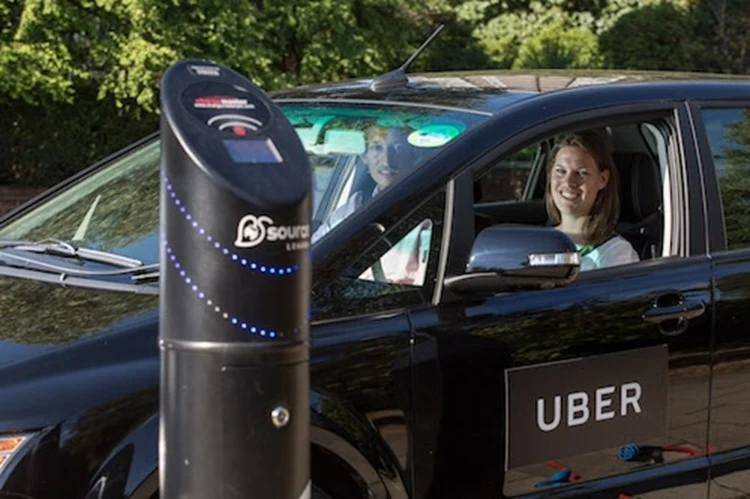
    If you’ve seen a rise in electric Uber vehicles in your area, there’s a reason behind it. A recent study has revealed that the cost of electric cars is no longer the biggest issue for Uber drivers. This information comes from Uber’s first survey in several years.

    Growth in Electric Vehicles

    According to the popular ride-sharing service, over 230,000 drivers are now using electric vehicles (EVs). A significant portion of this growth, around 60 percent, took place between the first quarter of 2024 and the first quarter of 2025, indicating a notable increase in the adoption of EVs.

    Charging Challenges

    Uber has mentioned that even though the prices of EVs are going down, drivers still encounter many challenges when it comes to charging their cars. They estimate that only about one-third of their drivers in the US have the ability to charge their vehicles at home. The situation is even worse in the UK and Netherlands, with only 27 percent and 13 percent, respectively, having home charging access.

    Solutions for Charging Access

    To address the charging issues, Uber is taking action. Rebecca Tinucci, who used to work at Tesla and is now leading Uber’s electrification efforts, has established a partnership aimed at improving charging access for 55,000 drivers in the US and UK. Furthermore, the company is creating a tool to help cities figure out the best places to install public charging stations.

    Uber is also putting money directly into electric vehicle chargers. For instance, in 2022, the company invested $6.73 million to set up 700 chargers in London, which turned out to be very successful. Some charging points reported usage rates that were double the national average.

    Source:
    Link

  • Uber to Introduce Package Theft Protection and Insurance

    Uber to Introduce Package Theft Protection and Insurance

    Key Takeaways

    1. Uber is reportedly working on safety measures for its delivery service, focusing on package protection and potential compensation for lost or damaged parcels.
    2. Code analysis of the Uber app suggests features like “Package protection” with compensation up to a certain limit, but details on the actual compensation value are unclear.
    3. Mentions of “insurance” in the app’s code hint at possible options for customers to insure their packages for added security and reimbursement eligibility.
    4. Currently, Uber does not offer insurance for parcels sent through its courier service, and users must submit claims for issues.
    5. There is no official confirmation from Uber regarding the implementation of these new features, leaving users uncertain about improvements to the delivery experience.


    Ever since Uber began its delivery service, there have been numerous complaints regarding lost or damaged parcels. Now, it seems that Uber is attempting to introduce some safety measures which may involve compensating customers. These updates were allegedly found in the code of the Uber app, but there is no official word on when or if these features will be rolled out.

    New Features in the Works

    According to an APK analysis by Android Authority, the Uber app version 4-573-10001-beta has references to “Package protection” along with a note stating that customers will receive compensation for the value of their package, up to a specific limit. The code includes a string labeled ‘%$1’, which likely serves as a placeholder, and the actual value—whether it’s fixed or a percentage—remains uncertain.

    Possible Insurance Options

    Additionally, Android Authority discovered mentions of “insurance” that link to the courier-related strings within the code. It is not yet clear if this insurance feature will be integrated into the package protection system. Nevertheless, it stands to reason that customers might need to insure their packages if they wish to have them safeguarded and to qualify for reimbursements in case of damage or theft.

    At present, Uber does not provide insurance for packages sent through its courier service, and individuals dealing with these problems are required to submit a claim. As mentioned previously, Uber has not given any official confirmation regarding these features, making it difficult to determine whether they will actually be implemented in the app for users to benefit from.

    Conclusion

    Overall, while there are hints of potential upgrades to Uber’s courier service, it’s still up in the air whether these features will materialize. Users are left waiting for clarity from Uber regarding package protection and insurance options, which could greatly enhance the delivery experience.

    Source:
    Link

  • Tesla’s In-House Robotaxi Platform Revealed by Uber CEO

    Tesla’s In-House Robotaxi Platform Revealed by Uber CEO

    Key Takeaways

    1. Tesla is seen as a direct competitor to Uber, as they declined collaboration on the robotaxi service.
    2. Uber’s CEO, Dara Khosrowshahi, remains open to future partnerships despite Tesla’s decision to develop ride-hailing services independently.
    3. Khosrowshahi highlighted the potential benefits of a partnership with Tesla to stabilize demand in the autonomous vehicle market.
    4. Tesla is actively advancing in the ride-hailing sector, including testing a mobile app for booking rides.
    5. Tesla plans to launch the two-seat Cybercab in October 2024, which will operate with Unsupervised Full Self-Driving technology.


    Uber’s CEO Dara Khosrowshahi has disclosed that Tesla will be a direct rival to his company, as Tesla declined an offer for collaboration on its forthcoming robotaxi service. According to a report by Fortune, both Khosrowshahi and Tesla’s CEO Elon Musk had several talks, but Musk firmly stated that the ride-hailing service would be developed entirely in-house.

    Competing Head-to-Head

    Khosrowshahi mentioned, “I’ve had discussions with him at this point. They want to build it alone, so in a way, in Austin, we and Waymo will be going against Tesla when they launch… Life is long, but we would love to partner with them.” This indicates that despite the competition, Khosrowshahi remains open to future collaboration.

    Strategic Partnership Appeal

    Khosrowshahi emphasized the advantages of a possible partnership with Tesla at the time of launch. He noted that Uber could help ensure a steady demand for newcomers in the autonomous vehicle (AV) market, which can often see fluctuating interest.

    Tesla’s Ride-Hailing Advancements

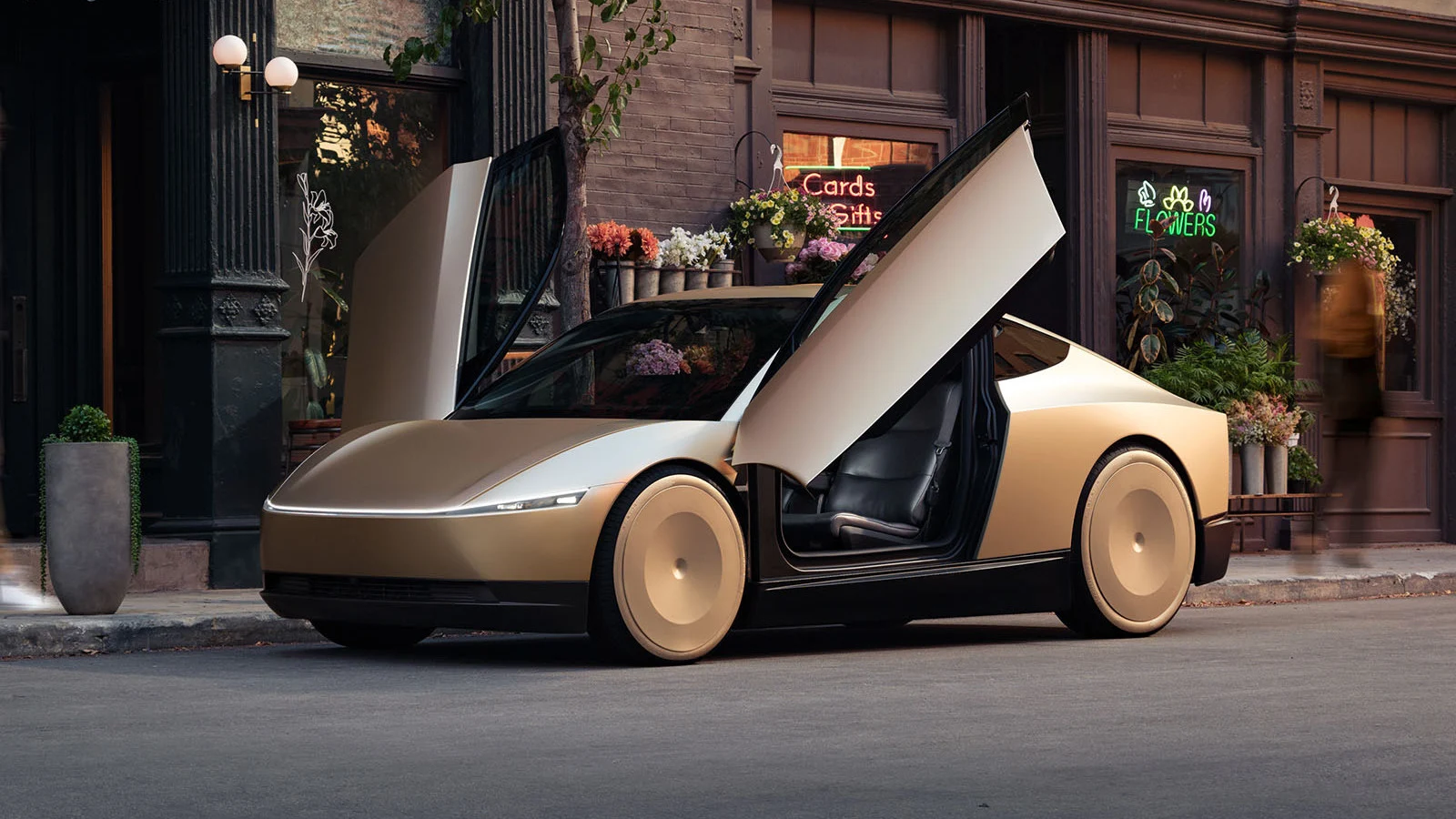
    Tesla has been advancing in the ride-hailing sector. They revealed the mobile app for booking rides during an investor call last year. Currently, the company is testing the service with its staff in California and Texas, following the introduction of the two-seat Cybercab, which lacks a steering wheel, in October 2024. This self-driving vehicle will be utilized to initiate Unsupervised Full Self-Driving (FSD) in June.

    Source:
    Link


  • California Requires Fingerprint ID for Uber Drivers Picking Up Teens

    California Requires Fingerprint ID for Uber Drivers Picking Up Teens

    Techcrunch has informed us that the California Public Utilities Commission (CPUC) has set a deadline of 30 days for Uber to follow a new law. This law requires the company to obtain fingerprint identification from drivers if it wants to keep offering rides to unaccompanied teenagers.

    Cost Implications for Uber

    Uber will have to take on the expenses related to this new requirement. Recently, the company introduced a service named Uber for Teens, which allows children aged 13 to 17 to book rides through their parents’ accounts. In the past, both Uber and Lyft successfully prevented a law that would have made it necessary for drivers to submit their fingerprints for identification in California.

    Uber’s Stance on Fingerprint Checks

    Uber has previously stated that requiring fingerprint checks might discourage potential drivers from joining the platform, arguing that its own background checks are sufficient. The company also claims that if it has to cover the costs for these fingerprint checks, it could lead to higher fares for passengers.

    Safety Measures for Transportation of Minors

    Moreover, the CPUC requires any service that transports minors to provide information on how they will ensure safety features are implemented. For its background screening, Uber relies on a third-party service called Checkr, which specializes in background checks.

  • Uber Drivers Can Earn Free Model Y and Model 3 Credits with Tesla

    Uber Drivers Can Earn Free Model Y and Model 3 Credits with Tesla

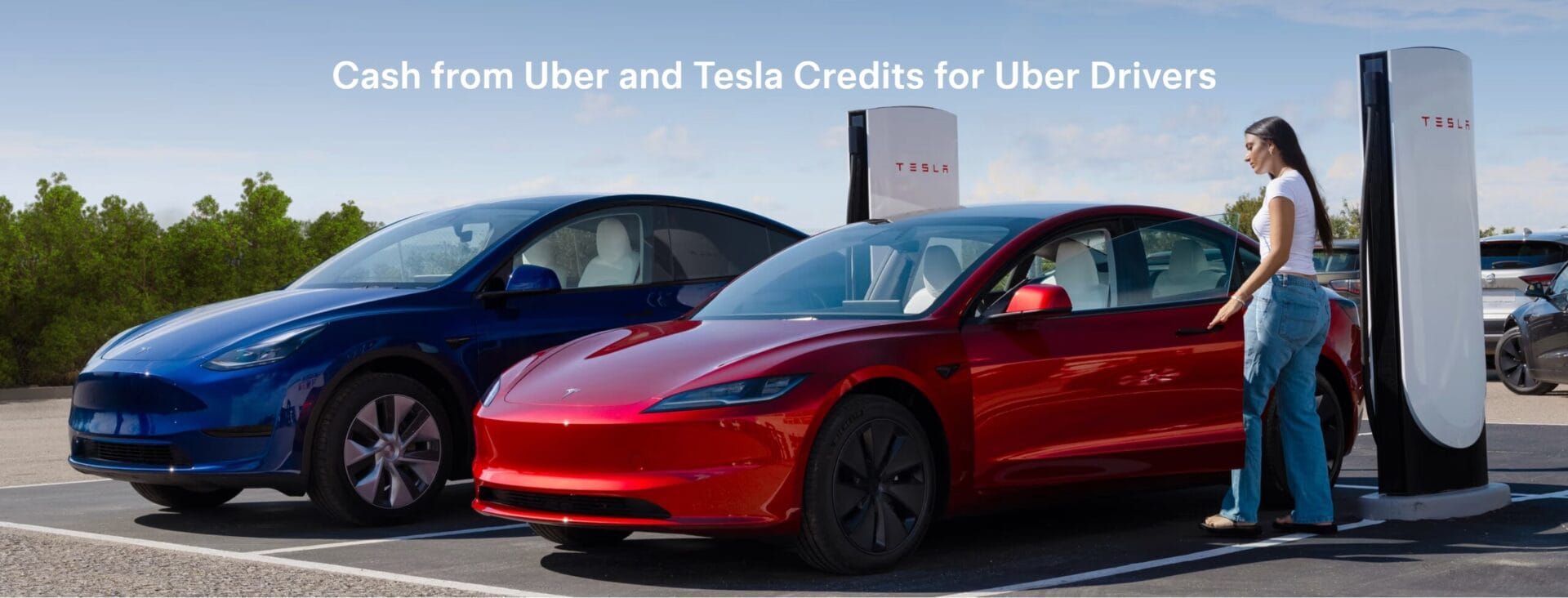
    Tesla is teaming up with Uber to offer free credits to drivers who decide to switch to a Model Y or Model 3.

    Details of the Offer

    Uber drivers who qualify will receive $1,000 in Tesla Credits when they take delivery of a new Model 3 or Model Y. Once they complete 100 Uber trips using their new Tesla, they will earn an additional $1,000 in cash.

    These Uber drivers who choose the Model Y or Model 3 can use their Tesla Credits for charging costs, services at a Tesla center, buying a new Tesla, or various accessories. It’s important for them to maintain good standing with Uber. This initiative is also beneficial for Tesla, as many Uber drivers are increasingly utilizing Tesla’s Full Self-Driving (Supervised) feature, which allows them to work longer hours with less effort.

    Impact on Driving Data

    As more Uber drivers adopt the Model Y or Model 3, the number of miles logged with Full Self-Driving (FSD) will grow significantly. This data will be valuable for Tesla in its regulatory filings. The company is working hard to persuade state authorities that FSD is safer than human drivers, which is crucial for the approval of their upcoming Robotaxi service for use on city streets. Tesla aims to achieve this milestone in the upcoming quarters, allowing for the introduction of unsupervised FSD.

    By doing so, Tesla plans to enable Model Y and Model 3 owners to participate in its emerging Cybercab ride-share platform, providing demonstration rides to test the service while waiting for the Robotaxi launch.

    Challenges Ahead

    However, Tesla will need to accumulate a significant amount of distance covered using FSD and ensure a notable increase in safely driven miles before receiving approval for unsupervised FSD in urban areas. One effective way to reach these targets is to encourage Uber drivers to purchase Model Ys or Model 3s, knowing they will likely be motivated to use FSD.

    This strategy explains the newly created section for Uber drivers on Tesla’s website, where they can find an offer of up to $2,000 in free credits toward the purchase of a Model Y or Model 3.

    Despite Uber’s CEO expressing skepticism about the profitability of Tesla’s ride-share model, particularly concerning a driverless Robotaxi, Tesla is tackling the challenge another way—by incentivizing Uber drivers to select its vehicles and accumulate FSD miles.