Tag: Lucid Gravity

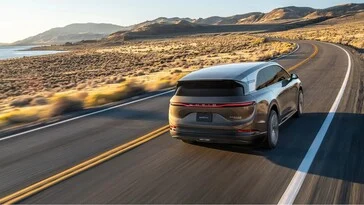
  • Lucid Launches Affordable Gravity SUV with 1000V Charging Efficiency

    Lucid Launches Affordable Gravity SUV with 1000V Charging Efficiency

    Key Takeaways

    1. Lucid is targeting a budget-friendly market with its new Gravity line, priced $15,000 lower than the Grand Touring model.
    2. The Gravity Touring starts at $79,990 and offers a range of 337 miles, with a 0-60 mph acceleration in four seconds.
    3. It features a 1000V charging system that allows for 200 miles of range in just 15 minutes at a V4 Supercharger.
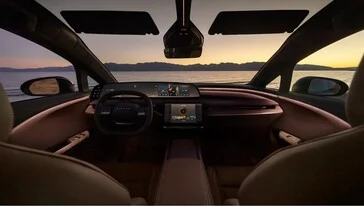
    4. The luxurious interior includes a 34-inch OLED display, 18-way front massage seats, and multiple power outlets.
    5. The Gravity Touring offers a family-friendly 7-seat configuration and ample cargo space, with customizable options for wheels and colors.


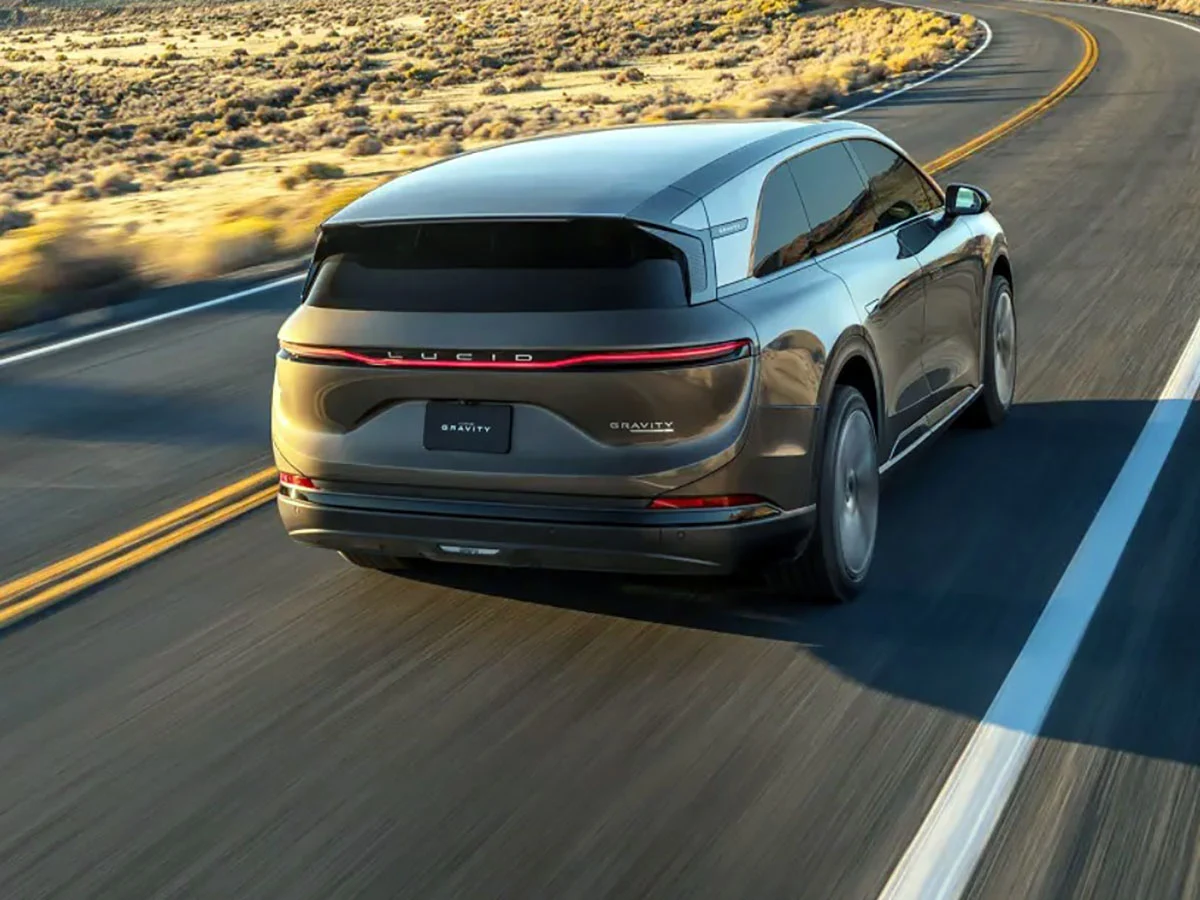
    Lucid has begun to target a more budget-friendly market with its Gravity line, aligning with its earlier commitments, and making the most energy efficient electric SUV in the United States more accessible.

    Pricing Details

    Although it isn’t a direct rival to the sub-$50,000 Tesla Model Y, the newly introduced Gravity trim is priced at $15,000 lower than the original Grand Touring model. The Gravity Touring starts at $79,990, which is the same price as the Lucid Air Touring sedan, and it is powered by the identical 89 kWh “Long Range” battery from Lucid.

    Performance and Range

    Even though the battery capacity might seem a bit on the lower side, Lucid takes pride in its ability to create the most efficient electric drive train available in the US, achieving an impressive 5 miles of range for each kWh in the RWD Air Pure model. The Gravity Touring boasts a range of 337 miles, which is quite good for a larger AWD SUV, especially when compared to the Tesla Model X. The dual-motor setup provides a combined output of 560 HP, enabling the Gravity Touring to sprint from 0 to 60 mph in just four seconds. For reference, the AWD Model X can do it in 3.8 seconds but costs $20,000 more and charges at a slower rate than the Lucid.

    Charging and Interior Features

    The Gravity Touring comes equipped with Lucid’s custom 1000V charging system, which allows drivers to add up to 200 miles of range in just 15 minutes at a V4 Supercharger, thanks to its native NACS port. The luxurious interior, characteristic of higher trims from Lucid, is also present in the Gravity Touring. It features a 34-inch Clearview Cockpit 6K OLED display, 18-way front massage seats available in six premium leather options, a top-notch audio system, and several 100W USB-C and 120V power outlets.

    Family-Friendly Options

    For families, the new Gravity Touring offers a 7-seat configuration, which includes two full-size seats in the third row that can fold flat, similar to the second row. The expansive frunk provides 8.1 cubic feet of storage or seating space, while the trunk can accommodate 120 cubic feet of cargo. Buyers can choose from five wheel types and a selection of six exterior and five interior colors to suit their preferences.


    Source:
    Link


  • Lucid Secures $300M from Uber for Autonomous EV Fleet Launch

    Lucid Secures $300M from Uber for Autonomous EV Fleet Launch

    Key Takeaways

    1. Lucid has secured a $300 million investment from Uber to develop high-end self-driving electric vehicles exclusive to Uber’s ride-hailing service.
    2. The robotaxis will be based on Lucid’s electric vehicle technology, specifically the Lucid Gravity model, and are expected to be ready by 2026.
    3. The partnership combines Lucid’s vehicle design, Nuro’s Level 4 autonomous driving technology, and Uber’s fleet management expertise.
    4. Uber plans to expand its fleet to over 20,000 autonomous taxis from Lucid within the next six years.
    5. Lucid aims to create a premium offering in the autonomous vehicle market, differentiating itself from competitors like Waymo and Tesla.


    Lucid has revealed a $300 million investment from Uber as part of a strategic alliance to create and manufacture high-end self-driving electric vehicles. These robotaxis will be exclusive to Uber’s ride-hailing service.

    Development Plans

    The robotaxis will utilize Lucid’s electric vehicle technology framework, particularly the Lucid Gravity model. They will be produced at its factory located in Arizona. The initial units are anticipated to be ready by 2026, coinciding with the launch of the premium ride-hailing service in a significant US city. Uber aims to grow its fleet to over 20,000 autonomous taxis from Lucid within the next six years.

    Combining Expertise

    This collaboration will merge Lucid’s state-of-the-art vehicle design and features, including long driving ranges and luxurious amenities, with Nuro’s Level 4 autonomous driving system and Uber’s extensive fleet management skills.

    Lucid’s interim CEO, Marc Winterhoff, commented, “Lucid’s innovations and technologies are second to none, and Uber’s investment is just the latest example of a third-party validating our highly advanced technical platform. We look forward to further strengthening our close working partnership with Uber in the years to come, and continuing to explore new markets, opportunities, and partners that can best leverage Lucid’s leading technology.”

    Strategic Positioning

    Through this partnership, Lucid positions itself in a middle ground between Waymo’s dependability and Tesla’s budget-focused robotaxi initiative. Tesla began its autonomous taxi service in Texas back in June, aiming to reach half of the US population by the year’s end.

    Lucid’s approach seeks to blend advanced technology with premium service, creating a unique offering in the evolving market of autonomous vehicles.

    Source:
    Link


  • Tesla Pushes Owners to Upgrade for Robotaxi as Uber Launches SUV

    Tesla Pushes Owners to Upgrade for Robotaxi as Uber Launches SUV

    Key Takeaways

    1. Tesla is encouraging individuals interested in its Robotaxi platform to upgrade to newer vehicles to access the service.
    2. The current pilot robotaxi service in Austin uses Tesla’s Model Y SUVs, but plans to allow vehicle owners to participate starting next year.
    3. Only vehicles with Full Self-Driving (FSD) feature and hardware version 4 or newer will be eligible for the Robotaxi platform.
    4. Uber is enhancing its robotaxi offerings by partnering with Lucid to acquire 20,000 Gravity SUVs equipped with Nuro’s autonomous driving technology.
    5. Tesla faces increasing competition in the robotaxi sector, with differing strategies on autonomous vehicle technology between Tesla and its rivals like Uber and Waymo.


    Tesla has begun sending out notifications to individuals who expressed interest in its Robotaxi ride-sharing platform, encouraging them to consider upgrading to a newer vehicle to benefit from the service.

    Current Operations

    At present, Tesla runs a pilot robotaxi service in Austin, Texas, using Model Y SUVs that are owned and operated by the company itself for this trial.

    Future Plans

    However, starting next year, Tesla plans to allow vehicle owners to use the Robotaxi platform. Based on the Austin pilot, it appears that only those with the Full Self-Driving (FSD) feature using hardware version 4 or newer will be eligible, which is the reason for the upgrade notifications.

    After Tesla’s announcement to broaden the robotaxi service area in Austin, Waymo responded similarly. Now, Uber, which operates a robotaxi service utilizing Waymo’s vehicles, has partnered with premium electric vehicle manufacturer Lucid to enhance its offerings.

    Major Developments

    Uber plans to acquire at least 20,000 Gravity SUVs from Lucid, which will come equipped with Nuro’s autonomous driving technology right from the factory. This represents a significant intensification in the competition for robotaxi services, and Tesla’s upgrade notifications could be a strategy to quickly expand its driverless vehicle fleet in response to rivals like Uber.

    One of Tesla’s advantages is its ability to utilize the standard HW4 computer and cameras that are included with its newer models, potentially allowing for a swift transition of many vehicles into the robotaxi fleet all at once. Conversely, Uber’s Lucid Gravity SUVs will feature Nuro’s autonomous driving tech, which is more streamlined than Waymo’s but still necessitates retrofitting.

    Industry Perspectives

    While competing autonomy companies acknowledge that Elon Musk’s camera-only approach may facilitate faster learning and scaling, they tend to favor a more cautious method that includes additional sensors and safety redundancies. The outcome of these differing strategies is yet to be determined, but Tesla is facing increasing competition in the robotaxi sector just as it plans to expand into more cities in the U.S. and incorporate owners’ cars into its fleet.

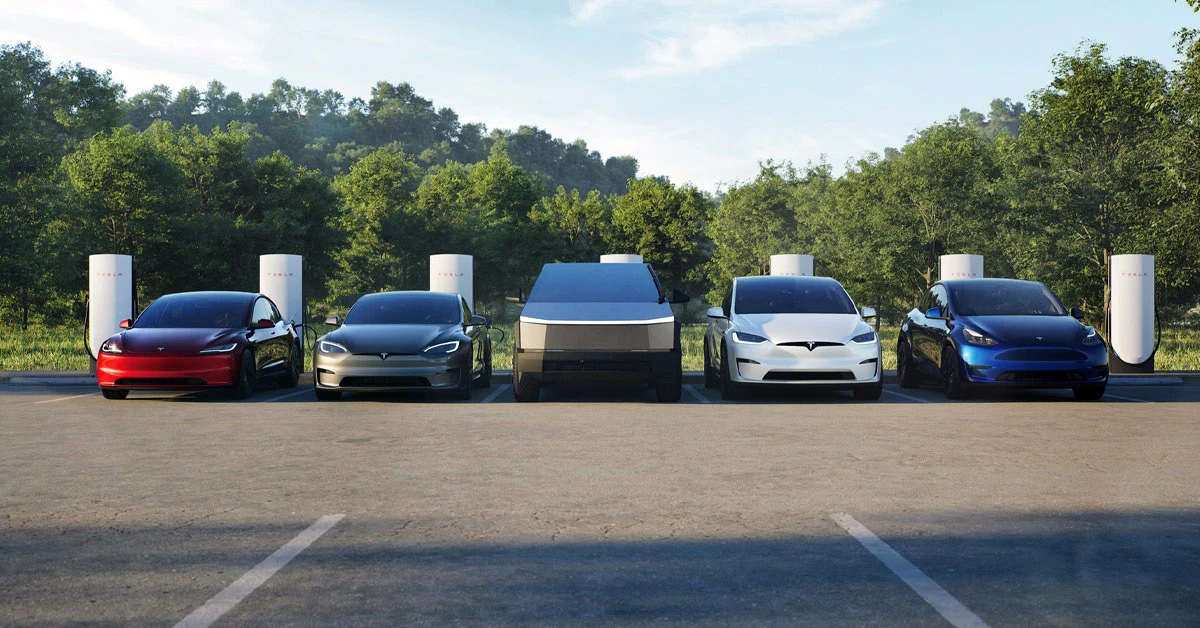
    Uber’s collaboration with Lucid and Nuro is set to launch on public roads by 2026, coinciding with Tesla’s anticipated introduction of the Cybercab two-seater into its robotaxi fleet. However, Tesla currently lacks a true three-row SUV in its lineup, meaning it won’t be fully equipped to compete with Uber’s driverless Lucid Gravity vehicles when they are deployed.

    Source:
    Link


  • Lucid to Boost Electric Gravity SUV Deliveries by April 2025

    Lucid to Boost Electric Gravity SUV Deliveries by April 2025

    Key Takeaways

    1. Lucid will start shipping Gravity SUVs to more reservation holders by late April 2025.
    2. Public test drive and showroom display vehicles for the Gravity are nearly ready, with regular deliveries expected to begin in April.
    3. Production of the Gravity SUV began in 2024 in Arizona, with initial deliveries to employees and close contacts.
    4. The Gravity SUV features seating for seven, starts at $96,550, offers up to 828 hp, and has a driving range of 450 miles.
    5. A more affordable Touring version of the Gravity SUV is planned for release before the end of 2025.


    Customers who are not linked to Lucid will soon begin receiving their orders for the Gravity SUV. Interim CEO Marc Winterhoff shared on LinkedIn that the electric vehicle startup plans to start shipping units to more reservation holders by late April 2025.

    Update on Gravity Program

    Winterhoff gave an update regarding the Gravity program, mentioning that public test drive and showroom display vehicles are nearly ready. Regular deliveries are expected to start in April. “We have almost finished building vehicles for studios and test drives, and we anticipate they will start arriving at our locations throughout the US in April. For those early customers eagerly waiting for their Lucid Gravity delivery, we intend to begin delivering more vehicles by the end of April.”

    Production and Launch Details

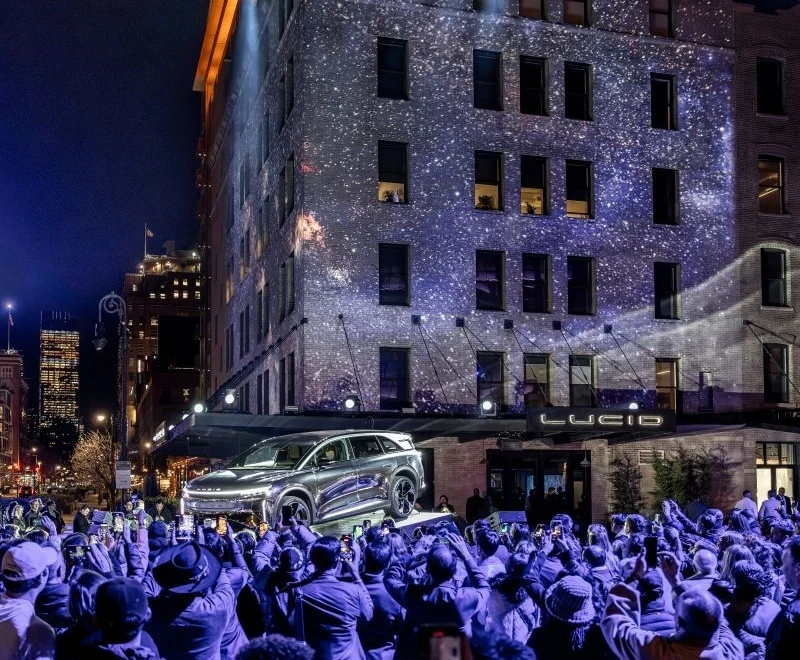
    The electric SUV began production in 2024 in Arizona, with the first deliveries going to employees and others closely connected to the company. Lucid is set to hold a press launch for the vehicle in April.

    The Gravity SUV, which seats seven, is Lucid’s second model following the Air sedan. It comes in the Grand Touring trim, starting at a price of $96,550, and offers impressive specs with up to 828 hp and a driving range of 450 miles. The SUV will be equipped with Tesla’s NACS port, allowing it to utilize the Supercharger network across the US. Additionally, the automaker plans to introduce a more affordable Touring version before the end of 2025.

    Source:
    Link

  • Tesla Cars Feature Rear Charging Port Inspired by Elon Musk’s Garage

    Tesla Cars Feature Rear Charging Port Inspired by Elon Musk’s Garage

    Elon Musk had concerns about potentially tripping over the Model S charging cable in his rented garage if the NACS port was positioned at the front left of the vehicle, as was initially planned. As a result, he directed Tesla’s engineers to relocate the port to the rear.

    A Lesson from Steve Jobs

    This incident, where Elon made a decision based on personal convenience, mirrors some of the leadership styles of Apple’s Steve Jobs. It was shared by Rawlinson, the CEO of Lucid, who previously served as a lead engineer at Tesla before pursuing his vision for electric vehicles.

    Lucid’s Innovations

    Since then, Rawlinson has demonstrated his skills by designing some of the most luxurious and efficient electric cars available, including the new Gravity SUV. This model can travel 40% farther on a single charge compared to Tesla’s Cybertruck, using the same battery capacity.

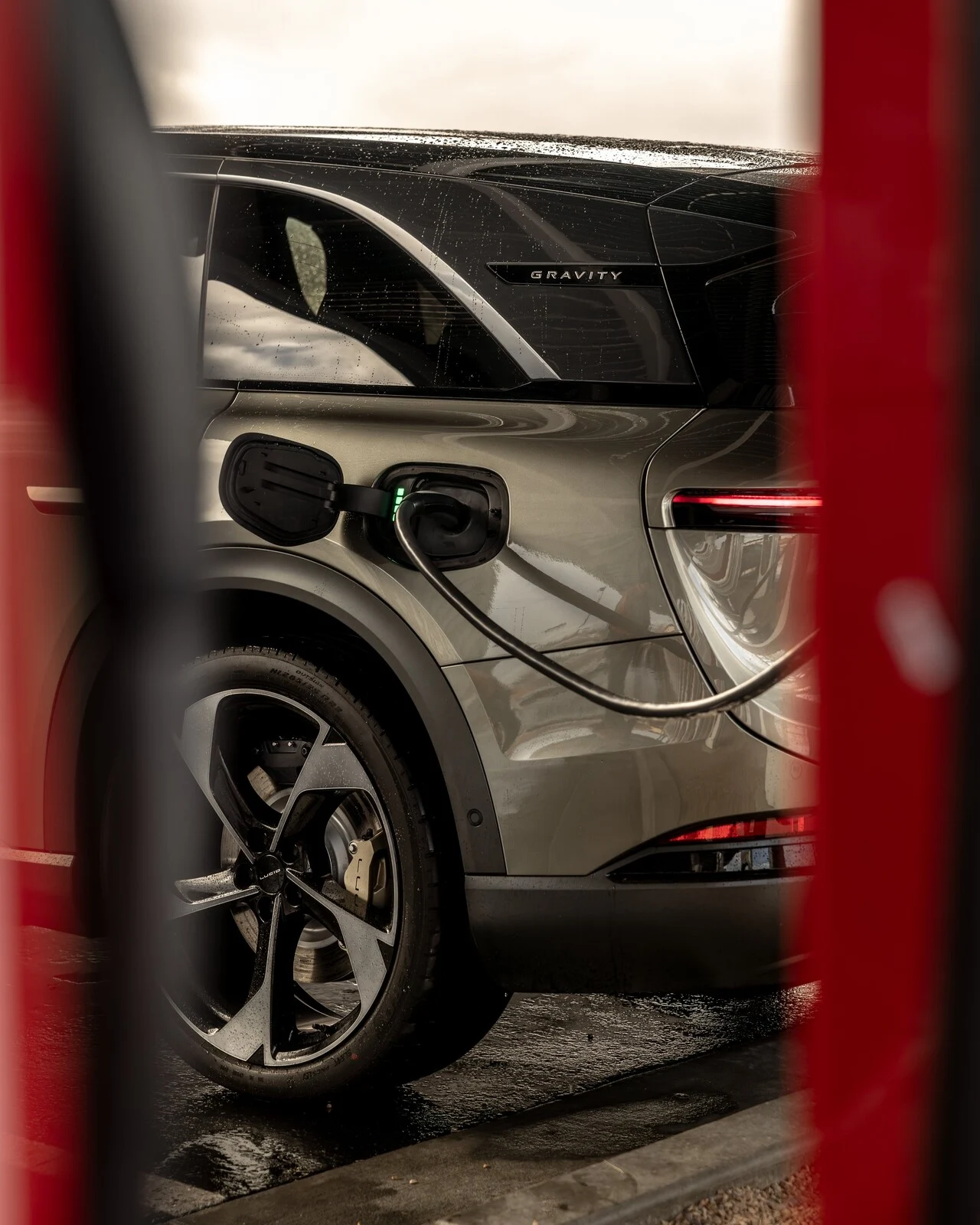
    The Gravity also became the first non-Tesla vehicle equipped with a NACS charging port that gained access to the Supercharger network. Interestingly, Lucid positioned the port at the rear left corner, allowing the relatively short cable from the V3 Superchargers to easily reach it.

    Charging Port Controversy

    Initially, Rawlinson advocated for placing the Model S charging port at the front, reasoning that many Americans do not typically back into parking spots as Europeans are taught to do. For the front placement, Tesla’s engineers selected a location between the wheel well and the driver’s door to avoid the need for the driver to walk around the car to plug it in.

    They opted against placing the charging port directly under the brand logo at the front, as that area is susceptible to damage, and even minor collisions could disable the port.

    Elon Musk, however, was not in favor of the front location, expressing concerns about tripping over the charging cable in the garage of his rented home in Los Angeles.

    He insisted on the rear placement, saying it was due to his fear of tripping over the cable. Even though he was renting the house and didn’t own it, the decision resulted in the Model S having its charge port on the left rear, influenced by the setup of Musk’s temporary garage in Bel Air. Consequently, every Tesla charger nationwide requires backing into the spot since the charge port is at the rear, which some find quite odd. Now, Lucid has also placed its charging port on the left rear of the Gravity to ensure compatibility.

    As most major electric vehicle manufacturers gain access to the Supercharger network, and the Tesla NACS ports become the standard for charging, it’s likely that rear port placements will continue to be the norm. This is happening even while Tesla is launching upgraded V4 stations, which not only provide more power but also feature longer cables that extend outside the charging station.

    Source:
    Link

  • Lucid Beats Tesla in Charging Speed: Cybertruck vs Gravity

    Lucid Beats Tesla in Charging Speed: Cybertruck vs Gravity

    Lucid’s latest SUV, the Gravity, isn’t just the electric SUV with the longest range; it might also be the fastest to charge when it connects to Tesla’s Supercharger network later this week.

    Tesla’s Upgrade

    Tesla recently shared that all V4 Superchargers in North America have been enhanced to deliver a charging output of 325 kW. This specific number appears to have been selected as the highest that the Cybertruck, which is the only vehicle equipped with a modern 800V powertrain, can currently manage.

    Early tests with the Cybertruck at the new 325 kW Superchargers showed average results since this peak speed couldn’t be maintained for more than a few minutes. The charging rate quickly dropped off, and the electric pickup took only 90 seconds less to recharge than it would at a 250 kW V3 Supercharger.

    Issues with Battery Technology

    The problem seems to stem from the 4680 battery, which has a reputation for poor charging performance. While it’s not as bad as the first generation seen in some Model Y vehicles, it’s still an issue that Tesla has been trying to resolve with a recent over-the-air update for the Cybertruck.

    On the flip side, Lucid collaborated with Panasonic to modify its newest battery generation for the Gravity SUV, equipping it with a 926V powertrain. This has resulted in an electric SUV that boasts a range of 450 miles on a charge from the same 123 kWh battery that allows the Cybertruck to achieve 320 miles, plus it supports ultrafast 400 kW charging.

    Impressive Charging Capabilities

    The Gravity can gain 200 miles of range in just 12 minutes at Tesla’s V4 Superchargers. In contrast, the Cybertruck can only add 150 miles in 15 minutes due to Tesla’s recent OTA charging improvement, making it hard for the Cybertruck to match the Gravity’s performance.

    Additionally, Lucid has made the Gravity the first non-Tesla vehicle to come with an integrated NACS charging port, allowing it to utilize Superchargers directly. Therefore, the first charging comparisons between the Cybertruck and Gravity after the 325 kW V4 upgrade—which is expected to reach 500 kW later this year—should be coming soon.

    Tesla and Lucid are competing in an exciting electric vehicle market, and it’s clear that both companies are pushing the boundaries of what’s possible in terms of range and charging speed.

    Source:
    Link

  • Lucid Gravity: Longest Range SUV Beats Rivian and Tesla with NACS

    Lucid Gravity: Longest Range SUV Beats Rivian and Tesla with NACS

    Lucid’s Air Pure sedan has recently been recognized as the most efficient electric vehicle available for sale, managing to deliver over 500 miles of range with just an 84 kWh battery.

    Comparing with Tesla

    In comparison, the Tesla Model S AWD holds the title for the longest driving distance on a single charge, with an official EPA estimate of 402 miles, but it utilizes a larger 100 kWh battery.

    Innovative Technology

    Lucid attributes the remarkable efficiency of its electric vehicles to its cutting-edge drivetrain and lightweight electric motors, which are designed for optimal energy conversion. This is supported by the performance of the new Gravity SUV, which features integrated drive units that produce 670 horsepower while weighing only 74 kg (163 pounds).

    The EPA has just published the official range estimate for the Gravity, surpassing Lucid’s own internal prediction of 440 miles. Now, the Lucid Gravity is listed as the electric SUV with the longest range in the EPA’s records, capable of traveling 450 miles on a single charge from its relatively compact battery pack.

    Efficiency in Design

    Lucid’s Rowlinson stated that having a "smaller, lighter, and higher technology battery pack means fewer precious metals and minerals, less energy to charge, less electricity consumed, less pressure upon the grid, and a lighter weight and more dynamic vehicle." Their claims seem to hold true based on the performance of the Gravity.

    The Rivian R1T follows as the second-best electric SUV for range, reaching 420 miles but requiring a massive nearly 150 kWh battery pack.

    Future Prospects

    Currently, Lucid is delivering the more premium AWD GT version of the Gravity, and there’s a strong possibility that the more affordable Touring model could achieve even greater distances if it employs the same battery pack when it arrives in dealerships in 2025.

    The Gravity utilizes a modern and efficient 900V powertrain setup, allowing for the addition of 200 miles of range within just 15 minutes at Tesla’s new Superchargers equipped with V4 cabinets.

    Indeed, the Gravity is among the first electric vehicles produced by third-party manufacturers to feature Tesla’s NACS port, conveniently located on the left rear side.

    Source: Link