Category: EV vehicles

  • Most Powerful Porsche Ever Features Wireless Charging Like Tesla

    Most Powerful Porsche Ever Features Wireless Charging Like Tesla

    Key Takeaways

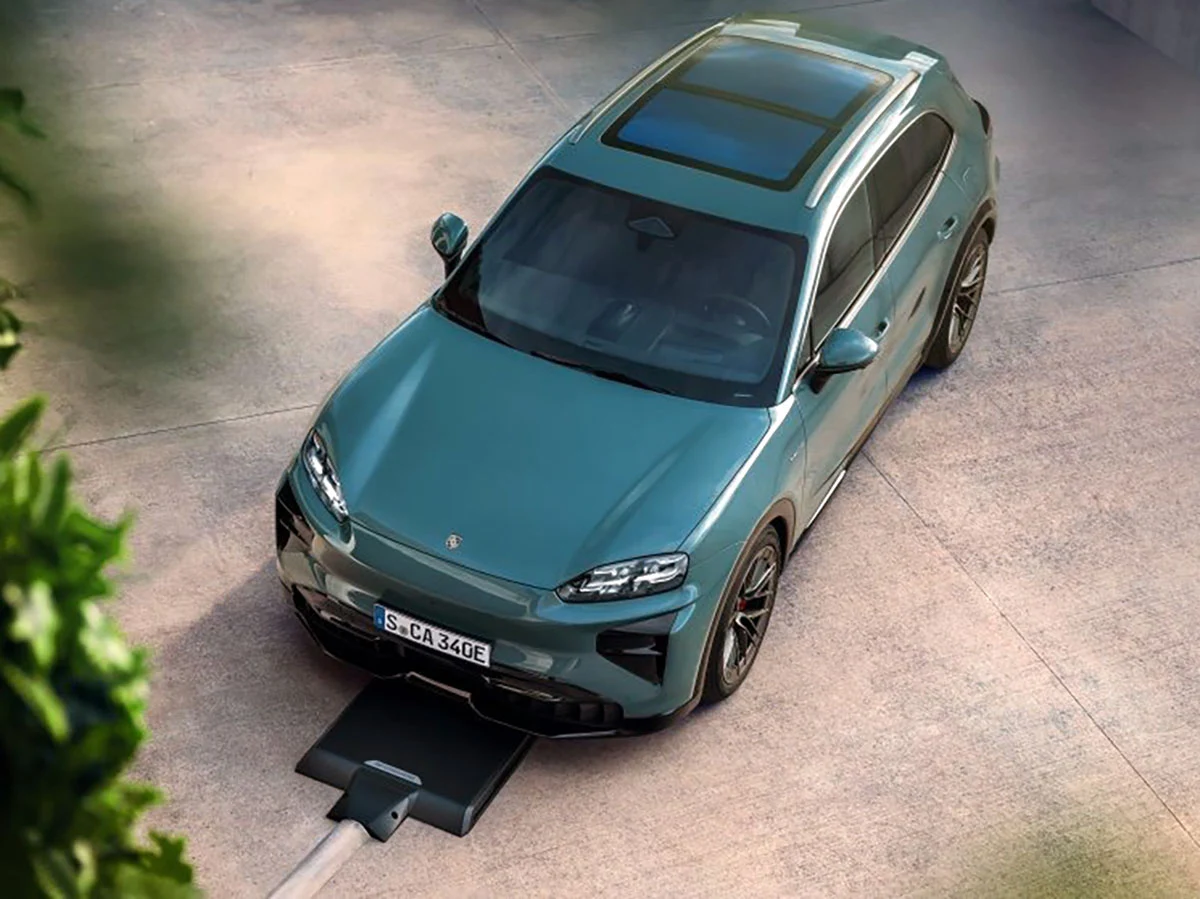
    1. The 2026 Porsche Cayenne features an innovative wireless charging system, allowing it to charge at home without plugging in, simply by driving over a charging pad.

    2. Porsche is the first manufacturer to offer one-box wireless charging for electric vehicles, enabling easy installation of the charging pad without a wall box.

    3. The electric Cayenne is the most powerful Porsche yet, with the Turbo trim delivering up to 1,139 HP and a range of 315 miles from its 113 kWh battery.

    4. The SUV can accelerate from 0 to 60 mph in just 2.4 seconds, supports a maximum charging rate of 400 kW, and features advanced driving technologies like air suspension and rear-wheel steering.

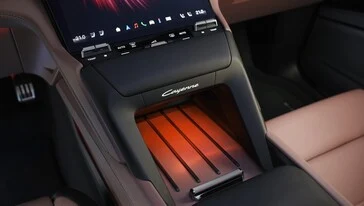
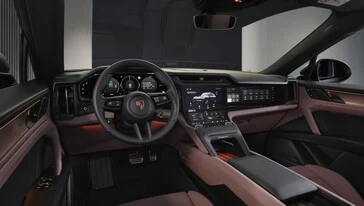
    5. The luxurious interior includes heated components, a panoramic glass roof, multiple OLED displays, and will be available in the US starting at $111,000, with the Turbo trim priced around $165,000.


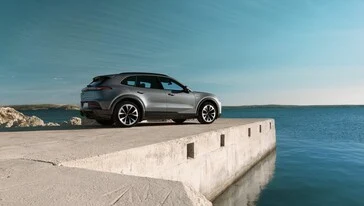
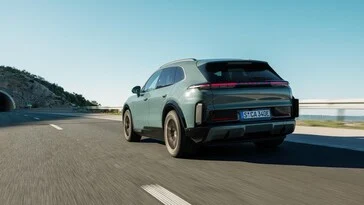
    Porsche has revealed its inaugural electric Cayenne SUV, confirming that it will indeed boast a unique EV feature: wireless charging.

    Innovative Charging Feature

    The 2026 Porsche Cayenne allows charging at home without plugging it in. Instead, it can simply drive over a charging pad, lower itself down automatically, and start replenishing its battery. The Porsche Wireless Charging system is an optional add-on priced at $6,000, featuring a secure inductive plate placed between the front wheels.

    First of Its Kind

    Porsche stands as the first car manufacturer to provide one-box wireless charging for its electric vehicles. This means that homeowners can install the pad in an open garage or parking space without needing to mount a wall box or controller; they just need to connect it to the main power supply.

    The wireless charging for the Porsche Cayenne operates at a speed of 11 kWh with a 90% transfer efficiency. Additionally, both the pad and plate come equipped with various safety features that can halt charging if any small animal or metallic object is detected on the pad.

    Performance and Specifications

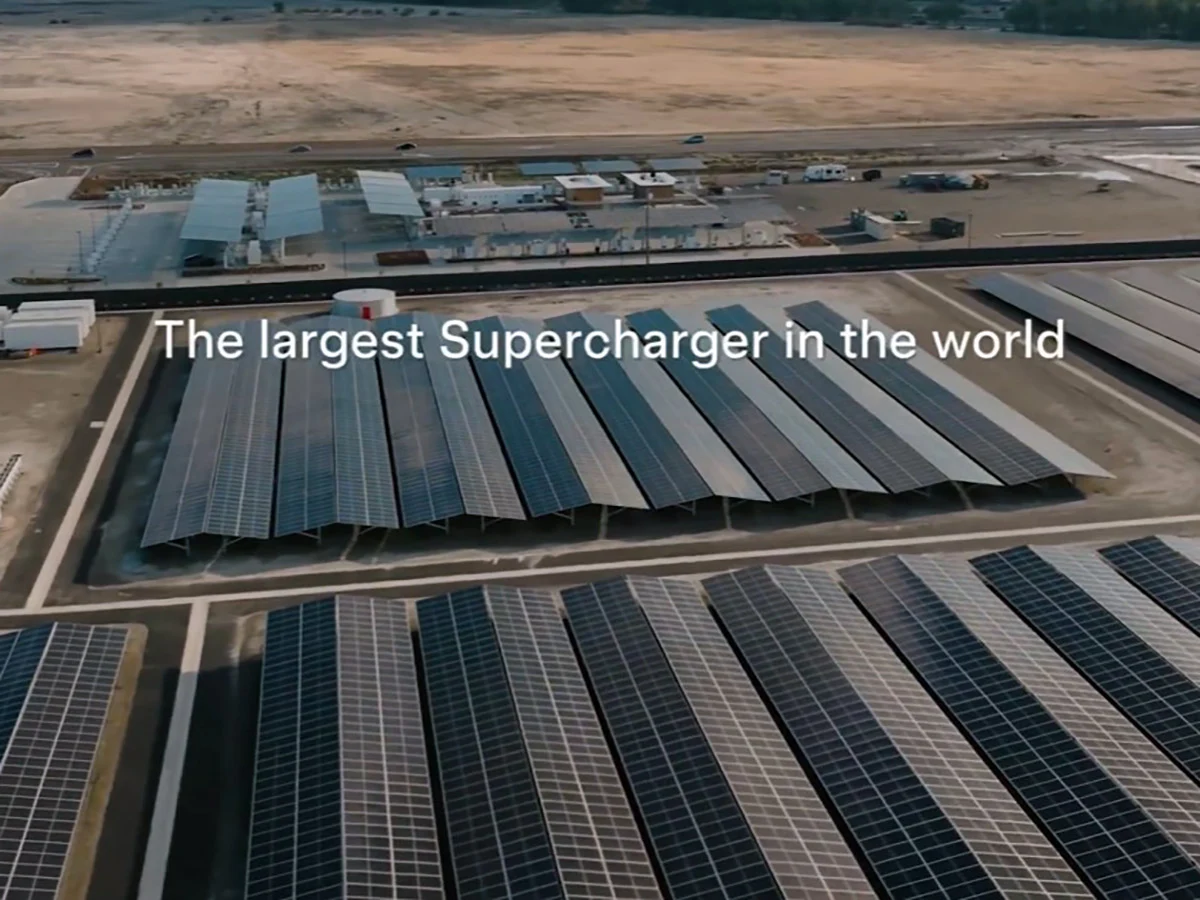
    The 2026 electric Cayenne is the most powerful Porsche to date, with the Turbo trim offering up to 1,139 HP. It comes with a 113 kWh battery that provides a range of 315 miles and can recharge from 10% to 80% in just 16 minutes when using a Tesla V4 Supercharger, supporting a maximum charging rate of 400 kW.

    Accelerating from 0 to 60 mph takes merely 2.4 seconds, while the top speed is capped at 162 mph. True to Porsche’s reputation, the new SUV includes numerous comfort and driving features, like air suspension that automatically lowers the vehicle over the wireless pad for charging, as well as 5° rear-wheel steering and the Porsche Active Ride sports system, which is making its debut on a Cayenne.

    Luxurious Interior

    On the inside, the electric SUV is equipped with heated components all around, including the seats and door panels. The panoramic glass roof comes with adjustable transparency. The center console features a curved OLED panel, while the instrument cluster is a 14-inch OLED display, complemented by a 15-inch passenger screen and an augmented reality unit that can present a virtual 87-inch display up to 30 feet ahead of the vehicle.

    Porsche plans to launch its first electric Cayenne, featuring optional wireless charging, in the US next summer, with prices starting at $111,000. The Turbo trim with 1,139 HP will cost around $165,000. The wireless charging system will also be available at that time. By then, Tesla is expected to have introduced its Cybercab as part of its Robotaxi platform, providing its own version of wireless charging for comparison.

    Source:
    Link


  • Tesla Introduces Live Supercharger Pricing to Reduce Congestion

    Tesla Introduces Live Supercharger Pricing to Reduce Congestion

    Key Takeaways

    1. Tesla has introduced dynamic pricing for Superchargers based on station busyness, affecting over 550 locations in the U.S.
    2. The new pricing model aims to reduce congestion by encouraging drivers to use less busy charging stations.
    3. Customers experience fewer peak rates, and average costs at Supercharger stations have not significantly changed.
    4. Charging rates are fixed once a vehicle is plugged in, even if the station becomes busier.
    5. Drivers can only benefit from lower prices by unplugging and reconnecting their vehicle; Tesla is seeking customer feedback on this system.


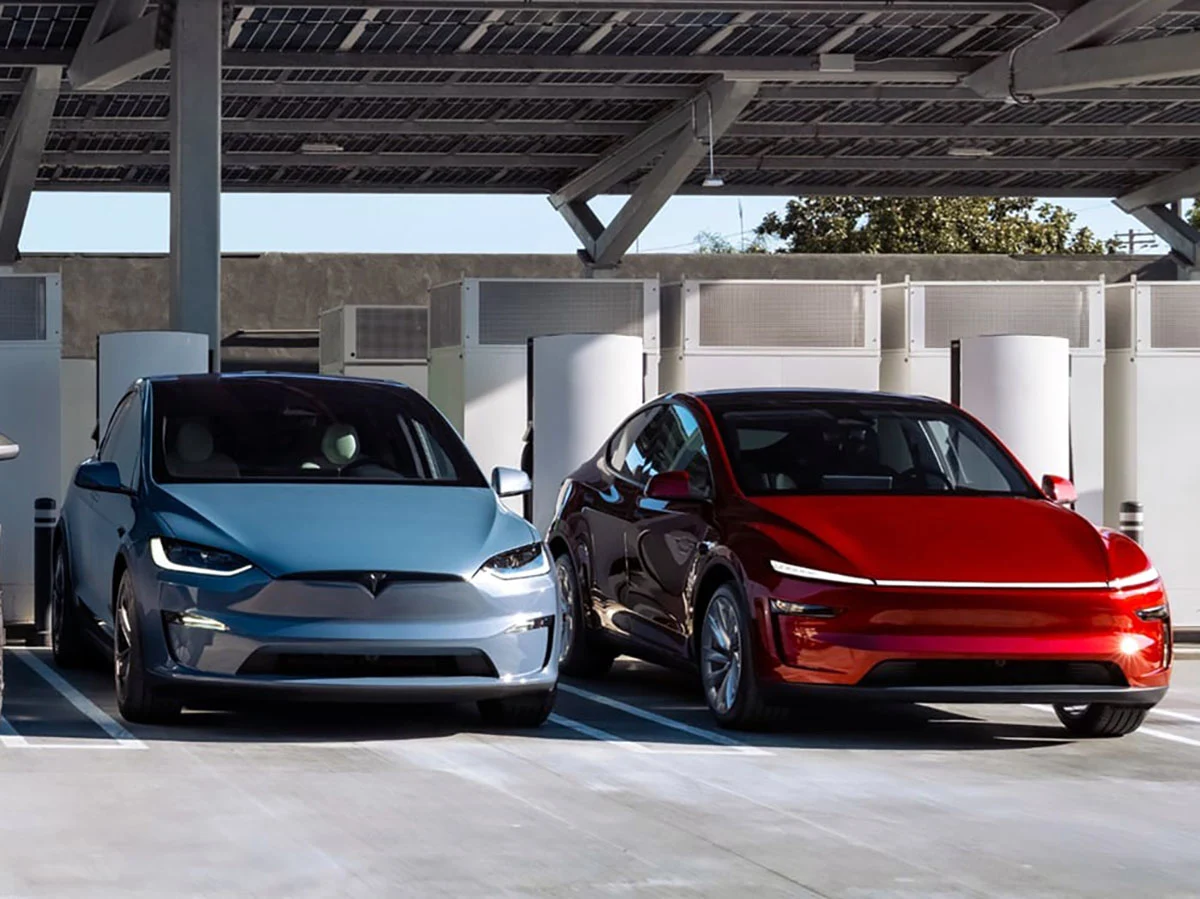
    Tesla is changing its Supercharger pricing system. Instead of relying solely on the time of day, they have launched dynamic pricing at over 550 locations in the United States.

    New Pricing Model

    In states like Florida, California, New Jersey, Illinois, and New York, the Supercharger prices now depend on how busy the station is, rather than just the clock. Many drivers prefer to charge their cars at home and use Superchargers mainly for long trips, making the old time-of-day pricing less appealing for most users.

    Successful Pilot Program

    Earlier this year, Tesla tested this dynamic pricing at a few stations, and it seems to have worked well. The company noted that charging more when a station is crowded led drivers to seek out less busy sites, reducing congestion. This approach has helped distribute the charging load more evenly, resulting in shorter wait times.

    Locked-In Rates

    Tesla states that with dynamic pricing, fewer customers are facing peak rates, and the average cost at Supercharger stations has not changed much. They plan to continue refining this pricing model and will make adjustments if customers feel they are being charged too much.

    It’s important to note that the price does not change once a driver starts charging, even if more customers arrive at the station. The charging rate is fixed when the vehicle is plugged in and will not fluctuate during the session.

    If a driver notices that the price has dropped while they’re charging and wants to take advantage of the new rate, they will have to unplug their vehicle and then reconnect it to receive the lower price. Tesla is actively seeking customer feedback as dynamic pricing rolls out to more than 550 locations.


    Source:
    Link


  • 2026 Jeep Recon: 650 HP Electric SUV with 280-Mile Range

    2026 Jeep Recon: 650 HP Electric SUV with 280-Mile Range

    Key Takeaways

    1. Jeep’s Recon 2026 is an all-electric SUV designed for off-road performance, featuring 650 hp and 840 Nm of torque.
    2. The vehicle can accelerate to 100 km/h in 3.6 seconds and has a range of approximately 450 kilometers (280 miles) on a 100 kWh battery.
    3. It includes the “Trail Rated” badge with features like electronic limited-slip differentials, durable underbody plates, and 33-inch off-road tires.
    4. The design is influenced by the Wrangler, featuring convertible functionality and a modern interior with a 14.5-inch touchscreen and off-road applications.
    5. The Recon emphasizes sustainability with recycled materials, and production will start in early 2026 in Mexico, with a starting price of around $65,000.


    The well-known Jeep brand is making a significant advancement with the introduction of the Recon 2026, a completely electric SUV aimed at competing with traditional gas-powered vehicles in off-road conditions. This model has just been unveiled, and its technical features clearly challenge the competition. The Recon electric off-roader uses an electric setup from its parent company Stellantis, likely the STLA Large electric platform, and is equipped with two electric drive modules to provide genuine all-wheel drive (4×4). Jeep boasts a remarkable system output of 650 hp (478 kW) and an impressive torque of 840 Nm for the Recon.

    Performance Features

    This electric off-roading vehicle can reach speeds of 100 km/h in about 3.6 seconds. It is fueled by a 100 kWh battery with 400-volt technology and boasts a range of approximately 450 kilometers (about 280 miles). What truly excites fans is the “Trail Rated” badge, which ensures electronic limited-slip differentials on the rear axle, durable steel underbody plates, and tough 33-inch off-road tires in the Moab Edition. The “Selec-Terrain” system provides modes for snow, sand, and rocks. The front axle can automatically disengage when needed to conserve energy. With a ground clearance of a commendable 23 centimeters, it should handle most rough terrains without issues.

    Design and Interior

    The visual and functional elements of the new model are evidently influenced by the famous Wrangler, yet it features a contemporary design. A standout aspect for those who enjoy open-air driving is its convertible functionality, allowing the doors to be removed without any tools, and both the rear windows and tailgate glass can also be taken off. Inside, Jeep has chosen a mix of toughness and cutting-edge technology. A large 14.5-inch touchscreen is the centerpiece of the dashboard, accompanied by a 12.3-inch driver display. This system operates on Uconnect 5 and includes specialized off-road applications like “Trails Offroad” with pre-loaded routes.

    Sustainability and Production

    The front trunk, or “frunk,” has a capacity of 84 liters, while the rear trunk can hold up to 1,866 liters when the seats are folded down. Environmental sustainability was a crucial factor in the development of the Recon, as numerous interior materials are recycled, with carpets and headliners made from repurposed fabrics. The manufacturing of the Recon is set to start in early 2026 at the Toluca facility in Mexico. It will initially launch in the US and Canada, with a starting price of around $65,000. A global rollout, likely including a launch in Europe, is anticipated for late 2026.

    Source:
    Link


  • Xiaomi’s YU7 Surpasses Tesla Model Y in Electric Car Sales

    Xiaomi’s YU7 Surpasses Tesla Model Y in Electric Car Sales

    Key Takeaways

    1. Xiaomi’s electric vehicle division earned nearly $100 million in just one quarter, highlighting its rapid growth since launching its first electric car less than two years ago.
    2. The Xiaomi YU7 electric SUV has surpassed Tesla’s Model Y in sales, becoming the top domestic SUV in October with 108,796 deliveries.
    3. Xiaomi’s EV sales exceeded $4 billion, although margins decreased due to scaling production and investing in research and development.
    4. The YU7 offers a longer driving range, advanced features, and a lower price compared to Tesla’s Model Y, maintaining Xiaomi’s value-for-money strategy.
    5. Production capacity for the YU7 SUV and SU7 sedan is being expanded, significantly reducing delivery times from 30 weeks to as little as six or nine weeks.


    Xiaomi has made waves in the electric vehicle market by launching its first electric car less than two years ago, raking in nearly $100 million from its EV sector just last quarter. To put this in perspective, Tesla took a decade to post its first quarterly profit, and now, its sales in China have plummeted to a three-year low as competition from Xiaomi, BYD, and others increases.

    Rising Popularity

    The initial successful quarter for Xiaomi Auto was driven by the demand for its inaugural electric SUV, the YU7. This model’s outstanding sales have pushed the Tesla Model Y off its top spot for the very first time. In the last quarter, “108,796 new cars were delivered, with the Xiaomi YU7 leading in domestic SUV sales for October,” as highlighted by Xiaomi.

    Significant Sales Growth

    Xiaomi’s EV division recorded over $4 billion in sales, indicating that the margins were slightly lower than the previous quarter due to the company’s efforts in scaling up production to satisfy demand and investing more into research and development.

    The pricing strategy of the Xiaomi YU7 is notably lower than that of Tesla’s Model Y. It not only provides a longer driving range on a single charge but also boasts advanced features like an 800V powertrain and rapid charging capabilities. Xiaomi aims to maintain a similar value-for-money approach as it does with its smartphones and gadgets, such as the triple-driver Redmi Buds 6 Pro that are currently available for under $80 on Amazon.

    Impressive Specifications

    The YU7 is equipped with a 96.3 kWh LFP battery for the Standard RWD and the Pro AWD versions, while the performance-focused YU7 Max comes with a 101.7 kWh battery. This is a key factor in its ability to surpass the Model Y regarding range. Indeed, the YU7 provides the largest battery in its $35,000 electric crossover segment.

    Moreover, the initial Xiaomi SUV surpasses the Model Y in size and incorporates air suspension as a standard feature to enhance comfort. Xiaomi has also upgraded the gauge cluster displays to a head-up display (HUD) that spans the entire view of the driver. The SUV comes in nine different exterior shades and four interior color options, with massage seats made from Nappa leather and a rear bench that can recline into a bed.

    Expanding Production Capacity

    Xiaomi is continually increasing its production capacity for both the YU7 SUV and the SU7 sedan, which has significantly reduced the delivery times for the SU7 from 30 weeks down to six or nine weeks, depending on the specific trim chosen.

    Xiaomi (Weibo)

    Source:
    Link


  • Toyota Aygo X Hybrid Begins Production in Kolin, BEV Coming Soon

    Toyota Aygo X Hybrid Begins Production in Kolin, BEV Coming Soon

    Key Takeaways

    1. Toyota has begun production of the Aygo X Hybrid at its TMMCZ factory in Kolin, Czech Republic, making it the smallest hybrid car in Europe.

    2. The Aygo X Hybrid is the first full hybrid vehicle in the A segment, boasting class-leading CO2 emissions among non-plug-in vehicles.

    3. The new model enhances efficiency, performance, and safety features, continuing Toyota’s strategy to provide hybrid technology to more customers.

    4. The TMMCZ facility is undergoing significant upgrades, including a €680 million investment to support the production of battery electric vehicles (BEVs) by 2026.

    5. The plant will expand its size and capabilities, including a new paint shop and welding shop, while also producing the GR Sport version of the Aygo X.


    Toyota has started making the new Toyota Aygo X Hybrid at its TMMCZ factory in Kolin, Czech Republic. This model is the smallest one from Toyota in Europe. Notably, the Aygo X Hybrid is the first and only full hybrid car in the A segment. Toyota claims that this compact car offers “class-leading CO2 values” and has the least CO2 emissions of any non-plug-in vehicle available. With this new hybrid option in the A segment, Toyota aims to make its hybrid technology easier to access for many customers.

    Enhanced Features and Production History

    Peter Rade, who is the Vice President of Quality at Toyota Motor Europe, points out that the Aygo X Hybrid brings “better efficiency, dynamic performance, and advanced safety features”. Production of the Aygo in Kolin started in 2005. The latest version, the Aygo X crossover, was launched in 2021 and has seen over 365,000 units built so far. With this new full hybrid version, Toyota now has electrified powertrains across all major passenger car segments in Europe, continuing its “multi-path strategy” to cut down CO2 emissions.

    Major Upgrades at TMMCZ

    The beginning of production for the Aygo X Hybrid is just a small part of a larger change happening at the Kolin facility. The TMMCZ plant, which employs about 3,200 workers, also produces the Yaris and has been home to a mega logistics hub since 2024. It is currently undergoing significant upgrades to shift towards full e-mobility. As Toyota announced in September, they are putting in a massive investment of 680€ million into the plant. The aim is to start making a completely new battery electric vehicle (BEV), along with the necessary battery systems, by 2026.

    For this purpose, the TMMCZ plant will grow from 152,000 to over 173,000 square meters, which will include a new paint shop and welding shop. Robert Kiml, President of TMMCZ, confirmed this dual approach: “We are happy to kick off production of the Aygo X Hybrid and at the same time to move forward with plans for electric vehicles.” He also mentioned that the launch of the GR Sport version for the Aygo X represents a “special chapter”. The Czech government is backing the BEV investment with up to 64€ million.

    Source:
    Link


  • China Introduces 5-Second EV Acceleration Rule for Safety

    China Introduces 5-Second EV Acceleration Rule for Safety

    Key Takeaways

    1. Chinese officials clarified that a proposed acceleration limit for new electric vehicles (EVs) is misinterpreted; it may only be a default setting that can be adjusted by drivers.
    2. The five-second acceleration limit aims to enhance safety for inexperienced drivers by reducing the risk of loss of control due to high torque during initial acceleration.
    3. Many electric cars, like the Tesla Model 3 Performance and Model S, can accelerate from 0-60 mph in under five seconds, making high performance more accessible.
    4. Additional proposed measures in EV legislation include preventing accidental pedal presses, disabling media functions at high speeds, and improving battery safety standards.
    5. The draft legislation is still open for public discussion and could lead to the first regulations controlling the power output of EVs from a standstill.


    While Elon Musk is getting ready to showcase a Roadster 2 that can accelerate in less than a second, China is considering ways to manage the immense power and torque that come with electric vehicles.

    Clarifying Misunderstandings

    Chinese officials attempted to clear up the confusion surrounding rumors that they will cap all new electric cars to a 0-60 mph time of at least five seconds, similar to traditional internal combustion engine (ICE) vehicles. They stated that the language used in their draft legislation proposal has been misinterpreted.

    That said, they did confirm the possibility of a five-second acceleration limit becoming standard, but only as a default setting when the electric vehicle is first started. Drivers will have the ability to adjust this setting later to access the full power of their electric cars if they choose to do so.

    Aiming for Safety

    The intention behind this rule is to reduce accidents and fatalities resulting from inexperienced drivers who may struggle with the high torque that electric vehicles deliver, leading to loss of control during initial acceleration. Numerous electric cars can achieve 0-60 mph in under five seconds. For instance, the Tesla Model 3 Performance can accomplish this in less than three seconds, while the Model S can do it in just two.

    These acceleration figures are alarmingly close to those of supercars powered by ICE, yet they come at a much lower price, making high-performance electric vehicles accessible to drivers who may not possess the skills to manage such speed.

    Additional Proposals

    Other measures in the proposed EV legislation include preventing accidental pedal presses, disabling media functions at higher speeds, and enhancing battery safety standards. The draft is still open for public discussion and could pave the way for the first regulations that control the power output of electric vehicles, at least from a standstill.


    Source:
    Link


  • Tesla Offers Zero Down Payment and Free Upgrade on Model Y Lease

    Tesla Offers Zero Down Payment and Free Upgrade on Model Y Lease

    Key Takeaways

    1. Tesla’s new Model Y lease offer features no initial down payment, making it more attractive for potential lessees.
    2. The monthly lease for the Premium RWD Model Y starts at $479, while the all-wheel drive version is available for $569.
    3. Leases are for 36 months with a mileage limit of 10,000 miles per year and no down payment required.
    4. The reduced lease price includes a $6,500 credit, introduced after the government tax credit expired.
    5. Free upgrade options for the Model Y include interior and exterior enhancements, which are deducted from the final lease contracts before delivery.


    The majority of people who own Tesla cars choose to lease them, so any steps the company takes to make leasing cheaper will surely have a big effect.

    Tesla is fully aware of this and is rolling out what could be the most attractive Model Y lease offer in a long time, featuring no initial down payment.

    Great Lease Offer

    This new Model Y leasing option can be combined with free upgrades for both the interior and exterior, including complimentary wheels, white leather seats, or even a tow hitch, which Tesla recently shared.

    The monthly lease for the Model Y now starts at $479, with the previous mandatory $3,000 down payment now set to $0 for a limited time. This pricing applies to the Premium RWD model, while the all-wheel drive version can be leased for $569 each month.

    Lease Details

    These 36-month leases do not require any down payment and allow for an annual limit of 10,000 miles. Tesla managed to bring the monthly lease payment for the RWD Model Y down to $479 by reducing the lease price and including a $6,500 credit that was introduced shortly after the expiration of the government tax credit.

    This offer includes the zero down payment and comes with a note that the lease credit may “change or end at any time.” The cost for the free upgrade options is deducted from the final lease contracts before delivery and covers several items.


    Source:
    Link


  • Tesla EVs Could Soon Support Apple CarPlay, Report Says

    Tesla EVs Could Soon Support Apple CarPlay, Report Says

    Key Takeaways

    1. Tesla may be testing support for Apple CarPlay and Android Auto, potentially introducing the feature in the coming months.
    2. Plans for integration are uncertain and may change, reflecting Tesla’s history of experimenting with features that may not be released.
    3. The implementation is expected to be the standard version of CarPlay rather than the newer CarPlay Ultra.
    4. The functionality might operate in a windowed mode within Tesla’s existing user interface, which may not be ideal.
    5. Enthusiasm from users suggests that CarPlay support could influence future vehicle purchase decisions, especially in light of backlash against other manufacturers dropping these features.


    Tesla has for a long time not included CarPlay or Android Auto in its well-regarded range of electric vehicles, sticking to its own software. A recent report from Bloomberg, however, suggests that the company might be recognizing the value of these features and is currently testing smartphone projection support. If this turns out to be true, we might see this feature available in the next few months.

    Plans Still Uncertain

    Though, these plans are not set in stone and could change at any moment. Tesla has developed a reputation for experimenting with features that sometimes never see the light of day, which makes this situation more confusing. The support for Apple CarPlay and Android Auto are clearly very useful and are prioritized by many car buyers, indicating that Tesla has finally started to pay attention to this reality.

    Basic Functionality Expected

    That being said, it seems that Tesla will probably implement the standard version of CarPlay instead of the newer CarPlay Ultra, which was released not too long ago to mixed reviews. The functionality is likely to operate in a windowed mode within Tesla’s existing user interface, which might not be the most elegant solution. Since the feature is still in the testing phase, the final product could change in unexpected ways, or may not be released at all, considering Tesla’s past behavior.

    Users on forums are already expressing their enthusiasm for Apple’s CarPlay, with some mentioning that it could be a crucial factor in their next vehicle decision. GM faced significant backlash after deciding to eliminate CarPlay and Android Auto in favor of its proprietary software, and it’s easy to understand why when you consider the many benefits that these phone projection systems offer.

    Source:
    Link


  • Solid-State EV Battery Retains 72% Capacity in Extreme Cold

    Solid-State EV Battery Retains 72% Capacity in Extreme Cold

    Key Takeaways

    1. Dongfeng’s solid-state battery achieves an energy density of 350 Wh/kg, enabling mass production by 2026, despite being lower than the theoretical maximum of 500 Wh/kg.
    2. The battery is designed to provide an electric vehicle range of 1,000 km, potentially exceeding 400 miles in U.S. conditions.
    3. Solid-state batteries enhance safety by eliminating volatile liquid electrolytes and perform better in extreme temperatures, with 72% capacity retention at -30°C.
    4. The new battery successfully endured high-temperature tests up to 170°C, well above the required threshold.
    5. Dongfeng is developing a fast-charging version compatible with 2 MW chargers and aims for a battery approaching 500 Wh/kg energy density by 2027, in line with other industry leaders.


    A new solid-state battery created by a prominent automaker from China has successfully completed key performance and safety evaluations and is now entering pilot production.

    Battery Performance and Specifications

    Dongfeng’s inaugural solid-state battery generation boasts an energy density of 350 Wh/kg. While this figure is lower than the theoretical maximum of 500 Wh/kg for this technology, it is reportedly stable and economically viable enough to commence mass production by 2026. This is arguably more significant for proving the practicality of solid-state batteries in electric vehicle powertrains than merely pursuing the highest specifications with lab prototypes.

    Dongfeng claims that its initial solid-state battery will enable an electric vehicle range of 1,000 km while maintaining the same size as current batteries utilizing liquid electrolytes. This range is likely based on China’s CLTC cycle, which is roughly one-third less stringent than the EPA’s standards, suggesting that the equivalent range in the U.S. could exceed 400 miles on a single charge in real-world conditions.

    Advantages of Solid-State Batteries

    Beyond their higher energy density, solid-state batteries offer numerous other benefits. Their design eliminates the volatile liquid electrolyte, enhancing safety. Additionally, they can be charged more quickly and maintain their capacity much more effectively in extreme temperatures. For Dongfeng’s solid-state battery, which is set to begin mass production next year, tests at cold temperatures showed a remarkable capacity retention of 72% at -30°C (-22 degrees Fahrenheit). This performance is 20% better than conventional lithium batteries with liquid electrolytes, making it suitable for electric vehicles in colder regions.

    The new solid-state battery has also successfully undergone high-temperature testing, known as the hot box test, and demonstrated its ability to endure temperatures as high as 170°C (338 degrees Fahrenheit), significantly exceeding the required threshold of 130°C.

    Future Developments

    Dongfeng indicates that it is also developing a fast-charging version of its solid-state battery, which will be compatible with 2 MW chargers. Additionally, the company is working toward a solid-state battery that approaches the theoretical 500 Wh/kg energy density of sulfide-based technology, although production of this model isn’t anticipated until after 2027. This timeline aligns with other major industry players, such as CATL, Samsung, and Toyota, who have committed to launching vehicles equipped with true solid-state batteries in the same period.


    Source:
    Link


  • New Toyota Hilux BEV Launching Soon Across Europe

    New Toyota Hilux BEV Launching Soon Across Europe

    Key Takeaways

    1. Toyota has announced an all-electric version of the Hilux pick-up truck, set to launch in 2024.
    2. The Hilux BEV features all-wheel drive, a 59.2 kWh battery, and a range of approximately 240 km (150 miles).
    3. It has a payload capacity of 715 kg and a towing capacity of 1,600 kg, with comparable wading depth to the ICE model.
    4. The electric Hilux will include advanced features like Multi-Terrain Select, electric power steering (for the Western European model), and smart technology accessible via the MyToyota app.
    5. The rollout in Europe is planned for December 2025, with hybrid, diesel, and petrol options also available, and a hydrogen fuel cell variant expected by 2028.


    Toyota has revealed a completely electric version of the Hilux pick-up truck. This announcement came during the Bangkok International Motor Show, where they shared their plans to launch a BEV version of this popular model in 2024. Now, Toyota has confirmed the introduction of its first electric Hilux pick-up.

    Electric Performance Specs

    The Hilux BEV features all-wheel drive, delivering 205 Nm of torque at the front and 268.5 Nm at the rear. It’s powered by a 59.2 kWh lithium-ion battery, which is expected to offer a range of about 240 km (approximately 150 miles). The vehicle can handle a payload of around 715 kg (about 0.8 US ton) and has a towing capacity of 1,600 kg (around 1.8 US ton). Notably, the wading depth of this electric model is said to be on par with that of its internal combustion engine (ICE) counterpart.

    Features and Innovations

    The electric Hilux will come with a Multi-Terrain Select system that modifies brake and torque performance depending on the conditions of the environment. Additionally, the model designed for the Western European market will include electric power steering, marking a first for this line. This version will also have a Double Cab design, featuring sleek headlights, a rear deck step, and a newly designed side step. Other highlights include a Blind Spot Monitor, a Driver Monitor Camera, and the ability to access some functions and services through the MyToyota app.

    Future Plans and Availability

    The rollout of the 2026 Toyota Hilux BEV is set to begin in Europe from December 2025, though Toyota has not yet revealed any pricing details. The ninth-generation Hilux will also be offered with hybrid 48V, diesel, and petrol options in select markets. Furthermore, the company is developing a hydrogen fuel cell variant of the vehicle, which is planned to be released in 2028.

    Toyota, ArenaEV

    Source:
    Link