Tag: Gen Z

  • Go Gen 3: Polaroid unveils world’s smallest instant camera in 5 colors

    Go Gen 3: Polaroid unveils world’s smallest instant camera in 5 colors

    Key Takeaway

    – Third generation of the world’s smallest instant camera, aimed at Gen Z seeking less screen time
    – Pocket-sized dimensions (106.5 x 83.8 x 64.6 mm) with small-format prints (47mm x 46mm image area)
    – Features include selfie mirror, self-timer, and double-exposure mode
    – Simple point-and-shoot operation with fixed focus and fully automatic settings
    – Available in five colors, starting at $89.99 / £79.99


    World’s Smallest Instant Camera Gets a Summer Refresh

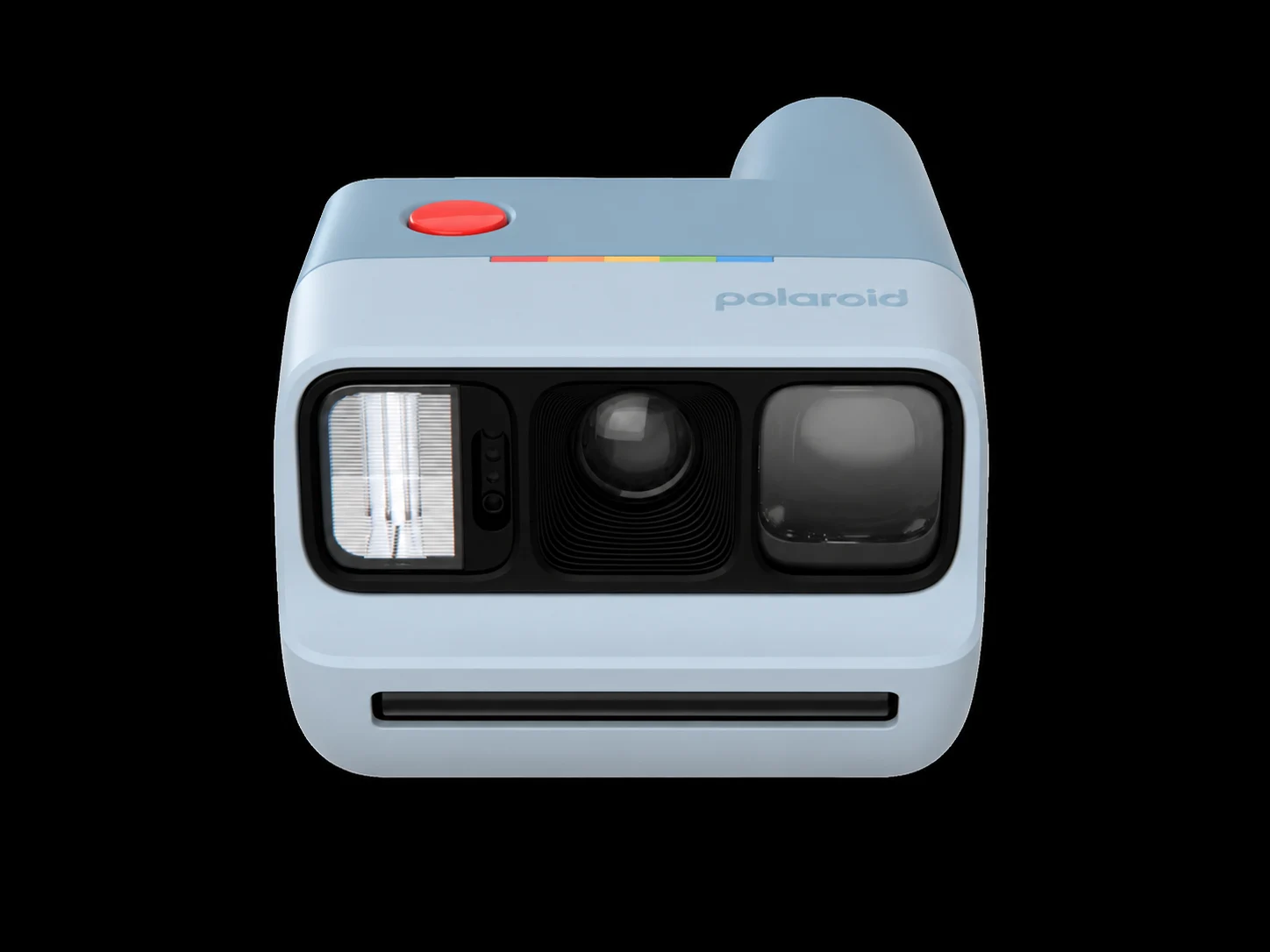
    Polaroid has introduced the third generation of its compact “Go” serie just in time for summer. Marketed as the “world’s smallest instant” camera, the successor to the Polaroid Go 2 ($80 on Amazon) is aimed at tech-weary Gen Z users who wish to reduce there screen time and spend more time in the real world.

    Dimensions and Photo Size Details

    The Polaroid Go Gen 3 has dimentions of 106.5 x 83.8 x 64.6 mm and is positioned as a extremly pocketable, user-friendly analogue camera that can instantly print small-format photos measuring 66.6mm x 53.9mm, with an image area of 47mm x 46mm. These photos can fit right into your smartphone case, making it perfect for on-the-go sharing.

    Features Carried Over from Predecessor

    The Go Gen 3 carries over several features from its predessor, including a selfie mirror, a self-timer for group shots, and a double-exposure mode that lets you layer two exposures on a single frame for creative results. Like the Go 2, it remains a straighforward point-and-shoot: fixed focus, fully automatic settings and no real learning curve required, so anyone can pick it up instantly.

    Available Colors and Pricing Info

    Buyers can puchase the camera in five colors — white, black, teal blue, ice blue or purple — at Polaroid at a starting price of $89.99 / £79.99. This pricing includes the camera body and basic starter film pack, though additional film packs are sold separately for those who want to take more photos.

    • Dimensions: 106.5 x 83.8 x 64.6 mm
    • Photo size: 66.6mm x 53.9mm
    • Image area: 47mm x 46mm
    • Selfie mirror and self-timer included
    • Double-exposure mode for creative layering
    • Fixed focus with fully automatic settings
    • Five color options: white, black, teal blue, ice blue, purple
    • Starting price: $89.99 / £79.99
    Sources
  • Gen Z zeigt wenig Interesse an kollektiven Themen, Pragmatismus dominiert

    Gen Z zeigt wenig Interesse an kollektiven Themen, Pragmatismus dominiert

    Key Takeaways

    1. Many Gen Z individuals prioritize personal gain over environmental concerns, with only 12% citing climate issues as major factors in their daily lives.
    2. Young people often choose quick, dependable, and affordable options over moral values when making significant life decisions.
    3. Contrary to stereotypes, 58% of young adults in Germany hold a driver’s license, and many use cars alongside public transportation based on convenience.
    4. While young people fly for vacations more than any other age group (37%), they show a tendency to prioritize travel experiences over environmental impact.
    5. Gen Z exhibits a disinterest in politics and moral appeals, focusing instead on practical technology like autonomous vehicles and flying taxis.


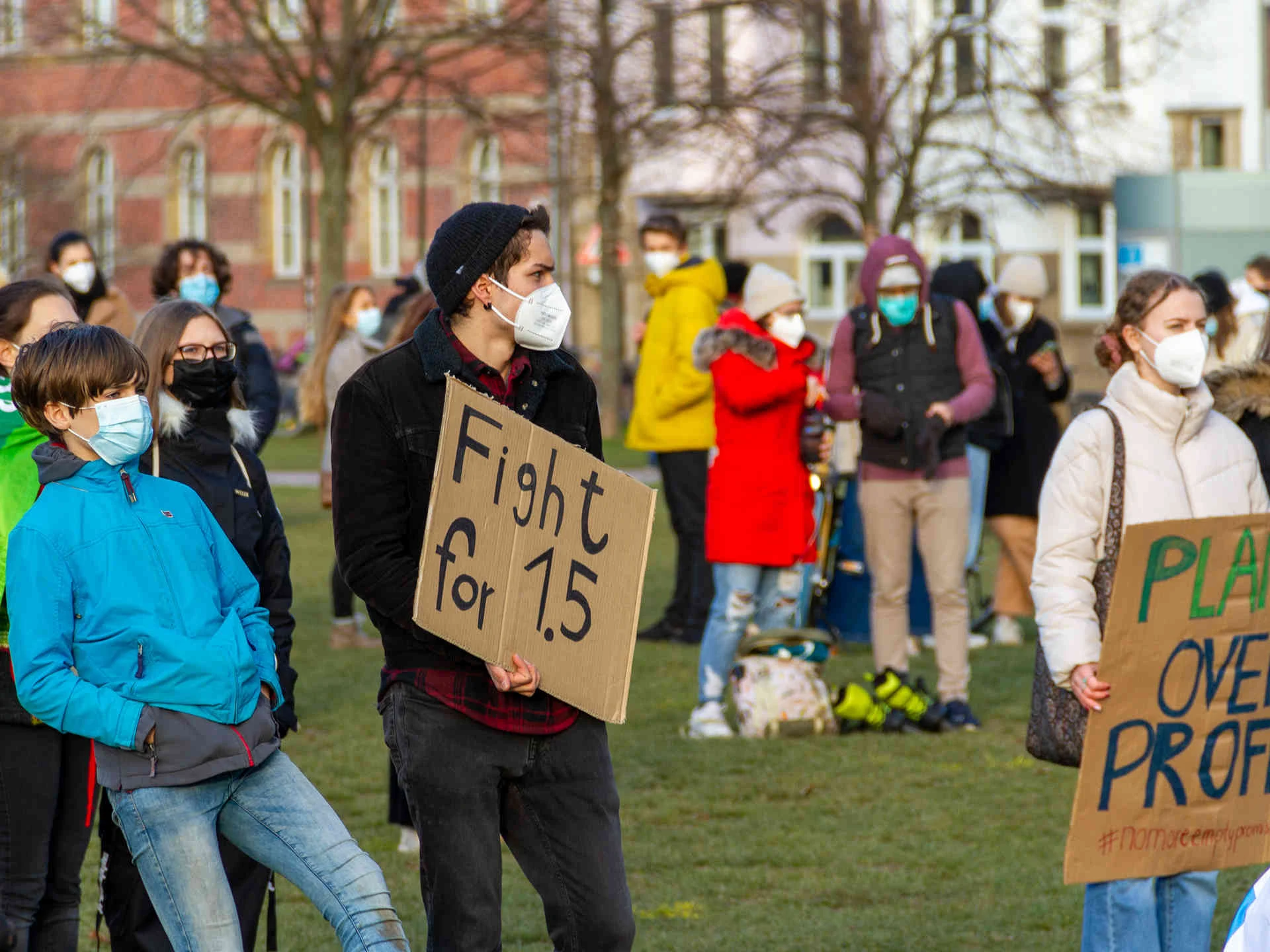
    The way the media presents climate activists as selfless heroes doesn’t really hold up under close examination. A recent in-depth survey conducted by the ADAC Foundation and the SINUS Institute among 16 to 27-year-olds reveals surprising insights that challenge common beliefs. Instead of striving to save the planet, many in Gen Z appear to be feeling disillusioned. Their choices now lean more towards personal gain rather than the greater good. Instead of focusing on pressing global issues like climate change, they prioritize their own comfort.

    Data That Speaks Volumes

    The findings from this survey are quite clear. When young people have to make significant decisions, such as choosing between going to university or entering the job market, the climate often takes a backseat. Just a small 12% cite environmental concerns as a major factor in their daily lives. This is even lower than the general population average, where 15% keep it in mind. What truly matters to them are straightforward facts: things need to be quick (52%), dependable (48%), and cheap (44%). In this scenario, moral values take a backseat to urgent timelines and financial strains. Christina Tillmann from the ADAC Foundation describes this as a process of “de-ideologization.”

    The Driving License Dilemma

    The survey also challenges old stereotypes about young people’s attitudes towards driving. Contrary to the belief that they are abandoning cars, 58% of young adults in Germany currently hold a driver’s license, with 27% planning to obtain one soon. Cars still play a crucial role in their mobility. Nearly half (48%) drive at least once a week. They also utilize public transportation more frequently than average (59% weekly), but it’s not a matter of choosing one over the other; they opt for whatever works best for them at the moment.

    Vacation Trends and Environmental Concerns

    The trend of retreating into comfort zones is especially noticeable when it comes to travel. This is where the difference between hopes and reality is the widest. While young people use their cars for vacations less than the national average, a notable 37% choose to fly for holidays. This marks the highest rate across all age groups. The urge to explore new places is outweighing worries about their carbon footprints.

    A Disinterest in Politics

    Gen Z doesn’t seem too keen on politics either. They show little interest in moral appeals. Instead, they are drawn to technology that actually works. For instance, 44% would eagerly ride in an autonomous vehicle, and 36% are open to flying taxis. When compared to Baby Boomers, this generation is more enthusiastic about technology but remains skeptical about how it will be applied in real life.

    Source:
    Link