Category: EV vehicles

  • California Revives Electric Vehicle Tax Credit Amid Federal Challenges

    California Revives Electric Vehicle Tax Credit Amid Federal Challenges

    Key Takeaways

    1. California is reinstating compensation for the federal EV tax credit that ended prematurely, despite previous opposition from Governor Newsom.
    2. The popularity of the EV subsidy program led to significant government spending of $200 million monthly, disadvantaging traditional vehicles.
    3. The state budget allocates $200 million for clean vehicle subsidies to support electric vehicle sales, particularly benefiting Tesla.
    4. The California Air Resources Board (CARB) remains committed to its climate agenda despite federal challenges to state emission rules.
    5. Approval from state lawmakers is still needed for the new compensation plan before the budget deadline in July.


    Just like it was promised at the start, California is bringing back the compensation for the federal EV tax credit that ended at the conclusion of the third quarter.

    This plan was supposed to kick in right after the current White House administration cut the $7,500 electric vehicle tax credit at the point of sale too early, even though President Biden’s Inflation Reduction Act had it planned to last until 2032.

    Popularity of the Program

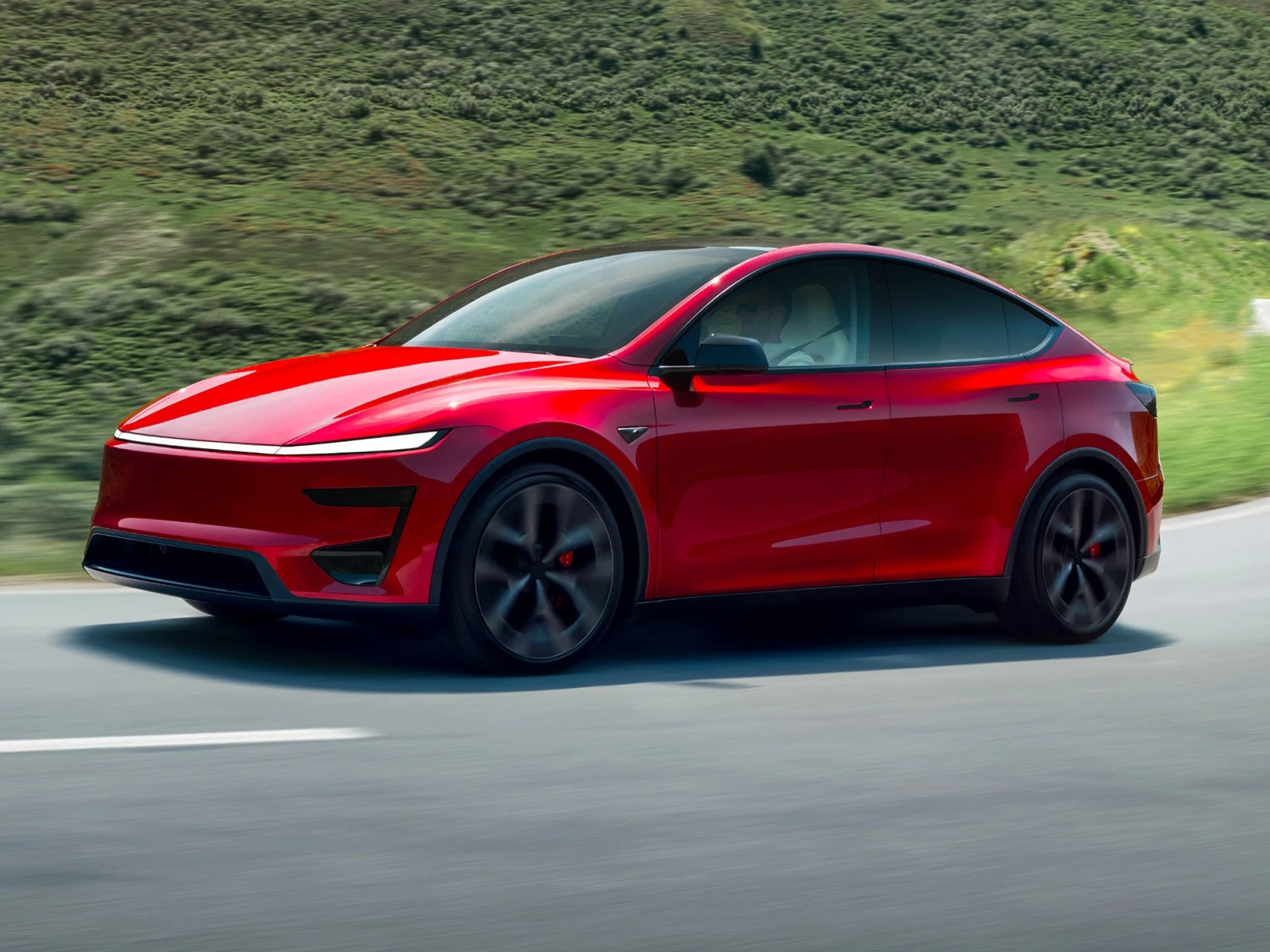
    The program gained immense popularity, leading the US government to spend $200 million monthly on EV subsidies, which put traditional internal combustion engine (ICE) vehicles at a clear disadvantage. In addition to ending the EV tax credit, the federal government is also challenging California’s strict emission rules, creating a double impact on electric cars like the Tesla Model Y.

    Governor Newsom’s last state budget for California is responding to this by allocating $200 million for clean vehicle subsidies, potentially helping Tesla’s struggling sales in the state. This was the original goal announced before the federal tax credit ended; however, Newsom had previously mocked the idea of compensation, declaring that California “wouldn’t compensate for federal vandalism of those tax credits.”

    A Change of Heart

    Now, it seems the governor has changed his mind, and the powerful California Air Resources Board (CARB) has stated that the state will continue its climate agenda “despite federal interference.”

    This development is great news for future electric vehicle buyers in California, but it still needs the green light from state lawmakers, with talks scheduled to happen before the budget approval deadline in July.

    Source:
    Link


  • Tesla Launches New Model Y Standard LR with Extended Range

    Tesla Launches New Model Y Standard LR with Extended Range

    Key Takeaways

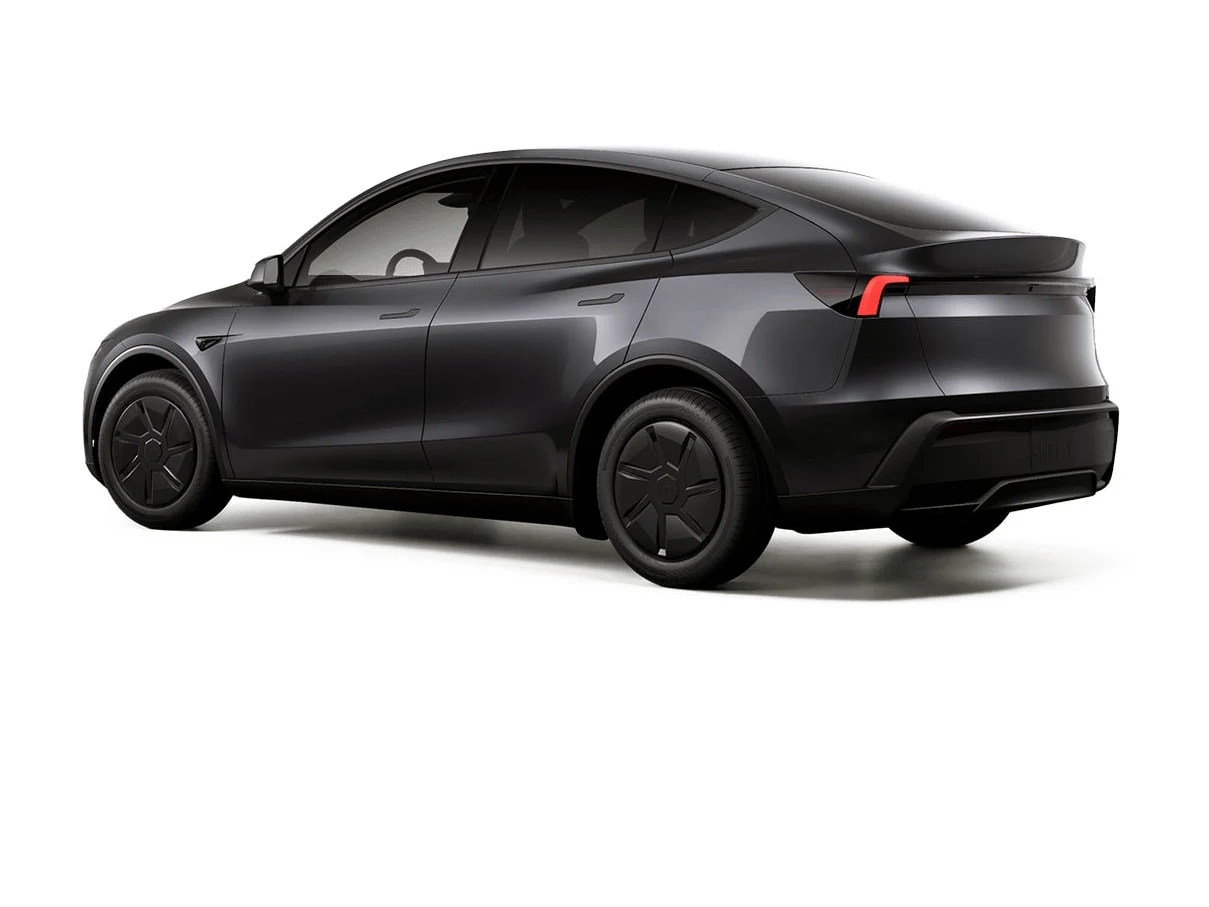
    1. Tesla has launched the Model Y Standard Long Range trim in Europe, priced between the base model and the Premium variant.
    2. The Standard Long Range offers the longest range at 657 km (408 miles) among Model Y options, using a larger battery and the same 300 HP motor.
    3. The Standard Long Range model costs €7,000 more than the base model but is only €3,000 less than the Premium RWD edition, which offers more features.
    4. The base Model Y Standard trim has a range of 534 km (333 miles) and is priced at €40,970, while the Standard Long Range is priced at €47,970.
    5. The appeal of the new Standard Long Range trim may be unclear to buyers, given the close pricing and better features of the Premium RWD edition, amid Tesla’s declining sales in Europe.


    Tesla has launched a total of six versions of the Model Y worldwide, including a larger Model Y L in China, a Performance trim, and now, a new Model Y Standard edition.

    New Trim Announcement

    This latest version, named the Standard Long Range, has made its debut in Europe and is priced between the Premium model and the base version. The Standard LR trim is an interesting addition, as it boasts the longest range among all Tesla Model Y options available in the region. However, it comes with a price tag that is €7,000 more than the base model and only €3,000 less than the Premium RWD variant.

    Performance and Specs

    The Tesla Model Y Standard Long Range offers a similar acceleration time of 7.2 seconds from 0-62 mph, sharing the same 300 HP motor as the Standard trim. It does, however, feature a larger battery that can achieve a range of 657 km (or 408 miles) on a single charge. This figure is based on the local WLTP standard, which tends to be about 10-15% more lenient than EPA estimates. Thus, if the Standard LR edition were to be released in the US, its range would likely be closer to the Premium RWD model’s 357 miles, but at a more affordable price.

    Pricing Comparison

    The base Model Y Standard trim in Germany, which has a range of 534 km (333 miles), retails for €40,970. In contrast, the newly introduced Standard Long Range version is priced at €47,970. This leaves European buyers to weigh whether an extra 70 miles of range is worth the additional €7,000. For just €3,000 more, customers can opt for the Premium RWD edition, which, while offering slightly less range, provides faster acceleration, leather seats that are both ventilated and motorized, a light bar, a panoramic glass roof, a HEPA filter, matrix LED headlights, acoustic glass, and an enhanced audio system, in addition to a broader color selection.

    Market Targeting

    Given the comparison, potential buyers may find it hard to see the appeal of the new Model Y Standard LR trim, especially with the Premium RWD edition offering so many upgrades for a small price difference. This raises questions about who Tesla is aiming to attract with this new trim, especially considering their significant sales decline in Europe.

    Source:
    Link


  • Cost-Effective Solid-State Battery Breakthrough with New Electrolyte

    Cost-Effective Solid-State Battery Breakthrough with New Electrolyte

    Key Takeaways

    1. The TS Pro bike, revealed at CES 2026, will be the first production vehicle with a solid-state battery available for purchase in the US, offering a range of up to 370 miles on a single charge.

    2. The bike is priced at $34,900, highlighting the high costs associated with solid-state battery technology, similar to a Tesla Model 3.

    3. Mass production of solid-state batteries is challenged by expensive production processes and materials, although companies like Samsung are working on solutions to reduce costs.

    4. Researchers from KAIST have made advancements in material science, creating a new electrolyte that enhances ion movement while using cheaper materials, improving cost and performance.

    5. The new design principles from KAIST can lead to more affordable solid-state batteries in the future, potentially transforming the electric vehicle market.


    The TS Pro bike, unveiled at the CES 2026 expo, is set to be the first production vehicle featuring a solid-state battery that will be available for purchase in the US. Thanks to the advanced solid-state battery technology, this bike can travel up to 370 miles on a single charge, and the battery is essentially designed to last the entire lifespan of the vehicle.

    High Costs of Innovation

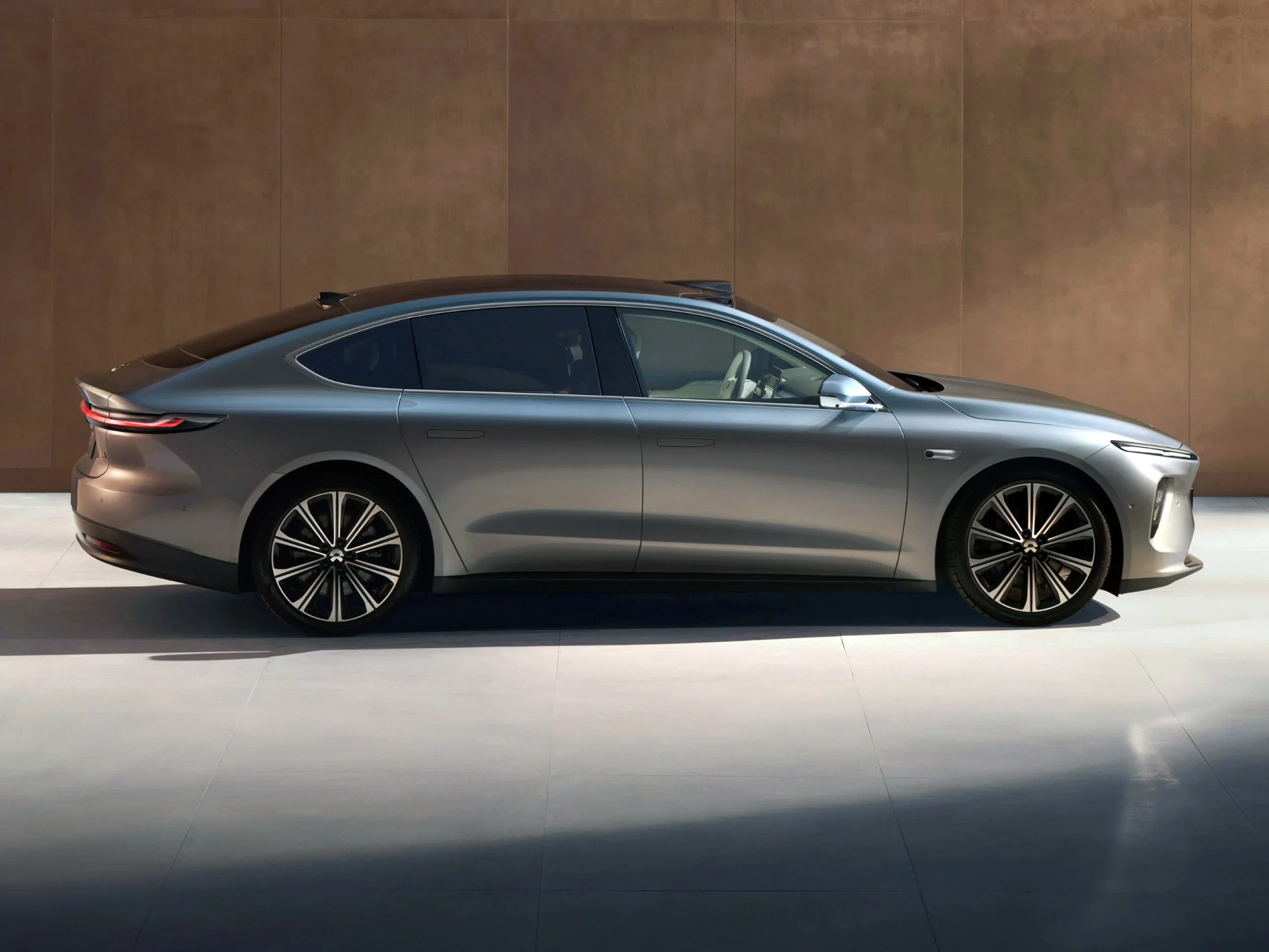
    However, the pricing of this bike highlights the difficulties in bringing solid-state batteries to the market. The bike is priced at $34,900, which is roughly equivalent to the starting price of a Tesla Model 3 electric sedan. Toyota, which aims to be a leader in this technology by 2027, has warned that its initial cars equipped with solid-state batteries will be released in limited quantities and will be in the premium segment under its Lexus brand, indicating high price tags. Additionally, batteries with a semi-solid electrolyte, which still contain 5% liquid, can cost as much as a complete ET5 electric sedan, causing NIO to only offer rentals for longer summer excursions.

    Challenges in Production

    While mass production of solid-state batteries could potentially lower costs, the production process remains inherently expensive. This is because solid electrolytes require more costly materials and complex production methods compared to liquid electrolytes. Companies like Samsung are working on these manufacturing issues to help reduce costs. Meanwhile, researchers from KAIST in Korea have made significant strides in addressing the cost challenges related to solid-state batteries, particularly in terms of materials used.

    Breakthrough in Material Science

    Instead of relying on costly metals to enhance ion conductivity in solid-state batteries, they modified the material structure of existing oxide- or sulfide-based solid-state batteries. By introducing “divalent” oxide and sulfide anions into a more affordable zirconium halide electrolyte, they achieved up to four times easier ion movement. This new approach offers energy density and conductivity comparable to current solid electrolytes that utilize much pricier metals.

    According to Prof. Seo Dong-hwa, the lead researcher from the Department of Materials Science and Engineering at KAIST, their findings “presented design principles that can simultaneously improve the cost and performance problems of solid-state batteries using inexpensive raw materials.” This discovery is practical and can be applied in industry right away, setting the stage for cheaper solid-state batteries in the future.

    Source:
    Link


  • JetBike Propeller-Free Electric Air Speeder Unveiled at CES 2026

    JetBike Propeller-Free Electric Air Speeder Unveiled at CES 2026

    Key Takeaways

    1. The JetBike electric air speeder is priced at $99,900 with a $999 deposit; all pre-orders for 2026 and 2027 are sold out.
    2. It is designed for solo pilots and can be operated without a license under FAA Part 103 ultralight rules.
    3. The JetBike has a flight range of up to 15 minutes, speeds of 60 mph, and a maximum flight height of 15 feet.
    4. It features a unique design with multiple air jets, resulting in a noise level of approximately 80 dB.
    5. The compact dimensions (6.5 x 6.5 feet) allow for easy storage and charging at home, but details on safety features like an emergency parachute are not yet provided.


    Leo Flight has unveiled its new JetBike electric air speeder at CES 2026. This innovative speeder comes with a price tag of $99,900 and requires a deposit of $999 to secure a purchase. All units set for pre-order in 2026 and 2027 have already been sold out. The company anticipates that deliveries will start in the last quarter of 2026.

    Design and Regulations

    The JetBike is a compact aircraft intended for solo pilots. Thanks to its size and weight, pilots in the US can operate it without needing a license under the FAA Part 103 ultralight aircraft rules. Nevertheless, because flying can be risky, especially in unpredictable conditions, buyers of the JetBike might want to think about getting some pilot training or using simulators like Microsoft Flight Simulator to practice.

    Performance Features

    This electric aircraft boasts a battery-powered flight range of up to 15 minutes, achieving speeds of 60 mph (97 kph) and covering an estimated distance of 15 miles (24 km). The control software caps the maximum flight height at 15 feet (4.57 m) above the ground. Its noise level measures roughly 80 dB, thanks to the JetBike’s unique design that relies on multiple air jets for lift and movement instead of traditional propellers.

    Storage and Specifications

    With dimensions of 6.5 x 6.5 feet (1.98 x 1.98 m), the JetBike can conveniently fit in garages for easy storage and charging at home. However, additional details regarding specifications, such as whether an emergency parachute is part of the package, have yet to be disclosed by Leo Flight.

    Source:
    Link


  • First Production EV with Lifetime Battery and 370-Mile Range

    First Production EV with Lifetime Battery and 370-Mile Range

    Key Takeaways

    1. The first electric vehicle with a solid-state battery will launch in the US this quarter, offering a range of up to 370 miles.
    2. Verge Motorcycles’ TS Pro can recharge in 35 minutes using Tesla’s Superchargers and utilizes stacked solid-state battery cells for increased energy density.
    3. Solid-state battery technology is still largely in the prototype phase, with mass production expected from companies like Toyota around 2027.
    4. The TS Pro features a chainless design with a hubless motor, providing 737 lb-ft of torque and 0 to 60 mph acceleration in 3.5 seconds.
    5. The bike includes advanced features like a NACS port for fast charging and plans for over-the-air updates to improve performance.


    The first-ever electric vehicle in production, utilizing a solid-state battery, is set to hit the US market this quarter, boasting a range of up to 370 miles.

    Fast Charging Capabilities

    Verge Motorcycles has introduced the TS Pro motorbike, which features a NACS port, allowing it to recharge in as little as 35 minutes using Tesla’s Superchargers. While many battery manufacturers have transitioned from solid-state battery prototypes to pilot production, and even into third-generation packs capable of achieving 700 Wh/kg energy density, the number of actual electric vehicles using solid electrolyte batteries remains limited.

    The Current Landscape

    Presently, the only electric vehicles equipped with solid-state batteries — including high-end models like the Mercedes EQS and more affordable options such as the FAW Hongqi — are still in the prototype stage for performance evaluation. Mass production is expected from companies like Toyota around 2027.

    Verge’s Innovative Approach

    Verge Motorcycles has ingeniously stacked 5 kWh solid-state battery cells to develop a production motorcycle capable of achieving up to 370 miles on a single charge when fitted with a 33.3 kWh battery pack. The more affordable 20.2 kWh model offers an EPA-rated range of up to 217 miles. Verge opted for solid-state battery tech because it is safer in accidents and provides double the energy density compared to current Li-ion batteries that use volatile liquid electrolytes. However, this technology comes at a higher cost, making it ideal for compact applications like drones, robots, and motorcycles, leaving the exact price of the TS Pro at launch still unknown.

    Cutting-Edge Features

    In the US, the Verge TS Pro is equipped with a NACS port, enabling it to leverage Tesla’s extensive Supercharger network, allowing for charging speeds up to 200 kW, which can add 186 miles of range in just 10 minutes. The TS Pro’s solid-state battery is built to last throughout the motorcycle’s lifespan, but this isn’t its only standout feature.

    The bike showcases a chainless design with a hubless motor located in the rear wheel, delivering an impressive 737 lb-ft of torque and allowing it to accelerate from 0 to 60 mph in 3.5 seconds. This chainless drivetrain and its modular design simplify maintenance, and Verge plans to implement OTA updates to enhance driving modes and performance. The first production electric vehicle using solid-state battery technology will come in seven vibrant colors, with only the US release price remaining a mystery before it officially arrives.

    Source:
    Link


  • VW Revives Buttons and 80s Gauges in Electric Cars, Calls It a Win

    VW Revives Buttons and 80s Gauges in Electric Cars, Calls It a Win

    Key Takeaways

    1. VW is redesigning its electric car interiors to feature nostalgic elements inspired by classic vehicles from the 1980s, like the Golf 1.
    2. The new cockpit will reintroduce physical knobs and buttons, moving away from the trend of minimalistic, buttonless designs seen in other EVs.
    3. Studies indicate that physical controls enhance safety while driving, leading VW to recognize the value of tactile buttons over touchscreens.
    4. The upcoming ID. Polo will feature a retro-styled instrument cluster and physical buttons, making it VW’s most affordable electric option.
    5. VW aims to appeal to car enthusiasts who prefer traditional controls, contrasting with Tesla’s focus on touchscreen interfaces and fewer physical features.


    The inside of VW electric cars is about to undergo a significant transformation thanks to a new cockpit design inspired by the classic style of vehicles from the 1980s.

    Nostalgic Features

    With gauge clusters reminiscent of the Golf 1 and the reintroduction of physical knobs, the new interior is poised to distinguish VW EVs from the sleek, minimalistic designs typical of other electric vehicles like those from Tesla. This shift towards more ergonomic and nostalgic interiors is a clear departure from the common trend of buttonless setups.

    Volkswagen has come to recognize that eliminating knobs and physical controls in electric vehicles was a misstep. Numerous studies have shown that physical buttons, along with the muscle memory they foster, provide safer options compared to touchscreens while driving. Additionally, the rising trend of retro aesthetics has led many tech companies to reintroduce knobs and tactile buttons in their products.

    Exciting Developments

    VW has hinted at the return of physical controls with its concept ID. 2all budget electric vehicle, and this concept is expected to materialize in its upcoming ID. Polo, which will be the automaker’s most affordable electric option when it debuts later this year.

    The retro-styled instrument cluster, displayed on a 10-inch screen, appears to have been lifted straight from the iconic VW Golf 1, complete with a vintage digital clock. Accompanying this is a 13-inch infotainment display, featuring a row of physical buttons beneath it, although the cassette tape graphic might be a bit excessive.

    A Touch of Tradition

    The steering wheel is also filled with buttons, as is the door panel, ensuring that the new ID. Polo appeals to car enthusiasts who favor physical controls over the impersonal touchscreens and flashy LED lights that have come to dominate the interiors of electric vehicles.

    Tesla pioneered the trend of eliminating tactile features from its cars, claiming that physical buttons lead to more potential malfunctions. However, this move also saved costs by consolidating controls into a touchscreen interface, leading to the removal of numerous buttons and switches until regulations necessitated their return, like the turn signal stalks. Now, there’s even a new Ctrl-Bar accessory for the Model Y and Model 3 that brings back the tactile feel of physical buttons for those who remain unsure about the ergonomics of Tesla’s touchscreen.

    Source:
    Link


  • Tesla Delivery Miss Challenges Musk’s 2025 Model Y Sales Claim

    Tesla Delivery Miss Challenges Musk’s 2025 Model Y Sales Claim

    Key Takeaways

    1. Tesla sold 418,227 cars in Q4, below Wall Street’s expectation of 422,850.
    2. Tesla produced over 16,000 more vehicles than sold, leading to potential discounts to clear excess inventory.
    3. The shortfall was expected due to the end of the federal tax credit, which had previously boosted sales.
    4. Elon Musk claims the Model Y is the best-selling car globally, but this statement may lack solid data backing.
    5. Despite promotions for the Model Y, Tesla still did not meet delivery targets, raising doubts about Musk’s optimistic forecasts.


    Tesla has revealed its Q4 delivery figures, and they’re not great. The electric vehicle manufacturer sold 418,227 cars, falling short of Wall Street’s expectations of 422,850. Even worse, Tesla produced over 16,000 more vehicles than it managed to sell, which means they’ll need to offer discounts to get rid of their excess inventory in the first quarter of 2026.

    Delivery Expectations

    The shortfall in Tesla’s deliveries was somewhat anticipated, especially since this was the first quarter following the end of the federal tax credit. The $7,500 government incentive was a significant attraction for buyers of the Model Y and Model 3. Although Tesla’s Q4 delivery numbers were underwhelming, Elon Musk still asserted that the Model Y continues to be the best-selling car in the world.

    Sales Trends and Market Position

    This statement was certainly valid in 2023, as EV sales, particularly of the Model Y, reached their highest levels. Tesla made a similar announcement for 2024, indicating that the Model Y was slightly outpacing the RAV4, despite later figures showing Toyota’s SUV in the lead.

    To claim that the Model Y has remained the top-selling passenger vehicle in 2025, when Elon Musk’s political activities and the overall decline in the EV market led to reduced deliveries, is quite questionable. Musk’s assertion likely relies on some internal data that hasn’t yet been shared, as it is still early in the year to accurately assess all production and delivery statistics.

    Promotions and Predictions

    It’s worth noting that Tesla went all out with promotions for the Model Y in Q4, offering 0% APR financing and free option upgrades, yet still fell short of their delivery targets. Therefore, Elon Musk’s optimistic forecasts should be viewed with skepticism, at least until more comprehensive third-party data is released.

    Source:
    Link


  • Longest Range Hybrid SUV: 700+ Miles & 10-Minute Charging

    Longest Range Hybrid SUV: 700+ Miles & 10-Minute Charging

    Key Takeaways

    1. The XPeng G7 plug-in hybrid claims a combined range of 1,704 km, making it the world’s longest-range SUV, though this is based on the lenient CLTC cycle.
    2. Extended Range Electric Vehicles (EREVs) are gaining popularity in China, addressing range anxiety and attracting attention from companies like XPeng and Xiaomi.
    3. The G7 features a 56 kWh battery and a highly efficient 1.5T gas engine generator, with a 16-gallon fuel tank to support its extended range.
    4. It includes an 800V powertrain for fast charging, allowing the LFP battery to reach 80% in about 12 minutes and offering an electric-only range of 430 km.
    5. The G7 is priced at around $32,000 and comes equipped with noise-cancellation systems and an AI-controlled range extender for a quiet driving experience.


    XPeng recently revealed the SUV that boasts the longest range in the world, achieved by adding a gas engine generator to its G7 EV.

    Impressive Range Claims

    The G7 plug-in hybrid claims a combined range of 1,704 km, measured on the local CLTC cycle, which tends to be about a third more lenient than the EPA figures. This means the range in the US cycle would be just above 700 miles, which is still quite remarkable.

    The Rise of Extended Range Electric Vehicles

    In China, Extended Range Electric Vehicles (EREVs) are becoming increasingly popular as they address the concern of range anxiety during long journeys, even with plenty of fast-charging options available. Companies such as XPeng and Xiaomi, which originally focused solely on electric vehicles, are now either introducing or considering EREVs, and this trend is also seen among major players like BYD.

    At present, XPeng’s G7 is touted as the “world’s longest-range SUV,” although Xiaomi is planning to launch a model with a battery capacity over 70+ kWh that could potentially surpass the G7’s record. The G7 features a 56 kWh battery pack, comparable to those found in some entry-level EVs, and it’s charged by a highly efficient 1.5T gas engine with a 16-gallon fuel tank.

    Advanced Charging Features

    The EREV also includes an 800V powertrain setup that allows for 5C charging speeds, enabling the LFP battery to reach 80% capacity in around 12 minutes. The electric-only range of 430 km is the longest in the plug-in hybrid SUV market, with an EPA equivalent likely near the 200-mile mark, ample for typical daily use before the 1.5T generator engages. As XPeng describes, this SUV effectively has its own personal Supercharger.

    The top G7 trim is priced locally at about $32,000, and it comes equipped with multiple noise-cancellation systems to minimize environmental and road noise, along with an AI-controlled range extender for a serene driving experience.

    Source:
    Link


  • Sodium-Ion Batteries Cheaper Than Lithium as CATL Launches Mass Production

    Sodium-Ion Batteries Cheaper Than Lithium as CATL Launches Mass Production

    Key Takeaways

    1. CATL plans to begin large-scale production of sodium-ion batteries in 2026 to take advantage of rising lithium prices.
    2. The Naxtra sodium-ion battery line will serve various applications, including electric vehicles and energy storage systems.
    3. The production of sodium-ion cells has become more cost-effective compared to traditional lithium ferrophosphate (LFP) batteries.
    4. The Naxtra sodium-ion battery has an energy density of 175 Wh/kg and performs well in extreme temperatures (-40℃ to 70℃).
    5. CATL claims that electric vehicles using Naxtra batteries could achieve over 300 miles of range on a single charge, with initial deliveries planned for 2026.


    The largest battery manufacturer in the world, CATL, is set to capitalize on increasing lithium prices by commencing large-scale production of sodium-ion batteries in 2026. The groundbreaking Naxtra line of sodium-ion batteries will be utilized in electric vehicles, energy storage systems, commercial transport, and even battery swap stations on a large scale.

    Shifting Plans Amid Lithium Prices

    Since the peak in 2022, the significant decline in battery-grade lithium carbonate prices has pushed CATL to downplay its sodium-ion battery production strategies. Although CATL developed sodium-ion cells with energy density comparable to LFP batteries, the supply of lithium was artificially constrained due to the Chinese government’s suspension of mining operations. This intervention has contributed to a gradual recovery in lithium prices.

    New Opportunities for Naxtra

    With the end of the downturn for lithium, CATL has accelerated its plans for mass production of the Naxtra sodium-ion battery line. Given that sodium-ion cells have become less expensive to produce compared to conventional lithium ferrophosphate (LFP) batteries, customers have begun informing CATL that they are ready to receive their orders.

    The Naxtra sodium-ion battery boasts an impressive energy density of 175 Wh/kg, nearly matching the energy density of LFP batteries commonly found in electric cars and energy storage solutions. Recently, sodium-ion starter batteries have even appeared on Amazon, which perform better in cold conditions than typical 12V car batteries.

    Promising Features and Performance

    CATL emphasizes that the Naxtra sodium-ion battery line is primed to shine alongside lithium batteries as early as next year. With a remarkable temperature retention range of -40℃ to 70℃, Naxtra has also become the first commercial sodium-ion battery to meet China’s stringent safety and performance regulations.

    According to CATL, an electric vehicle fitted with their sodium-ion battery could achieve a range of over 300 miles on a single charge, even in extreme cold. This claim will be tested in 2026 when the initial Naxtra packs are scheduled for delivery to various undisclosed clients.

    Source:
    Link


  • Dreame Vacuum Legend: 1,000+ HP EV with Fast Electric Motors

    Dreame Vacuum Legend: 1,000+ HP EV with Fast Electric Motors

    Key Takeaways

    1. Dreame is expanding beyond robotic vacuums into home electronics and plans to unveil its first electric vehicle at CES 2026.
    2. The company is known for its high-speed electric motors, particularly in its X50 Ultra robotic vacuum, recognized for reaching 200,000 RPM.
    3. The upcoming electric sports car will have over 1,000 horsepower and accelerate from 0 to 60 mph in under two seconds, aiming to be the fastest luxury car.
    4. Dreame faces tough competition, particularly from BYD, which has advanced EV technology and set records in electric vehicle performance.
    5. The performance of Dreame’s electric motors will be enhanced with a cooling system to maintain low temperatures, showcasing their commitment to high performance.


    Popular robotic vacuum cleaner brand Dreame has been expanding into other home electronics such as televisions, power banks, air purifiers, and more. Following in the footsteps of Xiaomi, Dreame is set to unveil its first electric vehicle at the CES 2026 expo in January.

    Innovative Electric Motors

    Differing from Xiaomi, Dreame specializes in producing some of the world’s quickest electric motors, which are used in its high-end vacuum cleaners like the X50 Ultra robotic vacuum, currently available at a 40% discount on Amazon. This model has been recognized by Frost & Sullivan as the “world’s 1st 200,000RPM high-speed digital motor,” and the company plans to utilize its research and development expertise in this area for its upcoming electric vehicle.

    Exciting Performance Specs

    The teased electric sports car will boast over 1,000 horsepower and will accelerate from 0 to 60 mph in less than two seconds. Dreame has already stated that this vehicle will be the fastest luxury car globally upon its release, indicating that the interior and comfort features will also be of premium quality.

    Challenging Competition Ahead

    It will be fascinating to observe how Dreame applies its expertise in high-performance vacuum motors to the electric car industry, as RPM specifications are just one aspect of performance. BYD has recently highlighted its new EV platform, capable of charging at 1MW speeds and utilizing rapid electric motors that can reach 32,000 RPM. These specifications helped BYD set a record for the fastest production car, which means Dreame has a significant challenge to meet.

    Reportedly, its ultra-fast electric motors and drivetrain will be cooled using refrigerants to maintain temperatures below 15 degrees Celsius, which should enhance their performance. It’s quite astonishing that consumer electronics companies like Xiaomi and Dreame can successfully enter the automotive sector and thrive within just a year or two. After all, an electric motor is fundamentally an electric motor.

    Source:
    Link