Key Takeaways
1. The owner installed an aftermarket device to avoid alerts from the Level 2 autonomous driving system, which cannot fully take over driving tasks.
2. The driver, Wang Mouqun, had a history of drunk driving and used the device to simulate steering wheel contact while he was intoxicated.
3. Wang fell asleep in the passenger seat while the car continued driving, due to the device bypassing the monitoring system.
4. Authorities were alerted when the car stopped on its own with him asleep inside, leading to a blood test that confirmed he was over the legal alcohol limit.
5. Wang was found guilty of driving under the influence and tampering with the self-driving system, receiving a fine and a prison sentence.
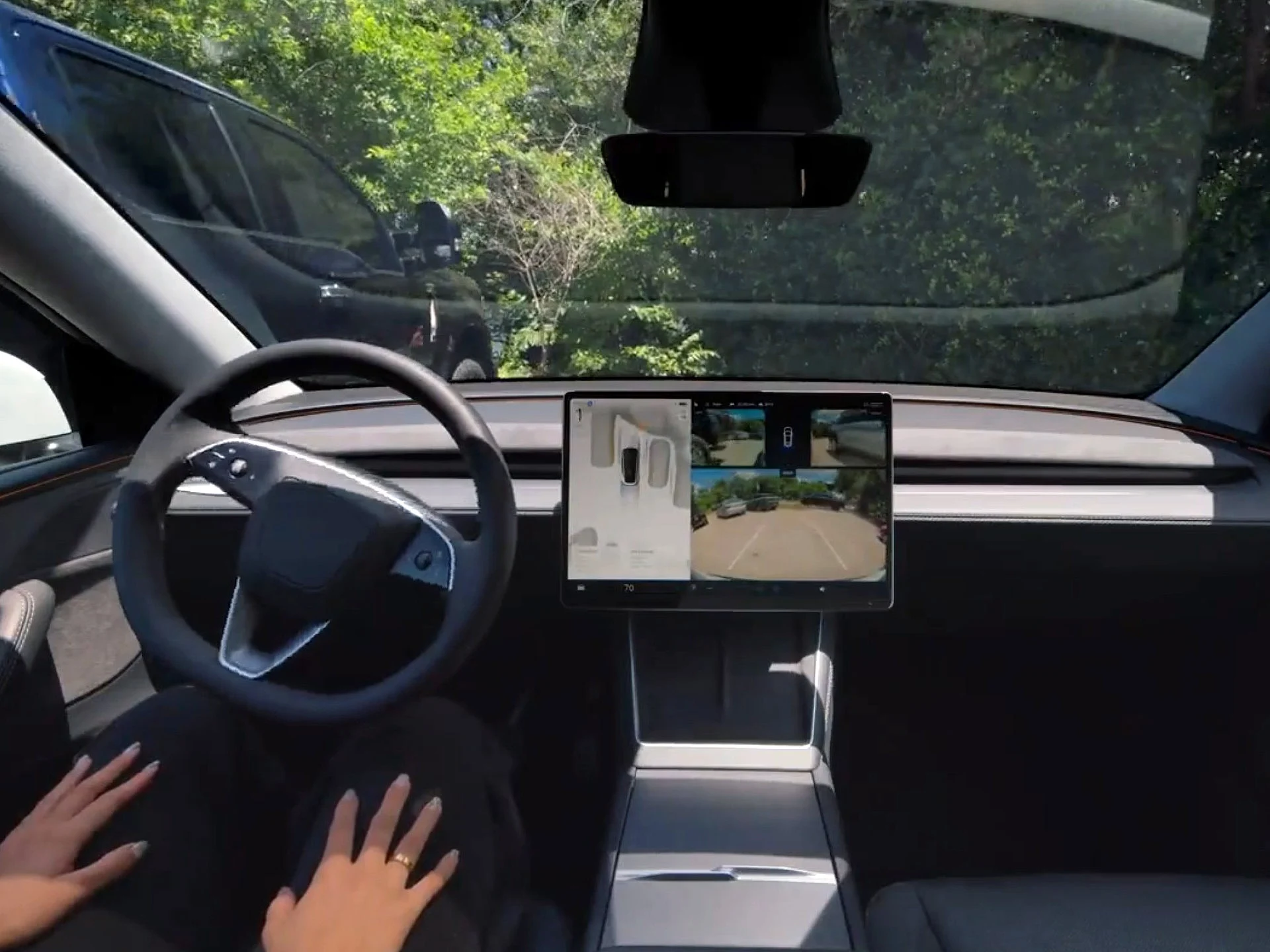
The owner of an electric vehicle equipped with a Level 2 autonomous driving system, akin to Tesla’s FSD (Supervised), opted to install an aftermarket device to avoid the relentless alerts reminding him to stay attentive.
Circumventing Alerts
This individual had a past conviction for drunk driving and sought a way to escape the constant reminders from FSD-like features that emphasize the limitations of Level 2 systems, which can’t fully take over driving tasks. The court documents reveal that he used a gadget that simulates a hand on the steering wheel every few minutes, as required by the driver-assist system to prevent it from issuing warnings to the driver.
Incident Details
At around 00:30 on September 13, 2025, the defendant, Wang Mouqun, drove his vehicle after drinking alcohol near a restaurant located in Tangqi Town, Linping District, Hangzhou City, Zhejiang Province. By approximately 01:15 on the same night, he left his community again, activated the car’s assisted driving feature, set a destination, and utilized a privately installed “smart driving device” that bypassed the monitoring of the assisted driving system, enabling the car to operate without supervision. He then reclined in the passenger seat and fell asleep.
Legal Consequences
While Wang was dozing off in the passenger seat, the car continued on its route, fooled by the aftermarket gadget that kept making contact with the steering wheel. At one point, the driver-assist system disengaged and halted on a local road. The sight of a vehicle stopping by itself with a person asleep in the passenger seat caught the attention of passersby, who promptly notified the authorities.
A subsequent blood test revealed that Wang’s alcohol levels exceeded the legal limits, marking his second offense within two years. This is not the first instance in China where a drunk driver tried to exploit an FSD-like feature, although prior cases involved drivers attempting to blame the self-driving system for accidents they caused.
The courts found the electric vehicle owner guilty of both driving under the influence and tampering with the Level 2 self-driving system, despite his awareness of its limitations when he bought the car. He received a fine and a prison sentence of one and a half months, making this one of the first cases where someone attempted to deceive a Level 2 driver-assist system into functioning without supervision.
Source:
Link