Category: EV vehicles

  • Artemis Delivers Three High-Speed Hydrofoil Ferries to Belfast

    Artemis Delivers Three High-Speed Hydrofoil Ferries to Belfast

    Key Takeaways

    1. Artemis has delivered three EF-24 hydrofoil electric ferries to Belfast, known for their high-speed capabilities.
    2. The EF-24 ferry design accommodates around 150 passengers, offering a fresh approach compared to existing models like the Boeing 929.
    3. Three planned routes for the EF-24 in the UK include Belfast to Bangor, around the Orkney Islands, and from Southampton to Cowes.
    4. The ferries can cruise at speeds of 34 knots (63 km/h) with a range of 70 nautical miles, potentially reducing environmental impact.
    5. The project has faced delays due to challenges in new propulsion technologies, with operations expected to start by 2026 if test runs are successful.


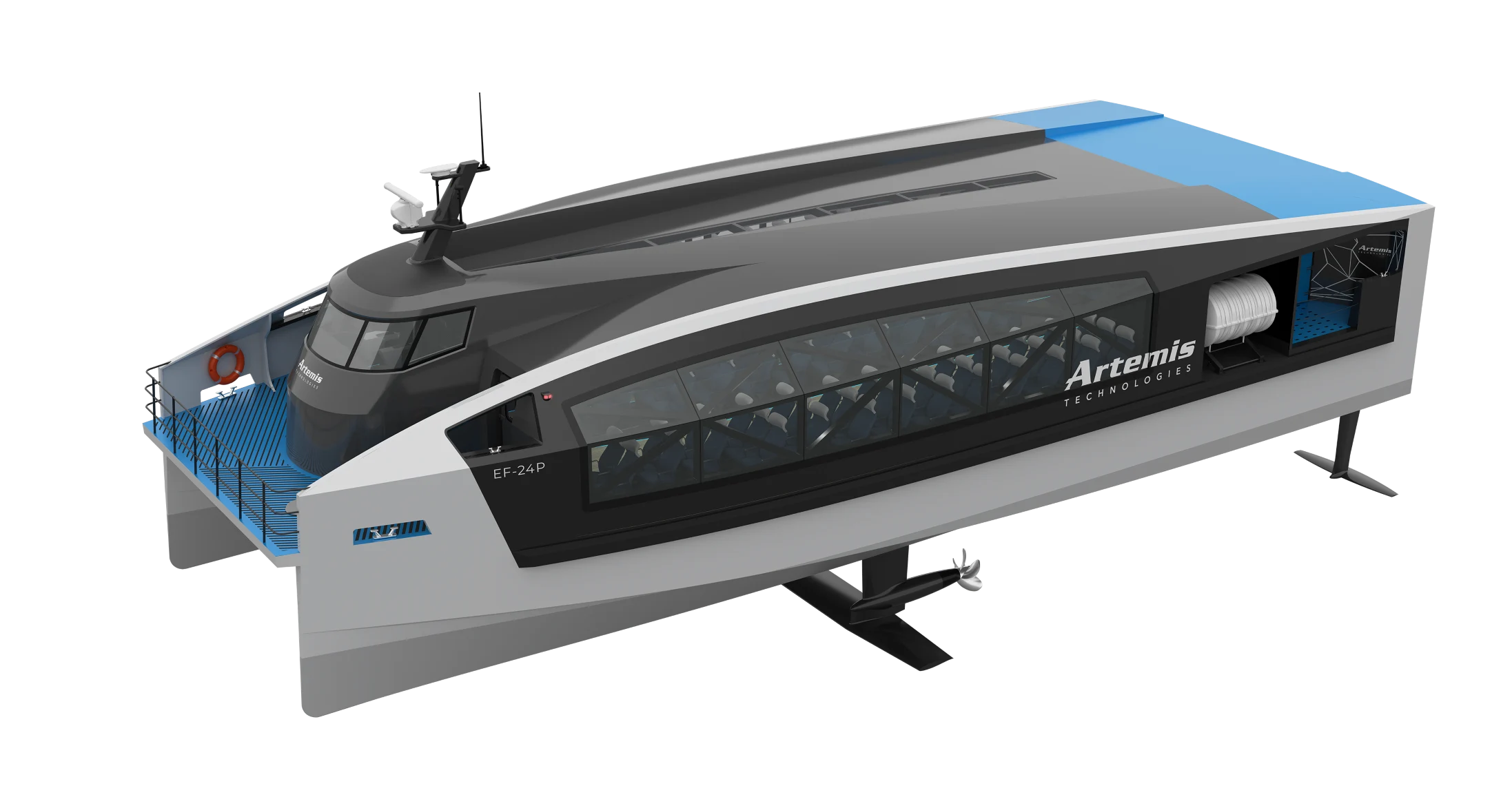
    Artemis has recently shared the good news of delivering three EF-24 hydrofoil electric ferries to Beflast. The Artemis EF-24 Passenger ferry is recognized for its high-speed capabilities, utilizing hydrofoils to glide mainly above the water. This method is somewhat similar to how the Boeing 929 (jetfoil) operates, which is predominantly used in East Asia, but the EF-24 is much larger in size.

    New Hydrofoil Design

    The EF-24 represents a fresh approach to hydrofoil design, providing seating for about 150 passengers. In comparison, the Boeing model can accommodate nearly double that number and is driven by an aircraft engine. A few years back, Kawasaki constructed a prototype using leftover parts under license, but since then, advancements in hydrofoil and jetfoil technology have been scarce. Although these boats have the capability to potentially replace or complement air travel, maintenance has proven to be quite demanding.

    Opening Up Waterways

    Now, the EF-24 is poised to revolutionize the waterways with its high-speed electric capabilities. There are three planned routes in the UK: from Belfast in Northern Ireland to Bangor in Wales, around the Orkney Islands in Scotland, and from Southampton in England to Cowes on the Isle of Wight.

    However, the entire project has faced delays, as Artemis concedes in its press announcement, due to unexpected challenges in rolling out new propulsion technologies. The company has not yet revealed when the electric ferries, which are currently being equipped in Belfast, will start operations. If the test runs are successful, there is a solid chance that they could be operational by 2026.

    Speed and Efficiency

    The ferries are designed to cruise at 34 knots, which is approximately 63 km/h (39.15 mph), across the water. They have a claimed range of 70 nautical miles (about 130 km/80 mi), suitable for rapid hydrofoil travel. Typically, these vessels lift out of the water only at a distance from the port. According to Artemis, the ferries can achieve high speeds relatively quickly. This hull-lifting could lead to significantly less harm to coastlines due to reduced wave generation. However, such advancements might necessitate changes in shipping regulations.

    Artemis Technologies’

    Source:
    Link


  • Cheapest Tesla Launches at $29K with Compromises

    Cheapest Tesla Launches at $29K with Compromises

    Key Takeaways

    1. Tesla has launched a new base Model 3, priced at approximately $25,800 after subsidies, to boost declining sales.
    2. The new Model 3 Standard features a smaller battery, resulting in a reduced range of 382 km compared to the European model’s 534 km.
    3. This budget Model 3 includes basic features like black cloth seats and manual adjustments, omitting some comforts and infotainment options.
    4. The Model 3 Standard is now the most affordable Tesla globally, even cheaper than the starting price in China.
    5. Tesla may expand this budget model’s availability in China to compete with affordable local EVs from brands like BYD.


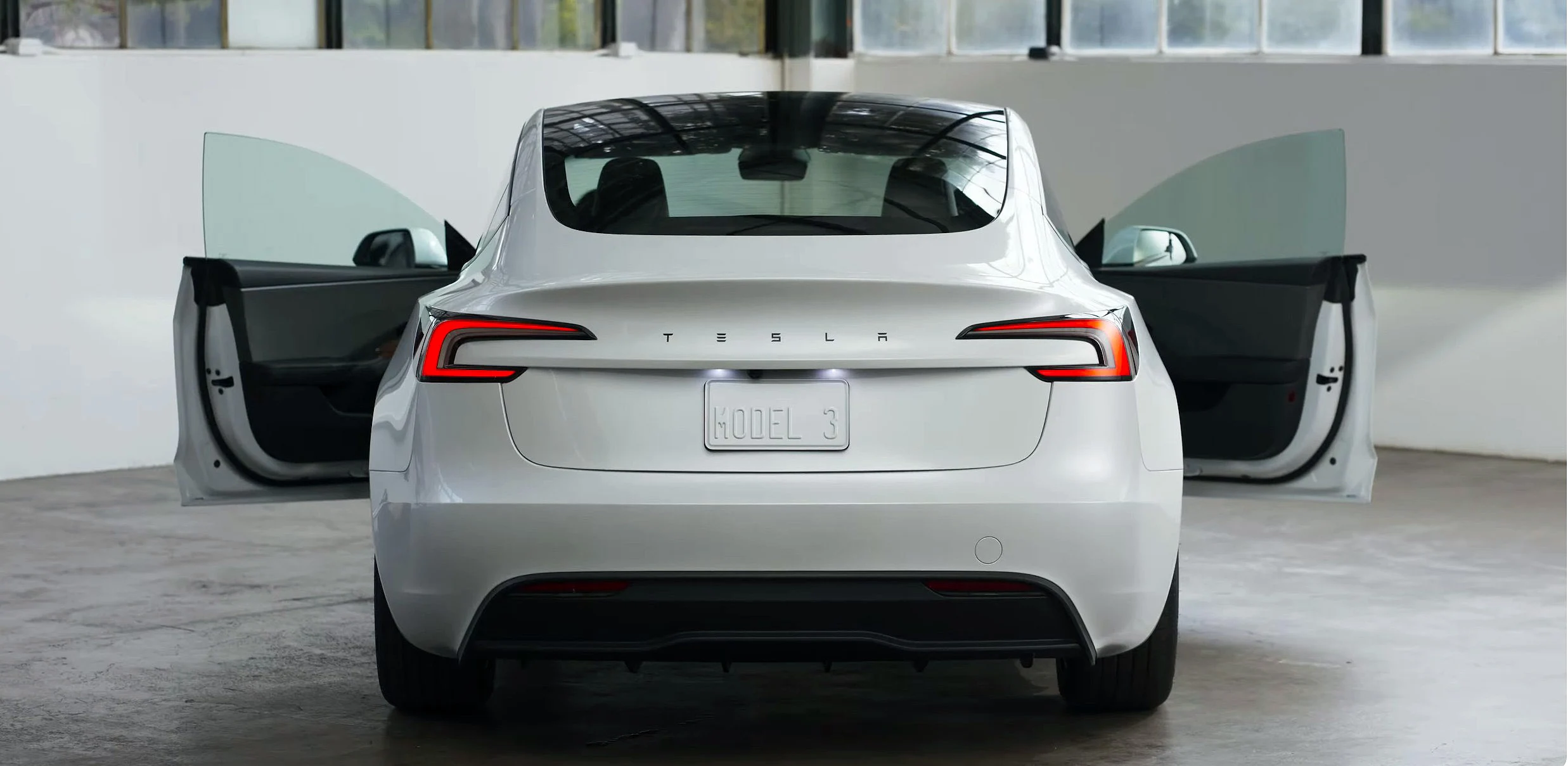
    Tesla appears to be starting a new approach to budget vehicle pricing in an effort to boost its declining sales. They’ve launched a new base Model 3, which is now the least expensive in the world, costing about $25,800 after applicable subsidies.

    New Features and Compromises

    The latest Model 3 Standard offers a range of features and design adjustments that have made it possible for Tesla to hit a price point that was previously associated with the much-discussed Model 2, which never came to be.

    The 2026 Model 3 Standard that was recently introduced in Korea has a price of 42 million won, which is roughly $29,000. Additionally, with the help of government EV subsidies, the already low price of the Model 3 is further reduced, putting it close to the rumored price range of the mass-market Tesla Model 2.

    Comparison with Other Markets

    This new Model 3 Standard is now the most affordable Tesla available, as even in China, the starting price for the Model 3 Standard is around $33,770. Interestingly, the new Korean Model 3 is also produced in the Shanghai Gigafactory and then shipped out.

    A glance at the vehicle’s specifications reveals how Tesla managed to set this attractive price. The Korean Model 3 Standard is equipped with a smaller battery. While the cheapest Model 3 Standard in Europe offers a range of 534 km, the $29,000 version in Korea provides only 382 km on the same WLTP cycle. The acceleration remains the same at 6.2 seconds for 0-62 mph, suggesting that Tesla has crafted a new budget version of the Model 3 specifically for the Asian market. The anticipated affordable Model 2 was expected to have a 54 kWh battery and a range of 250 miles, which aligns perfectly with the new base Model 3 specs.

    Additional Compromises

    Beyond the smaller battery, the new Model 3 has other trade-offs. It features only black cloth seats and comes with just one set of 18″ wheels. There are no front seat ventilation or rear seat heating options, and seat and steering wheel adjustments are manual, using levers. Even basic infotainment features, like a radio, have been removed, raising questions about the price difference compared to the next trim level.

    Since the vehicle is manufactured in Shanghai, it’s likely that Tesla will introduce this budget model in China too, potentially at an even lower price to compete against the growing number of affordable Chinese EVs from companies such as BYD. Tesla is set to announce its earnings on Wednesday, January 28, after the market closes, and Elon Musk may reveal more details regarding this new budget pricing strategy during the announcement.

    Source:
    Link


  • Tesla Lowers FSD Price to $49/Month as Autopilot Compromise

    Tesla Lowers FSD Price to $49/Month as Autopilot Compromise

    Key Takeaways

    1. Tesla allows Enhanced Autopilot (EAP) customers to upgrade to Full Self-Driving (FSD) for $2,000 or subscribe at a 50% discount.
    2. The monthly subscription fee for EAP customers is now $49, down from the standard $99 for FSD.
    3. Tesla has eliminated the free Autopilot feature, requiring payment for any driver-assist services beyond basic Traffic-Aware Cruise Control (TACC).
    4. Future FSD subscription plans may include different pricing tiers, with unsupervised FSD available at a higher rate for newer models.
    5. Tesla is expected to introduce an FSD 14 Lite version for older vehicles that lack some unsupervised features.


    Tesla is giving a break to those who bought the Enhanced Autopilot (EAP) package, allowing them to upgrade to the Full Self-Driving (FSD) for $2,000 and offering a 50% discount on the monthly subscription fee.

    This decision follows Tesla’s shift to a subscription-only model for its self-driving software, discontinuing the long-standing free Autopilot feature. Now, to access any driver-assist service that goes beyond the basic Traffic-Aware Cruise Control (TACC), customers will need to pay.

    Changes in Autopilot Access

    After Tesla took Autopilot off the free services list, it acknowledged that there are customers who had already paid for the Enhanced version of its basic driver-assist software. In addition to the standard Autosteer and TACC, EAP includes features like Navigate-on-Autopilot, Auto Lane Change, Summon, and Autopark. Those who purchased EAP can either upgrade to the full FSD for $2,000 or subscribe to FSD monthly at half price.

    The new subscription price for these EAP customers is now $49 per month, compared to the regular $99. This lower fee could attract many Tesla owners to consider using FSD if it were available to everyone. However, Tesla’s new model, which eliminates the free Autopilot and aims to push owners towards a monthly payment for any substantial driver-assist service, seems rather confusing. Furthermore, Tesla plans to roll out different pricing tiers.

    Future Subscription Plans

    Musk has stated that a higher subscription fee will be required for access to the unsupervised version of the FSD software, which is currently used by the Model Y robotaxis. This version is distinct from the supervised FSD available to Tesla owners, as it does not require a human driver, allowing passengers to engage in other activities besides driving.

    However, this option will not be available for HW3 vehicles that come with the older FSD computer and camera systems. Instead, Tesla is expected to introduce an FSD 14 Lite version for these vehicles, which will lack some of the unsupervised features. Essentially, Tesla may offer a multi-tier FSD pricing model to account for various driver-assist hardware, purchase, and subscription choices it has introduced over the years.

    Pricing for Different Models

    Tesla could set a basic subscription price of $49 per month for owners of older vehicles equipped with HW3 kits. Meanwhile, owners of the newer 2026 Model Y may have the choice to pay $99 per month for supervised FSD or potentially $199 per month for unsupervised FSD, which would allow them to include their vehicles in Tesla’s Robotaxi program or simply relax on long trips without driving.

    Tesla seems to be gearing up to highlight future FSD subscription earnings to persuade investors that its high stock valuation can continue, even as sales are declining. It remains unclear how much they will charge for the unsupervised version of the FSD software.

    Source:
    Link


  • BYD Electric Cars: 250,000 km Warranty & 1000 kW Charging

    BYD Electric Cars: 250,000 km Warranty & 1000 kW Charging

    Key Takeaways

    1. BYD has extended the warranty for its Blade batteries to eight years or 250,000 kilometers, benefiting both new and current owners.
    2. The Blade battery can withstand over 3,000 charging cycles, offering a potential lifespan of over 1.2 million kilometers.
    3. BYD’s production has rapidly grown, reaching 15 million New Energy Vehicles in just 13 months, with a focus on premium models like the Denza N8L.
    4. The company plans to introduce Mega Flash Charging by 2026, enabling rapid recharges and expanding its charging infrastructure in Germany.
    5. BYD is establishing a new production facility in Hungary to reduce costs and improve market competition in Europe, while also expanding its dealer network significantly.


    BYD aims to eliminate concerns regarding the longevity of electric vehicle batteries. In a recent announcement, the Chinese carmaker revealed that it has significantly extended the warranty for its Blade batteries. The new warranty now lasts for eight years or up to 250,000 kilometers, replacing the previously standard terms.

    Key Benefits for Existing Owners

    Importantly, this upgrade isn’t just for new buyers. Current owners of electric BYD vehicles or “Super Hybrids” will automatically receive this enhanced mileage benefit. The guaranteed state of health (SOH) for these batteries remains at a minimum of 70%. BYD states that its Blade battery, which utilizes lithium iron phosphate (LFP) and is free of nickel and cobalt, has been tested to withstand over 3,000 charging cycles, translating to a potential distance of more than 1.2 million kilometers.

    Rapid Growth of BYD

    Recent production numbers highlight the rapid expansion of BYD. The company has recently celebrated the manufacturing of its 15 millionth New Energy Vehicle (NEV), which includes fully electric battery electric vehicles (BEVs) and plug-in hybrid electric vehicles (PHEVs). The pace of growth is astonishing, as it took just 13 months for BYD to move from 10 million to 15 million vehicles, whereas achieving the first million took 13 years.

    The significant milestone vehicle is not a compact model but rather a premium vehicle from the Denza brand, specifically the N8L, which was produced at the Jinan facility. Denza will play a crucial part in BYD’s strategy for Europe in 2026.

    Enhancements and European Expansion

    After an impressive 2025 with over 23,000 new registrations in Germany (a rise of 708%), BYD is enhancing its technology. The company has announced that it will introduce Mega Flash Charging by 2026. This new charging system offers a capacity of up to 1000 kW, allowing drivers to recharge enough energy for 400 kilometers of range in just five minutes. The plan includes the installation of 300 of these superchargers, mainly at dealerships across Germany.

    Furthermore, BYD is strengthening its presence in Europe with plans to start production at a new facility in Hungary in the first half of 2026. This will allow models like the Seal and the Atto to be shipped directly from the EU, reducing delivery times and avoiding tariffs. Additionally, the dealer network is expected to increase from 150 to 350 locations by the end of the year. With the premium Denza brand launching in the spring, BYD is directly entering the European luxury car market.

    Importance of Local Production

    A look at pricing reveals why local manufacturing is essential. A recent study by the Center Automotive Research (CAR) indicates that German consumers currently pay more than double for Chinese electric vehicles compared to their domestic prices. This discrepancy is largely due to customs duties, along with high distribution and logistics expenses. With the new factory in Hungary, BYD is poised to make strides in reducing this price gap and intensifying competition in the market.

    Source:
    Link


  • Tesla Ends Free Autopilot and Raises FSD Subscription Price

    Tesla Ends Free Autopilot and Raises FSD Subscription Price

    Key Takeaways

    1. Tesla has removed the free Autopilot feature and now charges $99 per month for the Autosteer function.
    2. New Tesla vehicles come with a basic Traffic-Aware Cruise Control but may lead to unexpected braking incidents.
    3. Elon Musk is promoting FSD subscriptions to boost future revenue, especially before a challenging sales meeting.
    4. After February 14, the FSD purchase option will be removed, leaving only the subscription model for new FSD features.
    5. The subscription model may pose risks, as Tesla could take years to profit, and customers might switch brands or use FSD only when necessary.


    The free Autopilot feature that Tesla has been providing with its cars for some time is no longer available. Tesla is putting all its chips on future revenue from FSD subscriptions and has removed the Autopilot option from the free driver-assist features.

    New Features and Pricing

    Now, all new Tesla vehicles come equipped with a basic speed adjustment feature called Traffic-Aware Cruise Control, which can lead to unexpected braking incidents. This means that customers will need to pay $99 per month if they want the Autosteer function, which was previously included at no charge.

    In comparison, a RAV4, which is priced about twenty thousand dollars less than the Premium Model Y, includes Toyota’s Safety Sense. This package offers a wide range of driver-assist features, such as autosteer, plus pedestrian and road sign detection.

    Future Revenue Strategy

    Elon Musk, who is set to face a challenging Q4 sales and 2025 revenue results meeting on January 28, might be trying to soften the blow of potential bad operating income news by promoting future earnings. Tesla has recently launched fully unsupervised Model Y robotaxi operations in Austin, eliminating the need for a safety monitor in the vehicle. This announcement comes just before the quarterly results meeting, and now Musk has mentioned that owners will have to pay more for this new type of driver-assist software than what they currently pay for the FSD (Supervised) option. “The huge value jump is when you can relax and use your phone or even sleep during the ride,” Musk states.

    Until February 14, Tesla will still offer the $8,000 FSD purchase option along with the $99/month subscription plan. However, after Valentine’s Day, those wishing to use FSD will only have the subscription option, which could increase in price when the FSD (Unsupervised) version becomes available for newer Teslas equipped with the HW4 computer.

    Potential Risks

    This clear attempt to boost revenue could backfire, as Tesla may require seven years to begin profiting from a subscription compared to a one-time purchase at current rates. Many Tesla owners might choose to switch brands or vehicles within that time frame, or they might opt to pay for FSD only when they need it for longer trips. Therefore, it’s uncertain whether this subscription-only approach will be beneficial for Tesla after the planned FSD price hike.

    Source:
    Link


  • First Sodium-Ion Battery Works at -40°C with 90% Capacity Retention

    First Sodium-Ion Battery Works at -40°C with 90% Capacity Retention

    Key Takeaways

    1. CATL has launched the first sodium-ion battery for mass production, designed for low-temperature performance in commercial vehicles.
    2. The sodium-ion battery can charge in temperatures as low as -30°C and only experiences a 10% capacity reduction at -40°C.
    3. This battery is cost-effective, using abundant sodium instead of costly lithium, and is safer due to lower volatility.
    4. CATL also introduced long-range and rapid-charge battery models for light-duty vehicles, with one model offering a 500-mile range.
    5. The sodium-ion battery has an energy density of 175 Wh/kg, making it competitive with lithium iron phosphate (LFP) technology.


    The biggest battery manufacturer in the world, CATL, has introduced the first sodium-ion battery intended for mass production. This battery is promoted as a “low-temperature” option for commercial vehicles, capable of charging in frigid conditions as low as -30 degrees Celsius (-22 Fahrenheit). Even at -40 degrees, it only experiences a 10% reduction in capacity.

    Addressing Cold Weather Challenges

    CATL’s latest sodium-ion battery effectively addresses the issues faced by light electric trucks, vans, and other commercial vehicles in extremely cold environments, which current lithium-ion batteries struggle to handle.

    Cost-Effective and Safe

    Rather than relying on the costly lithium carbonate which is currently increasing in cost, CATL’s Tianxing II low-temperature battery utilizes sodium, a resource that is both plentiful and economical. The conductivity remains stable in lower temperatures and sodium is far less volatile than lithium, making the 45 kWh Na-ion battery a safer option in case of accidents.

    Enhanced Performance and New Offerings

    In addition to their sodium-ion battery designed for cold climates, CATL has also introduced new models of long-range and rapid-charge batteries for light-duty vehicles. The long-range battery features a substantial 253 kWh pack that can drive a truck up to 500 miles, while the fast-charge variant can be fully charged in just 18 minutes, meeting the needs of various fleets.

    Impressive Energy Density

    What’s particularly remarkable is that CATL’s sodium-ion battery boasts an impressive energy density of 175 Wh/kg, almost twice that of the initial commercially available sodium-ion batteries. This makes it competitive with popular and cost-effective LFP battery technology. Furthermore, there are now commercial items like the first sodium-ion jump starter available on Amazon, highlighting the growing market for this emerging battery technology.

    Source:
    Link


  • First Unattended Model Y Robotaxi Rides: Passengers Can’t Take Control

    First Unattended Model Y Robotaxi Rides: Passengers Can’t Take Control

    Key Takeaways

    1. Tesla is launching unsupervised rides in Model Y robotaxis, starting in Austin and San Francisco.
    2. The unsupervised FSD software is different from the supervised version available to regular Tesla owners, with plans to merge them later this year.
    3. Texas’s lack of clear regulations on self-driving cars allows Tesla to operate without a safety monitor in the vehicle initially.
    4. Passengers cannot touch the steering wheel during rides; if they do, the vehicle will stop.
    5. Tesla is collaborating with insurers to offer lower premiums for rides using its FSD software compared to human-driven trips.


    Tesla is taking a bold step by launching truly unsupervised rides in its Model Y robotaxis on the Robotaxi platform for the first time.

    Unsupervised FSD Software

    The fully autonomous Model Y robotaxis are operating in cities such as Austin and San Francisco. These vehicles use a special software version that Tesla refers to as unsupervised FSD, distinguishing it from the supervised model that is accessible to regular Tesla owners. While plans to merge the two software branches are set for later this year, allowing 2026 Model Y owners equipped with HW4 to rent out their cars and generate some income, currently, the unsupervised rides are exclusively available in Austin.

    Texas Laws and Ride-Sharing

    Texas does not have any clear regulations regarding self-driving cars, which is why Tesla is rolling out ride-sharing services without a safety monitor in the passenger seat in this state first. At the beginning, there will be a combination of both unsupervised and supervised rides, but as time goes by, the company plans to increase the proportion of fully autonomous trips where only passengers are present in the vehicle.

    Safety Measures and Insurance

    Tesla is extremely confident in the safety of its FSD technology, to the point where passengers are not permitted to touch the steering wheel of the Model Y or take control of the vehicle. If someone touches the wheel too many times, the Model Y robotaxi will simply pull over and stop. Moreover, Tesla has shared its FSD safety data with external insurers like Lemonade, which is introducing a specialized insurance product for autonomous vehicles. This product offers 50% lower premiums for every mile driven using Tesla’s FSD software instead of by a human driver.

    Source:
    Link


  • Tesla Insurance Discounts: 50% Off with FSD Driving

    Tesla Insurance Discounts: 50% Off with FSD Driving

    Key Takeaways

    1. Tesla’s Full Self-Driving (FSD) system has a significantly lower collision rate compared to the U.S. average and other driving methods.
    2. FSD leads to seven times fewer major accidents and five times fewer incidents on highways than basic Autopilot or no driver-assist features.
    3. Lemonade, an AI-driven insurance provider, is launching an insurance product specifically for autonomous vehicles, citing Tesla’s FSD safety record.
    4. Lemonade’s analysis shows a 50% reduction in average insurance premiums for miles driven with Tesla’s FSD compared to human drivers.
    5. The new Lemonade Autonomous Car insurance will start on January 26 in Arizona, with plans for expansion to Oregon.


    According to Tesla’s own Full Self-Driving (Supervised) Vehicle Safety Report, when the FSD driver-assist system is active, the rate of collisions—both major and minor—is significantly lower than the U.S. average.

    Safety Comparison

    The FSD system is also safer compared to driving a Tesla using basic Autopilot or without any driver-assist features, as per the same data. Tesla asserts that the FSD system leads to seven times fewer major or minor accidents, and five times fewer incidents on highways.

    To put it in perspective, there is one major collision for every five million miles driven with FSD, while the U.S. average stands at one collision for every 699,000 miles for all types of vehicles, which includes both electric and internal combustion engine cars. Although some question the accuracy of these claims and the NHTSA is looking into accidents involving Tesla’s driver-assist features, insurance companies are starting to notice these trends.

    New Insurance Initiative

    Lemonade, an insurance provider that describes itself as powered by AI, credits Tesla’s FSD safety record for its decision to launch an insurance product aimed at autonomous vehicles. This new offering is touted as a “first-of-its-kind” insurance solution tailored specifically for self-driving cars.

    As per Lemonade’s AI-driven analysis, the accident rate drops considerably when Tesla’s FSD is in control compared to human drivers. This safety advantage has enabled Lemonade to cut its average insurance premium by 50% for miles driven with FSD.

    Collaboration with Tesla

    Lemonade states that its pay-per-mile insurance model has provided an edge that traditional insurers lack: advanced technology for gathering extensive real-world driving data, allowing for accurate and adaptable pricing. They have introduced this new Autonomous Car insurance in partnership with Tesla, utilizing the latest undisclosed FSD safety metrics.

    Tesla has been working to incorporate its impressive FSD safety statistics into its insurance offerings, but this marks the first occasion where a third-party insurer is slashing premiums by half for FSD miles with a product focused on autonomous vehicles. It will be interesting to see if Tesla will use Lemonade’s insurance for its upcoming driverless Cybercab, which won’t have pedals or a steering wheel, once it becomes part of the Robotaxi fleet in 2026.

    The Lemonade Autonomous Car insurance will launch on January 26, starting in Arizona and then expanding to Oregon. Tesla drivers can receive quotes for their new FSD-dependent premiums in just a few seconds via the app or the online platform.

    Source:
    Link


  • Volvo EX60 SUV: 400-Mile Range, 30% Cheaper than Tesla Model X

    Volvo EX60 SUV: 400-Mile Range, 30% Cheaper than Tesla Model X

    Key Takeaways

    1. Impressive Range: The Volvo EX60 offers up to 400 miles on a single charge, one of the longest ranges for mid-size SUVs in the US, with initial deliveries starting in May 2026.

    2. Competitive Pricing: Starting at around $60,000 in the US, the EX60 is priced significantly lower than the Tesla Model X while offering more range and features.

    3. Strong Battery Warranty: The EX60 comes with a 10-year battery warranty, guaranteeing at least 320 miles of range, which is better than Tesla’s warranty for comparable models.

    4. Advanced Charging Capabilities: The EX60 supports 400 kW peak charging and can gain 173 miles of range in just 10 minutes at compatible Superchargers, along with bi-directional charging capability.

    5. Safety and Comfort Features: The EX60 is designed with advanced safety technologies and luxurious comfort features, including adaptive air suspension, a high-end audio system, and innovative interior design elements.


    It took Volvo a short time of less than two years to move from signing a deal with the Italian gigacasting press manufacturer used by Tesla, to unveiling its first gigacast vehicle, the Volvo.

    Impressive Range and Release

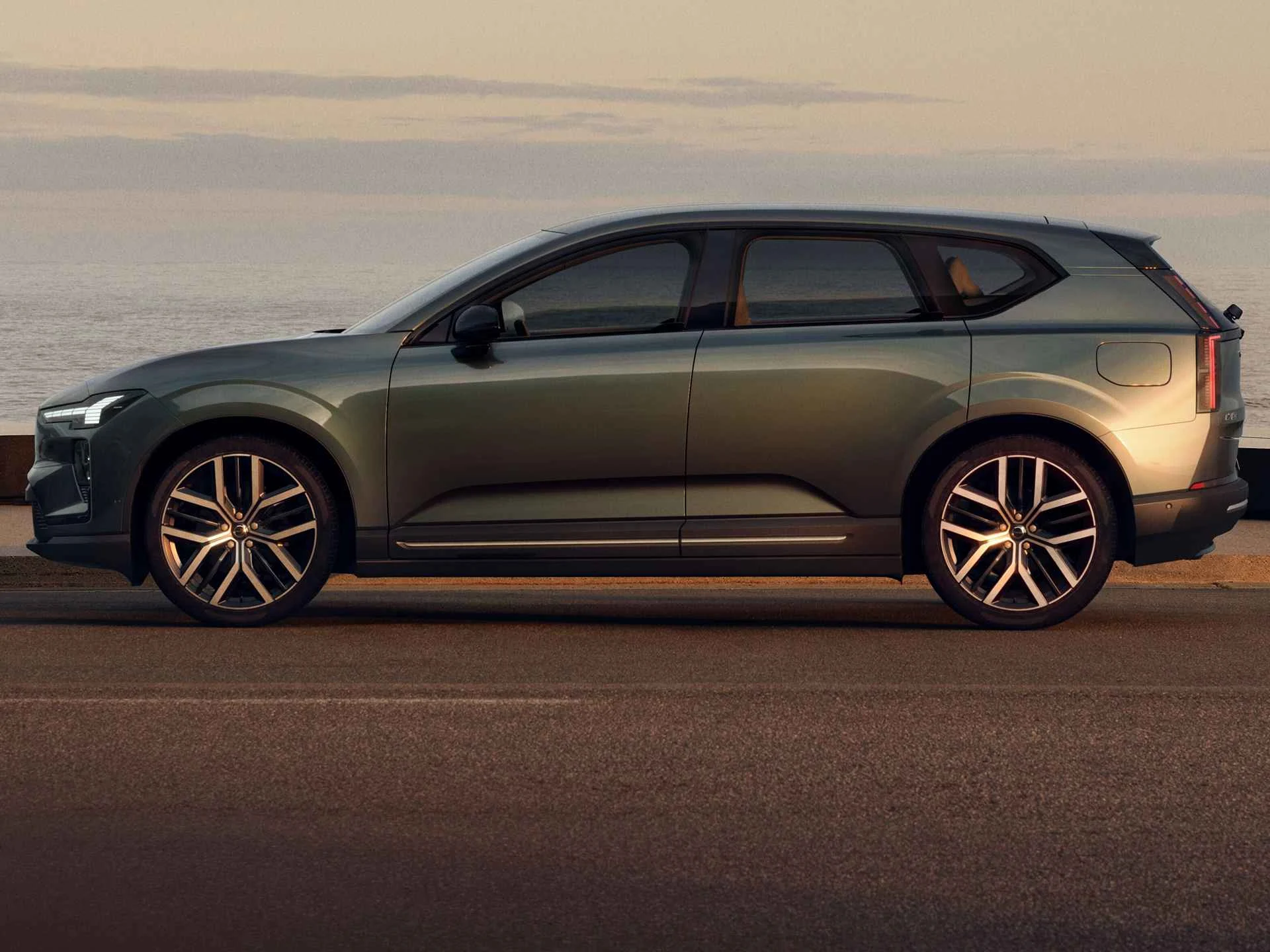
    The new Volvo EX60 presents one of the longest ranges available on a single charge in the US, able to travel 400 miles according to EPA testing, a pretty remarkable achievement for a premium mid-size SUV. Although Volvo gave a sneak peek of the EX60 at the CES 2026 expo, it has now officially launched it in the US, with initial deliveries set for May 2026.

    Pricing in Different Markets

    The starting price for the Volvo EX60 is around $60,000 for the RWD P6 version, and approximately $70,000 for the AWD P12 model with a 400-mile range. In Europe, the RWD EX60 starts at €62,990, while the P12 model is priced at €9,000 more. The price differences in the US are likely to follow a similar pattern.

    This pricing is nearly thirty thousand less than a comparable AWD Tesla Model X, while the Volvo EX60 provides 50 additional miles of range, quicker charging, equivalent acceleration, a longer battery warranty, and a more luxurious interior.

    Battery Warranty Comparison

    Unlike the Tesla Model Y, Volvo offers a 10-year battery warranty for the P12 EX60, ensuring that at least 320 miles of range will be maintained from the original battery capacity when the warranty ends. In comparison, Tesla guarantees 280 miles of range after an 8-year period for their similar Model X. Recently, Tesla introduced a 10-year battery warranty for the Model Y, but it comes as an added cost of $2,000 with a $500 deductible.

    Charging Capabilities

    What is particularly noteworthy about the EX60’s remarkable range among mid-size SUVs is that it achieves 400 miles in an AWD version priced reasonably within the premium segment. The EX60 is equipped with a modern 800V powertrain and can handle 400 kW of peak charging through its native NACS port, allowing it to charge at Tesla’s extensive Supercharger network directly.

    While V4 Superchargers that can provide such peak speeds are still relatively uncommon, when they are available, the Volvo EX60 can gain 173 miles of range during a quick 10-minute stop at the Supercharger. Additionally, Volvo has included 22 kW bi-directional charging, a highly sought-after feature that Tesla only provides on the Cybertruck, and even then at slower speeds of 11 kW.

    Free Charging Offer

    Volvo is also offering three years of complimentary charging in Europe, along with the Volvo equivalent of the Tesla Wall Connector that can be found on Amazon. However, it remains uncertain if this same promotion will be available in the US market.

    Safety Features

    Staying true to its reputation, Volvo has ensured that the EX60 is among the safest SUVs on the market today. With a gigacast body—a first for the brand—and the innovative HuginCore sensors that monitor surroundings in real-time, along with the world’s first multi-adaptive safety belt, this electric SUV is packed with safety features, according to Volvo.

    Comfort and Technology

    Beyond passenger safety, the design of the EX60 emphasizes comfort as well. The SUV is fitted with adaptive air suspension, heated and folding electric boosters in the rear, and heated, vented, and massaging front seats.

    Additionally, it features an electrochromic panoramic roof and a Forest Light cabin projector, creating a brighter and more spacious interior. An optional 28-speaker Bowers & Wilkins audio system includes speakers in all headrests, and the infotainment system incorporates deep integration with Google Gemini and Apple Music.

    Special Edition

    In addition to the standard models, the EX60 will also be offered in Volvo’s renowned CrossCountry edition. Available in an exclusive Forest Green color, the EX60 CrossCountry provides additional clearance and air suspension that can adjust its height as needed.

    It also features stainless steel skid plates, unique CrossCountry badging, and wider arches that accommodate special wheels and tires made for this variant. The Volvo EX60 CrossCountry is already available in Europe, and its range is listed as an EPA test estimate, suggesting it will be released in the US soon, although the pricing is still unknown.

    Source:
    Link


  • Tesla Supplier Readies for Large-Scale Sodium-Ion Battery Production

    Tesla Supplier Readies for Large-Scale Sodium-Ion Battery Production

    Key Takeaways

    1. LG is launching a large-scale sodium-ion battery production initiative to compete with Chinese manufacturers dominating the market.
    2. Sodium-ion batteries use sodium instead of lithium, offering benefits like lower costs, improved safety, and better performance in cold temperatures.
    3. LG aims to start producing sample sodium-ion batteries this year and has partnered with Sinopec for essential materials.
    4. Tesla has upgraded the range of its Model Y and Model 3 with new LG NCM811 2170 cells that improve energy density and charging speed.
    5. Despite some concerns about LG’s battery durability compared to Panasonic, LG remains a key supplier for Tesla and plans to introduce sodium-ion technology.


    As Chinese manufacturers dominate the emerging sodium-ion battery market, LG, a significant supplier for Tesla, is working to challenge their near monopoly on this promising technology.

    The South Korean firm provides 2170 cells for various Tesla electric vehicles, including the Model Y available in the US. LG is now launching a large-scale sodium-ion battery production initiative. Currently, they are developing the chemistry in the research and development stage and will establish a pilot production line at their Nanjing facility, where they also produce batteries for the Model Y and Model 3.

    Ambitious Plans for Production

    The aim is to begin producing sample sodium-ion batteries this year, with plans to incorporate this safer and more cost-effective technology into electric vehicles and energy storage systems. Moreover, LG has formed a partnership with Sinopec to secure essential electrode materials for sodium-ion batteries, ensuring a reliable supply chain.

    Sodium-ion batteries utilize plentiful sodium instead of costly lithium as the main ion transfer material, and they may outperform the popular LFP chemistry regarding manufacturing costs, safety, and performance in cold temperatures. There are already products in the market, such as the first Na-ion jump starter on Amazon, that take advantage of these benefits. The largest battery manufacturer, CATL, has also made strides in energy density with its Naxtra packs, which means LG has significant challenges ahead before launching the first mass-produced sodium-ion battery from a South Korean company.

    Tesla’s Recent Upgrades

    Recently, Tesla enhanced the range of its popular Model Y and Model 3 electric cars by adding new LG batteries. The NCM811 2170 cells feature improved energy density, which results in greater capacity within the same size, enabling Tesla to boost the official range estimates for the 2026 Model Y.

    More importantly, these new batteries can achieve a peak charging rate of 256 kW and maintain a flatter charging curve for extended periods, allowing for quicker charging than prior models. Although some repair shops have expressed concerns regarding the durability of LG’s battery packs in Tesla vehicles compared to those from Panasonic, it remains uncertain whether they tested the new high-energy-density cells or older models. Regardless, LG is poised to stay as a primary battery supplier for Tesla, potentially introducing affordable sodium-ion batteries into the mix.

    Source:
    Link