Category: EV vehicles

  • Chery’s 2026 Solid-State Battery EV: 600+ Miles in Arctic Conditions

    Chery’s 2026 Solid-State Battery EV: 600+ Miles in Arctic Conditions

    Key Takeaways

    1. Chery will launch its first vehicle with a solid-state battery, the Exeed ES8, in 2026, ahead of Toyota by one year.
    2. Chery’s solid-state battery boasts a 600 Wh/kg energy density, surpassing previous theoretical limits by 20% and ready for mass production.
    3. The Exeed ES8 is expected to achieve a range of 1,500 km (about 625 miles) on a single charge, significantly outpacing the average range of current US electric vehicles.
    4. Solid-state batteries offer advantages like ultra-fast charging and minimal capacity loss in extreme cold, maintaining performance even at -30 degrees Celsius.
    5. Competitors like Toyota, Samsung, and CATL aim for 2027 to launch solid-state battery vehicles, making Chery a frontrunner in this technology.


    China’s leading car exporter, Chery, is set to launch its first vehicle equipped with a solid-state battery in 2026, getting ahead of Toyota by a year. Chery has been at the forefront of solid-state battery technology and has recently announced that it has developed a 600 Wh/kg solid-state battery that is ready for mass production.

    Advancements in Battery Technology

    Chery, along with other firms such as WeLion, has introduced solid-state batteries with improved energy densities; however, these are still undergoing engineering validation. In contrast, Chery’s production-ready oxide cells featuring a new polymer electrolyte exhibit an energy density that surpasses the previous theoretical maximum by 20%. This advancement allows Chery to incorporate a significantly greater capacity within the same space as the liquid electrolyte batteries currently used in its electric vehicles.

    Impressive Specifications for the Exeed ES8

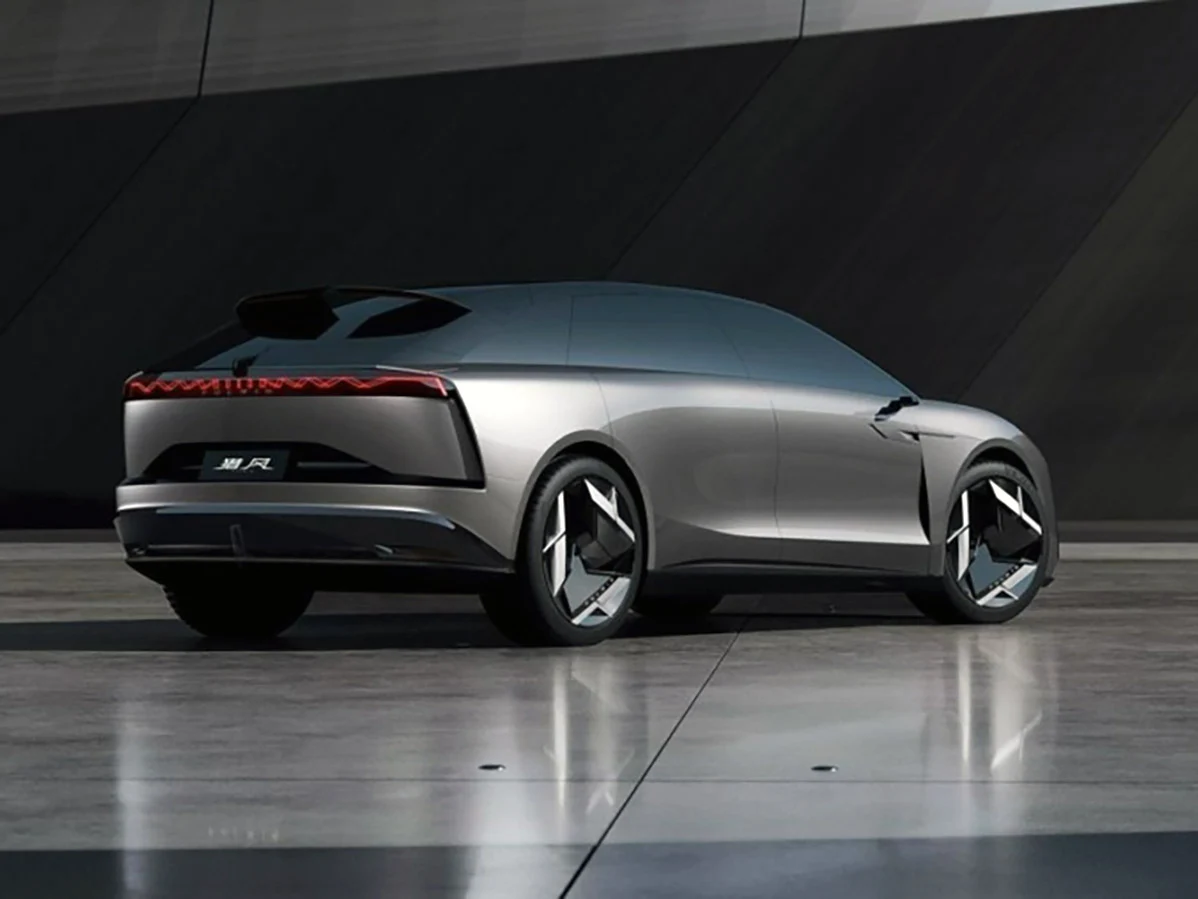
    The initial 2026 Chery electric vehicle featuring an all-solid-state battery will be the powerful Exeed ES8 shooting brake named Liefeng, which is expected to achieve a range of 1,500 km on a single charge and accelerate in less than three seconds. This performance is attributed to its 800V powertrain and motors that can reach 30,000 rpm, as hinted by the company. It’s important to note that this claimed range is based on the Chinese CLTC cycle, which is approximately one-third less strict than the EPA estimates in the United States, as it mainly involves city driving.

    Real-World Range Estimates

    Consequently, the shooting brake is projected to cover around 625 miles on a single charge when calculated according to EPA standards, which is more than double the average range of current electric vehicles in the US. However, the higher energy density and extended EV range are not the only advantages of solid-state batteries. The 600 Wh/kg cells that Chery plans to use also enable ultra-fast charging and maintain performance with minimal capacity loss, even in frigid temperatures as low as -30 degrees Celsius.

    Competitive Landscape

    Companies such as Toyota, Samsung, and CATL have all set 2027 as the goal for launching cars that utilize solid-state batteries achieving the previously theoretical maximum of 500 Wh/kg. These batteries are expected to provide a range of 500 miles per charge while fitting into the same space as the current 300-mile batteries found in vehicles like the Tesla Model Y. With its 20% longer range, Chery is poised to release its vehicle as early as this year, positioning itself as one of the first automakers to commercialize solid-state batteries successfully.

    Source:
    Link


  • Electric BMW M3: Quad Motors, 100kWh Battery, Launch in 2027

    Electric BMW M3: Quad Motors, 100kWh Battery, Launch in 2027

    Key Takeaways

    1. BMW’s future electric M models, including the M3, will debut in 2027 with advanced technology and design features.
    2. A central control unit will manage all drivetrain and chassis systems, enhancing data processing speed.
    3. Smart software will replace traditional mechanical differentials, managing torque distribution across four motors.
    4. The electric M3 will feature a decoupled front axle for rear-wheel-drive operation, improving efficiency for long drives.
    5. There is strong demand for performance vehicles, leading to potential plans for an electric M3 Touring version in select markets.


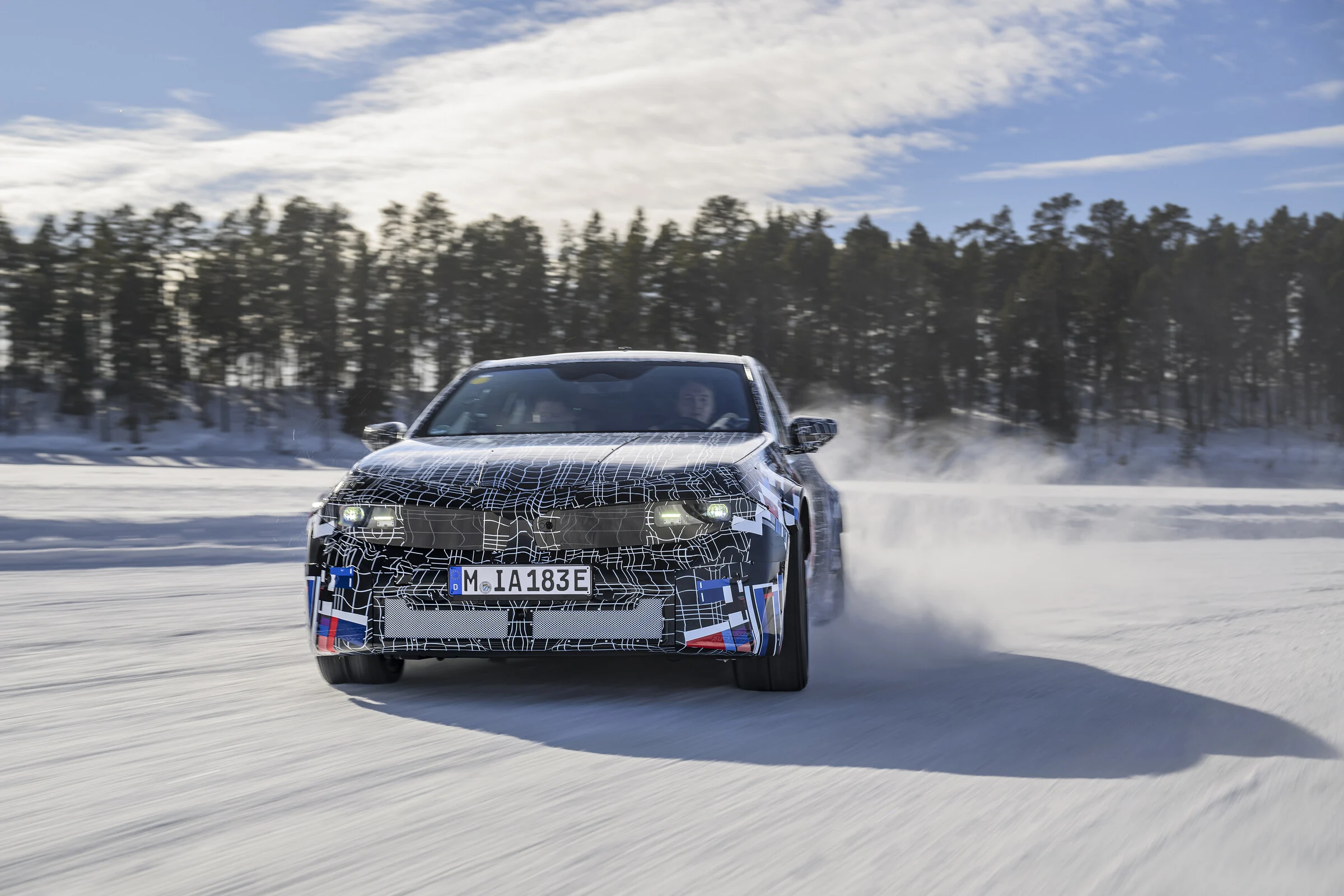
    BMW has shared more details about the design of its future fully electric M models, set to debut in 2027. Central to this new architecture is a control unit that oversees all drivetrain and chassis systems, significantly speeding up data processing compared to what we have today. Instead of using a traditional mechanical differential, smart software will manage torque distribution across the four motors. Additionally, BMW plans to include simulated gear shifts and a unique sound that mimics that of internal combustion engines.

    Electric M3 Overview

    The forthcoming electric M3 is not just an enhanced version of the BMW i3 sedan; it’s a high-performance vehicle that undergoes significant modifications. One of the standout features is the ability to decouple the front axle, allowing the car to operate as a traditional rear-wheel-drive vehicle with just a button press. This feature is designed to boost efficiency for long-distance driving and may attract drivers who prefer this setup. However, it’s important for potential buyers to remember that the electric M3 will be sold alongside the existing combustion-engine variant, which is likely to be available for several more years with the S58 inline-six engine. Thus, those interested in cutting-edge technology might prefer to wait until the electric model launches in 2027. For enthusiasts, the current BMW M3 (G80/G81) will still be available.

    Market Trends and Future Plans

    Recent sales data underscores the importance of performance vehicles that can still be used in everyday life. For instance, the demand for the BMW M3 Touring (G81) soared by 57% in 2024. Given this trend, it’s very possible that BMW will introduce a Touring version of the electric M3 in select markets, including Germany.

    Source:
    Link


  • Xiaomi SU7 Upgrade: 902 km Range, LiDAR & 700 TOPS Standard

    Xiaomi SU7 Upgrade: 902 km Range, LiDAR & 700 TOPS Standard

    Key Takeaways

    1. Technical Redesign: Xiaomi is introducing a major technical overhaul for its SU7 electric vehicle, moving to a standardized 752-volt platform across all models, with the top-tier SU7 Max reaching nearly 900 volts.

    2. Fast Charging: The SU7 can recharge enough energy for 670 km (416 mi) in just 15 minutes, significantly improving charging efficiency compared to competitors like Tesla and VW.

    3. Impressive Driving Range: The SU7 models offer exceptional ranges, with the Standard at 720 km (447 mi), the Pro at 902 km (560 mi), and the Max at 835 km (519 mi).

    4. Advanced Safety and Assistance Features: All SU7 variants will include LiDAR sensors, advanced radar, and 700 TOPS of AI computing capability for automated driving, alongside enhanced passive safety features like a robust body structure and nine airbags.

    5. Pricing and Availability: Pre-sales for the SU7 will start at 229,900 yuan ($32,970) in China, with the Pro and Max versions priced at 259,900 yuan ($37,268) and 309,900 yuan ($44,438), respectively. Official launch is set for April 2026.


    Chinese tech company Xiaomi is changing the game in the automotive industry by stepping away from the typical sales patterns. Rather than making only small cosmetic updates, Xiaomi is introducing a significant technical redesign for its eagerly awaited SU7 electric vehicle for the 2026 model year. An essential aspect of this overhaul is the standardization of the high-voltage systems. Previously, the entry-level models featured 400-volt technology, but the new SU7 MY2026 will incorporate at least a 752-volt platform across all variants. The top-tier SU7 Max (2026) will even reach nearly 900 volts (897 V).

    Charging Efficiency

    This transition promises remarkably quick charging times for the Xiaomi SU7 electric sedan. Xiaomi claims that the top version can recharge sufficient energy for 670 km (416 mi) within just 15 minutes. This will certainly challenge established rivals like the Tesla Model 3 and the VW ID.7.

    Impressive Range

    Xiaomi is upping its ante in terms of driving range (CLTC), showcasing impressive stats for all three models: 720 km (447 mi) for the Xiaomi SU7 Standard, while the BEV version, the Xiaomi SU7 Pro, is touted as the range champion at 902 km (560 mi). Meanwhile, the performance-focused Xiaomi SU7 Max is expected to offer an electric range of 835 km (519 mi).

    Advanced Driver Assistance

    The suite of driver assistance features is a notable challenge to competitors. Xiaomi plans to equip every SU7 with the costly LiDAR laser sensor and a 4D millimeter wave radar, even in the base model. Additionally, all SU7 variants will have a staggering 700 TOPS of computing capability for AI-driven “highly automated driving” (termed “Xiaomi HAD”).

    Enhanced Drive System

    The drive system for the SU7 series has also seen enhancements. The new V6s Plus engine is now standard for the SU7 lineup. The base model delivers an output of 235 kW (320 hp). To enhance traction, all models now sport rear tires that are 265 millimeters wide. The SU7 Pro variants will also include a premium dual-chamber air suspension with adjustable dampers.

    Stylish Interior

    The interior of the SU7 for the 2026 model year showcases new shades like “midnight black,” a revamped two-tone steering wheel, and an updated central console. Xiaomi has heeded customer reviews, ensuring that crucial features in the SU7 can still be accessed using physical buttons.

    Safety Improvements

    Xiaomi has significantly enhanced the passive safety features of the SU7 electric car. The body structure uses 2200MPa steel, forming an “integrated roll cage.” The SU7’s drive battery is safeguarded by specialized underbody protection with a highly durable coating. Inside, the number of airbags has increased to nine, now including two new rear side airbags.

    Pricing and Availability

    However, these upgrades come at a cost. Pre-sales for the SU7 in China will begin at 229,900 yuan (about $32,970), which represents a rise of around 14,000 yuan (approximately $2000). The Pro version of the SU7 is priced at 259,900 yuan (around $37,268), while the top-tier SU7 Max will cost 309,900 yuan (approximately $44,438). So far, these are the prices announced for China. Customers in China who are still waiting for their “old” SU7 model can upgrade to the new version of the SU7 at no extra cost until January 10, 2026. The official launch for the SU7 MY2026 is set for April 2026.

    Xiaomi (Weibo)

    Source:
    Link


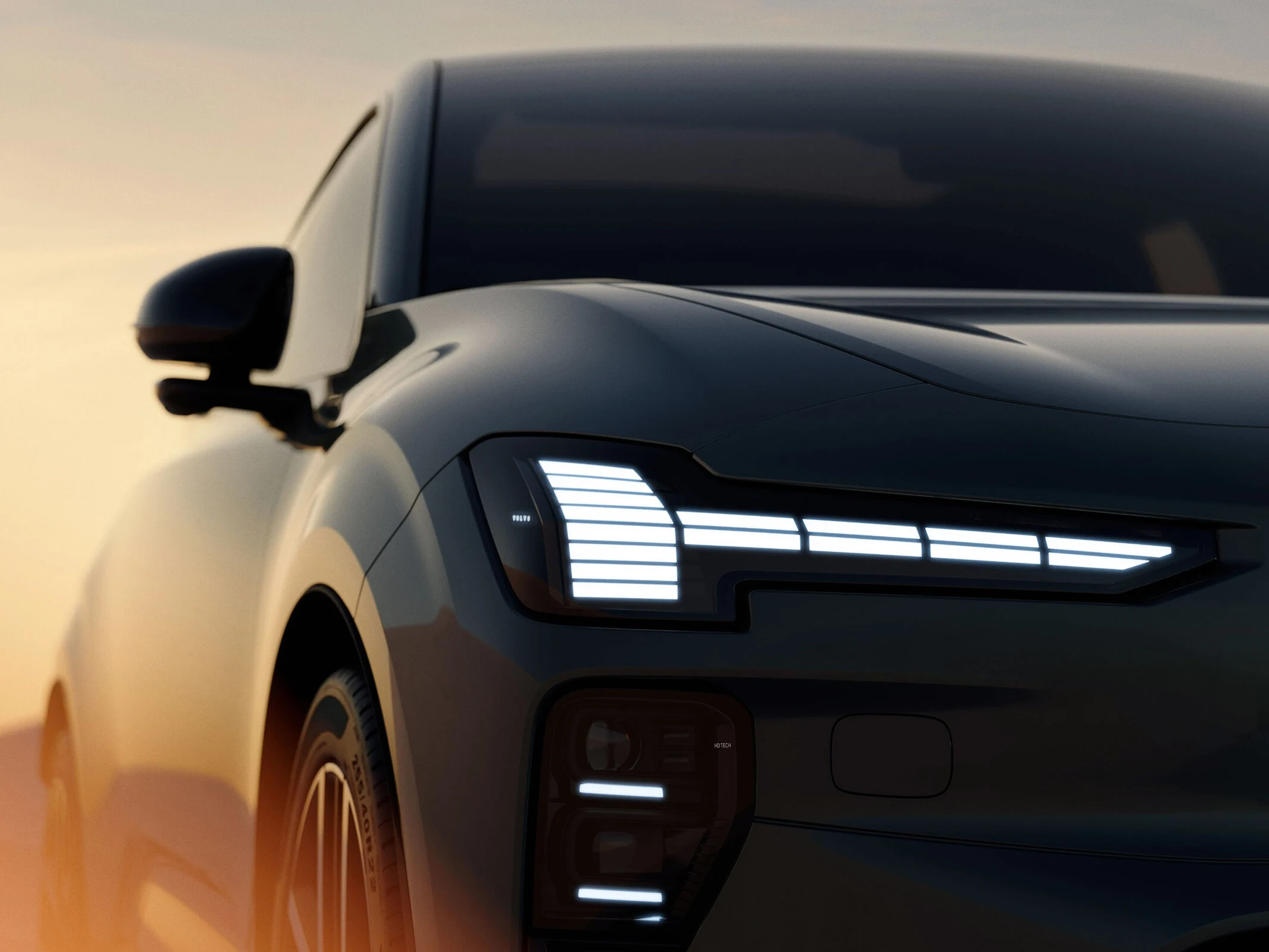
  • Volvo EX60: 810 km Range, 400 kW Charging, AI Supercomputer Features

    Volvo EX60: 810 km Range, 400 kW Charging, AI Supercomputer Features

    Key Takeaways

    1. The all-electric Volvo EX60 will debut on January 21, 2026, with a range of up to 810 km (503 mi) for the all-wheel-drive variant.
    2. The EX60 features rapid charging capabilities, gaining 340 km (211 mi) of range in just ten minutes at compatible stations.
    3. It includes advanced computing power with the HuginCore architecture, utilizing Nvidia and Qualcomm hardware for over 250 trillion operations per second.
    4. The vehicle integrates the Google Gemini AI assistant for natural voice conversations and enhanced tasks like searching and planning.
    5. Designed as a software-defined vehicle, the EX60 will receive regular over-the-air updates through the Superset Tech Stack.


    The new, all-electric Volvo EX60 is set to make its debut on January 21, 2026, marking the introduction of the brand’s latest premium SUV. Volvo claims that the EX60 can achieve a remarkable range of up to 810 km (503 mi), specifically for the all-wheel-drive variant. Even more intriguing is its rapid charging capability, allowing the vehicle to draw up to 400 kW from compatible charging stations. With this feature, the car can gain a range of 340 km (211 mi) in just ten minutes, placing the EX60 in a category that was once exclusive to high-performance sports cars.

    Advanced Computing Power

    Beneath the surface, the EX60 features an innovative computing architecture known as HuginCore, named after a raven from Norse mythology. This system integrates hardware from Nvidia and Qualcomm, boasting an impressive processing power of over 250 trillion operations per second. This advanced setup not only manages the infotainment system using the Snapdragon Cockpit platform but also handles sensor data for real-time autonomous driving through the Nvidia Drive AGX Orin chip.

    Cutting-Edge AI Integration

    Volvo is pioneering the integration of the Google Gemini AI assistant directly into its vehicles, which is expected to transform voice control. Instead of following strict commands, drivers will be able to engage in natural conversations with the car. Gemini can assist with various tasks, such as searching for hotels in emails, reviewing packing lists, and planning road trips. Upcoming updates will allow the AI to utilize the vehicle’s cameras to analyze the environment and respond to relevant questions.

    Software-Defined Vehicle Experience

    The EX60 is designed as a software-defined vehicle, ensuring that customers receive regular over-the-air updates through the Superset Tech Stack. The official reveal of the Volvo EX60 will happen on January 21, 2026, and will be available for viewing through a livestream. You can find the link to the YouTube stream here.

    Source:
    Link


  • New Low-Pressure Method Cuts Solid-State Battery Electrolyte Costs 70%

    New Low-Pressure Method Cuts Solid-State Battery Electrolyte Costs 70%

    Key Takeaways

    1. China has launched a program to categorize and standardize solid-state batteries, emphasizing their importance in electric vehicles and energy storage over the next five years.
    2. Local companies, including startups and major firms like CATL, are piloting solid-state battery production, achieving energy densities between 350-500 Wh/kg.
    3. Initial solid-state batteries in mass production are expected to have lower energy densities than theoretical limits, with current products around 350-360 Wh/kg.
    4. High production costs are a major challenge, but researchers have found ways to reduce costs by modifying traditional electrolyte structures, achieving significant price reductions.
    5. A new solid electrolyte composition has been developed that improves ion conductivity, flexibility, and production efficiency, potentially making all-solid-state lithium batteries more viable.


    China has recently launched a pioneering program for the categorization and standardization of solid-state batteries. This initiative highlights the country’s commitment to prioritizing solid-state battery advancements in its electric vehicle and energy storage strategies over the next five years.

    Local Production Initiatives

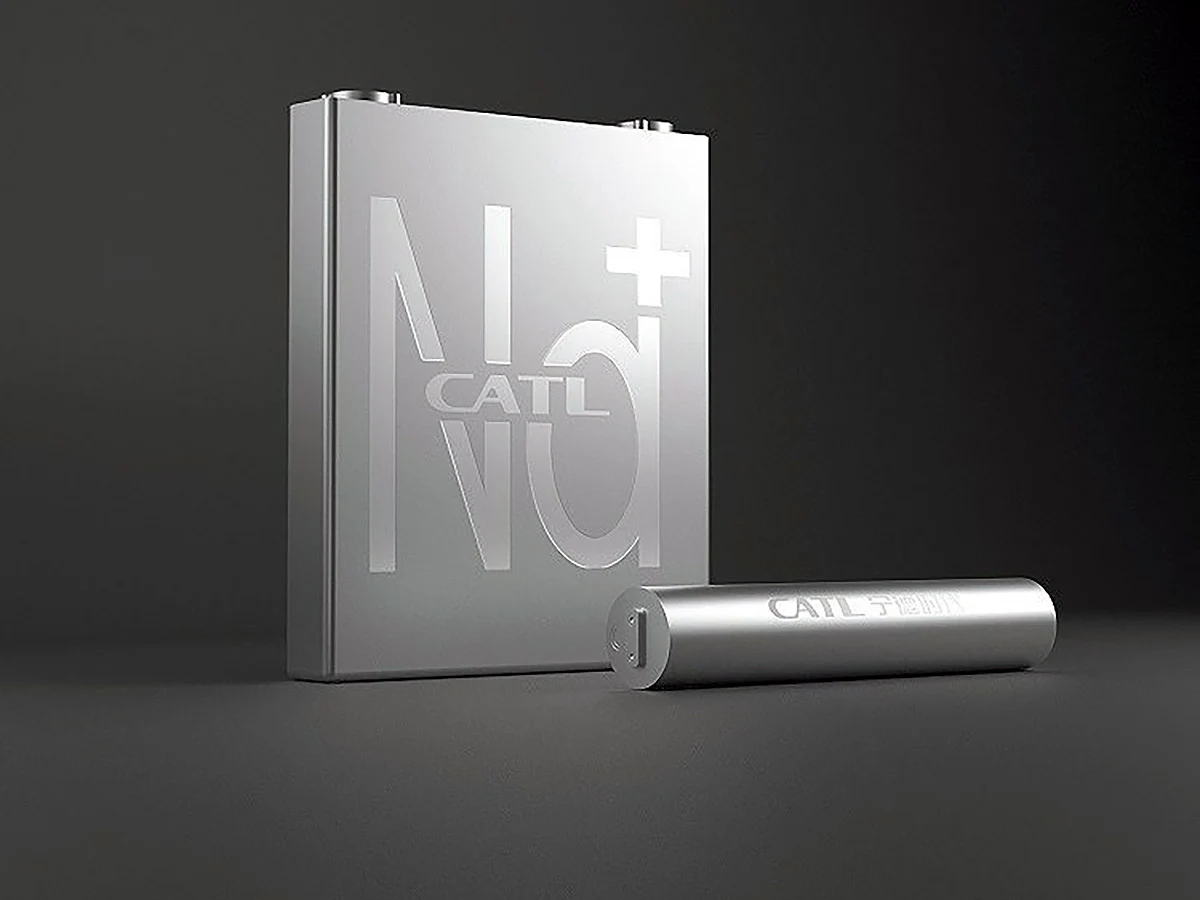
    Various local firms, ranging from new startups to major players like CATL, have begun pilot production of solid-state batteries. These batteries boast energy densities between 360 and 500 Wh/kg, and some have even pushed theoretical limits to 700 Wh/kg by utilizing polymer electrolytes in their designs.

    Performance and Safety Challenges

    However, the energy density of the initial solid-state batteries in mass production is expected to be lower than the previously stated theoretical cap of 500 Wh/kg. Companies such as Hylic, which has launched the first dedicated production line for solid-state batteries, and Dongfeng, currently testing its own solid-state battery in extremely low temperatures, are both advertising energy densities around 350-360 Wh/kg. They are working hard to balance performance, safety, and manufacturing costs, which is why Hylic points out the lower energy density in their products.

    Tackling Manufacturing Costs

    One of the major hurdles for the successful commercialization of solid-state batteries is their high production costs. In response, Chinese researchers have been making progress in this area. They discovered a method to reduce costs by modifying the electrolyte structure of a traditional zirconium-based mixture. Another research group has adjusted the composition of this mixture to achieve an estimated material cost of $43.70 per liter, which is approximately 70% lower than the cost of the widely used Li₂ZrCl6 solid electrolyte known for its affordability.

    Innovative Electrolyte Composition

    The new solid electrolyte consists of lithium, zirconium, aluminum, chlorine, and oxygen in a ratio of 1.4Li2O-0.75ZrCl4-0.25AlCl3. This compound not only provides adequate ion conductivity but is also notably more flexible and can be applied with significantly less pressure, which greatly reduces production costs. The material has been tested for compatibility with existing manufacturing methods and has shown good capacity retention.

    The research team from the University of Science and Technology of China states that achieving a balance of strong mechanical compliance, lithium-ion conductivity, and cost efficiency in the 1.4Li2O-0.75ZrCl4-0.25AlCl3 composition could be key to making practical all-solid-state lithium batteries a reality.

    Source:
    Link


  • Tesla Ends Free FSD Transfer, Impacts HW3 and AI4 Subscription Prices

    Tesla Ends Free FSD Transfer, Impacts HW3 and AI4 Subscription Prices

    Key Takeaways

    1. Tesla’s free Full Self-Driving (FSD) transfer promotion will end on February 14, affecting Model Y owners who previously benefited from transferring FSD to new vehicles.
    2. Starting February 15, Tesla will no longer sell FSD outright for $8,000, shifting to a subscription model with a monthly fee of $99 for new and existing owners.
    3. The subscription model presents challenges for Tesla as vehicle sales decline, pushing the company to seek new revenue streams in a weak EV market.
    4. New Model Y owners wishing to join the Robotaxi fleet will need to pay for FSD subscription and give Tesla 20% of their earnings from ride-sharing.
    5. Future pricing for FSD subscriptions remains uncertain, with potential tiered pricing based on vehicle capabilities and whether owners choose to participate in the Robotaxi platform.


    Tesla’s well-liked free FSD transfer promotion will be ending after February 14, as stated by Elon Musk, who has been quite open about the situation recently.

    Changes for Model Y Owners

    Previously, owners of the Model Y who bought the Full Self-Driving (FSD) feature outright at its various prices over the years (currently set at $8,000) could transfer this highly sought-after feature to a new Model Y or any other Tesla vehicle they purchased. The free FSD transfer had almost become a regular offer, with Tesla frequently extending it, having only a couple of quarters in the last two years where it wasn’t available as a purchase incentive.

    Subscription Model Introduction

    Instead of continuing to sell the FSD option for $8,000, Tesla will cease all sales starting February 15. Moving forward, the only way for existing and future Tesla owners who haven’t purchased FSD will be to subscribe and pay the monthly fee set by Tesla. The current subscription price for FSD is $99 per month. This means that for those who bought it outright, it would take around eight years to recover their investment, which is about the lifespan of their Model Y. However, they could have transferred it to a new Model Y under the free transfer deal, or whatever Tesla provides at that time, allowing them to utilize it for years without any additional costs.

    Revenue Challenges for Tesla

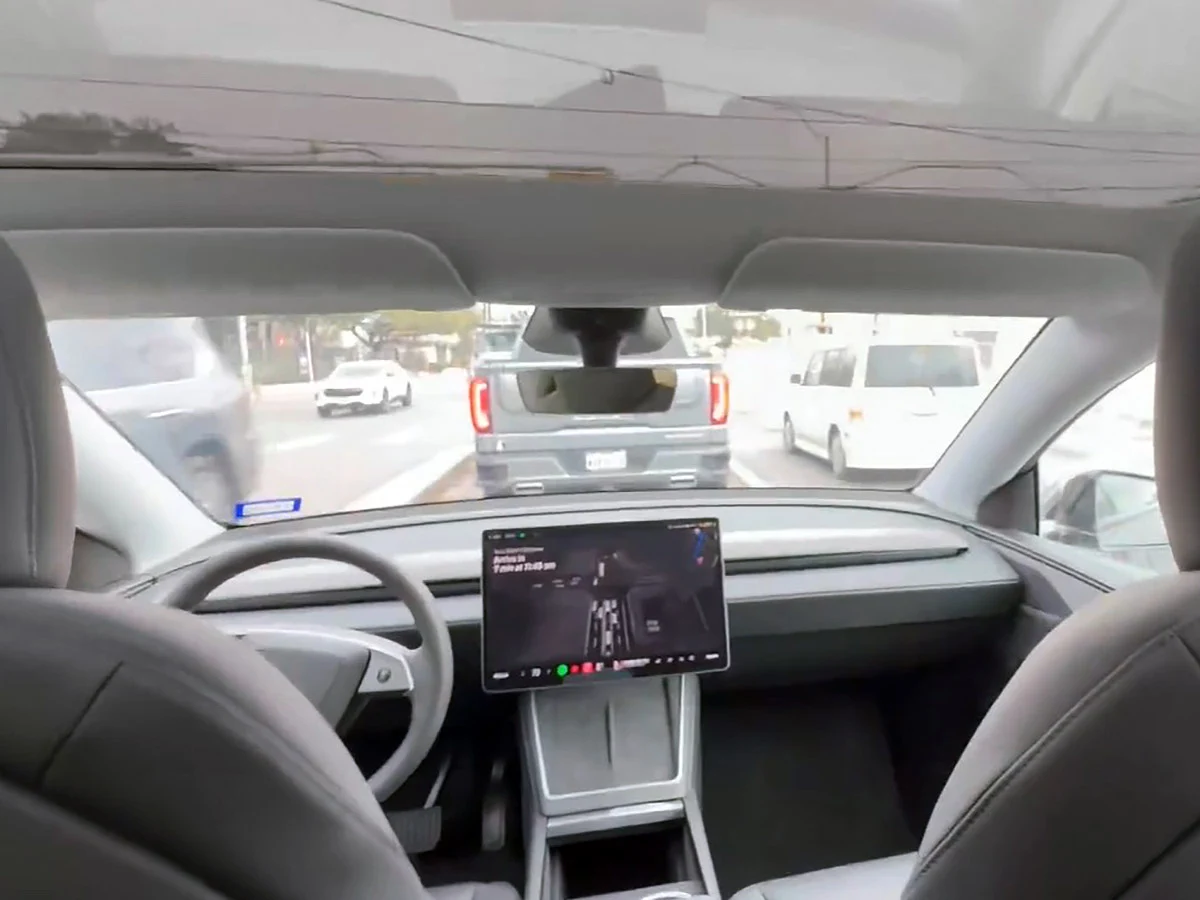
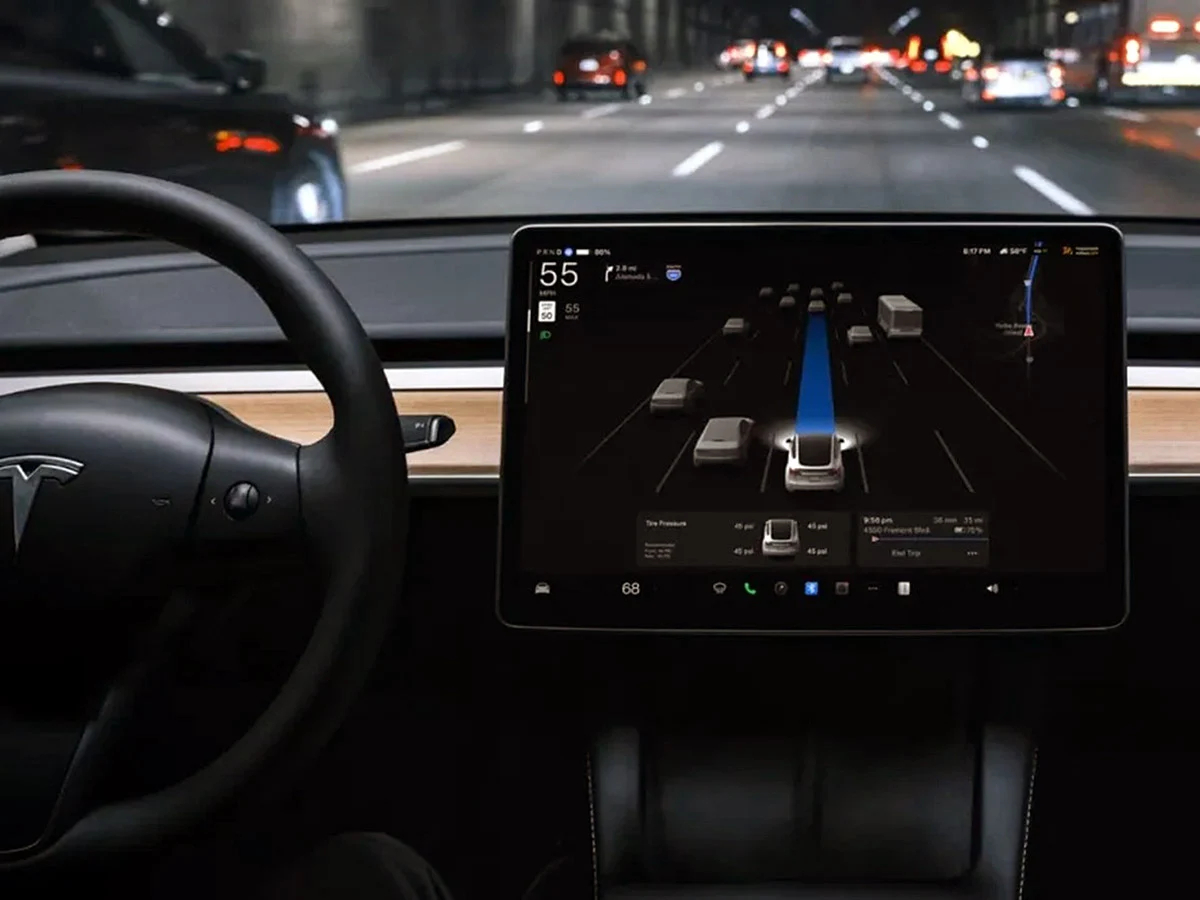
    This situation is not ideal for Tesla, especially since their vehicle sales are on the decline, and they need to find ways to generate revenue in a somewhat weak EV market. Moreover, Tesla is preparing to roll out the unsupervised FSD version that will operate its robotaxis through an over-the-air update. This would enable owners of the 2026 Model Y to add their vehicles to the Robotaxi ride-share fleet whenever they choose and earn money when they aren’t using their cars.

    This additional revenue opportunity could be thrilling for many Tesla vehicle owners. However, it poses a challenge for those who already purchased FSD outright, as they can continue to benefit from it for many years. After February 14, new Model Y owners who wish to contribute their vehicles to the Robotaxi fleet will not only have to pay for a monthly or yearly subscription for FSD (Unsupervised), but they will also need to give Tesla about 20% of their revenue for managing the ride-share platform and processing payments. In essence, Tesla will halt the sale of FSD 14 just as their Robotaxi service goes public, aiming to boost revenue through this more profitable subscription-only model.

    Future Pricing Uncertainty

    It’s uncertain whether the monthly fee for FSD will stay the same or if Tesla will introduce a tiered subscription model. There might be one price for the upcoming simplified FSD 14 Lite for HW3 vehicles and a different price for the complete FSD available on newer models equipped with HW4. Those who don’t want to list their vehicles on the Robotaxi platform could stick with a less expensive version of FSD (Supervised), while those looking to profit as robotaxis may face higher costs for the unsupervised edition, and so forth.

    Source:
    Link


  • Svolt Fortress 2.0: 80kWh Battery Charges in 10 Minutes

    Svolt Fortress 2.0: 80kWh Battery Charges in 10 Minutes

    Key Takeaways

    1. Svolt showcased the Fortress 2.0 battery with an 80kWh capacity, enabling PHEVs to exceed 249 miles of electric range.
    2. The new battery cells feature ultra-fast charging technology, reaching 10 to 80% charge in just ten minutes at a 6C rate.
    3. Svolt introduced Ion Oscillation Pulse Charging technology, which reduces charging times by 25% without increasing costs, set for integration in EVs by Q3 2026.
    4. Progress in semi-solid-state batteries includes a first generation with 270Wh/kg energy density, and a second generation for eVTOLs at 342Wh/kg.
    5. Svolt plans to manufacture a budget-friendly mid-nickel battery variant with 245Wh/kg by October 2026, contributing to its profitability strategy.


    At the sixth Battery Day event in Changzhou, China, battery expert Svolt has showcased a new energy storage solution that goes beyond previous limits for plug-in hybrids (PHEV). The battery, known as Fortress 2.0, has a capacity of 80kWh and is tailored for larger family cars. Vehicles equipped with this battery could achieve an electric range exceeding 249 miles. In comparison, some all-electric cars today have a similar driving range.

    Fast Charging Technology

    The latest battery cells feature a unique graphite technology that enables ultra-fast charging capabilities. Svolt claims a charging rate of 6C, which means the battery can go from 10 to 80% charge in just ten minutes. Mass production is planned to begin in March 2026.

    Innovative Charging Method

    Alongside the new battery, the company introduced a new charging technique. The most recent version of the Ion Oscillation Pulse Charging technology aims to reduce charging times by 25% without raising costs. This technology is expected to be integrated into first electric vehicles by the third quarter of 2026.

    Progress in Battery Development

    Svolt has also made strides in creating semi-solid-state batteries. The initial generation of these batteries, boasting an energy density of 270Wh/kg, is currently being produced in limited quantities and could soon appear in a vehicle from a European manufacturer, likely referring to BMW’s Mini. In October 2025, Svolt confirmed it was working on tailored energy solutions for the brand. A second generation, designed for eVTOL applications, offers even higher density at 342 Wh/kg and has already been successfully tested in flight trials.

    Affordable Options for Consumers

    For the broader market, Svolt intends to start manufacturing a more budget-friendly mid-nickel variant with 245 Wh/kg in October 2026. Thanks to an innovative electrolyte transfer technology, these cells are reported to be notably resistant to thermal runaway. From a business standpoint, this strategy seems effective, as Svolt achieved its first quarterly profit in the last quarter of 2025, with plans to reach profitability for the entire year of 2026.

    ithome.com | Svolt

    Source:
    Link


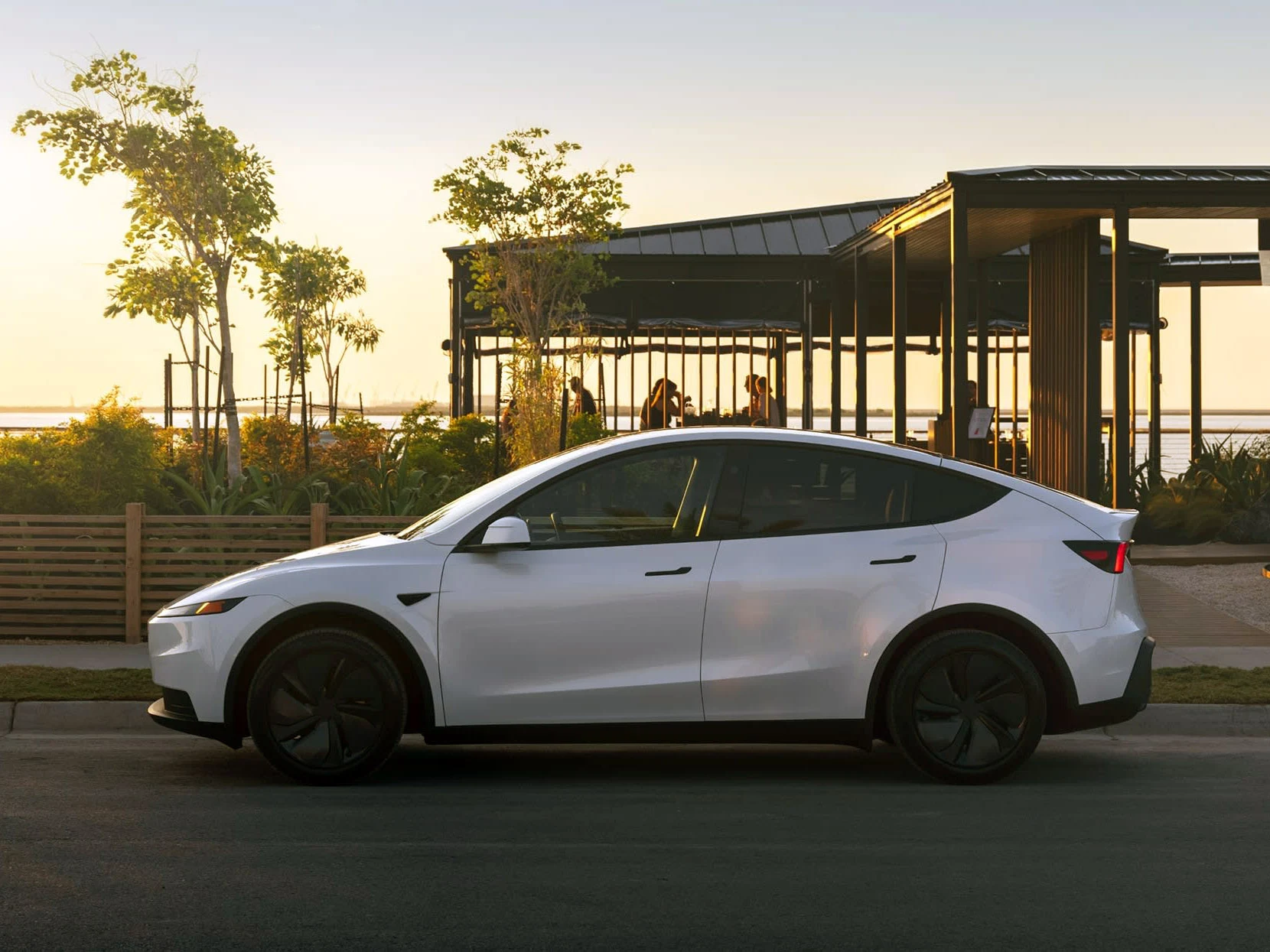
  • Tesla Launches 7-Seat Model Y in US with Upgraded Features

    Tesla Launches 7-Seat Model Y in US with Upgraded Features

    Key Takeaways

    1. Tesla has launched a 7-seat variant of the refreshed 2026 Model Y in the US, available only in the Premium AWD trim for an additional $2,500.

    2. The taller and longer Model Y L is not offered in the US, and there are no plans for a 3-row Tesla SUV due to the focus on robotaxis.

    3. Model Y robotaxis are currently in pilot testing in select US cities, with the Cybercab also undergoing early testing on public roads.

    4. The Premium trims now include new 20″ graphite Helix wheels for an extra $2,000, bringing the total cost of the 7-seat Model Y to $53,490 if purchased together.

    5. Standard upgrades for the Premium trim include a high-resolution 16-inch display and a new black headliner, following recent interior updates, but no retrofits are available for older models.


    Tesla has finally introduced the 7-seat variant of the refreshed 2026 Model Y to customers in the US. This 7-seat Model Y comes at an additional cost of $2,500 and is exclusively available with the top-tier Premium AWD trim.

    Not the Larger Model

    Regrettably, this release does not include the taller and longer Tesla Model Y L (for Large) that is only offered to customers in China. Elon Musk has stated that with the rise of robotaxis, there is no plan to launch a proper 3-row Tesla SUV for the US market.

    Robotaxis in the Pilot Phase

    Currently, the Model Y robotaxis are still undergoing pilot tests in a few US cities. The Cybercab, which lacks pedals and a steering wheel, is just beginning its testing phase on public roads before it can join the fleet. As a result, many Tesla enthusiasts are disappointed that the Model Y L won’t be available in the US.

    Instead, they are left with the earlier 7-seat Model Y configuration, which includes two small child seats that are somewhat awkwardly placed in the trunk for an extra $2,500. This bumps the price of the Premium AWD trims up to $51,490.

    New Features and Options

    Additionally, the Premium trims now feature a new set of 20″ graphite Helix wheels paired with all-season tires, which cost $2,000. So, for those looking to purchase the new 7-seat Model Y along with these wheels, they would be spending a total of $53,490. Alternatively, buyers can achieve a similar appearance by selecting a new wheel cover and hubcap kit available on Amazon.

    At least, the upgraded high-resolution 16-inch display from the Performance trim and a sleek black headliner replacing the old gray one will now be standard in the Model Y Premium. This update follows the interior refresh that recently appeared in China. While it looks more modern, Tesla does not provide any retrofits, meaning that these two free upgrades are now exclusive to the Premium and Performance trims.

    Source:
    Link


  • First Factory for 360 Wh/kg Solid-State Batteries Opens

    First Factory for 360 Wh/kg Solid-State Batteries Opens

    Key Takeaways

    1. China is the first nation to establish standards for solid-state batteries, aiming to speed up market introduction of solid electrolyte cells.
    2. Hybrid solid-liquid batteries, which contain 5% liquid and 95% solid electrolyte, are recognized for being cheaper to produce while offering high energy density and safety.
    3. Startups like WeLion are successfully developing innovative battery solutions, such as a 150 kWh battery pack for NIO’s ET7 sedan that provides over 650 miles of range.
    4. Established companies like CATL are now considering hybrid batteries as a practical interim solution while they work on true solid-state batteries.
    5. The world’s first dedicated solid-liquid battery manufacturing plant is being built by Hylic, aiming to produce batteries with significant range and efficiency for various applications.


    China has recently taken a big step by becoming the first nation to try to establish standards for solid-state batteries. Both new companies like WeLion and established players such as CATL are in competition to lead in the next generation of electric vehicle (EV) range and safety.

    Advancing Battery Technology

    The goal of the solid-state battery standard initiative is to hasten the process of bringing cells with solid or nearly solid electrolytes to the market. The new national classification differentiates between these types. Batteries that were previously labeled as semi-solid, which consist of 5% liquid and 95% solid electrolyte, are now referred to as hybrid solid-liquid batteries. These batteries are less expensive to produce compared to those with a 100% solid electrolyte, yet they are almost equally safe and provide significantly higher energy density than current ternary batteries that use volatile liquid electrolytes.

    Innovations from NIO and WeLion

    For example, NIO approached CATL to produce the solid-liquid battery it had developed. However, CATL, the largest EV battery manufacturer globally, initially dismissed the idea, viewing it as costly and not practical, which are two issues CATL typically avoids. Consequently, NIO sought assistance from the startup WeLion and successfully created a 150 kWh battery pack that allows its ET7 sedan to travel over 650 miles on just one charge.

    A Shift in Perspective

    Eventually, CATL revised its opinion and now sees solid-liquid batteries as a viable interim solution while working towards commercializing true solid-state batteries, which remain fairly costly to produce. In contrast, startups in China are focusing directly on developing and manufacturing hybrid or solid-state batteries, skipping the liquid electrolyte phase where they find it hard to compete against major companies like CATL or BYD.

    One such innovative company, Hylic, has started constructing the world’s first production line exclusively for hybrid batteries containing 95% solid electrolyte, also known as solid-liquid packs. Though these batteries don’t provide the same high energy density as solid-state batteries, Hylic’s cells, with only 5% liquid electrolyte, still achieve 360 Wh/kg, which is about 50% more than the average energy density of current EV batteries, and they can last for 1,000 charging cycles.

    Future of EV Battery Production

    The establishment of the first dedicated solid-liquid battery manufacturing plant could lead to electric vehicles capable of 500-600 miles of range at a reasonable cost, thanks to the benefits of large-scale production. Hylic has already initiated the first phase of construction and aims to deliver 10 GWh of solid-state battery capacity for various applications, including robots, drones, and electric vehicles.

  • Space Forge Opens First Semiconductor Factory in Space for Energy-Efficient Chips

    Space Forge Opens First Semiconductor Factory in Space for Energy-Efficient Chips

    Key Takeaways

    1. Space Forge successfully produced plasma in Low Earth Orbit (LEO) using its ForgeStar-1 satellite, achieving temperatures up to 1000 °C (1832 °F).

    2. The satellite, launched in June 2025, demonstrated capabilities for gas-phase crystal growth essential for advanced semiconductor materials.

    3. Materials produced in microgravity could enhance energy efficiency by up to 60% for various technologies, though claims await independent verification.

    4. ForgeStar-1 will deorbit in 2026 after completing further experiments, providing data for the design of its next satellite, ForgeStar-2.

    5. This plasma test serves as a proof of concept for future in-orbit manufacturing, potentially improving semiconductor production on Earth.


    UK-based in-orbit manufacturing start-up Space Forge has announced the successful production of plasma in Low Earth Orbit (LEO) using its ForgeStar-1 satellite. The miniature manufacturing furnace on the satellite achieved microwave-induced plasma at temperatures reaching as high as 1000 °C (1832 °F).

    Launch Details

    The satellite was launched in June 2025 as part of SpaceX’s Transporter-14 rideshare mission, with the plasma generation test carried out in December 2025. ForgeStar-1, which is about the size of a microwave oven, was operated remotely from Space Forge’s control center located in Cardiff, Wales.

    Confirmation of Capabilities

    This successful experiment indicates that the satellite can produce and maintain the extreme heat conditions necessary for gas-phase crystal growth. This process is essential for creating advanced semiconductor materials including gallium nitride (GaN), silicon carbide (SiC), and possibly diamond-like substrates.

    According to a press release, Space Forge’s CEO and co-founder Joshua Western stated that generating plasma in space shows that the required conditions for advanced crystal growth can be achieved on a dedicated commercial satellite.

    Potential Benefits

    The company asserts that materials produced in microgravity could lead to up to 60% greater energy efficiency, particularly beneficial for devices like power electronics, AI accelerators, electric vehicles, and future mobile and networking technologies. However, these performance claims have yet to be confirmed by independent sources.

    ForgeStar-1 is not intended to return to Earth and is set to deorbit in a controlled manner in 2026 after finishing more experiments on plasma behavior and re-entry systems. The data gathered from this mission will help inform the design of ForgeStar-2, a subsequent satellite that Space Forge plans to equip with its Pridwen heat shield, allowing for the return of manufactured materials.

    Future Prospects

    Though large-scale production in space is still a number of years away, this plasma test acts as a practical proof of concept. In the future, such systems could enhance Earth-based semiconductor manufacturing by providing high-quality seed crystals or specialized materials that are challenging to produce under Earth’s gravity.

    NotebookCheck previously covered Space Forge’s funding round in May 2025, which showcased the company’s goals in advanced materials manufacturing in microgravity. The company secured £22.6 million (about $30 million) in Series A funding to support ForgeStar-1 and the development of its upcoming satellite, ForgeStar-2.

    Source:
    Link