Category: EV vehicles

  • 10,000-Ton Electric Container Ship with Autonomous Navigation Testing

    10,000-Ton Electric Container Ship with Autonomous Navigation Testing

    Key Takeaways

    1. China has begun sea trials for the Ning Yuan Dian Kun, the world’s largest fully electric container ship, weighing 10,000 tons.
    2. The ship is 127.8 meters long, can carry 740 TEU, and operates on 10 containerized batteries with a total capacity of 19,000 kWh.
    3. It features a versatile recharging system, including high-voltage shore power and battery container swapping, along with a photovoltaic system for solar energy.
    4. The vessel is equipped with an advanced autonomous navigation system for route planning and collision avoidance, currently undergoing performance evaluations.
    5. After trials, the ship will join the Ningbo Ocean Shipping Co., Ltd. fleet, operating feeder routes at Ningbo-Zhoushan port, with a sister ship planned to follow.


    China has started sea trials for the Ning Yuan Dian Kun, the biggest fully electric container ship in the world. This impressive vessel, built by Jiangxi Jiangxin Shipbuilding, weighs 10,000 tons and left its dock in Hukou County on February 1 after passing initial mooring tests. It’s now undergoing strict performance evaluations near Shanghai, with trials set to take place from February 6 to February 13.

    Specifications and Features

    The ship is 127.8 meters (420 feet) long and can carry 740 TEU, showcasing a major advancement in eco-friendly short-sea shipping. It operates on 10 containerized batteries that have a combined capacity of 19,000 kWh, powering two 875 kW permanent magnet motors that can reach a top speed of 11.5 knots.

    Innovative Technology

    One of the ship’s remarkable features is its versatility. It can recharge using high-voltage shore power or swap battery containers to reduce downtime. Additionally, it has a photovoltaic system that captures solar energy for extra power.

    In terms of intelligence, the vessel is quite advanced. The trials will assess its autonomous navigation system, which is responsible for route planning and avoiding collisions. After its delivery, the ship will be part of the Ningbo Ocean Shipping Co., Ltd. fleet, operating feeder routes at the Ningbo-Zhoushan port. This will be the first of two ships commissioned by the company, with its sister ship, the Ning Yuan Dian Peng, planned to follow soon.

    Source:
    Link


  • Sodium-Ion Battery EV Launches After Extreme Arctic Testing

    Sodium-Ion Battery EV Launches After Extreme Arctic Testing

    Key Takeaways

    1. The Changan Nevo A06 is the first passenger car with a sodium-ion battery, set for mass production.
    2. The car successfully performed winter tests, charging at -30°C and functioning at -50°C.
    3. CATL’s Naxtra battery offers cost advantages and improved performance compared to traditional LFP batteries.
    4. Sodium-ion batteries provide better cold weather performance, maintaining 90% capacity at -40°C.
    5. The Naxtra battery has undergone rigorous safety testing, proving its reliability under extreme conditions.


    Just as they promised, CATL and Changan have together revealed the world’s first passenger car featuring a sodium-ion battery that is set for mass production.

    Winter Testing Success

    The announcement followed the successful winter performance tests of the Nevo A06 sedan in extremely cold conditions. The car showed it can charge typically at temperatures as low as -30°C (-22°F) and function even at -50°C (-58°F), proving its capability in harsh climates.

    Innovative Battery Technology

    The Changan Nevo A06 is fitted with CATL’s Naxtra pack, which is recognized as the first sodium-ion battery approved for passenger vehicles in terms of safety and efficiency. Recently, sodium-ion batteries have gained popularity again due to the soaring prices of battery-grade lithium carbonate, making them a more budget-friendly option compared to the standard LFP battery technology used in many electric vehicles.

    Performance and Safety Benefits

    CATL’s Naxtra battery rivals the energy density and range of LFP batteries, but it has additional benefits beyond just cost. For instance, it can provide three times more kilowatts at -30°C (-22°F) than LFP batteries, and it maintains 90% of its initial capacity at -40 degrees. This makes the Nevo A06 an ideal choice for cold weather without the need for a pricey large battery pack or a heated garage.

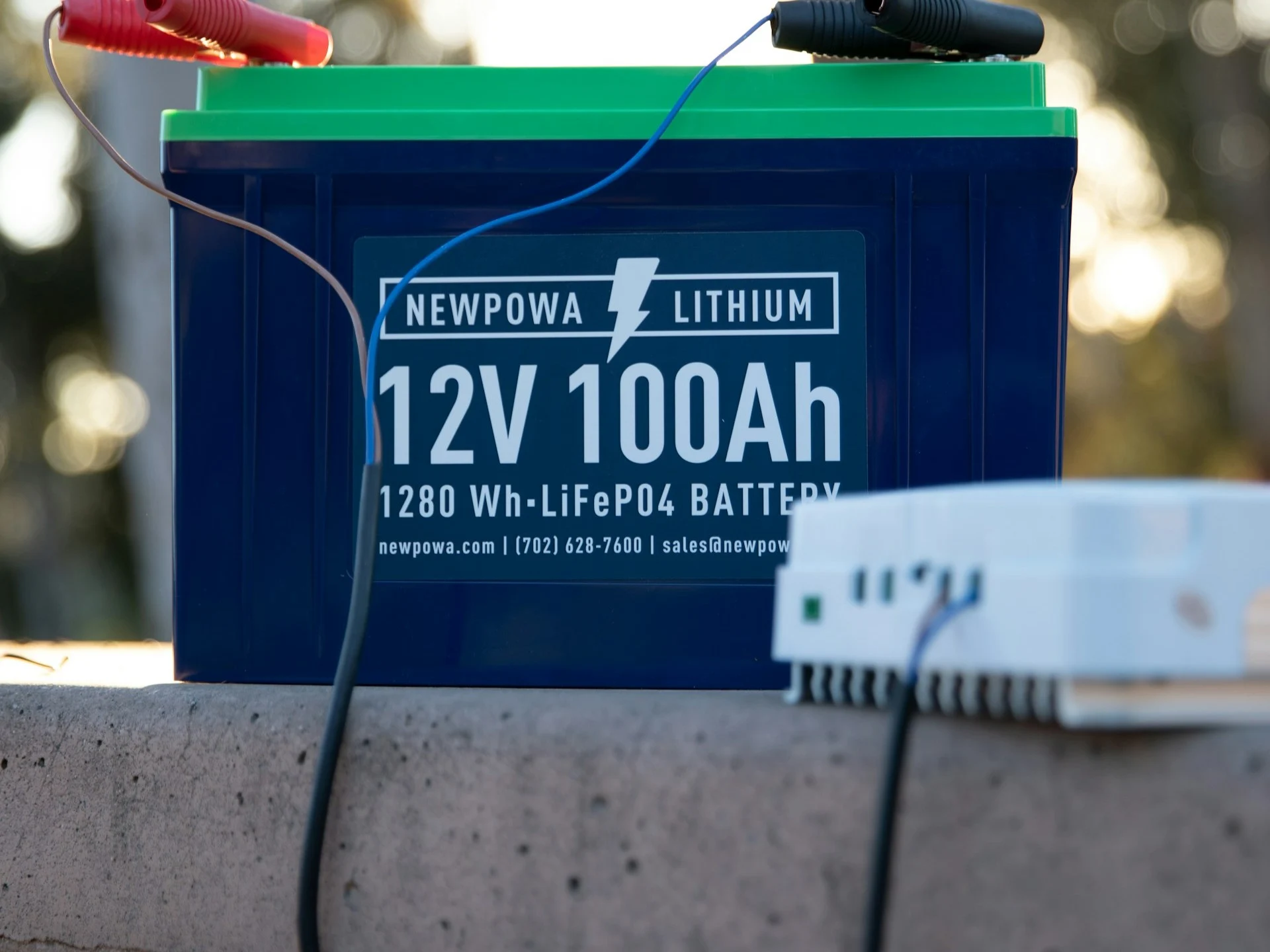
    Furthermore, sodium-ion batteries come with a great safety record. A sodium-ion jump starter recently listed on Amazon at a 30% discount can be safely stored in a trunk, regardless of the temperature, from the heat of Arizona to the chill of Alaska, without fears of spontaneous combustion or capacity loss.

    Rigorous Testing

    The CATL sodium-ion battery doesn’t have a volatile or flammable lithium electrolyte, which ensures its safety even in extreme conditions. It has undergone rigorous testing, including being smashed, drilled, heated, and even cut in half while still charged, and it continued to function without problems.

    Currently, the Naxtra pack found in the Nevo A06 has a capacity of 45 kWh, but CATL has announced plans to produce 300-mile sodium-ion batteries for Changan and other car makers in the near future, as sodium-ion battery technology becomes more mainstream to address the rising costs of lithium.

    Source:
    Link


  • Sodium-Ion Batteries Tested in Winter EVs Amid Rising Lithium Costs

    Sodium-Ion Batteries Tested in Winter EVs Amid Rising Lithium Costs

    Key Takeaways

    1. Lithium carbonate prices fell sharply from over $80,000 per ton in 2022 to below $10,000 due to increased supply and weakened demand for electric vehicles.
    2. The decline in lithium prices halted many mining and battery production projects, but prices are now rising again due to artificial supply constraints and a thriving energy storage market.
    3. Lithium prices surged from $17,000 in December to $26,000 in January, leading major battery manufacturers like BYD and CATL to resume sodium-ion production projects.
    4. CATL’s sodium-ion battery pack maintains 90% capacity at -40°C and can be charged at -30°C, making them suitable for extreme weather conditions and safer than lithium-based batteries.
    5. Sodium-ion batteries could potentially replace up to half of the current lithium iron phosphate (LFP) batteries in electric vehicles, depending on the results of ongoing cold-weather testing.


    After reaching a high of over $80,000 per ton in 2022, the cost of EV battery-grade lithium carbonate fell sharply to below $10,000 last year. This decline was due to a significant increase in supply while the demand for electric vehicles weakened.

    The Impact on Lithium Mining

    The sharp drop in lithium prices halted numerous lithium mining and sodium-ion battery production initiatives, as the lower prices rendered many of these projects unprofitable. Now, however, lithium prices are soaring again, driven by artificial supply constraints, such as the closure of mines due to regulatory actions in China, while the energy storage and electric vehicle export markets are thriving.

    Price Surge and Industry Response

    The price jumped from $17,000 in December to $26,000 in January, prompting the two largest battery manufacturers, BYD and CATL, to resume their commercial sodium-ion production projects. In a related development, CATL has started testing its Naxtra sodium-ion battery pack in cold weather conditions with retail passenger vehicles from Chinese brands like Changan.

    Changan has announced that it will provide details on the results of the cold weather testing of CATL’s sodium-ion battery with its Oshan series sedan in Inner Mongolia on February 5. The testing location, Yakshi, Hulunbuir, is currently facing temperatures that drop to -35°C (-31°F), which is near the threshold for charging tests of sodium-ion batteries.

    Promising Features of Sodium-Ion Batteries

    Recently, CATL introduced a sodium-ion battery pack designed for commercial vehicles that maintains 90% of its capacity at -40 degrees and can be charged normally even at -30°C (-22°F). This feature of sodium-ion batteries makes them appealing for use in various weather conditions. They are also considered safer since they do not contain volatile lithium and are more cost-effective than LFP batteries, especially now that lithium prices are on the rise.

    According to CATL’s CEO, sodium-ion batteries could replace up to half of the current LFP chemistry favorites in mainstream electric vehicles, making it intriguing to see how the cold-weather tests of the Naxtra battery with actual passenger vehicles will turn out.

    Source:
    Link


  • Tesla Launches $7,000 Cheaper Model Y AWD with Under 300-Mile Range

    Tesla Launches $7,000 Cheaper Model Y AWD with Under 300-Mile Range

    Key Takeaways

    1. Tesla now offers seven trims of the Model Y globally, including a new short-range Model Y AWD in the US.
    2. The Model Y trims in the US range in price from $39,990 to $57,490, providing more options for customers.
    3. The new Model Y AWD has the shortest range of all Model Y versions and is the only Tesla model with less than a 300-mile range.
    4. The Model Y AWD is positioned as a budget-friendly option with a $7,000 price difference from the Premium AWD trim.
    5. Choosing the AWD model means sacrificing luxury features and color options for a more affordable price, with only a slight difference in driving range.


    Tesla has recently expanded its offerings with seven different trims of the Model Y available worldwide. Following the launch of a long-range Model Y RWD in Europe, the company has now introduced a short-range Model Y AWD in the United States. Additionally, the Model Y Standard has been rebranded as the Model Y RWD to steer clear of any negative connotations related to affordability.

    Expanded Choices for Customers

    Currently, Tesla presents five Model Y trims for consumers in the US, with prices ranging from $39,990 to $57,490. This variety gives customers more options after the removal of the Model S and Model X from the lineup, ensuring there is truly something for everyone.

    Price and Performance Adjustments

    The new Model Y AWD trim, which includes an additional motor on the base RWD version while maintaining the same battery capacity, has the least range of all Model Y versions available in the US. It is also unique as the only Tesla model that offers less than a 300-mile range.

    Initially, a $7,000 price gap compared to the Premium AWD trim makes the new Model Y AWD an attractive budget-friendly choice. The Standard RWD version was not performing well in sales, prompting Tesla to enhance its entry-level lineup.

    Trade-offs for Affordability

    However, opting for the AWD model means buyers will miss out on several luxury features, including vented and motorized leather seats, a light bar, panoramic glass roof, HEPA filter, matrix LED headlights, acoustic glass, and a superior sound system. There is also a more limited selection of colors available. In terms of driving range, the difference is only about 30 miles, so the lack of design elements and some comforts might not deter those looking for a more affordable AWD option at a $7,000 lower cost.

    Source:
    Link


  • CATL Launches 1 Million-Mile Battery: Charges in 12 Minutes

    CATL Launches 1 Million-Mile Battery: Charges in 12 Minutes

    Key Takeaways

    1. CATL has developed a 5C battery that can be fully charged in just 12 minutes and maintains 80% capacity through its lifespan, achieving 1.8 million kilometers (1.12 million miles) before significant capacity loss.

    2. The battery can endure 1,400 charge-discharge cycles at extreme temperatures (60°C) and up to 3,000 cycles in milder conditions (20°C), making it the first million-mile EV battery with rapid charging capabilities.

    3. CATL’s range estimates for electric vehicles equipped with this battery are based on a 600 km (373-mile) average, which may be optimistic compared to EPA figures, but still allows for up to 750,000 miles of use before recycling.

    4. Innovations in battery design include self-repairing electrodes, consistent coating on the cathode to prevent cracks, and improved cooling systems, all contributing to enhanced longevity and safety.

    5. CATL is collaborating with NIO to supply these long-lasting batteries, aiming for a 15-year warranty and at least 85% capacity retention, which could significantly benefit the second-hand EV market.


    The largest battery manufacturer in the world has successfully combined the durability of electric vehicle (EV) batteries with rapid charging features. Following the introduction of the 4C Shenxing battery, which can go from 0-80% in just 15 minutes last year, a new version of its chemistry and production technique has increased the charging speed to 5C while ensuring a long lifespan.

    Impressive Charging Speed

    The latest 5C battery from CATL can be fully charged in only 12 minutes and still maintain at least 80% of its capacity throughout the electric vehicle’s lifespan. It can handle 1,400 complete charge-discharge cycles at 5C speeds in extreme heat of 60°C (120°F), or an astonishing 3,000 cycles in milder 20°C weather.

    This advancement means that CATL has developed the first million-mile EV battery capable of 5C charging, making those quick coffee-break charging advertisements a reality. The company claims that this battery can power an electric vehicle for over 1.8 million kilometers, which is around 1.12 million miles, before its capacity decreases to 80% of the original.

    Range Estimates and Comparisons

    It’s important to note that CATL’s calculations are based on a 600 km (373-mile) average EV range, which may seem a bit too optimistic, likely reflecting the local CLTC range testing cycle. This estimate is about a third more generous than the EPA’s figures in the US, as it includes more urban driving.

    However, even with this discrepancy, electric cars equipped with CATL’s new long-lasting battery will manage to cover up to 750,000 miles before the battery needs recycling, effectively outliving the vehicle based on the average annual mileage in the US.

    Innovations in Battery Design

    To achieve such remarkable longevity, CATL has tackled three main vulnerabilities associated with fast-charging EV batteries. Firstly, the electrodes have been engineered to self-repair by incorporating an SEI additive into the electrolyte, which helps to heal microcracks that develop during rapid charging. These cracks lead to lithium leakage and accelerate battery capacity loss.

    Furthermore, the coating film on the cathode has been made more consistent to reduce the occurrence of these cracks, while the separator coating diminishes ion transfer during elevated temperatures, thus preventing thermal runaway.

    Additionally, the design of the battery pack has been enhanced, allowing coolant to be directed to the areas that need it most at any moment, ensuring the cells stay cool under any conditions and significantly extending the lifespan of the pack.

    Future Collaborations

    While CATL has not yet disclosed which automaker will be the first to utilize its new long-lasting fast-charging batteries, it has recently entered into an agreement with NIO to supply these batteries that are expected to last the entire lifespan of an EV.

    Both NIO and CATL are working towards establishing a national EV standard that would require a 15-year battery warranty, ensuring at least 85% capacity retention. The technology appears to be in place, and CATL’s new million-mile 5C battery could dramatically enhance the second-hand EV market as well, as battery lifespan has been a primary concern for buyers of used electric vehicles, especially regarding fast-charging capabilities.

    Source:
    Link


  • Xiaomi Adds China’s Cheapest 1500 HP Car to Gran Turismo PS5

    Xiaomi Adds China’s Cheapest 1500 HP Car to Gran Turismo PS5

    Key Takeaways

    1. Xiaomi’s SU7 Ultra is the first Chinese vehicle in Gran Turismo, showcasing its growing electric vehicle market.
    2. The SU7 Ultra features a tri-motor system with 1,548 horsepower, making it a top contender in the racing game.
    3. It outperforms the Bugatti Chiron in its category despite being significantly cheaper at around $73,000.
    4. The SU7 Ultra is claimed to be the fastest four-door sedan in mass production, reaching speeds of 350 km/h (217 mph).
    5. Gran Turismo 7 players can now race with the SU7 Ultra, marking a potential shift towards more electric vehicles in racing games.


    Phone manufacturer Xiaomi has developed the first-ever Chinese vehicle to join the Gran Turismo garage. The racing simulator collaborated with Xiaomi, which has seen its emerging electric vehicle (EV) business grow five times quicker than Tesla, to integrate the handling of its SU7 Ultra supercar into the game.

    Discounted Gran Turismo 7

    In Gran Turismo 7, currently available on Amazon for the PS5 at a 39% discount, the Xiaomi SU7 Ultra is positioned in one of the top two categories. With a tri-motor system generating 1,548 horsepower, it falls just 52 HP short of the five hypercars in this famous racing game series.

    Competing with the Best

    However, it takes the lead in its category on Gran Turismo, surpassing the 1,479 HP Bugatti Chiron to claim the top position, even though it is priced at about $73,000 compared to the Chiron’s three-million-dollar tag. The Bugatti struggles to match the swift acceleration of the electric powertrain, and the Xiaomi SU7 Ultra even outperforms other EVs in its price range, such as Tesla’s Model S Plaid, in drag racing.

    A New Era for Electric Vehicles

    Xiaomi also claims that the SU7 Ultra is the fastest four-door sedan in mass production, capable of achieving speeds of 350 km/h (217 mph). Offering this vehicle in the $70,000-$80,000 price range is a fresh addition to the Gran Turismo lineup, where vehicles boasting 1,500+ HP usually come with million-dollar price tags.

    Players of Gran Turismo 7 can now race with the first Chinese car ever featured in the game, and its electric nature might signal future trends. Reports indicate that Sony is looking to add BYD’s 2025 U9 Extreme to Gran Turismo as well. This car, with over 3,000 HP, has now been recognized as the fastest in the world, reaching a top speed of 308 mph, dethroning Bugatti from its long-held position.

    Source:
    Link


  • Tesla Moves 4680 Battery Supply from Cybertruck to Model Y

    Tesla Moves 4680 Battery Supply from Cybertruck to Model Y

    Key Takeaways

    1. Tesla plans to use its own 4680 batteries in the 2026 Model Y after previous issues with energy density and repairability.
    2. The company is shifting focus to improve the 4680 battery’s performance and has faced challenges with low sales of the Cybertruck.
    3. Tesla aims to produce 4680 batteries more cheaply using a dry electrode method, but they still have thermal inefficiency compared to Panasonic’s 2170 cells.
    4. The new approach allows for individual cell repairs by integrating 4680 cells into non-structural battery packs, improving repairability.
    5. Specific Model Y versions equipped with 4680 batteries are yet to be announced, raising curiosity about their charging performance.


    Tesla is once again planning to use its own 4680 batteries in the 2026 Model Y. The first attempt at this didn’t go very well, as the initial structural battery pack that was integrated into the chassis was not able to be repaired. Additionally, the first generation of 4680 batteries had low energy density and a poor charging curve.

    New Developments

    Due to these issues, Tesla decided against using 4680 cells in the Model Y and instead focused on creating a second version of the battery that would have better energy density for the Cybertruck. However, the electric pickup hasn’t been selling well, leaving Tesla in a tough spot. They even had to stop production on two of their other premium models, the S and X, which saw a 50% drop in sales in 2025.

    Elon Musk hinted during the Q4 earnings call that the Cybertruck might be remodeled as an autonomous vehicle for work. Meanwhile, Tesla might have enough production capacity for the 4680 batteries, made using the more affordable dry electrode method, to begin fitting “some Model Ys with our 4680 cells.” The company blames supply chain issues due to tariffs for this change.

    Performance Concerns

    While Tesla may be able to produce the 4680 batteries more cheaply now, they still suffer from thermal inefficiency and a less favorable charging curve compared to Panasonic’s 2170 cells. This could leave potential buyers feeling uncertain about the news of the 4680 batteries returning to the Model Y lineup.

    On the bright side, there are some positives regarding the switch back to Tesla’s own 4680 cells, even if they are not as good as the 2170 packs in long-range Model Y versions. According to Tesla’s CFO, their engineers are working on resolving supply issues by incorporating 4680 cells into non-structural battery packs.

    Repairability Improvement

    This means that Tesla is now placing 4680 cells into the trays of the 2170 pack housing, which could allow for repairs by replacing only the individual cells that fail. Earlier, Tesla utilized a cell-to-pack method where the large 4680 battery was part of the Model Y’s structure, using a large amount of adhesive that made it impossible to remove individual cells. This setup meant that the entire battery would need to be replaced once it failed.

    Tesla hasn’t disclosed which specific versions of the Model Y will come equipped with 4680 batteries, but curious customers will find out shortly and will likely test the charging curve to see if Tesla has remedied the previous charging speed problems seen in the Cybertruck and the first generation of Model Y 4680 cells.

    Source:
    Link


  • Tesla Ends Model S/X as Sales Drop 50%: No 400-Mile or 1,000 HP EV

    Tesla Ends Model S/X as Sales Drop 50%: No 400-Mile or 1,000 HP EV

    Key Takeaways

    1. Tesla is discontinuing the Model X and Model S due to tough competition and declining sales.
    2. New competitors, like the Volvo EX60, offer similar or better features at lower prices.
    3. The Model S is priced higher than rivals such as the Lucid Air, despite lacking some comfort features.
    4. Tesla is pivoting towards more affordable electric cars, focusing on mid-range models like the Model Y and Model 3.
    5. The future of the Cybertruck is uncertain, with plans to potentially market it as a fully autonomous work vehicle.


    Tesla is currently encountering tough rivals in the high-end electric vehicle market, leading the company to pivot towards offering more affordable electric cars. This shift involves discontinuing its well-known Model X and Model S models just months after their recent updates.

    New Competition on the Block

    Take the new Volvo EX60 as an example; it’s a 2-ton SUV capable of traveling 400 miles on a single charge, which is comparable to Tesla’s longest-range Model S sedan. However, it comes at 30% less cost than the Model X, while boasting a modern 800V powertrain and a more upscale interior.

    Challenges for the Model S

    The Model S itself faces a similar issue, being priced 20% higher than competitors like the Lucid Air Touring, even though its specifications are quite alike and it lacks some comfort features. As it becomes clearer that Tesla struggles to compete on price in the premium EV market, the decision to phase out both the Model X and Model S has been made.

    Tesla plans to halt production of the Model S and Model X by June 2026, but it will continue to provide support to their owners. Elon Musk mentioned some vague “shift to an autonomous future” as the reason for discontinuing these models, but the truth is, their sales simply aren’t strong. Over the past year, sales of the Model S and Model X have dropped by 50%, and Tesla’s “other” vehicle category in sales has always been quite small.

    Concerns with Current Offerings

    Similar to the Cybertruck, these vehicles are priced over $100,000 but feature an outdated powertrain, slow charging times, and an interior that doesn’t meet expectations for this price range. Features like falcon wing doors or a 1,000 HP tri-motor setup haven’t been enough to save them from poor sales.

    Tesla is also considering the future of the Cybertruck, which is performing even worse than the Model X or Model S. After trying to introduce it in markets like the UAE, Tesla is now contemplating whether to promote it as a fully autonomous work vehicle. Musk commented, “We will transition the Cybertruck line to just a fully autonomous line. There’s a lot of cargo that needs to move locally within a city, and an autonomous Cybertruck could be very useful for that.”

    The Future of Tesla’s Offerings

    In essence, Tesla seems uncertain about the role of the Cybertruck as well, leading to the decision to cut all premium vehicles from its retail offerings. Initially, Tesla focused on luxury electric cars, but it appears there’s no longer a market for them, at least not for Tesla’s versions. The company seems to be shifting towards selling only mid-range models like the Model Y and Model 3. As for the Fremont factory, where the Model S and Model X were produced, it will likely transition to producing Optimus and solar assemblies instead.

    Source:
    Link


  • Uber vs Lyft vs Waymo vs Model Y: Ride Share Price & Wait Time Comparison

    Uber vs Lyft vs Waymo vs Model Y: Ride Share Price & Wait Time Comparison

    Key Takeaways

    1. Tesla has launched its Robotaxi service in cities like Austin and San Francisco, offering significantly lower prices compared to competitors.
    2. Tesla’s fares are often two to three times cheaper than established ride-sharing services like Uber and Lyft, with rides in San Francisco averaging only $8.
    3. Waymo’s pricing has improved, reducing the gap with Uber from 40% to just 13%, but Tesla’s rates remain considerably lower.
    4. Tesla’s estimated wait time for a ride is about 15 minutes, while Waymo and Lyft have shorter average wait times of just over five minutes.
    5. Tesla is rapidly expanding its Model Y robotaxi fleet and plans to increase the number of unsupervised rides, addressing challenges related to vehicle availability and wait times.


    Tesla has launched its new Robotaxi ride-sharing service in cities such as Austin and San Francisco, using the 2026 Model Y vehicles. This service has significantly reduced prices, undercutting competitors by two to three times.

    Competing with Established Brands

    This pricing advantage extends to established companies like Uber and Lyft, as well as fully autonomous rides from Google’s Waymo. Although Waymo has historically been pricier than Uber or Lyft, its rates are quickly decreasing. The price gap between Waymo and Uber has shrunk from as much as 40% to just 13%, and it’s only 2% for rides under six miles.

    Unmatched Pricing from Tesla

    Tesla’s Robotaxi fares are unmatched, with rides in San Francisco costing less than ever before. The average fare for a Tesla ride there is only $8, while Lyft charges double that amount. According to a study on average ride share prices, Tesla charges $1.99 per kilometer ($3.20 per mile), while Waymo’s rates are nearly three times higher. This data comes from an analysis of 94,348 rides, which includes both trip costs and waiting times.

    Wait Times Compared

    While Tesla excels at pricing, the estimated time of arrival (ETA) for a Model Y is about 15 minutes when requested. In contrast, Waymo, the other player focused on robotaxis, has an average wait time of just over five minutes, similar to Lyft’s ETA.

    It’s important to note that Tesla has far fewer robotaxis operating than Waymo, with around 156 Model Y units in the Bay Area using the FSD (Unsupervised) software. Waymo boasts over a thousand automated vehicles, which naturally leads to shorter wait times.

    Rapid Expansion of Tesla’s Fleet

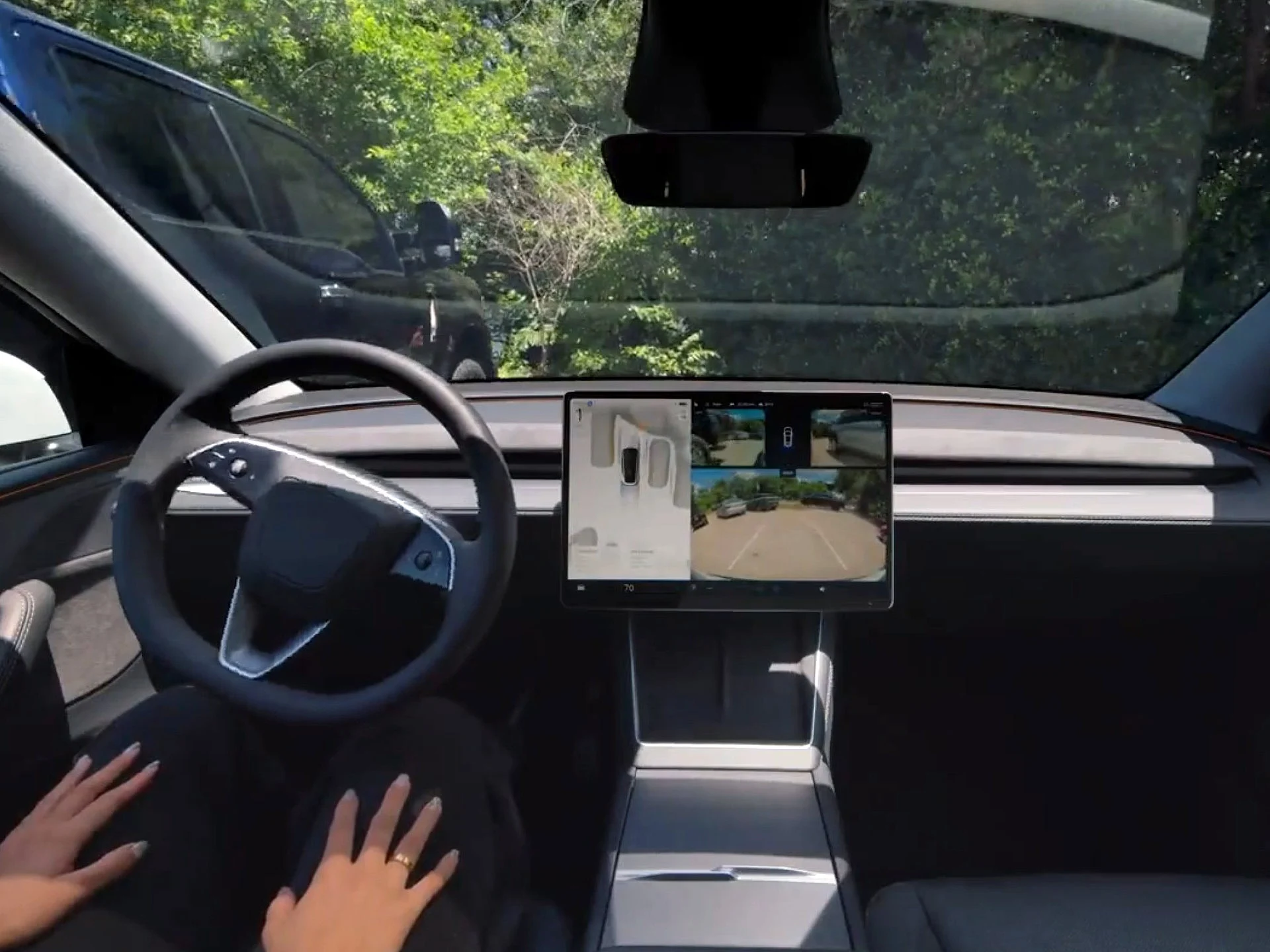
    Tesla is rapidly increasing its Model Y robotaxi fleet and has begun offering unsupervised rides in Austin, much like Waymo. According to Tesla’s AI chief, as time goes on, the proportion of unsupervised rides will grow, along with the fleet size, and this process has already been initiated.

    In summary, Tesla is providing unbeatable prices for ride-sharing to encourage quicker adoption of its Robotaxi app and services, similar to how Uber and Lyft did when they started. This strategy aims to counteract the common challenges faced by new entrants, such as a limited number of vehicles leading to longer wait times. A survey of respondents indicates that robotaxis are already becoming a norm in the Bay Area, as nearly half expect one to arrive after a ride share request, which is promising for the future of autonomous car-sharing services.

    Source:
    Link


  • Volvo EX60: The Ultimate Apple Car, According to Experts

    Volvo EX60: The Ultimate Apple Car, According to Experts

    Key Takeaways

    1. Apple has ended its plans for the iCar and Project Titan in February 2024.
    2. The Volvo EX60 is seen as a strong alternative, embodying characteristics expected from an Apple product.
    3. The EX60 is designed as a “software-defined vehicle,” continuously improving through data collection.
    4. Its advanced SPA3 platform allows for gradual performance enhancements and new features over time.
    5. Volvo is positioned as a vibrant and technologically sophisticated brand, filling the role originally envisioned for Apple in the automotive market.


    In February 2024, Apple decided to end its plans for the iCar and Project Titan. However, Matthias Schmidt from Schmidt Automotive Research has noticed something interesting in his latest report. He believes that Volvo’s EX60 perfectly fills the void left by Apple.

    The Unique Appeal of the Volvo EX60

    According to Schmidt, the Volvo EX60 has the kind of characteristics that many would have anticipated from an Apple product. Its design is sleek, practical, and has a distinct Nordic flair. However, what truly matters is what’s under the hood. Volvo is not just jumping on a trend; it’s committed to developing the Volvo EX60 as a “software-defined vehicle.” This electric car continuously gathers data—not just for fun, but to gain insights.

    Continuous Improvement Over Time

    Much like a smartphone’s operating system that evolves over time, the Volvo EX60 is built to enhance its capabilities while parked in the owner’s garage. Schmidt points out the car’s safety features, which learn from real-life driving experiences and accident situations. The algorithms become more intelligent, receiving updates in real time. This blend of hardware safety and adaptive software was the very essence that many hoped to see from the Apple Car.

    Advanced Technology Behind the Scenes

    This is all made feasible thanks to the innovative SPA3 platform paired with the “Superset” tech stack, which enables “progressive performance enhancement” over time. Basically, Volvo no longer needs to set all functionalities in stone at launch; instead, performance can be improved gradually, and new features added as real-world data shows that users won’t face any downsides or safety issues. This method of maximizing hardware capabilities through evolving software has been a hallmark of Apple for many years.

    Schmidt’s tone turns a bit reminiscing in his analysis. He remembers that while Steve Jobs was often spotted later in life driving his iconic silver Mercedes SL without any plates, the young Apple co-founder was seen driving a Volvo station wagon in the 2013 movie “Jobs.” “If he were still around,” Schmidt writes, “one could easily picture him behind the wheel of an EX60 today.” For the analyst, this clearly indicates that the Volvo brand is vibrant, technologically sophisticated, and now assuming the role that was originally envisioned for Apple.

    Source:
    Link